Last updated November 16, 2026
Free written scope consultation - allowances, timeline, and change-order rules on paper before a single trade is scheduled
DIY vs Professional Home Additions & ADU: What’s Safe to Do Yourself
Most homeowners assume the DIY-or-hire question is about skill. It isn’t. It’s about permit exposure, insurance liability, and the specific tasks California law reserves for licensed contractors. A homeowner in Glendale can legally paint their own ADU, lay their own flooring, and plant their own landscaping. They cannot legally pull their own electrical panel permit, run their own gas line into an addition, or frame a structural wall without an owner-builder permit that makes them personally liable for every inspection on that job. Get that line wrong and the consequences go beyond a crooked tile: the city can withhold your occupancy permit, and unpermitted work can be ordered demolished. This guide draws the line task by task, so you can protect the finish work you’re equipped to do and hand off the work that can sink the whole project.
Quick Answer
In California, finish work – painting, flooring, tile, landscaping, cabinets, trim – is DIY-safe. Structural and systems work is not: electrical rough-in, gas piping, plumbing rough-in, and structural framing all require a licensed contractor, and any job over $500 in combined labor and materials requires a licensed contractor under the Business and Professions Code unless you’re the owner-builder. For a home addition or an ADU in Glendale, the safe split is usually your finish labor, a licensed pro’s permit-pulling and structural work, and a written scope that keeps the two from colliding at inspection time.
Styles & brands we work with
- Kitchen remodeling
- Bathroom remodeling
- Home additions & ADU
- Roofing
- Windows & doors
- Driveway & pavers
- Fence
Table of Contents
- What Does California Law Actually Require?
- What Does an Owner-Builder Permit Actually Make You Responsible For?
- Which ADU and Addition Tasks Are DIY-Safe?
- How Does DIY Work Affect Homeowner’s Insurance?
- What Is the Resale and Rental Risk of DIY Work?
- Which DIY Tasks Actually Save Money?
- Why Glendale Adds Its Own Complications
- Common Mistakes to Avoid
What Does California Law Actually Require?
The $500 threshold is the number that matters most. Under the California Business and Professions Code, any work on a home that combines $500 or more in labor and materials – unless performed by the owner or a licensed contractor – requires a licensed contractor. That threshold is low enough that almost any real addition or ADU job crosses it in the first week. The law isn’t a formality: a contract signed with an unlicensed contractor is typically unenforceable, which means if the work goes bad you may have no legal path to recover the money.
The carve-out is the owner-builder exemption. If you own the property and will live in it, you can legally take out an owner-builder permit and perform the work yourself. That’s the exception that makes DIY framing or a DIY electrical panel technically possible. But “possible” and “safe” are different words.
Three things the exemption does not do:
- It does not license you. You still have to pull permits, pass inspections, and meet every structural, electrical, and energy code requirement in the current California code cycle.
- It does not cover rental property. If your ADU will be rented, the owner-builder exemption generally doesn’t apply.
- It does not shift liability. You become the responsible party for the entire construction chain, including any subcontracted labor you bring in on your own.
In our experience, Glendale homeowners who go the owner-builder route on a full addition end up spending more time reading the building code than a licensed GC would spend supervising the job. That’s fine if you want it. It’s not fine if you thought you were saving money.
What Does an Owner-Builder Permit Actually Make You Responsible For?
An owner-builder permit makes you the general contractor on paper. That means every inspection is your inspection, and every failed inspection is your failed inspection – not your neighbor’s, not your city councilmember’s, yours.
- You pull the permit. You file the plans, pay the fees, post the site card, and respond to every inspector visit yourself. In Glendale, that includes the city’s building and safety review and, for an ADU, planning department sign-off on setback and height rules.
- You hire and pay subs. Any licensed subs you bring in – plumber, electrician, HVAC – must each pull their own permits for their scope, and you’re the one accountable if they don’t.
- You carry the liability. If a worker is injured on your site and the licensed contractor’s workers’ comp doesn’t apply, you may be exposed personally. That’s why owner-builder insurance is a separate policy and a separate cost.
- You handle resale disclosure. California requires sellers to disclose all construction, permits, and inspections. If your owner-builder file isn’t complete, you’re disclosing a gap.
Owner-builders do it. It works for a garage conversion, a finished storage structure, or a deeply involved homeowner with a background in construction. For a new two-story addition or a detached ADU in Glendale, most people discover within the first month that the time cost exceeds the labor savings.
Which ADU and Addition Tasks Are DIY-Safe?
This is where the guide earns its keep. Here’s the task-by-task split we use when a Glendale client asks whether they can do a piece of the work:
- Finish work (DIY-safe): interior paint, baseboard and trim, cabinet assembly and installation, flooring (LVP, hardwood, laminate), hanging doors and closet systems, final hardware, landscaping and hardscape under the landscaping exemption. You’ll save real money here and you can’t invalidate an inspection with a well-installed floor.
- Tile installation (DIY-safe with caveats): a shower tile job is safe to DIY on labor, but the waterproofing membrane behind it – the Schluter or cement board system that keeps water out of the wall cavity – is where homeowners fail. Get the membrane wrong and you’re tearing out a wall in three years. The tile itself is forgiving. The waterproofing underneath isn’t.
- Structural framing (permit-required, skill-dependent): every header, post, beam, and shear wall is signed off by an engineer or architect on paper before you cut wood. You can be a very good carpenter and still fail the framing inspection because the hold-down hardware pattern was wrong. This is the task where the permit protects you, not the other way around.
- Plumbing rough-in (licensed only): supply lines, drain lines, the venting system, gas piping into any new fixture, and the water heater relocation – all permit-required, all licensed-plumber work. One bad solder joint in a wall cavity in Glendale’s older housing stock is thousands of dollars of rot and mold before you notice.
- Electrical rough-in (licensed only): the panel, the branch circuits, the subpanel, the GFCI/AFCI breakers, and the low-voltage runs. There is no safe DIY electrical panel. It’s the single fastest way to void your insurance and fail your occupancy inspection.
- HVAC (permit-required, licensed): ductwork, mini-split installation, and Title 24 energy compliance documentation – all licensed work.
Two rules cover most of it: anything inside a wall or behind drywall is licensed work, and anything structural is licensed-plus-engineered work. Anything on the surface of the finished space, with a few exceptions, is yours.
How Does DIY Work Affect Homeowner’s Insurance?
Homeowner’s insurance does not love self-built additions. Most standard policies have a disclosure clause that requires you to inform your insurer if you built an addition yourself, and some carriers exclude or limit coverage for owner-built structures that weren’t built by a licensed contractor. That disclosure is a question on the application and on renewal. Answer it wrong – even accidentally – and a claim on that structure can be denied for material misrepresentation.
The three exposures that matter most:
- Construction-phase liability. A standard homeowner’s policy is not a builder’s risk policy. If a worker is injured during an owner-built project, or a fire happens during construction, coverage may not respond the way you assume.
- Structural failure coverage. If an owner-built wall fails and the insurer finds the work was unpermitted or uninspected, the claim outcome gets complicated fast.
- Disclosure and renewal. Carriers can decline to renew a policy on a home with a significant unpermitted or owner-built addition. That’s a much bigger cost than the labor you saved.
Before you self-build any part of an ADU in Glendale, call your insurance agent and ask the specific question: “If I owner-build this structure, what’s covered and what’s excluded?” Get the answer in writing. The paperwork you get back is worth more than any advice about whether framing is “easy.”
What Is the Resale and Rental Risk of DIY Work?
An ADU in Glendale can only be legally rented with a certificate of occupancy issued by the city – and that certificate is issued only after final inspection of the whole construction chain. Every permit pulled on the job has to be signed off, every inspection has to have passed, and any correction the inspector wrote has to be resolved. A DIY task that fails inspection on the wrong day, or a permit that was never issued for the electrical, keeps the certificate of occupancy from being issued. That’s the part homeowners underestimate: it’s not a slap on the wrist at the end of the project. It’s the difference between an ADU that generates $2,700 a month in rental income in Glendale and an ADU that has to sit empty – or be redone – while you fight the city.
The resale side has its own teeth. California requires sellers to disclose all construction and permits on a property. A buyer’s lender will order a permit record pull before funding. Unpermitted work on an addition can kill a sale, force you to retroactively permit the work at current code (which for anything structural can mean demolition), or knock tens of thousands off the price to compensate the buyer for the exposure. In Glendale neighborhoods where ADUs were added informally – garages converted back in the 1990s, back kitchens turned into rentals – we see buyers negotiate hard over this. The appraisal doesn’t include unpermitted square footage, which means the price drops and the loan amount drops with it. If you’re looking at your own property and wondering what legal additions can do for value, we’ve written a fuller guide on Home Additions & ADU in Glendale that covers the permit and appraisal math.
Which DIY Tasks Actually Save Money?
The savings are real, but they don’t live where most homeowners assume. Here’s the honest breakdown for a typical one-bedroom ADU of 600 to 850 square feet in Glendale:
- Interior paint: $4,000 to $7,000 saved. This is genuine money. You can do it in three weekends and do it as well as a pro.
- Flooring: $3,000 to $6,000 saved. LVP and plank flooring are forgiving. If you’re not comfortable with a wet saw, hire the tile work and DIY the plank.
- Cabinets and trim: $2,000 to $4,000 saved. Assembly and installation of cabinets is more a logistics job than a skill job. The layout happens on the drawing; you’re just executing it.
- Tile work: $2,500 to $5,000 saved – but only if you’re comfortable with the waterproofing. If you’re learning on this job, the savings are theoretical.
- Framing: near zero real savings. The time to design, engineer, and inspect framing correctly usually exceeds what you’re saving on labor – unless you do construction for a living.
- Electrical and plumbing: negative savings. The “savings” from DIY electrical work are typically wiped out by the cost to correct, and the permit-exposure risk isn’t insurable. Two brand inspection failures on a DI electrical panel in Glendale can cost more than the professional job was going to cost in the first place.
The pattern: labor-heavy, surface-level, skill-forgiving tasks save you money. Permit-anchored, inspection-anchored, code-anchored tasks don’t. If a task can cause a stop-work order, it’s not a savings opportunity. It’s a risk you shouldn’t be carrying.
Why Glendale Adds Its Own Complications
Glendale has some specific conditions that raise the stakes on a DIY addition or ADU. The city’s building and safety department is thorough and the permit process is well documented, but it’s not forgiving; the inspection cards, the plan checks, and the ADU-specific planning sign-offs are enforced carefully. Housing stock varies enormously by neighborhood – 1920s bungalows in Adams Hill don’t permit the same way as a 1990s build in Rancho San Rafael – and the code requirements for retaining walls, shear walls, and window replacements shift based on what’s already there. And Glendale sits in a moderate-to-high fire zone across much of the foothills north of the 134, which triggers Chapter 7A requirements for exterior materials, vent screens, and roof assembly in a lot of ADU and addition work. Getting those spec’d into the plans is not a step you want to discover at final inspection.
None of that argues against DIY on the finish side. It argues against the assumption that a homeowner can take an owner-builder permit to save money on an addition and catch up on the code requirements at the first inspection. Glendale’s inspection process is a record. Build the record correctly and the certificate of occupancy is straightforward. Skip a step and the same record can hold the project up for months.
Common Mistakes to Avoid
- Pulling an owner-builder permit on a rental. The exemption generally doesn’t apply to rental property in California. If your ADU is intended for rental income in Glendale, check before you file – the permit can be invalidated after the fact.
- Assuming finish work is “no permit needed, not a problem.” Some finish work does touch code – window replacement, exterior door replacement, and any electrical in the finish scope. Those are permitted items, not freebies.
- Not disclosing owner-built work to the insurer. The renewal questionnaire is the moment to tell them, not after a fire. Coverage denials on the basis of material misrepresentation are typically not negotiable.
- Hiring an unlicensed “sub” to do the plumbing or electrical. The $500 threshold applies to the sub, not just to the GC. If an unlicensed sub does the work and the job fails inspection, the permit holder – that’s you – carries the correction cost.
- DIY waterproofing without a failure plan. Tile is a deferred consequence. The waterproofing membrane is the part that has to be right. If you’re doing it DIY, build a test into the schedule before you tile over it.
- Skipping the Chapter 7A materials spec for Glendale foothills. Exterior materials in the fire zone have specific requirements. Framing lumber, roof assembly, and vent screen are all specified. Meet the spec or the final inspection fails.
- Unpermitted garage conversion a decade ago. If the prior owner closed in a garage or added a back kitchen without permits, that work surfaces now. The buyer’s title and permit search will find it. That’s not a today problem – it’s a today problem.
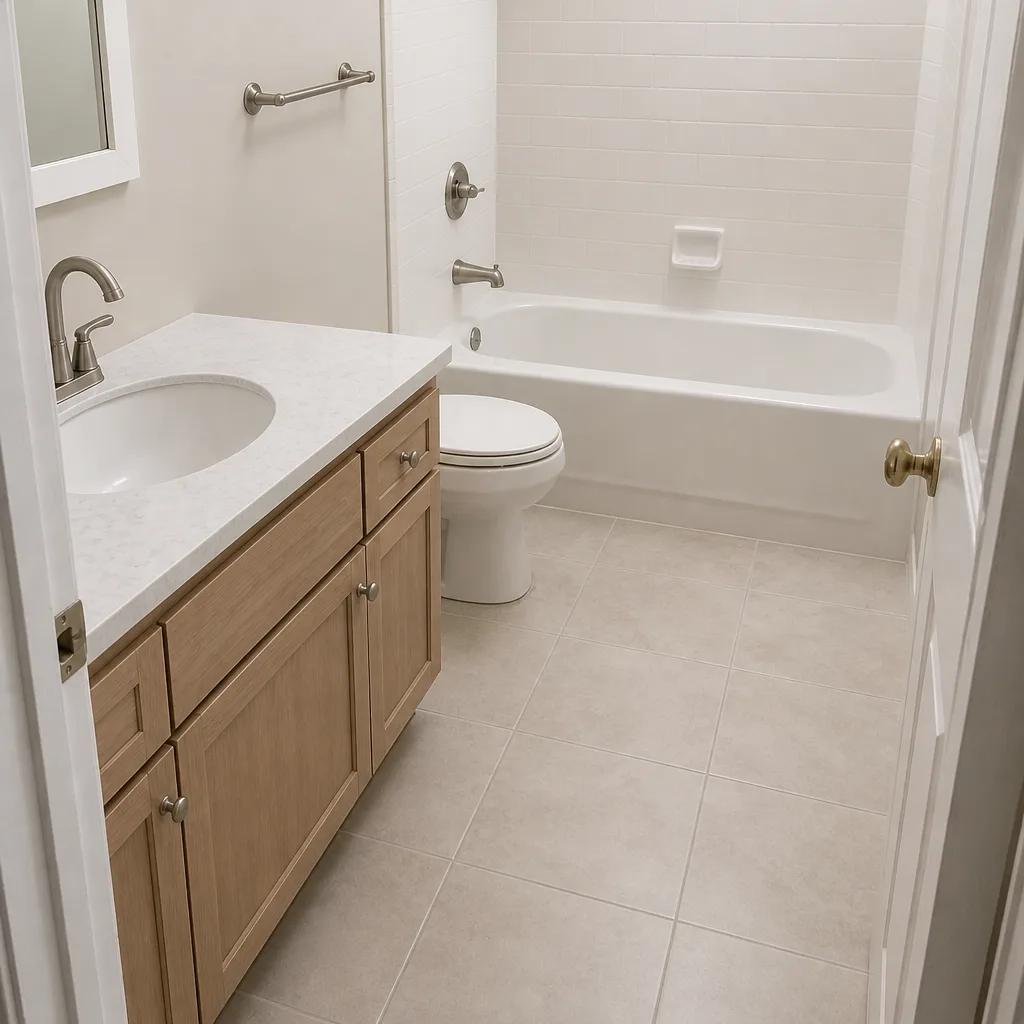
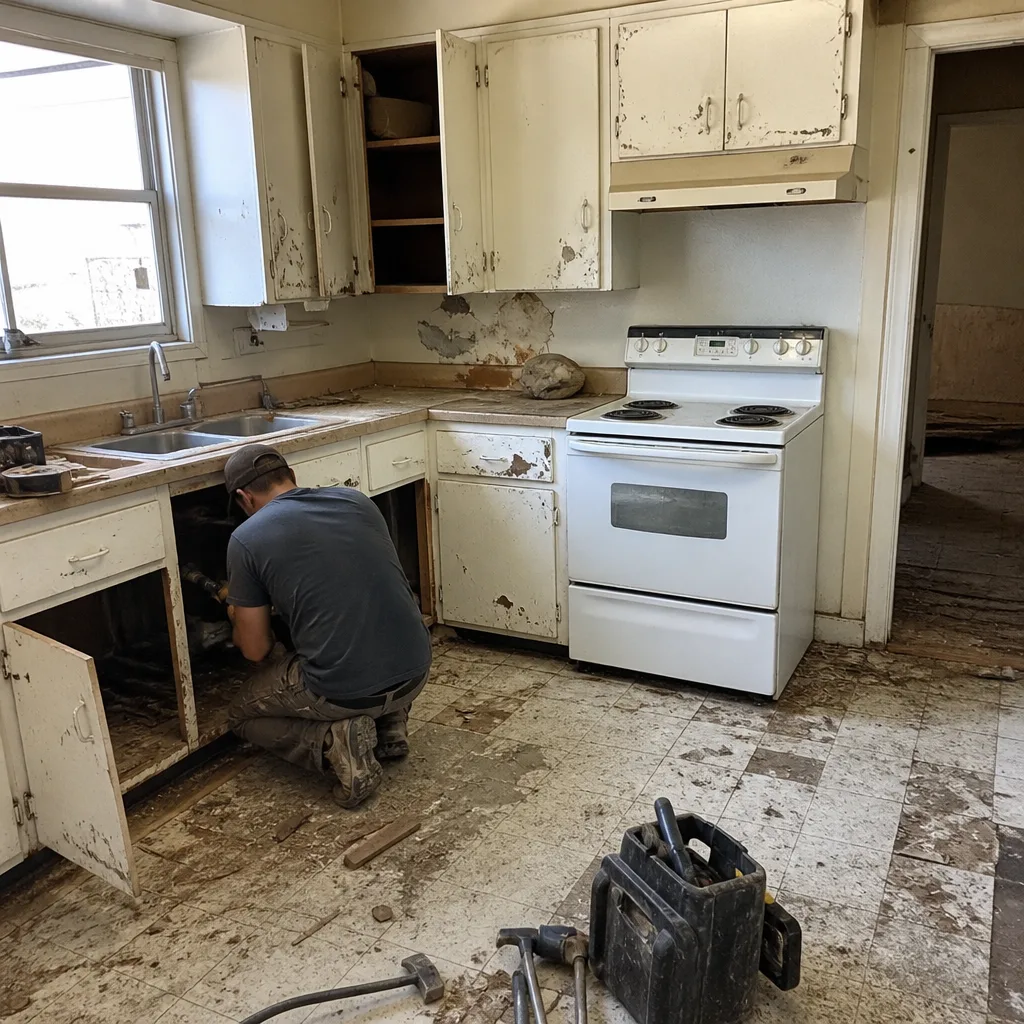
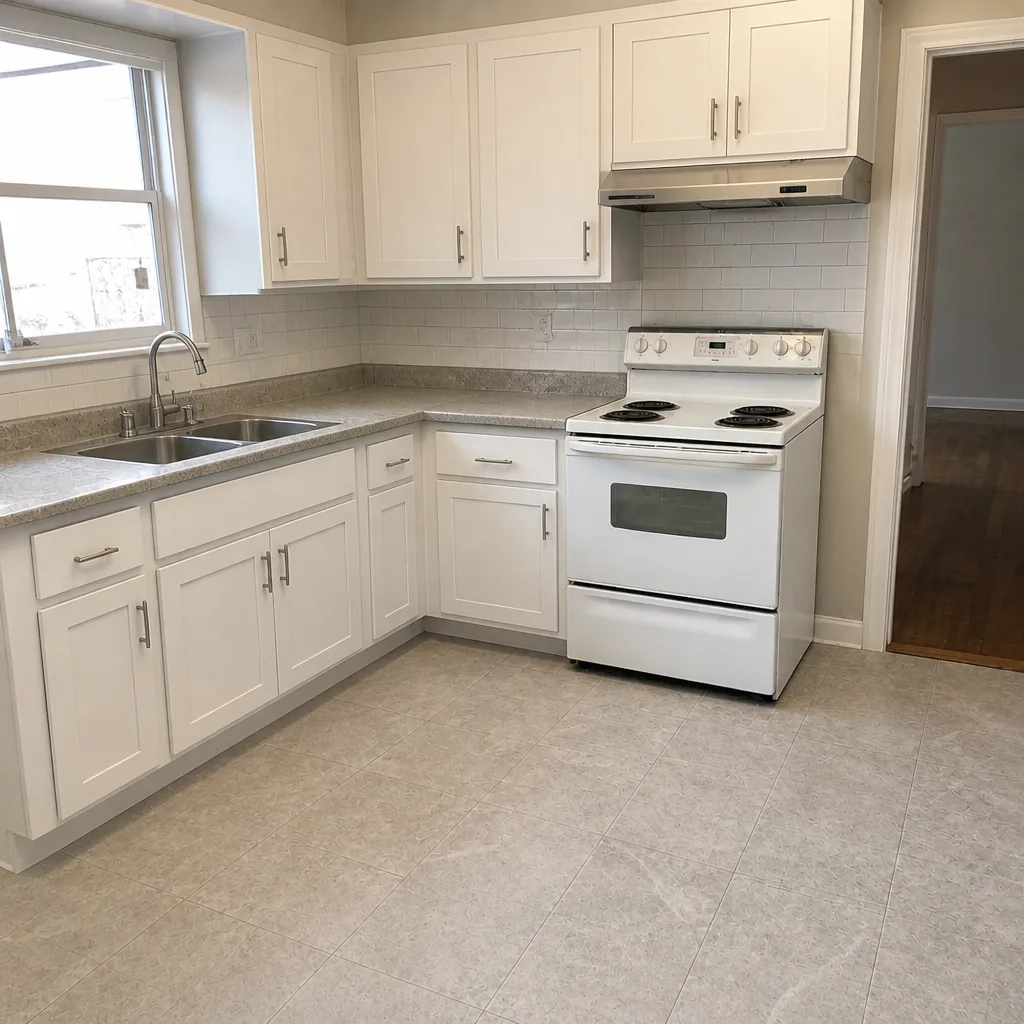
See the difference
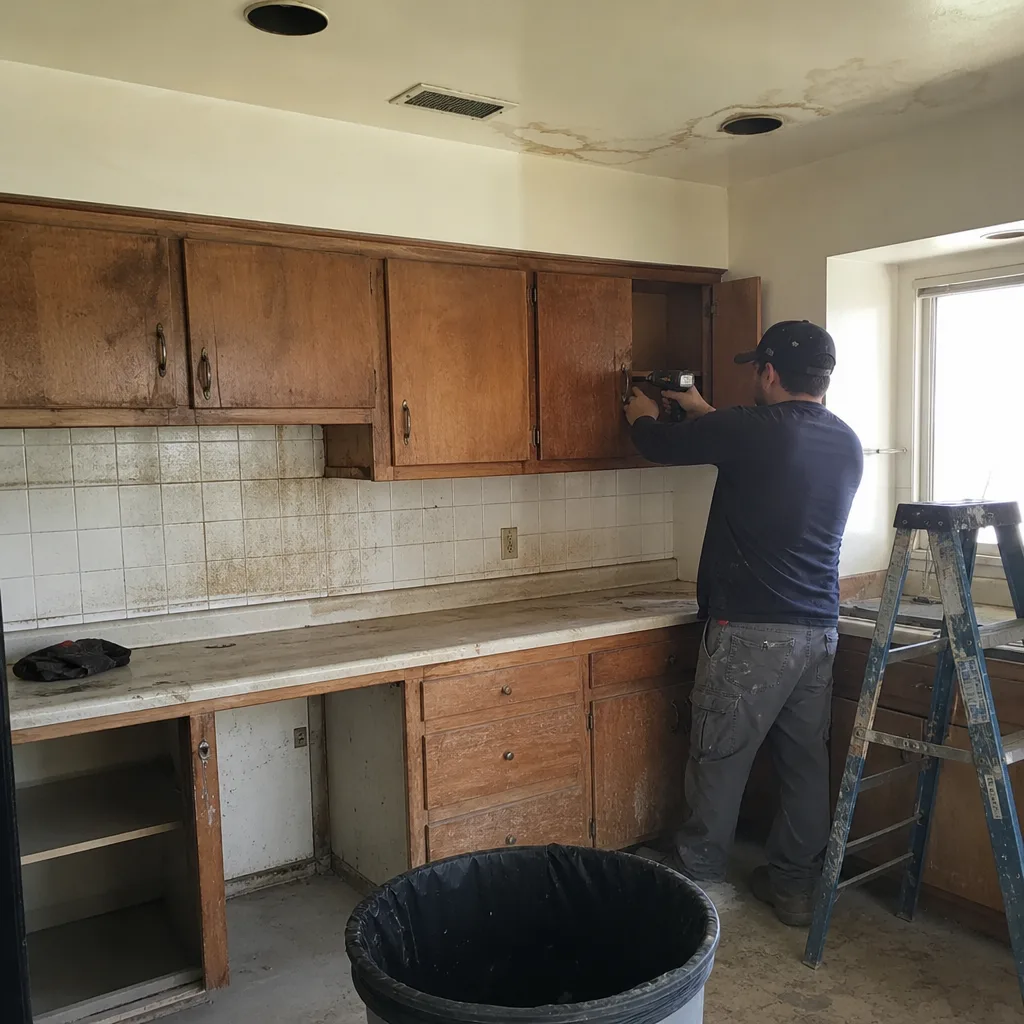 Before
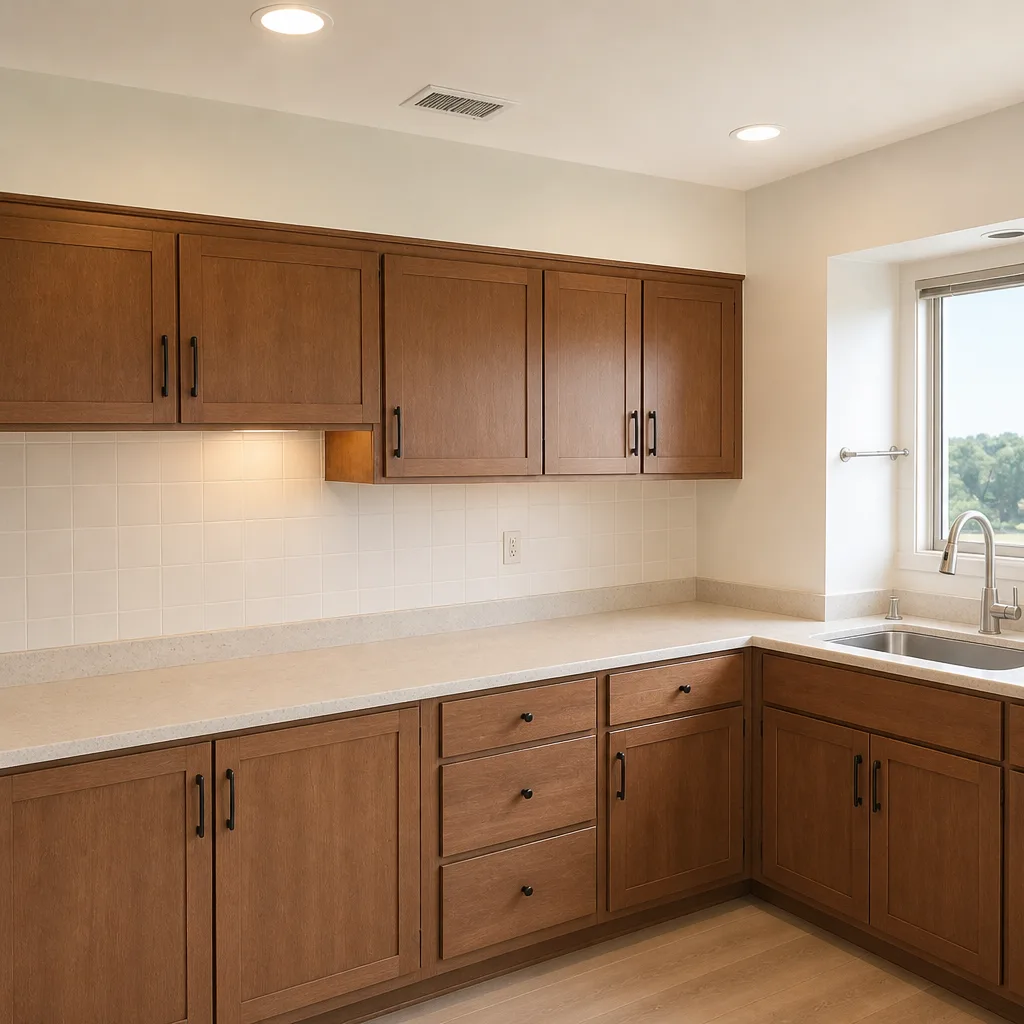 After
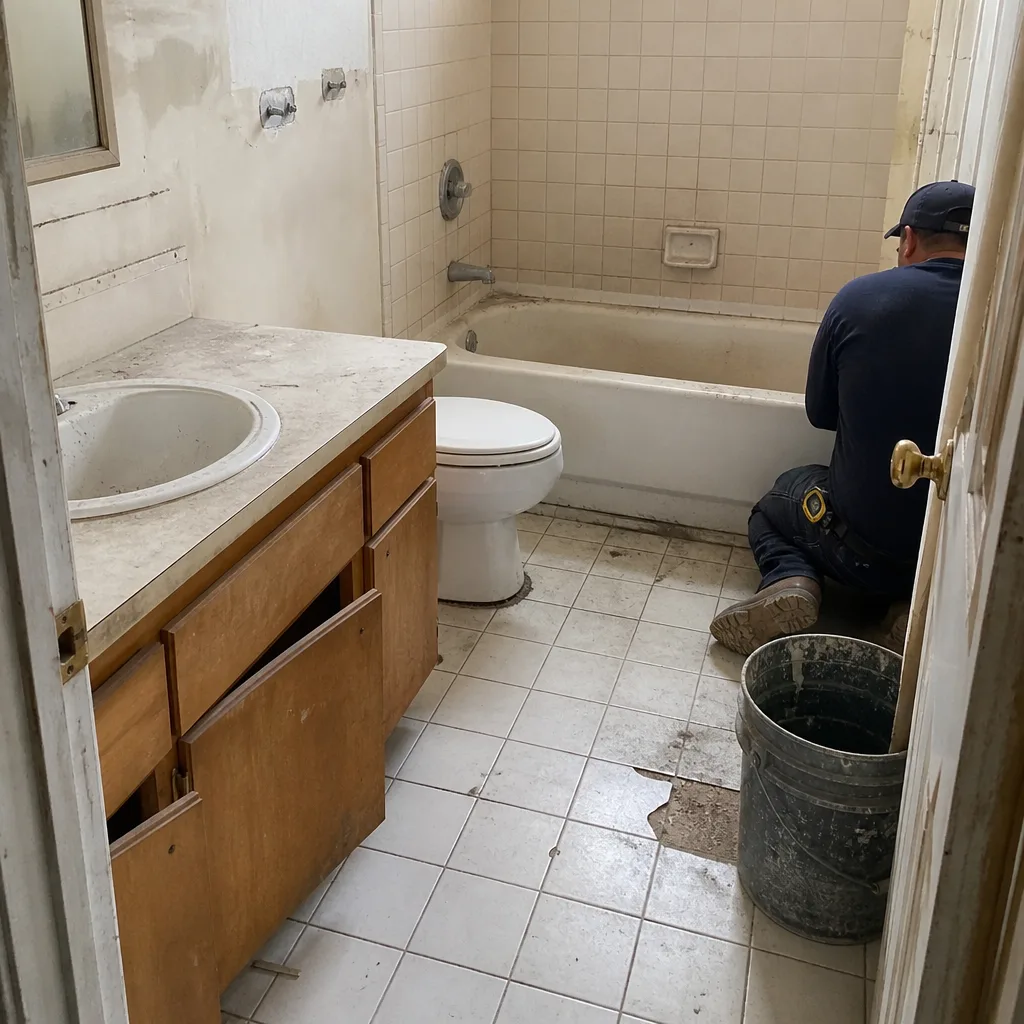 Before
 After
 Before
 After
When to Call a Professional
Call a licensed contractor if any of the following is true: the work involves a permit, the work involves a structural wall, the work involves electrical or gas or plumbing behind any surface, the work is on rental property, or the certificate of occupancy depends on this task passing inspection. Also call a professional if you’re carrying an owner-builder policy you don’t fully understand – the insurance review alone is worth having a licensed general contractor in the room. The rest – painting, flooring, cabinets, trim, tile with a tested waterproofing system – is yours, and if you do it well it saves money. Rowan Construction Group Glendale offers free estimates in Glendale – call (844) 320-5930. We deliver a written price before any work starts, and we’ll review another contractor’s written estimate line by line at no charge. If your driveway, fence, or basic systems work is on the same plan, we do Driveway & Pavers in Glendale and Fence Installation in Glendale as well, and you can read more on our Rowan Construction Group Glendale home page. We also keep a stash of Sterling and Grohe specification sheets on hand for clients comparing finish-level fixture and sink hardware against their insurance requirements.
Frequently Asked Questions
Yes, you can owner-build an ADU in Glendale if you own the property and will live in it – but only by pulling an owner-builder permit and passing every inspection yourself. The exemption does not apply to rental property, does not license you, and does not shift liability to anyone else. You still have to meet every structural, electrical, plumbing, and Title 24 requirement.
Yes. Under the California Business and Professions Code, any work on a home totaling $500 or more in combined labor and materials requires a licensed contractor unless you’re the owner-builder on your own primary residence. The threshold is low – most ADU jobs cross it in the first week. A contract with an unlicensed contractor is typically unenforceable.
It can. Most standard homeowner’s policies require disclosure of owner-built structures, and some carriers exclude or limit coverage on structures not built by a licensed contractor. A standard policy is not a builder’s risk policy, so construction-phase injury and fire exposure may not be covered. Call your agent and ask what’s excluded before you file the permit.
Only if the inspections fail or the permits weren’t pulled. Glendale issues the certificate of occupancy when every permit in the construction chain has passed final inspection and every correction has been resolved. DIY finish work that passes inspection doesn’t hold up the certificate. Unpermitted electrical or a failed framing inspection does – and without the certificate, the ADU can’t be legally rented.
Interior paint, flooring (LVP, hardwood, laminate), cabinet assembly and installation, trim and baseboards, hanging doors and closet systems, landscaping and hardscape, and tile installation if you’re confident in the waterproofing membrane behind it. Those are all finish-level tasks that save real money and can’t invalidate an inspection. Structural, plumbing, electrical, gas, and HVAC are licensed-only.
The honest answer is that the DIY savings depend on which tasks you take on. Finish work on a 600 to 850 square-foot ADU can save $10,000 to $20,000 in labor if you do the paint, floors, cabinets, and trim yourself. Framing, electrical, and plumbing usually don’t save money in real terms – the correction and inspection risk typically exceeds the labor savings.
The Bottom Line
The DIY question for additions and ADUs isn’t whether you’re handy. It’s whether you want to own the permit, the inspection, and the liability for the tasks that carry them. California sets the floor at $500 in labor and materials, and the owner-builder exemption is real but narrow – it doesn’t cover renters, it doesn’t cover rental property, and it doesn’t shift liability to anyone else. Finish work is yours to keep. Anything behind a wall, anything structural, anything that appears on an inspection card, and anything that puts the certificate of occupancy at risk should go to a licensed contractor with a written scope and a written price. Hand off the permit work and keep the part that saves money. If you’re evaluating the permit side, grab a free estimate from us and we’ll lay the tasks out on one page – call (844) 320-5930. Background-checked, uniformed technicians; calls answered by a live person 24/7; every visit includes a documented photo record as a standard deliverable.
Written by the team at Rowan Construction Group Glendale.