Last updated November 16, 2026
Free written scope consultation - allowances, timeline, and change-order rules on paper before a single trade is scheduled
Windows & Doors Warning Signs Every Homeowner Should Know
Interior drywall cracks that run at a 45-degree angle from the corner of a window opening are rarely a drywall problem. They’re a rough-opening movement indicator: the window frame is racking under thermal expansion or foundation settlement, and the crack is the building telling you so. Patch the drywall without examining the frame and you’ve done a cosmetic repair on a structural conversation. In our years working Glendale homes – from the 1920s bungalows near Adams Square to the newer infill builds off Brand – we’ve watched homeowners spend thousands chasing the wrong culprit. This guide connects the visible symptom to the frame-level cause, with the specific checks, price ranges, and bid pitfalls that matter before water damage writes the diagnosis for you.
Quick Answer
The most reliable window and door warning signs are not the ones that announce themselves as window problems. They show up as paint failure at the frame base, 45-degree drywall cracks at opening corners, daylight visible at weatherstripping, soft sill material, and a 15-20% jump in summer cooling costs that no other change explains. Any one of these is worth a frame-level inspection before you call a painter or a drywaller.
Styles & brands we work with
- Kitchen remodeling
- Bathroom remodeling
- Home additions & ADU
- Roofing
- Windows & doors
- Driveway & pavers
- Fence
Table of Contents
- Reading the Symptom: Window Source vs. Roof or Plumbing Source
- The Energy Bill Pattern That Points to Seal Failure
- Frame and Sill Signs You Can Check Yourself
- Spotting Unpermitted Window Work Before You Buy
- Bid Warning Signs Specific to Window & Door Work
- Why Glendale’s Climate Accelerates Frame Failure
- Common Mistakes to Avoid
- When to Call a Professional
Reading the Symptom: Window Source vs. Roof or Plumbing Source
Water stains near a window are the easiest thing in a house to misattribute. The stain appears at the window, so the window gets blamed. But water travels along framing, and the source is often eight feet away and above. Before you call anyone about a window, run this cross-reference:
- Stain directly below and parallel to the window head, with paint bubbling at the frame: likely the window head flashing or the rough-opening seal. This is a window-and-door source.
- Stain spreading horizontally across a ceiling near an exterior wall, worse after rain driven sideways: commonly a roof-wall junction or missing kick-out flashing. That’s roofing, not the window – and it’s why we always scope a Rowan Construction Group Glendale home inspection across trades before quoting.
- Stain that grows slowly with no rain correlation, and a musty smell indoors: plumbing or condensation, often a supply line pinhole or an AC condensate line. Not a window.
- Peeling paint on the exterior trim above a window but dry inside: sun and moisture cycling on the trim, but the frame behind it may be absorbing water. Worth a frame check.
In our experience across Glendale, the single most common misdiagnosis is a roof leak blamed on the window directly beneath it. The window gets replaced, the roof junction keeps leaking, and the new window fails within two seasons because the moisture source was never addressed. Cross-referencing the symptom to the source first saves the window and the money. For window-adjacent exterior work, a paver or hardscape change nearby can also shift drainage against a sill – which is why we look at grade and slope at the same time we look at the frame.
The Energy Bill Pattern That Points to Seal Failure
A 15-20% unexplained increase in cooling costs during a Glendale summer is one of the clearest correlations to window seal failure you’ll see from a utility bill. Glendale runs hot: summer highs routinely land in the mid-90s and the sun hits west- and south-facing glass hard from early afternoon. A failed insulated glass unit – the double-pane assembly where the sealed gas layer has leaked – loses its insulating value and forces the HVAC to work harder.
How to read the pattern:
- Pull the same month from last year and the year before. If August cooling costs climbed 15-20% with no rate change, no new appliance, and no change in household size, suspect the building envelope.
- Walk the interior of each exterior window on a hot afternoon and hold the back of your hand near the glass and the frame. A hot frame edge and a warm pane that used to be cool to the touch is a seal or weatherstripping indicator.
- Look for interior fogging or a hazy film between the panes. Fog between panes means the seal is gone – the glass unit needs replacement, not a cleaning.
- Check for condensation on the inside of the glass in the morning during shoulder season, when mornings are cool and afternoons are hot. Seal failure shows up first at the temperature swing.
The energy bill is data. It won’t tell you which window failed, but it tells you whether to spend a Saturday afternoon finding out. We’ve seen Glendale homes where a single failed west-facing unit accounted for most of a summer cooling spike – a $250 to $450 glass-unit replacement paying for itself faster than homeowners expect.
Frame and Sill Signs You Can Check Yourself
You can separate cosmetic wear from frame-level failure with four checks and no tools beyond a screwdriver and your fingers. Do these before you call a contractor – they’ll make the estimate more accurate and the conversation shorter.
- Soft sill material. Press a screwdriver handle, never a blade, into the interior sill near the frame base. If it gives more than a few millimeters or feels spongy, the wood has absorbed water. Soft sill means the frame base is compromised and repainting is a waste of money.
- Paint bubbling at the frame base. Bubbling paint on the interior trim at the bottom corners is moisture pushing out from behind. It’s a frame-seal failure indicator, not a paint failure.
- Daylight at the weatherstripping. On a bright day, stand inside and look at the perimeter of a closed window or door. Any visible light line at the weatherstripping means air (and water) is moving through. This is the rough-opening seal talking.
- The dollar-bill test on doors. Close a door on a dollar bill at the top, bottom, and both sides. If the bill pulls out with no resistance, the weatherstripping has flattened and needs replacement. On Glendale’s older stock, this takes 30 seconds per door and reveals more than a visual inspection.
None of these checks require opening a wall or touching glass. They’re the same signs our technicians look for on arrival, and they’re documented with photos on every visit so you have a record of what was found. If a sill is soft or paint is bubbling, stop painting and get the frame inspected. A $60 can of paint over a failing seal buys you six months and costs you a sill.
Spotting Unpermitted Window Work Before You Buy
Unpermitted window replacement is common in Glendale’s older neighborhoods, and it matters at resale and at inspection. A window swapped without a permit may be undersized for the rough opening, missing required flashing, or non-compliant with Title 24 energy requirements for replacement fenestration. If you’re buying or recently bought, here’s how to spot it:
- Ask for the permit history. The city of Glendale building department keeps a record of permitted work. If a window replacement was done in the last decade and no permit shows, treat it as unpermitted until proven otherwise.
- Look for mismatched exterior trim and interior casing around one or two windows only. A whole-house replacement usually looks uniform; a partial, unpermitted swap often shows newer trim beside original.
- Check the rough opening at the interior. Remove the interior casing on one suspect window. Improperly installed units often show gaps greater than the manufacturer’s specified clearance, no shims at the frame, or caulk bridging a wide gap instead of proper flashing.
- Look at the flashing at the exterior head. No metal or membrane flashing above the window head, and caulk where flashing should be, is a signature of unpermitted, flashing-free work.
The remediation path: disclose what you’ve found, get the permitted work brought into compliance with a permit and inspection, and budget for flashing correction on any window without it. In our experience, a single unpermitted replacement window corrected properly runs $400 to $900 in labor and materials beyond a standard install – and it’s the difference between a clean inspection and a failed one. If you’re considering an addition where new windows are part of the scope, the Home Additions & ADU in Glendale process builds permits into the quote from day one.
Bid Warning Signs Specific to Window & Door Work
Window and door bids fail in predictable ways. A written quote that omits any of the following tells you the contractor is either guessing or planning to charge for it later. Read every bid against this list:
- No flashing specification. A bid that says “install window” without naming the flashing method (metal head flashing, sill pan, or membrane) is a bid that assumes you’ll accept the cheapest path. Flashing is the single biggest driver of whether a window lasts 10 years or 30.
- No Title 24 compliance line. Replacement fenestration in California triggers Title 24 energy requirements, and a compliant bid names the U-factor and SHGC of the proposed unit. A bid that ignores it is out of step with current code.
- Per-unit pricing with no rough-opening assumption. “10 windows at $X each” tells you nothing if the rough openings are out of square or the existing frames are rotted. A fair bid states the per-unit price *and* the assumed condition of the rough opening, with a written change-order process if reality differs.
- No brand or model named. A bid that doesn’t name the manufacturer or unit model can’t be compared. We source across vetted brands including GAF and Owens Corning for roofing-adjacent work, and the same rule applies to windows – a named product is a comparable quote.
A written price with a written scope before any work starts is not a luxury; it’s the baseline. Under our Haven Standard, no change proceeds without a signed change order, which is exactly the discipline that keeps a job within a few percent of the agreed number. If a bid can’t survive a line-by-line review, bring a competitor’s quote in for a free second opinion – we’ll review it at no charge.
Why Glendale’s Climate Accelerates Frame Failure
Glendale’s climate is hard on frames for reasons that don’t show up in a national checklist. The city sits in a basin where summer highs reach the mid-90s and the afternoon sun loads west- and south-facing walls for six hours straight. Then temperatures drop 25 to 30 degrees overnight. That daily expansion-and-contraction cycle works on the frame and rough opening every day of the season, and it’s why we see more frame movement in Glendale than in milder coastal markets.
Add the occasional wet winter, when moisture drives against a deteriorating seal, and you get the pattern: a window that looked fine in April fails by the second summer. Homes near the Verdugo foothills and in the older pockets around Glenoaks deal with a bit more moisture and shade than the flat areas near the Galleria, and we inspect both differently. If your exterior hardscape and drainage slope against a wall near windows, that’s a frame-rot accelerant – the reason we inspect grade and paving alongside the frame when we do Driveway & Pavers in Glendale work.
Common Mistakes to Avoid
- Patching a 45-degree crack without checking the frame. The crack is a movement indicator. Patch it and the building moves again next season. Inspect the rough opening and the foundation first.
- Replacing a window before fixing the water source. If a roof junction or plumbing line is feeding the moisture, a new window becomes the next victim. Cross-reference the symptom before you replace the frame.
- Painting over a soft sill. Paint traps moisture behind a failing seal. A $60 bucket of paint over a soft sill costs you a $600 sill and frame repair later.
- Accepting a bid with no flashing spec. A window installed without head and sill flashing will fail in a wet season, no matter how good the unit is. This is the highest-cost omission on the page.
- Buying a home without pulling the window permit history. Unpermitted work follows the house, not the seller. Pull the record before you close, not after.
- Ignoring an energy bill spike because “summer is always expensive.” A 15-20% jump with no other explanation is a building-envelope signal. Track the same month year over year.
- Treating a single failed glass unit as a whole-house replacement. Fog between panes on one or two units often means a glass-unit replacement at a fraction of the cost of new windows. Diagnose first.
See the difference
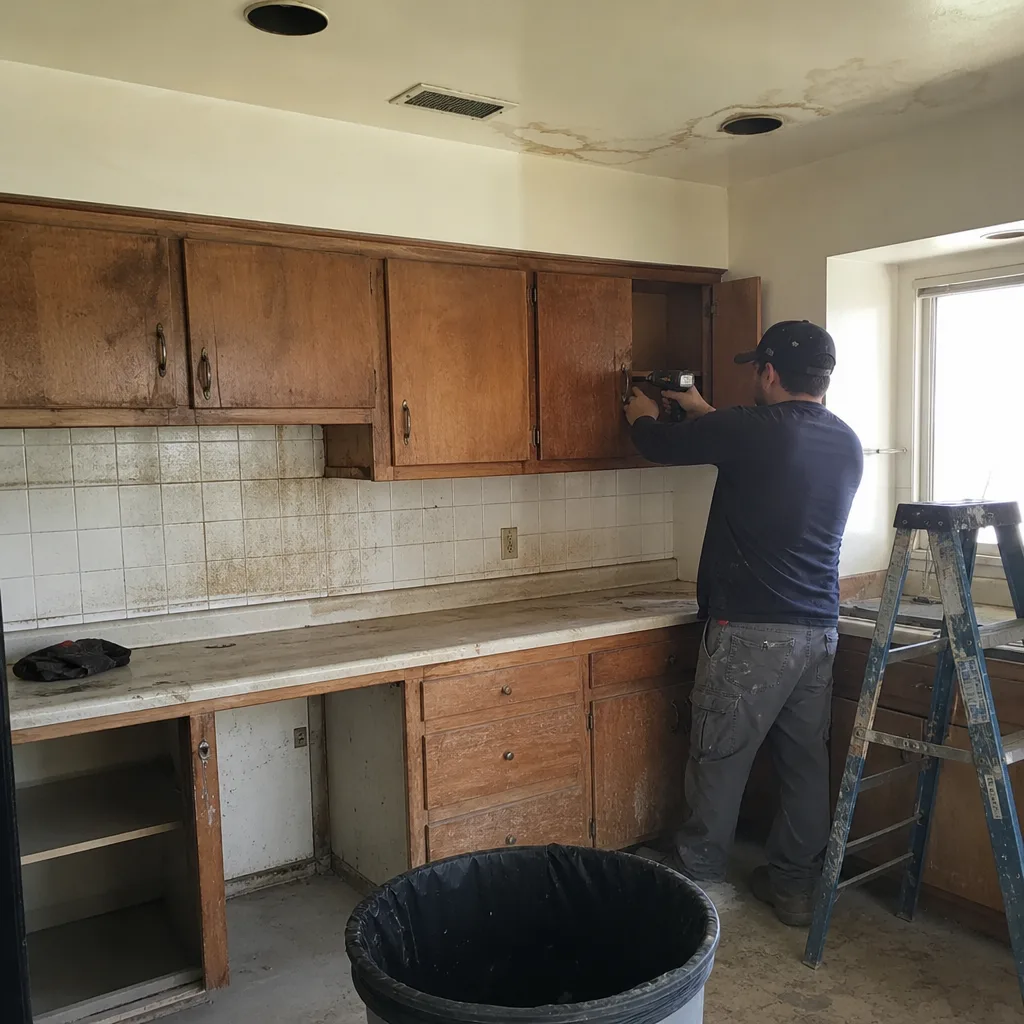 Before
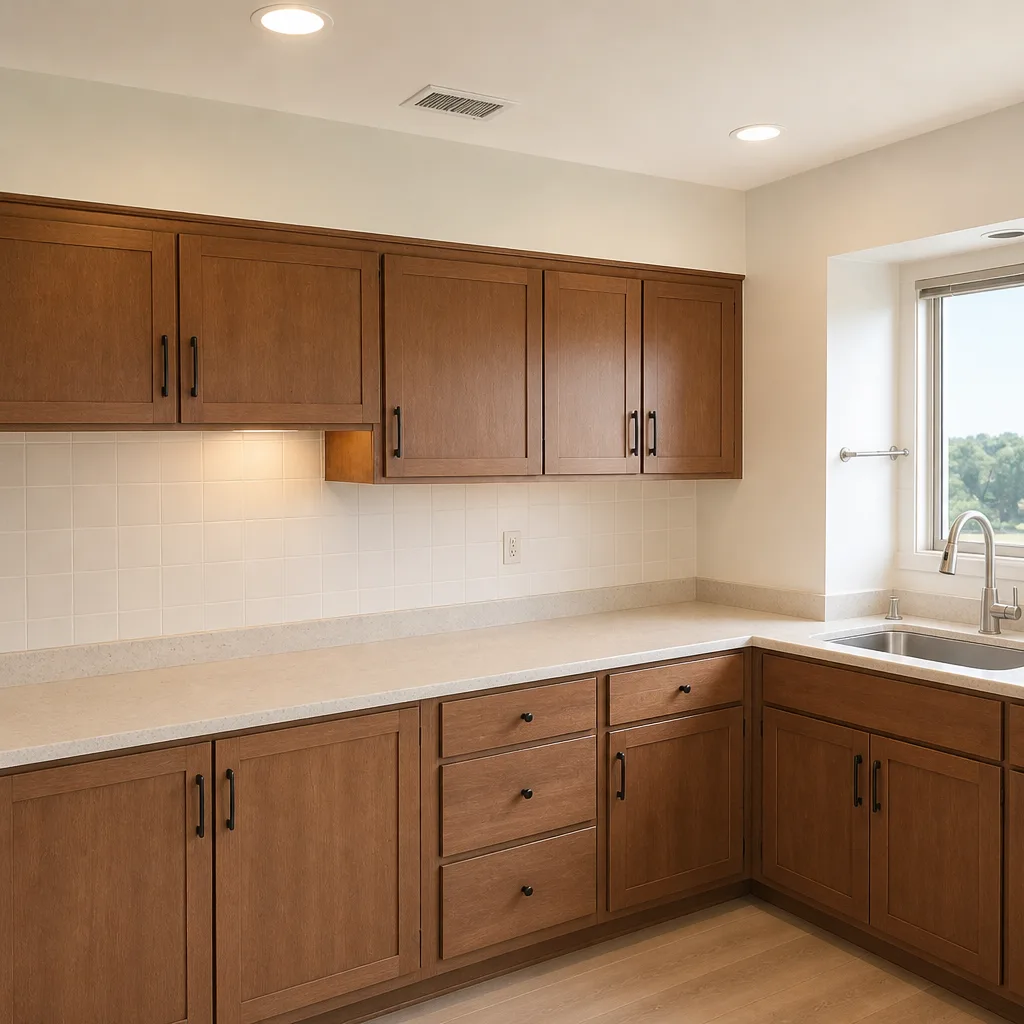 After
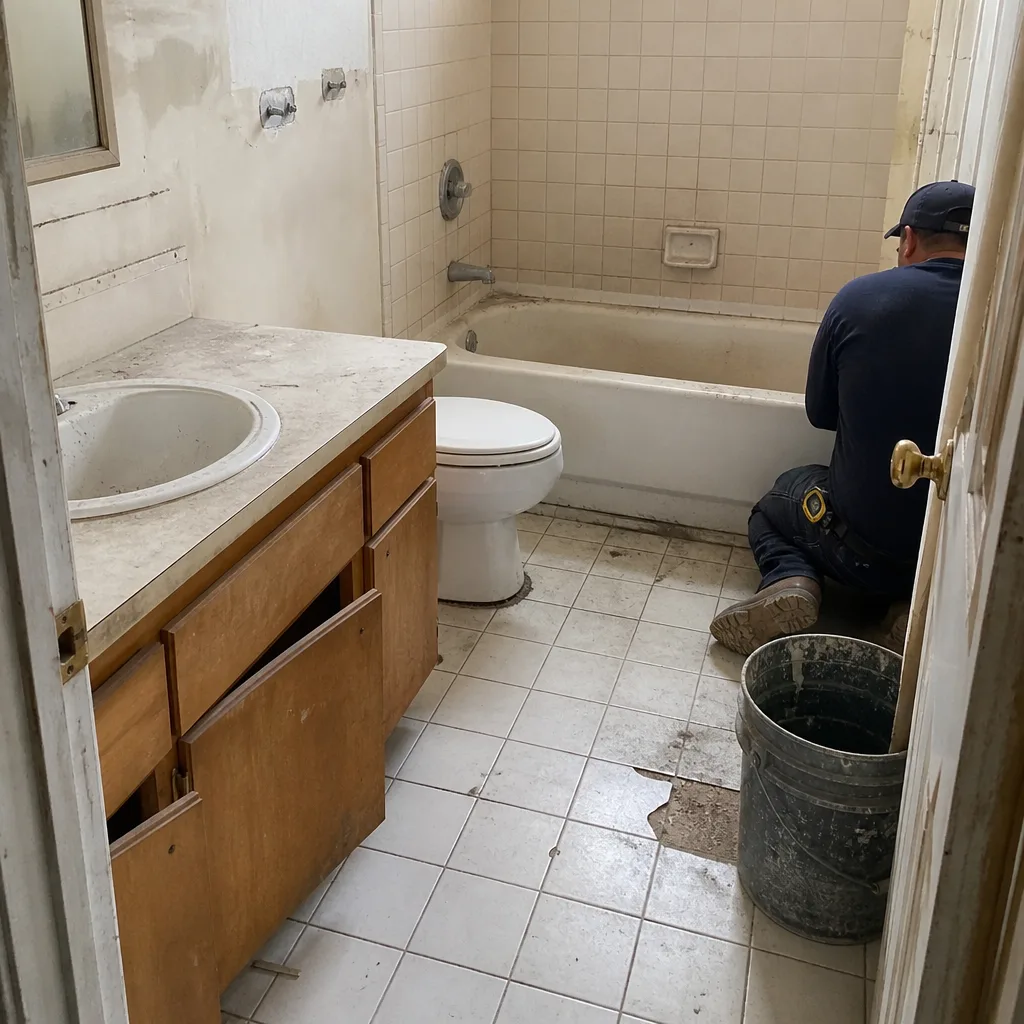 Before
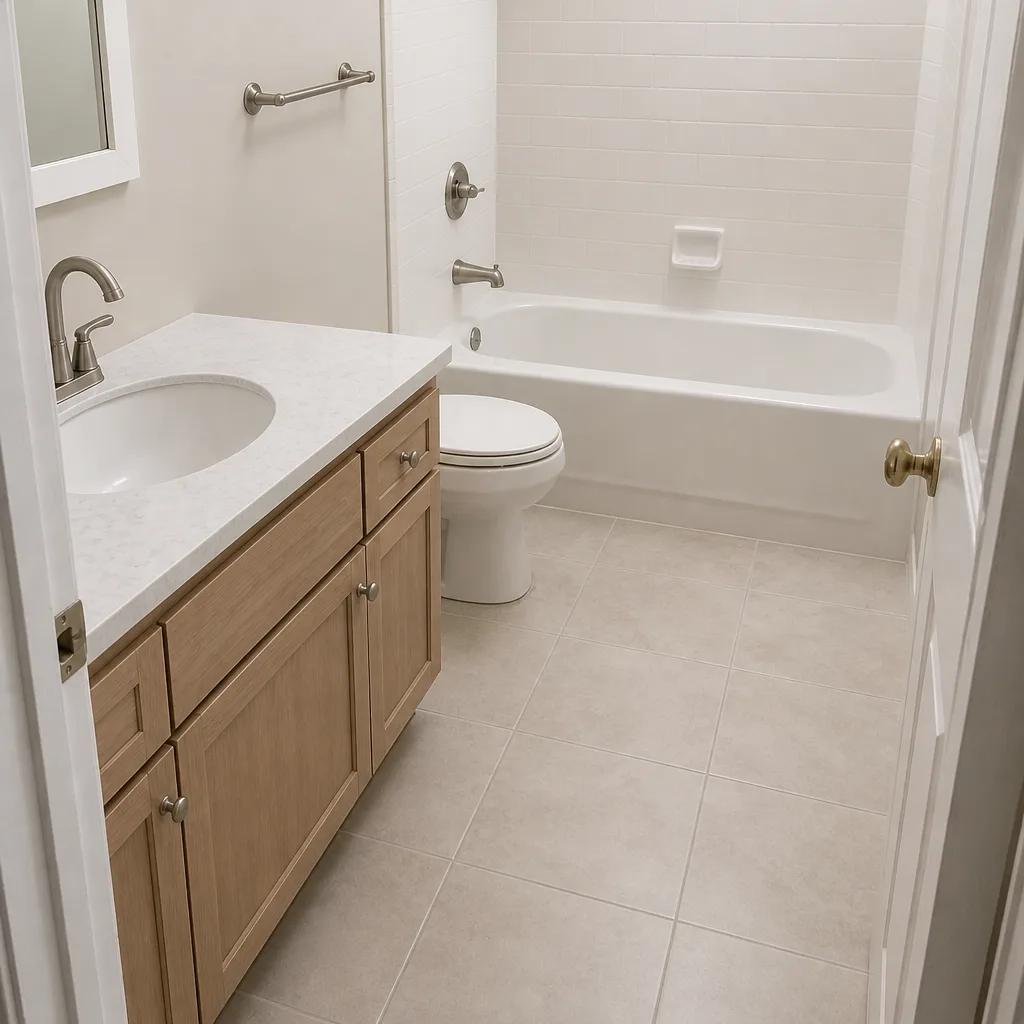 After
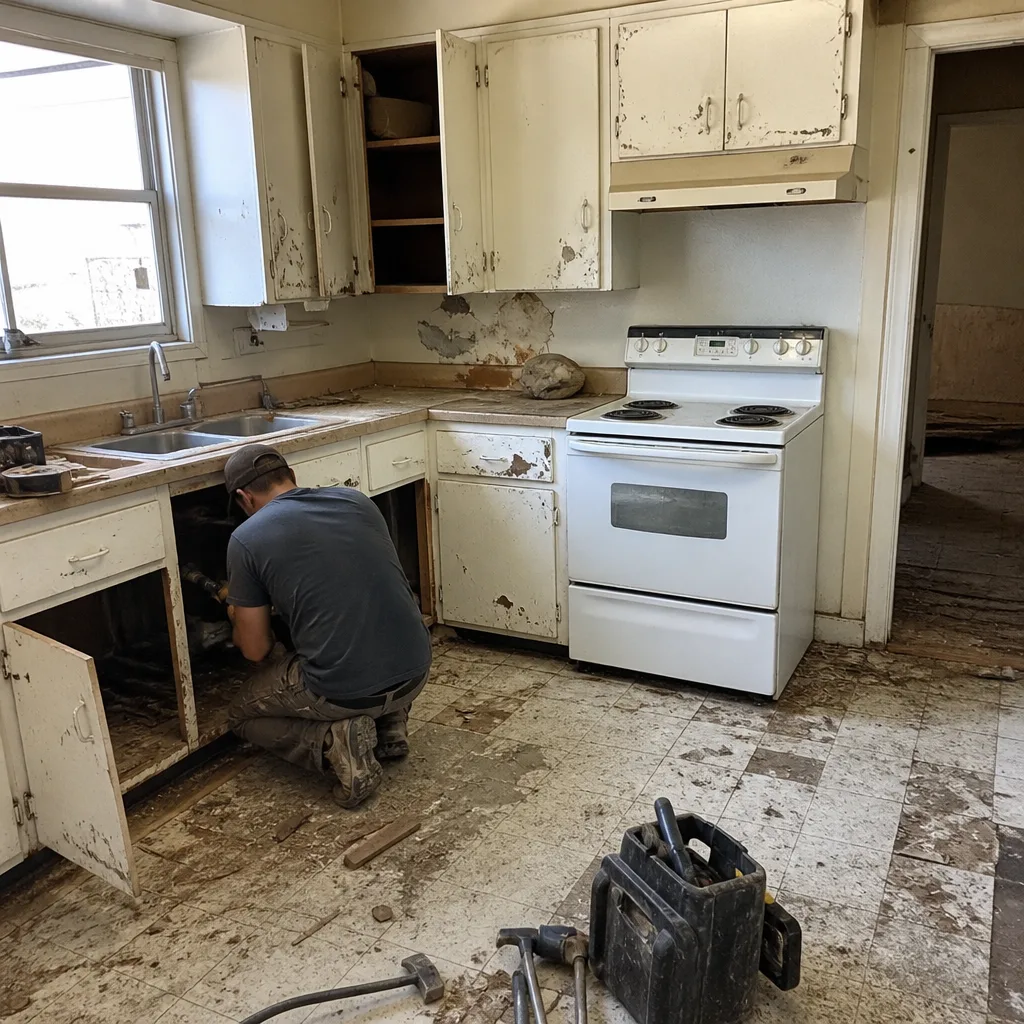 Before
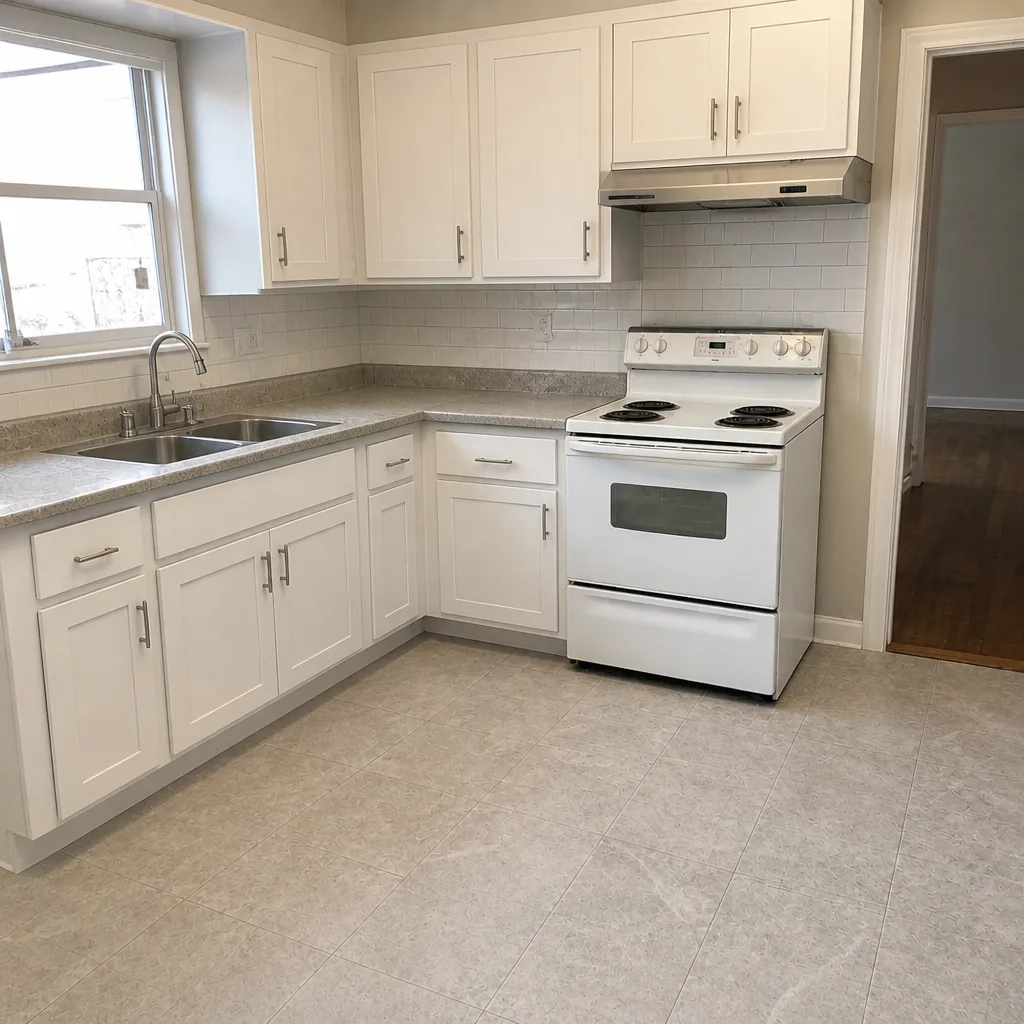 After
When to Call a Professional
Call a professional when a sill is soft to the touch, when paint is bubbling at the frame base, when daylight shows at the weatherstripping, when a 45-degree drywall crack runs from a window corner, or when you can’t trace a water stain to its source. Call immediately if you see active water intrusion during rain or if a door no longer latches squarely – both point to frame movement that gets more expensive by the season. High-tension door hardware and any work on the frame at height is not a homeowner task; frame and opening work involves structural components and warrants a trained, background-checked technician. Rowan Construction Group Glendale offers free estimates in Glendale – call (844) 320-5930 with the symptom you’ve found and we’ll tell you what it means.
Frequently Asked Questions
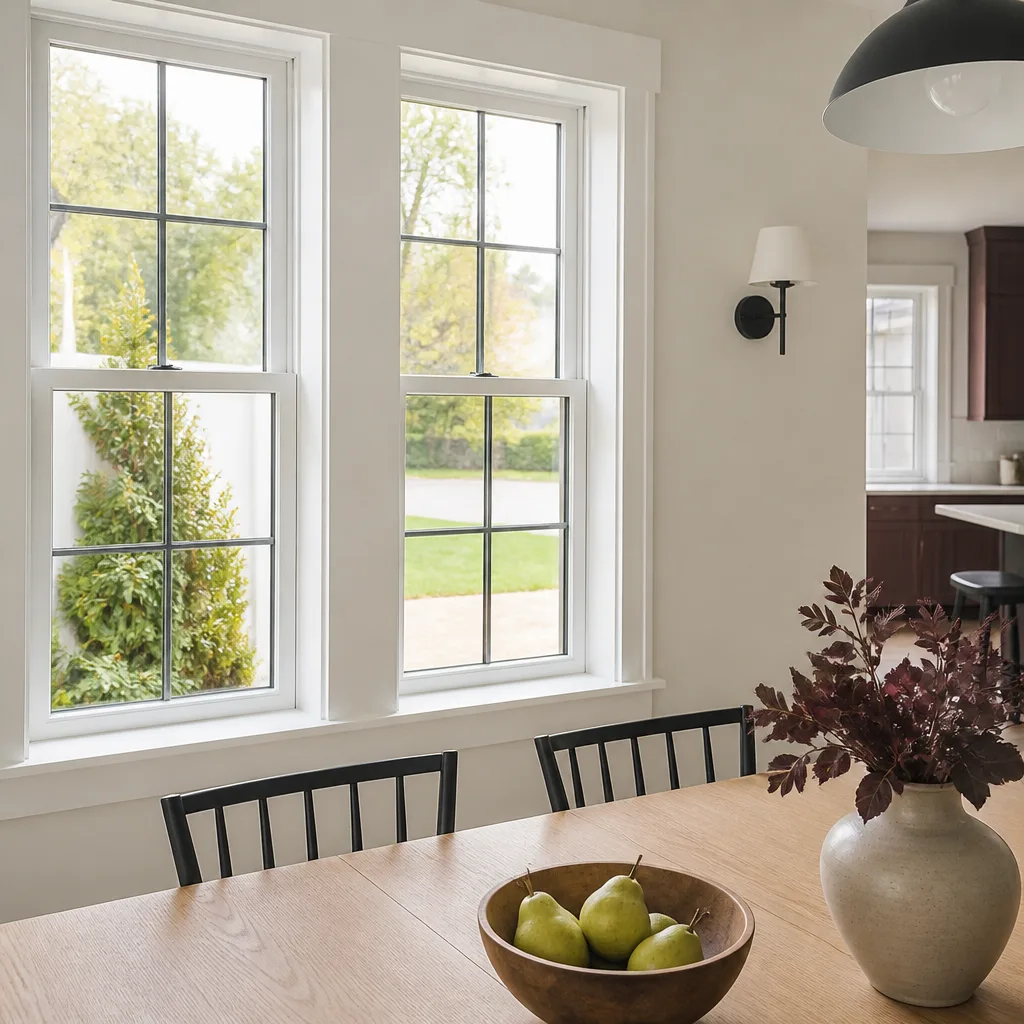
The first signs are usually soft sill material, paint bubbling at the frame base, daylight visible at the weatherstripping, and a 15-20% unexplained summer cooling-cost increase. Any one warrants a frame-level inspection before you paint or patch. Call (844) 320-5930 for a free estimate and we’ll document what we find.
Typical Glendale ranges: $250 to $450 for a single failed glass unit replacement, $400 to $900 to correct an unpermitted or flashing-free install, $600 to $1,200 for a sill and frame repair with proper flashing, and $500 to $900 per window for a full replacement depending on unit and opening condition. Call (844) 320-5930 for an exact written quote – estimates are free.
Not always, but they always mean the rough opening is moving, which can be thermal expansion or foundation settlement, and both need examination. The crack is a movement indicator, not a drywall issue. Call (844) 320-5930 for a free estimate and we’ll inspect the frame and foundation before recommending a repair.
No – the price is written before any work starts, and no change proceeds without a signed change order. If we open a wall and find rot beyond the written assumption, you get a documented change order to approve, not a surprise on the invoice. Call (844) 320-5930 for a written quote.
Yes – permitted work is pulled and inspected as part of the scope, and compliance with Title 24 energy requirements is specified in the written bid. Unpermitted work is a resale problem; a compliant install is the answer. Call (844) 320-5930 to review your window scope.
Most single-unit glass or sill repairs are done in one visit; a full replacement or a correction of an unpermitted install typically runs one to three days depending on the number of openings and flashing work. Your written scope states the schedule, and every visit includes a documented photo record. Call (844) 320-5930 for an estimate.
The Bottom Line
The most expensive window and door warning signs are the ones wearing a disguise: a 45-degree drywall crack, a soft sill, a bubbling frame base, a cooling bill that jumped 15-20%. Each points to the frame and rough opening, and each is cheaper to fix before water damage makes the diagnosis for you. Cross-reference the symptom to the source, pull the permit history before you buy, and read every bid for flashing and Title 24 compliance. If the frame is moving, get it inspected by a trained technician. Rowan Construction Group Glendale delivers a written price before any work starts and a documented photo record when the crew leaves. Call (844) 320-5930 for your free estimate.
Written by the team at Rowan Construction Group Glendale.