Last updated November 16, 2026





Free written scope consultation - allowances, timeline, and change-order rules on paper before a single trade is scheduled
How Long Does Bathroom Remodeling Take? Timelines and What to Expect
The City of Glendale Building & Safety division schedules routine inspection appointments five to ten business days out during peak season. A contractor who doesn’t build that hold period into the calendar will quote you “two weeks” and hand back the keys in four. Not because the work was bad, but because nobody counted the days the job sits waiting for a signature. That gap between the quote and the truth is where most bathroom remodeling frustration begins, and it’s entirely avoidable if you understand how a timeline is actually assembled. This guide breaks the schedule into the three phases that matter, shows how material lead times quietly stretch the back end, and explains the two scheduling decisions that can save or cost you weeks.
Styles & brands we work with
- Kitchen remodeling
- Bathroom remodeling
- Home additions & ADU
- Roofing
- Windows & doors
- Driveway & pavers
- Fence
Table of Contents
- Quick Answer
- The Three Phases Every Bathroom Timeline Has
- Realistic Durations by Project Scope
- Why Inspection Holds Blow Up Schedules in Glendale
- Material Lead Times: The Weeks Nobody Quotes
- Waterproofing and Cure Times You Can’t Rush
- Primary, Guest, and Powder Room: Different Jobs, Different Calendars
- Red Flags in a Contractor’s Timeline Quote
- Common Mistakes to Avoid
- When to Call a Professional
- Frequently Asked Questions
Quick Answer
A full bathroom remodel typically takes four to eight weeks of working time for a mid-scope project, and six to twelve weeks for a primary bathroom with layout changes and custom finishes. That working time excludes material lead times, which can add two to six weeks depending on tile special orders and custom vanities. The single biggest reason quotes miss is that they’re stated as one number instead of three separate phases, each with its own delay risk.
The Three Phases Every Bathroom Timeline Has
A bathroom remodel isn’t one continuous operation. It’s three distinct phases that behave completely differently, and only one of them is fully under the contractor’s control.
Phase one is demo and rough work. This is where the old room comes out and the new plumbing, electrical, and framing go in. It’s fast, loud, and predictable. The risk here is what’s hidden behind the drywall: cast-iron drain lines that crack during removal, a previous owner’s unpermitted electrical splice, or framing that’s rotted from a slow leak. We’ve opened up plenty of walls in Glendale’s 1920s bungalows to find surprises that added two days and a signed change order.
Phase two is inspection holds. This is the phase that lives on the calendar but not on the tool belt. Rough plumbing and rough electrical must be inspected before drywall closes the walls. The work is done; the room sits. In Glendale, that hold can run five to ten business days during peak season.
Phase three is finish installation. Waterproofing, tile, fixtures, trim, paint, and glass. This phase is where craftsmanship shows and where cure times dictate the schedule. It’s also where material delays surface, because the tile that was supposed to arrive in week one is now needed in week four.
When a contractor quotes a single number, they’re usually quoting phases one and three and quietly hoping phase two doesn’t bite them. It always does.
Realistic Durations by Project Scope
The word “remodel” covers everything from swapping a vanity to moving a toilet across the room. Here’s how the working schedules break down by scope, excluding material lead time.
- Cosmetic refresh (paint, fixtures, vanity swap, no tile removal): 3 – 5 working days.
- Mid-scope remodel (new tile floor and shower surround, same layout, new vanity and toilet): 2 – 3 weeks of working time.
- Full gut remodel (everything out to studs, new plumbing and electrical, layout largely unchanged): 4 – 6 weeks.
- Primary bath with layout changes (moving drains, relocating fixtures, adding a second sink, custom shower): 6 – 10 weeks.
Demo runs one to two days on a typical bathroom. Rough plumbing and electrical run two to four days. The inspection hold adds five to ten business days. Waterproofing cure adds a minimum of 24 to 48 hours per manufacturer specification. Tile and finish work runs three to six days for a standard bathroom, longer for large-format tile or intricate patterns.
Stack those numbers and the arithmetic becomes clear: an eight-week primary bath is mostly work, but the gaps between phases are what separate a two-week quote from a two-month reality.
Why Inspection Holds Blow Up Schedules in Glendale
Glendale’s Building & Safety division is competent and thorough, but like every municipal inspection department, its calendar fills. A rough plumbing inspection requested on a Monday in peak spring may land the following week. That’s not a complaint about the city; it’s a fact of the calendar that must appear in any honest schedule.
The mistake contractors make is treating the inspection as a task that happens the day after the rough work is finished. If they haven’t built the hold period into the quote, every subsequent phase slides by the length of the wait. Multiply that by two or three inspections on a full gut, and you’ve lost two weeks to the calendar before a single tile is set.
Here’s how a properly sequenced Glendale bathroom schedule accounts for it:
- Rough plumbing and electrical completed by end of week one.
- Inspection request submitted the same day the rough work is signed off internally, not the next morning.
- Hold scheduled against an anticipated five-to-ten business day window.
- Drywall and waterproofing scheduled to begin the day after inspection passes, with a buffer day built in.
- Tile and finish work sequenced so the materials are on site before the inspection, not ordered after.
The two scheduling decisions that compress or blow out every timeline are these: when the inspection request is filed relative to completion of rough work, and when material orders are placed relative to the project start. Get both right and the job runs close to plan. Get either wrong and you’ll feel it in week three.
Material Lead Times: The Weeks Nobody Quotes
Working days are only half the calendar. The other half is the time materials spend in transit, in a warehouse, or on backorder. This is the part of a bathroom timeline most quotes ignore entirely, and it’s where a four-week job quietly becomes a ten-week one.
Tile is the biggest culprit. Stock tile from a local supplier is often available within a week. A special-order tile, particularly a large-format porcelain or a hand-glazed ceramic from a smaller maker, can run three to six weeks. If the tile isn’t ordered until after demo, the room sits open and dusty while everyone waits.
Custom vanities follow the same pattern. A made-to-order vanity with a specific finish, size, and countertop cut typically runs four to eight weeks. A stock vanity from a cabinet line like KraftMaid or Wellborn is often available faster, which is one reason we lean on established brands with predictable lead times when the schedule matters.
Fixtures are usually the easy part. A Grohe shower valve or a Kohler or Toto toilet is generally available off the shelf or within a few days. Glass shower enclosures, though, are almost always templated after tile is set, then fabricated, which adds one to two weeks at the very end of the job.
The fix is unglamorous: order everything before demo starts. Every material with a lead time should be selected, ordered, and confirmed in stock or with a firm delivery date before the first hammer swings.
Waterproofing and Cure Times You Can’t Rush
Waterproofing is where speed kills bathrooms. A shower pan and wall assembly built with a system like Schluter’s needs the membrane and thinset to cure according to the manufacturer’s specification, typically a minimum of 24 to 48 hours and often longer depending on humidity and substrate. Set tile too soon and you risk a failure that shows up two years later as a slow leak into the ceiling below.
Glendale’s climate helps here. Our summers are dry and warm, which shortens cure times compared to coastal humidity. Winters are mild but can bring enough moisture to extend drying times by a day or two on a slow-cured setting material. A contractor who schedules tile setting for the day after waterproofing, without checking the manufacturer’s spec, is either cutting a corner or hasn’t read the installation manual.
Grout and sealant cures add another day or two at the end. These aren’t delays anyone can compress. They’re the reason a “one-week bathroom” claim almost always means cosmetic work only.
Primary, Guest, and Powder Room: Different Jobs, Different Calendars
Not every bathroom takes the same time, and the difference isn’t just size.
A primary bathroom is the most complex job. It usually has two sinks, a larger shower, sometimes a freestanding tub, and often a layout change that involves moving plumbing. Add custom tile selections and a vanity with a fabricated countertop and you’re looking at six to ten weeks of working time, plus material lead times that can add another month.
A guest or hall bathroom is typically smaller and simpler. One sink, a standard tub or shower, and often the same layout. These jobs run four to six weeks of working time and rarely involve custom materials that stretch lead times.
A powder room is the fastest of the three. No shower means no waterproofing cure to schedule around, no shower pan inspection, and often no plumbing relocation. A powder room refresh can run one to two weeks of working time, and a cosmetic one can finish in a week.
The mistake homeowners make is assuming a powder room quote will scale to a primary bath. It won’t. The complexity isn’t proportional to square footage; it’s driven by how many systems are touched and how many inspections are triggered.
Red Flags in a Contractor’s Timeline Quote
A timeline quote is a document, and like any document it can be read for what it says and what it omits. Here’s what a weak one looks like.
- No mention of inspection holds. If the quote doesn’t acknowledge that Glendale’s Building & Safety appointments run five to ten business days out, the schedule is fiction.
- No cure times listed. Any schedule that sets tile the day after waterproofing is cutting a corner.
- A single number with no phase breakdown. If the quote says “three weeks” but doesn’t separate demo, inspection, and finish, there’s no way to hold anyone accountable when it slips.
- No material lead-time discussion. A quote that assumes tile arrives on demand hasn’t asked where the tile is coming from.
- Vague milestones. “Rough work in progress” isn’t a milestone. “Rough plumbing and electrical complete, inspection requested” is.
- No written scope. A timeline without a scope is meaningless, because you can’t tell what’s actually included.
A reliable timeline is signed, phased, and specific. It reads like a schedule someone will actually follow, not a sales document.
Common Mistakes to Avoid
- Ordering tile after demo begins. Every week the tile isn’t on site is a week the room sits open. Select and order materials before the first hammer swings, especially for special-order tile and custom vanities.
- Treating the inspection as a next-day event. In Glendale, the hold can run a week or more during peak season. Build it into the schedule and the rest of the job stays on track.
- Assuming a smaller bathroom means a proportionally smaller timeline. A powder room is fast, but a guest bath with new plumbing is not that different from a primary bath in complexity.
- Confusing “substantial completion” with “finished.” Substantial completion is a contract term meaning the job is usable and only punch-list items remain. A room can be “substantially complete” while missing a shower glass panel for two weeks.
- Not planning for where you’ll shower during the work. A primary bath remodel can take six weeks or more. If it’s the only bathroom in the house, plan a backup shower arrangement before demo day.
- Accepting a quote that doesn’t mention the cure times. A contractor who’ll rush waterproofing will rush other things too.
- Skipping the written change-order process. If hidden conditions are found during demo and the contractor asks you to “sort it out later,” that’s how budgets slip. Every change should be documented and signed before the work proceeds.
When to Call a Professional
Some bathroom work is a weekend project. Most of it isn’t. If you’re moving plumbing, relocating electrical fixtures, changing the layout, or building a tiled shower with a waterproofed pan, the work involves systems where a small mistake becomes a costly failure. Waterproofing done wrong doesn’t fail dramatically; it fails slowly, into the ceiling below. A shower valve installed without proper rough-in depth leaks behind the wall for months before anyone notices. And in Glendale, any work that changes the plumbing or electrical in a bathroom requires permits and inspections, which means the schedule includes hold periods even if you do the labor yourself.
Rowan Construction Group Glendale offers free estimates in Glendale – call (844) 320-5930. Every project gets a written price before work begins, no work on a change proceeds without a signed change order, and the crew leaves a documented photo record of what was found and what was done.
Frequently Asked Questions
A mid-scope bathroom remodel typically takes four to eight weeks of working time, including the inspection hold. A primary bathroom with layout changes and custom finishes usually takes six to twelve weeks. Material lead times can add two to six weeks if special-order tile or a custom vanity is involved. The key is that the total is a phased schedule, not a single number, and a written quote should break it down.
Yes, if the work involves plumbing, electrical, or structural changes. Cosmetic work like paint, fixtures, and a vanity swap generally doesn’t require a permit, but anything that opens walls, moves a drain, or adds or relocates an electrical outlet does. The Glendale Building & Safety division handles the inspections, and the appointment scheduling can run five to ten business days out during peak season. Call us at (844) 320-5930 for a written estimate that includes the permitting schedule.
Because they quoted working days, not calendar days. Inspection holds, cure times, material delivery, and the small gaps between phases all live on the calendar but not on the tool belt. A quote that doesn’t list those holds is incomplete. When we write a schedule, every hold period appears in writing, and any change to the scope is documented with a signed change order before work continues.
Usually yes, especially if you have a second bathroom. The primary bathroom is the harder case because it’s the one everyone uses, and if it’s the only bathroom in the house you’ll need a backup shower plan for the duration. Dust control matters too, and a contractor who runs a plastic barrier and negative air pressure in the work zone makes the experience much more livable.
Cost varies widely by scope and finish level. A cosmetic refresh runs in the low-to-mid single-digit thousands. A mid-scope remodel with new tile, a new vanity, and a new shower runs higher. A full gut with layout changes and custom finishes runs significantly more. In our experience, the biggest cost variables are whether plumbing is being relocated, whether custom tile is selected, and how many fixtures are being replaced. Call (844) 320-5930 for a written line-item quote and a free second opinion on any estimate you’ve already received.
Substantial completion means the bathroom is usable and only minor punch-list items remain. It’s a contract term, not a feeling. A room can be substantially complete while a shower glass panel is still in fabrication, which means you can use everything except the shower. It’s worth knowing the difference before work begins, because your final payment is usually tied to substantial completion, not to the last cabinet knob.
The Bottom Line
Bathroom remodel timelines are almost always quoted as a single number when they should be quoted as three: demo and rough work, inspection holds, and finish installation. In Glendale, the inspection hold alone can run five to ten business days during peak season, and a schedule that doesn’t account for it will miss. Material lead times for special-order tile and custom vanities can add weeks. Cure times for waterproofing can’t be compressed. A reliable quote is phased, written, and signed before work begins, and a contractor who won’t put the calendar in writing is telling you something about how the job will go.
Call Rowan Construction Group Glendale at (844) 320-5930 for a free estimate and a written schedule you can actually hold to. Every project comes with a flat written price, a signed change order for any work beyond scope, a documented photo record on every visit, and the 365-Day Done Right Promise. Bring us a competitor’s estimate and we’ll review it line by line at no charge.
Explore our related services: Rowan Construction Group Glendale home, Driveway & Pavers in Glendale, Fence Installation in Glendale, and Home Additions & ADU in Glendale.
Written by the team at Rowan Construction Group Glendale.
See the difference
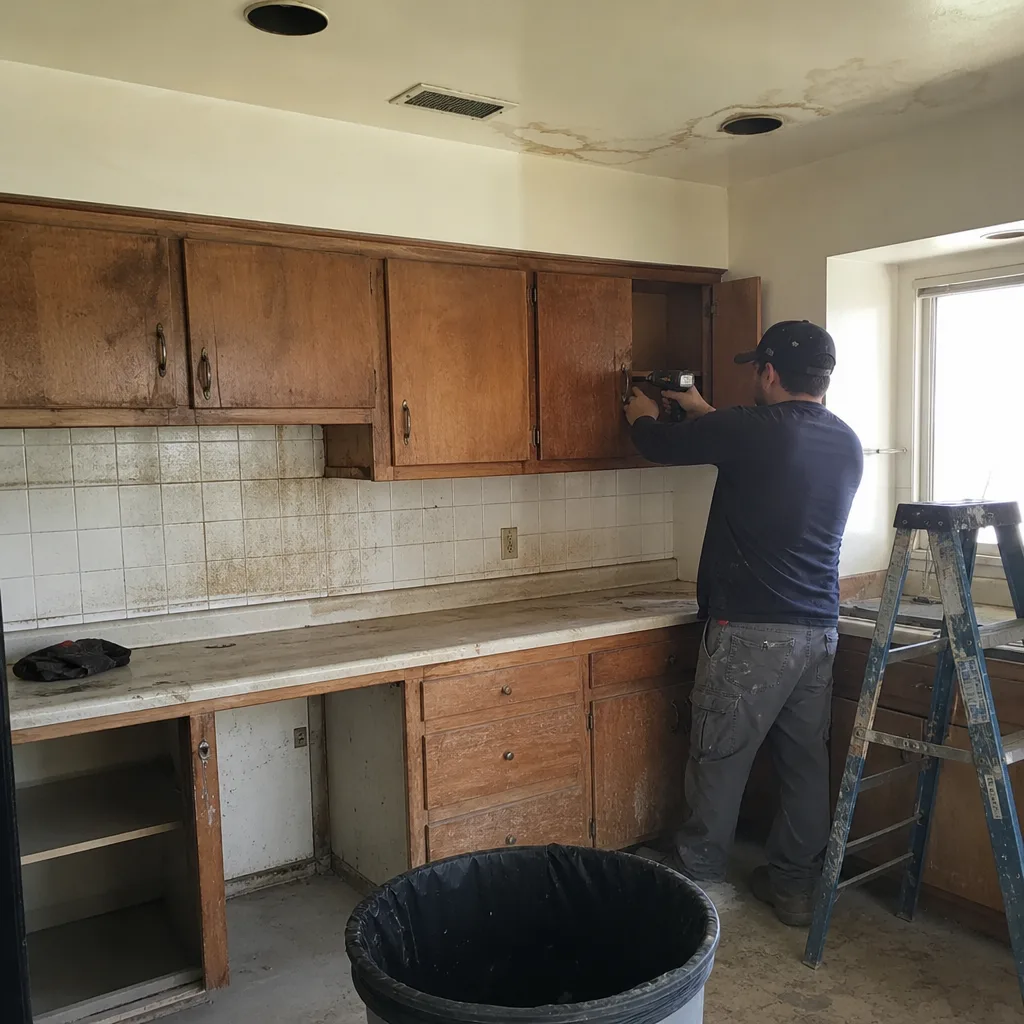 Before
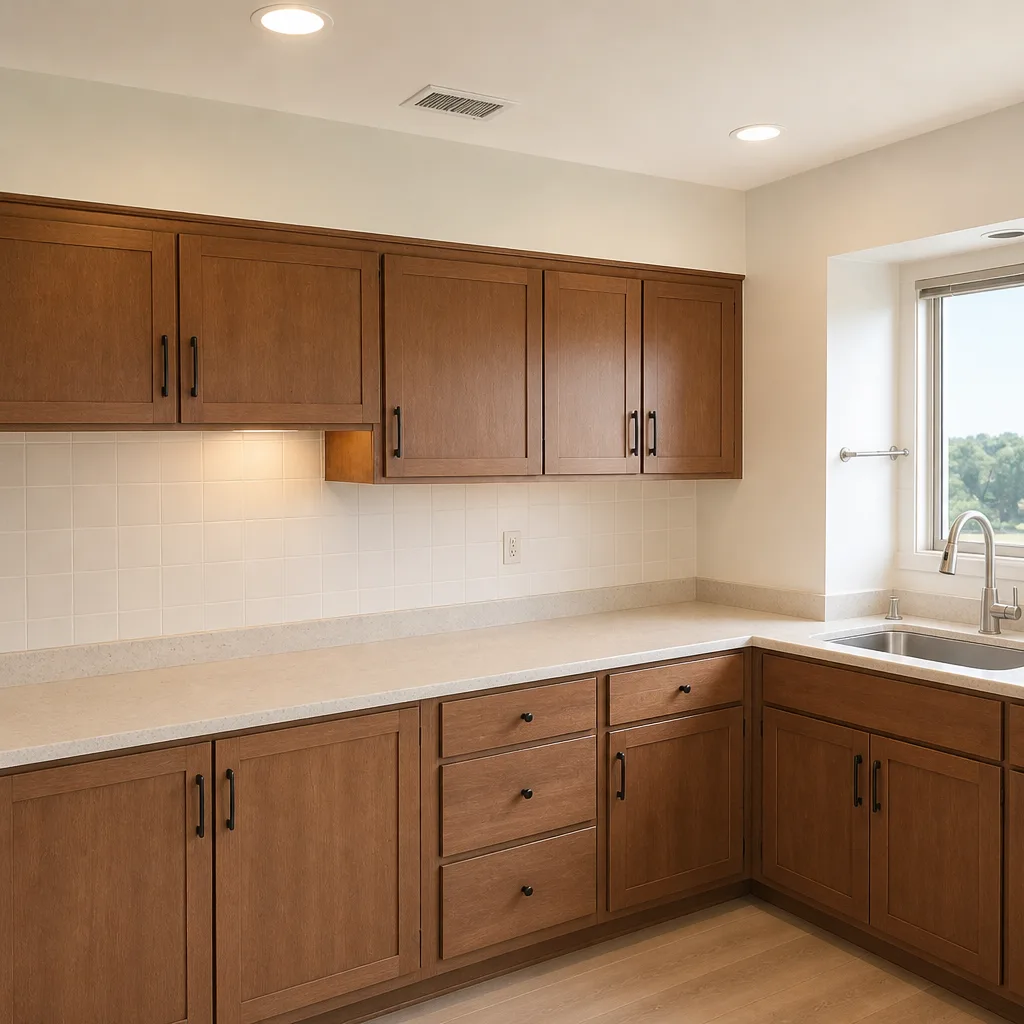 After
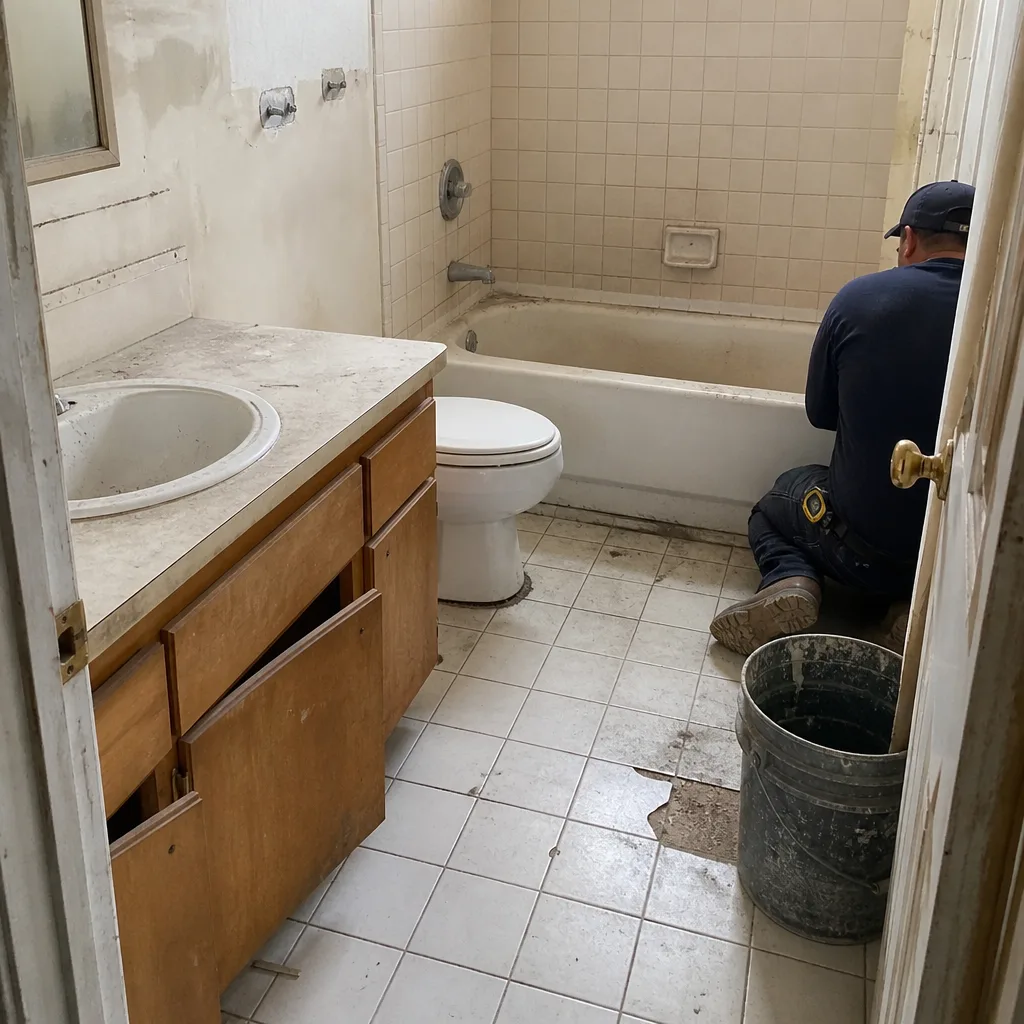 Before
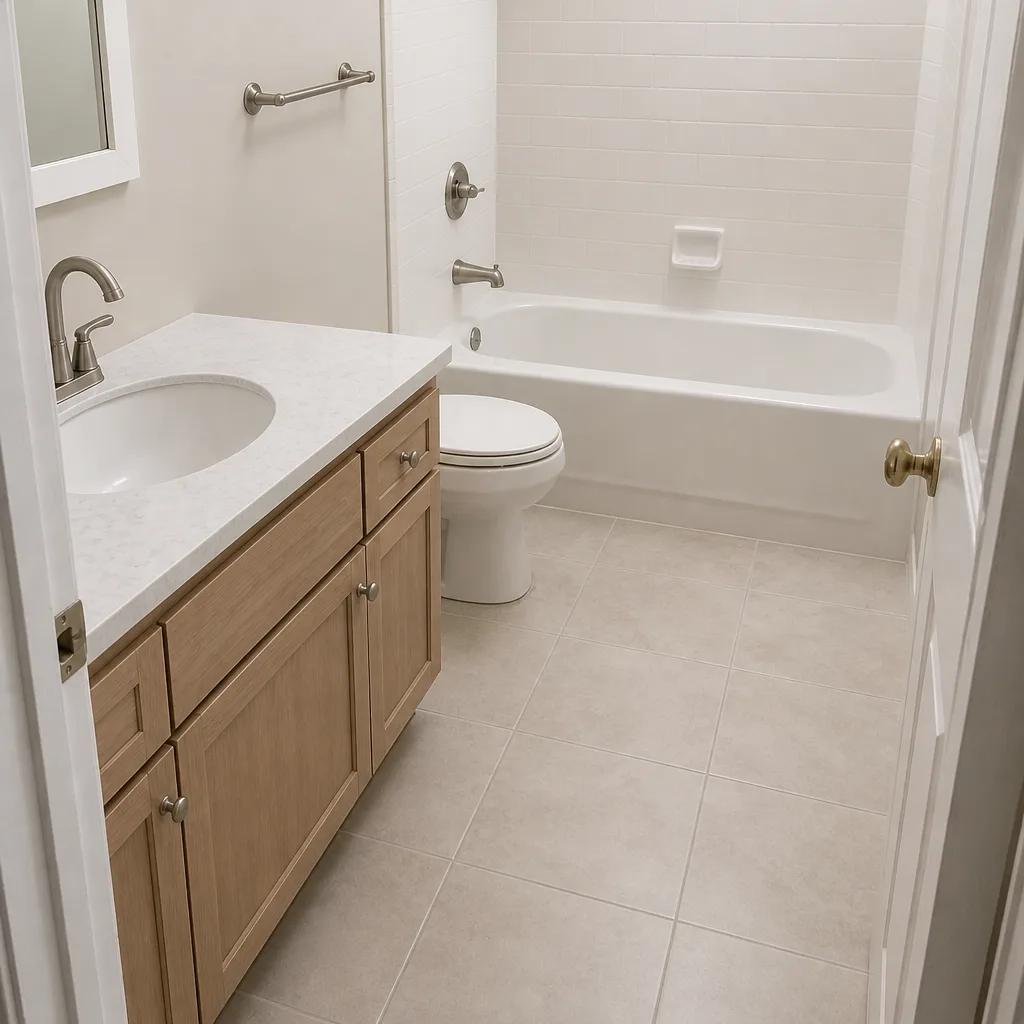 After
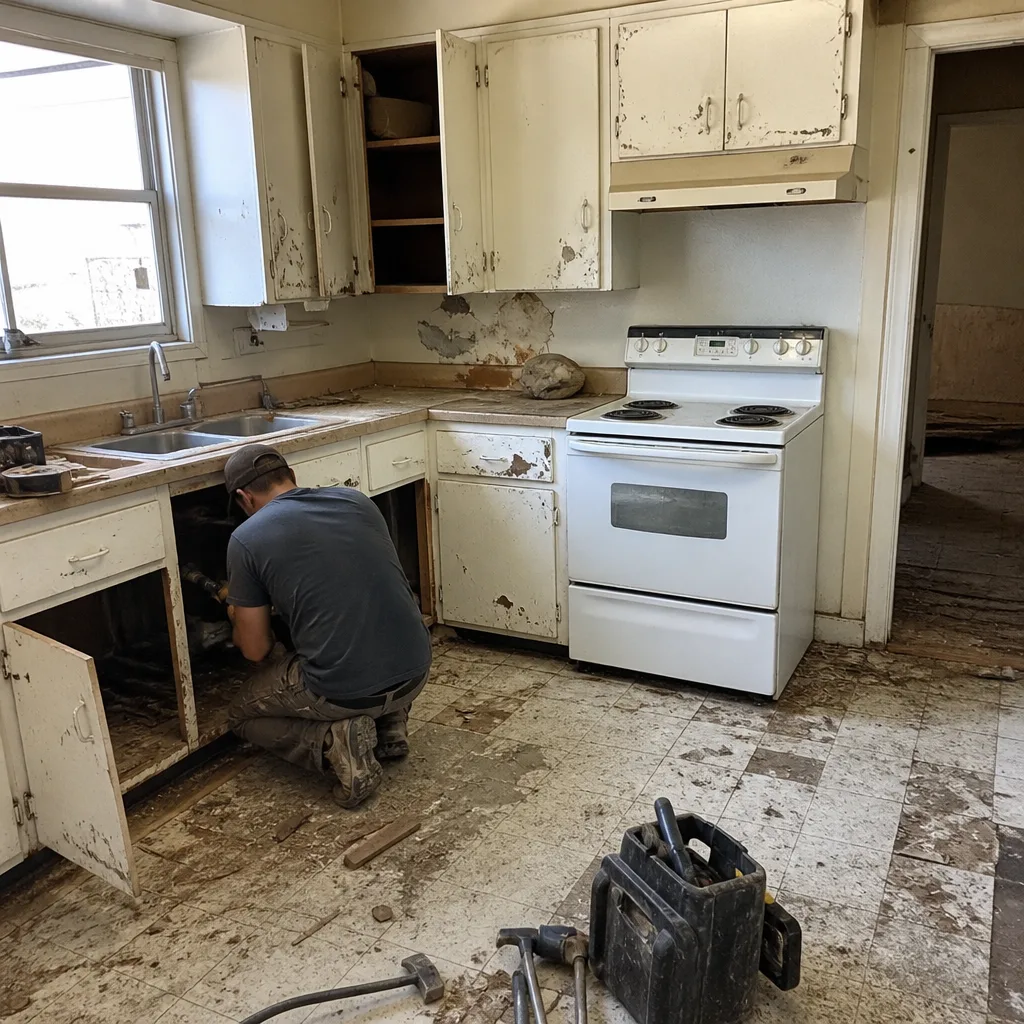 Before
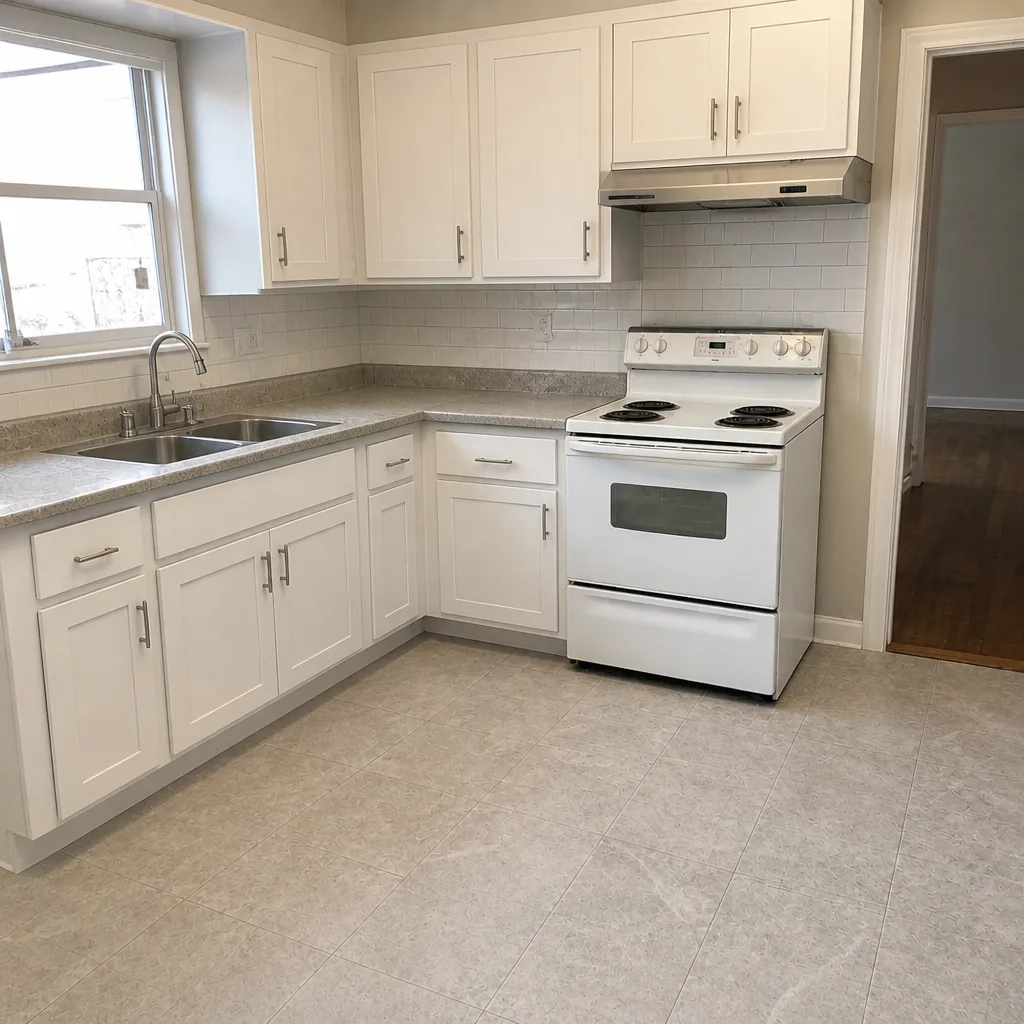 After