Last updated November 16, 2026

Free written scope consultation - allowances, timeline, and change-order rules on paper before a single trade is scheduled
How Long Does Home Additions & ADU Take? Timelines and What to Expect
Glendale’s building department averaged 6 to 10 weeks for initial ADU plan check review in 2023. That single number is why a “4-month total project” quote should make you ask harder questions. A contractor who prices a Glendale addition without accounting for that queue isn’t padding their schedule, they’re ignoring it. This guide lays out the real phase-by-phase timeline for additions and ADUs in Glendale, from design through final inspection, including the plan check triggers, utility scheduling, and review shortcuts that experienced local contractors build into the calendar and out-of-area firms routinely miss.
Quick Answer
A home addition or ADU in Glendale typically takes 9 to 16 months from signed contract to final inspection. Permitting alone (plan check, corrections, resubmittal) often consumes 3 to 5 months, while construction runs 4 to 9 months depending on size and whether the unit is attached or detached. The single biggest variable is the Glendale plan check queue, not the build.
Styles & brands we work with
- Kitchen remodeling
- Bathroom remodeling
- Home additions & ADU
- Roofing
- Windows & doors
- Driveway & pavers
- Fence
Table of Contents
- The full phase-by-phase timeline
- Glendale plan check: 6 to 10 weeks on the first pass
- The three resubmittal triggers Glendale flags most
- Construction timelines by addition type
- Utility connections and the critical path
- Concurrent review in Glendale
- The signed-milestone schedule to demand
- Common mistakes to avoid
The Full Phase-by-Phase Timeline
Here’s what a Glendale addition actually looks like on a calendar, phase by phase. These ranges come from projects we’ve scheduled and tracked across the city, from Adams Hill to Verdugo Woodlands. They’re realistic, not best-case.
- Design and engineering (4 to 8 weeks). Architectural drawings, structural calculations, Title 24 energy modeling, and site survey. Detached ADUs run toward the long end because you’re designing a full second structure.
- Glendale plan check, first submittal (6 to 10 weeks). The city’s Community Development Department reviews the submission for zoning, structural, energy, fire, and drainage compliance. This is the phase most schedules underestimate.
- Plan check corrections and resubmittal (2 to 4 weeks per cycle). If the reviewer flags items, you resubmit and re-enter the queue. One clean pass saves you a month.
- Permit issuance (1 to 2 weeks). Fees paid, permit pulled, work authorized. On concurrent-review projects this compresses.
- Construction (4 to 9 months). Varies by size, type, and site access. Covered in detail below.
- Utility connections (4 to 8 weeks, sequenced in parallel). Glendale Water & Power and SoCalGas scheduling. Handled late, this stalls final occupancy.
- Final inspection and sign-off (1 to 2 weeks). The last step, and the one that lets you legally occupy or rent the space.
Add the ranges end to end and you land between 9 and 16 months. The phase that most often blows the schedule isn’t framing or finishes, it’s the plan check queue and resubmittal cycles.
Glendale Plan Check: 6 to 10 Weeks on the First Pass
Glendale’s plan check review for an ADU or addition averaged 6 to 10 weeks for the initial submittal in 2023. That range reflects the city’s review queue and staffing, not the complexity of your particular project. A straightforward 600-square-foot detached ADU and a 1,000-square-foot attached addition can sit in the same queue for the same stretch.
What this means when you’re comparing contractors: a firm quoting a 4-month total project is either planning to pull permits under a streamlined path that doesn’t apply to your project, or they’re not counting plan check at all. Neither is a schedule you should sign against.
Pre-submittal coordination is where time gets saved. Before drawings go to the city, a contractor experienced with Glendale can walk the set against the checklist the plan checker will use, catch gaps in the Title 24 package, confirm the fire-resistive wall assembly specs, and verify the site drainage plan is complete. We review every set against that checklist before it leaves the office. It doesn’t eliminate corrections, but it reduces the number of resubmittal cycles from two or three down to typically one.
The Three Resubmittal Triggers Glendale Flags Most
Three items account for the majority of correction letters on Glendale additions and ADUs. Knowing them before submittal is the cheapest timeline insurance available.
1. Title 24 energy compliance documentation
California’s Title 24 sets energy performance requirements for the building envelope, windows, insulation, and mechanical systems. The compliance package (forms and calculations) must be complete and internally consistent with the drawings. When windows spec’d on the plan don’t match the energy model, or the mechanical equipment isn’t listed, the reviewer flags it. An incomplete Title 24 package is the most common single-item correction we see.
2. Fire-resistive wall assembly specs
Attached additions and close-to-property-line detached units require a rated wall assembly between the new structure and existing or adjacent buildings. The spec must name the assembly (the specific layered system), not just reference “one-hour rated wall.” Vague specs get returned. For a detached ADU near a lot line, this can mean reworking the assembly entirely if it wasn’t coordinated during design.
3. Site drainage plans
Glendale’s hillside topography and established neighborhoods mean drainage gets real attention. Plans need to show how the addition or ADU sheds water, where it goes, and how it connects to existing grading or the storm system. On sloped lots in neighborhoods like Chevy Chase and Adams Hill, an incomplete drainage plan is a guaranteed correction. On flat lots, it’s still required, just simpler.
James Hardie exterior cladding specs and window assemblies tie into both the energy and fire-resistive reviews, so confirming those selections during design saves a correction cycle later.
Construction Timelines by Addition Type
Once you’re past plan check and the permit is in hand, construction runs on the ranges below. Sizes are approximate and assume typical Glendale site access.
- Attached addition, 400 sq ft (a primary bedroom or expanded kitchen): 4 to 6 months. Faster because there’s an existing structure to tie into, shared foundation, and fewer utility runs.
- Attached addition, 800 to 1,200 sq ft: 6 to 8 months. More framing, more tie-in complexity at the roof and foundation line.
- Detached ADU, 400 sq ft (studio or one-bedroom): 5 to 7 months. A full standalone structure with its own foundation, roof, and utility connections.
- Detached ADU, 800 to 1,200 sq ft (two-bedroom): 7 to 9 months. Larger footprint, more MEP work, longer utility runs.
The 400-square-foot attached addition is the fastest build. The 1,200-square-foot detached ADU is the longest. That gap, roughly three to four months, is the single biggest construction variable, and it’s the one you control least after permit time.
Utility Connections and the Critical Path
Here’s a scheduling mistake that adds weeks to a Glendale addition: treating utility connections as a final step. They aren’t. Glendale Water & Power handles electric service, and SoCalGas handles gas. Each connection requires scheduling and inspection, and each takes 4 to 8 weeks in a busy season. Handled at the end, that schedule stalls your final inspection and occupancy.
Sequenced correctly, utility scheduling runs in parallel with construction. As soon as the permit is issued and the rough-in scope is defined, the connection applications go in. By the time the structure is drywalled and finishes are going in, the connections are scheduled and often complete. The critical path absorbs them.
For a detached ADU, this matters more. You’re bringing a full new service, plus water, sewer, and gas, to a location that didn’t have them. Sequence this early and it’s invisible in the timeline. Sequence it late and you’re adding 4 to 8 weeks of waiting to a project that’s otherwise finished and sitting empty.
Concurrent Review in Glendale
Glendale’s permit process allows concurrent review for certain project types, meaning different departments (planning, building, fire) review the submission at the same time rather than in sequence. When a project qualifies, this can save 3 to 5 weeks compared to a serial review.
Not every project qualifies. Streamlined ADU projects under state ADU law often move through a concurrent or expedited path, while a larger attached addition with discretionary design review may not. A contractor who knows Glendale’s process can tell you, at the design stage, which review path your project will qualify for, and can shape the submittal to qualify for the faster one when the design allows.
This is one of the reasons it’s worth having a contractor involved before drawings are finalized. Design and review path are connected. Set the design to match the faster path, and you save weeks before the first submittal even goes in.
The Signed-Milestone Schedule to Demand
You shouldn’t sign a contract on a Glendale addition or ADU without a signed-milestone schedule in hand. This is the document that holds a contractor to timeline accountability, and it’s what distinguishes a written price from an actual schedule. Here’s what it should contain:
- A dated design-complete milestone with the expected date the drawing set goes to the city.
- A dated first-submittal milestone and the anticipated plan check duration, based on Glendale’s published queue.
- A correction-and-resubmittal allowance stating how many cycles are assumed and what happens if more are needed.
- A permit-issuance milestone with the fee range written in dollars.
- A construction-start date tied to permit issuance, not a vague “upon permit.”
- Dated construction phases (foundation, framing, rough-in, finishes) with week ranges.
- A utility-connection milestone scheduled in parallel, not at the end.
- A final-inspection date range with the sign-off expectation.
- A signed change-order clause stating no schedule or scope change proceeds without your signature.
Under Clause 1 of The Haven Standard, the price is written before anyone starts, and no work proceeds on a change until the change order is signed. That same discipline applies to the schedule. A milestone schedule is a written record, and it’s the document you refer back to when a phase runs long.
If you’re comparing quotes from multiple contractors, bringing a competitor’s written estimate to us for a free second opinion costs nothing, and we’ll review it line by line, schedule included. Our crews have up to 19 years of experience, and every visit comes with a documented photo record as a standard deliverable, not an add-on.
Common Mistakes to Avoid
- Signing a schedule that ignores plan check. A 4-month total project quote in Glendale is a red flag. Plan check alone averages 6 to 10 weeks on the first submittal, before construction begins. Ask to see the phase dates.
- Submitting an incomplete Title 24 package. This is the single most common correction we see. Every window and mechanical spec in the drawings must match the energy model. A mismatch means a resubmittal cycle.
- Treating drainage as an afterthought on a sloped lot. In hillside Glendale neighborhoods, an incomplete drainage plan is a guaranteed correction letter. Get the plan right before submittal.
- Scheduling utility connections at the end. Glendale Water & Power and SoCalGas connection scheduling adds 4 to 8 weeks. Handled last, it stalls final inspection on a finished building.
- Not checking whether your project qualifies for concurrent review. When it does, you save 3 to 5 weeks. When it doesn’t, you need to know the serial review path early so the schedule is honest.
- Assuming a detached ADU builds as fast as an attached addition. A 1,200-square-foot detached unit can run three to four months longer than a 400-square-foot attached addition. Budget the time accordingly.
- Starting construction without a signed milestone schedule. A written price and written scope don’t tell you when each phase happens. The milestone schedule is what holds the project to a calendar.
See the difference
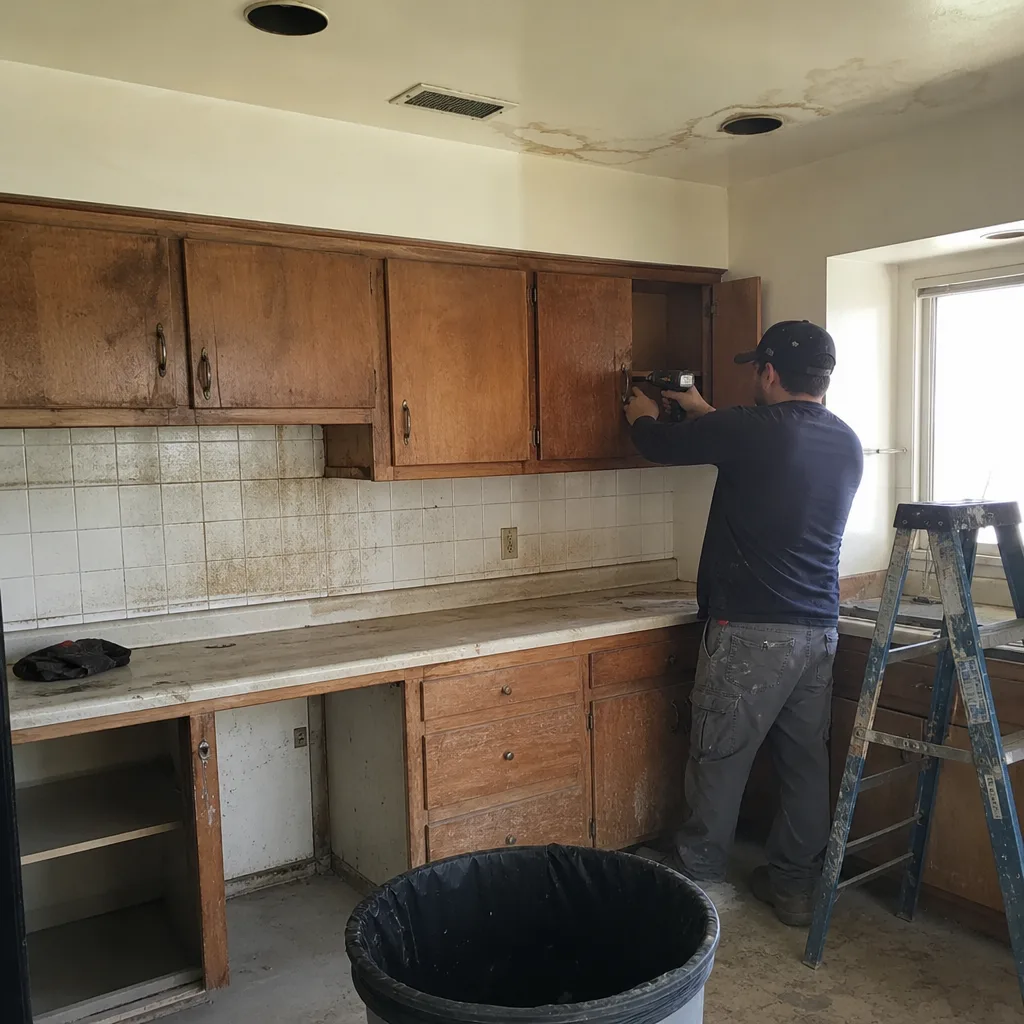 Before
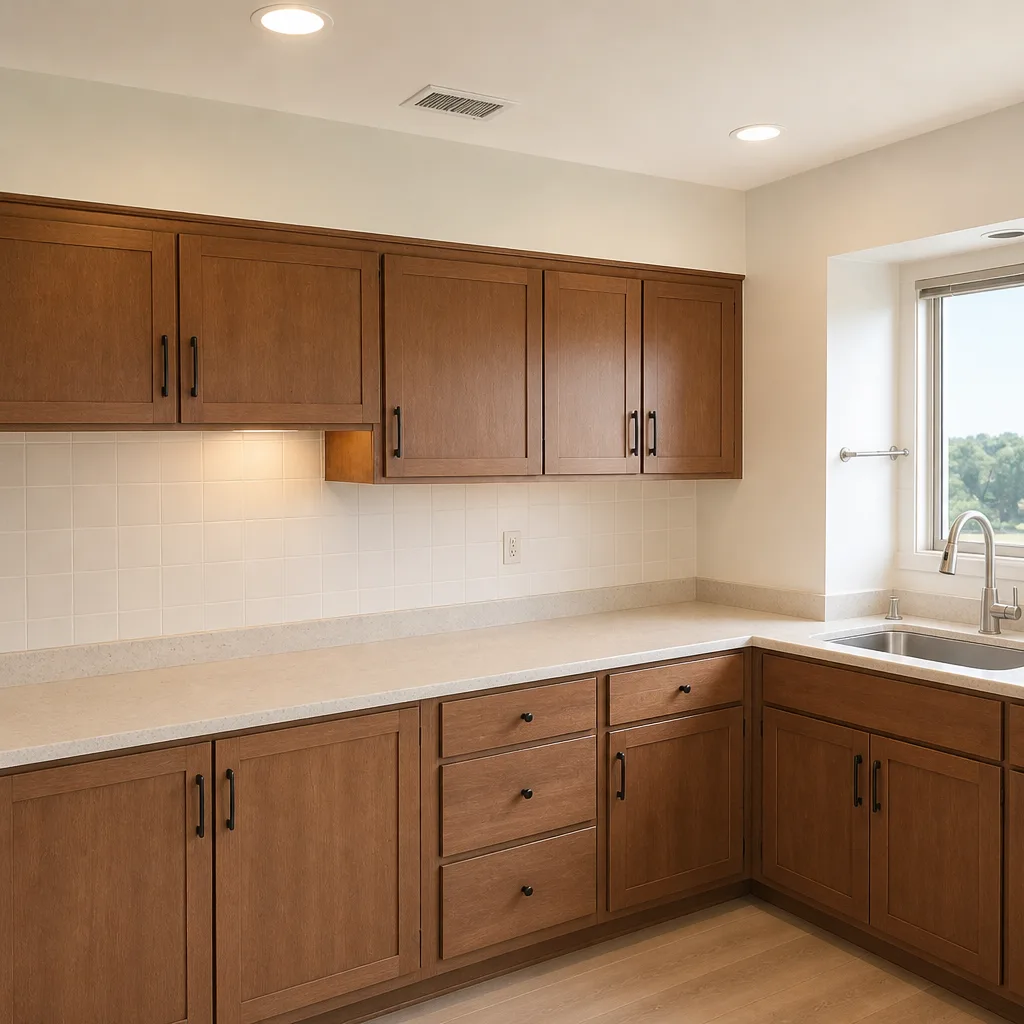 After
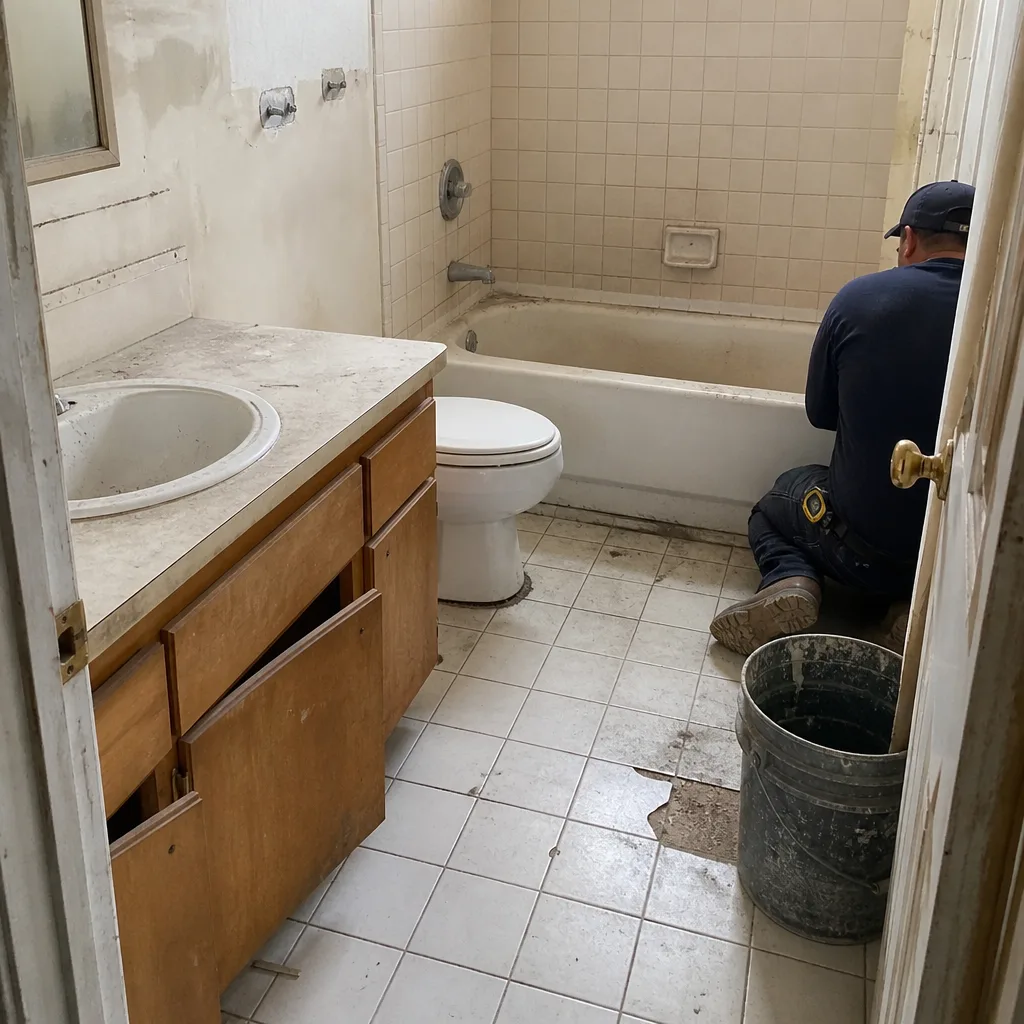 Before
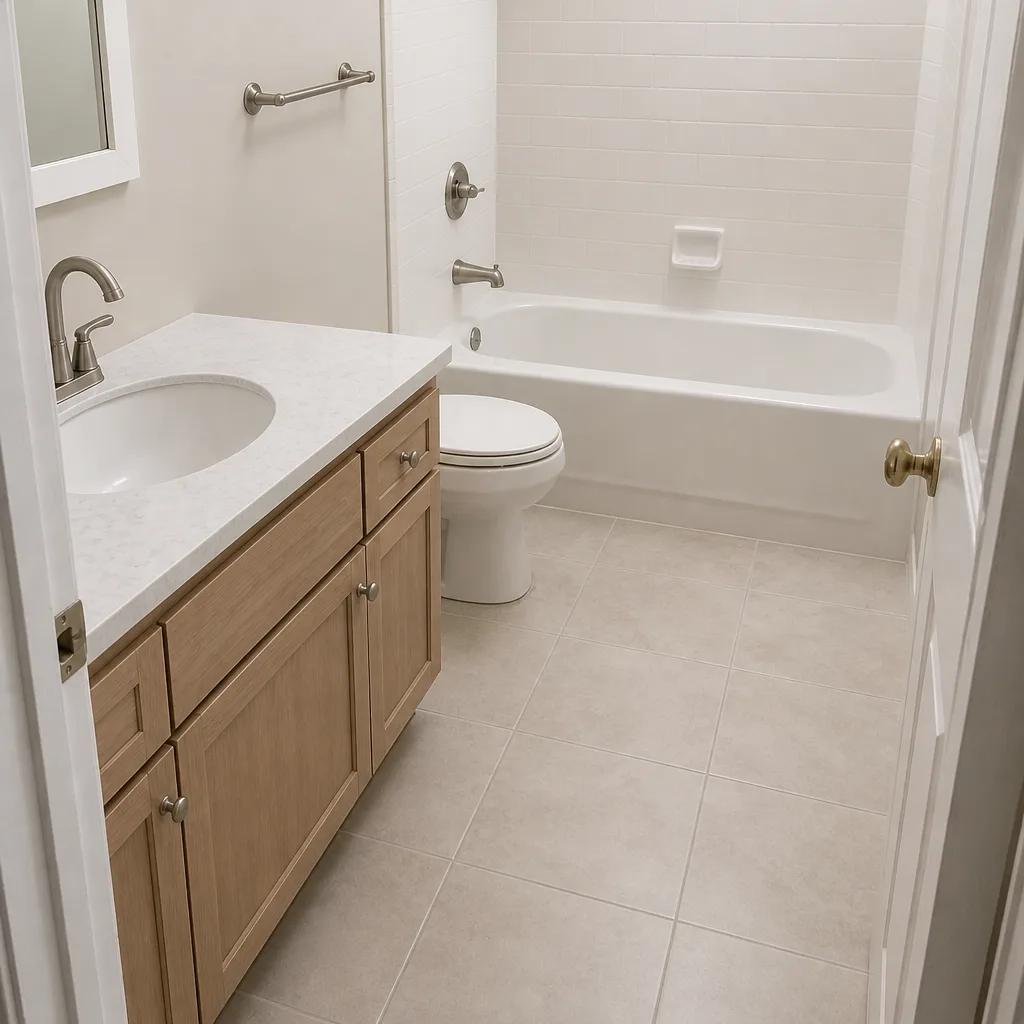 After
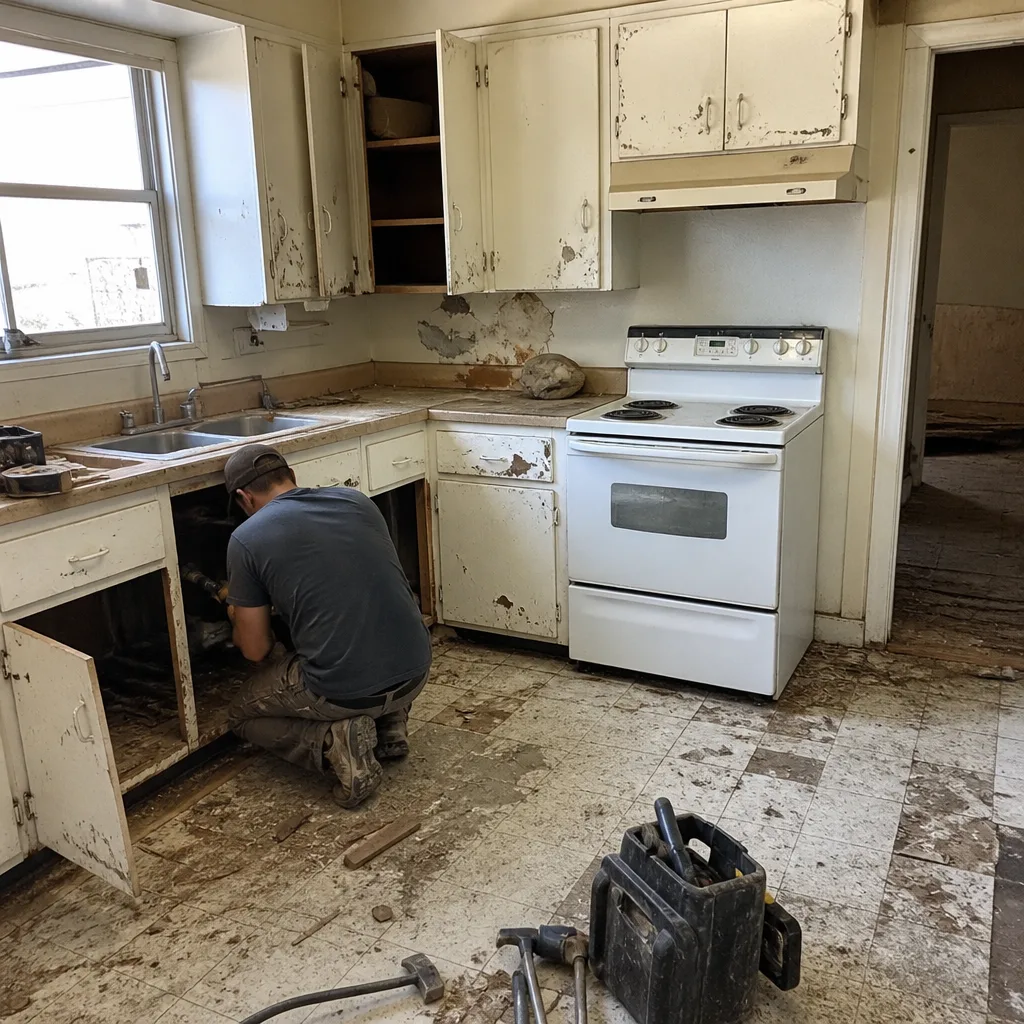 Before
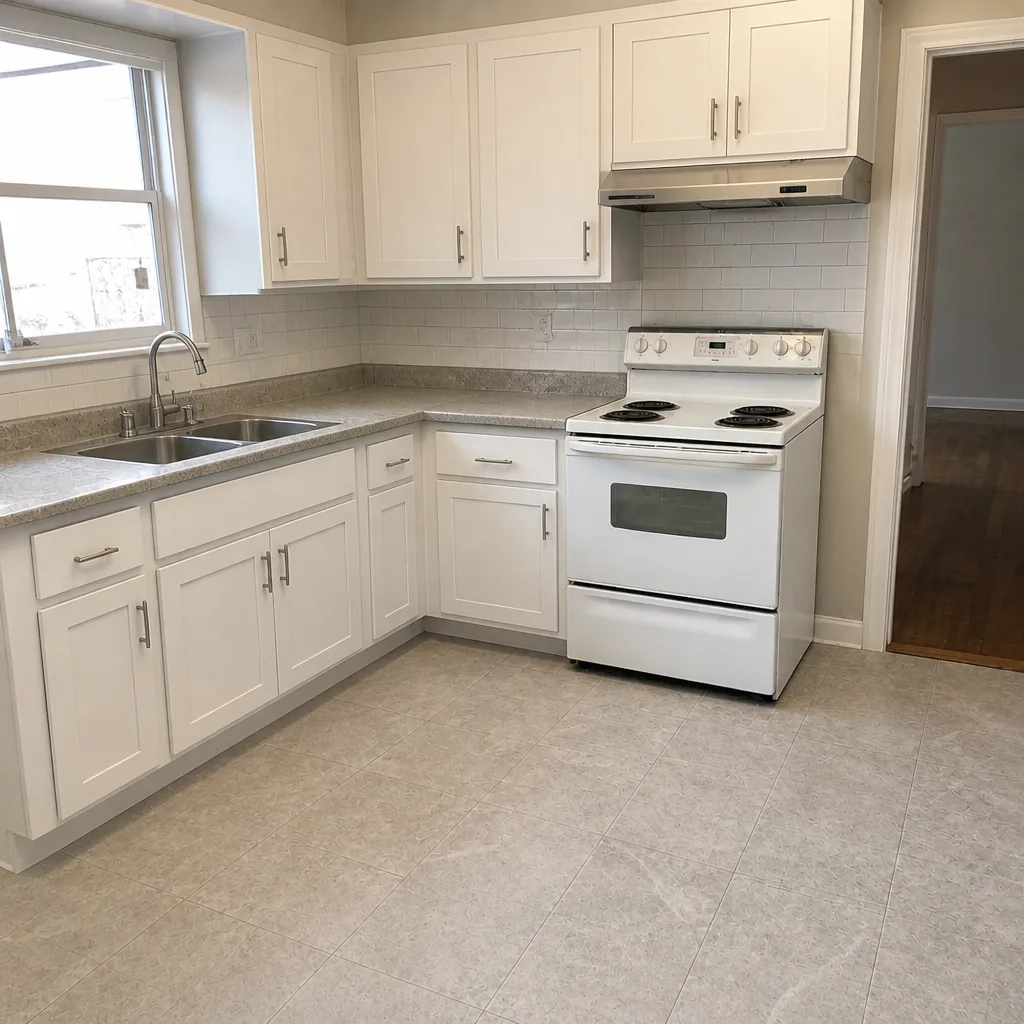 After
When to Call a Professional
Call a professional before you buy plans, not after. If you’re weighing a detached ADU versus an attached addition, the design decision and the permit path are connected, and getting that call wrong costs weeks. If you’ve already got a drawing set and a written estimate from another contractor, bring it to us for a free second opinion, and we’ll review the scope, the plan, and the schedule line by line. If your project is in a hillside neighborhood with drainage complexity, or your submittal has already drawn corrections, an experienced local contractor can shape the resubmittal to clear the specific items Glendale flagged. Rowan Construction Group Glendale offers free estimates in Glendale and written line-item pricing before any work starts. Call (844) 320-5930.
Frequently Asked Questions
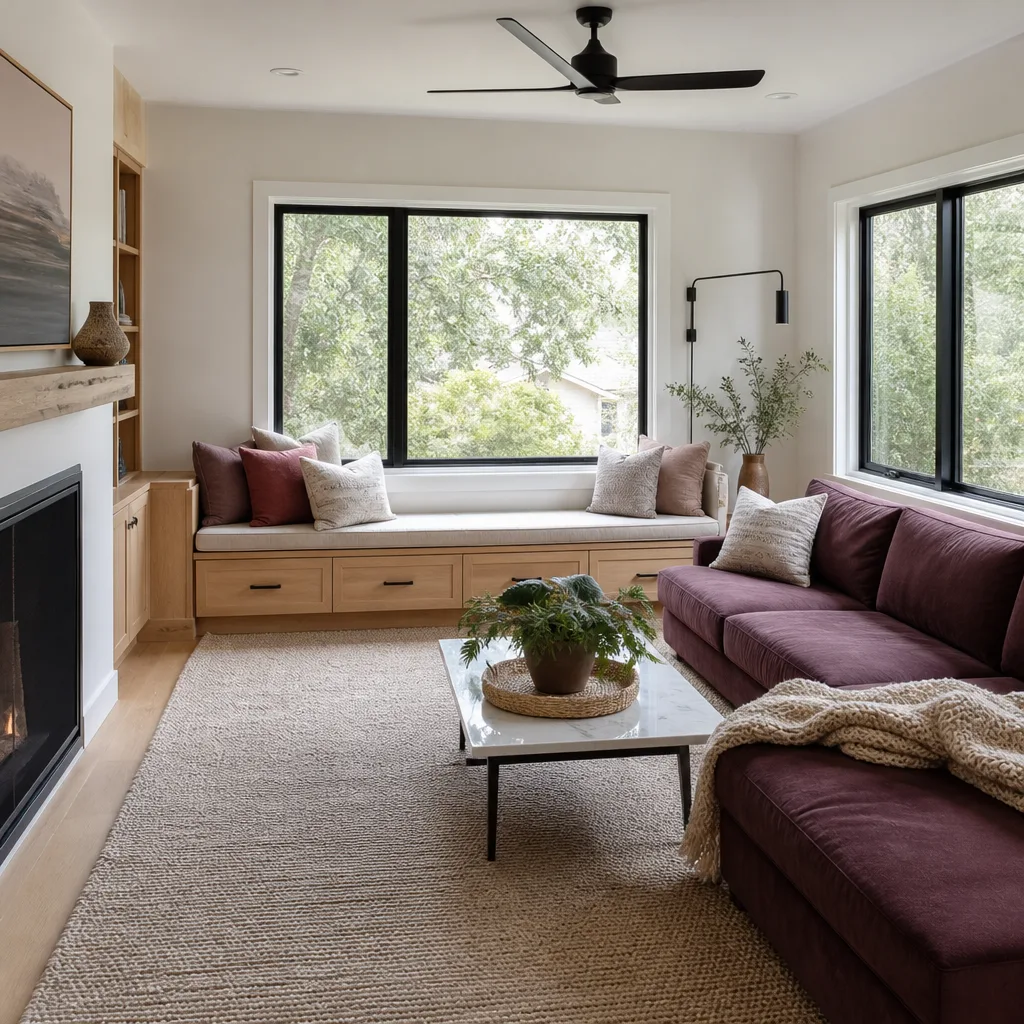
A Glendale ADU takes 9 to 16 months from signed contract to final inspection. Plan check runs 6 to 10 weeks on the first submittal, corrections 2 to 4 weeks per cycle, and detached ADU construction runs 5 to 9 months depending on size. Call (844) 320-5930 for a schedule shaped to your project, and the estimate is free.
Glendale’s plan check queue averaged 6 to 10 weeks for initial ADU review in 2023 because of the city’s review queue and staffing, not the specific project’s complexity. A submission that clears without corrections goes faster. A complete Title 24 package, clear fire-resistive wall specs, and a finished drainage plan reduce the correction cycles that extend the review. Call (844) 320-5930 to talk through your submittal.
Not the queue itself, but an experienced contractor can reduce the number of resubmittal cycles by pre-submittal coordination and full documentation, and can tell you whether your project qualifies for concurrent review, which saves 3 to 5 weeks. Skipping corrections is the real time saver. Call (844) 320-5930 and asks for a free second opinion on any written estimate you’re holding.
Pricing for a Glendale ADU varies by size, type, and site, and a written price before any work starts is the standard we hold. We quote a flat price with a written scope and written warranty, and no work proceeds on a change until the change order is signed. Call (844) 320-5930 for an exact quote, and the estimate is free.
Most additions draw at least one correction cycle. The resubmittal runs 2 to 4 weeks, and the items flagged are usually in the same few categories: incomplete Title 24 documentation, vague fire-resistive wall specs, and incomplete drainage plans. Addressing those before submittal is how you cut a cycle. Call (844) 320-5930 to review your plan set.
Not without a signed change order. Under Clause 1 of The Haven Standard, the written price comes before any work starts, and no change proceeds until the change order is signed. That discipline is why projects finish within a few percent of the number agreed at the start. Call (844) 320-5930 for a written quote.
The Bottom Line
The Glendale addition and ADU timeline is a permitting timeline with a construction project attached. Plan check averages 6 to 10 weeks on the first submittal, corrections add 2 to 4 weeks per cycle, utility connections add 4 to 8 weeks if not sequenced early, and concurrent review can save 3 to 5 weeks when your project qualifies. Construction itself runs 4 to 9 months depending on size and type. A contractor who quotes a fast total project without accounting for the permit queue isn’t saving you time, they’re setting a schedule that won’t hold. Ask for the phase dates in writing, ask about the resubmittal triggers, and hold the schedule to the same accountability as the price.
Plan Your Addition with Rowan Construction Group Glendale
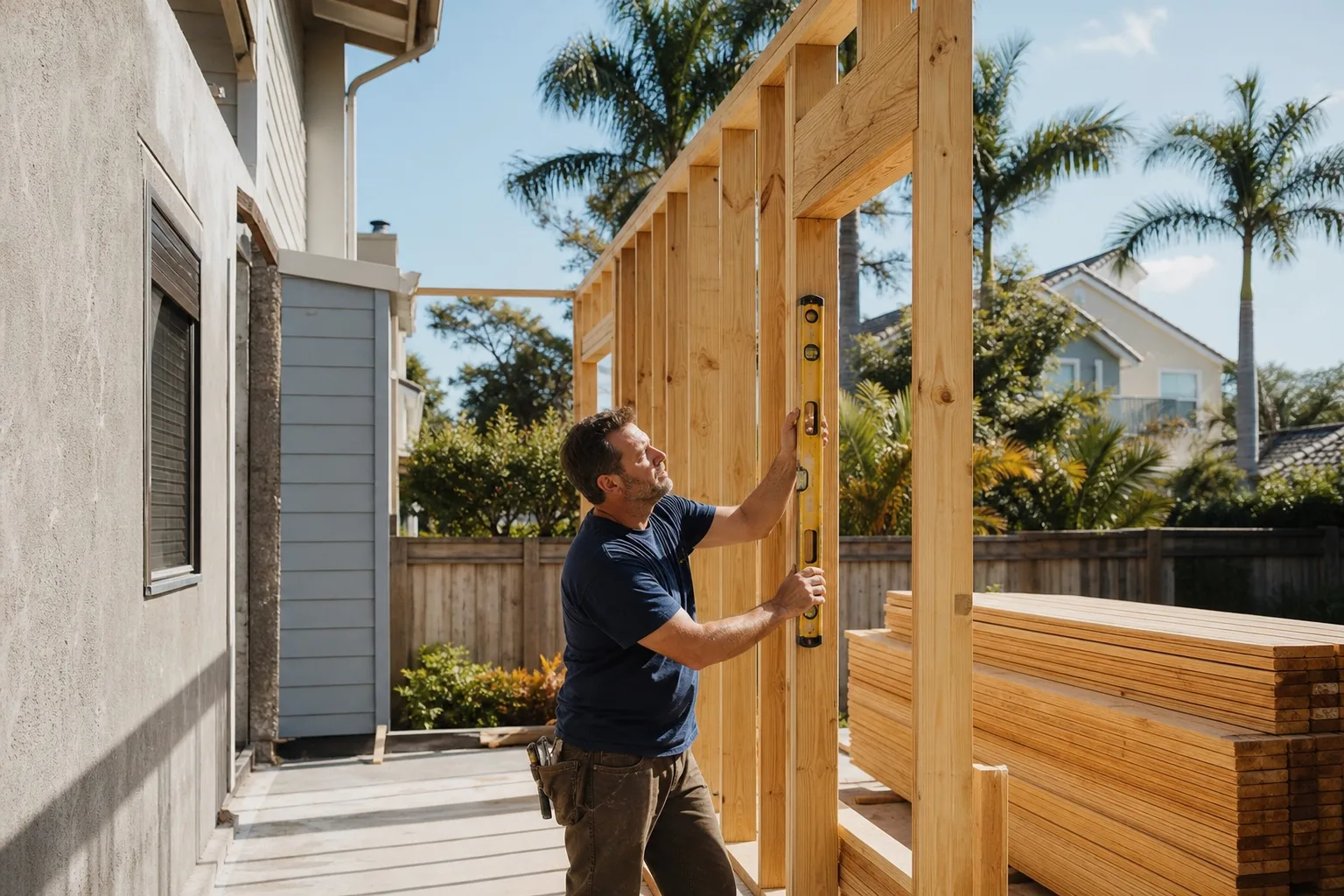
We’ve delivered 4,000-plus projects, and every one started with a written price before work began. If you’re planning an addition or ADU in Glendale, call (844) 320-5930 for a free estimate. You’ll get a flat written price, a written scope, a written warranty, and a milestone schedule you can hold us to. Bring a competitor’s quote and we’ll review it line by line at no charge. The 365-Day Done Right Promise backs every project, and it’s printed on every page, not buried in an asterisk.
Written by the team at Rowan Construction Group Glendale.