Last updated November 16, 2026


Free written scope consultation - allowances, timeline, and change-order rules on paper before a single trade is scheduled
Fence Installation Troubleshooting: Common Problems and How to Fix Them
A leaning fence post fixed by backfilling with dirt and tamping will lean again within two seasons. We’ve watched it happen on block after block in Glendale, where the soil under a fence does more to decide its fate than the lumber above it ever will. The repair that actually holds is a new concrete footing poured at proper depth – typically one-third of the post length plus six inches, which in Glendale’s expansive clay means a four-foot fence post sits in a hole nearly two feet deep, not the eight-inch scrape many crews dig. This guide diagnoses fence problems by root cause rather than symptom, because the two are rarely the same thing. You’ll learn how to tell a failed footing from a rotted post from soil movement, which fastener grades survive our microclimate, and how to document a defect so a contractor can quote it in writing against something specific.
Quick Answer
Most fence problems trace back to one of two systems: the foundation (footings, post depth, drainage) or the material specification (wood moisture content, fastener grade, coating thickness). A leaning post, a sagging gate, and corroded hardware look like three unrelated headaches, but they’re usually the same story told in different places. The fix that lasts addresses the root system; the fix that looks good for six months patches the symptom. Diagnosing which one you’re looking at before you spend a dollar is the whole job.
Styles & brands we work with
- Kitchen remodeling
- Bathroom remodeling
- Home additions & ADU
- Roofing
- Windows & doors
- Driveway & pavers
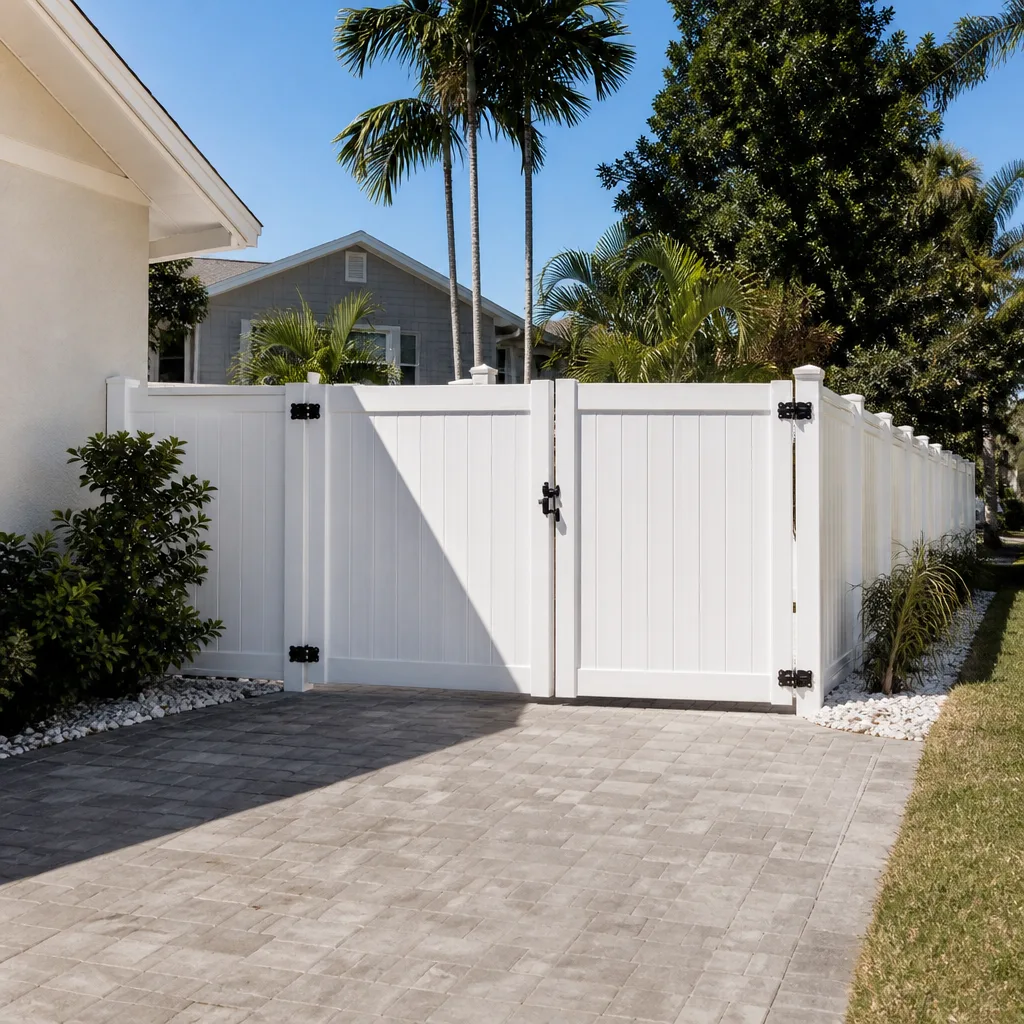
- Fence
Table of Contents
- Why Is My Fence Post Leaning?
- Footing Failure vs. Post Rot vs. Soil Movement: Telling Them Apart
- Wood Fence Warping and Checking: Cosmetic or Structural?
- Why Does My Gate Sag, and Why Replacing It Won’t Fix It
- Hardware Corrosion in Glendale’s Microclimate
- How to Document a Fence Defect Before You Call Anyone
- Choosing a Fence Spec That Won’t Fail
Why Is My Fence Post Leaning?
A leaning post is a diagnosis waiting to happen, and the three likely causes each demand a different repair at a different price. Guessing wrong means you pay to fix the wrong thing and the lean returns. Start by assessing three conditions in order:
- Push test. Grip the post at chest height and push firmly. If the whole post moves in the soil and the ground around it cracks or heaves, the footing has failed or was never adequate.
- Grade check. Look at the soil line on the post. If the wood is soft, dark, or crumbly right at grade, the post has rotted where moisture sits – a spec problem, not a footing problem.
- Plumb the neighbors. Sight down the fence line. If one post leans and the rest are true, you have a localized issue. If the whole run drifts, the soil under the entire line is moving.
In Glendale, the third case shows up on slopes and near irrigation lines where expansive clay swells and shrinks with the seasons. A footing that was marginal in a dry year can fail after a wet winter. Repairs range from a $150-$400 footing replacement on a single post to several thousand dollars to reset a full run with proper concrete. A fence installation crew worth hiring quotes those numbers in writing, with the depth and concrete spec spelled out, before anyone digs.
Footing Failure vs. Post Rot vs. Soil Movement: Telling Them Apart
These three failures look identical from the street and get confused constantly. Here’s how to separate them, and what each repair actually involves.
Footing failure
The post is sound above grade, but the concrete at the base has cracked, tilted, or the post is loose inside it. This usually means the original footing was undersized – too shallow, too little concrete, or dug into fill dirt. The repair is excavation: dig out the old footing, set the post plumb, and pour new concrete at proper depth. Cost typically runs $250-$500 per post including labor and materials. Backfilling with dirt and tamping is not a repair; it’s a delay.
Post rot at grade
The wood is soft at the soil line, often with visible discoloration or a hollow sound when tapped. This happens when the post wasn’t rated for ground contact or when water pools at the base. The fix is post replacement, which usually means replacing the affected section of fence, not just the post, because the rails and boards are attached. Budget $300-$600 per post plus adjoining panel repair. One warning: posts rated “ground contact” and pressure-treated to the correct retention level last far longer than unrated lumber, and the difference is invisible once installed.
Soil movement
Multiple posts lean in the same direction, often downhill, and the ground shows cracks or settling along the line. This is a grading and drainage problem as much as a footing problem. Fixing it may mean re-grading soil away from the fence, installing a drainage channel, or setting deeper footings that extend below the active soil layer. Costs vary widely, but expect $400-$900 per post when deeper excavation and drainage work are involved.
Getting this diagnosis right is the difference between a $300 repair and a $3,000 one – and between a fence that stands and one that leans again next spring. If you’re also rethinking the hardscape around the fence line, our team handles Driveway & Pavers in Glendale and can address drainage in the same visit.
Wood Fence Warping and Checking: Cosmetic or Structural?
Every wood fence moves. Boards cup, bow, and check – the technical term for the lengthwise cracks that appear as wood dries. Some movement is cosmetic and harmless; some signals a moisture problem in the original material that will keep causing failures. The dividing line is measurable.
Use a pin-type moisture meter (a $40-$80 tool at any hardware store) and test several boards at mid-height. Readings under 15% are normal for acclimated wood in Glendale. Readings between 15% and 19% suggest the wood is still drying and may continue to move for another season. Readings above 19%, especially when the boards were installed recently, indicate the lumber was wet when installed – a material spec problem that points back to the supplier or the grading of the wood.
- Cosmetic cupping: a gentle curve across the board width, under 1/8 inch. No action needed.
- Cosmetic checking: surface cracks under 1/16 inch wide, running with the grain. No structural risk.
- Structural checking: cracks wider than 1/8 inch, cracks that penetrate through the board, or cracks that split the board end where it meets a rail. These boards need replacement.
- Warping at the rail: boards pulling away from the rail and leaving gaps mean the fasteners lost grip – often because the wood shrank after installation. Re-fastening with longer, corrosion-rated screws is the fix.
Cedar and redwood move differently than pressure-treated pine. In our experience across Glendale, cedar fences on the north side of a property – the side that holds moisture longer – show checking sooner than the same material on a sun-exposed run. That’s a spec decision made at installation, not a defect that appears later. If you’re evaluating an existing Fence Installation in Glendale, the material choice is the variable that most changes how it ages.
Why Does My Gate Sag, and Why Replacing It Won’t Fix It
A sagging gate has three mechanical causes, and replacing the gate only fixes one of them. The other two live in the structure behind it, which is why a new gate on the same posts often sags within a year.
- Hinge failure. The hinges have worn, seized, or pulled loose from the post or the gate frame. This is the only cause a gate swap actually addresses. Test by lifting the gate slightly – if it moves freely at the hinges, the hardware is the issue.
- Post movement. The gate post itself has moved or rotated. Latch the gate and sight the gap between gate and post; if the gap is wider at top than bottom (or the reverse), the post is out of plumb. This traces back to the footing. A new gate hung on a moving post will sag again, usually within one season. This is the most common cause in Glendale, where the gate post sets in the same expansive soil as the fence line.
- Frame racking. The gate frame itself has lost its square – the diagonals have shifted so the rectangle became a parallelogram. Check by measuring corner to corner across the gate; the two diagonals should match within 1/4 inch. Racking usually means the frame was under-built or the material moved. The fix is a diagonal brace or a rebuilt frame, not a new gate.
Diagnose in that order – hinge, then post, then frame – because each is cheaper than the one after it. Hinge replacement runs $80-$200; post resetting $250-$500; gate rebuilding $400-$900. Skipping straight to the gate replacement is the most expensive way to solve the cheapest problem.
Hardware Corrosion in Glendale’s Microclimate
Glendale sits close enough to the coast that marine air reaches it, and that air carries chlorides that eat metal fasteners. The consequence is that hardware grades fail at different rates, and the cheapest grade fails first – usually within two to three years on a fence that should last twenty.
The fastener hierarchy, from least to most durable in our climate:
- Electro-galvanized or zinc-plated: thin zinc coating; fails first, often with visible rust at the screw head and streaking down the wood. Not appropriate for exterior fence hardware in Glendale.
- Hot-dipped galvanized: thick zinc coating applied after fabrication; the practical standard. Expect 15-25 years of service. Specify this rating in writing.
- Stainless steel: the longest service life, especially near the coast or where sprinklers keep the fence wet. Higher cost, but the right call for fence lines within a few miles of the foothills where moisture lingers.
Metal fence posts and gate frames face the same test. A powder-coated aluminum or galvanized steel post outlasts bare steel by a wide margin, and the coating spec matters as much as the base metal. When corrosion shows up, replacing the affected fasteners with hot-dipped galvanized or stainless is a small job – $100-$300 for a typical residential run – and prevents the deeper failure that comes when rusted fasteners let water into the wood.
For gate hardware specifically, a lubricated stainless or marine-grade hinge set adds a decade. That’s a $50 upgrade at installation. The reason it matters is simple: a fence that’s built with the right fastener spec and the right footing depth doesn’t need troubleshooting for a long time. That’s the whole point of getting the spec right at the start.
How to Document a Fence Defect Before You Call Anyone
Whether you’re filing an insurance claim, pursuing a warranty, or getting a written quote, the quality of your documentation determines how seriously a contractor can price the work. A contractor quoting “fix the fence” is guessing; one quoting against measured, photographed defects is estimating. Here’s the process.
- Photograph wide, then close. One photo showing the full fence run in context, then close-ups of each defect. Include a tape measure in the close-up frame so scale is visible.
- Measure post spacing and height. Post-to-post distance and post height are the two numbers every quote is built on. Note them for each section.
- Record the lean with a level. Hold a 4-foot level against each leaning post and photograph the gap at the top. A lean of 1 inch over 4 feet is a different repair than a lean of 6 inches.
- Test the wood and note the reading. Moisture meter reading per section, noted in a simple list.
- List the fastener condition. Note any visible rust, streaking, or loose screws, section by section.
- Note the gate operation. Open and close, measure the latch gap top and bottom, and record it. This is what separates a hinge repair from a post reset.
This documentation also lets you compare quotes apples to apples. A contractor quoting the same measured scope is quoting the same work; a contractor quoting a vague “fence repair” is quoting an unknown. Under Clause 1 of The Haven Standard, the price is written before anyone starts – and it’s written against a defined scope, because that’s the only way it’s worth anything.
Choosing a Fence Spec That Won’t Fail
The best troubleshooting is a fence that never needs it. Most of the failures in this guide trace back to four specification decisions made before installation:
- Footing depth. One-third of the post length plus six inches, in concrete. In Glendale’s expansive clay, deeper is better and the concrete matters. This is the single largest factor in post stability.
- Post material. Ground-contact rated, pressure-treated to the correct retention level, or a coated steel post. Never untreated wood at grade.
- Fastener grade. Hot-dipped galvanized or stainless, specified in writing. The $20 difference across a fence is the difference between two years and twenty.
- Wood moisture content at delivery. Moisture meter readings under 19% before installation. Ask the installer to test and record it.
Glendale’s climate gives a well-built fence a long life. The soil gives it a hard time; the coastal air adds corrosion pressure; and the seasonal wet-dry cycle tests every footing. A fence built to spec against those conditions doesn’t need much troubleshooting. When you’re planning a fence alongside a larger project, our team can coordinate the scope – we handle Home Additions & ADU in Glendale and site the fence to work with the new grade and drainage. And if you’re brand-comparing while you plan, the same discipline we apply to fences is what we use on the brands we source across all seven trades, from Moen fixtures to Belgard pavers. Start with the Rowan Construction Group Glendale home page to see how the written-price process works on every project.
Common Mistakes to Avoid
- Backfilling a leaning post with dirt and tamping it. This is the single most common fix and the least durable – the post leans again within two seasons. Concrete at proper depth is the only repair that holds.
- Replacing the gate without checking the post. A new gate on a moving gate post sags again in a season. Diagnose hinge, post, then frame – in that order.
- Using zinc-plated screws on a Glendale fence. The thin coating fails within two to three years, and rust streaks into the wood. Specify hot-dipped galvanized or stainless.
- Treating cosmetic checking as structural failure. Surface cracks under 1/16 inch are normal. Spending money to replace boards that are fine is throwing it away.
- Ignoring the moisture reading. Wet lumber installed at 20%+ moisture will keep moving and keep pulling fasteners. Test before install, not after.
- Skipping documentation. A quote against “the fence needs work” is a guess. A quote against measured, photographed defects is an estimate. Document first.
- Quoting without a written scope. “Call for a quote” leaves the price undefined until it’s too late to comparison shop. A written price before work starts is the standard to hold every contractor to.
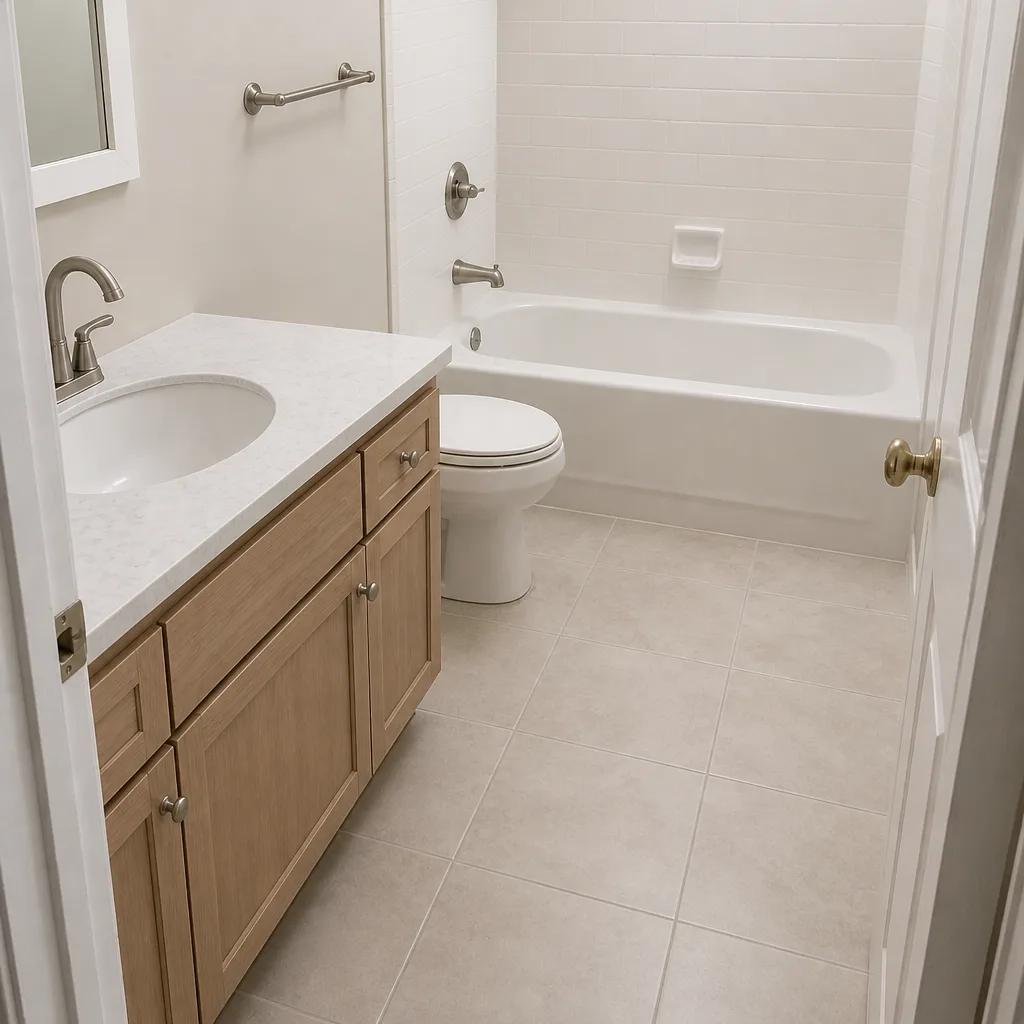
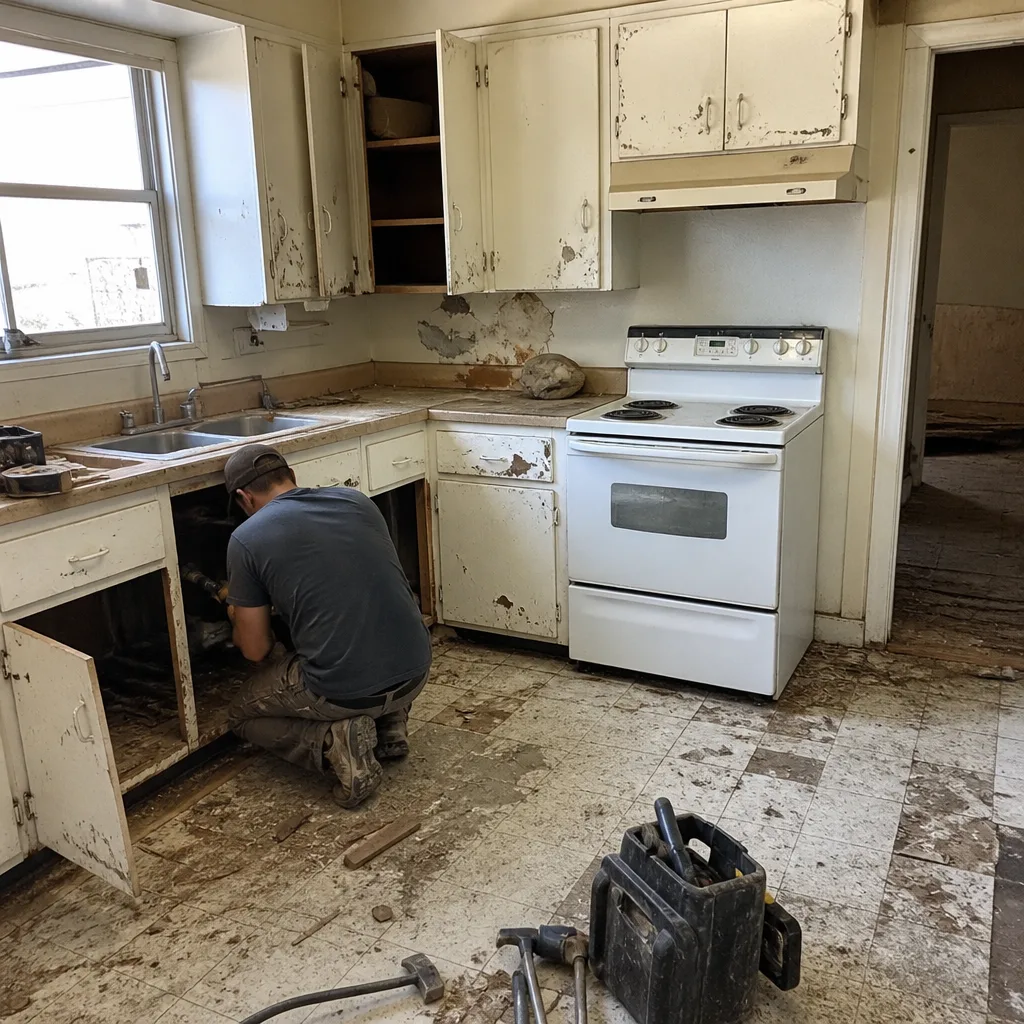
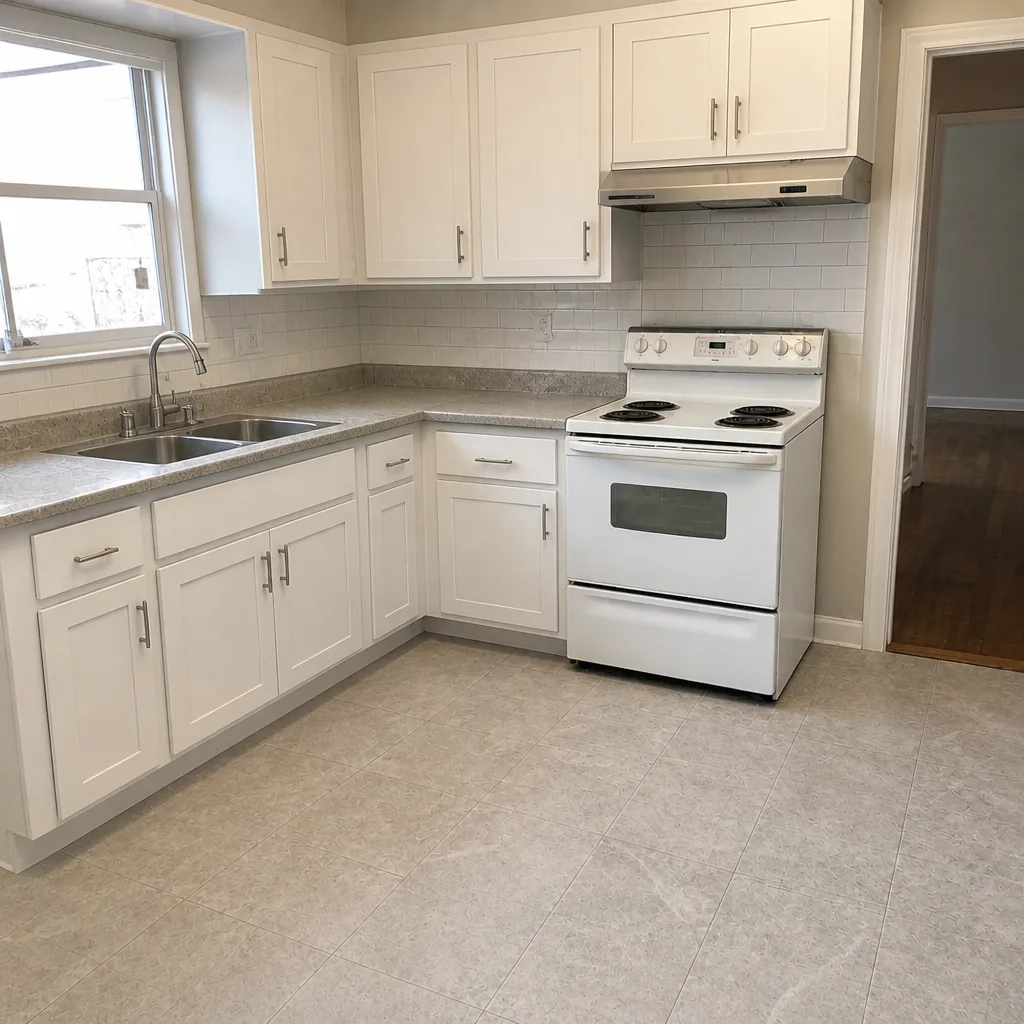
See the difference
 Before
 After
 Before
 After
 Before
 After
When to Call a Professional
Some fence repairs are a weekend job. Others aren’t, and it’s worth knowing the line. Call a professional when the footing has failed or needs replacement – excavation, concrete, and re-plumbing a post is a job with real consequences for the whole line. Call when the gate post is moving, because re-hanging a gate on a moving post is wasted money. Call when corrosion is widespread, since a full re-fastening is more than a spot repair. And call whenever you want a written quote against your documented scope, because that’s the only number you can actually compare. Rowan Construction Group Glendale offers free estimates in Glendale – call (844) 320-5930 to schedule yours. Our technicians have up to 19 years of experience, and every visit includes a documented photo record so you know exactly what was found and what was done.
Frequently Asked Questions
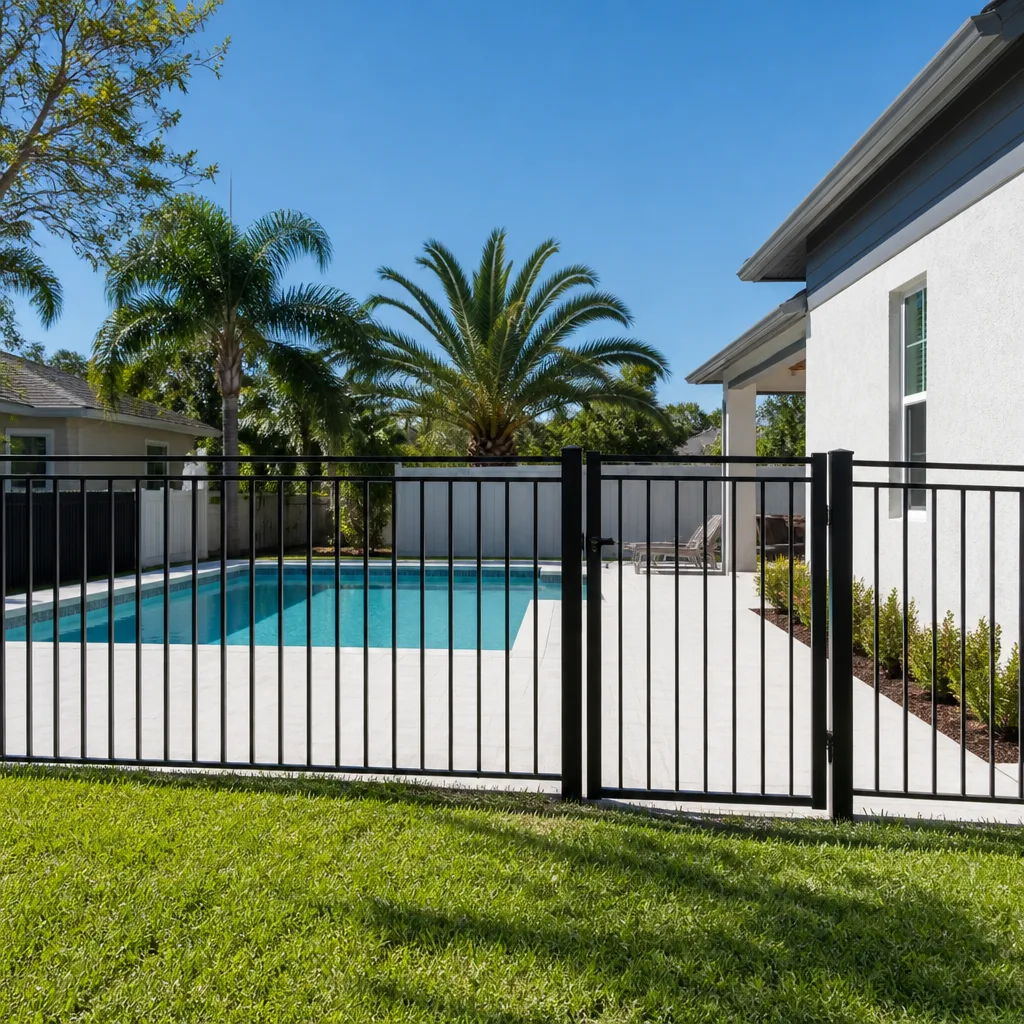
Fixing a leaning fence post in Glendale typically costs $150-$600 per post, depending on the cause. A simple footing reset runs $250-$500; post rot replacement with adjoining panel repair runs $300-$600; and soil-movement fixes with deeper footings and drainage work can reach $400-$900 per post. Call (844) 320-5930 for an exact quote – estimates are free, and we put the price in writing before any work starts.
No. Every project is quoted with a flat written price and written scope before work begins, and no change proceeds without a signed change order. That discipline is what has kept our projects within a few percent of the agreed cost across 4,000-plus jobs. If the scope you documented doesn’t match what we find when we dig, we tell you before anything changes – and nothing moves until you sign.
Lift the gate slightly at the latch and watch the hinge movement – if it moves freely, the hinges are the issue. If the gate feels solid at the hinges but the gap between gate and post is wider at the top than the bottom, the post has moved and needs resetting. Measure the diagonals corner to corner: a mismatch over 1/4 inch means the frame has racked. Diagnose in that order and you’ll avoid paying for a new gate when the post is the real cause.
Hot-dipped galvanized is the practical standard for Glendale fences, with 15-25 years of service. Zinc-plated or electro-galvanized screws fail first, often with visible rust within two to three years, because the thin coating doesn’t hold up to marine air. For fence lines near the foothills or in irrigated yards, stainless steel is the better call. Specify the grade in writing on the quote.
Fence boards should read under 19% on a pin-type moisture meter at installation, and under 15% is ideal. Readings of 15-19% mean the wood is still drying and will keep moving; above 19% is a material spec problem that will lead to cupping, checking, and fasteners losing grip. Ask the installer to test and record it – it’s a 30-second check that prevents a lot of future troubleshooting.
Whether a permit is required depends on the fence height, location relative to property lines, and setback rules, and requirements vary by parcel. We review the scope against local code before installation, pull the permits when they’re required, and walk the inspection. If you want the specifics for your address, call (844) 320-5930 and we’ll talk through what applies to your lot – estimates are free and the answer is in writing.
The Bottom Line
Every fence problem in this guide traces back to the foundation system or the material specification – and the fix that lasts is a different fix than the one that looks good for six months. Diagnose the cause before you spend: a leaning post is a footing test, not a dirt-and-tamp job; a sagging gate is a post check before a gate swap; a corroded fastener is a grade decision, not a hardware-store run. Document your defects with photos and measurements, get a written scope, and hold every contractor to a written price before work starts. That’s how a fence gets fixed once, in Glendale or anywhere else.
Rowan Construction Group Glendale is a construction contractor operating under The Haven Standard. Every project – from fence installation to roofing, windows, and additions – comes with a flat written price before work begins, a documented photo record on every visit, background-checked and uniformed technicians, and the 365-Day Done Right Promise: if it isn’t done right, we make it right. A live person answers calls 24/7, and we offer a free second opinion on any written estimate – bring a competitor’s quote and we’ll review it line by line at no charge.
Call (844) 320-5930 for a free estimate. We’ll review the scope, answer your questions on footing depth, fastener grade, and moisture content, and put the price in writing before anyone picks up a tool.
Written by the team at Rowan Construction Group Glendale.