Last updated November 16, 2026



Free written scope consultation - allowances, timeline, and change-order rules on paper before a single trade is scheduled
Home Additions & ADU Maintenance Schedule: What to Do and When
The warranty on a Mitsubishi mini-split requires filter cleaning every 400 hours of operation and professional maintenance once a year. Most ADU owners we talk to in Glendale have never read that clause. They run the unit hard through July and August, skip the filter, and only learn about the requirement at year four when the compressor fails and the claim comes back denied – voided, technically, back at year one. A home addition or ADU is a set of installed systems, each with its own manufacturer timeline. This guide lays out the month-by-month schedule those timelines demand, calibrated to what actually gets installed in Glendale additions.
Quick Answer
An ADU or home addition needs maintenance on the schedule the equipment manufacturers specify, not a generic homeowner checklist. In practice that means cleaning mini-split filters every 400 running hours, annual professional HVAC service, a water heater anode rod check at year one and every two to three years after, exterior caulk and sealant inspection each October before the rainy season, and electrical panel torque checks on any added sub-panel. Miss the manufacturer interval and you can void a warranty worth thousands – often without knowing it until a failure.
Styles & brands we work with
- Kitchen remodeling
- Bathroom remodeling
- Home additions & ADU
- Roofing
- Windows & doors
- Driveway & pavers
- Fence
Table of Contents
- Why an Addition Needs Its Own Maintenance Schedule
- The Month-by-Month Maintenance Calendar
- HVAC Service: Mini-Split Filters, Coils and Condensate
- Water Heater and Plumbing Intervals
- Exterior Sealant, Caulk and Roof Checks
- Electrical Panel and Sub-Panel Checks
- Glendale Seasonal Timing: Rain, Santa Ana Winds and Summer Heat
- Manufacturer Intervals for the Brands Most Often Installed Here
- Building a Maintenance Log That Holds Up
- DIY vs. Licensed Contractor in California
Why an Addition Needs Its Own Maintenance Schedule
A 400-square-foot ADU is not a smaller version of the main house. It’s a separate envelope with its own roof plane, its own exterior wall assembly, its own HVAC system, and often its own electrical sub-panel. Each of those was specified by a manufacturer who set maintenance intervals as a condition of the warranty. A Mitsubishi heat pump, a Navien tankless water heater, a James Hardie fiber cement wall, and a Pella window line each carry their own paperwork with its own requirements.
That matters for two reasons. First, warranty coverage on an addition is often the difference between a $600 repair and a $4,000 replacement, and the manufacturer can decline the claim if the documented service wasn’t performed. Second, the addition was permitted and inspected as a distinct structure. Your original home inspection, if you had one, says nothing about it. Glendale additions we’ve worked on have their own panel schedule, their own water shutoff, and their own roof-to-wall flashing details – all of which need eyes on them on a schedule.
The maintenance plan should be written against the equipment list, not copied from a magazine. If you’re planning an addition now, ask for that list at closeout. If the addition is already standing, gather the appliance and system manuals from the previous owner, or pull the model numbers off the data plates and build the list yourself.
The Month-by-Month Maintenance Calendar
Here’s the sequence we recommend for a Glendale addition or ADU. Timing is built around our climate: dry summers, a rainy season that runs roughly November through March, and Santa Ana wind events that typically hit in late fall and early winter.
- January: After the first heavy rain, walk the addition’s roof edges and wall bases. Look for staining on stucco or drywall near the roofline. Check the water heater for moisture at the base.
- February: Flush the tankless water heater with vinegar if it’s on a hard-water property – many Glendale properties run hard. This is a homeowner-legal task under manufacturer guidance.
- March: Service the mini-split head before cooling season. Clean or replace filters, check the condensate line for algae, and have a technician inspect the coil.
- April: Inspect exterior caulk joints at windows, doors and penetrations. Glendale’s summer heat expands and contracts these joints; catch cracking before it widens.
- May: Test GFCI and AFCI breakers on the addition’s sub-panel. Verify the panel schedule is legible and matches the circuits.
- June through August: Check the mini-split filter every 400 running hours – about monthly in heavy use. Watch the condensate drain; a clog in July causes a water stain you’ll spend thousands to fix.
- September: Clean the condensate line again as summer winds down. Check the exterior for sun damage to paint and sealant.
- October: The critical month. Roof and flashing inspection before the rainy season. Re-caulk any failed joints. Clear gutters and downspouts.
- November: After the first Santa Ana wind event, check vent screens, roof vents and any exterior vent terminations for debris and pest intrusion.
- December: Year-end review of the maintenance log. Book the annual HVAC service if it hasn’t happened yet, and file the year’s receipts with the addition’s documentation.
Every one of these is documented. Keep the record – a written note, a photo, a receipt – because it’s the same record you’ll want if you ever sell the property or file a claim.
HVAC Service: Mini-Split Filters, Coils and Condensate
The mini-split is the most warranty-sensitive system in most Glendale ADUs. Mitsubishi’s owner documentation is explicit: clean the filter at defined running-hour intervals and have the unit professionally maintained annually. The interval printed on most current Mitsubishi residential models is filter cleaning roughly every 400 hours of operation, with annual service by a qualified technician. That’s an obligation, not a suggestion – skip it and the manufacturer has grounds to decline a compressor or coil claim.
What the annual service involves: cleaning the indoor coil, checking refrigerant pressures, inspecting and flushing the condensate drain line, tightening electrical connections at the disconnect, and testing the outdoor unit’s fan and compressor. The condensate line is the part owners most often ignore, and it’s also the part that causes the most expensive damage in a California addition – a clogged drain in July backs water into the wall cavity or the floor beneath the indoor head.
- Every 400 running hours: Remove and rinse the indoor filter. In heavy summer use that’s roughly monthly.
- Every month in cooling season: Visually check the condensate drain for standing water or algae.
- Annually: Professional service – coil cleaning, pressure check, drain flush, electrical connections.
- Every 3 to 5 years: Have the outdoor condenser coil cleaned with proper coil cleaner; Glendale’s dust and pollen load clogs exterior fins faster than coastal climates.
The mini-split’s paperwork matters more than the invoice for the last filter change. Keep a dated log of each service, with the technician’s name and the company, in the same folder as the warranty paperwork.
Water Heater and Plumbing Intervals
Tankless water heaters – and Navien units are common in Glendale additions – require descaling at manufacturer-specified intervals that depend on water hardness. In hard-water areas, that’s often every 12 months; in softer water, longer. The Navien manual and warranty terms specify descaling and annual inspection as conditions of coverage, and the paperwork is clear that scale buildup from skipped maintenance is an excluded cause.
The anode rod on a conventional tank water heater is the part that saves the tank. It’s a sacrificial metal rod inside the tank that corrodes first, and once it’s gone, the tank’s steel begins to rust from the inside. Check it the first year after installation, then every two to three years.
- Year one after install: Inspect the anode rod on a tank heater. Descale the tankless unit if you’re on hard water.
- Every 2 to 3 years: Re-inspect or replace the anode rod.
- Annually: Test the temperature-and-pressure relief valve; check supply lines for corrosion.
- Every 12 to 18 months: Flush a tankless unit’s heat exchanger with manufacturer-approved descaler.
Because a tankless flush involves isolating valves and a pump kit, most owners have a plumber do it. That’s a reasonable annual cost against a heat exchanger replacement – the part Navien’s warranty excludes when scale damage is the cause.
Exterior Sealant, Caulk and Roof Checks
Glendale’s climate is hard on exterior sealant. Summers are hot and dry, which shrinks caulk and cures it until it cracks; winters bring rain that finds the cracks and works its way behind the stucco or fiber cement. An addition’s exterior has more caulk joints per square foot than the original house because it’s all-new construction with more penetrations, corners and transitions.
Walk the exterior twice a year – April and October. Look specifically at these spots:
- Window and door perimeter caulk joints.
- Where the addition’s roof meets an existing wall – the wall-to-roof flashing is where leaks usually start.
- Vent penetrations through the roof and walls.
- Base of the exterior wall where stucco or fiber cement meets the foundation – the weep screed area.
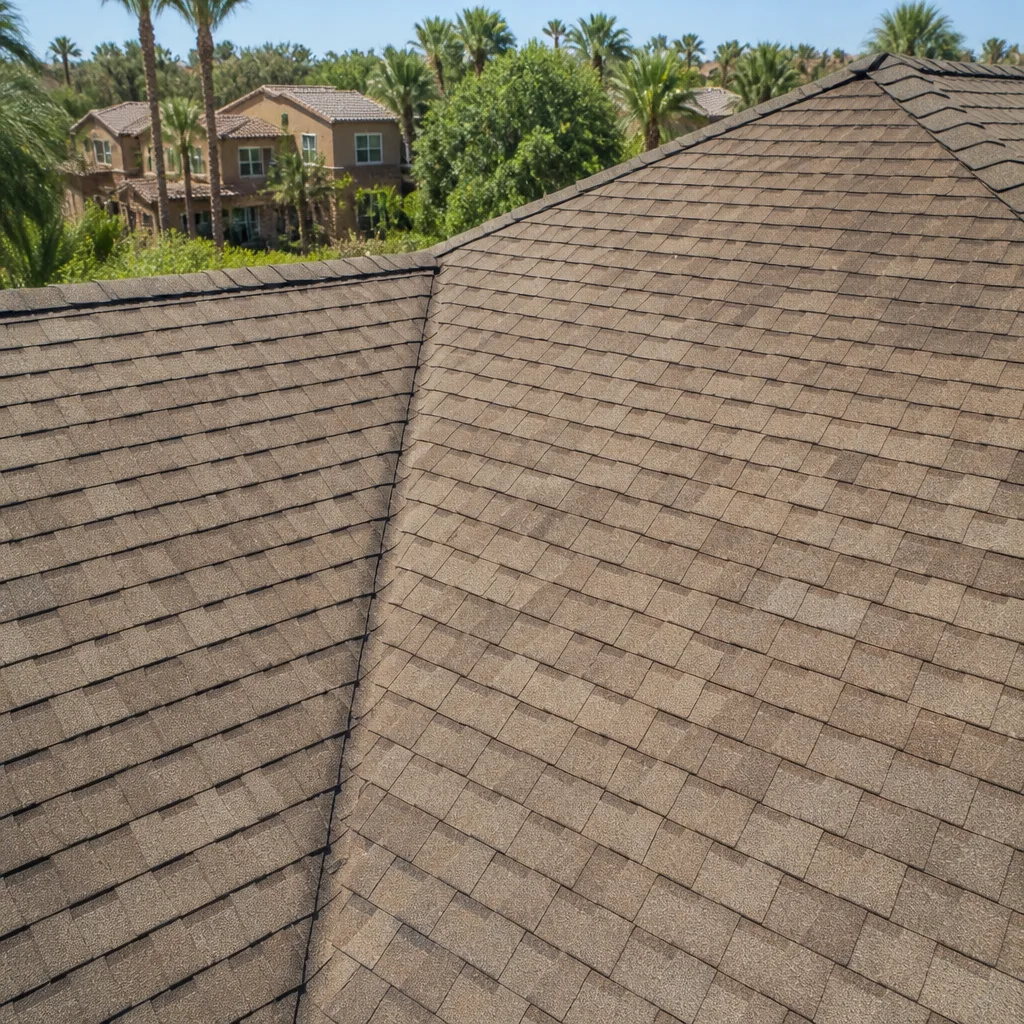
The October walk is the one that matters. Two weeks before the first significant rain, re-caulk anything you can poke a fingernail under, and clear roof gutters and downspouts. Roof underlayment and flashing inspection should happen once a year, ideally by a roofer who can get on the roof safely – steep pitches and heights are not a homeowner task. The same applies to the roof on any Home Additions & ADU in Glendale project, which often includes a low-slope section with a different membrane than the main house.
Electrical Panel and Sub-Panel Checks
Most additions and detached ADUs get their own electrical sub-panel, fed from the main service. That sub-panel has terminations that can loosen over time with thermal cycling, and a loose lug is a fire risk. The relevant maintenance task is checking the torque on the panel’s breaker terminations and main lugs to the manufacturer’s specified inch-pound value – and that’s not a homeowner task. It’s a licensed electrician’s job, done with the panel de-energized.
There’s a genuine danger here. An electrical panel holds live conductors and stored energy even after the main breaker is off. Working inside one without training or proper meters can kill you. We don’t teach homeowners to open a panel; we tell them what a professional should check and how often.
- Annually: A licensed electrician inspects and torques the sub-panel terminations; checks the main service for discoloration or heat marks.
- Monthly (owner-safe): Test GFCI outlets with the test button; test AFCI breakers with the manufacturer’s test procedure.
- Every 3 years: Infrared scan of the panel and terminations to catch heat before failure – useful on an addition that draws heavy loads like an EV charger or heat pump.
The panel schedule – the list of what each breaker controls – should be current and handwritten or printed, but legible. If it’s faded or says “office/?” for three spaces, have an electrician re-identify the circuits.
Glendale Seasonal Timing: Rain, Santa Ana Winds and Summer Heat
Our climate compresses all the important exterior maintenance into a short window. The rainy season runs roughly November through March, and most years the first significant storm arrives in late October or November. That makes October the single most important month in this schedule for an addition in Glendale: roof and flashing inspection, exterior caulk repair, gutter clearing.
Santa Ana winds come after, usually November and December, with occasional events into January. Those winds push debris into vent screens and roof vents and can lift tiles and lightweight roofing. After a wind event, walk the exterior and check every vent screen – an insect screen that’s been pushed in is how pests get into a low-pitched roof cavity. This is also when the screening on a tankless water heater’s intake can clog.
Summer is the other extreme. The mini-split runs hard from June through September, which is exactly when the condensate line is most likely to clog. The line drains warm, humid air from the indoor coil, and in a closed ADU that warm drainage water and dust are a perfect habitat for algae. Flush it at the start of summer and check it monthly.
If your property includes Driveway & Pavers in Glendale installed as part of the same build, note that polymer joint sand in permeable pavers also needs a post-winter top-up. Pavers from Unilock and Techo-Bloc are built to move with ground conditions, but the joint sand is the seal – inspect it each spring and top it up before summer dust sets in.
Manufacturer Intervals for the Brands Most Often Installed Here
These are the intervals we see most commonly installed in Glendale additions. Always confirm against the specific model’s owner documentation, because the manufacturer’s terms govern – not a general rule.
- Mitsubishi mini-split heat pumps: Filter cleaning every roughly 400 hours of operation; professional inspection and cleaning annually; condensate drain flush as part of annual service. Missing service is grounds for warranty denial on coil and compressor.
- Navien tankless water heaters: Descaling at manufacturer-specified intervals based on water hardness – commonly every 12 months in hard-water areas; annual inspection of venting and combustion air; scale damage from skipped descaling is excluded from warranty coverage.
- Pella windows and doors: Annual inspection of weatherstripping and sealant joints; exterior caulk joints checked and repaired as needed to preserve the warranty on the frame and glass seal.
- James Hardie fiber cement siding: Annual inspection of caulk joints and any field-painted or factory-finished surfaces; periodic re-sealing of joints around penetrations to maintain the manufacturer’s finish warranty.
Brands from the broader pool we work with – Cambria and Caesarstone countertops, GAF and Owens Corning roofing, Kohler and Toto fixtures, Belgard pavers – each carry their own small print. The pattern is consistent: the manufacturer warranties the product against defects, but excludes damage caused by failure to follow maintenance. Proof of service is the difference between a covered claim and a denied one.
When you have Fence Installation in Glendale done as part of a project, the fence has a shorter version of the same rule – inspect posts and hardware annually and touch up sealant on wood every two to three years.
Building a Maintenance Log That Holds Up
The point of a log is to produce evidence when you need it. Most homeowner logs don’t hold up because they’re a folder of receipts in a drawer with no index. Here’s a format that works for an addition or ADU, and that an insurer or a buyer’s agent can read in five minutes.
- One page per system, in one binder or one shared digital folder. HVAC, plumbing, electrical, exterior envelope. Each gets a page.
- Every entry gets: date, task, who performed it, and a photo. The photo is the piece of evidence that matters – the filter in the trash, the valve opened, the caulk joint before and after.
- Attach the professional invoices to the corresponding entry. A receipt for a service call with the model number and date on it is the strongest warranty defense you can produce.
- Keep it with the addition’s original documentation. The permit, the inspection sign-off, the equipment manuals and the written warranty from the builder all belong together.
- Update the log at resale. A documented maintenance record on an ADU is a real marketing asset – it answers the buyer’s first question, which is “what’s about to go wrong with this thing?”
A two-inch binder with five tabbed sections and a pocket for receipts is enough. You don’t need a software subscription. You need to actually write down what was done – and the best time is the same day, not six months later.
DIY vs. Licensed Contractor in California
California law draws fairly clear lines here, and the lines map to safety. Homeowners can perform many routine maintenance tasks themselves. Any work that constitutes construction, alteration, repair requiring a permit, or work on gas lines, electrical panels, and pressure systems is licensed-contractor work.
What a homeowner can reasonably do:
- Cleaning mini-split filters and checking the condensate line.
- Testing GFCI and AFCI outlets and breakers with the built-in test buttons.
- Visually inspecting caulk joints and re-caulking small joints around windows and doors.
- Clearing gutters at ground level with safe access.
- Walking the exterior after rain or wind and photographing conditions.
What a licensed contractor should do:
- Any work on the electrical panel or sub-panel – including opening it.
- Roof inspection or repair that involves getting onto a roof with significant pitch or height.
- Gas line work, pressure testing, and anything on the combustion-air or venting side of the water heater.
- Tankless water heater descaling if the unit’s manual requires isolation valves a plumber needs to service.
- Any work that changes a wall, opening, or system in a way covered by the permit.
The dividing line is risk of injury and risk of invalidating a warranty. Caulk is a homeowner job. Anything with live voltage or a pressure vessel is not.
Common Mistakes to Avoid
- Treating the ADU like the main house. The addition has its own systems and documents. A schedule that ignores the separate sub-panel and the separate water heater leaves half the structure uninspected.
- Skipping the filter at the 400-hour mark. Most owners clean the filter when it looks dirty, which in Glendale means they never clean it in winter. Follow the manufacturer’s interval, not your eye.
- Ignoring the October exterior walk. Two weeks before the first rain is when caulk failures still cost $40 to fix. After the rain, a cracked joint becomes a stucco and drywall repair.
- Not keeping the service receipts. A mini-split warranty claim is denied based on missing proof of professional service, and memory doesn’t count. The receipt and the invoice with the date and model number do.
- Opening the electrical panel yourself. The panel is a live conductor environment even with the main breaker off. A loose lug or a mis-identified circuit is a licensed electrician’s job, always.
- Using a generic caulk on a specific joint. Silicone for glass, polyurethane for exterior joints that see sun and movement, acrylic for interior. The wrong choice fails within a year in Glendale’s heat.
- Letting the log lapse at year three. Maintenance schedules die from neglect, not from difficulty. Set a repeating calendar reminder for October and for the annual HVAC service and you’ll catch most of it.
See the difference
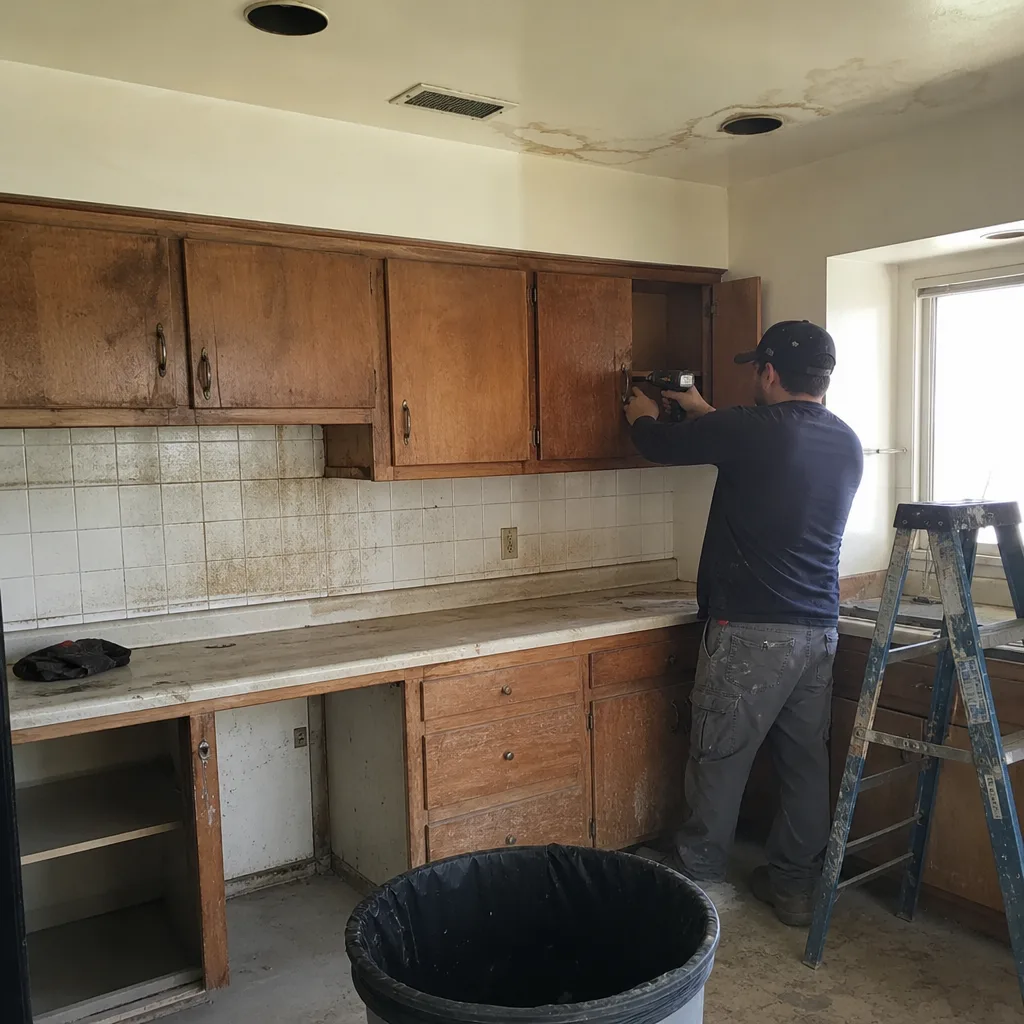 Before
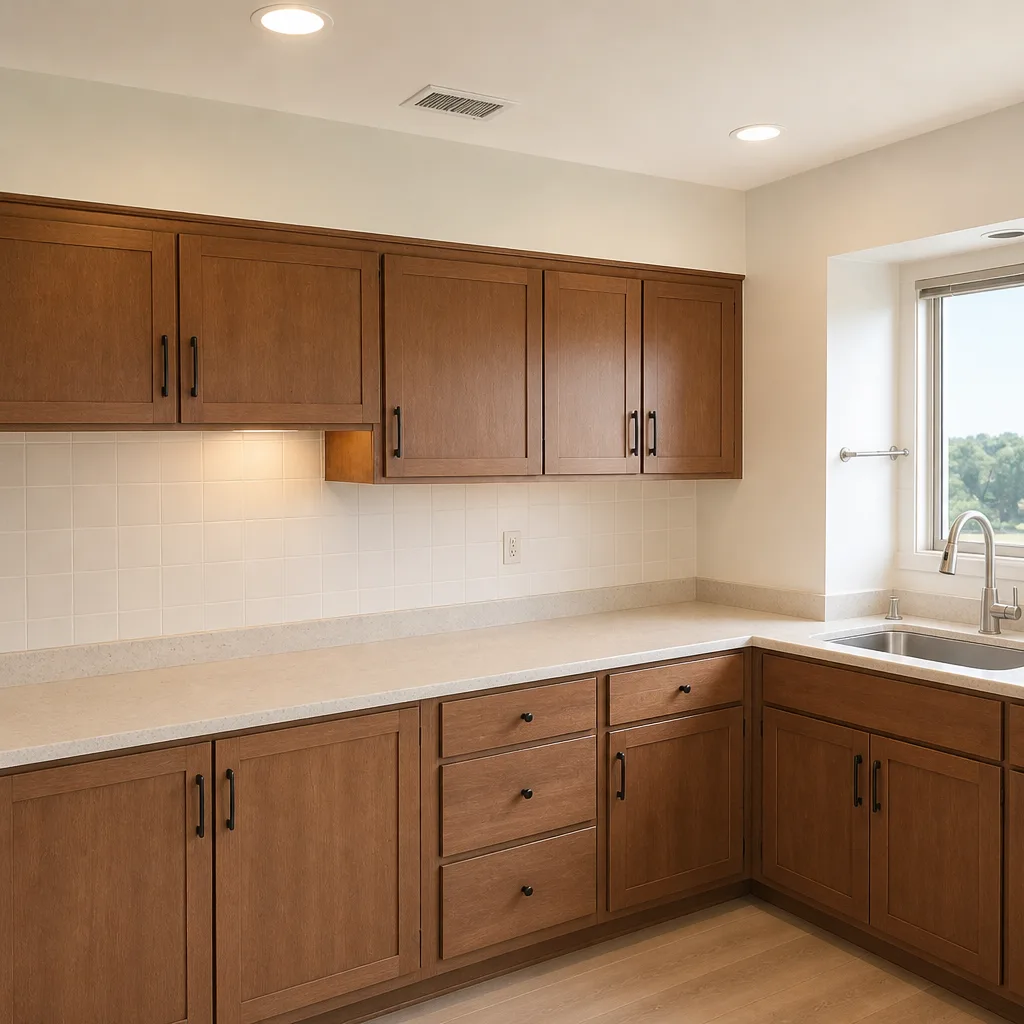 After
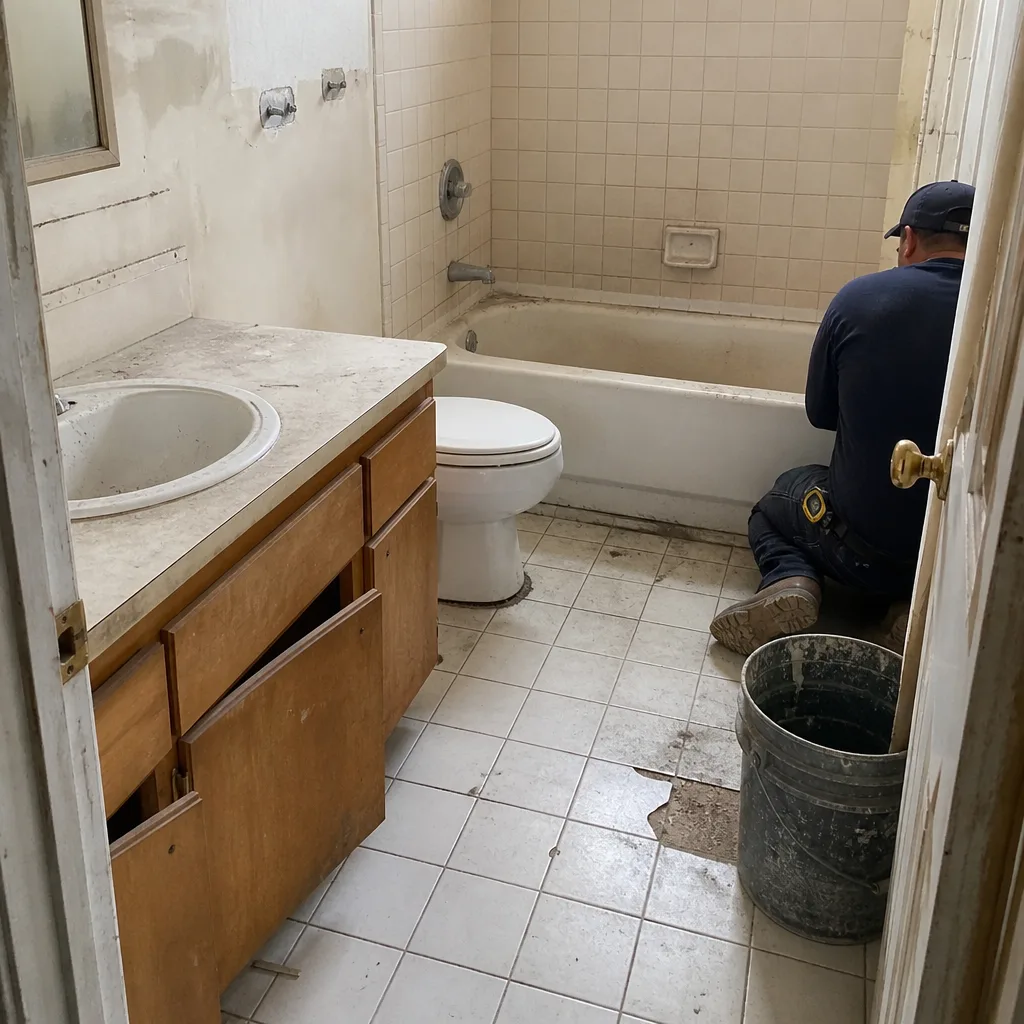 Before
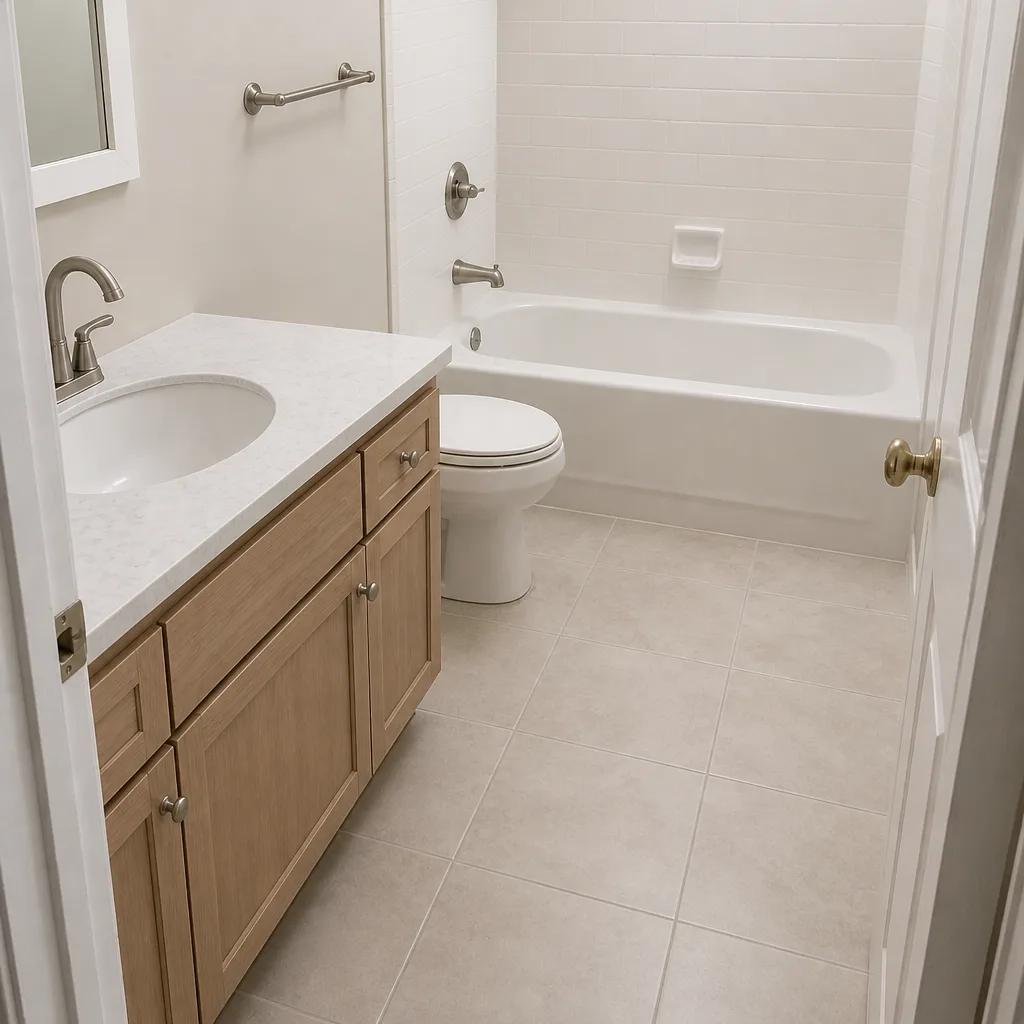 After
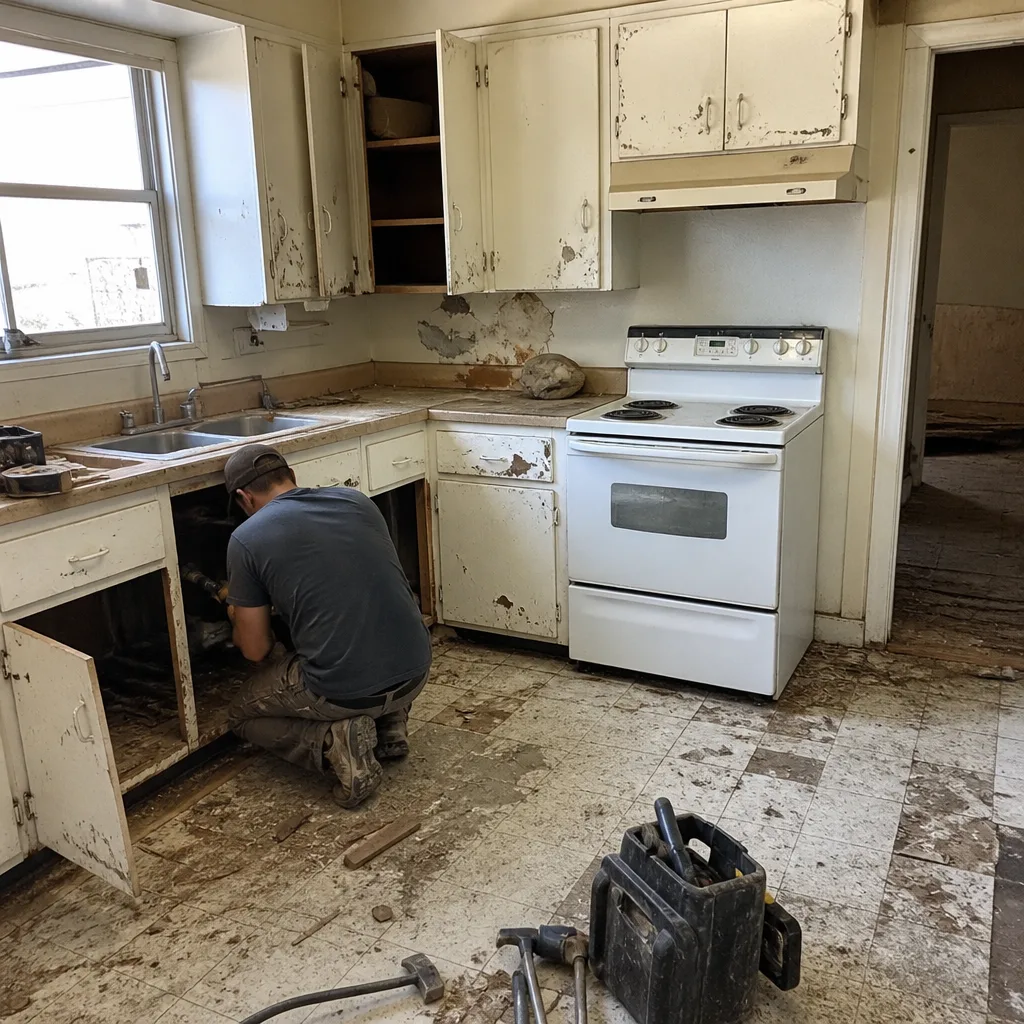 Before
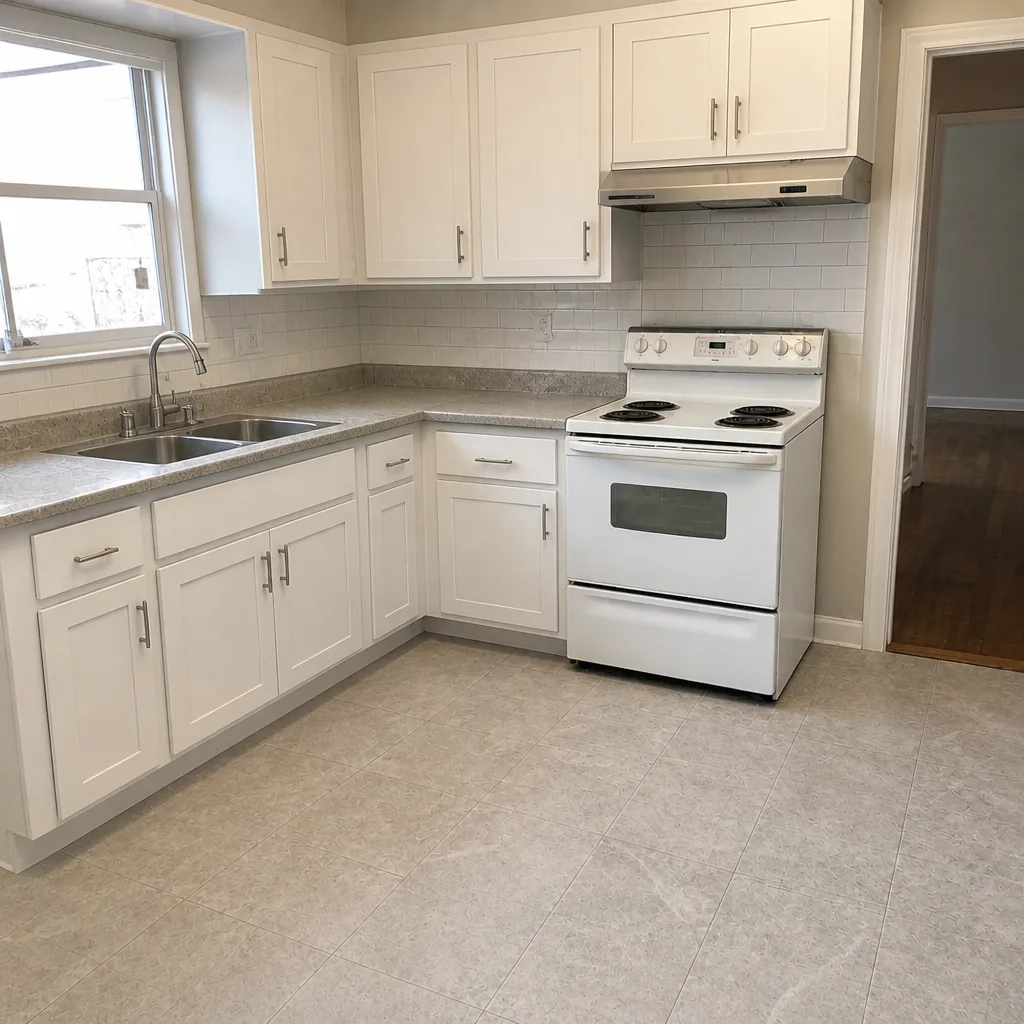 After
When to Call a Professional
Call a licensed contractor when the task involves a panel, a gas line, a roof at height, or anything pressure-related. That includes the annual HVAC service, the tankless descaling if the unit needs isolation valves, the sub-panel torque check, and the pre-rainy-season roof and flashing inspection. A water stain on drywall under the addition’s roofline is also a call-now item – not a wait-and-see item. And if you’re planning an addition and haven’t yet started, the right call is before the design, not after. As a licensed construction contractor, Rowan Construction Group Glendale offers free estimates in Glendale – call (844) 320-5930 to schedule. Every project is quoted with a flat written price and written scope before work begins, every job is covered by the 365-Day Done Right Promise, and every visit includes a documented photo record as standard so you know exactly what was found and what was done. You can also Rowan Construction Group Glendale home to review the trades and the standard before you pick up the phone.
Frequently Asked Questions

The core of an ADU maintenance schedule in Glendale is: mini-split filter cleaning every 400 running hours and annual professional HVAC service; tankless water heater descaling every 12 months in hard water and a tank heater anode rod check at year one; roof and flashing inspection each October before the rainy season; exterior caulk inspection in April and October; sub-panel torque check annually by a licensed electrician; and a condensate drain flush each summer. Call (844) 320-5930 for a free estimate if you need a written scope for any of these.
A mini-split filter should be cleaned every 400 hours of running time – roughly monthly in summer in a Glendale ADU, less often in winter. The interval comes from the manufacturer’s owner documentation, and it’s what Mitsubishi and most other brands use as a condition of their warranty. Skipping it can void a claim years before you discover there’s a problem. Call (844) 320-5930 to schedule professional service.
Yes, in many cases. Mitsubishi, Navien, Pella and James Hardie all write maintenance intervals into their warranty terms, and most exclude damage caused by failure to follow those terms. The claims that get denied are almost always denied for lack of documented service, not for the equipment’s actual condition. Keep invoices with the service date and model number.
Routine maintenance – cleaning filters, re-caulking joints, testing GFCI outlets – does not require a permit. But any repair or alteration that changes the structure or a system covered by the original permit does, and any work on the electrical panel or gas lines is licensed-contractor work. When in doubt, ask whether the task will be documented as maintenance or as repair. Call (844) 320-5930 for a free estimate before you start a repair that might need one.
A maintenance log needs, for each entry: the date, the task, who performed it, and a photo of the condition before and after. Attach the professional invoice where one exists. Organize it by system – HVAC, plumbing, electrical, exterior envelope – and keep it with the addition’s original permit, inspection sign-off, manuals and written warranty. That record is what an insurance adjuster or future buyer will ask to see.
October. Glendale’s rainy season starts in November, and the two weeks before the first significant storm is when a small caulk or flashing repair is still a small repair. After the rain, the same crack becomes a drywall and stucco repair inside the addition. Roof inspection at height is a licensed roofer’s job, not a homeowner walk. Call (844) 320-5930 for a free estimate on a written inspection scope.
The Bottom Line
The right maintenance schedule for an addition isn’t a homeowner checklist – it’s the paperwork for the specific equipment installed in that structure. Mitsubishi, Navien, Pella and James Hardie each set their own intervals and tie them to warranty coverage. Build a calendar around those intervals, add a Glendale-specific October roof walk and a summer condensate flush, and keep the log with the original construction file. Open the Driveway & Pavers in Glendale and window and door pages when you’re planning the next phase – the same documentation logic applies. A written schedule is worth more than good intentions.
Written by the team at Rowan Construction Group Glendale.