Last updated November 16, 2026
Free written scope consultation - allowances, timeline, and change-order rules on paper before a single trade is scheduled
DIY vs Professional Fence Installation: What’s Safe to Do Yourself
A homeowner who installs a fence six inches over the property line without a survey has created a legal encroachment that a future title search will surface. The cost to relocate that fence at sale – tearing out posts, setting new footings, matching materials, and possibly re-negotiating with a neighbor who has a survey in hand – usually runs higher than a licensed survey would have cost before anyone dug a single hole. The construction itself was fine. The paperwork was not.
That gap is what this guide addresses. Fence work sorts into three risk categories: tasks where a mistake costs a Saturday and a few boards, tasks where a mistake costs a permit violation or a property dispute, and tasks where a mistake costs liability. We’ll walk through each, with Glendale-specific numbers and requirements, so you can decide what to keep and what to hand off.
Styles & brands we work with
- Kitchen remodeling
- Bathroom remodeling
- Home additions & ADU
- Roofing
- Windows & doors
- Driveway & pavers
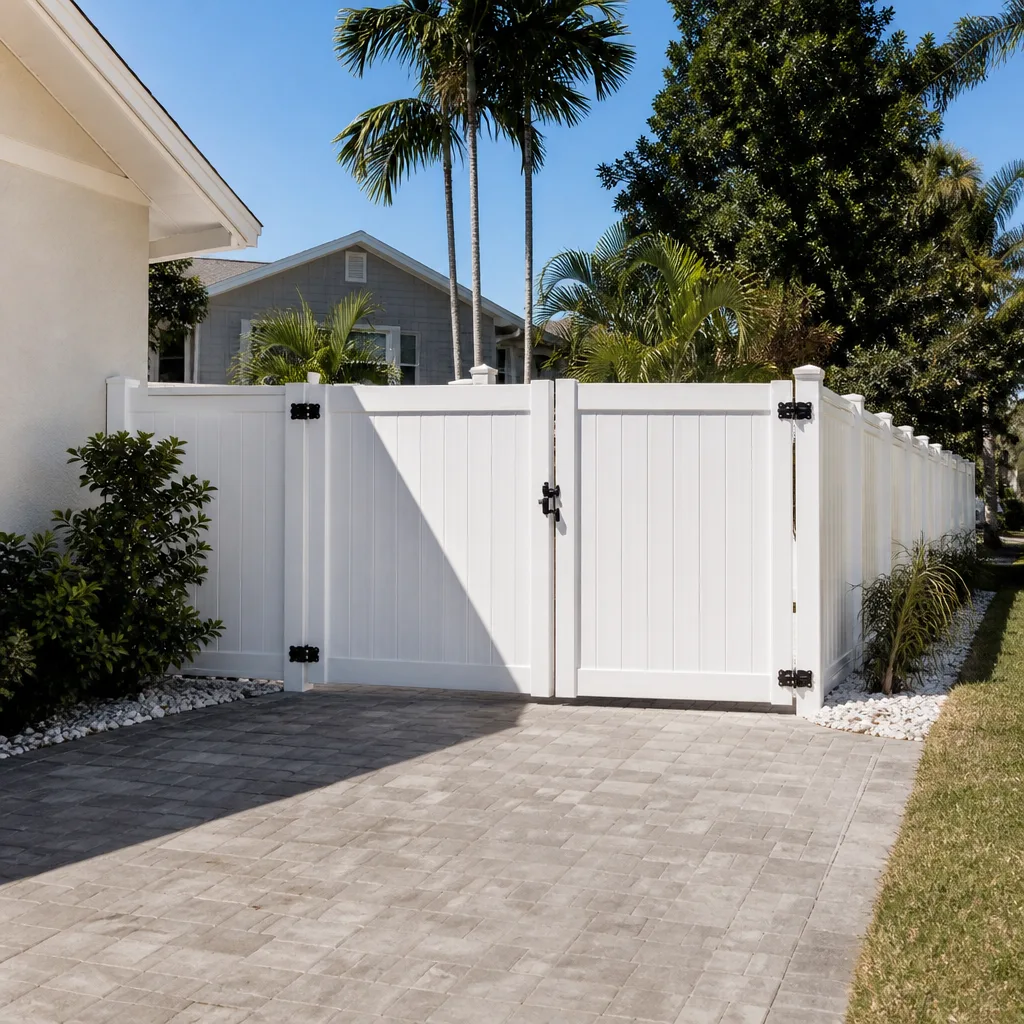
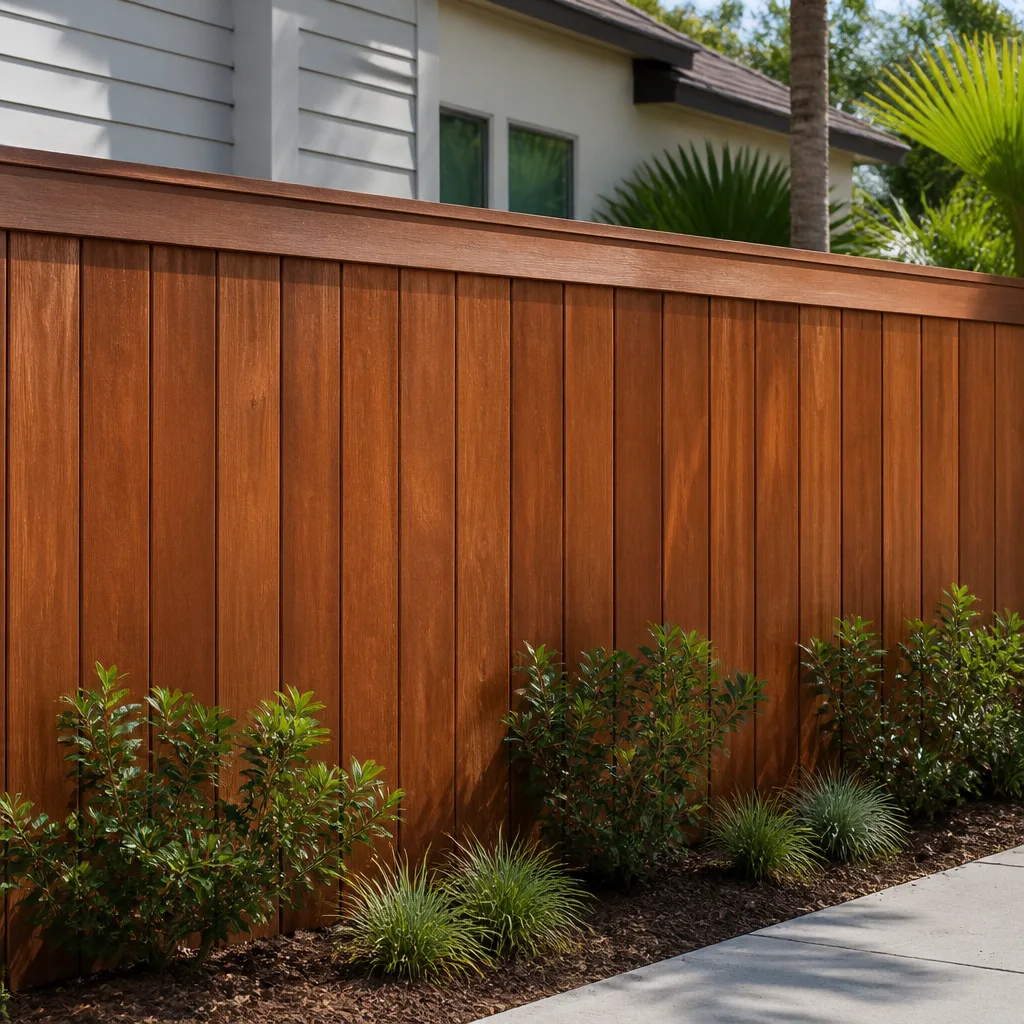
- Fence
Quick Answer
Board replacement, hardware swaps, and staining or sealing a sound existing fence are safe DIY work in Glendale. Anything involving new footings, new layout, property lines, or material selection in a fire hazard zone carries permit and legal risk that has nothing to do with how handy you are – and most fence projects over three feet in Glendale require a licensed contractor to pull the permit. The skill to build a fence is common. The compliance knowledge is not.
Table of Contents
- Why We Sort Fence Work by Risk, Not Difficulty
- What’s Genuinely Safe to Do Yourself
- Where the Permit Line Falls in Glendale
- Property Line Verification: The $400 – $900 Question
- Fire Hazard Severity Zones and Material Compliance
- What to Put in Writing in a Contractor Fence Agreement
- DIY vs Professional: The Real Cost Comparison
- Common Mistakes to Avoid
- When to Call a Professional
- Frequently Asked Questions
Why We Sort Fence Work by Risk, Not Difficulty
Every DIY guide sorts tasks by difficulty. That framing misses the point on fences. Setting a post in concrete is not especially hard – a motivated homeowner with a post-hole digger and a level can do it. But “not hard” and “not risky” are different questions.
Fence installation carries three categories of risk, and they don’t track difficulty at all:
- Construction risk – the fence falls over, the boards gap, the gate sags. Cost of failure: your weekend and some lumber. This is the risk most DIYers think about, and it’s the smallest one.
- Compliance risk – the fence is too tall, too close to the setback, or built in the wrong material for a fire zone. Cost of failure: a stop-work order, a permit pulled after the fact with penalty fees, or a requirement to tear out and rebuild. In Glendale, hillside properties near Chevy Chase Canyon and the Verdugo foothills face stricter rules than flat lots near Adams Hill.
- Legal risk – the fence sits on the neighbor’s land. Cost of failure: a boundary dispute, a survey ordered under pressure, and relocation costs that dwarf the original project.
A 30-year contractor can build a beautiful fence and still get the third category wrong if the property has never been surveyed. That’s why the sorting question isn’t “can I build this?” It’s “can I absorb the failure if I get it wrong?” Those are different tests, and they produce different answers.
What’s Genuinely Safe to Do Yourself
Some fence work carries essentially no compliance or legal exposure. If the fence is already in place, already permitted, and already on the correct line, most maintenance is pure homeowner work:
- Board and picket replacement. Swapping split cedar or rotted pickets on an existing structure is straightforward. Match the profile and the thickness, not just the species – a 1-inch-thick dog-ear looks wrong next to a 5/8-inch board.
- Hardware replacement. Gate hinges, latches, handles, and post caps. A sagging gate is usually a hinge problem, not a fence problem.
- Staining and sealing. On a fence in sound condition, this is one of the highest-value hours you can spend. In Glendale’s climate – dry summers, low annual rainfall, and strong UV exposure on south-facing panels – a penetrating oil stain every two to three years pushes fence life out by years. Sealer on new pressure-treated wood should wait until the wood has dried out, typically a few weeks.
- Minor post stabilization. If a single post has loosened slightly in the soil but the footing is intact, a post brace or an added concrete collar can extend its life for a season or two.
- Cleaning and vegetation management. Clearing soil and plants away from the bottom rail extends fence life more than most homeowners realize. Termites and dry rot start at soil contact.
None of these require a permit. None of them move the fence line. None of them change the material classification. They are the work worth keeping. For related hardscape work that follows the same logic – maintenance you can do, layout you should not – our guide to Driveway & Pavers in Glendale covers where that line sits.
Where the Permit Line Falls in Glendale
Most fence projects in Glendale over three feet in height require a permit, and most of those permits require a licensed contractor to pull. The homeowner-owner-builder exemption exists, but it is narrower than people assume. It applies to a homeowner building on their own residence, is not transferable, and creates its own disclosure requirements at sale – a future buyer can look up the permit record and see the work was owner-pulled, which triggers questions. For fences over three feet, the safest assumption in Glendale is that a licensed contractor pulls the permit.
The permit question isn’t about whether you can physically build the fence. It’s about what happens when an inspector drives by and sees an unpermitted structure, or when you sell and the buyer’s title search turns up work that has no record.
Here’s what to check before deciding:
- Measure the height. Under three feet is a different category in most zoning codes. Over three feet, assume a permit.
- Check the setbacks. Front-yard and corner-lot side fences in Glendale often have different height and setback rules than rear-yard fences. The setback requirement is what catches most DIY layouts.
- Check whether you’re in a special zone. Hillside and fire hazard severity zones add material requirements to the standard fence permit.
- Confirm who’s pulling the permit. If you’re hiring, this should be stated in writing. “Permit by others” means you’re responsible for the paperwork.
If a contractor offers to build “without a permit, it’s just a fence,” that’s the sentence that should end the conversation. A licensed fence contractor in Glendale who does this work routinely knows exactly when a permit is required. There’s no gray area worth gambling on. For context on how permit scope interacts with the rest of a residential project, see our Home Additions & ADU in Glendale guide – the same permit discipline applies.
Property Line Verification: The $400 – $900 Question
A boundary survey in Glendale typically runs $400 to $900 for a residential lot, depending on lot size, corner markers, and whether records need to be pulled from the county. That number sounds expensive until you compare it to the alternative.
What the alternative looks like: the fence is built on an assumed line. The neighbor disagrees. They order a survey. The survey shows the fence is over the line by a foot or more. Now you’re looking at relocating a fence, potentially restoring the neighbor’s landscaping, and – if the encroachment has been in place long enough – dealing with a title issue at sale that the buyer’s attorney will require be cleaned up before closing. The relocation alone, on a typical Glendale residential lot, runs into the thousands.
So when is a survey worth the money?
- New fence between two properties where the line has never been surveyed. Verify before layout, not after.
- Replacing a fence on a line that has been in place for decades. An old fence is not evidence of a correct line – it could simply be an old error repeated.
- Any property with a history of easements or land divisions. Glendale has plenty of lots that have been subdivided over the decades. If the parcel history is unclear, a survey is the only reliable source.
- Any time the neighbor has a different opinion about where the line is. Written survey beats verbal argument.
The threshold question is: what happens if the line is wrong? If the answer is “I move the fence and eat the cost,” you need a survey. If the answer is “I already know where the line is” – and you can point to a survey stake or a recorded plat – you’re one of the lucky cases.
Fire Hazard Severity Zones and Material Compliance
This is the section most homeowners skip, and it’s the one that most often causes a fence to be rebuilt. Significant portions of Glendale sit in fire hazard severity zones – particularly the hillside areas near the Verdugo Mountains and the canyon neighborhoods. In those zones, exterior materials, including fence materials, are subject to requirements that go beyond the standard building permit.
The honest part: fire hazard severity zone requirements are updated periodically, and the specific classification for your property address determines which requirements apply. The classification is property-specific, not zip-code-wide. Two adjacent streets in Glendale can sit in different classifications with different material requirements.
Here’s how to verify before purchase, not after:
- Look up the property’s fire hazard severity zone classification. The California Department of Forestry and Fire Protection (CAL FIRE) maintains a publicly searchable map by address. This is the source of record.
- Confirm the material standards that classification requires for fences. In some classifications, wood fencing near a structure is subject to specific limitations. Non-combustible or ignition-resistant materials (steel, non-combustible metal) meet more of these requirements.
- Get the classification in writing from your contractor’s plan review. A contractor who has pulled fence permits in your part of Glendale will know the current requirement for that classification. Ask them to confirm it in writing, along with the material spec, before the order is placed.
- Check the material against the requirement, not against the label. “Fire-resistant” on a product box is a marketing claim. What matters is whether the material’s spec sheet meets the standard required by the zone.
A contractor who works in Glendale regularly – where hillside fence projects come through as a matter of routine – will know the current classification requirements. The specification language goes into the written quote, not onto a handshake. For roofing in the same zones, similar material classifications apply, and the same verification discipline carries over.
What to Put in Writing in a Contractor Fence Agreement
Fence work is often quoted verbally and built from a handshake, and that’s where disputes start. A written fence agreement should contain four items, and none of them are optional:
- Basis of layout: survey or assumed. The agreement should state exactly what the layout is based on. “Line per attached survey dated [date]” is a defensible statement. “Line per existing fence” is not, unless you’re comfortable with whatever error the original fence carried.
- Permit responsibility. The agreement should state who pulls the permit and who pays for it. “Permit by contractor” and “Permit by others (owner)” are different projects. Get it in writing.
- Material specification by brand and grade. Not “cedar fence” but “Western red cedar pickets, [brand], select grade, 5/8 inch thickness” or the equivalent. Brand plus grade plus dimension is what gets you the fence you actually agreed to. For roofs on the same property, the spec is written the same way – brand, product line, grade.
- Change order trigger language. What constitutes a change to the original scope, and how it’s documented before work proceeds. No work proceeds on a change until the change order is signed. Without this clause, “while we’re out here, we should also…” becomes a line item at the end.
The simplest way to test a fence quote: ask the contractor if they’ll put these four items in the agreement. A contractor with a system will. A contractor without one will negotiate. Our Fence Installation in Glendale service page shows how we structure that written scope, and the same clause discipline runs through every trade we handle.
DIY vs Professional: The Real Cost Comparison
Here’s where the honest numbers matter. A typical Glendale residential fence project – say 80 linear feet of cedar privacy fence, dog-ear pickets, with a gate – looks roughly like this:
- Materials (DIY): $2,500 to $4,500 for pickets, rails, posts, concrete, and hardware.
- Tool rental (DIY): $150 to $350 for a post-hole digger, mixer, or auger if you don’t own one.
- Boundary survey (professional or DIY): $400 to $900, same number either way.
- Permit fees: $150 to $400 depending on scope and zone.
- Professional installation of the same fence: total project $6,000 to $10,000 including permit, materials, labor, and site cleanup.
The exposed number in a DIY build is $3,000 to $4,500 saved on labor. The hidden number is the cost of failure – a fence on the wrong line, an unpermitted structure, a material that can’t stay in a fire zone, or a post that heaves after the first rainy season because the footing was shallow. Any single one of those failures wipes out the savings, and some of them cost more than the whole project.
The middle path is also the most common: homeowner does the maintenance and the cosmetic work, contractor does the layout, footing, permit, and build. That’s the split we generally recommend for Glendale homeowners, and it’s the reason our written quote for fence work is itemized by phase – so a homeowner can see exactly what they’re handing off. For a fuller sense of the seven trades we cover and how each one is quoted, see our Rowan Construction Group Glendale home.
Common Mistakes to Avoid
- Building on an assumed property line. This is the mistake that generates the legal cost, and it’s the one most common in residential fence work. A $400 to $900 survey is cheaper than relocation, every time.
- Assuming the old fence was on the line. Decades-old fences are not evidence. They can carry an old error through three owners before anyone notices.
- Building over three feet without a permit, telling yourself it’s “just a fence.” In Glendale, most fence projects over three feet require a permit, and the permit record follows the property. This one surfaces at sale, not at inspection.
- Skipping the fire hazard severity zone check before ordering materials. Ordering stained cedar for a hillside property near Chevy Chase Canyon, then discovering the zone classification requires different materials, is a restocking problem and a permit problem at once.
- Setting posts without accounting for Glendale’s soil and rainfall pattern. Dry-season soil movement, the first rain of the season, and shallow footings combine to heave posts. A post that sags in February is usually a footing that was too shallow in August. Check the footing spec before you dig.
- Accepting a verbal quote for a multi-thousand-dollar project. A handshake is not a scope. The four items that belong in writing – layout basis, permit responsibility, material spec, change order trigger – are non-negotiable.
- Not confirming who owns the fence. In California, a fence on the property line is often jointly maintained, and that means the neighbor’s agreement is part of the project. Agree on the plan before the materials are ordered.
When to Call a Professional
Call a professional for any new fence installation where the property line has not been surveyed, where the height exceeds three feet, where the property is in a fire hazard severity zone, or where a permit is required. Call for fence repair when a post is loose at the footing rather than at the rail – that’s a footing problem, not a board problem. Call when you want the work quoted with a written scope and a written warranty, and when you want the permit pulled by the contractor who is responsible for the build.
Rowan Construction Group Glendale offers free estimates in Glendale. The written quote is a flat price with the layout basis, permit responsibility, material spec, and change order trigger spelled out before any work starts. Call (844) 320-5930 to schedule your free estimate. If you have a competitor’s written fence quote already, we’ll review it line by line at no charge – that’s a standing offer.
Frequently Asked Questions
Most fence projects in Glendale over three feet in height require a permit, and most of those permits require a licensed contractor to pull. The homeowner-owner-builder exemption exists but is narrow and creates disclosure requirements at sale. Confirm the height, setback, and fire zone classification for your specific address before ordering materials. Call (844) 320-5930 for a free estimate that includes the permit scope in writing.
A residential boundary survey in Glendale typically costs $400 to $900, depending on lot size, corner markers, and whether county records need to be pulled. The number sounds high until you compare it to fence relocation costs, which run into the thousands. Call (844) 320-5930 for a free estimate on the fence installation itself – the survey number is the same regardless of who builds.
It’s legal to install a fence without a survey, but if the fence crosses the property line, you’ve created an encroachment that a future title search will surface. The cost to relocate at sale typically exceeds what the survey would have cost before installation. For any new fence where the line hasn’t been verified, order the survey first.
The required materials depend on the fire hazard severity zone classification for your specific property address, which is determined by CAL FIRE’s map and updated periodically. Non-combustible materials like steel or metal meet more requirements than wood in higher classifications, and wood fences near structures can have specific limitations. Verify the classification for your address and confirm the material spec against it before purchase. Call (844) 320-5930 to have the material spec and classification written into your free estimate.
Yes. Board and picket replacement, gate hardware swaps, and staining or sealing a sound existing fence are all safe DIY work with no permit or legal exposure. Match the profile and thickness on replacement pickets, not just the species. Anything that moves the fence line or changes the structure is a different question.
Not without a signed change order. Under our written pricing model, the quote is a flat price with a written scope, and no work proceeds on a change until the change order is signed and documented – which is what has kept projects within a few percent of the agreed cost across 4,000-plus jobs. If you find a rock shelf or a blocked footing mid-project, we document it, quote the change, and wait for your signature before proceeding. Call (844) 320-5930 for a free written estimate.
The Bottom Line
Fence work sorts by risk, not difficulty. Maintenance on an existing fence – boards, hardware, stain, seal – is safe to keep. New installation, layout, and material selection is not a skill question, it’s a compliance question: property line verification, permit responsibility in Glendale, fire hazard severity zone material requirements, and a written contract with four specific clauses. The construction part usually goes fine. The paperwork is what costs money when it’s wrong. If you can absorb a fence falling over, do the maintenance yourself and hand off the installation. If you can’t absorb a boundary dispute or an unpermitted structure, get a survey, get the permit in writing, and get a quote that itemizes the phase split so you know exactly what you’re keeping and what you’re handing off.
Rowan Construction Group Glendale delivers a flat written price before work starts, on every trade, backed by the 365-Day Done Right Promise and a documented photo record on every visit. Call (844) 320-5930 for a free estimate.
Written by the team at Rowan Construction Group Glendale.
See the difference
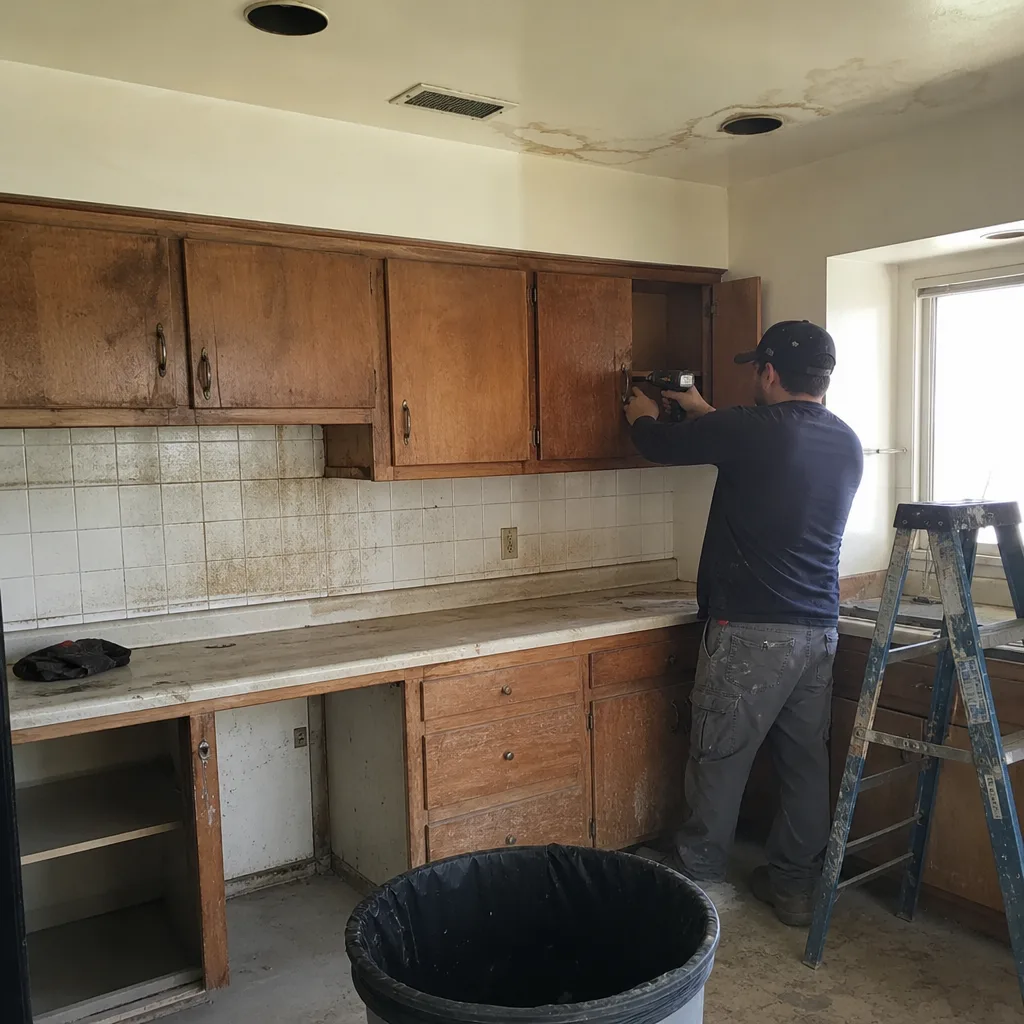 Before
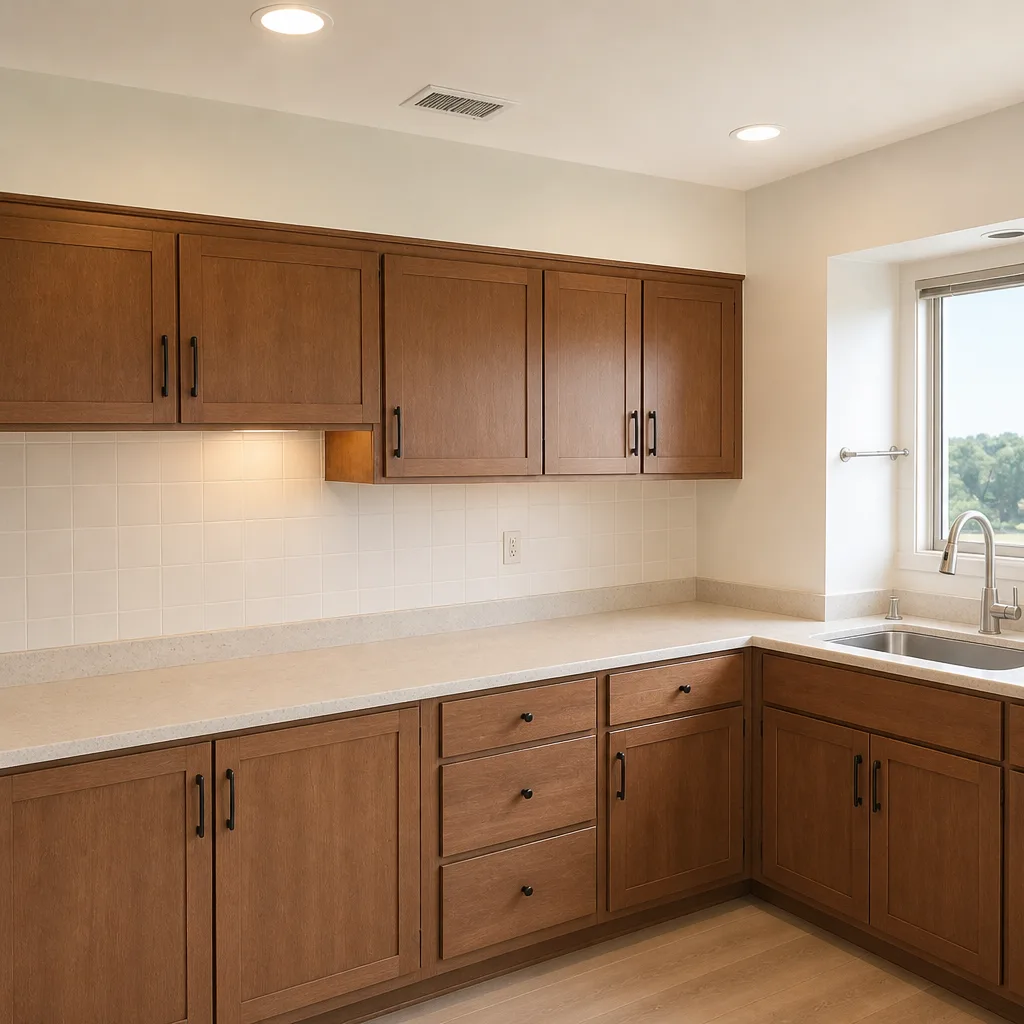 After
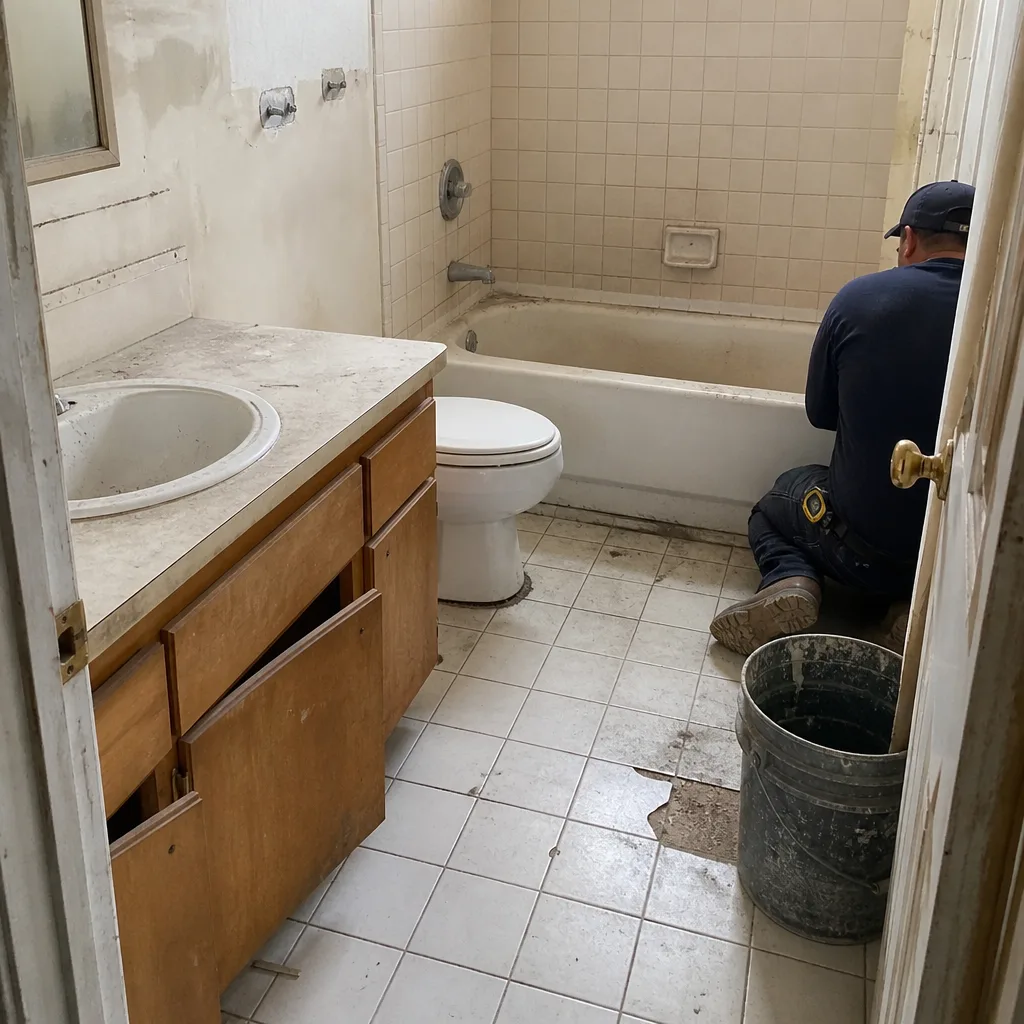 Before
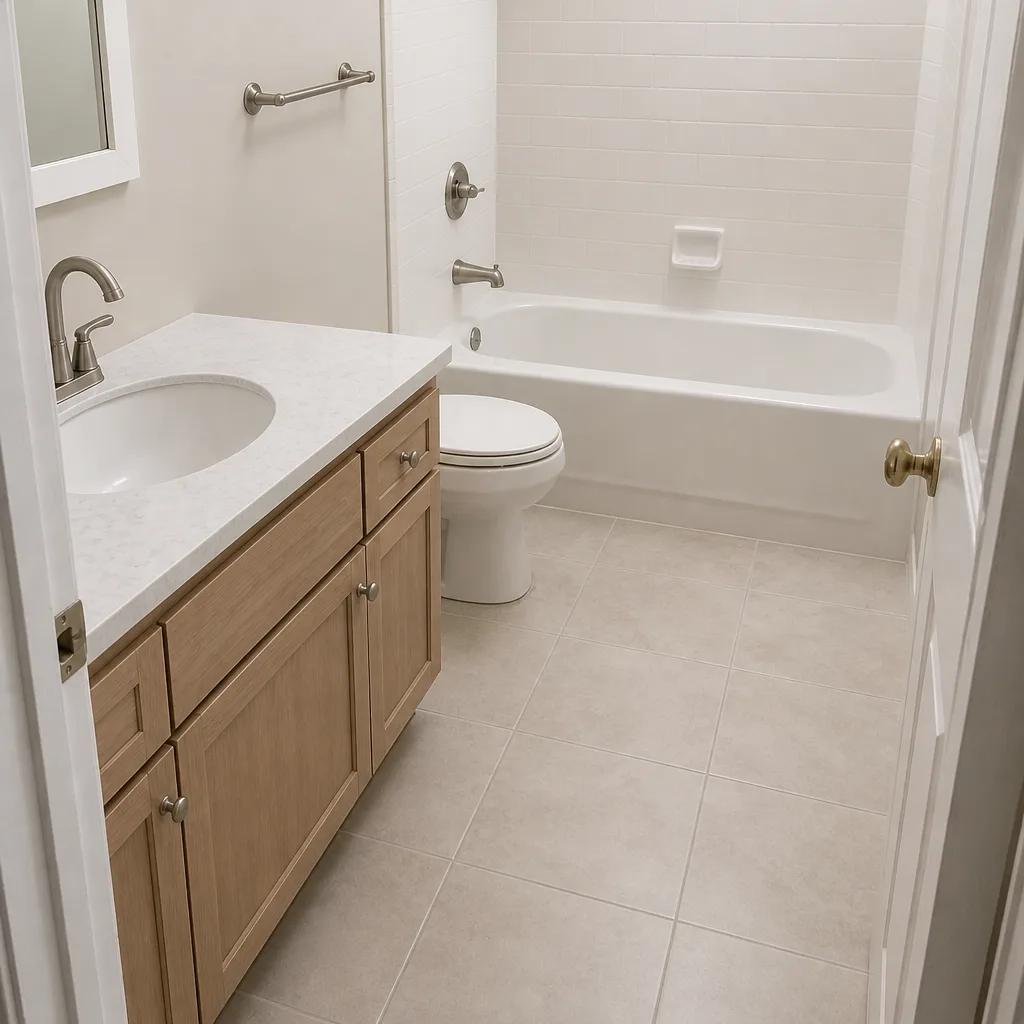 After
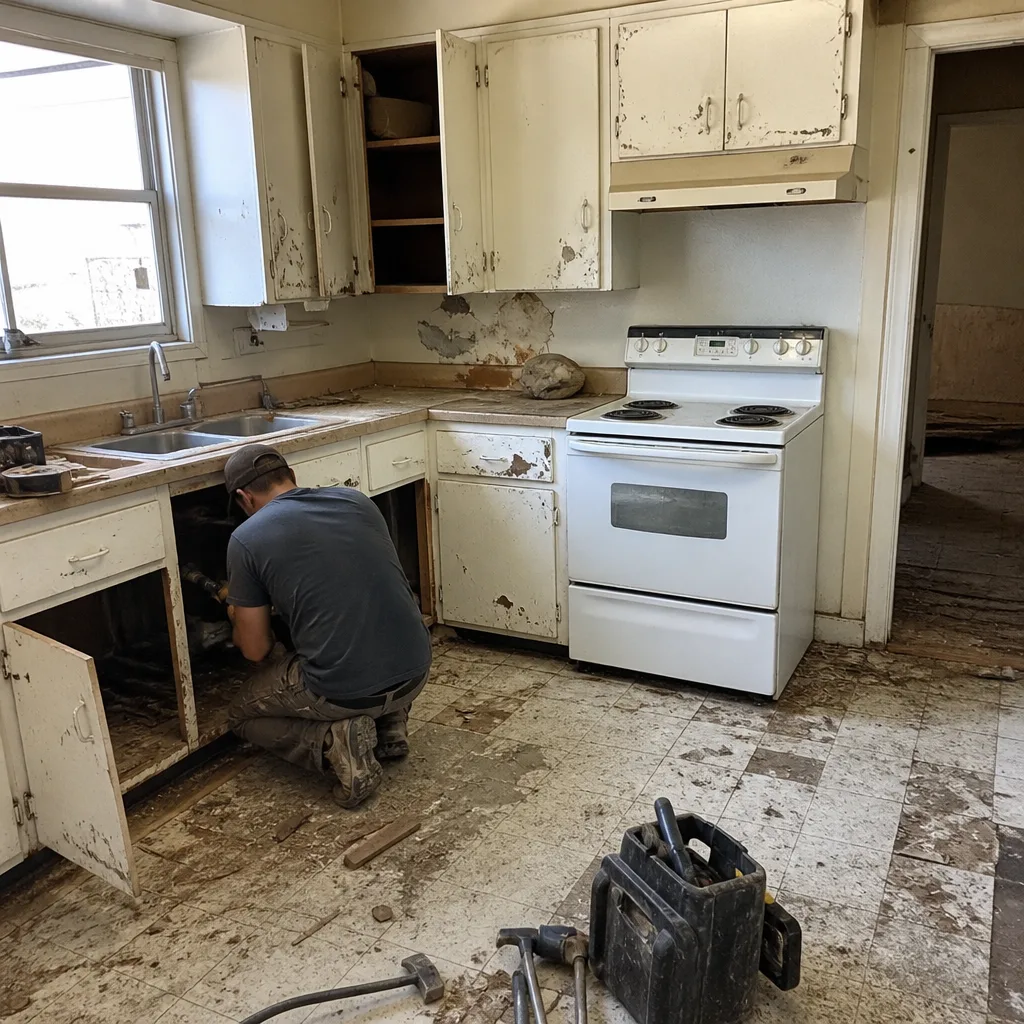 Before
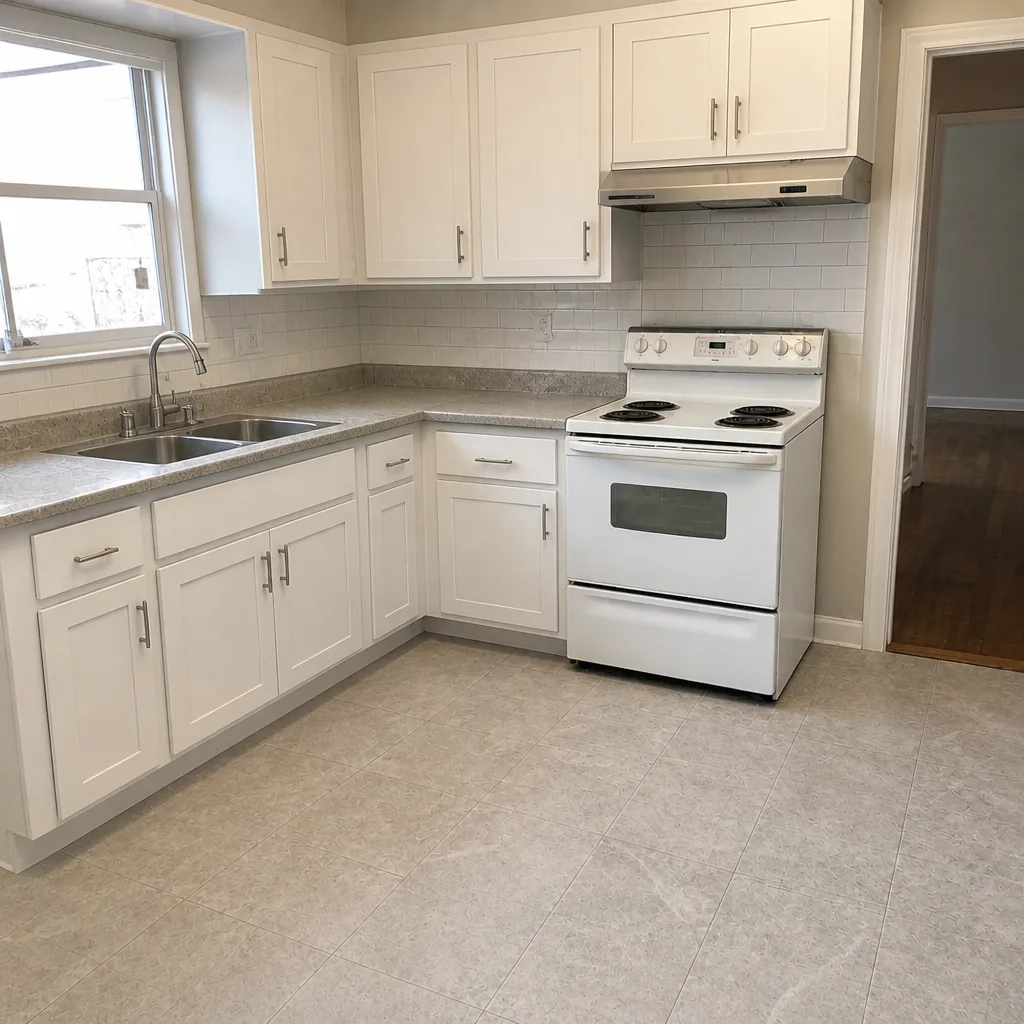 After