Last updated November 16, 2026
Free written scope consultation - allowances, timeline, and change-order rules on paper before a single trade is scheduled
The Complete Guide to Construction in Glendale
Glendale sits in three distinct fire hazard severity zones at once. That single fact reshapes a project before a bid is even opened: it drives what your roof deck can be made of, how long your permit sits in review, and what your insurer will ask for after the final inspection. Add hillside lots that require soils reports under Chapter 29, pockets of the city where permits run through LADBS instead of Glendale’s own Building & Safety counter, and an inspection calendar that tightens every fourth quarter, and you have a construction market unlike anywhere else in Los Angeles County. This guide maps those constraints to the seven trades a Glendale homeowner is most likely to need, with real cost ranges attached to each.
Quick Answer
Construction in Glendale typically runs $18,000 – $75,000 for a kitchen or bathroom remodel, $14,000 – $32,000 for a full roof replacement, and $60,000 – $200,000+ for a home addition or ADU, with hillside properties adding $4,000 – $12,000 in survey and soils work before design even starts. Fire-zone overlays, LADBS-versus-city permitting confusion, and Q4 inspection backlogs are the three constraints that most often move a Glendale project off schedule and over budget. Getting a written, line-item price before work starts is the single best protection a Glendale homeowner has.
Styles & brands we work with
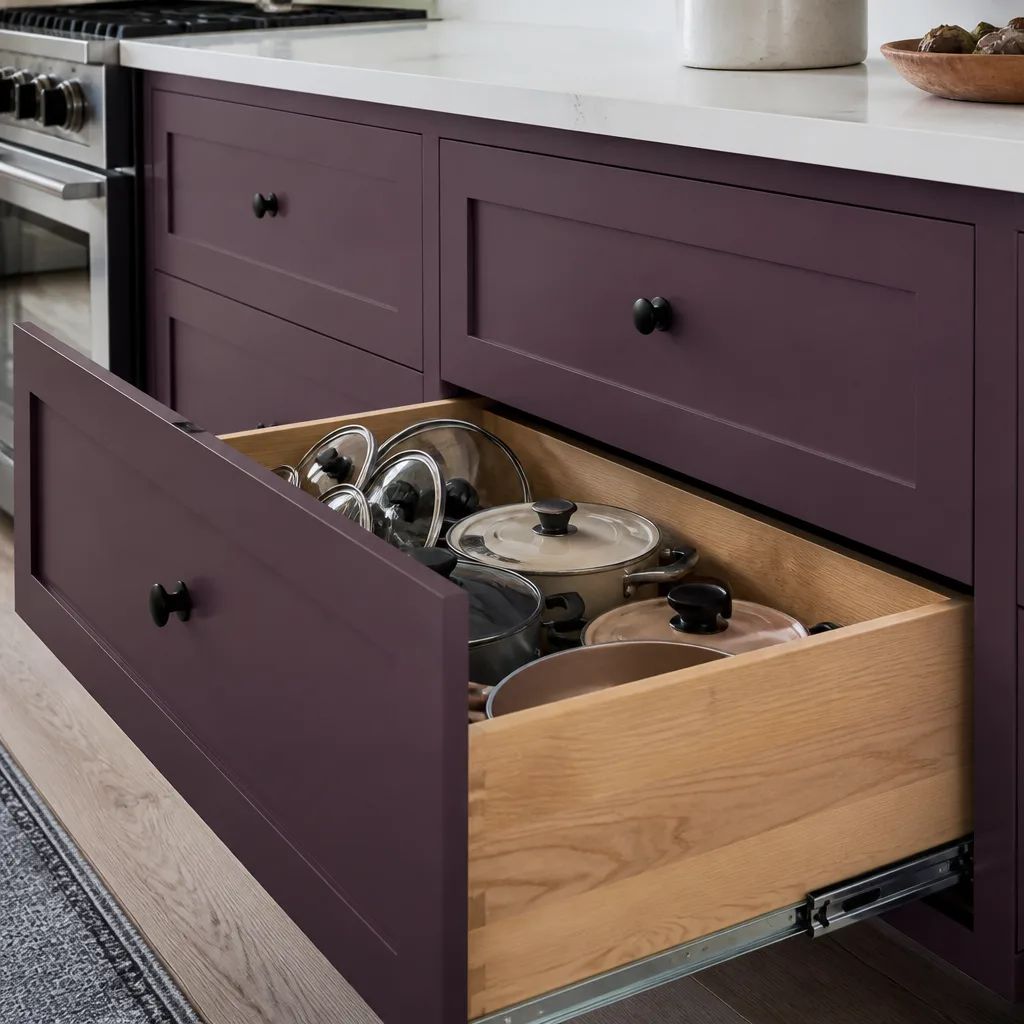
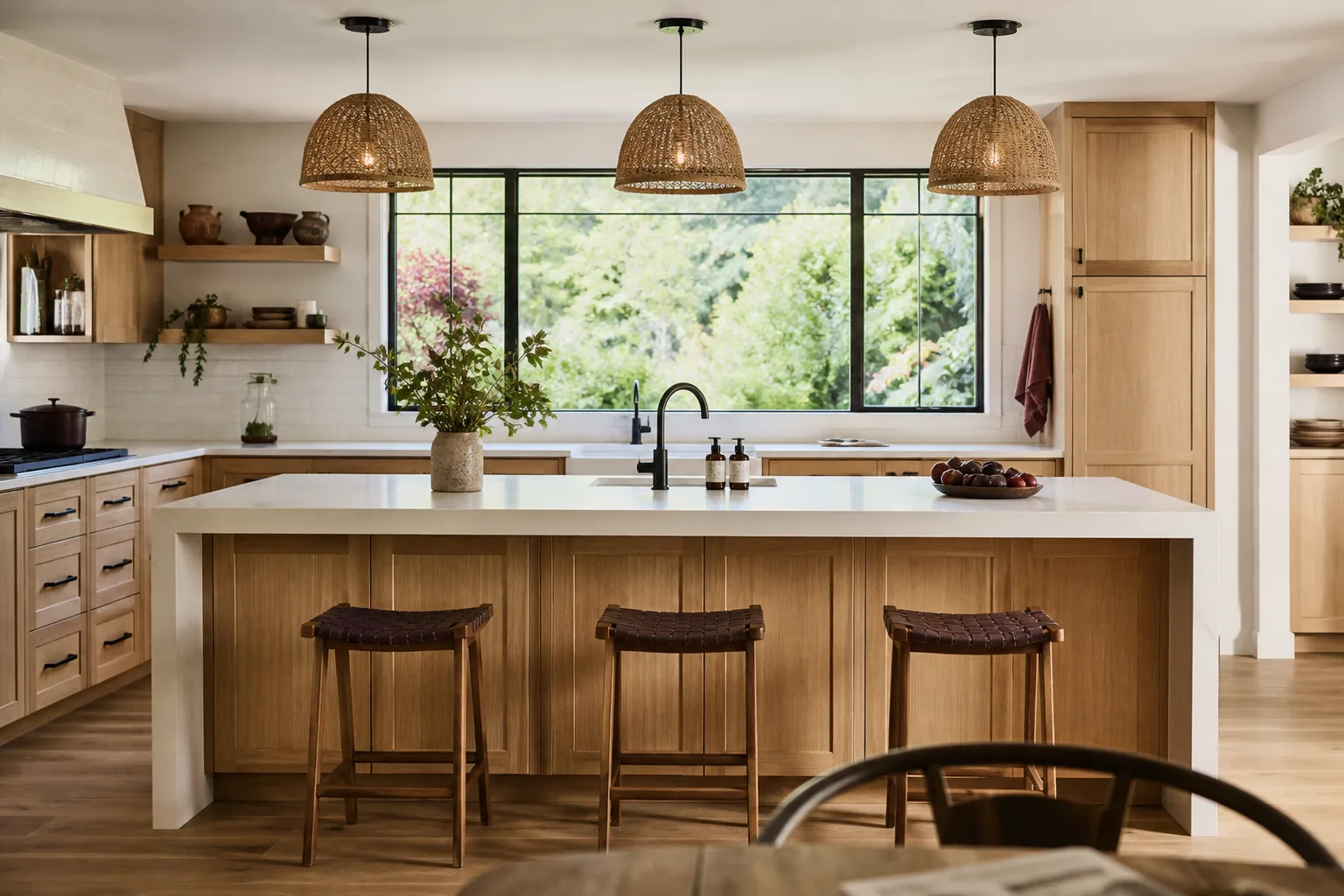
- Kitchen remodeling
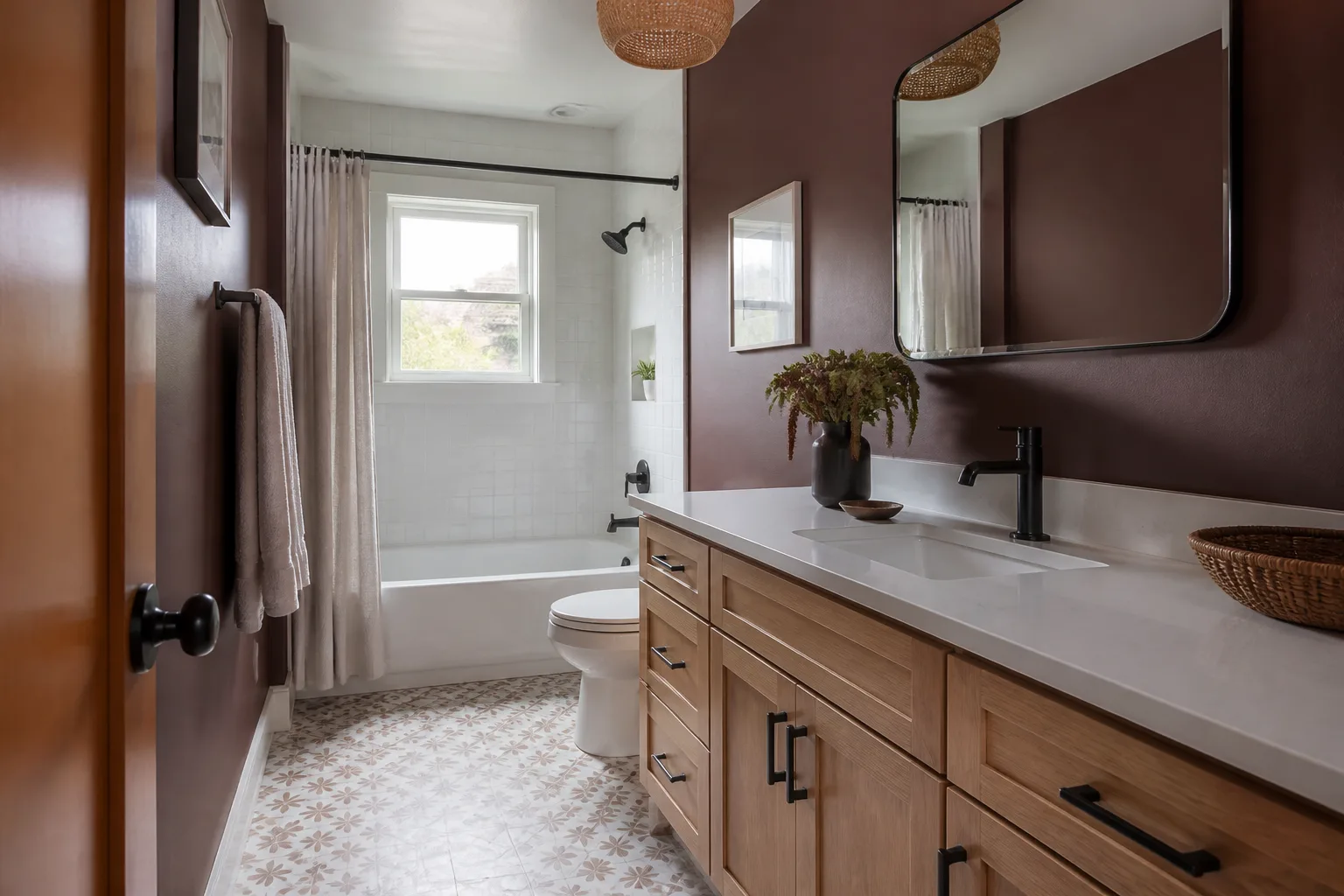
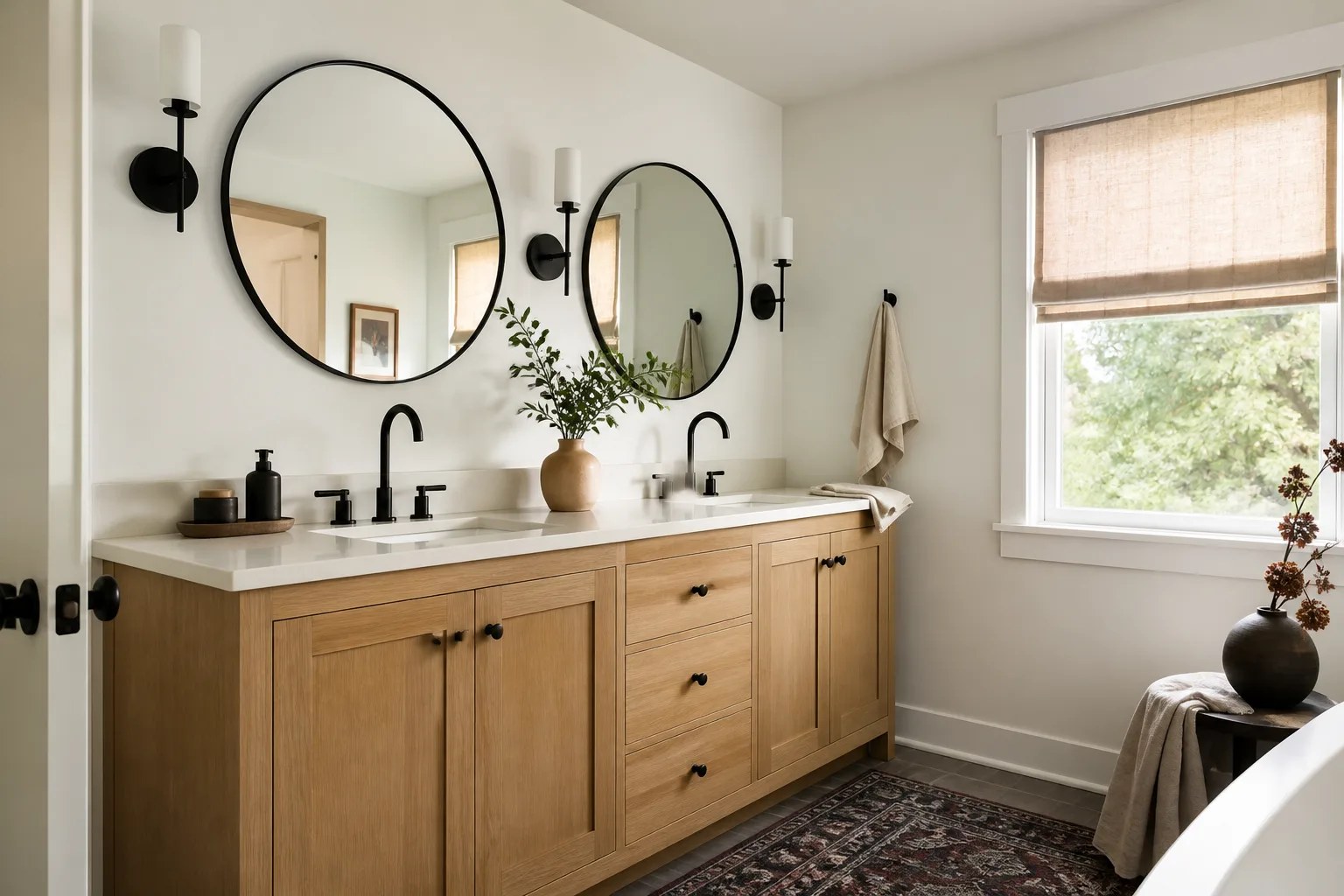
- Bathroom remodeling
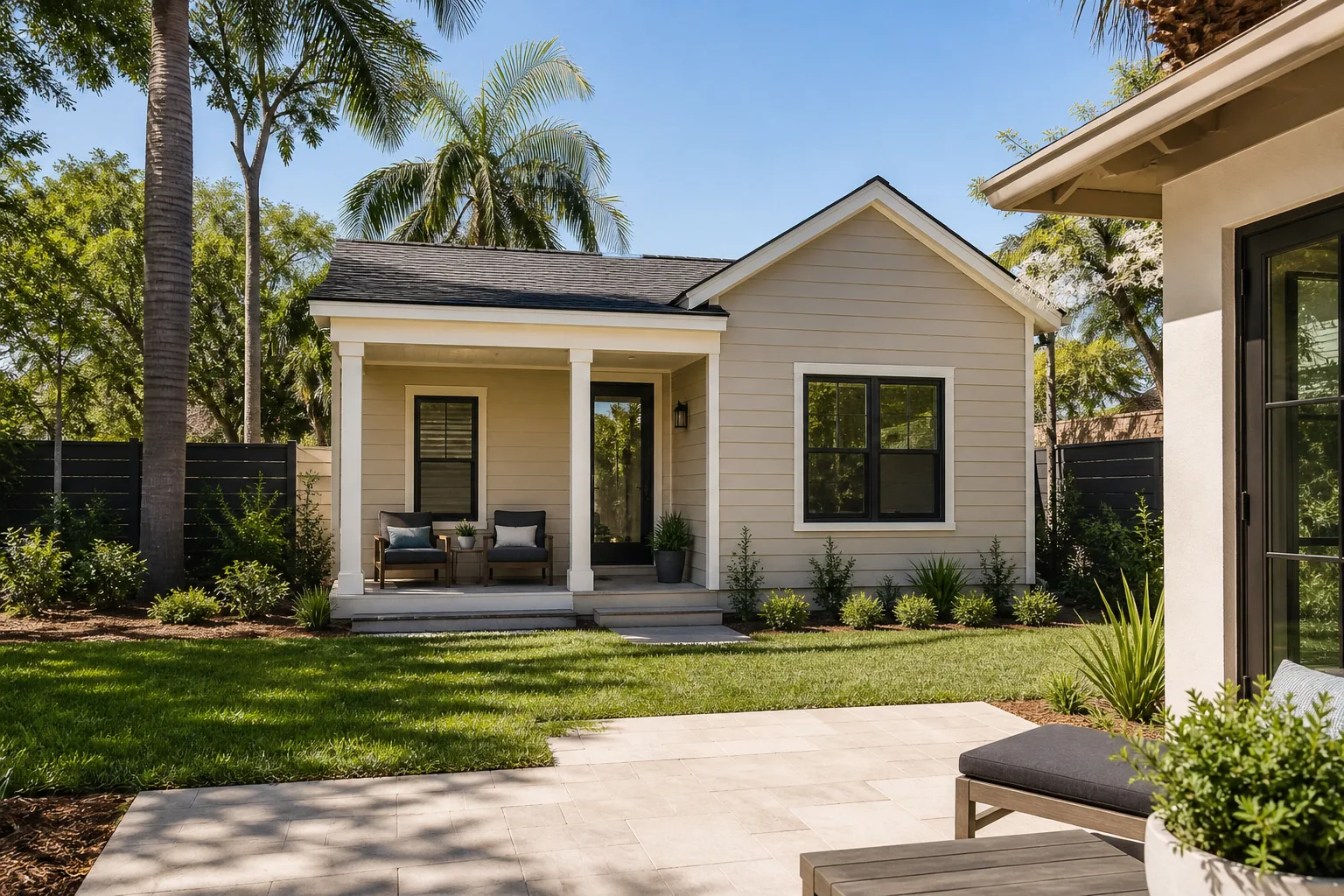
- Home additions & ADU
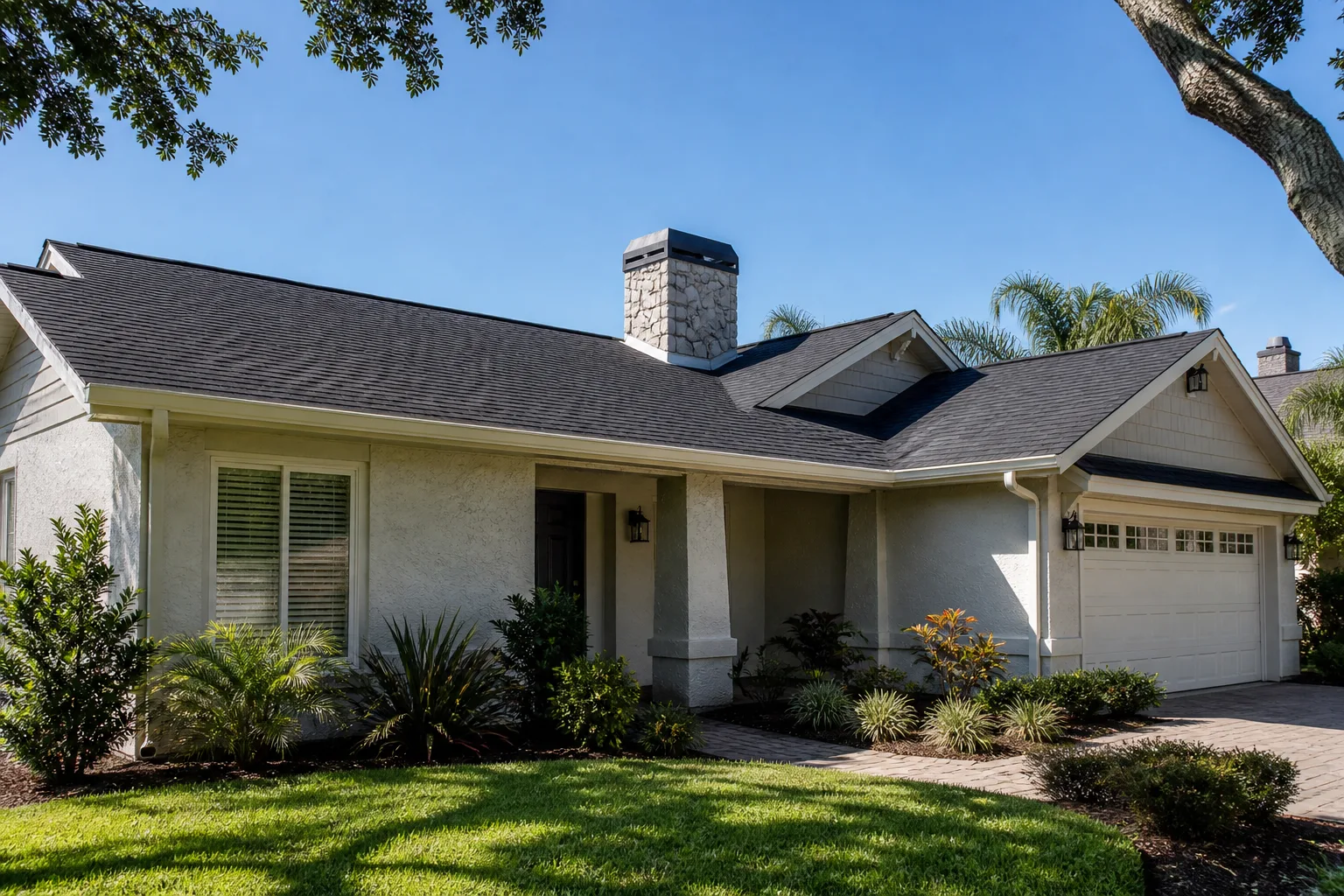
- Roofing
- Windows & doors
- Driveway & pavers
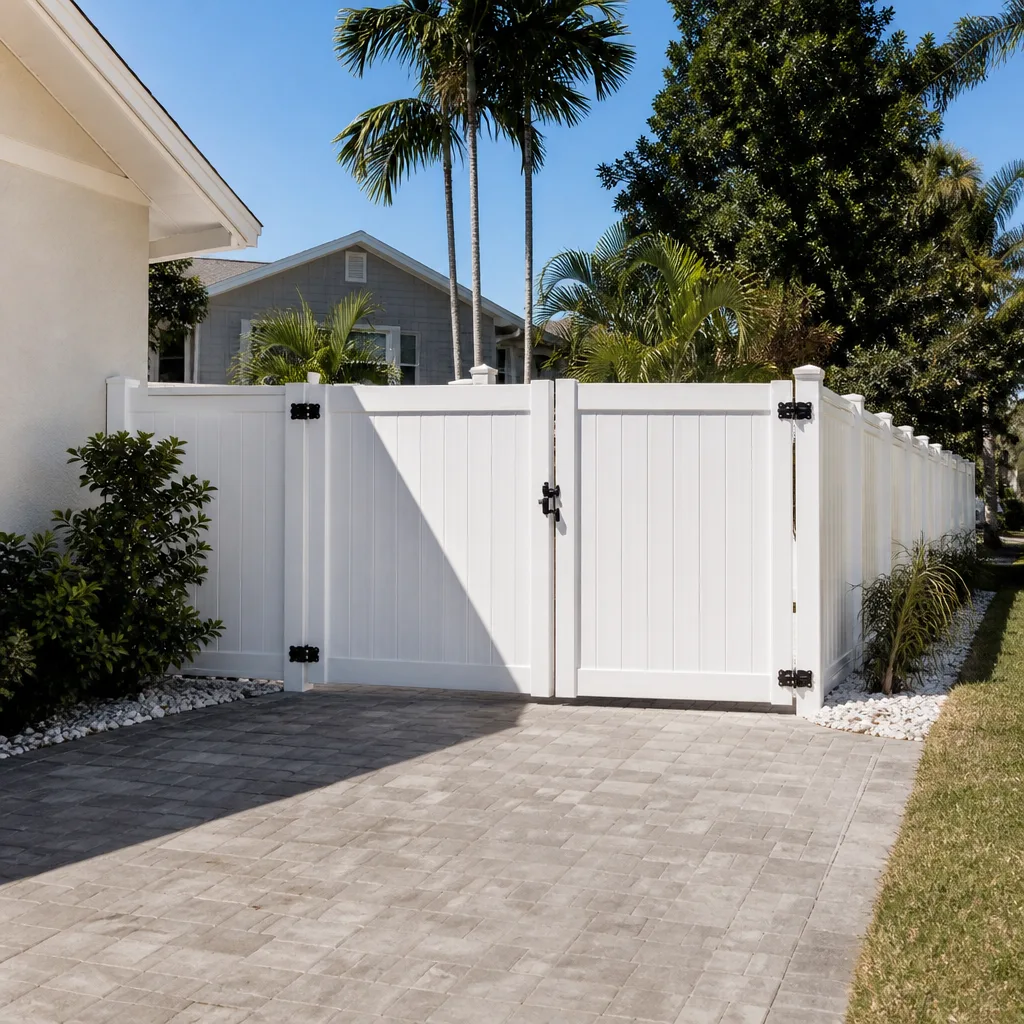
- Fence
Table of Contents
- Who issues your permit in Glendale: city vs. LADBS
- The hillside grading ordinance and what it costs you
- Fire-zone materials that don’t cost a fortune
- Which trades trigger mandatory inspections in Glendale
- Why Q4 starts in Glendale cost more and take longer
- Real Cost Ranges for Glendale Home Projects
- Common Mistakes to Avoid
- Frequently Asked Questions
Who issues your permit in Glendale: city vs. LADBS
Most Glendale homeowners assume every permit runs through the City of Glendale Building & Safety counter on Wilson Avenue. That’s usually true, but not always. Glendale has unincorporated pockets and a handful of addresses along its edges that fall inside Los Angeles city boundaries, and those properties are permitted by LADBS, not the city. Filing at the wrong counter can cost you three to five weeks before anyone tells you you’re in the wrong line.
How to know which applies:
- Look up your parcel on the county assessor’s site and note the “Tax Rate Area” code. Glendale city codes start with 56; unincorporated LA County codes differ.
- Cross-check your address against the city’s zoning map viewer. If your lot shows in the county layer rather than the city layer, you’re likely LADBS.
- Call the permit counter directly with your parcel number before you pay a designer or engineer. It’s a five-minute call that saves a month.
- Confirm again at submittal. Boundary lines shift with annexations, and a drawing set built for one jurisdiction often fails the other’s plan check.
The practical difference: LADBS runs a longer plan-check queue for additions and ADUs, but a more predictable online portal. Glendale’s city counter is faster for straightforward kitchen and bath work but stricter on hillside grading submittals. We’ve watched a two-story addition in the Verdugo Woodlands sit in LADBS plan check for seven weeks when the same set would have cleared Glendale’s counter in three. Knowing which jurisdiction you’re in is the first real decision of your project.
The hillside grading ordinance and what it costs you
If your lot slopes more than 15% across the building pad, Glendale’s municipal code Chapters 29 and 70 kick in. Chapter 29 governs excavation, grading, and earthwork; Chapter 70 addresses the geotechnical requirements layered on top for hillside properties. Together they require a licensed surveyor’s topo map and a licensed geotechnical engineer’s soils report before a grading permit can even be reviewed. Flat-lot owners in Burbank or Pasadena pay neither.
The real numbers from Glendale hillside jobs we’ve priced:
- Boundary and topo survey: $2,800 – $5,500 depending on lot size and vegetation.
- Geotechnical soils report: $3,500 – $7,500, plus $1,500 – $3,000 if the engineer requires a percolation test or slope stability analysis.
- Grading plan preparation: $1,800 – $4,000 by a civil engineer, often folded into the architect’s scope.
- Retaining wall engineering: $600 – $1,400 per wall over four feet, required by code for anything over 30 inches in some cases.
Homes in the Chevy Chase Canyon, Glenoaks Canyon, and Adams Hill areas trigger this routinely. When we scope a hillside addition, the survey and soils work is line one of the written quote, not a surprise line six. Under Clause 1 of the Haven Standard, the price is written before anyone starts, which means those soft costs have to be forecast honestly rather than discovered mid-project.
Hillside work also drives up drainage costs. Glendale’s hillside lots shed water fast, and the code requires drainage plans that capture and direct runoff to a defined point rather than letting it reach a neighbor’s slope. Budget $2,000 – $6,000 for grading, drainage swales, and a proper area drain connection on a typical hillside addition.
Fire-zone materials that don’t cost a fortune
Glendale splits into three fire hazard severity zones: moderate, high, and very high. Your address sits in one of them, and that zone designation changes what materials pass inspection and what your insurer will ask you to confirm. The good news: most WUI requirements can be met with the brands you’d pick anyway, if you choose the right ones.
Roofing: Class A fire-rated assemblies are required in high and very high zones. GAF’s Timberline HDZ and Owens Corning’s Duration series both carry Class A ratings without moving you into the premium architectural tier. A Class A assembly typically adds $400 – $1,200 on a 2,000-square-foot roof versus a non-rated entry-level shingle.
Windows: Tempered glass in certain exposures and dual-pane assemblies from ES Windows or ECO Window Systems satisfy WUI glazing requirements without the price of custom fire-rated units. For high-wind and fire-zone corners, Therma-Tru’s fiberglass entry doors meet the requirement where a wood door would not.
Decks and siding: Non-combustible or ignition-resistant materials are required within the first five feet of the structure. Fiber-cement siding and composite decking satisfy this with a modest premium; the visual difference from cedar or wood is nearly nil.
The mistake we see most often: a homeowner in the Verdugo Mountains buys a beautiful wood-shake roof that would be fine in a moderate zone, then discovers at inspection that very-high-zone properties can’t use it. That’s a $9,000 – $14,000 roof that has to come off. Get the fire zone designation in writing before you select materials.
Which trades trigger mandatory inspections in Glendale
Glendale’s inspection schedule is strict: framing, concrete, electrical, plumbing, roofing, and finish work each have their own inspection gates, and skipping any of them means a stop-work notice and a re-inspection fee. The only real self-certification pathway in Glendale residential work applies to minor electrical and plumbing like-for-like replacements under the city’s simplified permit process; everything structural goes through the full sequence.
The seven trade categories and their inspection reality:
- Framing: Mandatory rough framing inspection before any insulation or drywall. Shear wall nailing and hold-down hardware are checked against the stamped plans.
- Concrete: Footing inspection before the pour; rebar placement and anchor bolts verified by the inspector who must see it wet-set.
- Electrical: Rough and final. Panel upgrades need a separate permit and utility coordination.
- Plumbing: Rough, water test, and final. Gas line pressure test is separate.
- Roofing: Sheathing inspection and final; nailing pattern is spot-checked on every inspection.
- Finish carpentry: No dedicated inspection, but framing corrections show up at drywall inspection and can cost a week if missed.
- Hardscape: Only inspected if tied to structural work (retaining walls over the threshold). Standalone driveway pavers don’t require a permit but do need a grading plan if they change drainage.
Ask your contractor which inspections are scheduled and who is on-site to meet each one. We’ve seen a Glendale remodel in Adams Hill sit for six days because nobody was on-site at the 7 a.m. framing inspection window; the re-inspection added ten days to the schedule.
Why Q4 starts in Glendale cost more and take longer
Glendale’s Building & Safety counter is not a year-round operation in the sense most homeowners assume. Inspection volume across the city spikes in November and December as contractors try to close out permits before the calendar turns, and the practical effect is that a December rough-in inspection can take five to eight business days to schedule versus two to three in February. Plan-check turnaround stretches similarly: a submittal in early October often clears faster than an identical submittal in mid-November.
The fix is sequencing. A workable pattern for a Q4 Glendale project:
- Pull the permit by September 15 so it’s issued before the Q4 crunch begins.
- Compress the demolition and rough-in to the first three weeks of October while the calendar is still open.
- Schedule every inspection the moment the prior trade signs off, not the day before you need it.
- Move finish trades (cabinetry, tile setting, trim) into December and January when inspection calendars ease but finish labor is readily available.
We’ve watched a Q4 ADU in north Glendale finish three weeks late because the final electrical inspection landed in the December 28 backlog. Same crew, same scope, same material brands: a February start would have finished two weeks early. Understanding the calendar is not a pleasant extra in Glendale construction; it’s a line item in the schedule.
Real Cost Ranges for Glendale Home Projects
These ranges come from written quotes we’ve prepared for Glendale addresses across the seven trades. They are flat-price ranges for design and installation, standard finishes, and permit costs. Change orders, fire-zone material upgrades, and hillside grading add on top.
| Trade / Project | Glendale Cost Range | Typical Timeline |
|---|---|---|
| Kitchen remodel (mid-range, 150 – 250 sq ft) | $32,000 – $68,000 | 6 – 9 weeks |
| Bathroom remodel (single, full) | $18,000 – $38,000 | 3 – 5 weeks |
| Roof replacement (Class A asphalt, 2,000 sq ft) | $14,000 – $26,000 | 3 – 5 days |
| Window and door replacement (whole house, 12 – 18 units) | $16,000 – $42,000 | 4 – 7 days |
| Fence installation (6′ cedar or composite, 150 lf) | $5,400 – $12,800 | 2 – 4 days |
| Driveway with pavers (1,000 sq ft, Belgard or Techo-Bloc) | $14,000 – $28,000 | 4 – 7 days |
| Home addition (400 – 800 sq ft, ground-up) | $82,000 – $180,000 | 4 – 7 months |
| ADU (conversion, 500 sq ft) | $62,000 – $110,000 | 3 – 5 months |
For roofing, sourcing depth matters. GAF and Owens Corning assemblies are stocked through supply houses that serve Glendale directly, so a Class A roof isn’t an expensive upgrade here the way it is in some inland markets. The same holds for cabinets (KraftMaid and Wellborn both have solid pricing at Glendale-area dealers) and countertops (Cambria and Caesarstone quartz typically runs $65 – $115 per square foot installed). When we build a quote, those numbers come from the actual dealer price sheet, not a fudge factor.
For additions and ADUs, the biggest cost variables are foundation type (slab-on-grade versus raised), hillside versus flat pad, and whether utilities need upgrading to support the new load. If your service panel is a 100-amp unit and the addition needs 200-amp, plan on $3,200 – $6,500 for the service upgrade plus LADWP coordination. See our Home Additions & ADU in Glendale page for the full breakdown of what’s included and what isn’t.
For hardscape and fencing, the material choice drives most of the price delta. Pavers from Belgard or Techo-Bloc cost 30 – 45% more than poured concrete but last decades longer and add resale value in Glendale’s competitive market. See Driveway & Pavers in Glendale and Fence Installation in Glendale for material-by-material pricing.
Common Mistakes to Avoid
- Assuming every Glendale address permits through the city. Unincorporated pockets run through LADBS. Confirm your jurisdiction by parcel number before you pay a designer to draw a set.
- Skipping the soils report on a hillside lot to save $5,000. Chapter 29 requires it, and the plan checker will catch the omission at submittal. It costs more to add mid-project than to scope it up front.
- Ordering materials before confirming the fire zone. In the Verdugo Mountains and Glenoaks Canyon, wood-shake roof and cedar siding aren’t allowable. Confirm your zone designation in writing before the first purchase order.
- Starting a Q4 project without a compressed calendar. A November permit pull means a scheduling nightmare in December. Aim to have your permit issued by mid-September.
- Ignoring drainage on a hillside lot. Glendale code requires capturing runoff at a defined point; missing this means a stop-work notice and a redo of the grading plan.
- Accepting a verbal price and “we’ll work it out.” That’s a contract for a dispute later. A written line-item price before any work starts is the standard, and any contractor who won’t give one isn’t’ worth your time.
- Forgetting the utility coordination. LADWP service upgrades and gas line pressure tests add 2 – 4 weeks of lead time. Build them into the schedule, not the finish.
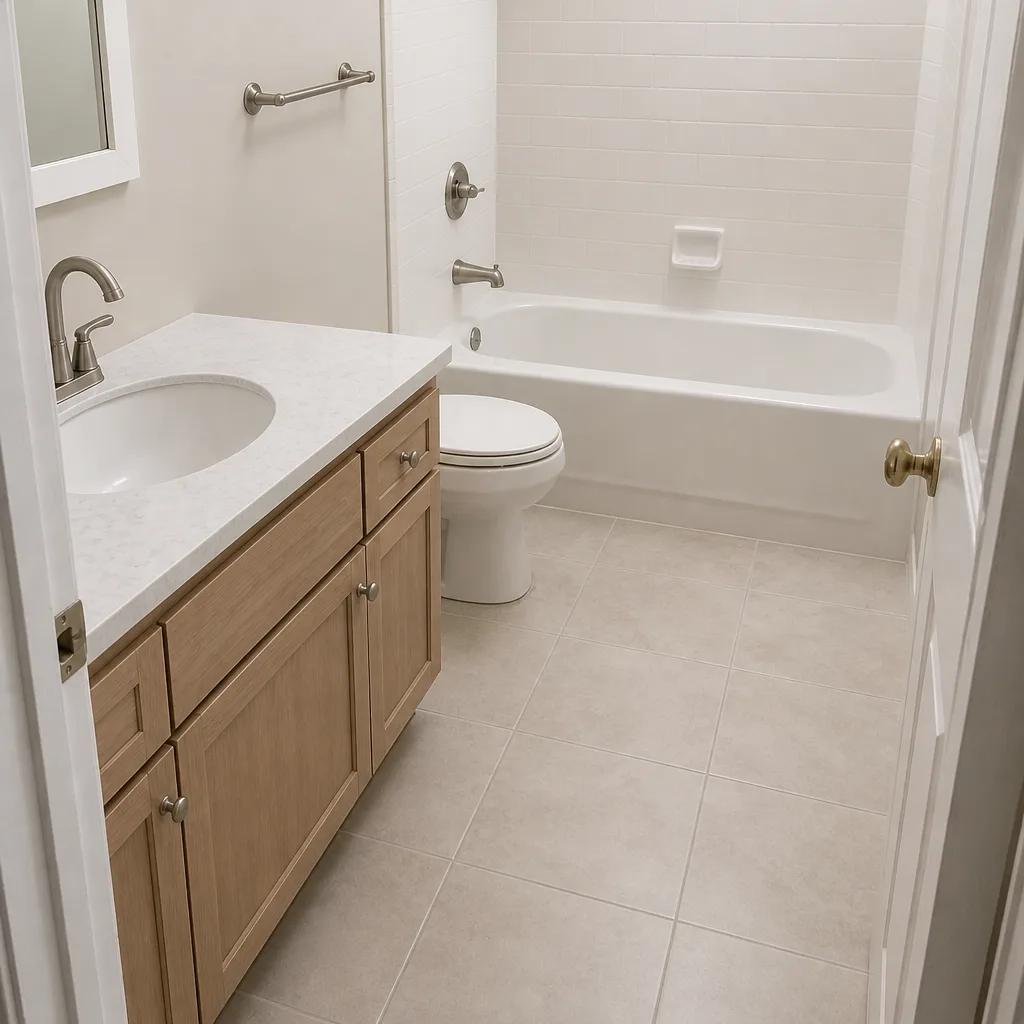
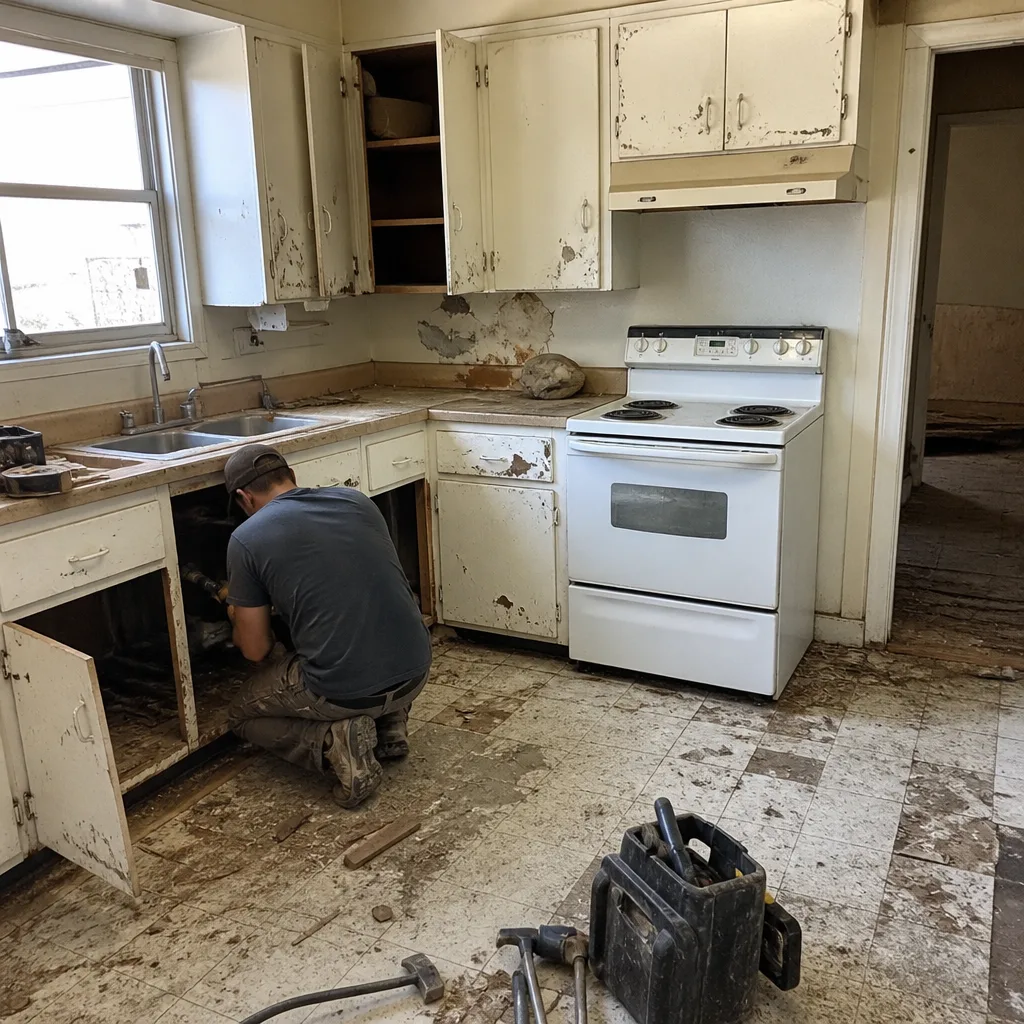
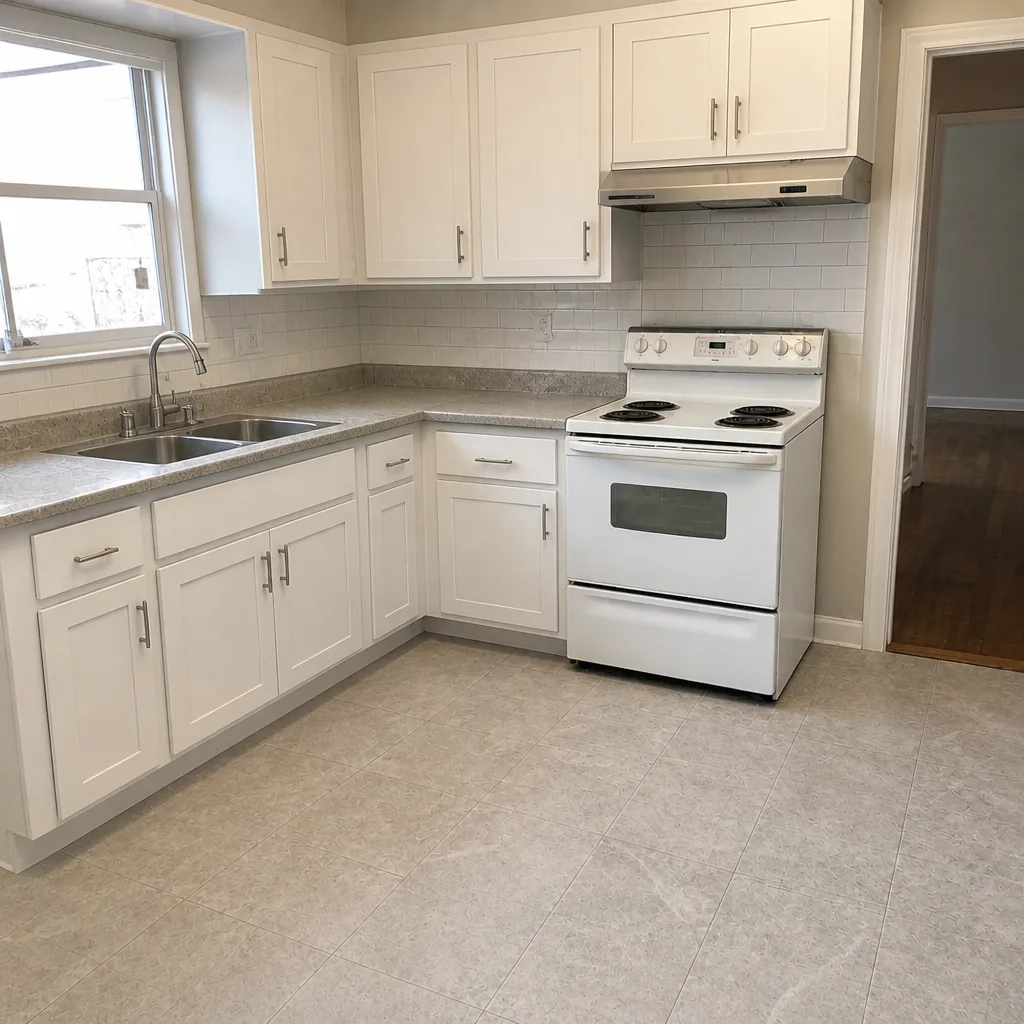
See the difference
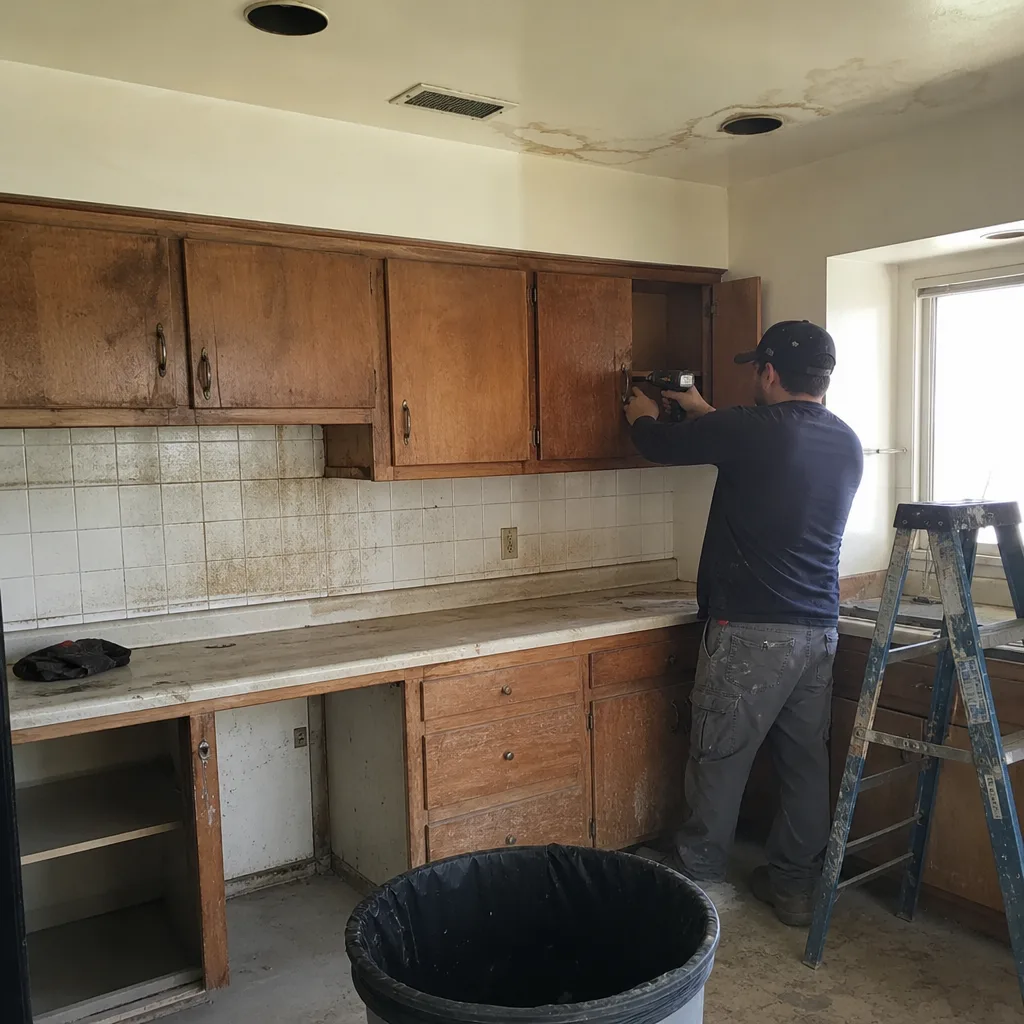 Before
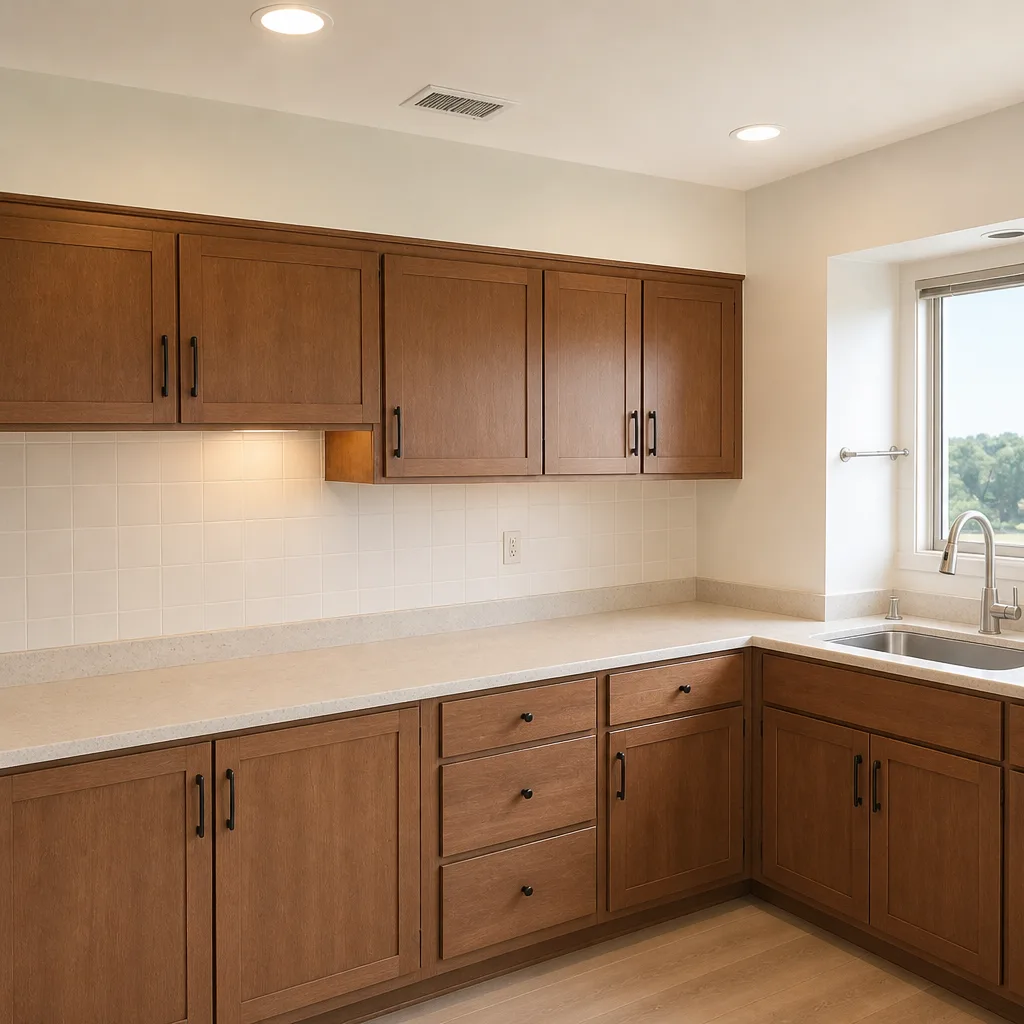 After
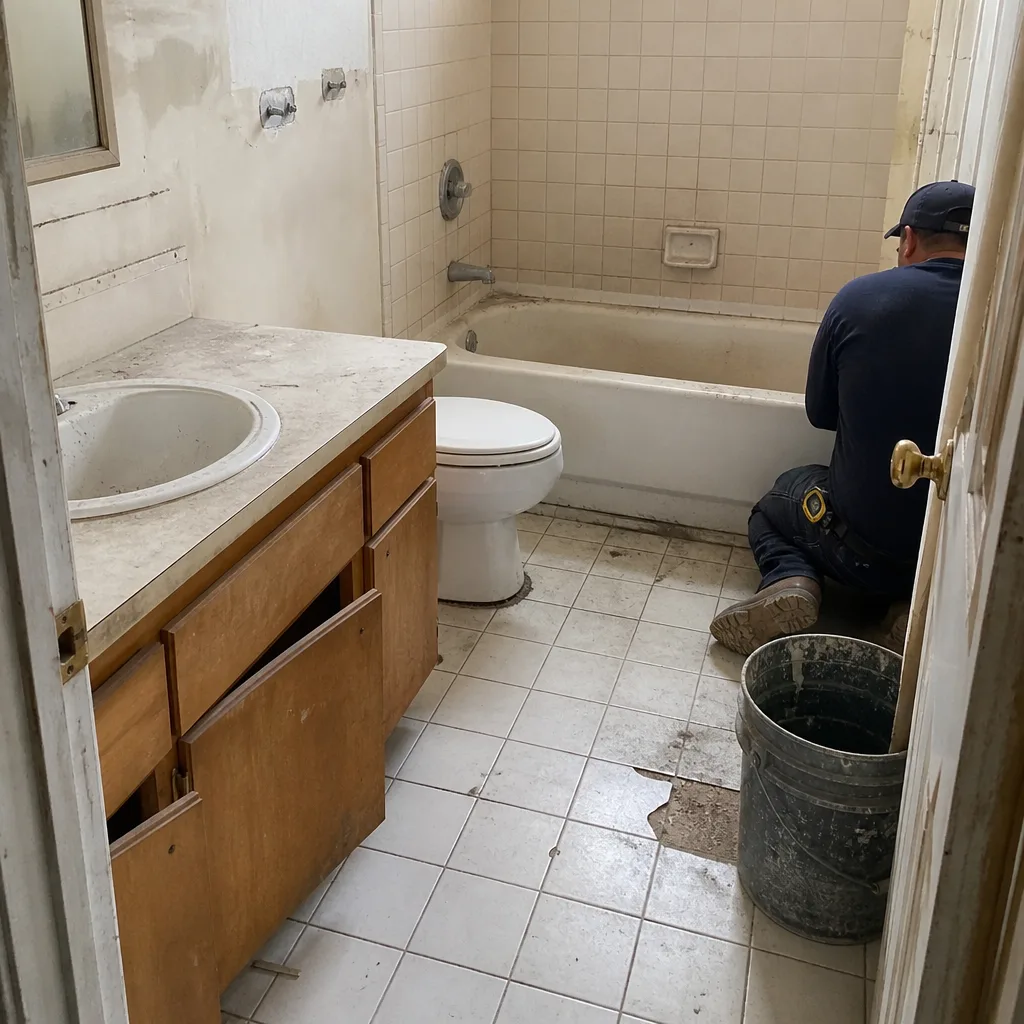 Before
 After
 Before
 After
When to Call a Professional
Call a Glendale construction professional when the work involves framing, structural modification, electrical panel upgrades or new circuits, plumbing rough-in or gas lines, hillside grading, roof sheathing replacement, or any work requiring a permit. These are not safe DIY categories, and Glendale’s inspectors will catch self-work quickly. Gas line work in particular is dangerous if not handled by a licensed plumber; the pressure test alone requires a permit. Electrical panel replacement is similarly a code-required licensed job. If you’re on a hillside lot and thinking about a retaining wall over 30 inches, don’t start without an engineered design.
For finish work like painting, interior trim that doesn’t touch structure, or a single window replacement in an existing frame, most Glendale homeowners can handle the scope. But if the word “permit” appears on the checklist, the word “professional” should too. Rowan Construction Group Glendale offers free estimates in Glendale, with a written line-item quote before any work starts. Call (844) 320-5930 to talk through your project.
Frequently Asked Questions
A Glendale kitchen remodel typically runs $32,000 – $68,000 for a mid-range 150 – 250 square foot project with standard finishes, permits included. Custom cabinetry from KraftMaid or Wellborn and stone countertops from Cambria or Caesarstone push the upper end; the range is honest for Glendale’s labor market. Call (844) 320-5930 for an exact quote based on your kitchen’s actual dimensions and finish choices.
Yes. Glendale requires a roofing permit for any roof replacement, and the permit requires sheathing and final inspections. In fire zones, the permit also documents that the assembly meets the required Class A rating. Cost is roughly $180 – $380 for a standard residential roof, and your contractor should pull it. Call (844) 320-5930 to schedule a roof inspection and written quote.
Glendale permits are issued by the City of Glendale Building & Safety counter for properties inside city boundaries; LADBS handles properties in unincorporated pockets that fall inside Los Angeles city boundaries. Most Glendale addresses are city, but the only way to be certain is to check your parcel’s Tax Rate Area code and zoning map layer. Getting this wrong adds three to five weeks to your schedule. Call (844) 320-5930 if you want help confirming your jurisdiction.
Yes, if your lot slopes more than 15% across the building pad and involves grading. Chapters 29 and 70 of Glendale’s municipal code require a licensed geotechnical engineer’s soils report and a licensed surveyor’s topo map before a grading permit can be reviewed. Budget $6,000 – $13,000 combined for both, depending on lot size and vegetation. Call (844) 320-5930 for a free review of your lot and a written scope for the soft costs.
No, not unless you sign a change order. Under Clause 1 of the Haven Standard, the price is written before anyone starts, and no change proceeds until the change order is signed. That’s the discipline behind completing thousands of projects within a few percent of the agreed cost. Call (844) 320-5930 to schedule your free estimate and see a written quote before committing.
Straightforward kitchen and bath permits in Glendale typically clear in two to four weeks; additions and ADUs take six to twelve weeks depending on hillside grading submittals and fire-zone requirements. Q4 submittals take longer than Q1. Get your permit pulled by mid-September if at all possible. Call (844) 320-5930 to plan your project timeline around Glendale’s permitting calendar.
The Bottom Line
Glendale construction is not a generic California project. Your fire hazard severity zone determines material specs and insurance requirements; your hillside lot under Chapters 29 and 70 adds survey and soils costs flat-lot neighbors don’t pay; your LADBS versus city permit jurisdiction adds weeks if you get it wrong; and your construction calendar reads very differently in Q4 than in Q1. The seven trades map to different inspection sequences and different price ranges, and knowing which category your project falls into is the first real decision. What protects you through all of it is the same in every trade: a written line-item price before work starts, a scope document you can compare, and a contractor who shows the record. That’s what construction in Glendale should look like, and it’s what we build our work around.
Whether you’re pulling a permit for a roof replacement in Adams Hill, grading for an addition in Chevy Chase Canyon, or pricing a paver driveway that meets Glendale’s drainage requirements, we’re glad to give you a written quote with no surprises attached. Start with our Rowan Construction Group Glendale home page for the seven-trade overview, or call us today at (844) 320-5930 to schedule your free estimate. Every quote comes with a written scope, a written price, and our 365-Day Done Right Promise printed on the page – not an asterisk.
Written by the team at Rowan Construction Group Glendale.