Last updated November 16, 2026
Free written scope consultation - allowances, timeline, and change-order rules on paper before a single trade is scheduled
The Complete Windows & Doors Guide for Glendale Homeowners
A vinyl window that passes Title 24 in Sacramento may fail in Glendale. The two cities sit in different California Energy Commission climate zones – Zone 9 here, a much hotter inland profile than the coastal zones most window marketing is written for – and the U-factor and SHGC thresholds are not the same. A contractor who hands you a quote without naming a climate zone may be pricing a product that never should have been specified for your address. This guide covers what actually governs window and door replacement in Glendale: Title 24 compliance, the Very High Fire Hazard Severity Zone map that changes frame choices, Southern California Edison rebate documentation, and the permit line that decides whether a like-for-like swap needs a stamped plan set or a simple over-the-counter approval.
Quick Answer
Window and door replacement in Glendale, CA is regulated by three things most general guides skip: Title 24 Part 6 energy compliance for CEC Climate Zone 9 (prescriptive U-factor around 0.40 or lower and SHGC around 0.25 or lower for the total fenestration area, verified against the current compliance software at permit), the Glendale Very High Fire Hazard Severity Zone requirements that push homeowners toward non-combustible or ember-resistant framing in mapped hillside neighborhoods, and SCE rebate eligibility that depends on documented performance data matching what was installed. A like-for-like swap of one window in the same opening with the same operating type generally needs a permit in Glendale; a change in size, location, or configuration does, every time. Get the climate zone, the fire zone, and the permit classification in writing before you sign a quote.
Styles & brands we work with
- Kitchen remodeling
- Bathroom remodeling
- Home additions & ADU
- Roofing
- Windows & doors
- Driveway & pavers
- Fence
Table of Contents
- Why Glendale’s Climate Zone 9 Changes the Window You Should Buy
- Title 24 Compliance: What the Numbers Actually Mean
- Glendale’s Very High Fire Hazard Severity Zone and Frame Material
- Southern California Edison Rebates and How to Document Compliance
- Vinyl vs. Fiberglass vs. Aluminum Clad for Glendale Conditions
- Glendale Building & Safety Permits: What Needs One and What Doesn’t
- Doors in Glendale: Entry, Patio, and Garage Door Decisions
- What Window and Door Replacement Costs in Glendale
Why Glendale’s Climate Zone 9 Changes the Window You Should Buy
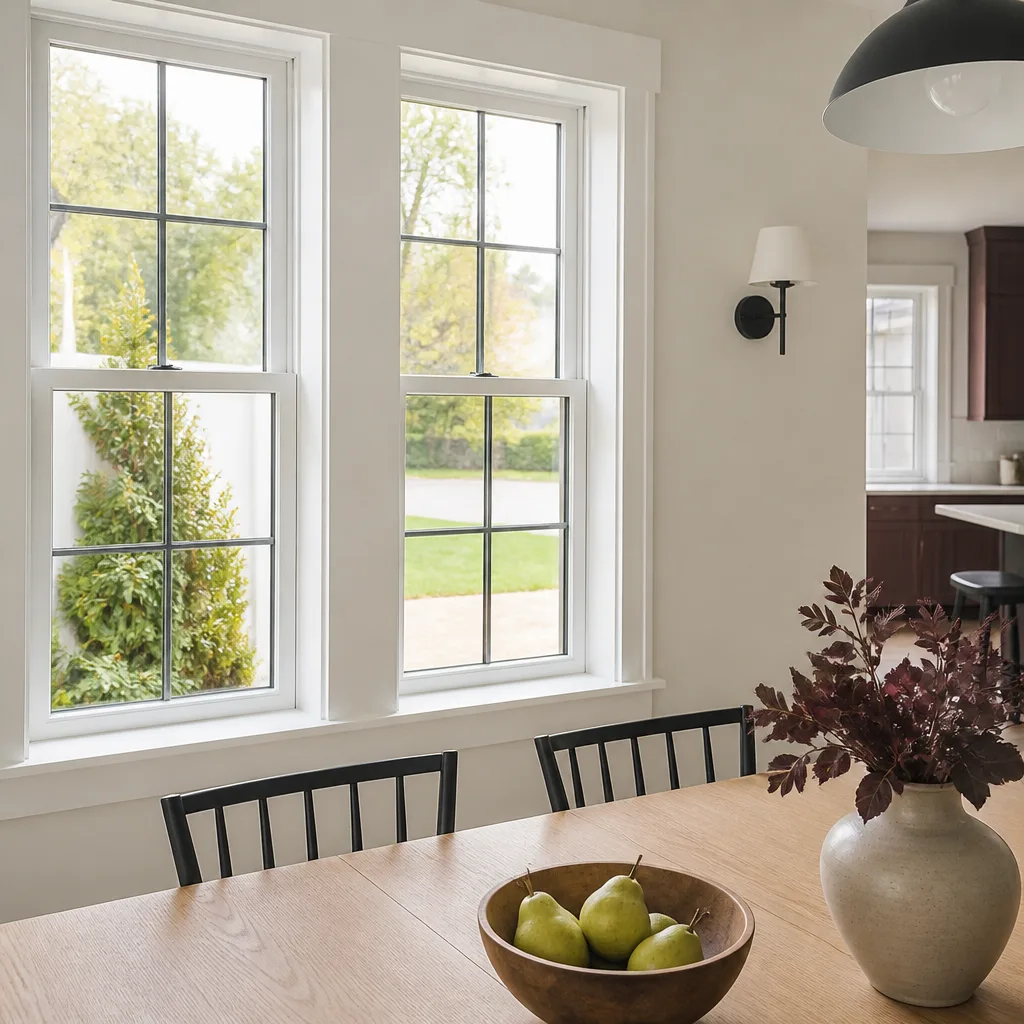
Glendale is a CEC Climate Zone 9 city. That means summer design temperatures well above what coastal Zone 6 or 7 products are tested against, and a winter swing that runs cooler than the basin floor because the Verdugo Mountains funnel cold air down into neighborhoods like Chevy Chase Canyon and the upper reaches of Glenoaks. Zone 9 sits between the coastal mild zones and the deep inland heat of the Antelope Valley, and the fenestration requirements reflect it: solar heat gain matters more here than in Santa Monica, and condensation resistance matters more than in Bakersfield.
Practically, a Zone 9 window has to do two jobs. It has to reject summer solar gain on west and south elevations, and it has to resist winter condensation on the interior glass surface when the outside air is in the low 40s and the inside is heated. Those two jobs pull in opposite directions on glazing selection. A very low SHGC coating that crushes summer heat can also lower the interior glass surface temperature enough that winter condensation forms on single-pane replacements or on poorly specified dual-pane units.
In our experience across Glendale replacements, the homes with the worst condensation complaints are the ones where someone swapped in a bargain dual-pane with a low SHGC and no warm-edge spacer. The glass was fine. The spacer and the frame were not. Ask any quote to state:
- Whole-unit U-factor (not center-of-glass)
- SHGC for the specific elevation (west and south are the ones that will drive your cooling bill)
- Visible transmittance, since a very low SHGC will darken the room and some homeowners hate that
- Condensation resistance factor and the type of warm-edge spacer used
- The exact model number, not “energy efficient glass”
Any Glendale quote that skips the elevation-by-elevation SHGC number is a quote written for a different city.
Title 24 Compliance: What the Numbers Actually Mean
Title 24 Part 6 is California’s energy code, updated on a three-year cycle. The prescriptive path for a Zone 9 alteration typically requires fenestration U-factors in the neighborhood of 0.40 or lower and SHGC around 0.25 or lower, weighted across the total glazed area of the project, though the exact thresholds move with each code cycle and depend on whether you’re pulling the performance method or the prescriptive method. A performance-path permit will let the energy consultant trade fenestration against other measures like added attic insulation, so the exact numbers on your permit are address-specific.
What this means in practice: the compliance software output on your permit drawings governs, not the marketing brochure. A window that meets the sticker requirement on its own still may not meet the building’s total fenestration budget if you’re also replacing a large west-facing slider with something at a lower performance tier. This is the point where most Glendale window projects fail an inspection – not because the product was bad, but because the installed unit’s NFRC label didn’t match the model specified on the Title 24 forms.
Here’s the sequence that keeps a Glendale permit clean:
- Get a Title 24 report scoped to your address and your actual window schedule.
- Select windows whose NFRC label numbers match the schedule exactly, by model and by glass package.
- Keep the NFRC labels on the glass until the inspector signs off, then photograph them for your records.
- Have the installer write the model number on the invoice line, not the description line.
- File the Title 24 report with the permit close-out documentation.
If a quote arrives without a Title 24 reference and without an NFRC label commitment, it’s not a complete quote.
Glendale’s Very High Fire Hazard Severity Zone and Frame Material
Large parts of Glendale – the hillside neighborhoods above Glenoaks, the streets that back up to the Verdugo Mountains, and pockets near Deukmejian Wilderness Park – are mapped as Very High Fire Hazard Severity Zone (VHFHSZ) by Cal Fire. That map matters for window frames in two ways: Chapter 7A of the California Building Code applies to exterior materials in VHFHSZ areas on new construction and substantial remodels, and Glendale’s local amendments layer on requirements for ember-resistant venting and exterior component ignition resistance.
Vinyl in a VHFHSZ is not automatically disqualified, but the conversation gets more interesting. Vinyl will soften and sag at temperatures well below where fiberglass or aluminum stay dimensionally stable, and in a fire exposure the frame can fail before the glass does, which pulls the unit out of the opening. Fiberglass and aluminum-clad wood hold their shape longer under radiant heat. In the mapped zones, we specify non-combustible or Class A rated exterior frames wherever the schedule allows, and we document the choice in the permit drawings so the inspector isn’t guessing.
Glazing also shifts in the fire zone. Tempered glass is required in specific locations by the building code regardless of fire zone – within 18 inches of a floor, in doors, in sidelights – but in VHFHSZ the recommendations around dual-pane with a tempered exterior lite become more common, especially on the elevations facing the wildland interface. Ask your contractor whether the window schedule was checked against the fire zone, not just the energy zone.
For related exterior decisions on the same property, our guide to Fence Installation in Glendale covers the same Chapter 7A material questions for fencing in the same mapped areas.
Southern California Edison Rebates and How to Document Compliance
SCE periodically opens and closes window rebate programs, and the qualification criteria always hinge on documented performance, not marketing claims. The typical structure: a per-square-foot incentive on qualifying replacements where the installed unit improves on the pre-existing condition by a specified margin, verified with NFRC label data and the permit close-out. When the program is open, the money is real; when it’s closed or waitlisted, the application still has value for the record, because the documentation you build for the rebate is the same documentation a future buyer will ask for when they’re reviewing your disclosures.
What SCE will ask for at application:
- The NFRC label numbers for every unit installed
- Pre-installation photos or an energy audit that establishes the baseline
- The final Title 24 compliance report for the project
- The permit number and the inspection sign-off
- Proof of purchase showing the model numbers, not just the total
Two things trip people up. First, self-installed windows generally don’t qualify – the incentive is structured around licensed contractor installation. Second, the rebate is calculated on the glazed area, so a homeowner who replaces one large slider often captures more incentive than one replacing six small bedroom windows. Make sure the quote breaks out glazed area by unit, not just by total window count.
Vinyl vs. Fiberglass vs. Aluminum Clad for Glendale Conditions
Glendale’s temperature swing and air quality stress frames differently than the coastal zones the marketing materials are usually written for. Summer afternoon highs in the 90s and 100s and winter nights in the 40s put every frame through an expansion and contraction cycle that surfaces weak corners and thin-wall extrusions. Add the dust and ozone load of the basin and you get a frame that needs to hold a seal, not just look good on day one.
Vinyl
Vinyl is the volume product and it’s appropriate for many Glendale homes, especially on the interior-facing elevations where summer heat load is lower. Good vinyl – with welded corners, a multi-chamber profile, and a steel or aluminum reinforcement in the sash – holds up well. Cheap vinyl with screwed corners and thin walls does not, and in Zone 9 the difference shows up in year three or four when the sash starts to bow and the lock no longer lines up. In the VHFHSZ, vinyl needs a specific justification.
Fiberglass
Fiberglass has a lower thermal expansion coefficient than vinyl, which means the frame moves less across Glendale’s seasonal swing and the weatherstripping lasts longer. It takes paint well, which matters for the Spanish Colonial and Mediterranean homes that dominate neighborhoods like Rossmoyne and Adams Hill – a painted fiberglass frame can match the original stucco profile more convincingly than a vinyl extrusion. It’s also the smarter choice in the fire zone. Cost runs higher than vinyl.
Aluminum Clad
Aluminum-clad wood gives you the interior warmth of wood with a durable exterior skin, and the cladding holds finish well under Glendale’s UV load. It’s the choice we specify most often on character homes where the interior trim profile matters as much as the exterior. The wood core has to be protected from water intrusion at the sill, so installation detail matters more than the product itself.
If you’re planning a larger scope – a kitchen or bath remodel that touches the window openings – the same frame decisions show up in the trade sequencing, and our Rowan Construction Group Glendale home page lays out how we coordinate trades across a single project.
Glendale Building & Safety Permits: What Needs One and What Doesn’t
Glendale Building & Safety requires a permit for window replacement when the work involves any change to the opening, the header, the framing, or the number of units. A like-for-like swap – same opening size, same operating type, same location – is often eligible for over-the-counter approval rather than a full plan check, but you still need the permit, the Title 24 report, and the inspection. The “no permit needed if you’re replacing a window with the same window” line you’ll hear from some installers is a shortcut that costs the homeowner later, when a sale disclosure surfaces the unpermitted work.
The steps that make a Glendale window permit go smoothly:
- Confirm the fire zone and the climate zone for the specific address before product selection.
- Order a Title 24 compliance report scoped to your window schedule.
- Submit the permit application with the product submittals and the energy report.
- Pull the permit before delivery – windows can’t be installed before the permit issues.
- Schedule the rough and final inspections at the right points.
- Keep the signed-off permit card with the NFRC labels and photos in your home file.
Door replacements follow a similar rule. A like-for-like entry door swap with the same dimensions and same swing is usually over-the-counter; a change in opening size, a new sidelight, or a patio door that changes the egress path needs plan review. Egress matters. A bedroom window or door that serves as the emergency escape has a required clear opening, and if the replacement narrows it, the permit will come back.
Doors in Glendale: Entry, Patio, and Garage Door Decisions
Doors in Glendale carry the same three local constraints as windows, plus one more: air infiltration at the threshold. Entry doors in the Verdugo foothill neighborhoods see dust loading on the weatherstripping that coastal homes don’t, and a poorly sealed threshold shows up as a whistle in the Santa Ana wind events. A clad wood or fiberglass entry door with a properly adjusted multi-point lock and an adjustable threshold is what we specify most often, and we check the sill pan flashing on every entry install – the water intrusion point in Glendale entry doors is the sill, not the slab.
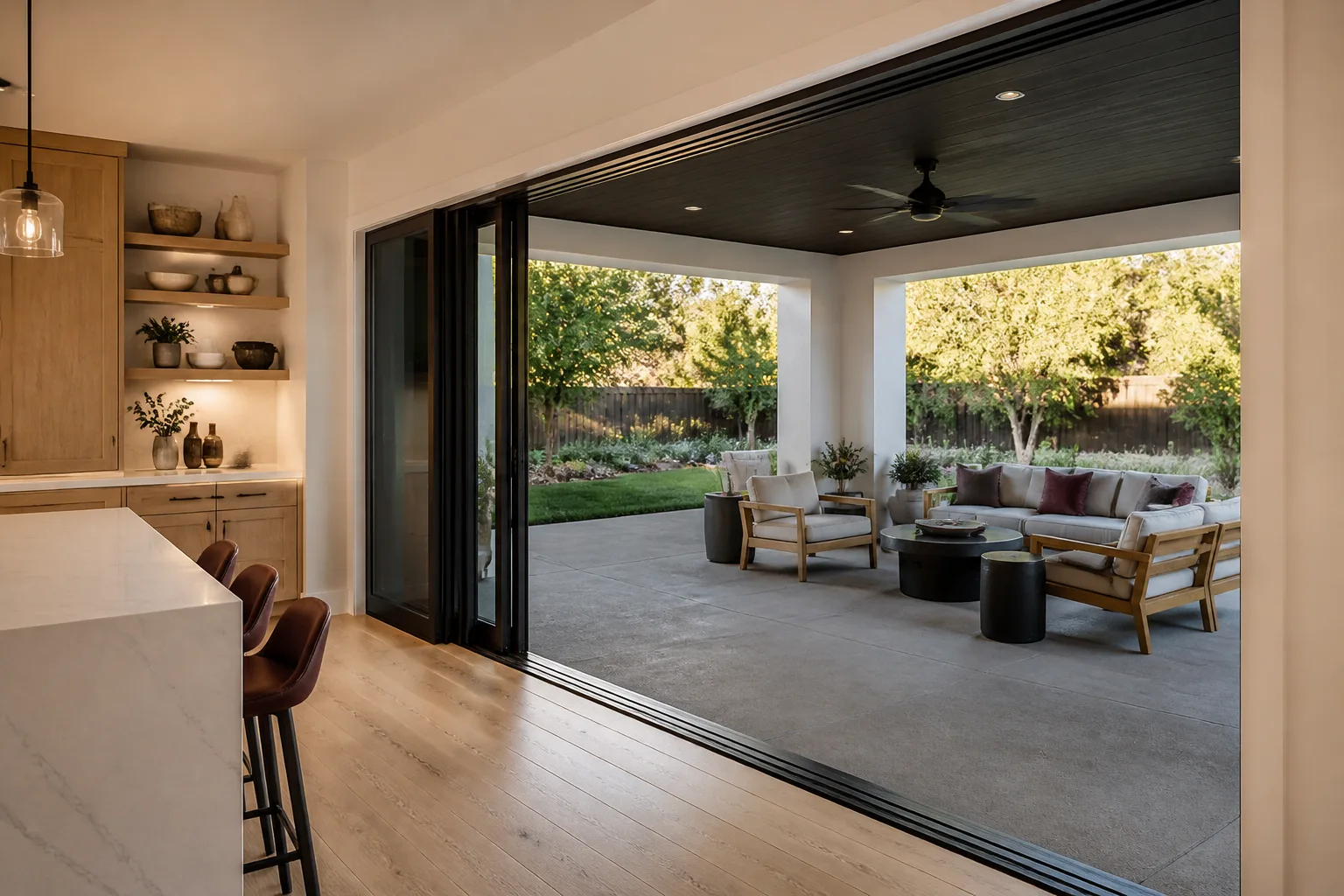
Patio doors split into sliding and hinged, and the choice drives the energy numbers. Sliding glass doors have a larger glazed area, so the SHGC budget on your Title 24 report is more sensitive to the glass package. Hinged patio doors have less glass but more frame, and the frame quality drives the U-factor. In the fire zone, both need the same material review as your windows.
Garage doors are a separate category entirely – they carry their own safety requirements (the spring system and the automatic reversal feature are the two most common failure points), and the panel material matters in the fire zone the same way an exterior wall does. A steel or aluminum garage door matches a fiberglass or clad window program on the same house; a wood-carriage door in a VHFHSZ needs a documented finish system to pass. We don’t recommend homeowners touch the spring or cable assembly – those are high-tension components that cause serious injury when they fail during amateur work, and a trained door technician is the right call every time.
If your project extends beyond the envelope – a rear addition, a converted garage, an ADU that opens new exterior walls – our Home Additions & ADU in Glendale guide explains how window and door schedules tie into the larger permit set.
What Window and Door Replacement Costs in Glendale
Glendale pricing reflects the permit, the Title 24 report, the fire-zone material decisions, and the fact that many of the older homes in neighborhoods like Adams Hill and Sparr Heights were built with non-standard opening sizes, which rules out the cheapest stock replacement product. The line-item ranges below are typical for full-frame replacement, installed, permitted, and inspected – not pocket replacements, and not retail-only pricing.
Window replacement (installed, permitted, Title 24 report included):
- Standard vinyl dual-pane, single-hung, up to 15 sq ft: roughly $650 to $1,050 per unit
- Vinyl dual-pane with upgraded warm-edge spacer and low SHGC: roughly $800 to $1,250 per unit
- Fiberglass dual-pane, painted finish: roughly $1,100 to $1,750 per unit
- Aluminum-clad wood dual-pane: roughly $1,450 to $2,400 per unit
- Large picture window or slider, 30 sq ft and up: roughly $1,800 to $3,500 per unit
- Title 24 compliance report: roughly $250 to $500 per project
- Glendale window permit fee: typically $150 to $500 depending on scope and valuation
Door replacement (installed, permitted):
- Standard fiberglass entry door, like-for-like opening: roughly $1,200 to $2,200
- Wood entry door with sidelights, same opening: roughly $2,500 to $5,500
- Sliding patio door, dual-pane: roughly $2,200 to $4,800
- Hinged patio door, dual-pane: roughly $1,800 to $3,500
- Insulated steel garage door, single-car: roughly $1,400 to $2,800
- Insulated steel garage door, double-car: roughly $2,400 to $4,500
These ranges are for planning. A written, line-item quote scoped to your actual window schedule, elevation by elevation, is what we deliver before any product is ordered – the quote names the model, the NFRC label, the permit, and the Title 24 report as separate lines. A competitor’s quote without those lines is a quote you can’t compare apples to apples. Rowan Construction Group Glendale offers a free second opinion on any written estimate; bring the competitor’s quote and we’ll review it line by line.
If the window project is part of a wider exterior scope, our Driveway & Pavers in Glendale guide covers the hardscape side of the same permit set.
Common Mistakes to Avoid
- Approving a quote without a climate zone reference. A quote that doesn’t say “Zone 9” somewhere is a quote where the contractor didn’t check which thresholds apply. Ask the question before you sign.
- Letting a contractor talk you out of the permit. The over-the-counter path in Glendale is fast when the work is truly like-for-like. When it isn’t, skipping the permit surfaces at sale, and the buyer’s inspector will find it.
- Ignoring the fire zone on frame selection. A vinyl window may be fine on a lower hillside street and wrong two blocks up where the VHFHSZ map boundary sits. The address decides.
- Assuming the NFRC label is the NFRC label. The label on the glass you receive has to match the schedule on the Title 24 report. Mismatches are the number one inspection failure on Glendale window projects.
- Chasing the rebate before confirming the program is open. SCE programs open and close. Build the documentation anyway; don’t budget around a rebate that may not be there at close-out.
- Selecting glazing elevation by elevation only after installation. West and south elevations need different SHGC treatment than north. Price the elevations as the project, not the whole house as one line.
- Treating the garage door as an appliance. It’s a fire-rated component, a spring system, and an automatic reversal. The panel material and the installation details are not DIY items.
See the difference
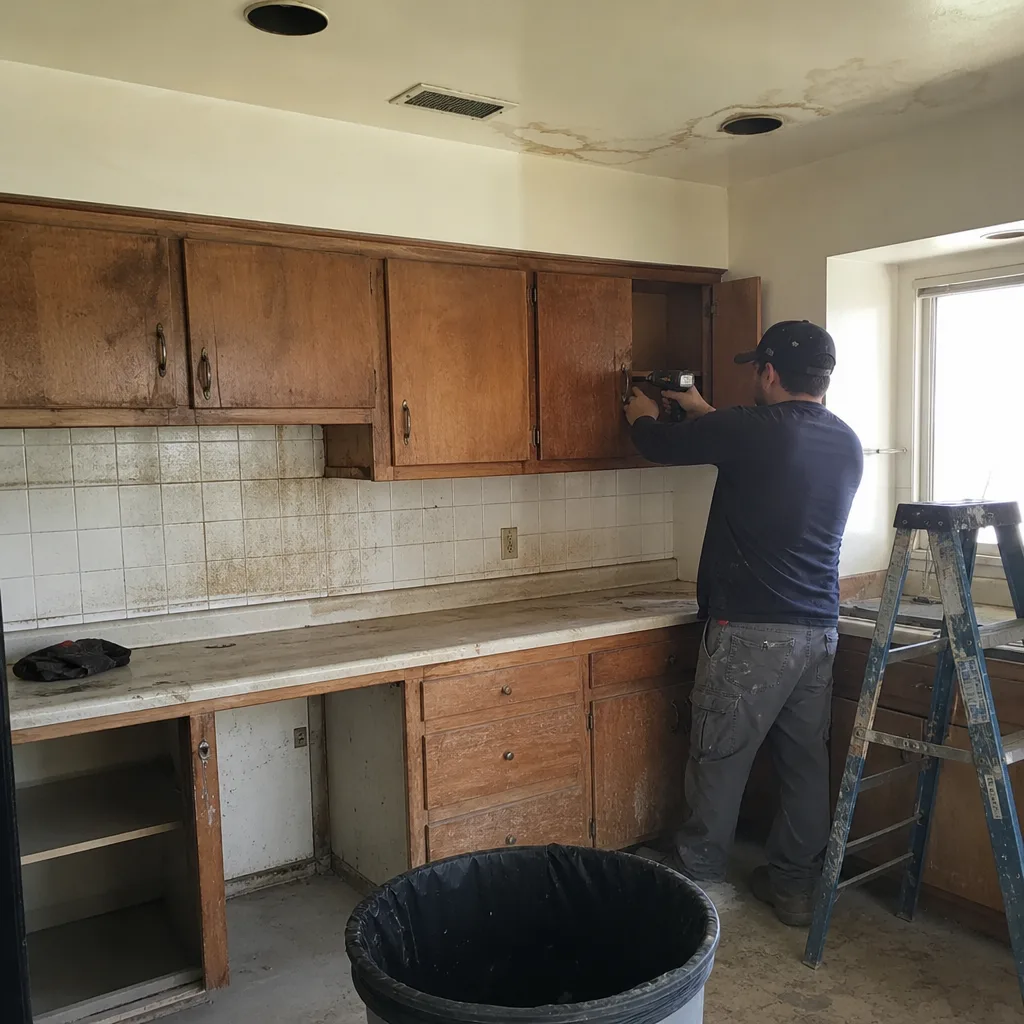 Before
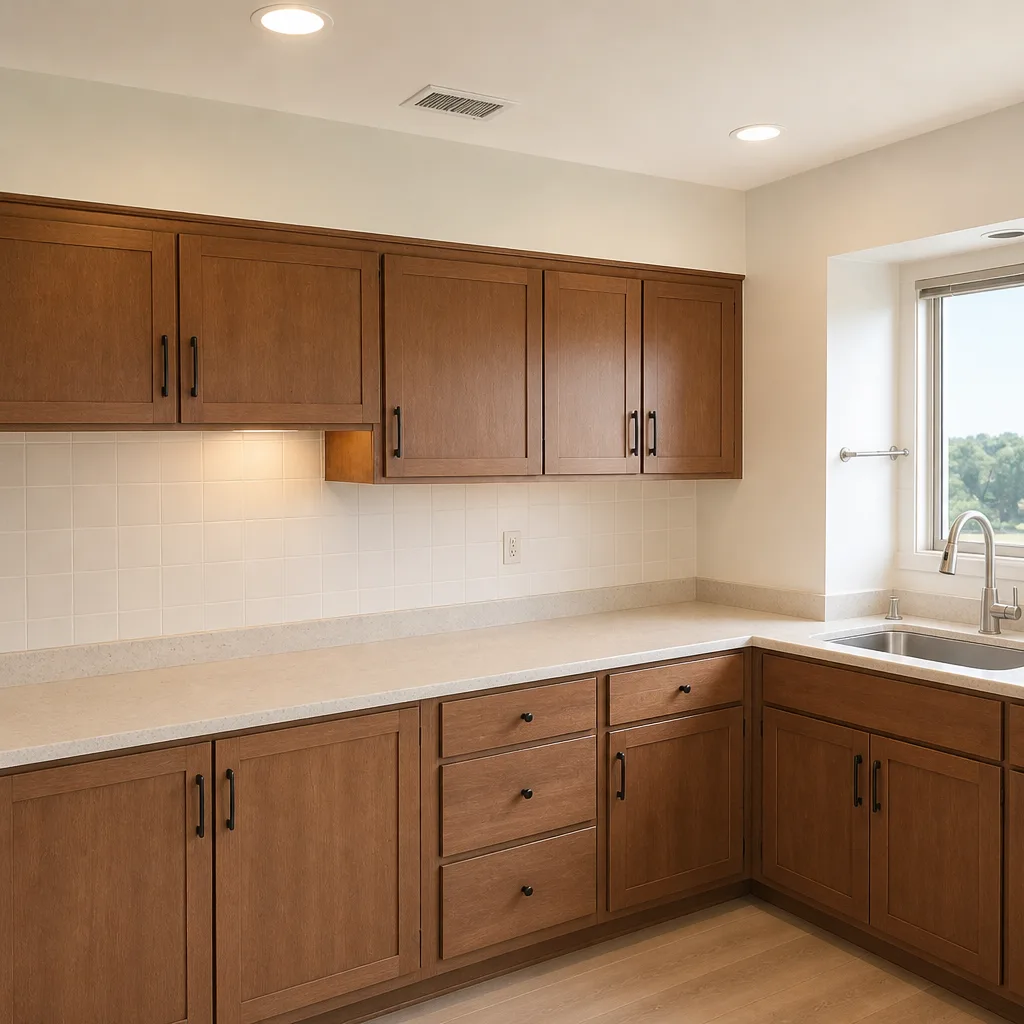 After
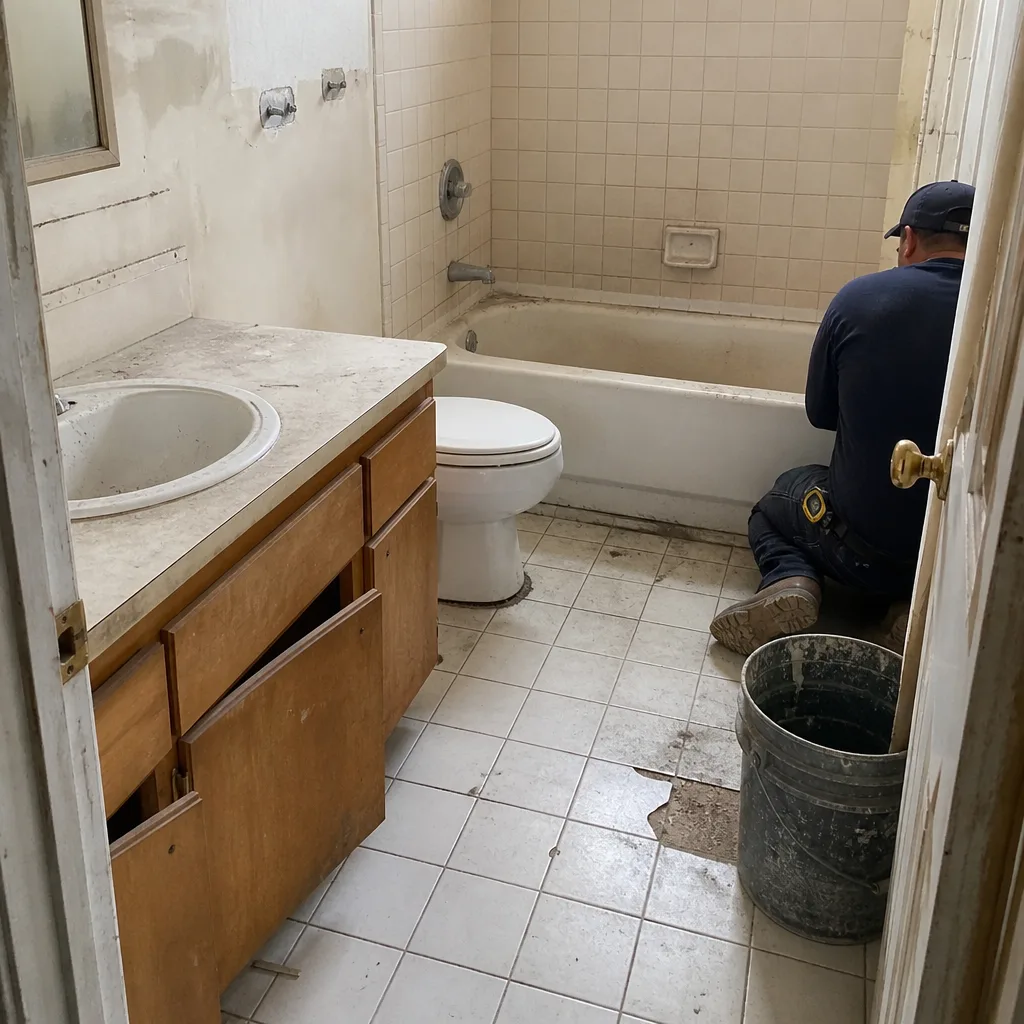 Before
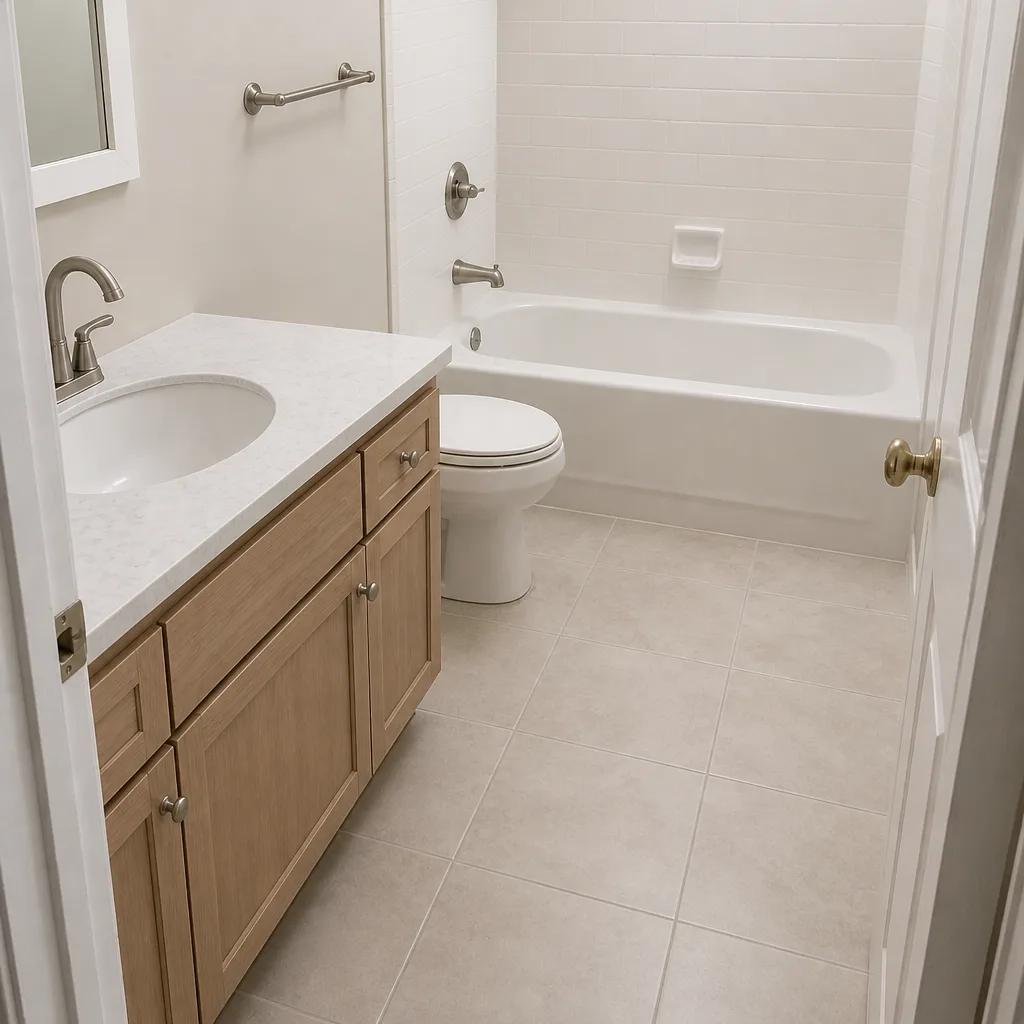 After
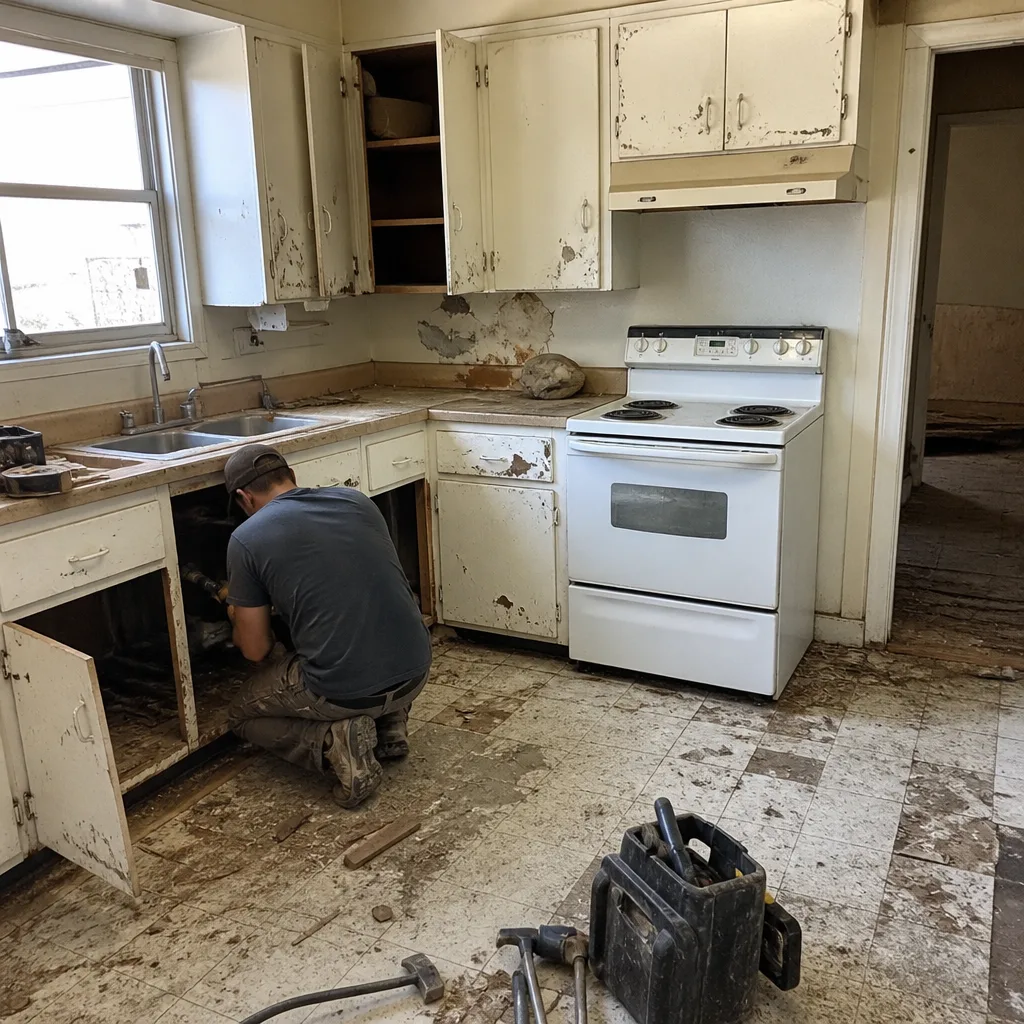 Before
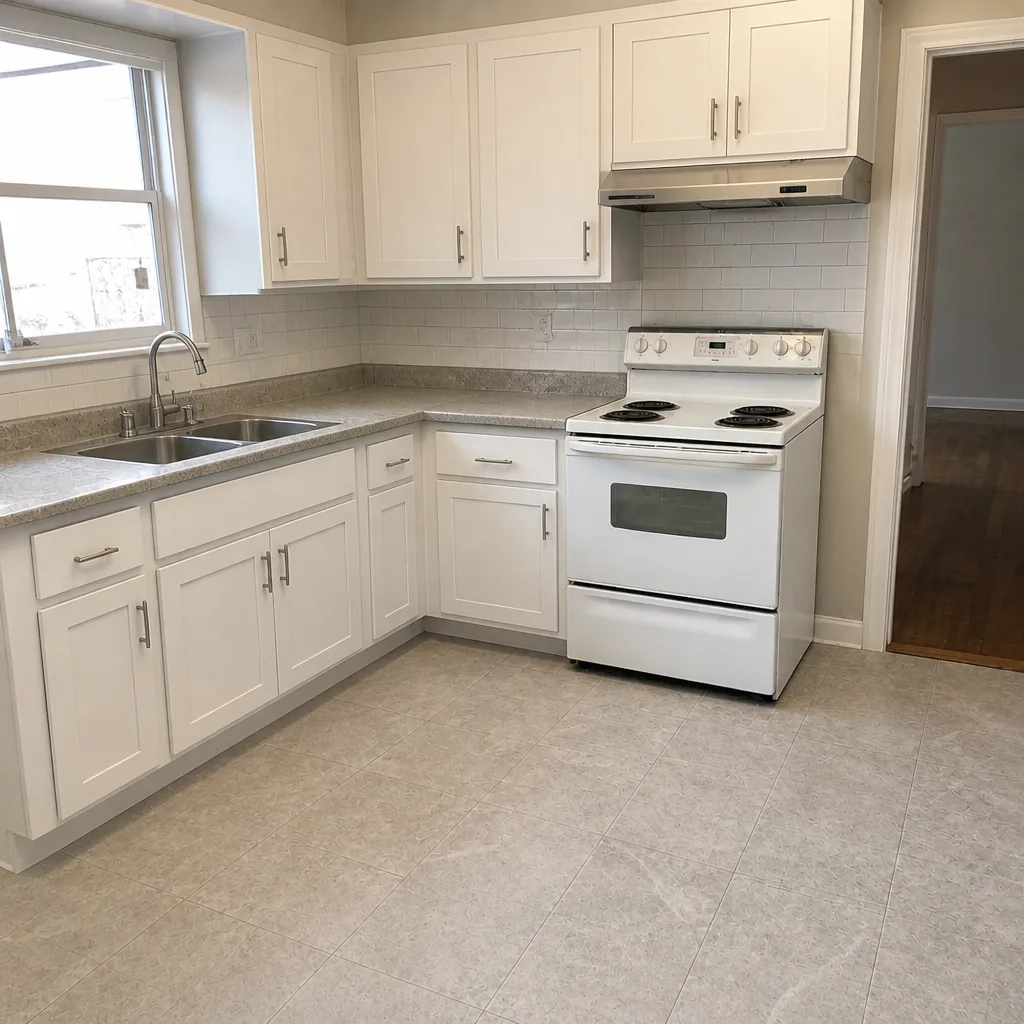 After
When to Call a Professional
Call a professional when the project crosses any of these lines: any change to the opening size or location of a window or door; any installation in the mapped VHFHSZ zone; any property with pre-1978 construction where lead-safe practices apply; any door or window that serves as the bedroom egress; and any garage door spring or cable failure, which is a genuine injury risk to attempt yourself. Window and door work also qualifies for a call when you’re chaining it to a kitchen, bath, or addition project, because the trade sequencing needs to be planned, not stacked. Rowan Construction Group Glendale offers free estimates in Glendale – call (844) 320-5930 to schedule yours. Our technicians have up to 19 years of experience, and every written quote includes a written scope, a written warranty, and the 365-Day Done Right Promise.
Frequently Asked Questions
Yes, in nearly every case. Glendale Building & Safety issues a permit for window replacement even when the swap is like-for-like and the opening size is unchanged, and a change in size, location, or configuration requires plan review. The permit is what triggers the Title 24 compliance check and the inspection that documents your installation. A contractor who offers to skip the permit is exposing you to a future disclosure problem. Call (844) 320-5930 for a written estimate that prices the permit as a line item.
For CEC Climate Zone 9 prescriptive compliance in a typical residential alteration, the whole-unit U-factor needs to land around 0.40 or lower and the SHGC around 0.25 or lower, weighted across the total fenestration area. The exact thresholds depend on the current code cycle and whether you’re using the prescriptive or performance path, so the number that governs your project comes from the Title 24 compliance report generated for your address. Ask for that report before you sign. Call (844) 320-5930 for a line-item estimate that includes the Title 24 report as a separate line.
It does, and the effect is on frame material more than on glass. If your address falls inside the Glendale VHFHSZ – which includes many hillside neighborhoods above Glenoaks and properties bordering the Verdugo open space – Chapter 7A of the California Building Code applies to exterior materials, which pushes frame selection toward fiberglass, aluminum-clad wood, or specifically rated vinyl assemblies that hold dimension under radiant heat. A contractor who doesn’t check the fire zone against the address has missed a design step. Call (844) 320-5930 to confirm the fire zone status for your address before product selection.
You claim it by documenting performance and improvement over baseline, not by filing a receipt. SCE requires the NFRC label numbers for every installed unit, pre-installation photos or an audit establishing the baseline, the Title 24 compliance report, the permit inspection sign-off, and proof of purchase showing model numbers. The glazed area of the project drives the incentive, so a project with large sliders often captures more than one with many small windows. Rebate programs open and close, so build the documentation whether or not the program is currently active. Call (844) 320-5930 for a free second opinion on any written window estimate.
Not without a signed change order. Our written price is a flat price with a written scope and a written warranty delivered before any work starts, and no work proceeds on a change until the change order is signed. That discipline is why our 4,000-plus projects land within a few percent of the agreed cost. If the actual window opening is not what the drawings show – which happens more often in Glendale’s older housing stock – the change is scoped and signed before it’s fabricated, not presented on the final invoice. Call (844) 320-5930 for a written estimate.
A fifteen- to twenty-unit window replacement in Glendale typically takes one to two weeks from permit issuance, plus the permit review time in front of it, which runs a few weeks for over-the-counter approval and longer for plan review. Add door replacement and the schedule grows by a few days per door, especially when framed openings need flashing and sill work. The timeline that matters is the one written on your quote next to the delivery date of the product itself, because window lead times drive the schedule more than installation labor. Call (844) 320-5930 for a schedule attached to your written estimate.
The Bottom Line
Window and door replacement in Glendale isn’t a generic California project. It’s a Zone 9 project with a fire-zone overlay and a permit that should never be skipped. The three numbers that decide whether your project goes right – the climate zone, the U-factor and SHGC on your Title 24 report, and the fire hazard severity zone for your address – all belong in the written quote before anyone orders product. Everything else flows from those three. If you want the numbers put in writing for your address, that’s what we do. Our written price, written scope, and written warranty are included before any work starts, and the 365-Day Done Right Promise prints on every page of the quote. Call Rowan Construction Group Glendale at (844) 320-5930 for a free estimate, and if you already have a competitor’s quote in hand, bring it – the second opinion is free, line by line.
Written by the team at Rowan Construction Group Glendale.