Last updated November 16, 2026
Free written scope consultation - allowances, timeline, and change-order rules on paper before a single trade is scheduled
Construction Cost Breakdown: The Glendale Homeowner’s Reference for 2026
A 400-square-foot room addition in Glendale can carry a permit fee range of $1,800 – $4,200 before a single board is cut. That number never shows up in the online calculators, because those calculators are built on national averages, and permit fees are set municipality by municipality. This guide breaks a Glendale project into the line items that actually move the total: framing, concrete, roofing by material class, hardscape, permit schedule, fire-zone compliance, and the labor conditions specific to hillside lots and tight streets. By the end, you’ll know where the money goes in Glendale and how to read a bid before you sign one.
Quick Answer
In 2026, a typical Glendale construction project runs $95 – $165 per square foot for a room addition, $14 – $22 per square foot for a re-roof in composition shingle, and $9 – $18 per square foot for concrete flatwork. Those ranges assume standard-spec materials and flat-lot access. Fire-zone compliance adds $8 – $22 per square foot depending on trade, and hillside access can add a labor surcharge on top. Get a written line-item price before you commit to anything.
Styles & brands we work with
- Kitchen remodeling
- Bathroom remodeling
- Home additions & ADU
- Roofing
- Windows & doors
- Driveway & pavers
- Fence
Table of Contents
- Why a Single Price-Per-Square-Foot Number Fails in Glendale
- Framing and Concrete: The Structural Baseline
- Roofing Cost by Material Class
- Hardscape: Pavers Versus Poured Concrete
- The Glendale Permit Fee Schedule in Dollars
- Fire-Zone Material Compliance and What It Adds
- Labor Variables Specific to Glendale
- How to Read a Contractor’s Bid for Underspecified Lines
Why a Single Price-Per-Square-Foot Number Fails in Glendale
A national cost guide will tell you that an addition costs, say, $150 per square foot. That number is a blend of every market in the country, and it hides the variables that determine what you actually pay. Glendale is not a blended market. The city’s housing stock runs from 1920s bungalows near Brand Boulevard to newer hillside builds up past Chevy Chase, and the conditions on those lots differ enough that a single figure is misleading.
The variables that move a Glendale total most are these:
- Lot type and access. A flat lot with a driveway you can back a material truck into costs less to build on than a hillside parcel where materials are staged on the street and carried up.
- Fire-zone material compliance. Glendale’s very high fire hazard severity zones require upgraded roofing, venting, and exterior assemblies that add real dollars to a base-spec quote.
- Permit fees. The city’s fee schedule is specific and it varies by project type. A re-roof and an ADU are not assessed the same way.
- Trade labor availability. Skilled subcontractor availability in Glendale runs tighter than the LA basin average, which pushes some trade rates up when scheduling is compressed.
When those four variables are broken out as line items, a homeowner can compare bids that are actually comparable. When they’re folded into one per-square-foot number, they can’t. Our team has spent years walking Glendale owners through this exact breakdown, and the conversation almost always starts with the same request: show me the numbers separately. If you’re planning a larger build, our guide to Home Additions & ADU in Glendale goes deeper on scope and sequencing.
Framing and Concrete: The Structural Baseline
Framing and concrete are the two trades that set the floor for every other cost on the job. Get these wrong in the bid and everything downstream is built on a number that won’t hold. Here’s what Glendale projects run in 2026 for standard-spec work:
- Wood framing: $12 – $24 per square foot of floor area, depending on span, story count, and whether the design uses dimensional lumber or engineered members.
- Concrete flatwork (driveways, walks, pads): $9 – $18 per square foot, including base prep and finish. Stamped or colored finishes sit at the top of that range.
- Foundation work: $18 – $32 per square foot for a standard slab-on-grade or raised perimeter foundation, with hillside stem-wall work running higher.
A note on concrete in Glendale specifically: the city’s older neighborhoods near Adams Square and northwest Glendale have soils and drainage patterns that sometimes require deeper base preparation than a flat-lot build in a newer subdivision. That prep shows up as a line item. If your bid doesn’t mention base depth and compaction, ask. Our team writes these lines out explicitly, because a foundation cost that appears after the pour is a cost that hurts.
The framing line should also state the grade of lumber and the sheathing thickness. Those two specs are where low bids hide their savings, and we’ll return to them in the bid-reading section below.
Roofing Cost by Material Class
Roofing is the trade where material class changes the price most dramatically, and where Glendale’s fire-zone rules change what you can install in the first place. Here are the 2026 ranges by class:
- Composition shingle (asphalt): $14 – $22 per square foot installed, using GAF or Owens Corning architectural lines. Most common choice on Glendale’s flatter, non-fire-zone lots.
- Clay or concrete tile: $24 – $40 per square foot installed. Tile adds weight, so it sometimes requires structural review on older Glendale homes before it can go on.
- Flat membrane (TPO or modified bitumen): $18 – $30 per square foot installed. Common on Glendale’s mid-century flat-roof houses and on additions with low pitch.
Fire-zone compliance pushes every one of those classes toward the top of its range or above it. In Glendale’s very high fire hazard severity zones, you may be required to install a Class A assembly with specific underlayment and edge detailing. That’s not optional and it isn’t cheap, but it’s also not a place to cut corners. We specify GAF and Owens Corning systems because both publish fire-rated assembly documentation you can hand to an inspector. If your roof is due for replacement and you’re also considering a larger build, the two projects can sometimes be sequenced to save on staging; that’s a conversation worth having early. You can see how we handle roofing alongside the rest of the envelope on our Rowan Construction Group Glendale home page.
Hardscape: Pavers Versus Poured Concrete
Hardscape choices look cosmetic but the cost gap between them is wide, and Glendale owners often ask which holds up better on a slope. Here’s how the two compare in 2026:
- Poured concrete: $9 – $18 per square foot installed, including base and finish. The lower end of that range is a broom finish on a flat surface.
- Interlocking pavers: $16 – $28 per square foot installed, using Belgard or Techo-Bloc lines. Pavers cost more up front but can be lifted and reset if a section settles, which concrete can’t.
- Natural stone or large-format slab: $28 – $45 per square foot. Less common on Glendale driveways but used on patios and entry walks.
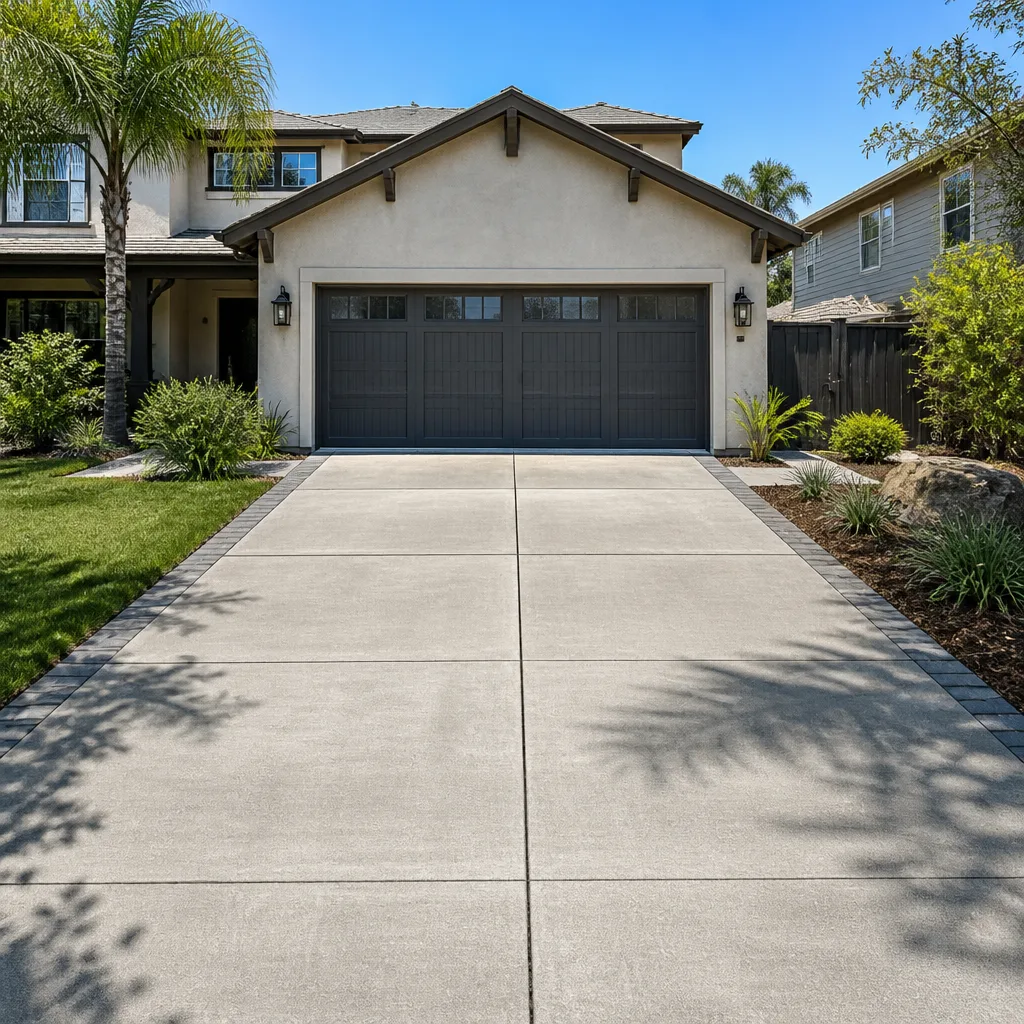
On hillside properties, pavers tend to be the more serviceable choice: if a section of base shifts after a wet season, you reset that section instead of demolishing a slab. On a flat Glendale driveway where budget is the priority, poured concrete is hard to argue with. If you’re weighing the two for a driveway specifically, our Driveway & Pavers in Glendale page covers base prep, slope, and drainage in more detail.
The Glendale Permit Fee Schedule in Dollars
Permit fees are set by the city and assessed by project type. Here are the 2025 adopted rates, which are what Glendale projects submitted in 2026 will generally see, for the most common project types:
- Room addition (400 sq ft): $1,800 – $4,200 in permit fees, depending on valuation and whether structural review applies.
- Accessory dwelling unit (ADU): $2,200 – $5,600, with the range reflecting size, utility scope, and whether the site requires grading or a sewer lateral change.
- Re-roof (single-family): $180 – $520, depending on roof area and whether the existing layers are being removed or recovered.
- Electrical panel upgrade: $140 – $380 for a standard residential service change.
These are fee-schedule figures, not contractor estimates, and they’re paid to the city whether the contractor is us or anyone else. The common mistake is treating them as a rounding error. On an ADU they can approach 5% of the total build cost before the first inspection. Pulling the permit properly and scheduling inspections on time is part of the job, and we build those steps into the written scope. Inspection scheduling lag is one of the quieter costs on a Glendale project: if an inspection window is missed, a crew can sit idle for days, and that idle time has to go somewhere.
Fire-Zone Material Compliance and What It Adds
Glendale’s very high fire hazard severity zones cover a meaningful share of the city, including the hillside areas above Glenoaks and the canyon-adjacent properties off Chevy Chase and Brand. Inside those zones, roof covering, attic venting, exterior wall assemblies, and deck materials are all subject to state and local fire codes, and the cost premium is real:
- Roofing: adds roughly $8 – $14 per square foot on a composition job that moves from standard to Class A assembly with upgraded underlayment.
- Venting: adds $400 – $1,200 per project for ember-resistant attic vents.
- Exterior wall assemblies: adds $10 – $22 per square foot where noncombustible cladding and fire-rated sheathing are required.
We’ve seen bids that quietly leave the fire-zone upgrade off the material line and then “discover” it at inspection, which forces a change order. Under Clause 1 of the Haven Standard, the price is written before anyone starts, and that includes fire-zone compliance if the property is inside a hazard zone. If you’re comparing bids and one looks dramatically cheaper than the others on a hillside property, check whether the fire-rated material line is actually in it.
Labor Variables Specific to Glendale
Labor rates in Glendale carry a few conditions that don’t show up on a national cost guide. These are the ones we plan around on every job:
- Hillside access surcharge. On steep lots, materials have to be staged and carried, concrete trucks may not be able to reach the pour site, and scaffolding costs climb. Expect a surcharge on labor of 10 – 20% on genuinely difficult access.
- Parking and staging constraints. In denser neighborhoods near downtown Glendale, street parking permits, staging restrictions, and material delivery windows add scheduling cost. This shows up as crew hours, not as a separate fee line.
- Inspection scheduling lag. Miss an inspection window and the crew may lose days of productive time. Good contractors schedule inspections ahead and build float into the timeline so a lag doesn’t cascade.
None of these are surprises if the bid is written honestly. They’re surprises when a quote assumes flat-lot access and open street parking in a hillside canyon. Our team has up to 19 years of experience reading these conditions before work starts, which is why the written scope names the access assumptions.
How to Read a Contractor’s Bid for Underspecified Lines
A low bid is usually a bid with missing lines, not a bid with better pricing. Three line items are underspecified most often, and each one comes back as a change order if it isn’t nailed down in the original quote:
- Sheathing grade and thickness. A bid that says “sheathing” without a grade and thickness is a bid that could install 7/16″ OSB where 15/32″ plywood was intended. Ask what the spec is and get it in writing.
- Flashing material. Aluminum, copper, and lead flashing differ in cost and lifespan. A bid that lists “flashing” without a material has left the choice to the crew and the savings to the contractor.
- Insulation R-value. “Insulation included” can mean anything from R-13 batt in a 2×4 wall to a proper Title 24 insulation package. Glendale’s climate zone has specific requirements, and the R-value should be printed on the bid.
When you read a bid, run through those three lines first. If all three are specified with dimensions and brand names, the rest of the bid is likely written honestly too. We also offer a free second opinion on any written estimate: bring a competitor’s quote in and we’ll review it line by line at no charge. If it’s missing something, you’ll know before you sign.
Common Mistakes to Avoid
- Budgeting from a national cost guide. A per-square-foot number blended across the whole country will miss Glendale’s permit schedule, fire-zone scoping, and hillside access costs entirely.
- Forgetting the permit fee line. A room addition’s permit fees can hit $4,200 in Glendale before construction. If they aren’t in the budget, the budget is wrong.
- Assuming a hillside lot costs the same as a flat one. The access surcharge is real and it usually runs 10 – 20% on the labor portion of a hillside job.
- Accepting “flashing” and “insulation included” without specs. Material class, R-value, and sheathing thickness determine the real cost, and a bid that leaves them out has left them to chance.
- Overlooking the fire hazard severity zone status of your property. Check the city’s map before you bid. If you’re inside a VHFHSZ, the roof and wall scope changes, and so does the price.
- Choosing the bid with the lowest number instead of the most specified one. If one bid is $15,000 lower and the other three cluster, read the low one line by line before you call it a bargain.
- Skipping the inspection schedule conversation. Ask how inspections are sequenced and whether float is built in. Missed windows cost money in idle crew time.
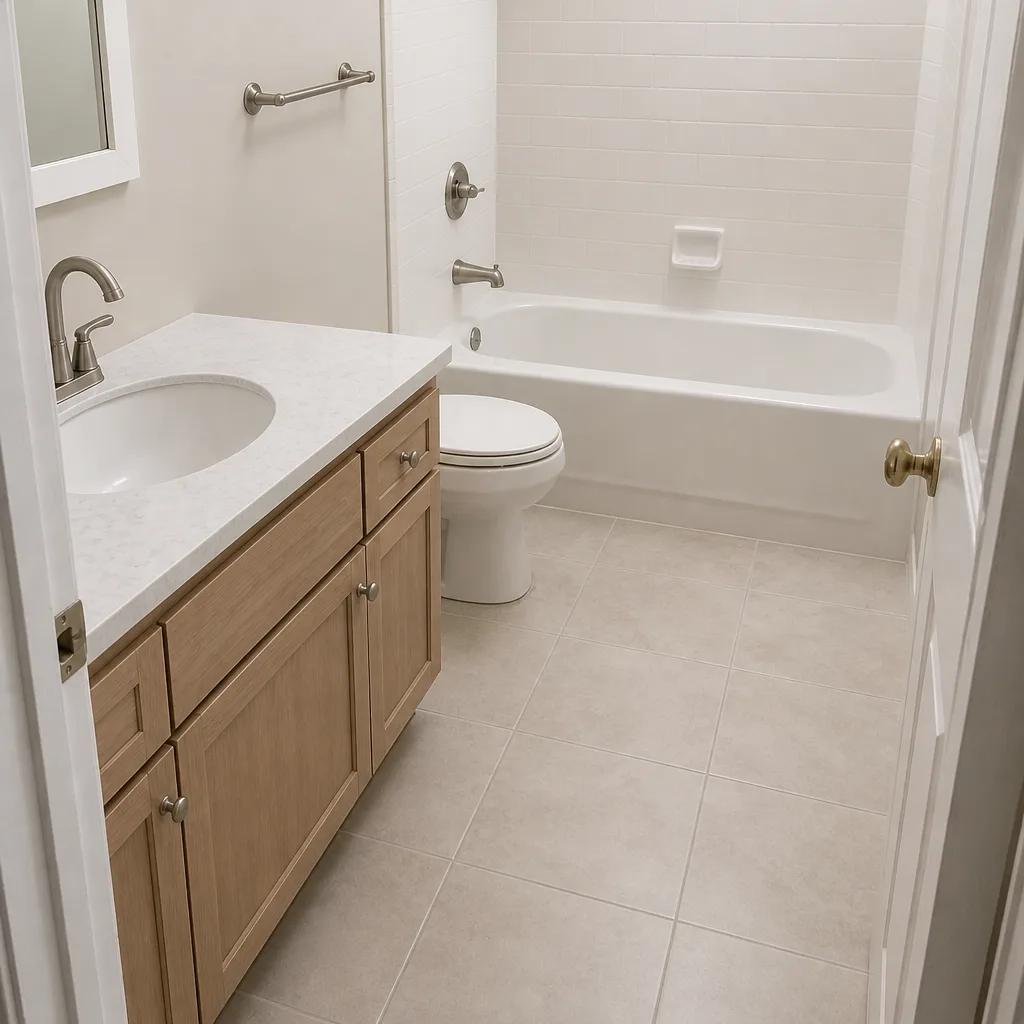
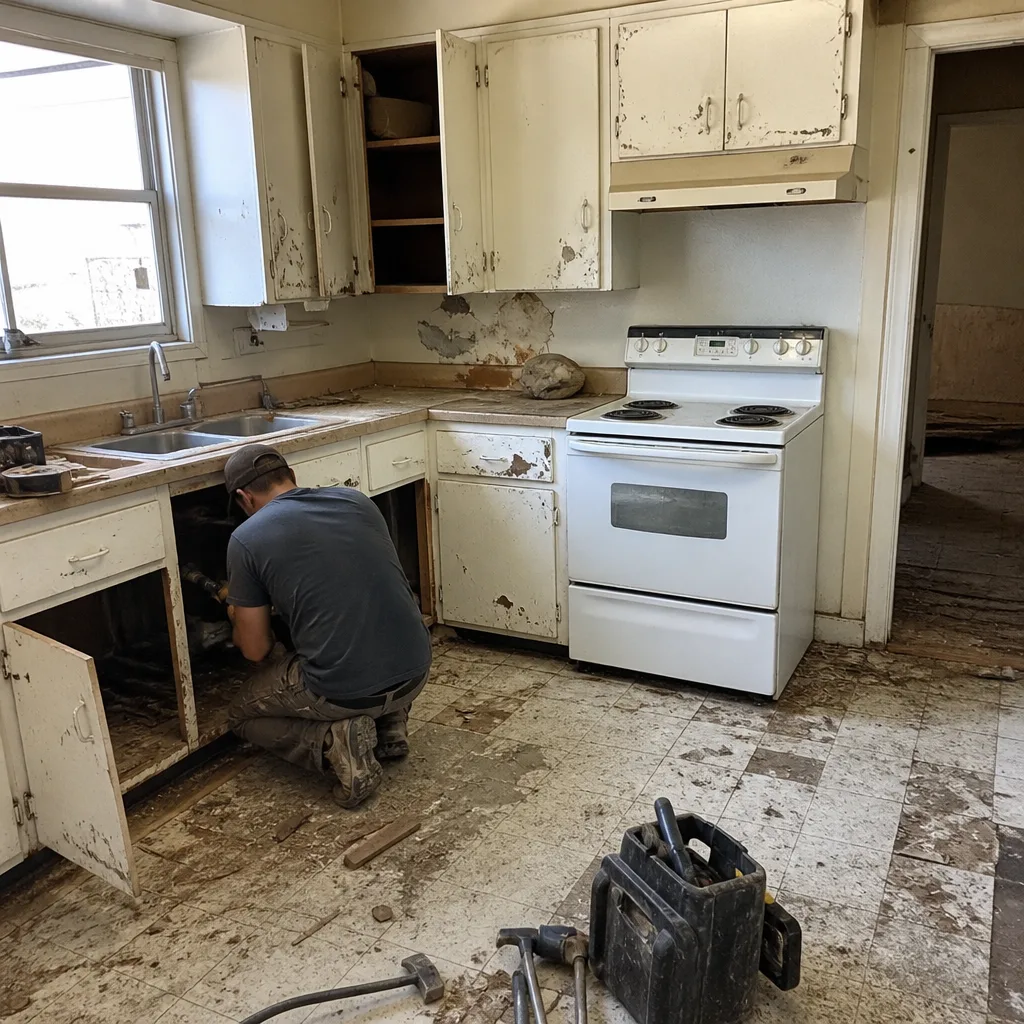
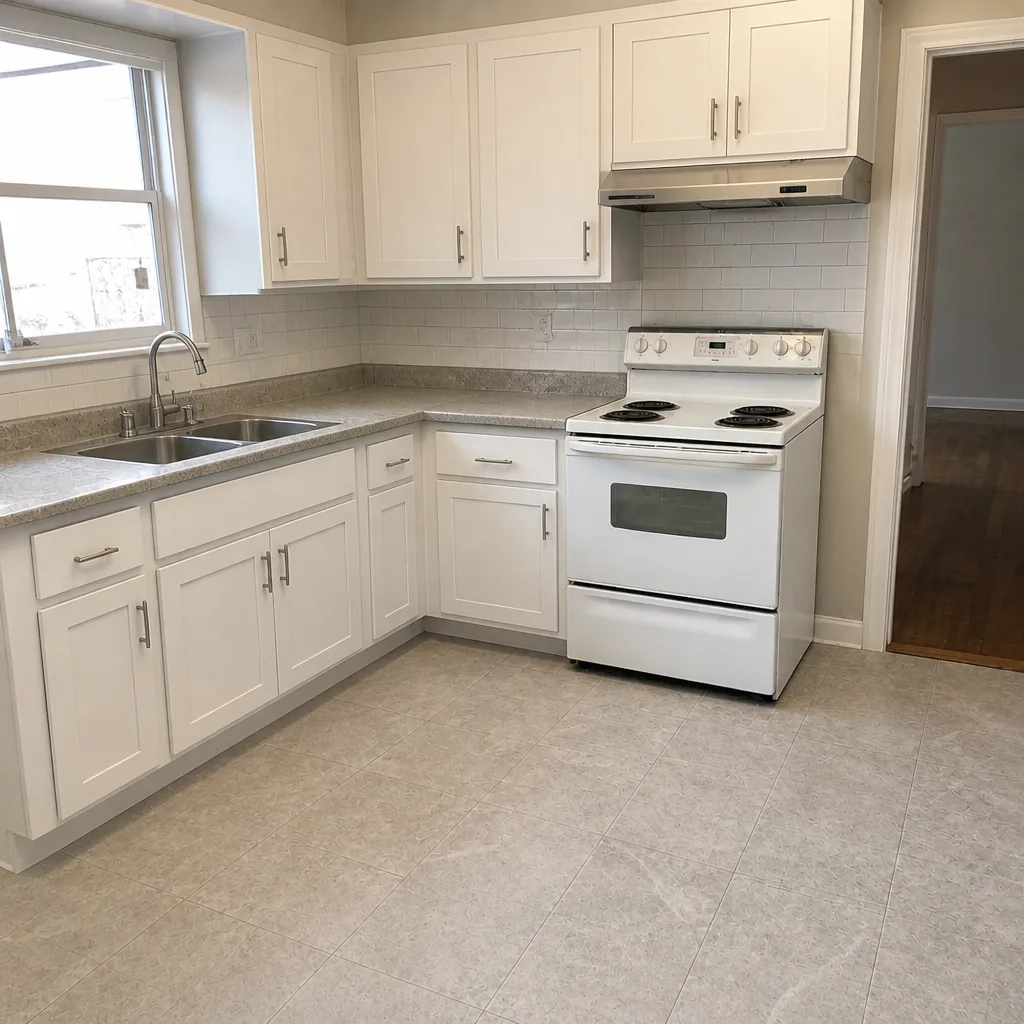
See the difference
 Before
 After
 Before
 After
 Before
 After
When to Call a Professional
Some projects are clearly beyond a homeowner’s scope, and it’s worth being honest about which ones. If the work touches structural framing, load-bearing walls, roof covering, the electrical service panel, or anything inside a fire hazard severity zone where materials are code-restricted, bring in a licensed contractor. Same for hillside grading and drainage, which can quietly undermine a foundation if the base and compaction aren’t done to spec. On anything permitted, the inspection process itself is a reason to use a professional: the contractor handles the schedule, the documentation, and the corrections if anything falls short. Rowan Construction Group Glendale offers free estimates in Glendale. Call (844) 320-5930 to schedule yours, or to bring in a competitor’s bid for a free line-by-line second opinion. If you’re also planning a fence replacement alongside other work, our Fence Installation in Glendale page covers the fence-specific cost breakdown. And if you’re wondering which of the seven residential trades would be involved in your project, the Rowan Construction Group Glendale service pages lay each one out.
Frequently Asked Questions
A standard room addition in Glendale runs $95 – $165 per square foot in 2026, before fire-zone upgrades and hillside access surcharges. Permits add $1,800 – $4,200 for a 400-square-foot addition. Call (844) 320-5930 for an exact quote on your project; estimates are free.
A composition shingle re-roof in Glendale runs $14 – $22 per square foot installed, tile runs $24 – $40, and flat membrane runs $18 – $30. In a very high fire hazard severity zone, expect to sit at the top of the range or above it. Call (844) 320-5930 to get a written price on your roof.
Permit fees are paid to the City of Glendale and are often quoted separately from construction cost, so yes, budget for them as a distinct line. A room addition’s permit fees are $1,800 – $4,200 in Glendale, and an ADU’s run $2,200 – $5,600. Ask any contractor to show you the fee line explicitly before you sign, and call (844) 320-5930 if you’d like us to walk through a bid.
Fire-zone compliance in Glendale’s very high fire hazard severity zones typically adds $8 – $22 per square foot depending on which trade is affected. Roofing, venting, and exterior wall assemblies are the three areas where the increase shows up most. Call (844) 320-5930 if you’re not sure whether your property is inside a hazard zone; we can check before you bid.
Not on a Rowan project without a signed change order. Under Clause 1 of the Haven Standard, the written price is fixed before work begins, and no change proceeds until the customer signs off on it. That’s the discipline that has kept our project costs within a few percent of the agreed number. Call (844) 320-5930 to get a written, line-item quote.
A Glendale room addition typically takes 4 – 7 months from permit issuance to final inspection; an ADU runs 6 – 10 months depending on site work and utility scope. The permit phase itself can add 6 – 12 weeks before construction starts. Call (844) 320-5930 to talk through your timeline and get a realistic schedule in writing.
The Bottom Line
The number that matters in a Glendale construction budget isn’t a single per-square-foot figure. It’s the line items: framing at $12 – $24 per square foot, roofing at $14 – $40 depending on material class, concrete at $9 – $18, and permit fees of $1,800 – $4,200 on an addition. Add $8 – $22 per square foot if your property sits inside a fire hazard severity zone, and add a 10 – 20% labor surcharge on hillside access. When all of those are written out separately, comparing bids becomes possible. When they’re folded into one number, it doesn’t. Get the written price before anyone starts, and read the sheathing, flashing, and insulation lines carefully. If a bid looks cheap, it’s usually missing something. Bring it to us and we’ll tell you what.
Ready to know what your project will actually cost? Call Rowan Construction Group Glendale at (844) 320-5930 to schedule your free estimate. Every quote comes with a flat written price, a written scope, and a written warranty, and no change order moves without your signature.
Written by the team at Rowan Construction Group Glendale.