Last updated November 16, 2026

Free written scope consultation - allowances, timeline, and change-order rules on paper before a single trade is scheduled
The Complete Fence Installation Guide for Glendale Homeowners
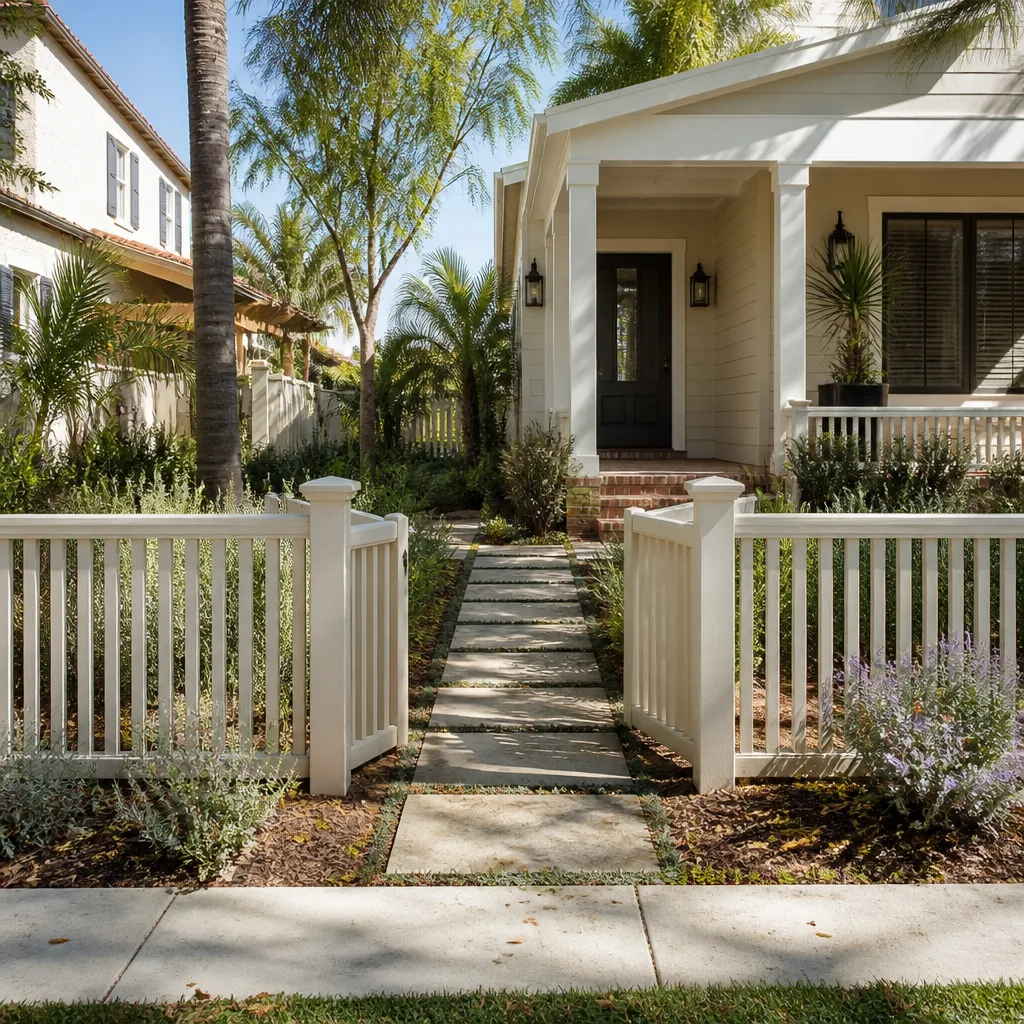
Glendale allows a 6-foot rear-yard fence by right in most residential zones, but if the property sits in a Very High Fire Hazard Severity Zone, a wood fence within 5 feet of a structure may need ember-resistant material under California Building Code Section R327. That single check costs nothing. The rebuild costs $4,000 – $12,000. Between Glendale Municipal Code height limits, LA County fire hazard rules on combustible materials, and HOA covenants where they apply, three overlapping rule sets constrain almost every fence in Glendale. This guide sequences those checks before you spend a dollar on design or sign with a contractor.
Quick Answer
In Glendale, a fence installation runs $28 – $130 per linear foot installed depending on material: pressure-treated wood at $28 – $42, vinyl at $35 – $55, aluminum at $45 – $70, and CMU block at $85 – $130. Before you choose any of those, confirm three things for your parcel: the zoning height limit, the fire hazard severity zone status, and any HOA architectural requirements. A permit application and an accurate boundary survey should precede installation, not follow a complaint.
Styles & brands we work with
- Kitchen remodeling
- Bathroom remodeling
- Home additions & ADU
- Roofing
- Windows & doors
- Driveway & pavers
- Fence
Table of Contents
- The Three Rule Sets That Govern a Glendale Fence
- How to Check Zoning, Fire Zone, and HOA Before You Design
- Material Comparison and Installed Cost Ranges
- Post Footings: Code Minimum vs. Engineered on Hillside Lots
- Permits: Over-the-Counter vs. Plan Check
- Boundary Surveys and Neighbor Notification
- The Installation Process, Step by Step
- What Fence Installation Costs in Glendale
The Three Rule Sets That Govern a Glendale Fence
Most fence problems in Glendale do not come from bad carpentry. They come from a fence that satisfied one rule set and violated another. Before material matters, the site is governed by three layers of regulation that stack on top of each other.
Glendale Municipal Code. Residential zoning limits front-yard fences to 3.5 feet in most zones and rear and side yard fences to 6 feet, measured from finished grade. Corner lots bring sight-distance triangles at intersections, which can push a fence back several feet from the property corner. Hillside and canyon zones carry their own measurement rules.
LA County and state fire regulations. Large parts of Glendale’s foothill neighborhoods – Chevy Chase Canyon, the Verdugo hillsides above Glenoaks, and stretches near Brand Park – sit in Very High Fire Hazard Severity Zones. California Building Code Section R327 governs construction in those zones, and combustible fencing near a structure is where homeowners get caught. An ember-resistant assembly along the first 5 feet from a building is often the difference between passing and rebuilding.
HOA covenants. Glendale has concentrated HOA coverage in parts of north Glendale, La Crescenta-adjacent tracts, and some planned communities near the 134. HOA architectural review can require specific materials, colors, or heights that are stricter than the city code. City approval does not override HOA rules, and the reverse is also true.
The order matters: fire zone first, then city code, then HOA. The first two are legal requirements. The third is a contract you signed when you bought the house. Map all three before design, and every later decision gets simpler.
How to Check Zoning, Fire Zone, and HOA Before You Design
Every check below is free and takes under an hour total. Do this before you collect a single bid, because the answers change what contractors should be quoting.
- Look up your zoning. Go to the City of Glendale’s online parcel and zoning map, enter your address, and note the zone designation (R1, R1R, R2, and so on). Zoning drives the height limit and the setback rules for fences.
- Check the fire hazard severity zone. CAL FIRE publishes an official FHSZ map, and Glendale’s fire department can confirm zone status for a specific parcel. If your parcel is in a Very High FHSZ, review CBC Section R327 with the plan reviewer before choosing wood.
- Pull any recorded CC&Rs. Your title report lists covenants, conditions, and restrictions. If an HOA exists, ask for the architectural guidelines in writing, including the approval process and how long approval takes.
- Confirm the property line. Locate your plat map or previous survey. If neither exists, a record of survey or a lot stake-out from a licensed surveyor is the only reliable boundary evidence. A fence built 3 feet onto a neighbor’s lot is a fence you may pay to move.
- Talk to the neighbor before you design. In California, a fence on a shared boundary is subject to Civil Code rules on boundary fences. A five-minute conversation about height and material prevents most disputes.
If you carry a competitor’s quote and want a second look, you can bring it for a free review. Rowan Construction Group Glendale reviews written estimates line by line at no charge and tells you what the quote did not address, including whether the contractor checked fire zone status at all.
Material Comparison and Installed Cost Ranges
Installed cost is the only number worth comparing. Material price alone hides the labor, posts, concrete, gate hardware, removal of the old fence, and any engineering. The ranges below are installed costs per linear foot in the Glendale market, including standard footings and a walking gate.
| Material | Installed Cost per Linear Ft | Best For |
|---|---|---|
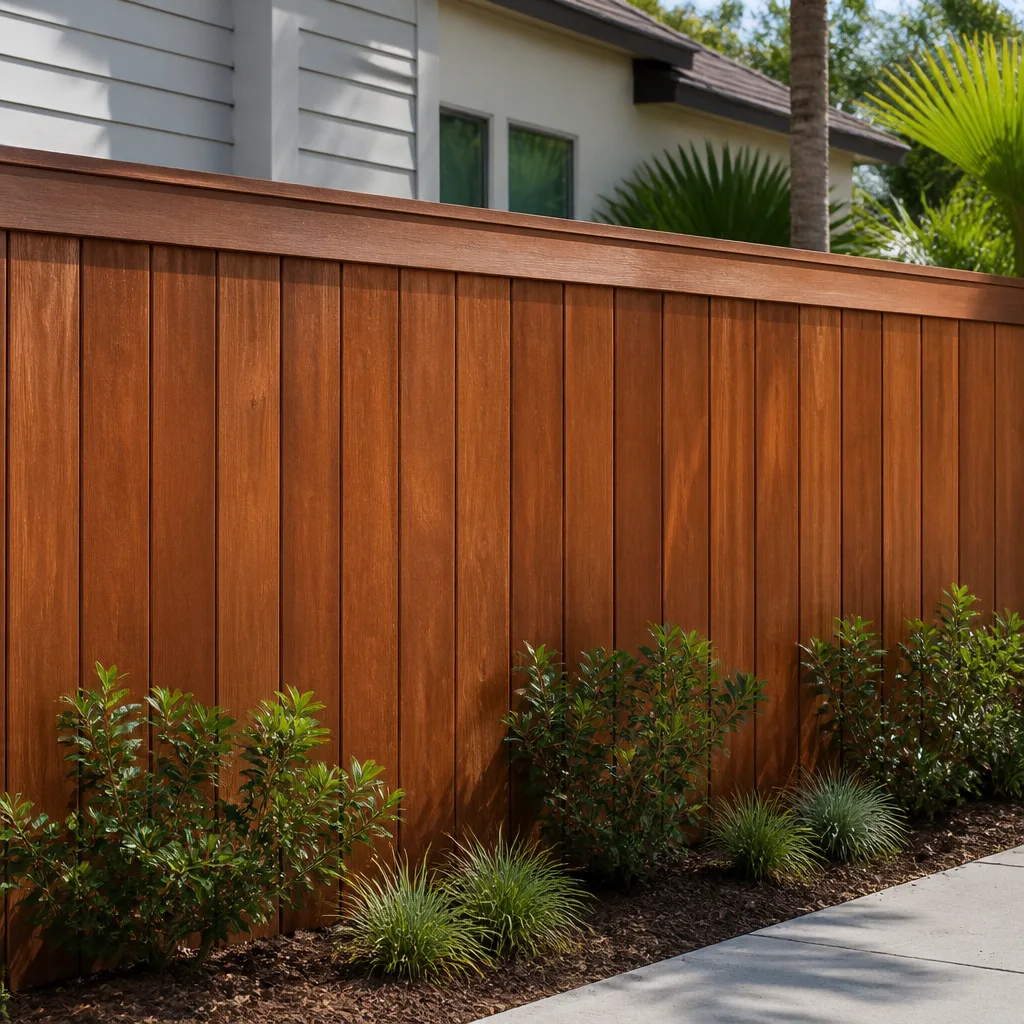
| Pressure-treated wood | $28 – $42 | Rear-yard privacy, lowest upfront cost |
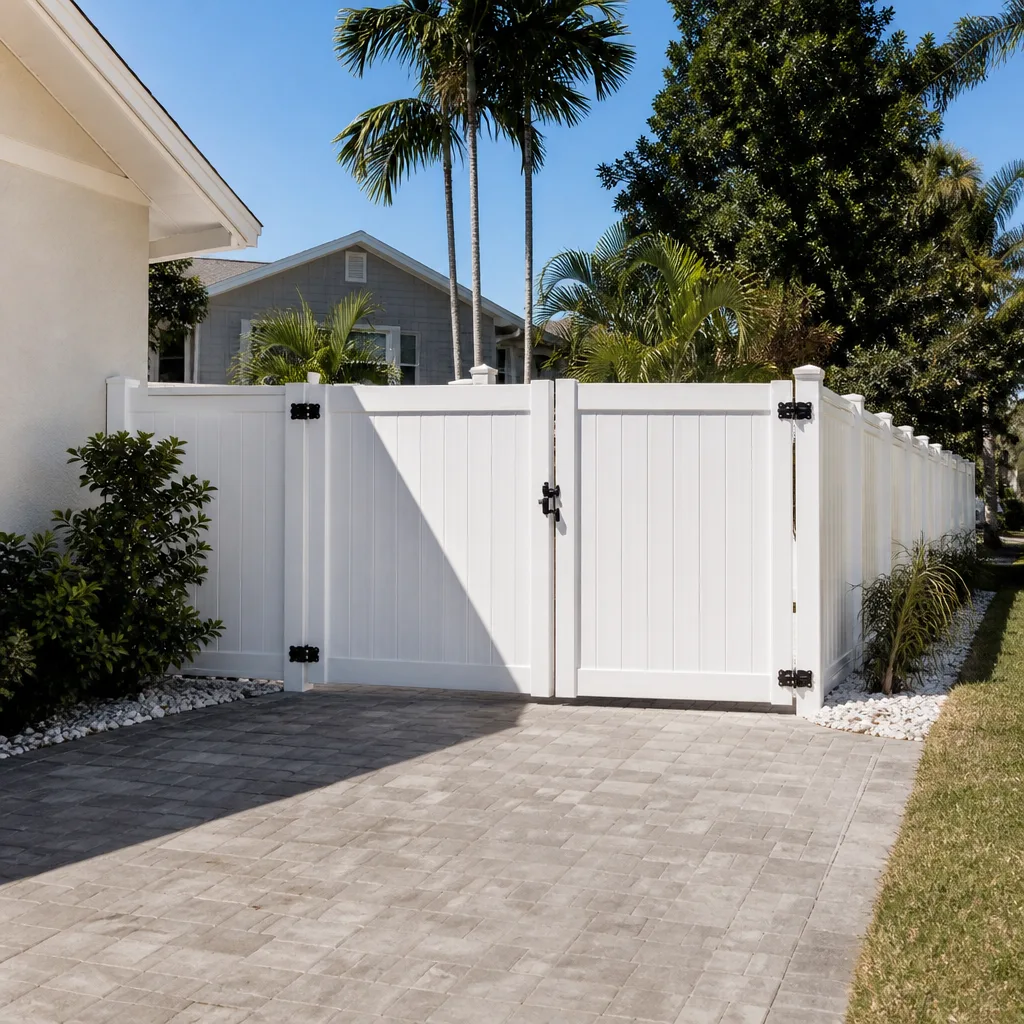
| Vinyl (Bufftech) | $35 – $55 | Low maintenance, consistent color |
| Aluminum (Ameristar) | $45 – $70 | Pool-code fencing, front yards, view corridors |
| CMU block | $85 – $130 | Sound walls, long-term durability, fire-resistant assemblies |
| Composite (Trex) | $40 – $65 | Long spans without maintenance |
Pressure-treated wood remains the standard choice for rear-yard privacy in Glendale. It is also the material that draws the most attention in Very High FHSZ areas, so a wood fence near a structure may need a noncombustible section at the assembly closest to the building. Vinyl systems from Bufftech handle Glendale’s UV load well and never need staining, which matters in a city where summer sun sits on a south-facing fence for eight hours a day. Aluminum from Ameristar is the default for pool enclosures because it meets the non-climbable requirements of the pool safety code and doesn’t rot. CMU block is the most expensive upfront and the least expensive over 30 years, and it is the assembly most likely to pass fire-zone review without modification.
Materials are only half the bid. Composting, termite pressure on wood at grade, and slope all affect the footer. Get the linear footage and the material in writing, then get the footer spec in writing too. That is where bids differ.
Post Footings: Code Minimum vs. Engineered on Hillside Lots
Glendale sits at the edge of the Verdugo Mountains, and the difference between a flat-lot fence and a hillside fence is enormous. On a flat lot, a code-minimum footing is usually enough: a post set in a concrete pier of roughly 24 inches deep and 12 inches in diameter, with the post embedded below the frost line. In Glendale there is no meaningful frost depth, so the depth is set by wind uplift and soil bearing rather than frost.
On a hillside lot, code minimum is often insufficient. Stepped fences on grade changes greater than 12 inches, fences along retaining walls, and fences on slopes above 15 percent should have an engineered footing: a design sealed by a licensed engineer that specifies pier depth, diameter, rebar, and the connection between the post and the pier. On a sloped lot in Chevy Chase Canyon or the hills above Glenoaks, wind exposure and soil movement both load the fence, and a contractor who installs a code-minimum footing anyway is guessing.
Two details we look at on every Glendale property:
- Soil type. Expansive clay present in parts of Glendale moves seasonally. A deeper, wider pier with proper drainage handles it; a shallow one heaves and leans within two years.
- Wind exposure. Fences at the top of a slope and at property corners catch more wind than the lot’s average. A tall privacy fence on an exposed ridge is a sail, and the footing has to be sized for the load, not for the average.
Ask for the footing spec in writing, with the pier diameter, depth, and rebar. If the answer is “standard,” ask standard for what. That question sorts contractors fast.
Permits: Over-the-Counter vs. Plan Check
Most residential fences in Glendale qualify for an over-the-counter permit if they sit in a standard zone, meet the height limit, and don’t require engineering. Over-the-counter means the plans examiner reviews the application at the counter and issues the permit the same visit, usually within a day or two if the application is complete.
The application typically requires a site plan that shows the property lines, the fence location, the height and material, and the distance from the fence to any structure. Include the fire zone determination if the parcel is in a Very High FHSZ. Anything touching a retaining wall, a slope, or the fire-zone exception triggers plan check, which is a longer review with a submittal and comments cycle that adds weeks, not days.
What triggers plan check in Glendale:
- A fence on a retaining wall or acting as a guardrail above a drop.
- Engineering required for footings on steep slopes.
- Fences over the standard height limit that require a variance.
- A fire-zone assembly that the reviewer wants calculated rather than selected from a prescriptive table.
A permit is not paperwork theater. It is the record that a fence was built to the rules, and it is the reason a neighbor’s complaint or a future sale inspection doesn’t turn into a removal order. Under Clause 1 of our pricing discipline, the price you sign is the price before the permit is pulled, and any change to scope waits for a signed change order. No work proceeds on a difference until that signature is on the page. If your contractor cannot say whether your property is in a fire zone, that is a question you can answer yourself in ten minutes, and it should be answered before the first bid.
Boundary Surveys and Neighbor Notification
A boundary survey is legally required when the true property line is not established by a recorded map or prior survey, or when the fence sits close enough to the line that the location matters and the record is ambiguous. In Glendale, where lots in neighborhoods like Adams Hill and Sparr Heights were platted decades apart and some markers have been lost, that ambiguity is common.
The arithmetic here is simple. A lot stake-out from a licensed surveyor runs roughly $500 – $1,200 depending on the parcel. Moving a completed fence 3 feet off the property line, after a neighbor complains and the city confirms the encroachment, runs $8,000 and up on a typical run. Skipping the survey is the single most expensive shortcut in this guide.
Neighbor notification is the other half of the same problem. California law sets out the obligations for boundary fences, and the practical version is this: tell your neighbor what you are planning, in writing, with a simple sketch showing where the fence sits. Take the conversation in writing so both sides have the same record. If the fence is on the boundary, both neighbors typically share the cost of a standard boundary fence under Civil Code section 841, unless the existing fence was already paid for by one party. A conversation before the posts go in saves more than it costs.
The full picture of how fences fit with the rest of exterior work lives on our Fence Installation in Glendale service page. If the project also touches the driveway approach or a side yard gate, the paving plan and the fence plan should be drawn together rather than sequenced by accident.
The Installation Process, Step by Step
A fence built to hold in Glendale’s wind and sun runs in a fixed sequence. Compressing it is where problems start.
- Confirm the three rule sets. Zoning, fire zone, and HOA are checked first, in that order, and documented in the file.
- Locate the boundary. Surveyor stake-out, plat map, or recorded monument record, with the line marked physically.
- Design and price the assembly. Material, height, footing spec, and hardware are written into a flat price before work begins.
- Submit the permit. Over-the-counter where eligible; plan check where the drainage, slope, or fire-zone assembly triggers it.
- Remove and dispose of the old fence. Haul-off included in the quote, not added at the end.
- Set the posts. Piers dug, rebar placed, concrete poured, posts braced and cured before any panels go up.
- Hang the panels and set the gates. Rails, pickets, and gate hardware installed; the gate swings true or it gets adjusted before anyone leaves.
- Final inspection and walkthrough. Signed permit card, photo record of the finished install, and written warranty.
Bids that skip steps 1, 2, or 4 are consistently the lowest number. They become the most expensive fence when the correction lands on the owner. Under the 365-Day Done Right Promise, if something we installed isn’t right, we make it right. That promise is on the page, backed by written terms.
What Fence Installation Costs in Glendale
By the numbers, the installed cost of a typical Glendale fence breaks out as follows. These are line-item ranges, not totals, because the total depends on linear footage and site conditions.
- Material and panels: $28 – $42 per linear ft for pressure-treated wood; $35 – $55 for vinyl; $45 – $70 for aluminum; $85 – $130 for CMU block.
- Post footings: included in standard pricing; engineered footings on hillside lots add $100 – $250 per post depending on depth and rebar requirements.
- Permit fees: set by the city and vary with the scope; confirm current fee schedule with Glendale’s permit counter.
- Old fence removal and haul-off: typically $4 – $8 per linear ft, included in a written quote, never added after.
- Gates: a standard pedestrian gate usually runs $350 – $900 installed; driveway gates are a separate quote.
- Boundary survey: roughly $500 – $1,200 from a licensed surveyor, when the line isn’t already established.
Add the exterior paving plan when the project is bigger than a fence. If the side yard or driveway approach is being redone at the same time, Driveway & Pavers in Glendale covers how the two scopes sequence so neither contractor is undoing the other’s work. Homeowners who are planning a rear addition or ADU should map the fence around the intended structures first. See Home Additions & ADU in Glendale for how setbacks and hillside rules affect the rear yard layout.
Common Mistakes to Avoid
- Designing before checking the fire zone. In Chevy Chase Canyon and the Verdugo hills, a wood fence within 5 feet of the house can require an ember-resistant assembly. Design first and rebuild later, and the correction is on your side of the ledger.
- Choosing a fence without a survey. A $500 stake-out prevents an $8,000 relocation. The survey happens before the deposit, not after the neighbor complains.
- Assuming HOA and city approval are the same thing. A city permit is not HOA approval. In north Glendale and the La Crescenta-adjacent tracts, architectural guidelines are often stricter than the code, and the fence has to satisfy both.
- Accepting a “standard” footing on a slope. Glendale hillsides load a fence differently than a flat lot in Adams Hill. Ask for the pier depth, diameter, and rebar in writing, and get an engineered design if the grade changes more than 12 inches within the run.
- Skipping neighbor notification. A fence on the boundary involves shared obligations. The conversation is cheap; the dispute is not.
- Ignoring the termite and moisture reality. Pressure-treated wood is the right call at grade in Glendale, but the post bases and drainage matter as much as the treatment. A concrete pier with a post base that keeps wood out of the soil lasts years longer than a post sunk directly in the ground.
- Comparing material prices instead of installed prices. The material price is the easy number to compare and the least useful. Compare installed per-linear-foot numbers with footings, removal, and gates included.
See the difference
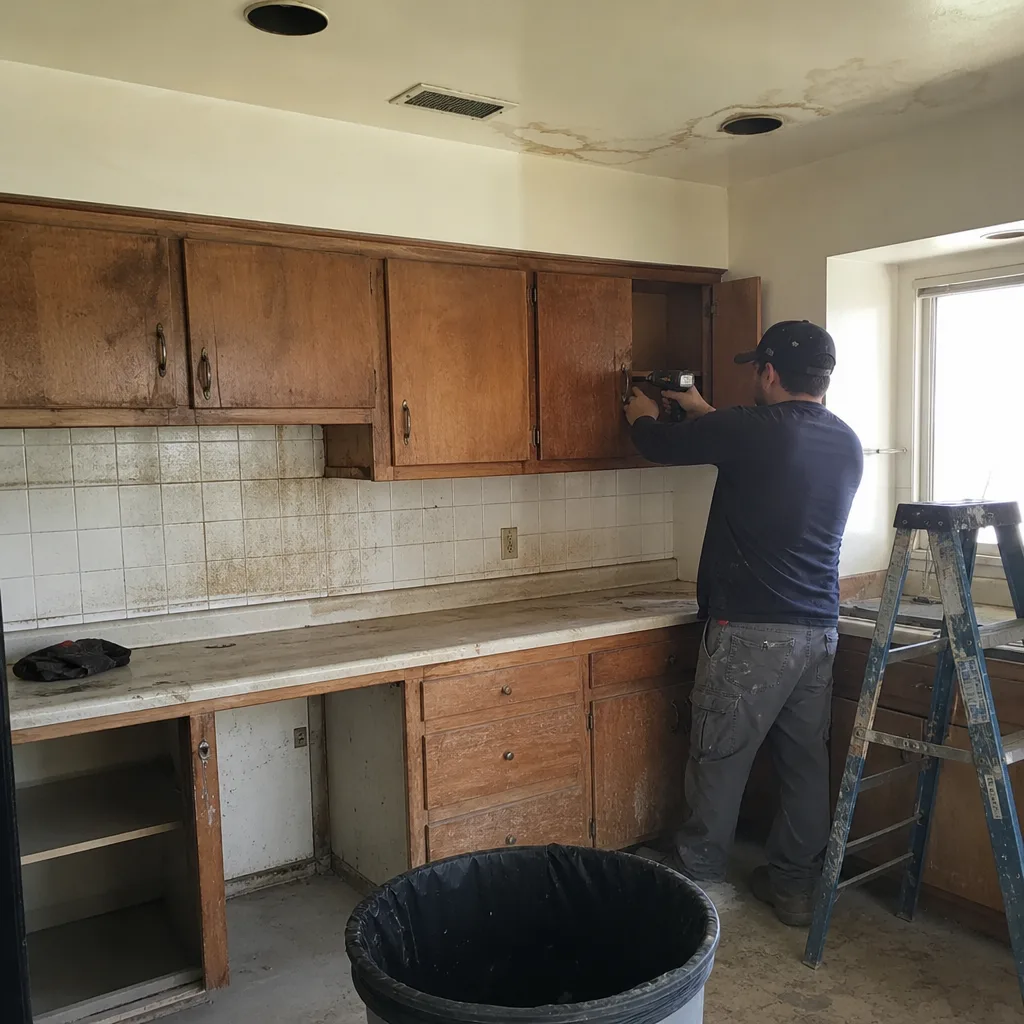 Before
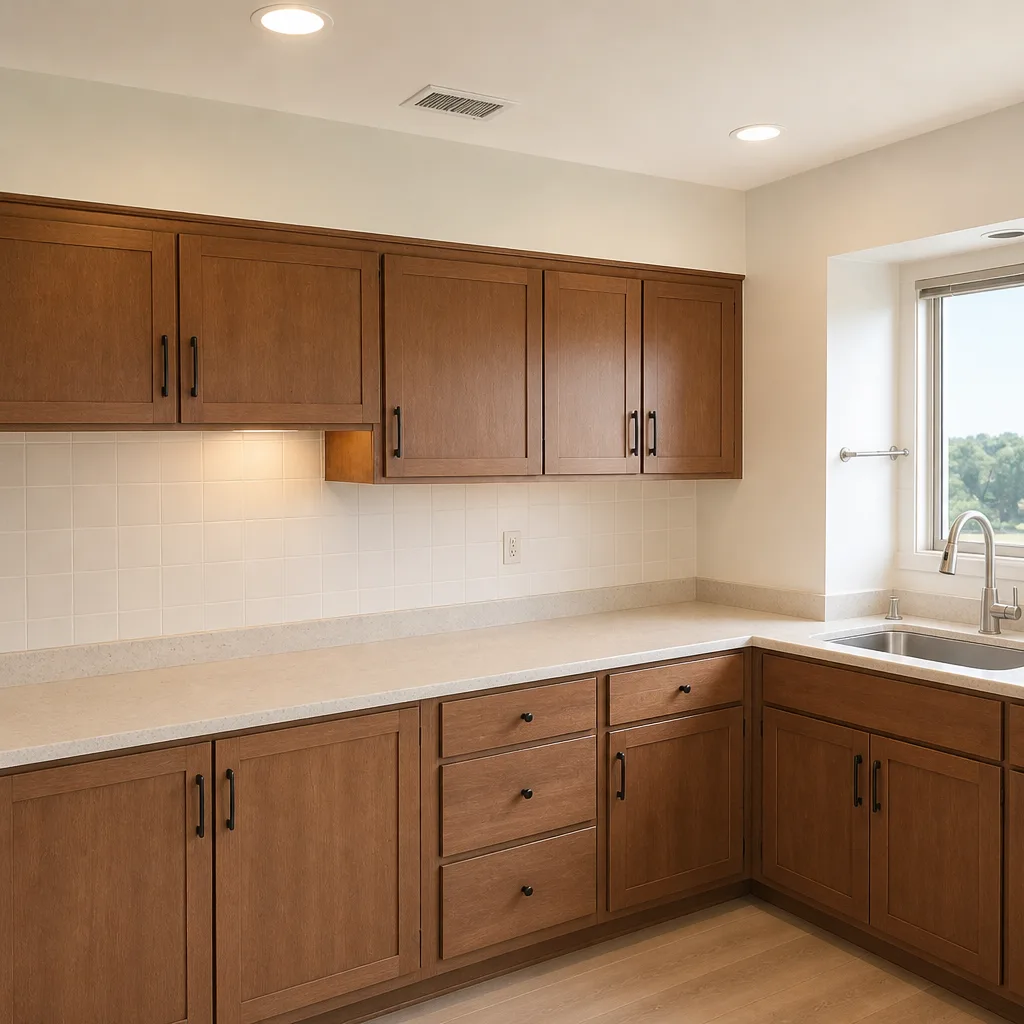 After
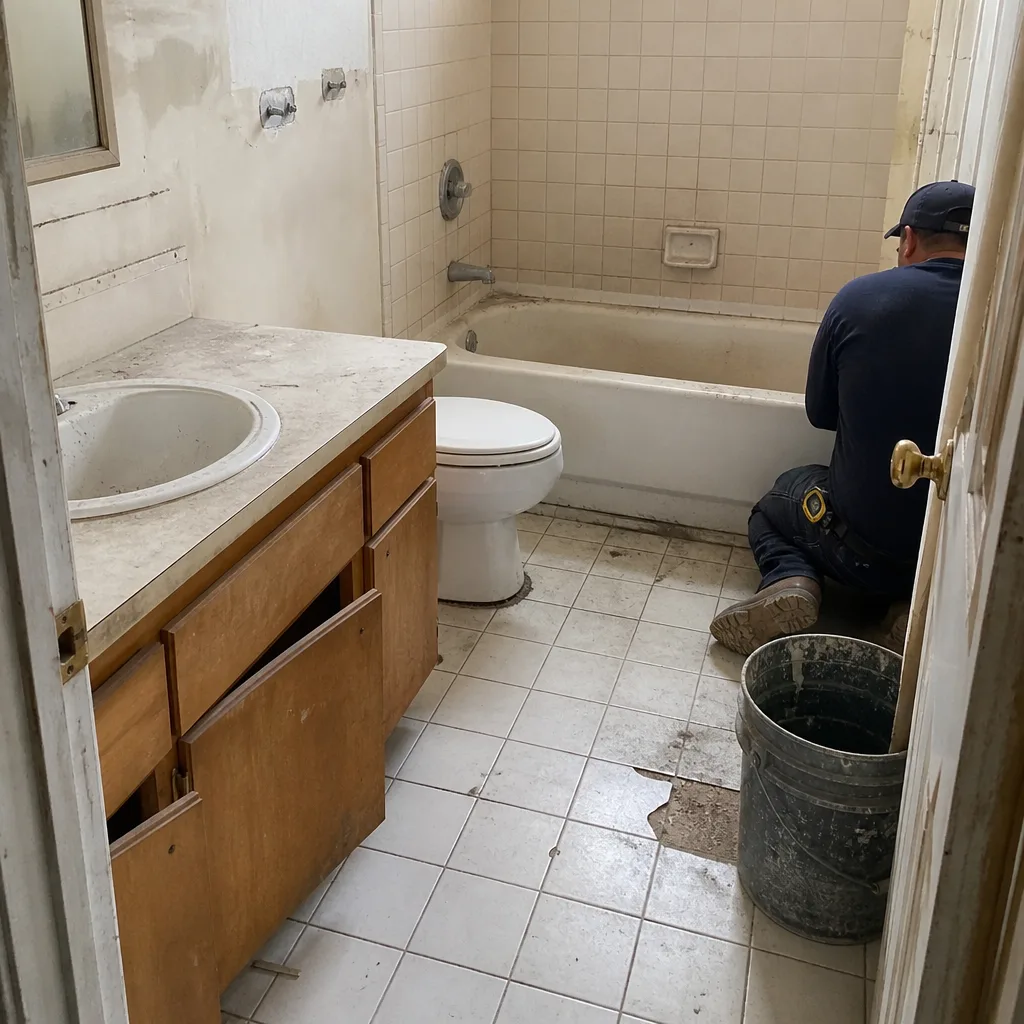 Before
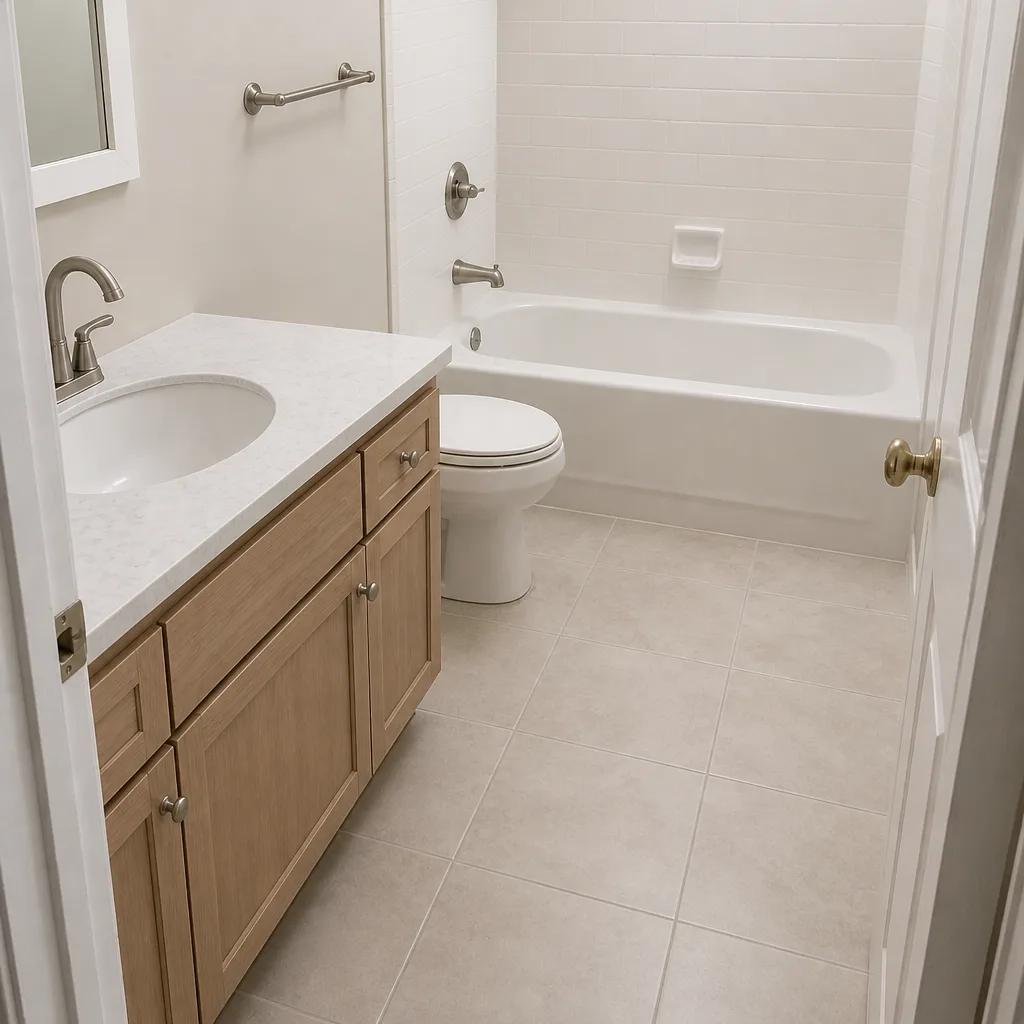 After
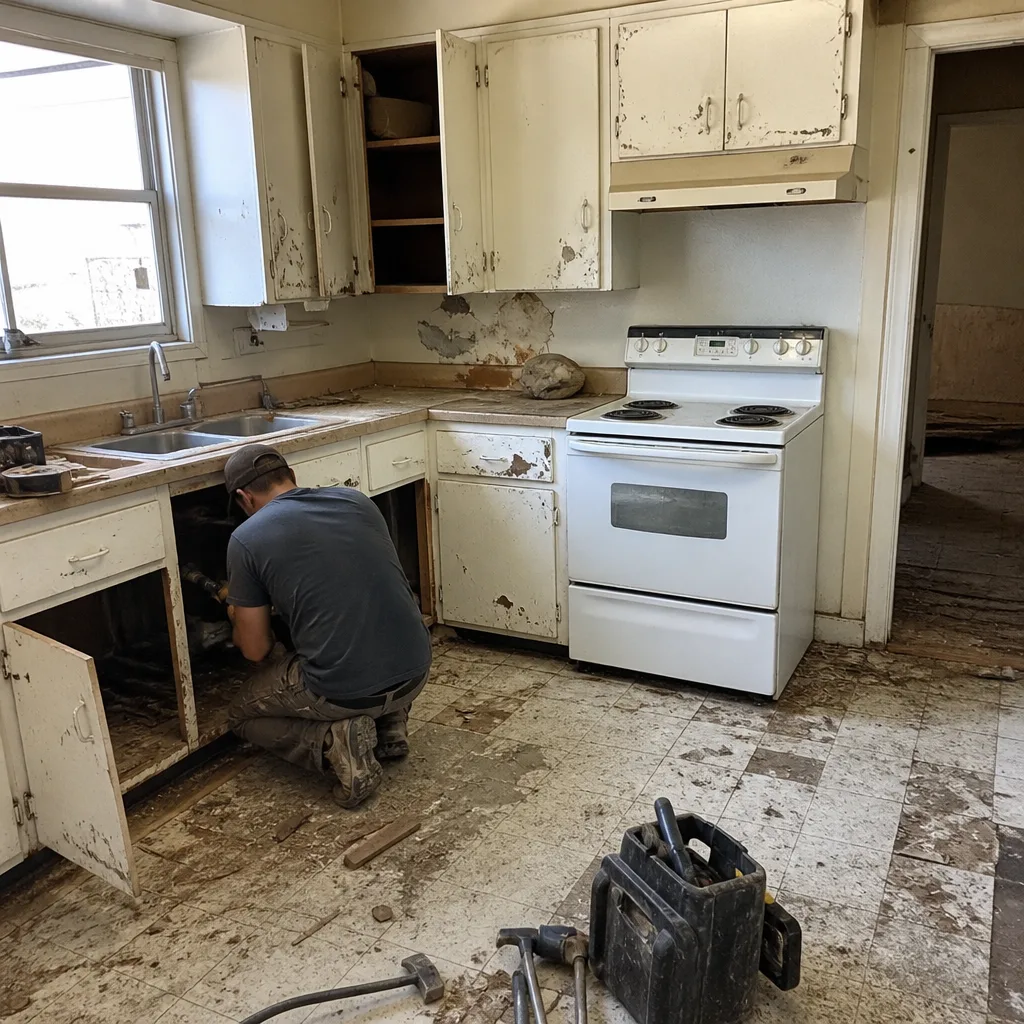 Before
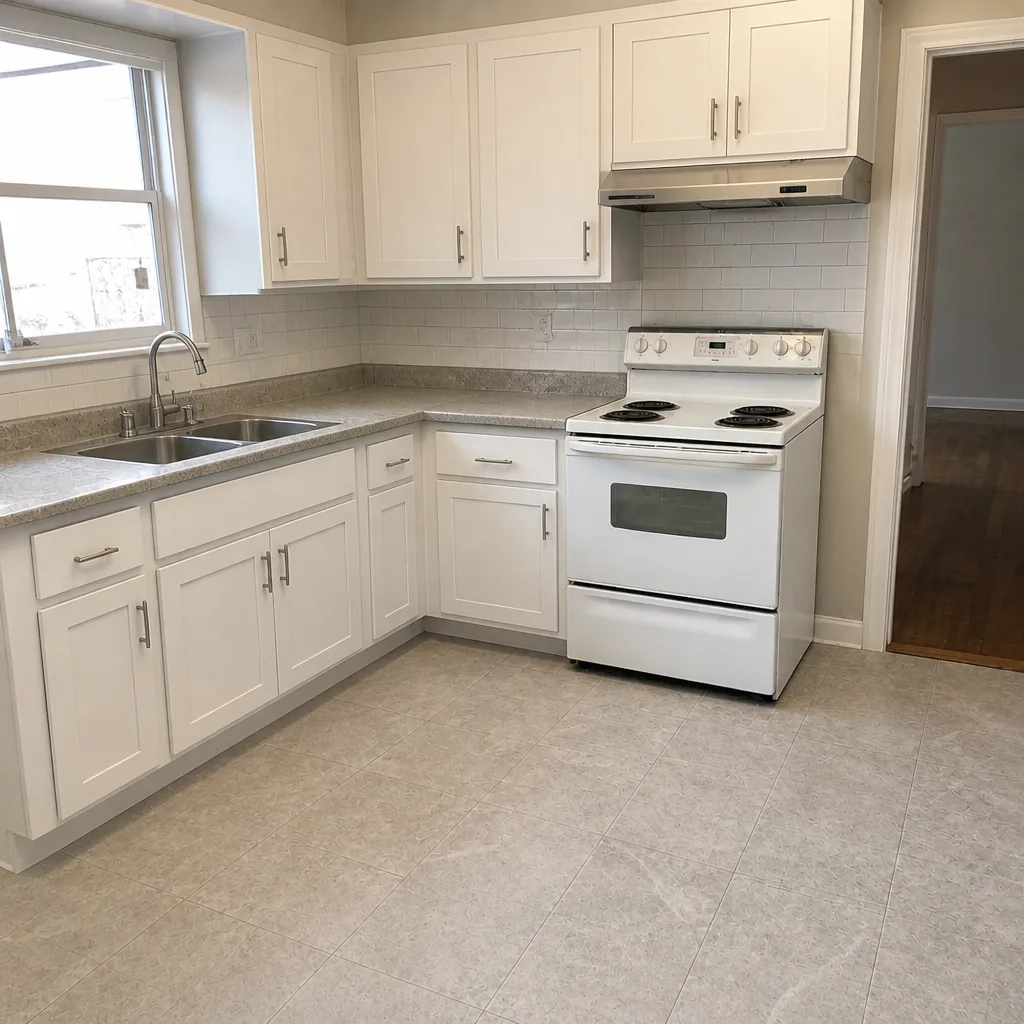 After
When to Call a Professional
A short fence on a flat lot is well within reach for an experienced homeowner. The moment the project intersects with any of the following, a licensed contractor and a written quote are worth having: a parcel in a Very High Fire Hazard Severity Zone, a hillside grade above 12 inches of change, an HOA with architectural review, a fence on or near a retaining wall, a boundary question without a recorded survey, or a total run over about 100 linear feet. Those are the conditions that drive permits, engineered footings, and inspections, and those are the conditions where an unpermitted installation becomes a liability at resale. Rowan Construction Group Glendale offers free estimates in Glendale and can review a competitor’s written quote line by line at no charge. Call (844) 320-5930 to schedule yours.
Frequently Asked Questions
Most Glendale fence installation runs $28 – $130 per linear foot installed, depending on material. Pressure-treated wood runs $28 – $42 per linear foot, vinyl $35 – $55, aluminum $45 – $70, and CMU block $85 – $130. Engineered footings, boundary surveys, and gate hardware are quoted separately and should be line items in any written quote. Call (844) 320-5930 for an exact quote; estimates are free.
Yes, in most cases. A residential fence in Glendale generally requires a permit, and if it meets height limits in a standard zone with no engineering it is usually over-the-counter. Fences on retaining walls, on steep slopes, over the height limit, or requiring a fire-zone assembly go to plan check, which takes longer. Call (844) 320-5930 and we’ll tell you which track your property is on.
Rear and side yard fences are typically limited to 6 feet and front-yard fences to 3.5 feet in most residential zones. Corner lots add sight-distance requirements at the intersection, and hillside and canyon zones have their own measurement rules. Your zoning designation is the first thing to confirm, and the city’s parcel map gives you the answer in minutes.
Sometimes. If your parcel is in a Very High Fire Hazard Severity Zone, California Building Code Section R327 can require ember-resistant construction, and a wood fence within 5 feet of a structure is the typical trigger. Large parts of Glendale’s foothill and canyon neighborhoods fall into that zone. Check your parcel’s fire zone status before you choose the material, because revising a design is free and rebuilding a fence is $4,000 – $12,000.
Not without a signed change order. Our approach is a flat written price with a written scope before any work starts, and no work proceeds on a change until the change order is signed. That discipline is why our projects finish within a few percent of the agreed number. A contractor who cannot show you a fixed written price before the posts go in is quoting an estimate, not a price.
Yes. A boundary fence involves shared obligations under California Civil Code, and we’re happy to quote the shared portion as one line item so both households see the same number. Bring the survey or the plat map, and if the line isn’t established, a licensed surveyor’s stake-out comes first. Call (844) 320-5930 to schedule a walkthrough with your neighbor present.
The Bottom Line
Fence installation in Glendale comes down to sequence. Check fire zone, zoning, and HOA before you design. Get a survey if the line isn’t already recorded. Get the footing spec in writing, and demand an engineered design on a hillside lot. Compare installed prices, not material prices, and insist on a fixed written quote before anyone digs a hole. The rules that make a Glendale fence complicated are also the ones that protect the investment, and the homeowners who check them first are the ones who never have to rebuild. If you want the checks done for you and the number in writing before work starts, we’re a phone call away. Everything else is available from our Rowan Construction Group Glendale home page.
Call (844) 320-5930 for a free estimate. We’ll walk the property, document the conditions with photos, and put the price and scope in writing before any work begins.
Written by the team at Rowan Construction Group Glendale.