Last updated November 16, 2026
Free written scope consultation - allowances, timeline, and change-order rules on paper before a single trade is scheduled
The Complete Home Additions & ADU Guide for Glendale Homeowners
California state law says you have the right to build an ADU on most residential lots. Glendale’s hillside overlay zones, its lot-specific setback rules, and the fire-resistive construction requirements in the Very High Fire Hazard Severity Zones determine what that ADU can actually look like, where it can sit, and what it will cost to build. Those details live in the Glendale Municipal Code and the Community Development Department’s plan check counter, not in any statewide guide you’ll find online. This guide maps the actual path a Glendale homeowner walks, from the first lot survey to the certificate of occupancy, with the numbers and the approval sequence in the order they happen.
Quick Answer
In Glendale, a detached ADU typically costs $180,000 to $320,000 in 2024 dollars for 600 to 1,000 square feet, an attached ADU runs $150,000 to $280,000, and a JADU (junior ADU, a conversion of existing space inside the main house) lands between $75,000 and $130,000. Plan review at Glendale’s Community Development Department usually takes 8 to 14 weeks from submittal to permit, longer if your lot sits in a hillside overlay zone or a fire hazard severity zone. State law under AB 68 and SB 9 preempts many local objections, but not Glendale’s hillside, fire, or historic-district standards.
Styles & brands we work with
- Kitchen remodeling
- Bathroom remodeling
- Home additions & ADU
- Roofing
- Windows & doors
- Driveway & pavers
- Fence
Table of Contents
- What Glendale’s Zoning Actually Allows for an ADU
- The Three ADU Types Available in Glendale, With 2024 Costs
- How AB 68 and SB 9 Interact With Glendale’s Local Rules
- Utility Connection Costs Glendale Homeowners Underestimate
- The Glendale Permit Timeline, Step by Step
- Plan Check Items Glendale Flags Most Often
- Home Additions Beyond the ADU
- Common Mistakes to Avoid
What Glendale’s Zoning Actually Allows for an ADU
Glendale’s ADU ordinance follows state law on the big items, but the city retains authority over lot coverage, floor area ratio, and the hillside and fire overlays. On a standard R1 lot, you can build one detached ADU of up to 1,200 square feet and one JADU, and the ADU is exempt from the 50% floor area ratio cap that applies to the primary house. On an R2 lot, the same single ADU is allowed, but the second unit doesn’t get the same by-right treatment unless it qualifies as a state-mandated second unit. Lot size affects setback and height: on lots under 5,000 square feet, Glendale allows 4-foot side and rear setbacks for a detached ADU where a standard house would need more.
The hillside overlay zone is where Glendale departs hardest from the statewide playbook. Properties above a certain slope percentage trigger additional review: grading plans, retaining wall engineering, and a geologic or soils report if the site has been previously graded or shows instability. In our experience working Glendale hillside properties in Chevy Chase Canyon and the Verdugo Woodlands, the soils report alone adds four to six weeks and $3,000 to $6,000 to the front end of the project. Budget for it before you draw the plan.
Fire zone overlays matter just as much. Most of Glendale north of the 134 freeway sits in a Very High Fire Hazard Severity Zone, and the fire department reviews ADU plans separately from the building department. Fire-resistive construction requirements in these zones include Class A roofing, ember-resistant vents, and noncombustible siding within the first five feet of the structure. None of that appears in a generic ADU template. For the broader picture of how we handle additions across the city, see our Home Additions & ADU in Glendale page.
The Three ADU Types Available in Glendale, With 2024 Costs
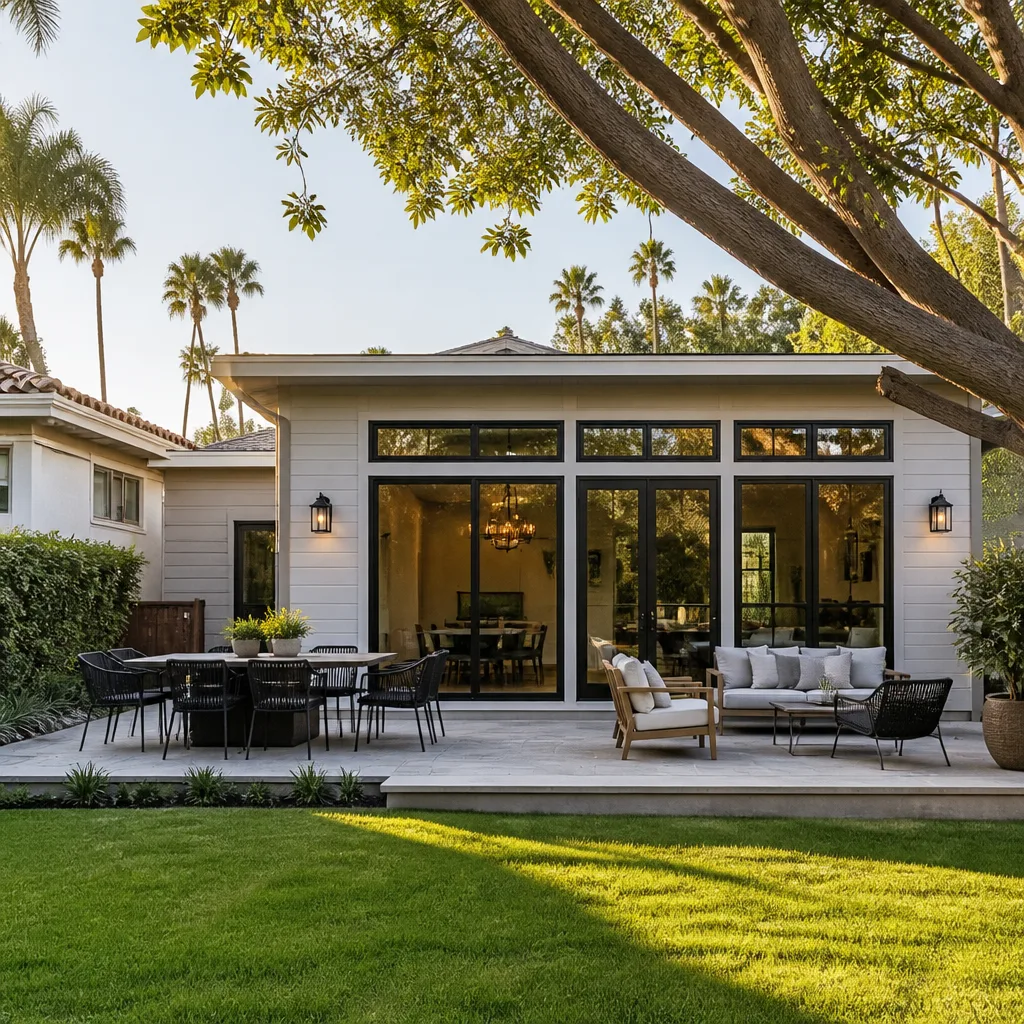
Glendale allows three distinct ADU types, and the cost difference between them is large enough that the choice should be made on the numbers, not a preference for detached. Here’s what we’re seeing in 2024 dollars for a Glendale build, including design, permits, utility connections, and finishes at a mid-grade level.
- Detached ADU (new construction): $240 to $340 per square foot. A 700-square-foot unit lands around $180,000 to $240,000. Detached units still need a full foundation, new utility runs, and separate address.
- Attached ADU (new construction tied to the main house): $210 to $290 per square foot. A 600-square-foot attached unit runs $150,000 to $200,000 because you reuse the existing foundation edge and some utility capacity.
- JADU (conversion of existing space): $75,000 to $130,000 for a conversion of an existing bedroom or garage. A JADU is limited to 500 square feet, must have an efficiency kitchen, and can share the main house’s bathroom if the door arrangement works.
The garage conversion is where Glendale homeowners get the most for the least money, but only if the garage is not needed for parking and the existing slab and walls meet current code. Many Glendale garages built before 1980 have a slab that won’t carry a habitable floor without a new pour, which can add $12,000 to $20,000 and erase the savings. We verify slab thickness and wall condition before pricing a JADU for this exact reason. Cabinets and counters in the JADU’s efficiency kitchen are typically KraftMaid or Wellborn, with Caesarstone or Silestone counters at the price point most Glendale owners choose.
How AB 68 and SB 9 Interact With Glendale’s Local Rules
AB 68 (2019) and the later SB 897 (2022) amendments stripped cities of most of their ability to deny ADUs outright. Under current state law, Glendale must approve a conforming ADU ministerially, meaning no public hearing and no discretionary review, within 60 days of a complete application. The city also cannot impose minimum lot size, minimum square footage, or owner-occupancy requirements on most ADUs. That’s the part of state law that overrides local objection.
SB 9 (2021) is a separate law and it works differently. SB 9 allows a lot zoned for single-family housing to be split into two lots and to hold up to two units per lot, but only if the project meets the law’s specific standards: the lot must be in a single-family zone, the resulting lots must each be at least 40% of the original size and no smaller than 1,200 square feet, and the units can’t be used for short-term rental. Here’s where Glendale’s local amendments survive state preemption:
- Historic districts: Glendale can still deny an SB 9 lot split in a designated historic district, and the city has several. Check the property against the city’s historic resources survey before assuming SB 9 applies.
- Fire hazard zones: The city can require fire-resistant design and brush clearance, and it can deny an SB 9 split where the site can’t meet those standards. This is legal under the statute.
- Hillside and slope: A lot with more than a certain grade falls outside the SB 9 by-right pathway and requires discretionary review. This is the single most common reason a Glendale hillside lot fails to qualify for SB 9.
- Tenant protections: SB 9 requires the owner to sign an affidavit that they intend to occupy one of the units for at least three years, and it bars demolition of rent-controlled units. Glendale enforces both.
What state law does not override: the building code, the fire code, the utility connection requirements, or the permit fees. Those are the same regardless of which statute you build under. For driveway access and site work that often gets bundled into a Glendale ADU project, our Driveway & Pavers in Glendale page shows how that scope is priced separately from the ADU itself.
Utility Connection Costs Glendale Homeowners Underestimate
The single biggest surprise in a Glendale ADU budget is the utility work. A detached ADU needs its own water, sewer, and electrical service, and Glendale Water & Power (the city’s municipal utility, not LADWP or SoCal Edison) sets the connection fees and the process. Homeowners routinely budget $5,000 for utilities and find out it’s closer to $18,000. Here’s where the money goes:
- Separate electric meter (Glendale Water & Power): $3,500 to $6,500 including trenching, conduit, meter panel, and the utility’s connection charge. A JADU can share the main meter and skip this entirely.
- Water service tap and meter: $2,800 to $5,200. Glendale Water & Power requires its own meter at the property line for a detached ADU. Trenching distance from the main matters.
- Sewer lateral capacity assessment: $1,200 to $3,000. If the existing lateral is clay or was installed before 1970, Glendale Public Works may require a video inspection and possibly a new lateral, which adds $8,000 to $15,000.
- Storm drainage and grading: $3,000 to $8,000 on hillside lots. Glendale hillside properties often need a new drainage swale or catch basin to redirect runoff away from the ADU footing.
The sewer lateral is where projects stall. A pre-1970 clay lateral under a mature Glendale lot may pass a video inspection but fail a capacity test once you add a second dwelling’s fixtures. Get the video inspection before you finalize the ADU plan, not after. We flag this in every Glendale ADU estimate we write, and we’ve seen it turn a $210,000 project into a $228,000 one on the day the plumber ran the camera. Under the Haven Standard, that change never happens mid-job without a signed change order, but it’s better to have the disposal scoped up front so the number on the page is the number you pay.
The Glendale Permit Timeline, Step by Step
Glendale’s permitting process moves in a defined sequence, and each step has a realistic duration that first-time builders get wrong. The sequence below is what we actually see on a typical Glendale ADU, not the published minimum. These dates shift if your project lands in a hillside zone or fire zone, both of which add review time.
- Pre-application meeting with Community Development (1 to 2 weeks): Bring a site plan, parcel number, and zoning designation. This is where you learn which overlay zones apply.
- Lot survey and site plan by a licensed surveyor (2 to 4 weeks, $1,500 to $3,500): Required before you can draw a compliant plan. You need the topography and the actual lot lines, not the assessor’s map.
- Design and engineering (6 to 12 weeks): Architectural plans, structural engineering, Title 24 energy calculations, and a soils report if the lot is hillside. Fire-resistant detailing if the lot is in a fire zone.
- Plan check submittal to Community Development (week 1 of the clock): You submit the full package. Glendale routes it to planning, building, fire, and public works.
- Plan check review (8 to 14 weeks): The city returns comments. Most Glacier projects get one round of comments requiring resubmittal, which adds 3 to 6 weeks.
- Permit issuance (1 to 2 weeks after approval): Fees are due, typically $8,000 to $18,000 on an ADU of this size, depending on valuation and square footage.
- Construction (4 to 7 months): Foundation, framing, rough-in inspections, drywall, finish. Fire zone and hillside projects run to the longer end.
- Final inspection and certificate of occupancy (2 to 4 weeks): Building, fire, and public works each sign off. You cannot legally rent the unit before the CO is issued.
Total timeline, from the first pre-application meeting to certificate of occupancy, runs 11 to 18 months for a Glendale ADU. The permit review portion alone is usually 12 to 20 weeks, and most of that is spent waiting for city comments, not doing work. Get the plan in front of the city as early as you can, with the overlays already scoped.
Plan Check Items Glendale Flags Most Often
Glendale’s plan check comments repeat. The same six or seven issues come back on nearly every ADU submittal, and each one costs a resubmittal cycle. If you fix these before you submit, you can cut 3 to 6 weeks off the permit timeline. In our experience on Glendale projects, these are the items that get flagged:
- Incomplete grading plan on hillside lots. Glendale wants to see existing and proposed contours, drainage arrows, and a retaining wall design if the ADU sits near a slope break. Submit the grading plan with the first submittal.
- Fire-resistive detailing missing from the drawing set. Zone 1 and Zone 4 properties need Class A roof, ember-resistant vents, and noncombustible siding in the first five feet called out on the elevations, not just noted in a spec sheet.
- Setback dimension mismatch. If the survey plan shows a 4-foot side setback and the architectural drawing shows 5 feet, the plan check is held. Cross-check all dimensions before submittal.
- Missing Title 24 energy compliance forms. The California Energy Commission forms must be signed by the architect or engineer, not left blank or filled in by the contractor.
- Utility connection plan not matching Glendale Water & Power requirements. Show the meter location, the trench route, and the sewer lateral connection point. The utility reviews this separately from building.
- Accessibility and path-of-travel issues. An ADU needs a compliant path from the street or the main house, and the plan must show it.
- Tree removal not addressed. Glendale has a protected tree ordinance. If any tree of a protected species or size is within the construction zone, you need a separate tree removal permit before plan check clears.
The easiest way to avoid all seven is a pre-submittal review. Glendale offers a walk-through service at the counter, and it’s worth an hour of your architect’s time. Our written price on any Glendale ADU includes a permit-coordination line so you’re not surprised by a fee the city didn’t quote. And if you already have a written estimate from another contractor, we’ll review it line by line at no charge.
Home Additions Beyond the ADU
Not every Glendale homeowner wants a separate dwelling. Many want a home addition, whether a primary suite above the garage, a family room off the kitchen, or a second story on a bungalow in Adams Hill or Sparr Heights. The regulatory path is different and, in some ways, simpler. A home addition is reviewed by the same Glendale Community Development Department, but it doesn’t trigger the ADU-specific statutes or the JADU rules. It does trigger the same hillside, fire-zone, and historic-review standards an ADU does.
Cost for a Glendale home addition runs $280 to $400 per square foot in 2024 dollars, with the upper end reserved for hillside foundations, second-story structural upgrades, and premium finishes. A 400-square-foot primary suite addition lands around $115,000 to $160,000. A 600-square-foot family room with a kitchenette and a covered patio runs $170,000 to $240,000. The cost drivers are the same across Glendale: foundation condition, hillside grading, and fire-resistant detailing. If your addition includes new exterior fencing or a driveway extension, you’ll want to look at our Fence Installation in Glendale page for how that scope is priced separately, and our Rowan Construction Group Glendale home page for how we handle a multi-trade project under one written price and one signature.
Common Mistakes to Avoid
- Assuming state law clears every local hurdle. AB 68 and SB 9 override a lot of local objections, but Glendale’s hillside, historic, and fire-zone reviews survive. A lot in the Verdugo Woodlands or Chevy Chase Canyon needs the overlay review before any plan is drawn.
- Budgeting $5,000 for utilities. In Glendale, separate water and electric service from Glendale Water & Power, plus a sewer lateral assessment, routinely runs $12,000 to $20,000 on a detached ADU. It’s the most common line item to blow up a project after the drawings are done.
- Skipping the sewer camera inspection. A pre-1970 clay lateral that passes a visual check can fail a capacity test. Get the video before you submit, not after the permit is issued.
- Submitting plans without the grading plan on a hillside lot. Glendale won’t review the ADU plan without it, and that’s a full resubmittal cycle.
- Leaving fire-resistant detailing off the elevations. In Zone 1 and Zone 4 properties in Glendale, the fire department reviews separately and returns comments on any plan that doesn’t call out the Class A roof, ember-resistant vents, and noncombustible siding.
- Assuming a garage conversion is the cheap option. A pre-1980 Glendale garage may need a new slab and upgraded walls, which can add $20,000 to a JADU and erase the savings. Verify before you price.
- Signing a contractor’s estimate that has no written scope. A number on a page with no described work is not a price. Under the Haven Standard, every Rowan project carries a flat written price, a written scope, and a written warranty before we start, and no change order is signed until the customer countersigns it.
See the difference
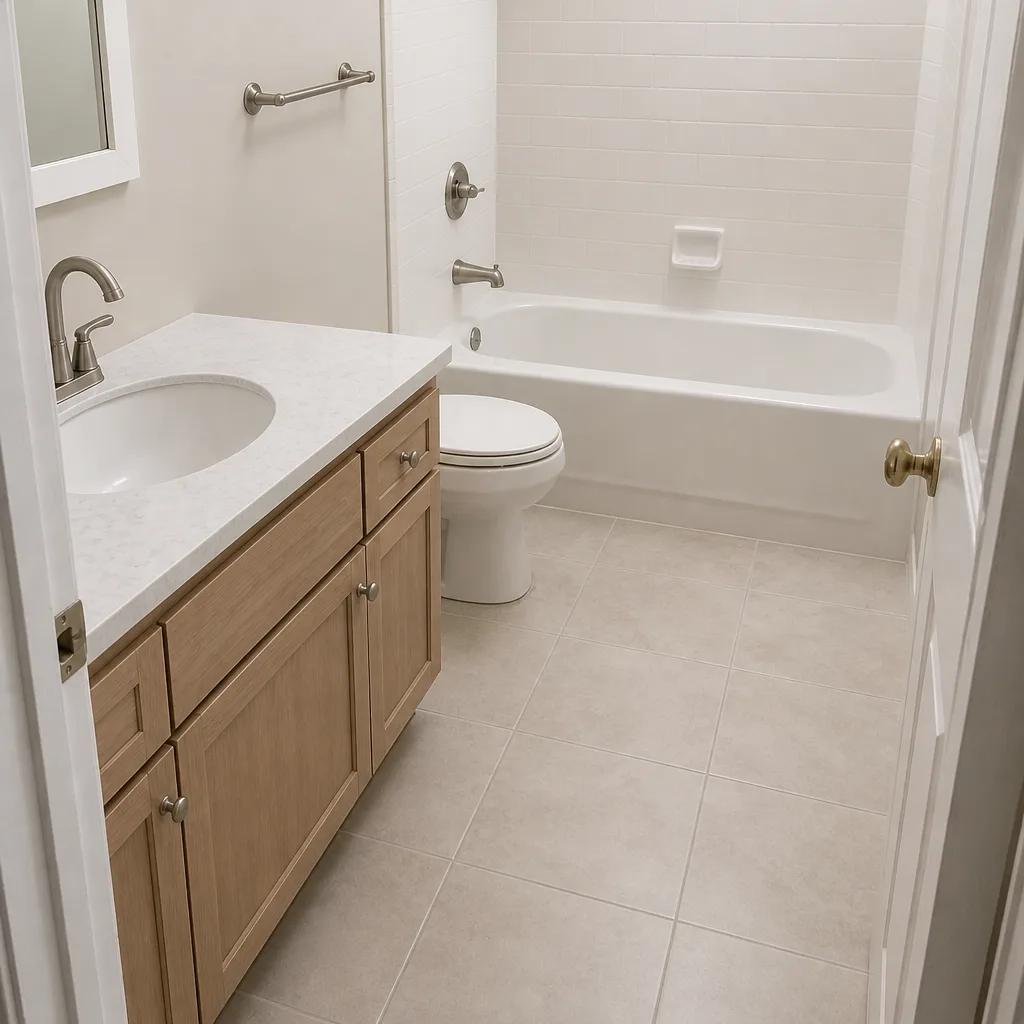
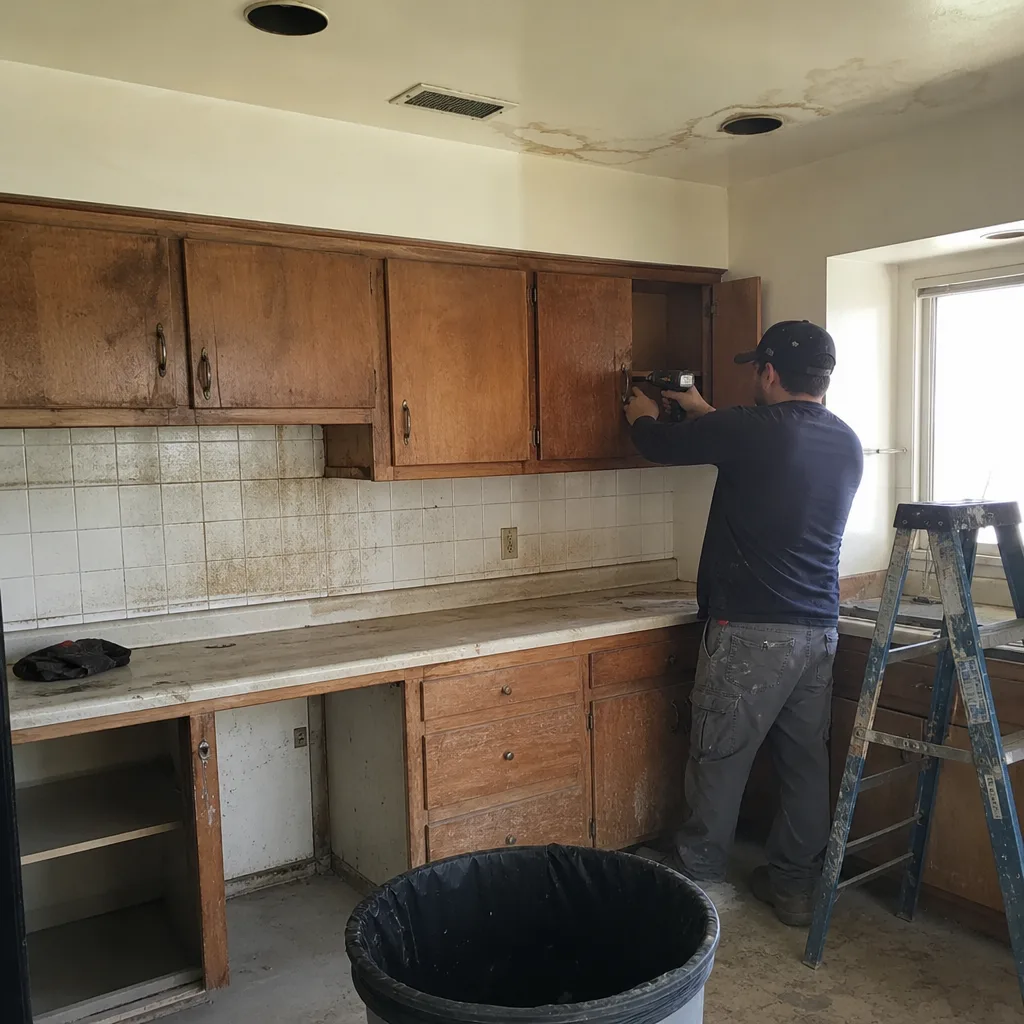 Before
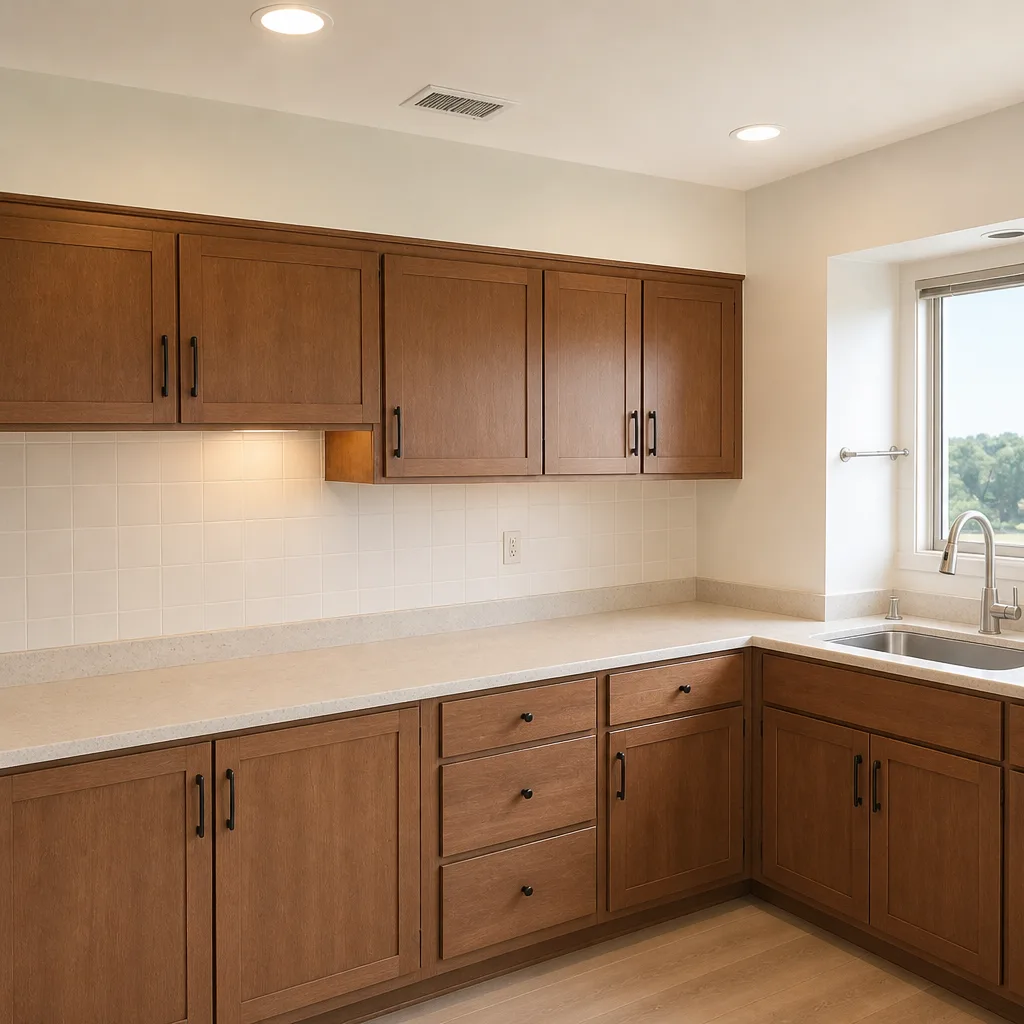 After
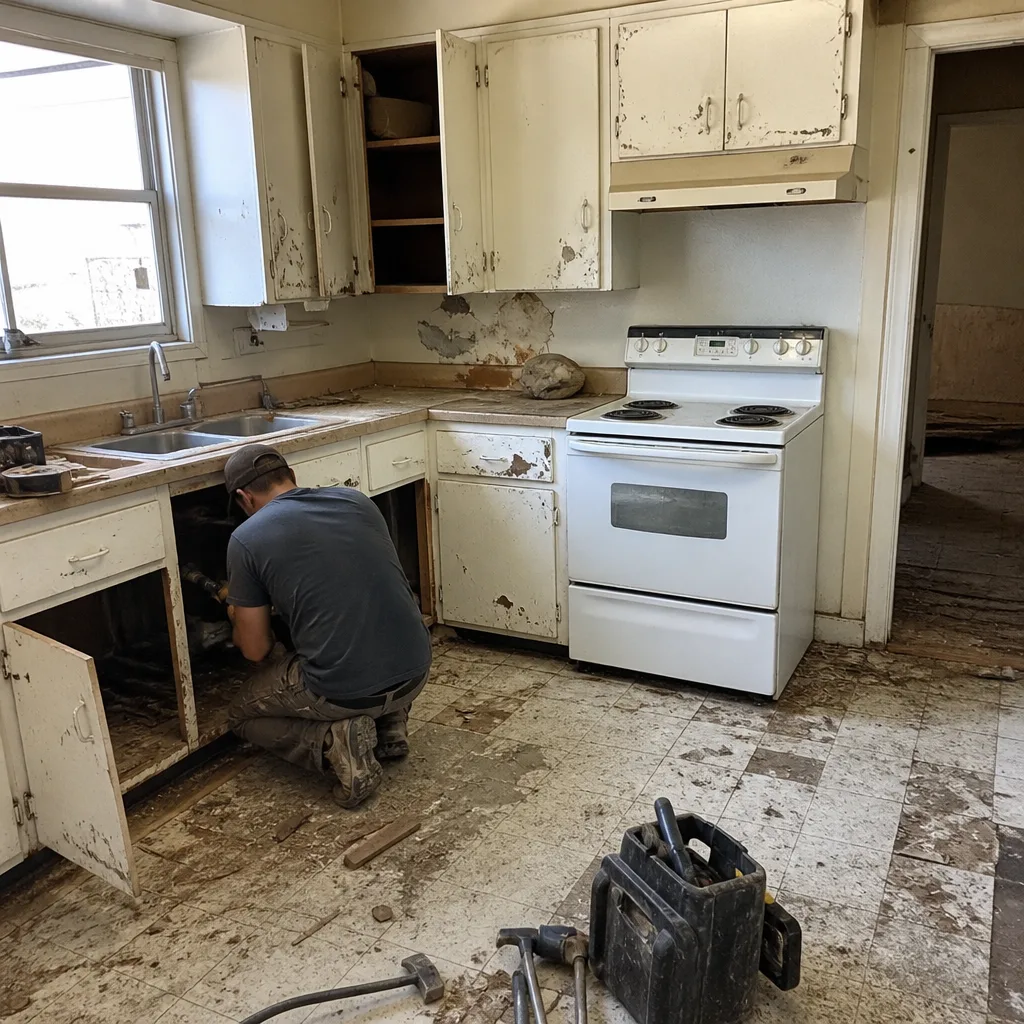
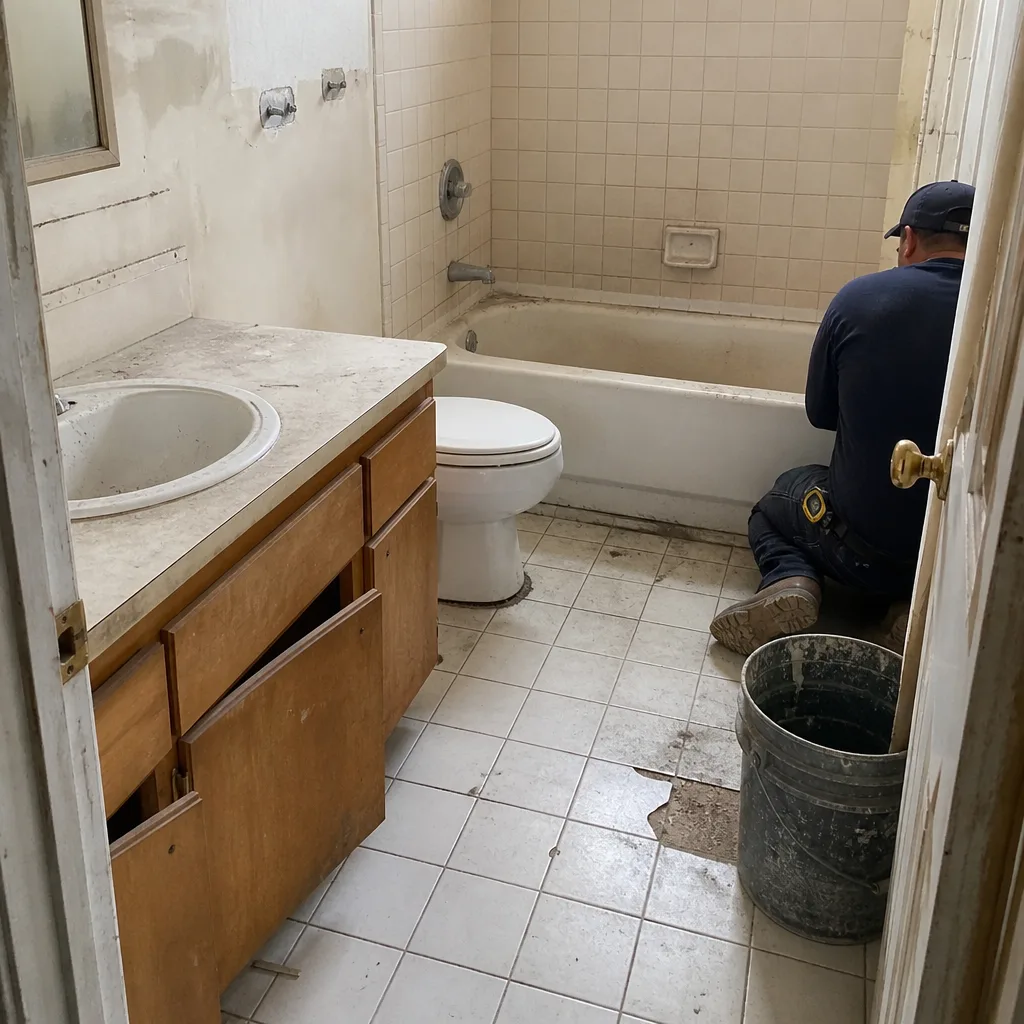 Before
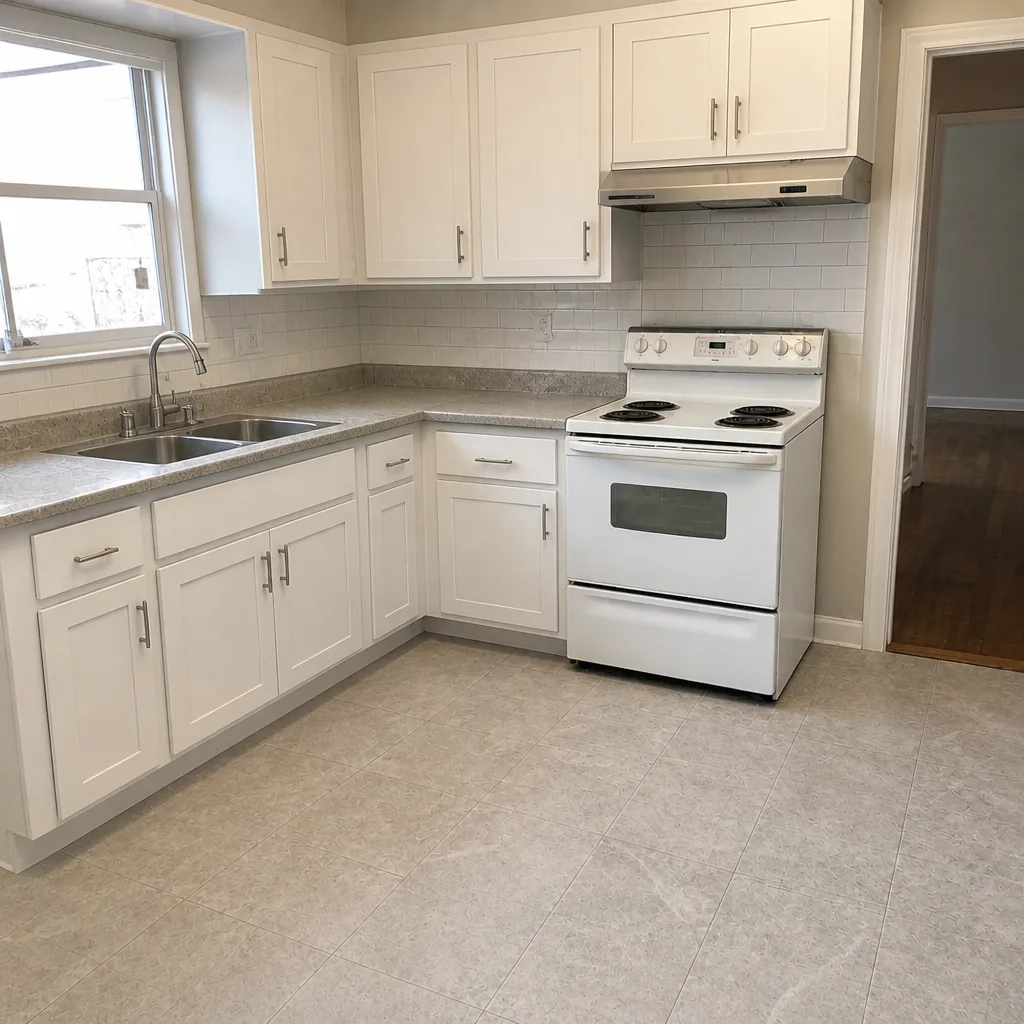
 After
 Before
 After
When to Call a Professional
If your project involves any structural change, a hillside lot, a fire-zone property, or a utility connection, the permitting path is too complex to navigate on your own. Glendale’s plan check process rewards a designed-for-the-city set of drawings, and the difference between a submittal that clears in one round and one that takes five is measurable in months. If you have a written estimate from another contractor, we’ll review it line by line at no charge. Rowan Construction Group Glendale offers free estimates in Glendale, and our technicians have up to 19 years of experience with additions and ADUs in this specific approval environment. Call (844) 320-5930 to schedule your free estimate.
Frequently Asked Questions
A detached ADU in Glendale costs $180,000 to $320,000 in 2024 dollars for 600 to 1,000 square feet, an attached ADU runs $150,000 to $280,000, and a JADU conversion runs $75,000 to $130,000. The biggest cost drivers are hillside grading, fire-zone detailing, and the Glendale Water & Power utility connection fees, which can add $12,000 to $20,000 to a detached unit. Call (844) 320-5930 for an exact quote – estimates are free.
Yes, for a detached ADU. Glendale Water & Power requires a separate electric meter and a separate water meter at the property line for a detached ADU, which runs $6,300 to $11,700 combined including trenching. A JADU can share the main house’s meters and skip this cost. Call (844) 320-5930 and we’ll walk you through which option fits your lot.
Plan review in Glendale takes 8 to 14 weeks from a complete submittal to permit, and the full project from first pre-application meeting to certificate of occupancy runs 11 to 18 months. Hillside lots and fire-zone properties sit at the longer end because of the additional fire department and grading review. Call (844) 320-5930 for a written estimate that includes the permit-coordination timeline.
Partially. SB 9 overrides Glendale’s single-family zoning to allow a lot split and two units per lot, but it does not override the city’s historic-district review, fire hazard zone standards, or hillside slope limits. A lot in a Glendale hillside overlay zone or a designated historic district may still be denied an SB 9 split. Call (844) 320-5930 to review your parcel against those overlays before you commit to a design.
A JADU is a junior ADU, a conversion of space inside the main house (a bedroom, a garage, or an attached storage area) of up to 500 square feet with an efficiency kitchen. Glendale allows one JADU per single-family lot, and it can share the main house’s bathroom under certain layouts. Call (844) 320-5930 for a written estimate on a JADU conversion.
Not without a signed change order. Rowan delivers a flat written price with a written scope before any work starts, and no work proceeds on a change until the customer signs the change order. That discipline is why our projects finish within a few percent of the number the customer agreed to, and it’s why a Glendale ADU written by Rowan doesn’t get a surprise sewer lateral bill mid-framing. Call (844) 320-5930 to schedule your free estimate and get the number in writing.
The Bottom Line
Building an ADU in Glendale is a regulatory project before it’s a construction project. The state gives you the right, but Glendale’s hillside overlays, fire hazard zones, and historic-district rules decide what you can actually build, and the utility work through Glendale Water & Power decides what it costs. Budget for the soils report and the sewer camera before you draw. Get the grading plan and the fire-resistant detailing into the first submittal. Price the project with real numbers and a written scope, and insist on a signed change order before any change in scope. That’s the whole path, and it’s the same one we walk on every Glendale ADU we quote.
Written by the team at Rowan Construction Group Glendale.