Last updated November 16, 2026
Free written scope consultation - allowances, timeline, and change-order rules on paper before a single trade is scheduled
DIY vs Professional Driveway & Pavers: What’s Safe to Do Yourself
A plate compactor rented from Home Depot delivers roughly 3,000 pounds of compaction force. A contractor’s ride-on or heavy walk-behind machine delivers 10,000 to 13,000. That gap is invisible on the day you finish. It shows up in year two, when the pavers over your driveway apron start to dip toward the street and the joints open into fingers you can slide a key into. This guide is about where that gap actually matters and where it doesn’t. We’ll walk through the tasks a careful Glendale homeowner can genuinely handle, the ones where rented equipment cannot physically match the spec no matter how skilled you are, and the real dollars on both sides of a 400-square-foot driveway.
Quick Answer
You can safely re-sand joints, seal a finished paver surface, and pull and reset individual pavers over an existing base that is still sound. You cannot match professional base compaction or fine grading with rental equipment, and those two steps decide whether the driveway lasts 25 years or 7. If your base is failing, or you’re building new, hire it out.
Styles & brands we work with
- Kitchen remodeling
- Bathroom remodeling
- Home additions & ADU
- Roofing
- Windows & doors
- Driveway & pavers
- Fence
Table of Contents
- What’s safe to do yourself on a driveway
- Why compaction is the line you can’t cross with rental gear
- Fine grading and the 3/16-inch tolerance
- The real cost comparison: DIY vs contractor on 400 sq ft
- Glendale permit reality when you act as your own contractor
- What to ask a contractor to prove compaction was done right
- Glendale conditions that change the math
- Common mistakes to avoid
What’s Safe to Do Yourself on a Driveway
The honest answer is more than most contractors will tell you. A homeowner with patience, a level, and a weekend can handle several jobs on a paver driveway without any structural risk. The line isn’t skill. It’s whether the task touches the base layer.
Tasks that leave the base undisturbed are fair game:
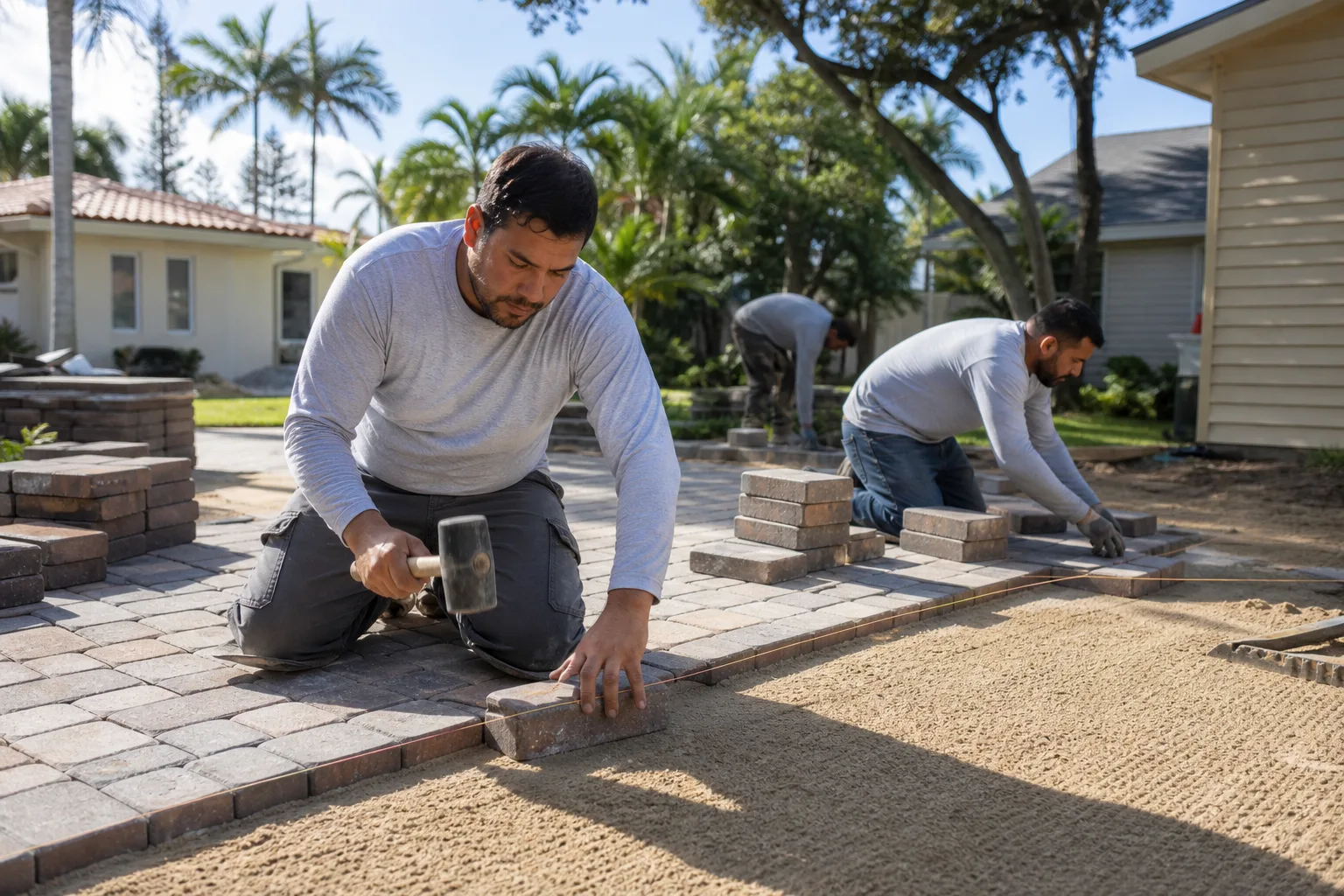
- Paver removal and reinstallation over a sound base. If you’re replacing a cracked paver or lifting a settled one near a downspout, you can pull it with a paver extractor, reset the bedding sand, and reinstall. The key is that the base underneath stays intact and compacted.
- Joint resanding. Polymeric sand breaks down. Refilling joints every few years is routine maintenance and one of the highest-value things you can do yourself. Sweep it in, mist it, done.
- Sealing. A penetrating sealer applied with a roller on a clean, dry surface is a two-hour job. It keeps Glendale’s dry-season dust from working into the joints and slows UV fading on colored pavers.
- Weed pulling and edge restraint checks. If the plastic edge restraint has popped, tapping it back and re-driving the spikes is a ten-minute fix.
Notice what’s missing from that list. Anything involving excavation, base material, or grading. Those are the tasks where DIY outcomes fail, and not because the homeowner lacks ability. It’s the equipment. When you’re ready to talk through a driveway project in Glendale with someone who can price it in writing, Driveway & Pavers in Glendale is the place to start.
Why Compaction Is the Line You Can’t Cross With Rental Gear
Base compaction is the single step that determines the life of a paver driveway, and it’s the step where rental equipment cannot match professional machines. We’ve seen this play out repeatedly in Glendale, where the base is usually decomposed granite over native soil that shifts with the wet-dry cycle.
The physics is simple. A plate compactor that weighs in around 150 pounds and delivers 3,000 pounds of force compacts the top two inches of a lift. A contractor’s machine that delivers 10,000 to 13,000 pounds compacts a full four-inch lift to 95% standard Proctor density, which is the spec engineers require. If you’re laying a base in three-inch lifts and only compacting the top half of each one, the lower material stays loose. Loose material settles. Settlement under pavers shows up as ruts, rocking pavers, and joints that open in the first two winters.
This is what a proper base compaction sequence looks like:
- Excavate to the specified depth (typically 8 to 10 inches for a residential driveway in Glendale, including base and bedding).
- Lay base material in lifts no more than four inches deep.
- Compact each lift with a machine delivering at least 10,000 pounds of force, working from edges to center and overlapping passes.
- Moisten the base to optimal moisture content before compacting each lift.
- Test density with a nuclear or sand-cone gauge before the next lift goes down.
- Fine-grade the final surface to tolerance and re-compact.
A rental plate compactor with 3,000 pounds of force gets you through steps one and two. Step three, four, and five are where the professional machine and the test report matter. If a base rebuild is in your future, our team handles this as part of the full driveway scope in Glendale, and we deliver a written price before anyone touches a shovel.
Fine Grading and the 3/16-Inch Tolerance
Fine grading is the second task where rental equipment falls short. The tolerance for a residential paver surface is roughly 3/16 of an inch across the full grade, meaning the surface should not deviate more than that over any ten-foot straightedge. That’s about the thickness of a nickel.
Why it matters: paver thickness varies by a millimeter or two from the factory. If your base grade is uneven, those millimeters compound. The finished surface inherits every bump in the base, and no amount of tamping the pavers down flattens what’s underneath. You’ll also get ponding. Glendale gets about 15 inches of rain a year, most of it in a few winter storms. A driveway graded a quarter-inch off will hold water against the garage door threshold and eventually find its way into the garage slab.
Hitting 3/16-inch tolerance requires two things a DIY setup rarely has: a laser screed or rotary laser with a receiver, and a heavy roller or plate to lock the grade in place after it’s cut. A hand screed and a 4-foot level will get you to about half an inch. That’s enough for a patio. It’s not enough for a driveway that has to shed water toward the street.
To be clear: a homeowner who is careful and rents a rotary laser can get closer than most. But the back-and-forth between cutting the grade and re-compacting it – which a good grader does five or six times before the bedding sand goes down – is where rented plate compactors start losing ground to professional machines that don’t need re-lifting every pass.
The Real Cost Comparison: DIY vs Contractor on 400 Sq Ft
Here’s where the math gets uncomfortable. A 400-square-foot driveway at the low end of the paver market looks like a DIY win on paper. Add in the hidden cost of a failed base, and it stops looking like one.
DIY materials and rentals for 400 sq ft, roughly:
- Pavers (mid-grade concrete, ~$4.50/sq ft): $1,800
- Base material, ~6 cubic yards delivered: $450
- Bedding sand: $150
- Polymeric joint sand: $120
- Plate compactor rental, 3 – 4 days: $250 – $400
- Delivery and disposal fees: $150
- Edge restraint and spikes: $80
That totals somewhere between $3,000 and $3,200 for materials plus rentals, before you’ve spent one hour of your own labor. A contractor bid on the same 400 square feet in Glendale typically runs $8,000 to $11,000 installed, depending on paver selection and base conditions. So the DIY gap is roughly $5,000 to $8,000 on day one.
Now the year-three scenario. If your compaction undershot the spec, the base settles. You’re looking at pulling up pavers, re-excavating base, re-compacting, and reinstalling. That rebuild costs $4,000 to $6,000 in labor and materials, and your original $1,800 paver purchase is a write-down because roughly 15% of the pavers crack coming up. Tally the total and you’ve spent close to what the contractor bid, with three years of your weekends gone. We’ve seen this drive homeowners to call us more often than any other failure mode.
On a smaller job, like a front walkway or a side-yard pad, DIY is often economic. On a full driveway that has to carry two cars and survive LA County heat cycles, the numbers flip.
Glendale Permit Reality When You Act as Your Own Contractor
Glendale Building & Safety issues driveway permits to homeowners acting as their own contractor. That’s real and it’s legal. What doesn’t change is the inspection standard: the inspector is checking base depth, compaction evidence, grading, and drainage, the same as on a licensed contractor’s permit.
A few Glendale specifics worth knowing before you pull a permit:
- You need a plot plan showing where the driveway meets the street and property lines. The city checks setback and sight-distance requirements at the apron.
- Drainage must be defined. A driveway that sheets water onto a neighbor’s property can trigger a grading complaint even if the paver work is fine.
- Inspection requires the base to be exposed. You cannot have pavers on top when the inspector arrives to check base depth and compaction. That means your project pauses between base and finish, which stretches the DIY timeline.
- Compaction evidence is asked for. If you can’t produce a test report from a density gauge, the inspector can require re-excavation. Contractors carry this documentation as standard.
None of this should stop a homeowner from pulling a permit. It should stop a homeowner from assuming the inspection bar is lower because they’re not a contractor. It isn’t.
What to Ask a Contractor to Prove Compaction Was Done Right
If you’re going to pay for professional compaction, ask for the documentation that proves it happened. The good ones already have it and will hand it over without flinching.
Ask these four questions before signing anything:
- Do you produce compaction test reports? The right answer names the test type: nuclear density gauge or sand-cone, taken on each lift, with the pass/fail densities listed. A vague yes is a no.
- What is your lift thickness? Four inches is standard for residential. Anything over five inches in a single lift can’t be compacted to spec by a walk-behind machine.
- What compactor are you using, and what’s its rated force? They should be able to tell you the model and whether it’s a walk-behind or ride-on. If they can’t, they’re renting like you would be.
- Will the test reports be part of the final handoff? On a Rowan project, the documented record you receive at the end includes photos of every phase plus the spec sheets – the same standard we apply to every trade we run.
The reason reputable contractors already have these documents is that the insurance and warranty structures around a paver driveway require them. A 365-Day Done Right Promise with a written warranty behind it only works if the contractor can prove the base was built to spec. Ask for the proof. It’s a fair question.
Glendale Conditions That Change the Math
Glendale’s soil and climate shift the DIY calculus in ways that a generic guide won’t catch. The city sits over a mix of decomposed granite, clay, and old alluvial material that behaves very differently by neighborhood.
In the flats around Glenoaks and further east toward Chevy Chase, you’re often on clay that expands and contracts with moisture. Compacted clay holds its density, but uncompacted clay under a paver base is the single most common cause of settling we see in Glendale. A DIY base that didn’t reach 95% Proctor density on clay will show ruts in the first wet season.
In the hills above Kenneth and Chevy Chase Canyon, you’re often on decomposed granite over slopes. Drainage becomes the primary concern, and a driveway that doesn’t shed water away from the slope in the right direction can undermine its own base in two seasons. Fine grading tolerance matters more on a slope than on a flat.
The heat cycle matters too. Glendale sees summer surface temperatures on dark pavers above 140°F. That expansion and contraction cycles the joints hard. Proper polymeric sand installation is a bigger deal here than in cooler climates, and it’s one of the few jobs a homeowner can genuinely handle – but only if the surface is bone dry and the temperature is under 90°F when it goes in. Do it in July and it will fail by September.
Common Mistakes to Avoid
- Compacting over three inches of base and calling it done. Rented plate compactors only reach the top of a lift. If you’re building up 8 inches of base, you’ll need four compacted lifts, not one.
- Skipping the test report on a self-managed job. You can rent a density gauge from a specialty supplier in LA, but most homeowners don’t. That leaves you guessing at the spec that determines driveway life.
- Laying pavers over an uncompacted base to “save time.” In Glendale clay, this shows up as ruts in year two, and the rebuild is more expensive than the original install.
- Installing polymeric sand in the middle of a hot, dry Glendale summer. The sand cures too fast and cracks. Wait for a cooler morning, or the joint refill won’t last the season.
- Grading the base to drain toward the garage. Glendale gets its rain in bursts, and a quarter-inch slope the wrong way puts water against the door threshold. Grade away from the structure, every time.
- Ordering pavers by square footage without a 10% waste factor. Concrete pavers break during cutting and shipping. On a 400-square-foot driveway you’ll need 440 square feet of material, minimum.
- Assuming a homeowner permit means a lower inspection bar. Glendale Building & Safety holds the same standard for everyone. The permit just tells you who’s legally responsible.
See the difference
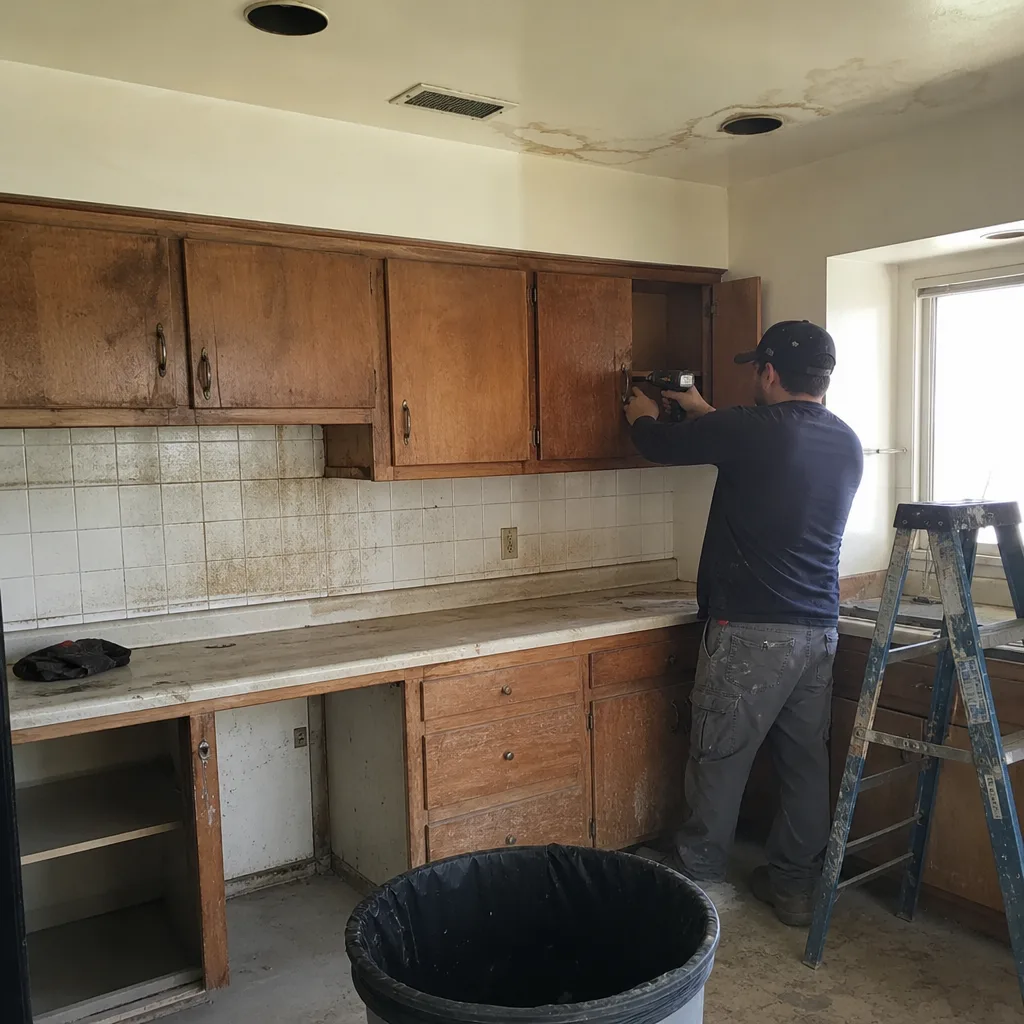 Before
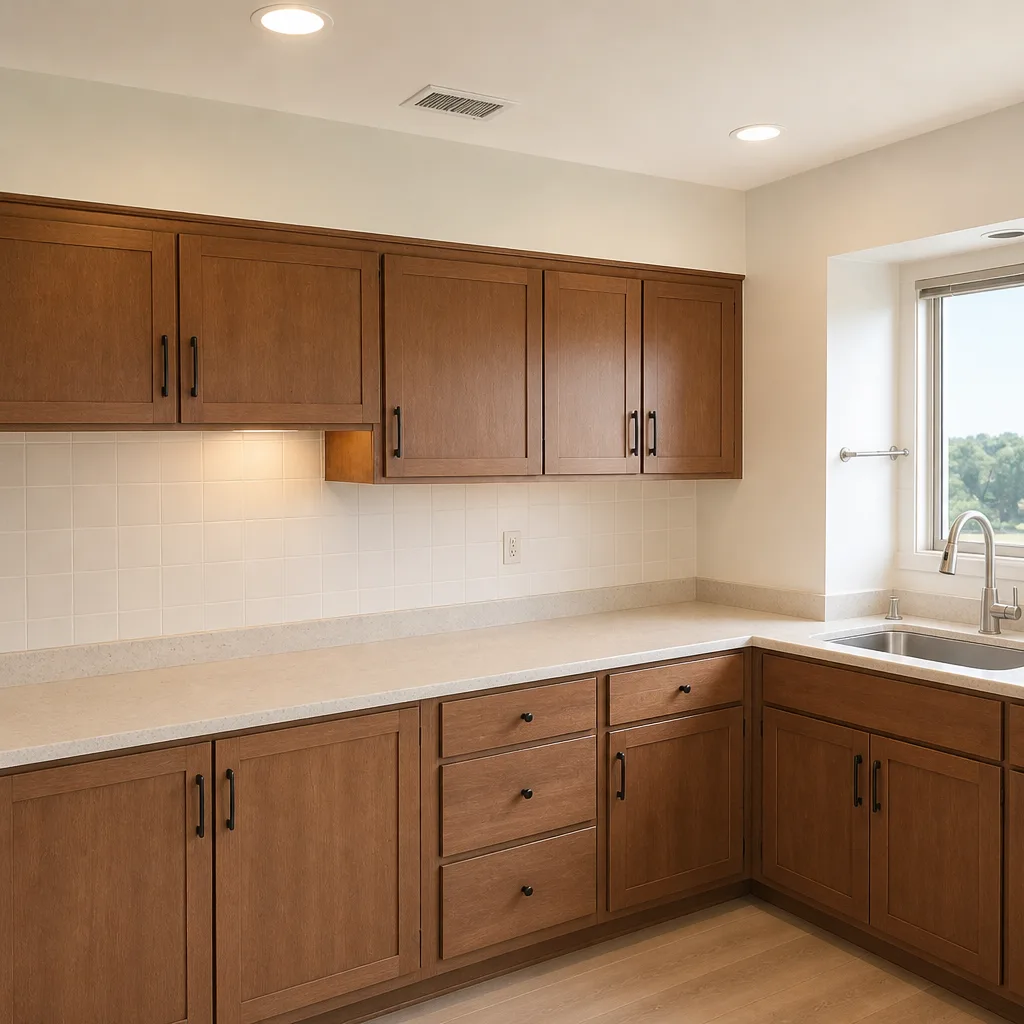 After
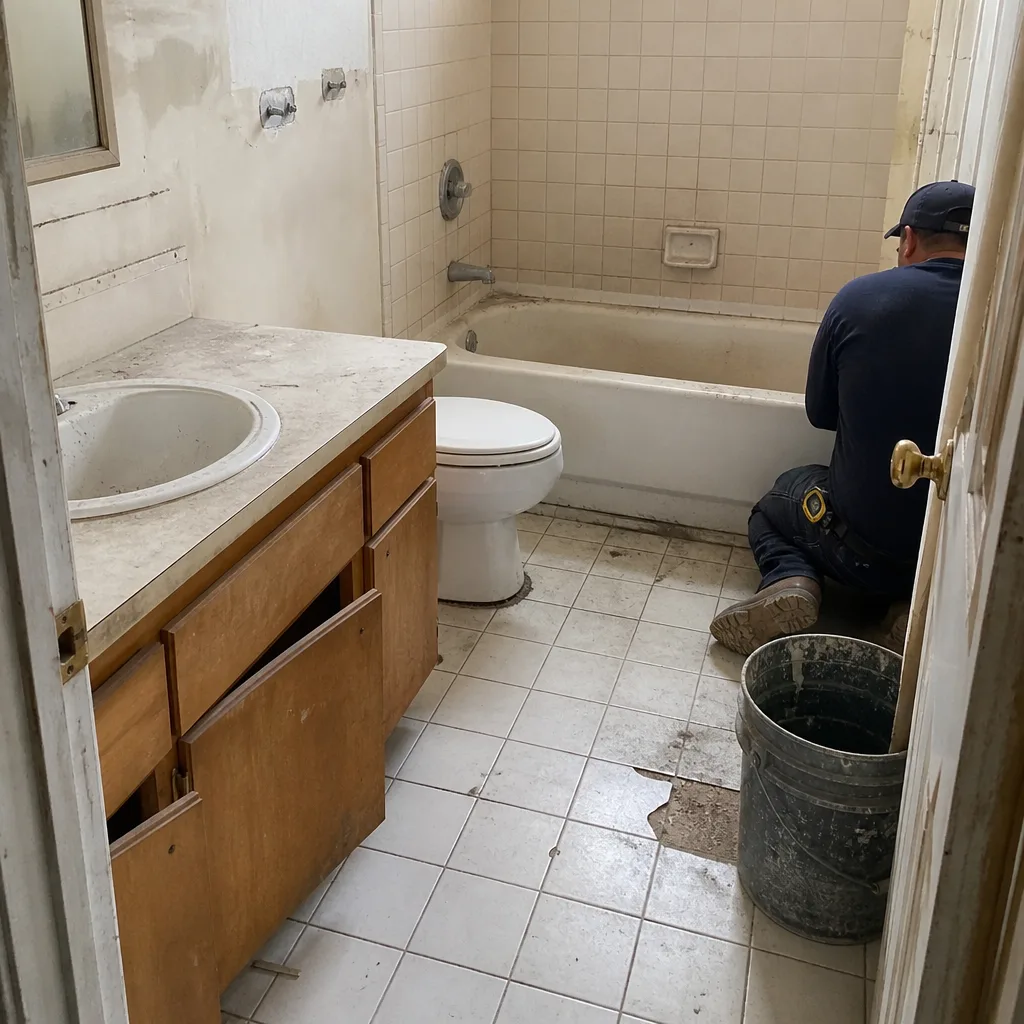 Before
 After
 Before
 After
When to Call a Professional
Call a professional if the base is failing, if you’re building new, if the driveway slopes toward the structure, or if the existing surface has ruts deeper than half an inch. Any of those scenarios means excavation, and excavation means compaction, and compaction is the part rental equipment can’t reach. Call also if you’ve pulled a permit and the inspection requires documented density. Contractors carry the test equipment and the reporting that satisfies the inspector on the first pass.
If your scope has grown beyond pavers – say, you’re also planning a gate or a new structure at the edge of the driveway – the same written-price discipline applies across trades. Our Fence Installation in Glendale and Home Additions & ADU in Glendale teams run the same documentation standard. Rowan Construction Group Glendale offers free estimates in Glendale – call (844) 320-5930 to schedule yours.
Frequently Asked Questions
Yes, you can legally pull a permit and do the work yourself in Glendale. The inspection standard doesn’t change for homeowners, though, and the two tasks most likely to fail inspection – base compaction and fine grading – are the ones rental equipment struggles to hit.
Installed paver driveways in Glendale typically run $20 to $28 per square foot, depending on paver selection and base conditions. That puts a 400-square-foot driveway in the $8,000 to $11,000 range with a contractor, versus roughly $3,000 to $3,200 in DIY materials and rentals with no labor cost. Call (844) 320-5930 for an exact quote – estimates are free.
No. A typical Home Depot plate compactor delivers around 3,000 pounds of compaction force, while a contractor’s walk-behind or ride-on delivers 10,000 to 13,000. That’s a three-to-four-times difference in the depth of base each pass can properly compact, and it compounds over the four to six lifts required for a driveway base.
On a Rowan project, it won’t unless you sign a change order first. Under Clause 1 of the Haven Standard, the price is written before anyone picks up a tool, and no change proceeds without a signed change order. That discipline is why projects finish within a few percent of the number the customer agreed to.
Yes. We handle the permit application, the plot plan submittal, and the inspection scheduling with Glendale Building & Safety. You get a copy of the inspection sign-off and the compaction test reports as part of the documented record we include on every visit.
Twenty-five years or more with a properly compacted base, correct fine grading, and routine joint resanding every three to five years. On a base that didn’t reach spec, the first visible settling typically appears in year two, and structural failure shows up by year seven.
The Bottom Line
DIY pavers are not a bad idea across the board – resanding, sealing, and pulling and resetting individual pavers over a sound base are genuinely good DIY work. The line is compaction and fine grading, and it’s a line drawn by equipment, not by skill. If your base needs rebuilding, the $5,000 to $8,000 you save on the original install can disappear in year three when the driveway settles. Get a written price, ask for the compaction test reports, and know what you’re buying before the first lift goes down. In Glendale, that documentation is what separates a driveway that lasts 25 years from one that lasts seven.
If you want a flat written price and a documented scope before you commit to anything, call Rowan Construction Group Glendale at (844) 320-5930 for a free estimate. Bring a competitor’s quote and we’ll review it line by line at no charge – free second opinions are a standing offer, not a sales tactic.
Written by the team at Rowan Construction Group Glendale.