Last updated November 16, 2026

Free written scope consultation - allowances, timeline, and change-order rules on paper before a single trade is scheduled
Seasonal Construction Care for Glendale: Year-Round Homeowner’s Guide
The most expensive repair we see on Glendale properties in January – foundation drainage failure – is almost always traceable to a $150 to $300 gutter and grading check that didn’t happen in October. Glendale’s climate is mild enough that most homeowners skip seasonal maintenance entirely, and that’s exactly the problem. Deferred damage doesn’t announce itself here; it compounds quietly behind stucco, under pavers, and inside crawlspaces until a cosmetic fix becomes a structural one. This guide reframes seasonal care around Glendale’s actual risk calendar – not four equal seasons, but three critical windows with specific tasks that prevent the repairs we see most often in Glendale.
Quick Answer
Seasonal home maintenance in Glendale works best on a two-window calendar plus a hillside check: an October pre-rain window (gutters, grading, hardscape joints, roof penetrations, retaining wall weep holes), an April post-rain inspection (efflorescence, paver settlement, stucco crack mapping), and an August heat/dry window (wood trim, caulk at windows and doors, exterior penetrations near HVAC). Homes on Glendale hillside lots add a February to March slope-movement inspection after soil saturation. A consistent photo record taken from the same angles each year turns all of it into evidence you can hand a contractor or an insurance adjuster.
Styles & brands we work with
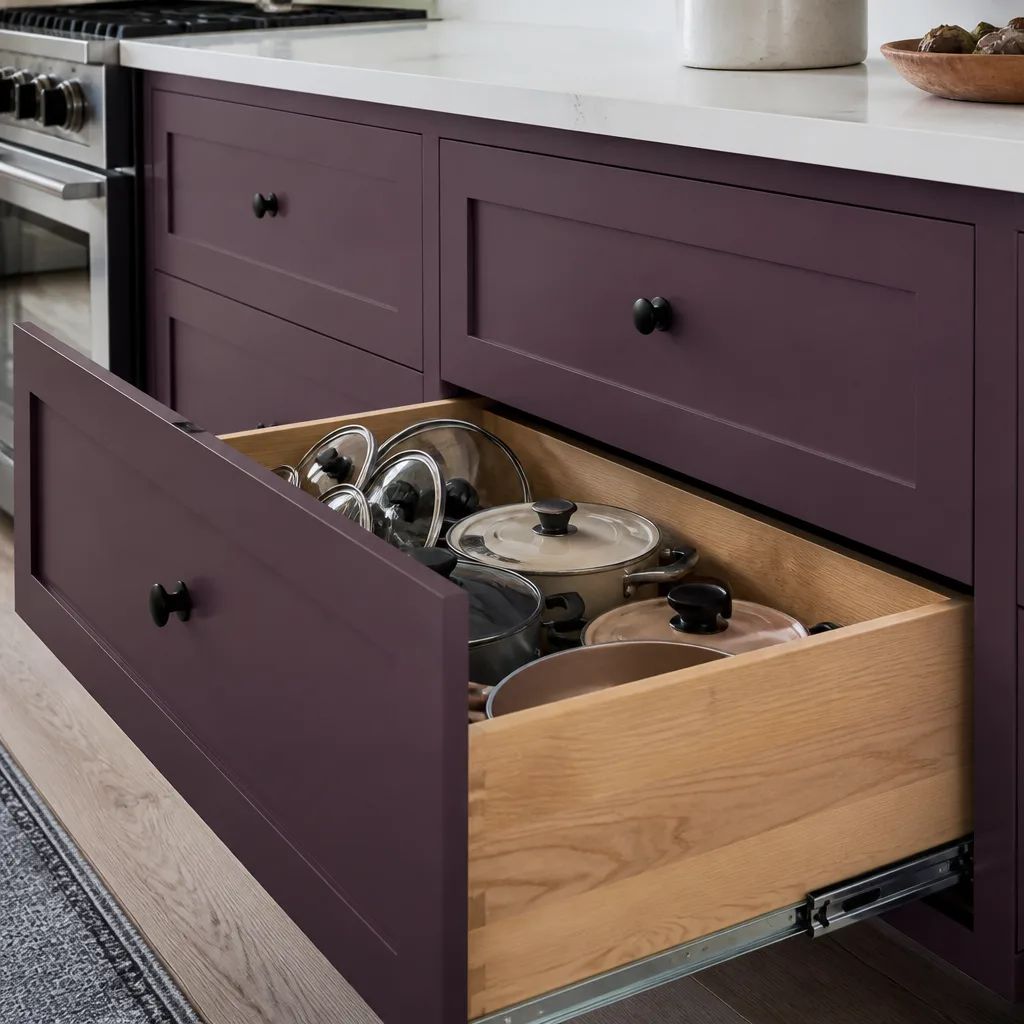
- Kitchen remodeling
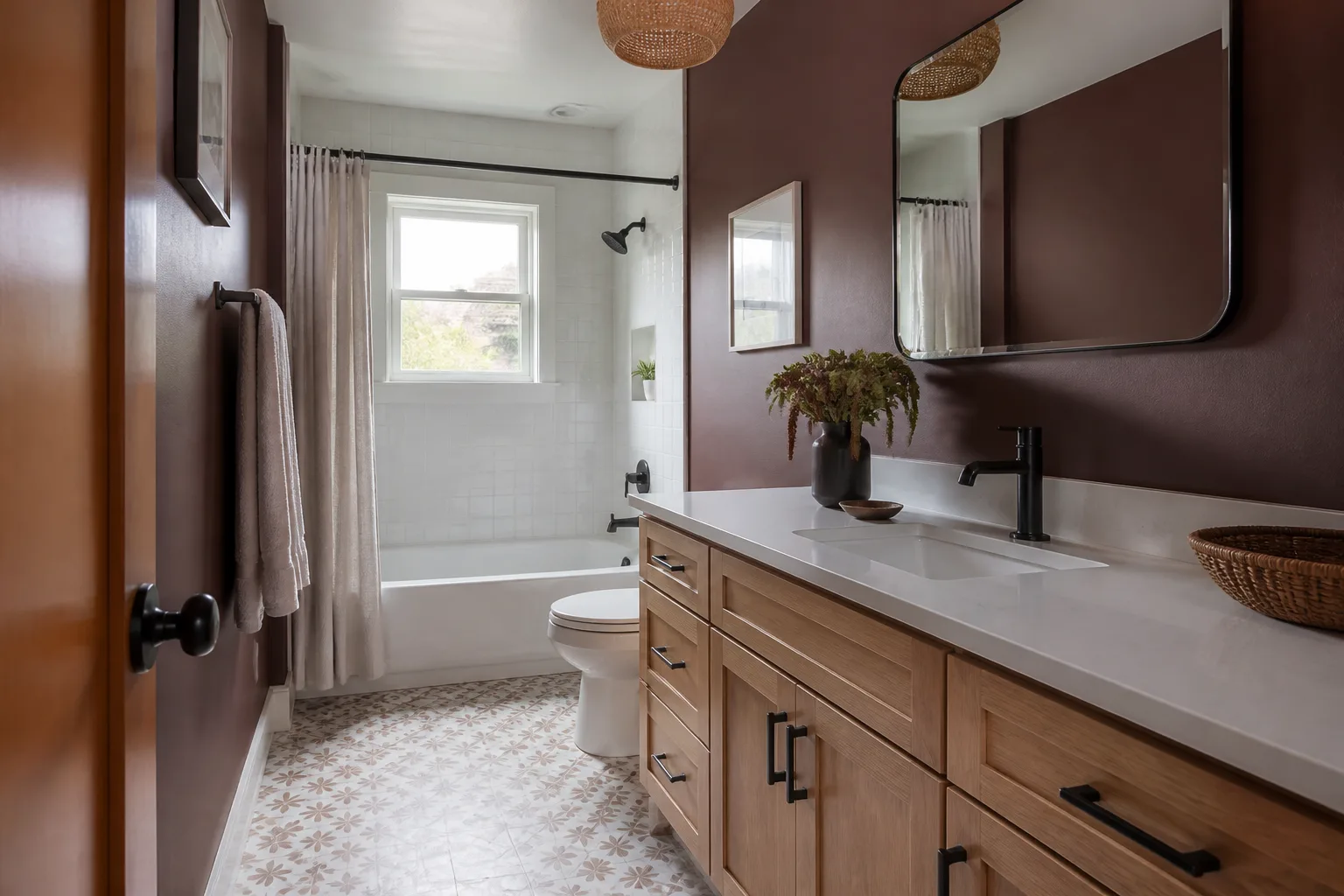
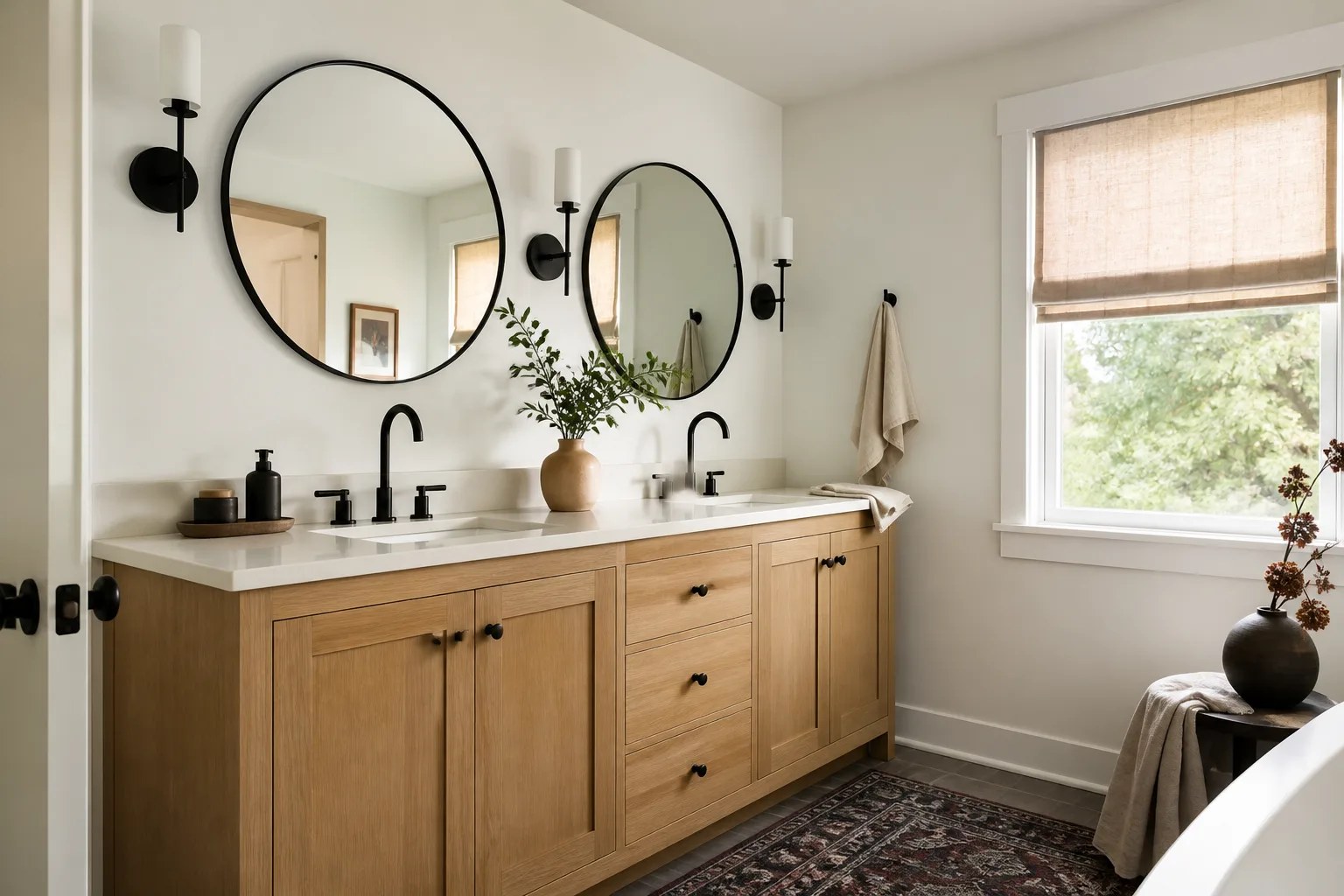
- Bathroom remodeling
- Home additions & ADU
- Roofing
- Windows & doors
- Driveway & pavers
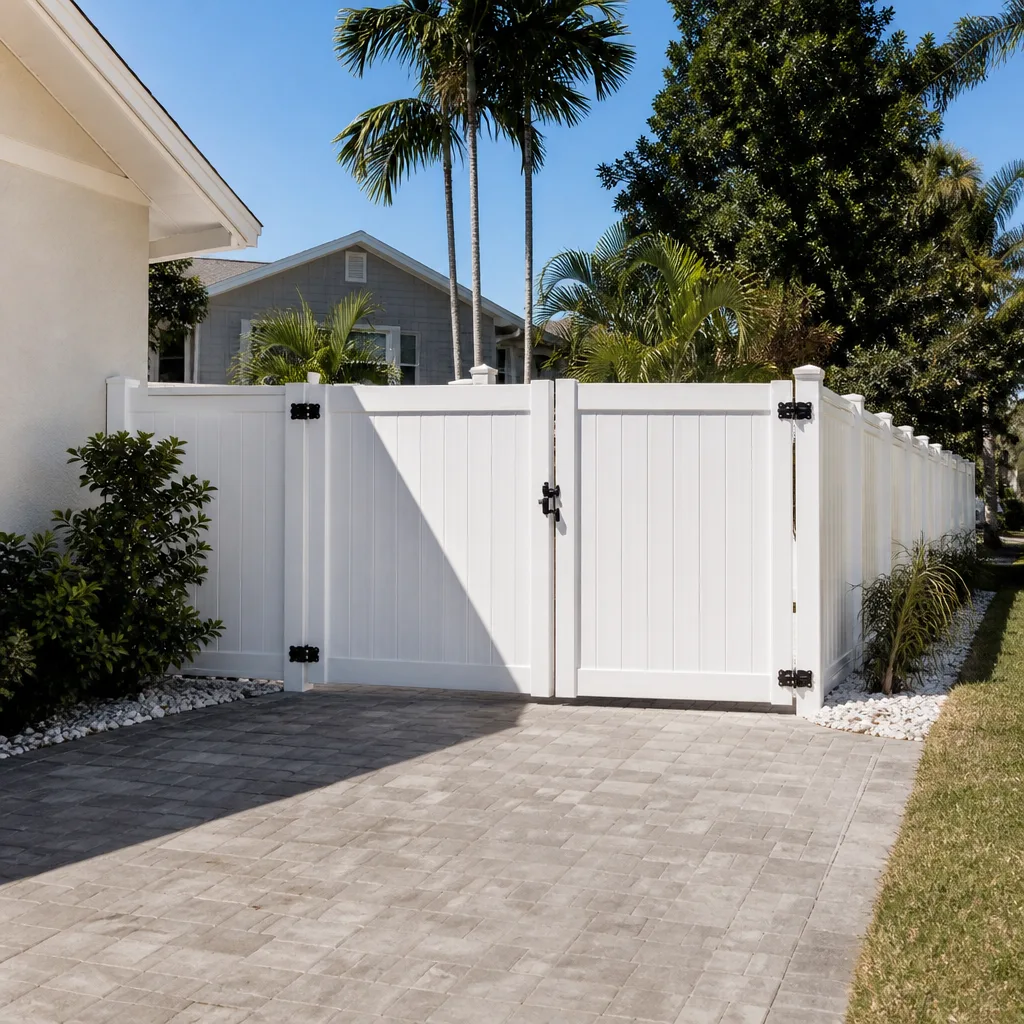
- Fence
Table of Contents
- The October Window: Before the Rainy Season Arrives
- Sealing Roof Penetrations Before the First Storm
- Why Glendale Hillside Lots Need a February Slope Check
- The April Window: Reading the House After the Rain Stops
- Hardscape Joint Integrity and Paver Settlement
- The August Window: Peak Heat and Dry-Season Failures
- The 12-Angle Photo Habit That Creates an Evidence Record
- Common Mistakes to Avoid
The October Window: Before the Rainy Season Arrives
Glendale’s rainy season starts in November and runs through March, and the soil under most of the city is already dry, compacted, and unforgiving by October. That combination means the first real storm sends water off your roof and hardscape faster than flat-lot guides from wetter climates assume. The October window is about giving that water somewhere to go and sealing the places it shouldn’t enter.
Start at the ground and work up. Downspouts that end within two feet of the foundation are the single most common cause of the saturated slab we diagnose each winter. A $12 to $25 aluminum or vinyl downspout extension that carries water four to six feet away is the cheapest repair you’ll make all year. Check that splash blocks slope away from the house, not into a low spot.
Grading is the next layer. The soil immediately against your foundation should fall away at roughly six inches of drop over the first ten feet. In Glendale, where lots are often tight and landscaped with drought-tolerant plantings that hide the grade, this is easy to miss. Push back any mulch or gravel and look.
Retaining wall weep holes deserve their own attention. Walls built into the hillsides above Verdugo Road and up in the Chevy Chase canyons are designed to drain hydrostatic pressure through weep holes and a gravel backfill behind the wall face. When those holes get plugged with dirt, roots, or plant debris, water builds up behind the wall until it finds a path through the mortar. Clear every weep hole by hand and confirm water can still exit.
Hardscape joints – the sand or polymeric joints between pavers, and the expansion joints in concrete – open up by a few millimeters over a dry season. Those gaps are where the first storm finds its way under the surface. Sweep and refill them before rain, not after.
Sealing Roof Penetrations Before the First Storm
Roof leaks in Glendale almost never start with a failed field of shingles. They start at penetrations – the plumbing vents, the furnace flue, the satellite mount a previous owner left behind, the skylight curb, and the chimney flashing. Those are the spots where the roofing material is interrupted, and every interruption is a seam a storm can test.
Walk the roof line from the ground with binoculars first, then get on the roof only if you’re comfortable with heights and the pitch is shallow. Look for:
- Lifted or cracked flashing around vents, flues, and skylights – the sealant (commonly a polyurethane or silicone roof caulk) should be pliable, not chalky or separated.
- Rusted nails and pop-up fasteners – a backed-out nail is a future leak path.
- Granule loss in the gutters – a gutter full of sand-like granules usually means the shingle layer is spent.
- Ponding or staining on the sheathing visible from the attic – brown rings or soft spots under a penetration tell you water has already been finding its way in.
Approximate supply costs for the DIY-minded: a tube of roof and flashing sealant runs $10 to $18, a roll of roofing cement tape is $15 to $25, and a basic flashing kit for a plumbing vent is $8 to $20. But roof work at height is where injuries happen, and resealing a penetration badly is worse than leaving it alone. If you’re not confident on a ladder at the eave, this is a professional item. GAF and Owens Corning both publish flashing detail guides that any qualified roofer will follow.
When the shingle layer itself is failing – and we see plenty of 20-year-old three-tab roofs across Glendale that are past their service life – a roof replacement is the honest answer. Our team handles roofing and the full range of residential trades across Glendale with a written scope before anything is touched.
Why Glendale Hillside Lots Need a February Slope Check
Flat-lot maintenance guides stop at the foundation line. That’s a gap for anyone living on a hillside lot, which describes a large share of Glendale housing stock in the hills above the Verdugo corridor, the Chevy Chase canyons, and up toward Glenoaks. By February, most of Glendale’s seasonal rain has fallen, and the soil on a slope has soaked to its saturation point. That’s when movement shows up.
We’ve walked plenty of Glendale properties in late winter where a hairline crack in a patio slab or a small gap at the base of a retaining wall turned out to be the first visible sign that a hillside was moving. The task here isn’t to fix anything – it’s to look and document. Walk the uphill side of the house and check:
- Soil settlement against the foundation – a visible trench or gap where soil has pulled away from the stem wall.
- New cracks in hardscape or stucco – compare them to what you documented in October.
- Leaning trees or utility poles – a suddenly leaning tree above the house is a warning sign worth calling about.
- Water seeping from the base of a retaining wall – not through the weep holes, but under or through the wall face.
- Doors and windows that suddenly stick – a door that swung freely in October and now drags at the top corner can indicate frame movement, not just humidity.
If any of those show up, stop. Get a geotechnical or structural assessment before you touch a shovel. Hillside drainage is a real liability in Glendale, and a wall or foundation that’s moving needs an engineered solution, not a patch.
The April Window: Reading the House After the Rain Stops
The last real rain event in Glendale usually falls somewhere in March or early April. The week after it stops is the most informative inspection window of the year, because the house has just been stress-tested and the evidence is still fresh.
Two things to look at first. Efflorescence – the white, powdery salt deposits that bloom on concrete, stucco, or masonry – is an early moisture indicator. It doesn’t mean the wall is failing, but it means water is moving through the material and evaporating at the surface. On a slab foundation or a perimeter wall, efflorescence after rain is a sign to trace where that moisture is coming from. On a retaining wall, it’s a sign the drainage behind the wall isn’t working as designed.
Paver settlement is the second. Heavy rain washes the fine bedding sand out from between pavers, and within a season you’ll see individual pavers sitting a few millimeters low or rocking underfoot. Rocking pavers are more than an annoyance – they’re the start of a joint opening that lets water straight into the base course, and once the base is compromised, the whole field needs to be lifted and reset. The fix is small in April and expensive in October. Driveways and patios should get the same inspection, and our driveway and paver work in Glendale always starts with a look at what the base is doing.
Third, map the hairline cracks in your stucco. Glendale stucco is a three-coat system on a lath and paper weather barrier, and hairline cracks from thermal movement are normal. What matters is whether cracks are growing, widening, or lining up – a crack that runs diagonally from a window corner toward the roofline deserves a closer look than a random vertical crack in the middle of a wall. Photograph every one and compare to last year’s photos.
Hardscape Joint Integrity and Paver Settlement
Pavers are a surface over a system, and the system is the part that fails. A paver driveway in Glendale sits on a compacted aggregate base, then a bedding layer of sand, then the pavers, then the joint material – typically a polymeric sand that hardens when wet or a stabilized fine sand. When the joint material erodes, the pavers lose their interlock, which is what distributes a car’s weight across the whole field instead of concentrating it on one stone.
A pre-rain check of every hardscape surface takes under an hour:
- Sweep the surface and look for empty joints, especially on any slope or at the driveway apron.
- Tap a few pavers with a screwdriver handle – a hollow sound means the bedding has washed out underneath.
- Confirm polymeric sand in the joints hasn’t crumbled or pulled away at the edges.
- Check the expansion joint where pavers meet concrete or the house – debris in that gap should be cleared, not filled solid.
A bag of polymeric sand for touch-ups runs roughly $25 to $40 and covers 50 to 75 square feet at a shallow depth. If the settlement is widespread, though, re-sanding won’t fix it – the base has to be corrected. Belgard and Techo-Bloc both publish installation specs on base depth and compaction, and a paver driveway that wasn’t built to them is the one that keeps settling.
The August Window: Peak Heat and Dry-Season Failures
By August, Glendale has been hot and dry for four months. The soil has shrunk, caulk has expanded and contracted a few dozen times, and the wood on any west-facing wall has baked. The August window is about the failures heat causes, and it’s the window most homeowners skip entirely.
Wood trim and deck inspection is the first task. Run a screwdriver or awl into the trim at window and door frames, fascia, and the deck ledger where it attaches to the house. Soft wood, dry rot, or a screwdriver that sinks in easily means moisture has been getting behind the paint. Wood that’s checked and grayed is cosmetic; wood that’s soft isn’t. A deck ledger, the board that ties the deck to the house, deserves a careful look – that’s the connection the whole deck depends on.
Caulk failure is the second. Caulk at windows and doors fails by drying, cracking, and pulling away from the frame – and it fails first on the sun-exposed side, which in Glendale is typically south and west. A failed bead lets rain in behind the trim. Look for visible cracks, gaps where the caulk has separated from the frame, and paint that’s peeling in a straight line along a joint. A tube of exterior-grade, paintable siliconized caulk runs $8 to $15, and this is a job any homeowner can do safely from a ladder at ground-floor openings. Windows above the first story or anything on a steep wall are better left to a pro. For window replacement, brands like Therma-Tru and Mr-Glass make the frame and glazing details that matter.
Exterior penetrations near HVAC equipment are the third and most overlooked. The refrigerant lines, condensate drain, and electrical conduit that enter the house at the condenser all pass through a penetration that was sealed with putty or caulk. Summer heat cooks that sealant. Confirm the putty (often a gray, pliable mastic) is still covering the gap, and that any rigid line set is supported and not vibrating against the wall. A gap at that penetration is an open door for water and insects.
If you’re planning exterior work this fall – roofing, windows, doors, or a deck – the pre-rain window is the time to get it quoted. Our team installs windows and doors as part of the full residential scope, and a written price comes before any work starts.
The 12-Angle Photo Habit That Creates an Evidence Record
The single most useful maintenance habit you can build in Glendale costs nothing but fifteen minutes twice a year: photograph the same 12 places on your property, in the same order, in October and again in April. This isn’t for social media. It creates a dated visual record that lets you – and any contractor or insurance adjuster – see exactly what changed and when.
Here’s the protocol:
- Pick 12 fixed angles and write them down. Suggested: front elevation from the street, rear elevation, both side yards, the driveway apron, the paver patio, the roof at each penetration cluster, the base of each retaining wall, the deck ledger connection, the window and door frames on the sun side, and the HVAC exterior penetration.
- Stand at the same spot each time and note it. A chalk mark on the concrete, or a photo of a landmark, keeps the view consistent.
- Include something for scale – a coin next to a crack, a tape measure against a settled paver, a hand next to efflorescence.
- Label by month when you save the photos. October 2025, April 2026, and so on.
- Keep it searchable – one folder per year, one subfolder per month.
When a contractor comes out to quote repair work, a two-year photo record scopes the job accurately and prevents the guesswork that inflates bids. When water damage hits and you file an insurance claim, that record shows the condition before the loss. We bring our own documented photo record to every visit as a standard deliverable – a written record of what we found and what we did – and homeowners who keep their own record give us better information to work from. For larger projects, it’s the same discipline that runs through our home additions and ADU work in Glendale and the rest of what we build.
Common Mistakes to Avoid
- Treating Glendale like a four-season climate. Homes here don’t need winterizing the way the rest of the country does, so people skip the windows that actually matter. October, April, and August do the real work; December through February is a check, not a project month.
- Letting downspouts end against the foundation. This is the number-one cause of January foundation drainage problems in Glendale, and a $15 extension prevents most of it.
- Ignoring efflorescence because it’s “just cosmetic.” The bloom on the surface is cosmetic; the moisture path that created it isn’t. Trace it before the next rainy season.
- Filling expansion joints solid. A joint that can’t move cracks somewhere else. Joints need to stay clear and functional, not be packed with soil or mortar.
- Skipping the post-rain hillside check. On a hillside lot, February and March are when movement becomes visible. A single walk in late winter catches more than a dozen walks in summer.
- Resealing roof penetrations without addressing the flashing. A fresh bead of caulk over a flashing that’s already lifted just hides the leak until the next storm pushes it through.
- Waiting for a problem to be obvious. In Glendale, by the time foundation drainage failure is obvious, the repair is five figures. The October check is a few hundred dollars of time and materials.
See the difference
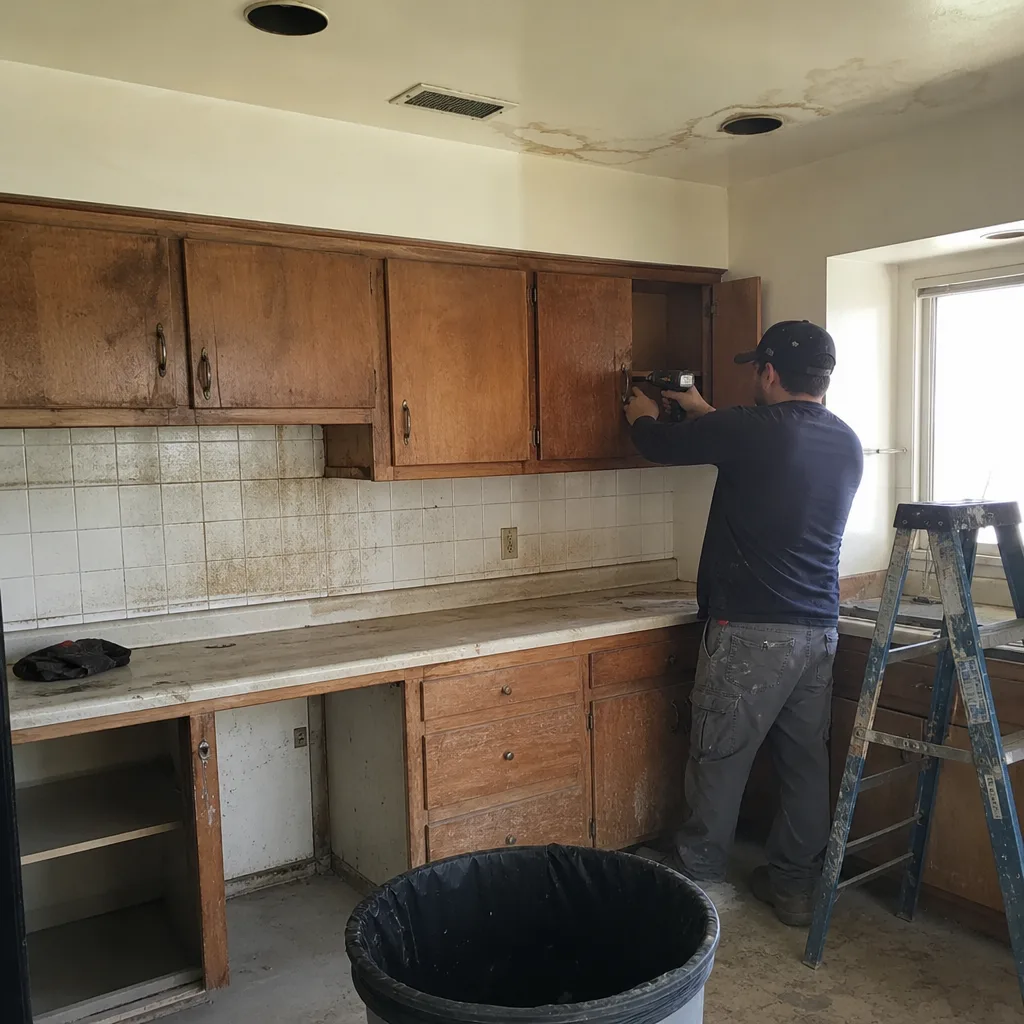 Before
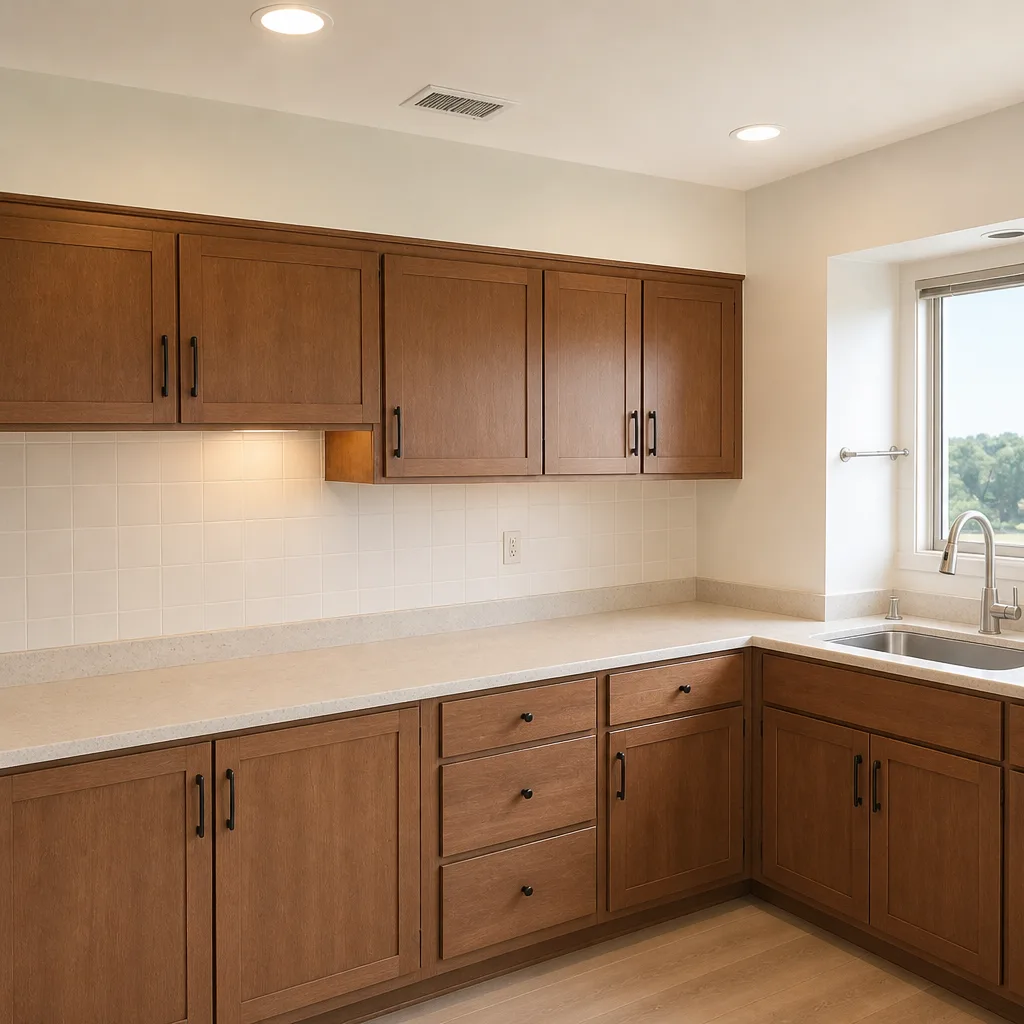 After
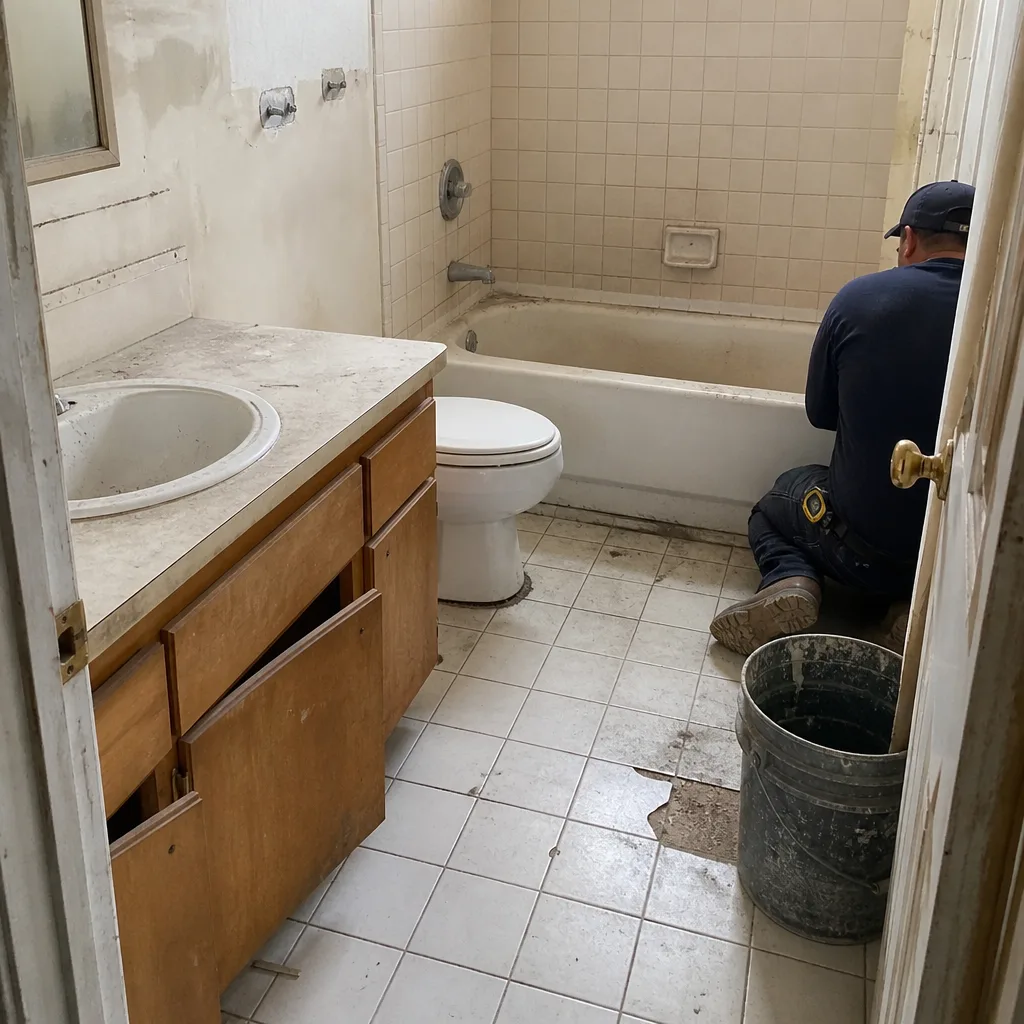 Before
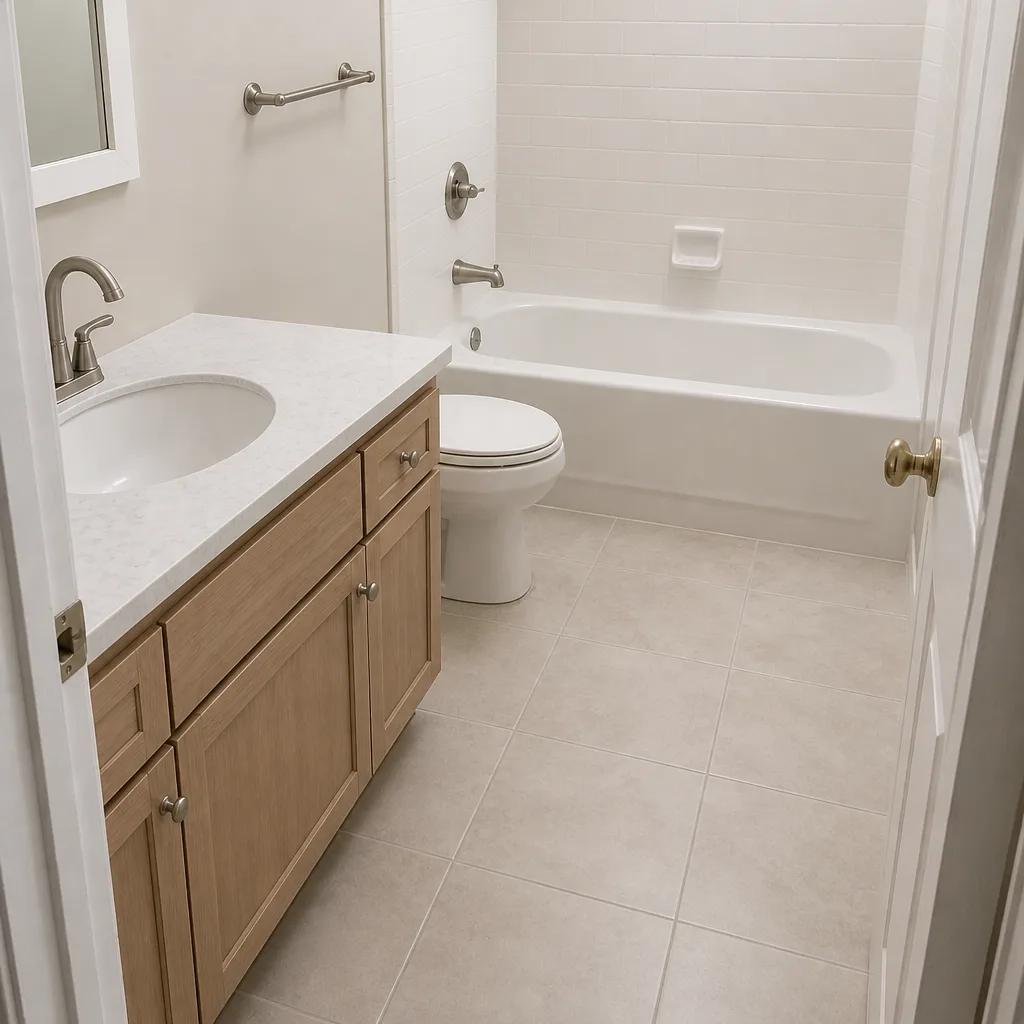 After
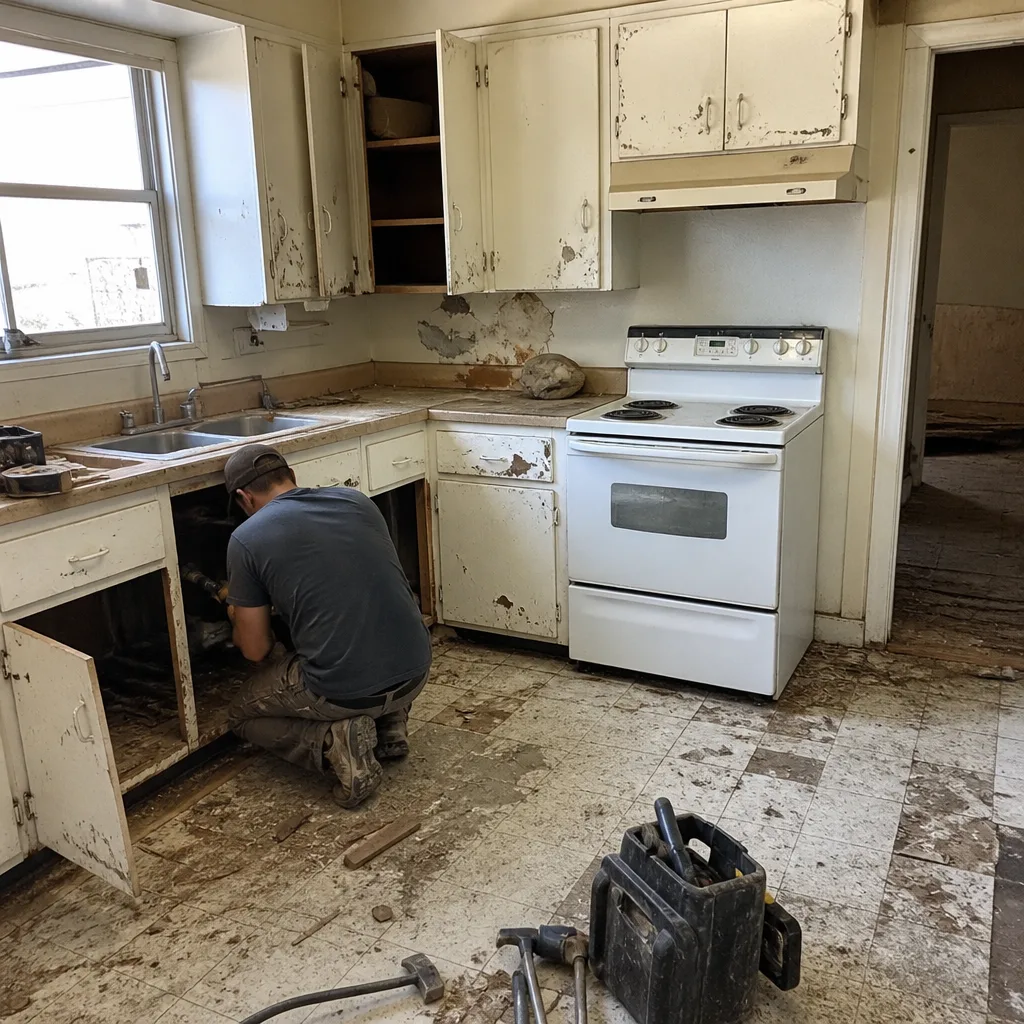 Before
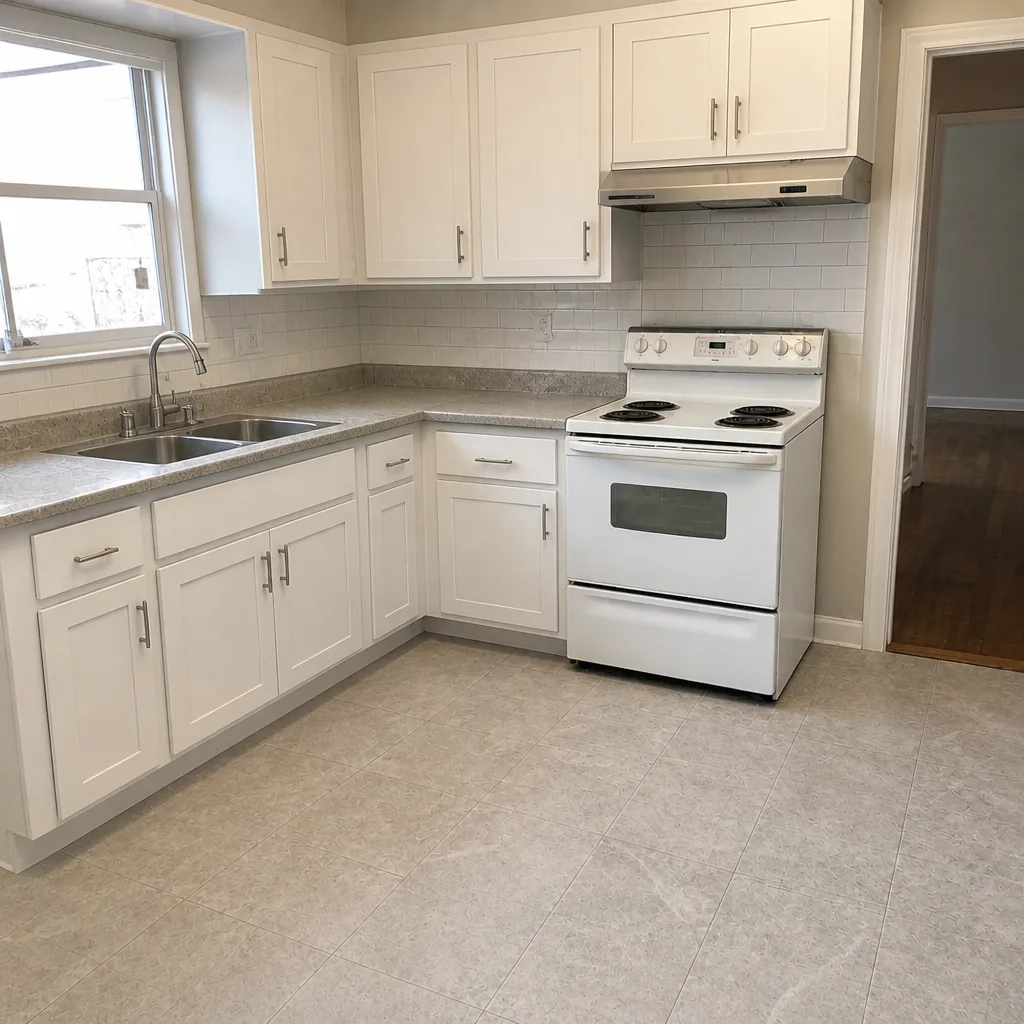 After
When to Call a Professional
Some tasks in this guide are genuinely DIY: a downspout extension, a tube of caulk at ground-floor windows, a polymeric sand touch-up on a few settling pavers. Others are not, and we’d rather tell you that than take your money on a job you can safely do yourself. Call a professional when the work involves anything at height on a roof, anything with a hillside foundation or retaining wall that’s moving, a paver field that’s failed across a wide area, or a structural concern you can’t diagnose with certainty. Those are the jobs where a bad DIY fix costs more than the original problem. Rowan Construction Group Glendale offers free estimates in Glendale – call (844) 320-5930, and a written price comes before any work starts.
Frequently Asked Questions
In October, extend downspouts four to six feet from the foundation, confirm the soil grade falls away from the house, clear retaining-wall weep holes, refill hardscape joints with sand, and check roof penetrations for failing sealant before the rainy season starts in November. This pre-rain window prevents the January foundation and roof leaks we see most often in Glendale. Call (844) 320-5930 if you want a professional look at the roof or drainage.
An annual roof inspection typically runs $150 to $350 in the Glendale market, and minor flashing or penetration resealing adds $75 to $250 depending on how many penetrations are involved. A full roof replacement, if the shingle layer is past its service life, runs considerably higher and needs a written scope. Call (844) 320-5930 for a free estimate – the quote is a flat written price with no surprises once work starts.
Efflorescence is the white, powdery salt deposit that blooms on concrete, stucco, or masonry when moisture moves through the material and evaporates at the surface. By itself it’s cosmetic, but it’s a reliable early sign that water is finding its way in, which is worth tracing after Glendale’s rainy season ends. If you see it on a foundation or retaining wall, get a professional read before the next winter.
Yes. Hillside lots add a February to March slope-movement inspection after the soil reaches saturation, and that check is the one flat-lot guides never mention. Look for soil settlement at the foundation, new cracks in hardscape or stucco, water seeping from a retaining wall base, and doors or windows that suddenly stick. Any of those is a call-a-professional moment.
The full three-window routine – October, April, and August – takes about two to three hours per window for a typical Glendale home, plus time to photograph the 12 fixed angles. The tasks themselves are small; the value is in doing them on schedule and documenting the result. Most of the cost sits in a handful of materials rather than labor.
No – under our upfront pricing, the price is written before anyone picks up a tool, and no change proceeds without a signed change order. That discipline is why projects finish within a few percent of the agreed number. Bring any competitor’s written estimate and we’ll review it line by line at no charge. Call (844) 320-5930 for a free estimate on the seasonal repairs you’ve found.
The Bottom Line
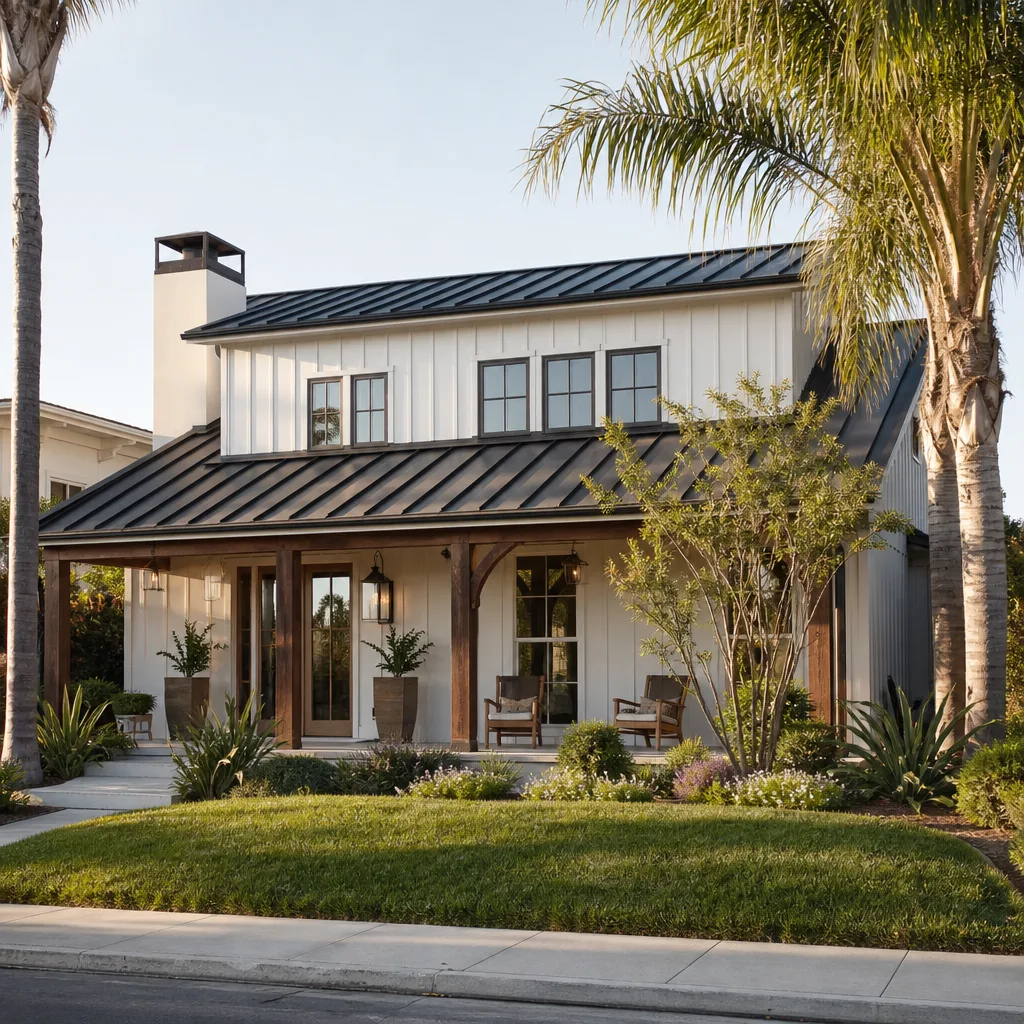
Glendale’s climate lets you skip seasonal maintenance, and that’s exactly why the repair bills get large. The fix is simple and cheap: three windows a year (October pre-rain, April post-rain, August dry heat), a fourth check in February if you’re on a hillside, and a photo record of the same 12 angles each time. A downspout extension, a tube of caulk, and a bag of polymeric sand prevent the majority of the winter and summer damage we see on Glendale properties. Do those in order, keep the photos, and let the documentation do the work. When something needs a professional eye, get a written price you can compare. Fencing, driveways, additions, and roofs all fail the same slow way in a mild climate – quietly, until the checkpoints catch them.
Rowan Construction Group Glendale works across seven residential trades, and a written price comes before any work starts. Background-checked, uniformed technicians, a documented photo record on every visit, and a live person answering calls around the clock are standard, not upgrades. Bring a competitor’s written estimate for a free second opinion, or call (844) 320-5930 to schedule a free estimate for the seasonal repairs on your Glendale home.
Written by the team at Rowan Construction Group Glendale.