Last updated November 16, 2026
Free written scope consultation - allowances, timeline, and change-order rules on paper before a single trade is scheduled
Choosing the Right Construction Brand: A Buyer’s Guide for Glendale
A roofing material can carry a Class A fire rating nationally and still fail a Glendale inspection, because that rating describes the material alone. What Glendale’s Wildland-Urban Interface code actually tests is the assembly: the shingle, the underlayment beneath it, and the method used to fasten them together as one system. Choose a brand by label and you can end up with a product that’s approved on paper and rejected in the field. This guide walks through brand selection as a specification decision, covering how to read an ICC Evaluation Service report, how to compare brands across five trade categories, what warranty portability really costs you at year five and year ten, and how to catch the three substitution points most commonly swapped in Glendale bids.
Quick Answer
Pick construction brands the way an inspector does: by the code report, the warranty terms, and local parts availability, not by the marketing tier. In Glendale, that means confirming a product is approved for California Building Code amendments and WUI assembly requirements, checking whether the warranty survives only under licensed installation, and favoring brands stocked within 20 miles so repair lead times after a storm stay short. A written brand-and-grade specification in your contract is what protects all three.
Styles & brands we work with
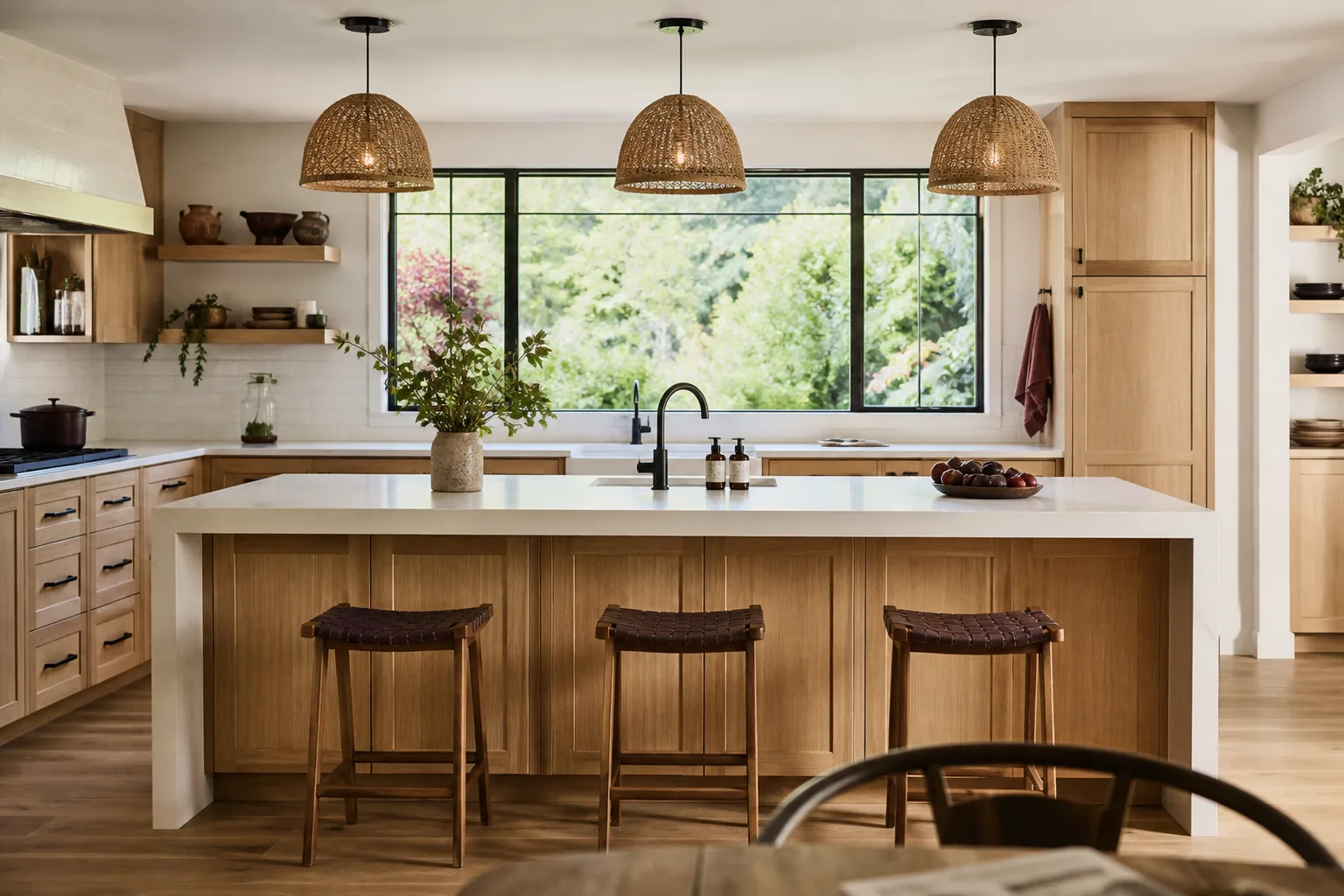
- Kitchen remodeling
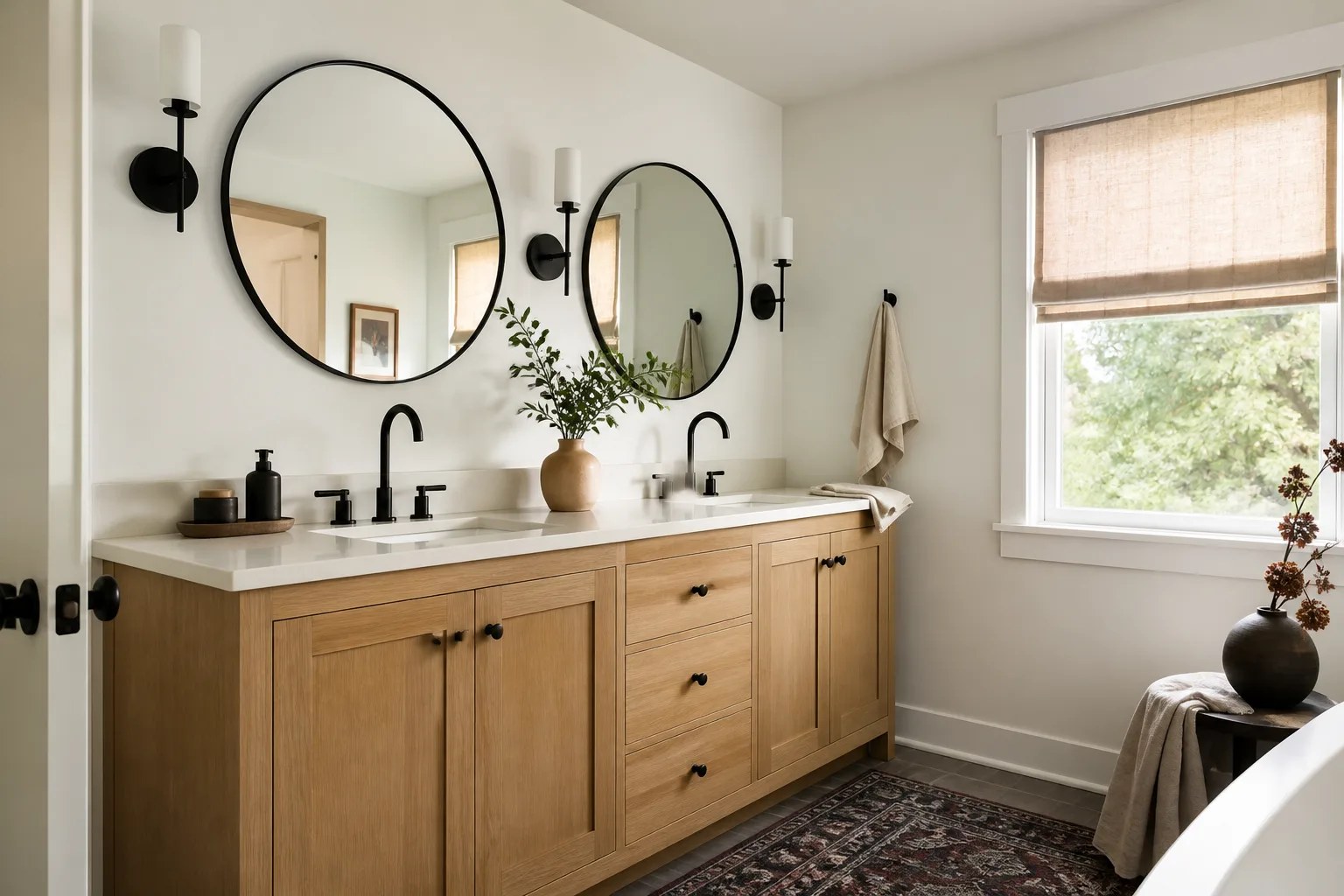
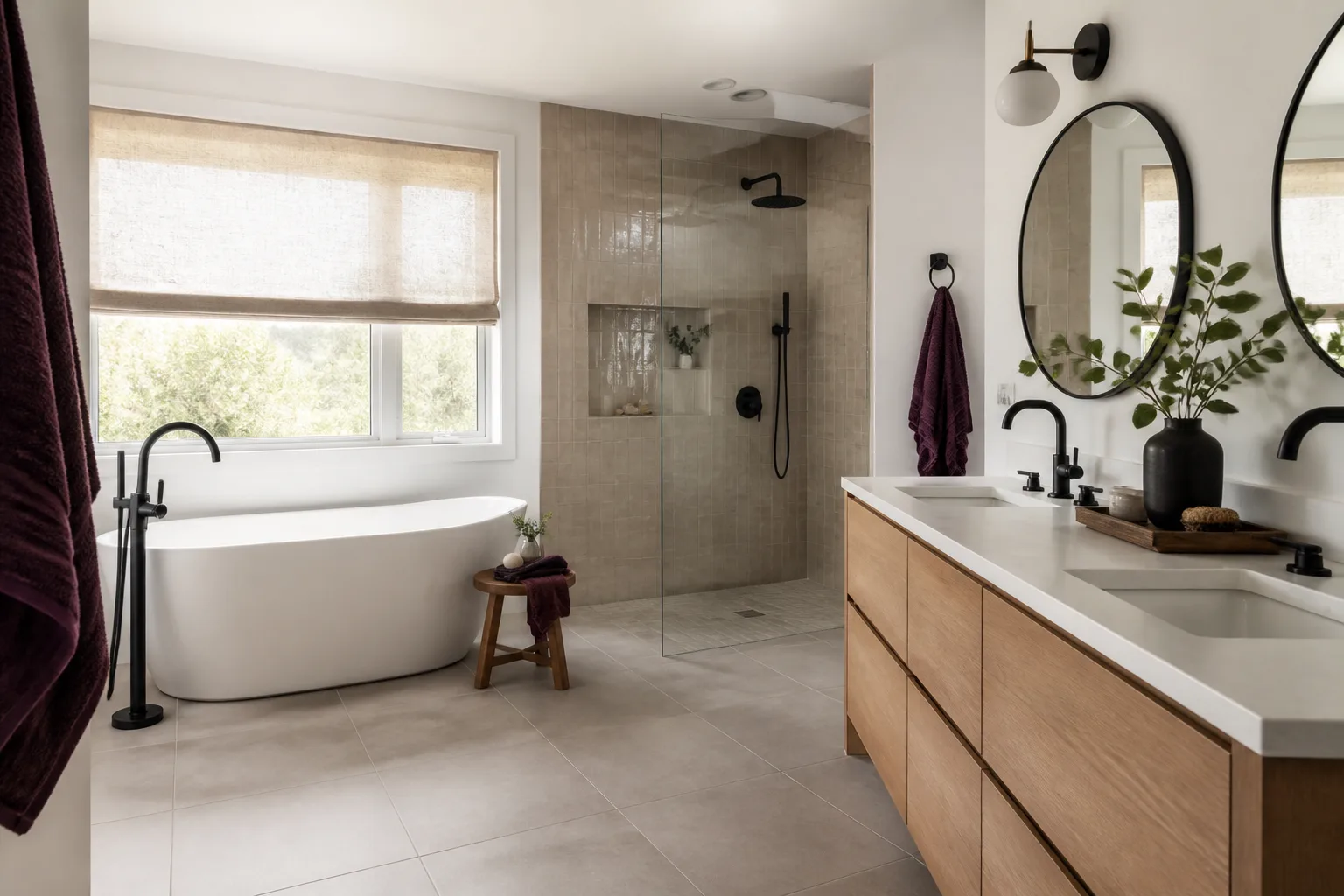
- Bathroom remodeling
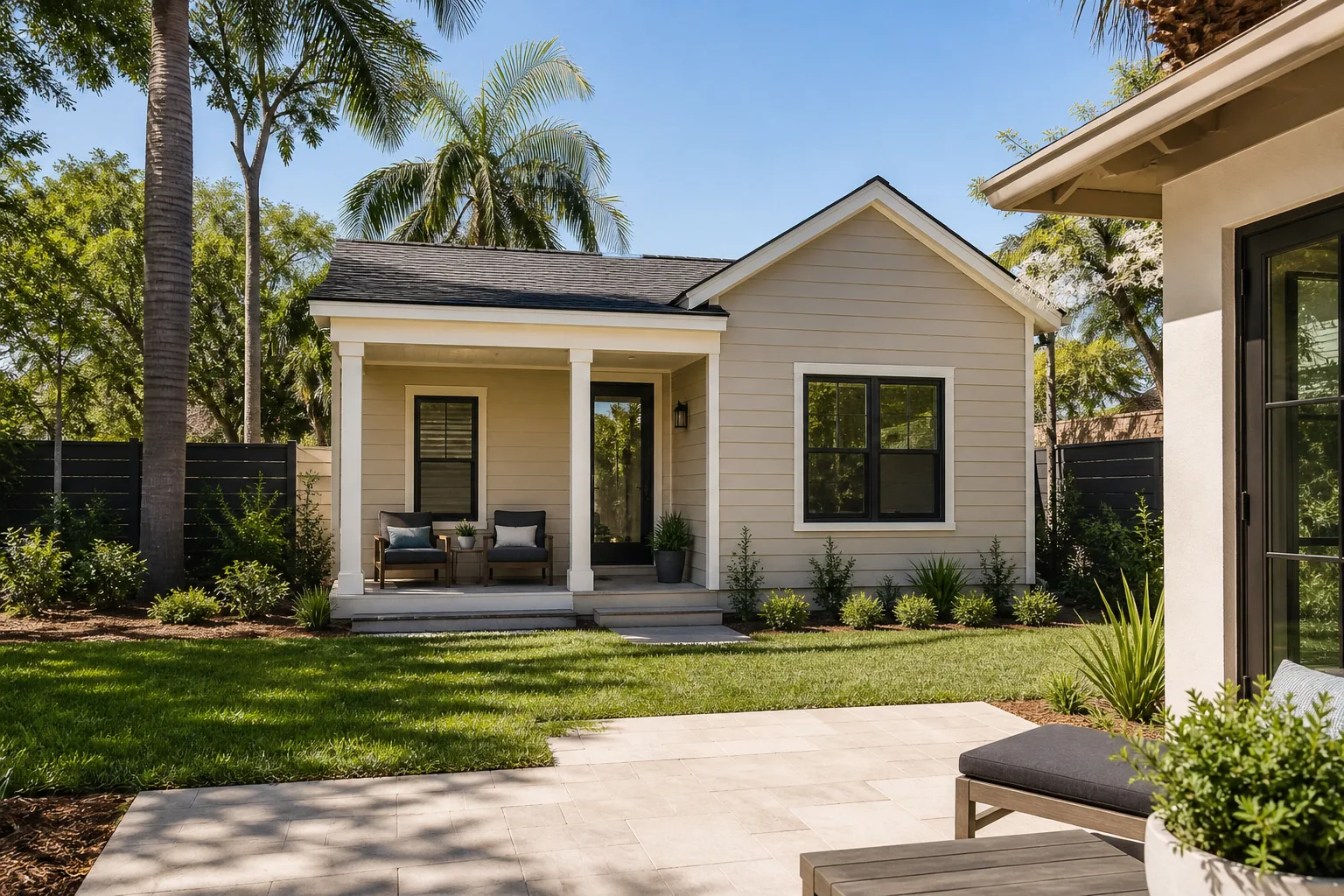
- Home additions & ADU
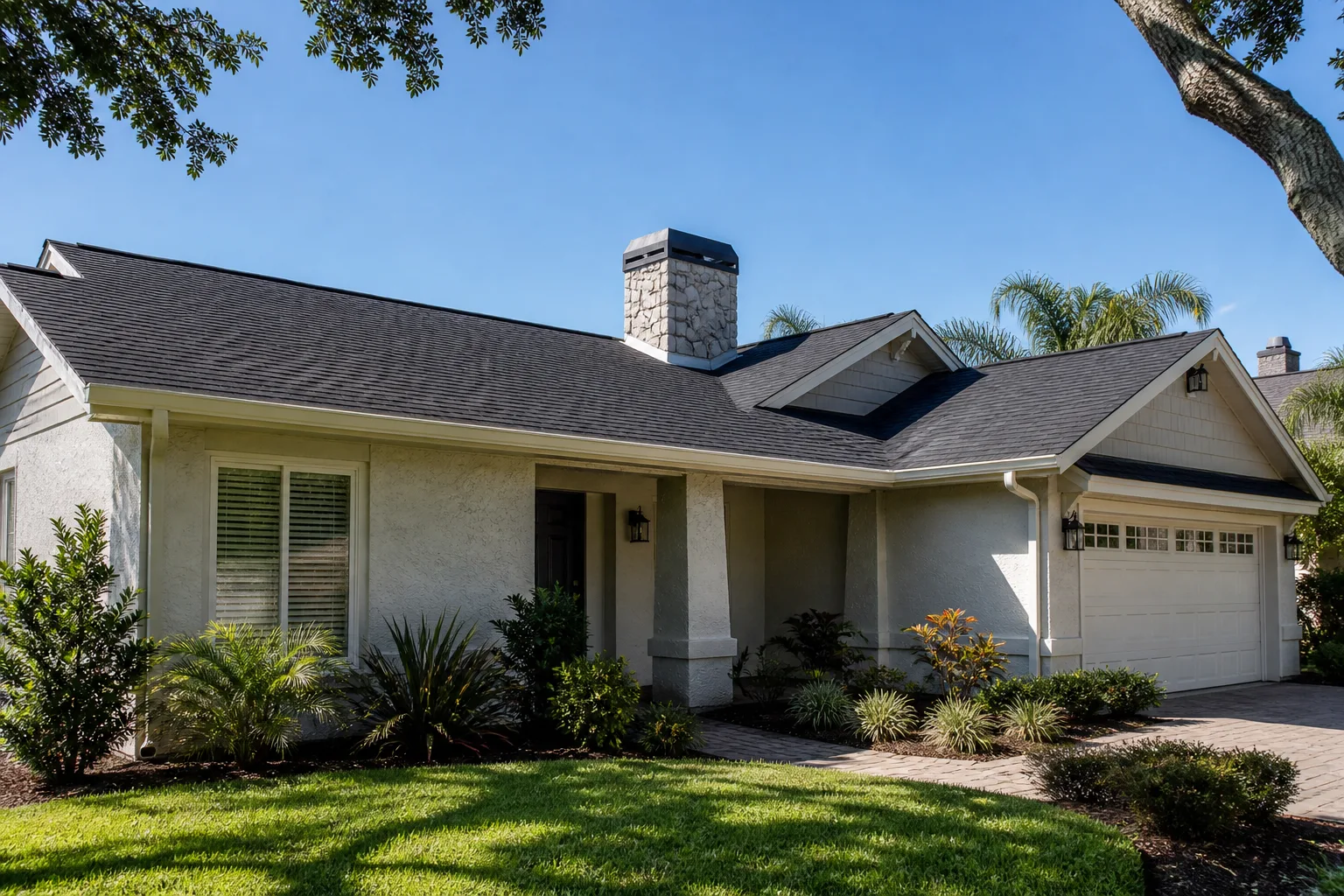
- Roofing
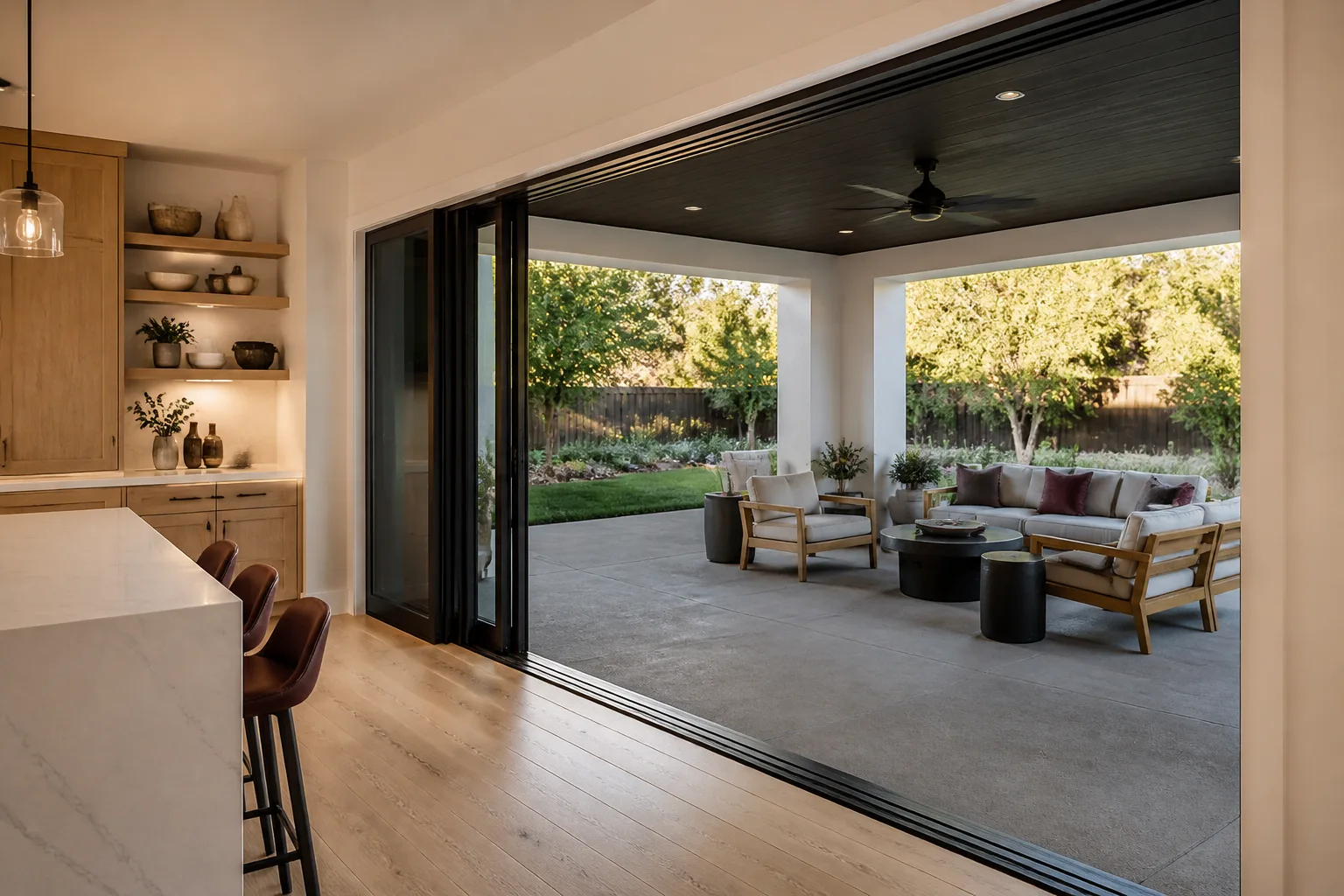
- Windows & doors
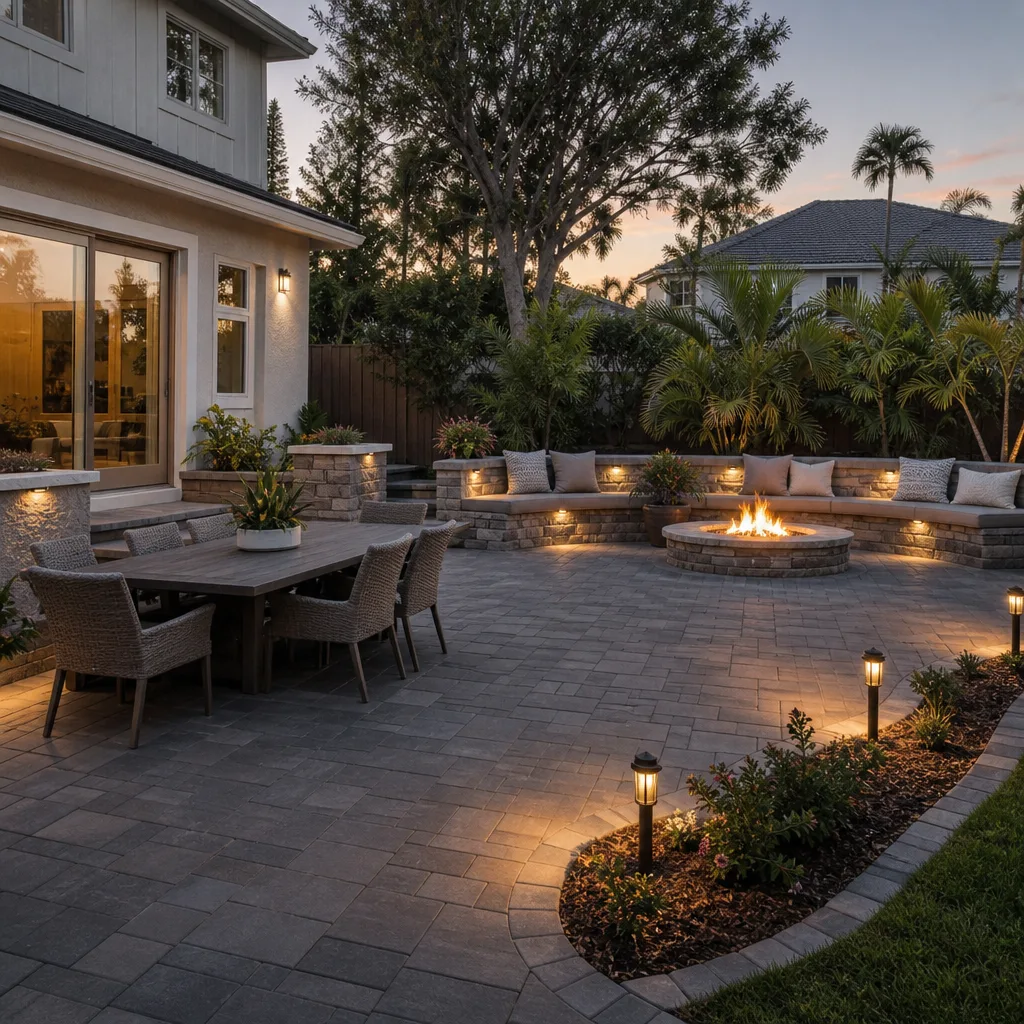
- Driveway & pavers
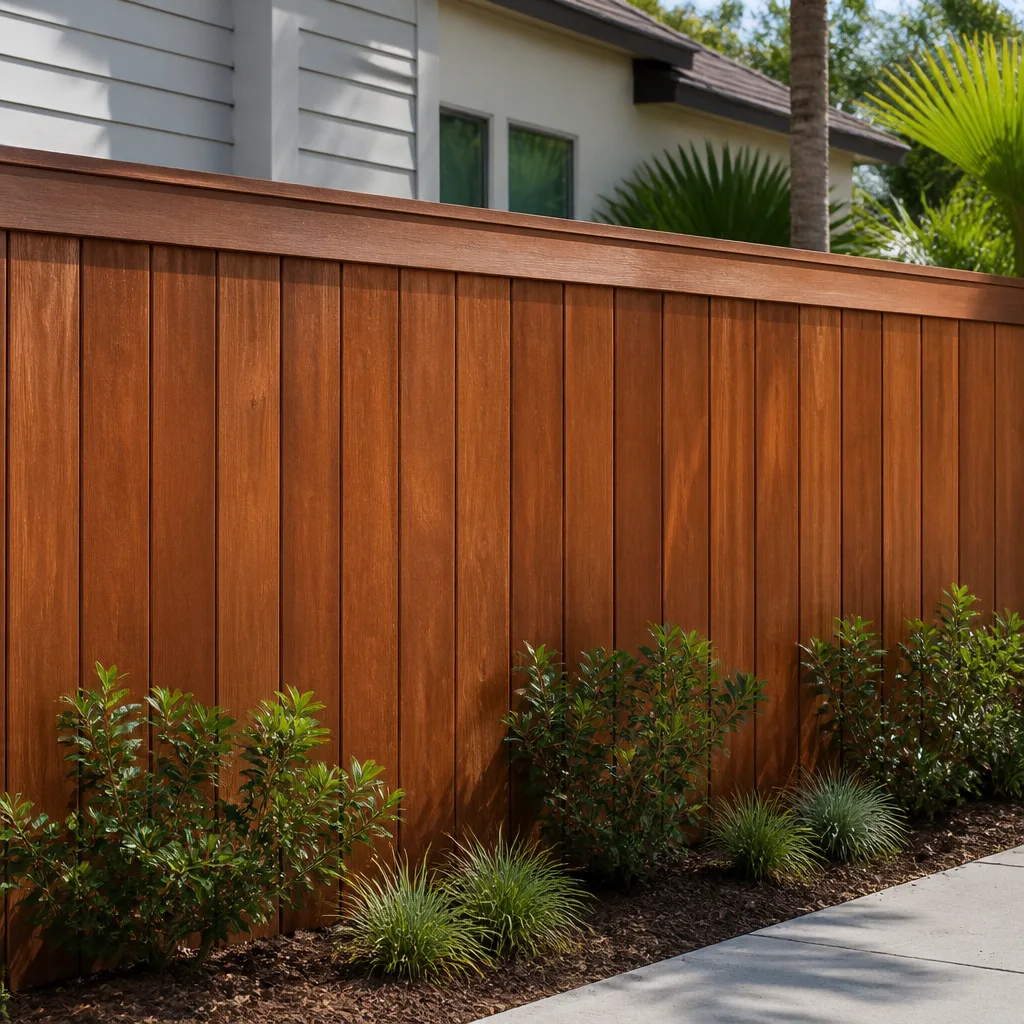
- Fence
Table of Contents
- How to Read an ICC-ES Report
- Roofing Brands and WUI Compliance
- Concrete and Masonry: Quikrete vs. Sakrete
- Waterproofing Membranes: Henry, BASF, Tremco
- Windows: Milgard, JELD-WEN, Andersen for Zone 10
- Pavers: Belgard, Pavestone, Basalite
- Warranty Portability and Prorated Terms
- Catching Brand and Grade Substitution
How to Read an ICC Evaluation Service Report
An ICC Evaluation Service (ICC-ES) report is the document that tells you whether a manufacturer’s product is recognized as code-compliant, and under what conditions. It’s issued against the base model codes, but Glendale enforces the California Building Code (CBC) along with local amendments, so the report is a starting point, not a stamp of approval. Read it in this order:
- Find the evaluation report number (the ESR number, printed on the packaging or available from the manufacturer). Confirm it’s current; expired reports don’t count.
- Open the “Conditions of Use” section. This is where limits live: minimum substrate, allowable spans, required fasteners, and installation methods the approval depends on.
- Check the “Basis of Compliance” field for the specific code edition cited. Cross-reference it against the CBC edition Glendale is enforcing.
- Look for a state or local listing where the product touches fire or seismic performance. A WUI-approved roof assembly needs the assembly tested, not just the material.
- Confirm the product name and model on the report matches what’s in your bid. Brands make several grades under similar names, and the report only covers the ones it lists.
In our experience across Glendale projects, most brand disputes trace back to a report that was current but covered a different grade than the one quoted. The fix is simple: ask for the ESR number in writing before you sign.
Roofing Brands and WUI Compliance
Glendale’s hillside neighborhoods sit close to wildland areas, which means roof assemblies often fall under WUI requirements. That’s a higher bar than a national Class A rating, and it changes how you compare GAF, Owens Corning, and Boral.
GAF and Owens Corning are the two most common asphalt shingle brands you’ll see on Glendale bids, and both offer WUI-oriented product lines with the fire ratings and assembly documentation needed. The difference usually comes down to warranty terms and installer certification, not the shingle itself. Boral enters the conversation for tile and stone-coated metal, which many Glendale hillside homes use for fire performance and longevity.
What matters most: the brand doesn’t earn WUI compliance by itself. The underlayment grade and the fastening method are part of the tested assembly. A premium shingle over a low-grade felt underlayment is a swap that can fail inspection, and it’s the single most common one we see.
If you’re planning a roof replacement, our Rowan Construction Group Glendale home page lists the trades and the written-price process we use before any shingle is removed.
Concrete and Masonry: Quikrete vs. Sakrete
For bagged concrete and mortar, the Glendale-specific variable is temperature swing. Days near 90°F and nights in the 50s put real stress on cure time, and the mix matters.
Quikrete and Sakrete both supply broad lines, and both publish mix specs that tell you the compressive strength at 28 days. The comparison isn’t brand loyalty; it’s which product matches the application and the weather window:
- Fast-setting mixes cure quickly and help when temperature swings threaten a proper finish. They leave less working time.
- Standard high-strength mixes give more control for larger pours but need consistent moisture and temperature control through cure.
- Mortar and repair mixes are formulated for different strengths; using a repair product for structural work is a spec error, not a brand one.
Both brands are stocked widely in Glendale-area suppliers, so parts and bag replacement aren’t a concern. The spec is where projects fail, not availability.
Waterproofing Membranes: Henry, BASF, Tremco
Waterproofing is where Glendale’s dry climate fools people. We get 15-plus inches of rain concentrated into a few months, and a membrane that only has to survive occasional drizzle still has to hold up through a December downpour and years of UV exposure in between.
Henry (now part of the same family as other building-products brands) is a common choice for sheet and liquid-applied membranes on decks and foundations. BASF brings a broad line of liquid-applied products with published coverage rates and thickness specs. Tremco is often specified for commercial-grade work and larger assemblies.
The comparison test is simple: does the product have a published, tested assembly for your application, and does the bid name the brand and grade? A liquid membrane that’s quoted as “waterproofing” without a brand and coverage spec can be substituted down to a cheaper product without you noticing. Under Clause 1 of the Haven Standard, that price is written before anyone starts, and the brand and grade belong in the written scope.
Windows: Milgard, JELD-WEN, Andersen for Zone 10
Glendale sits in California’s climate zone with hot inland summers and mild winters, so window performance is measured against ENERGY STAR criteria for that zone. Compare Milgard, JELD-WEN, and Andersen by the U-factor and Solar Heat Gain Coefficient on the NFRC label, not the display-room styling.
Three checks matter most:
- NFRC label rating for the exact unit you’re buying, not the product family. Ratings vary by glazing package and frame material.
- ENERGY STAR designation for the correct climate zone. A window labeled for a colder zone may overperform on insulation but underperform on solar heat rejection in Glendale.
- Installation method. Window warranties often depend on installation to manufacturer specification, and poorly flashed units fail regardless of brand.
All three brands have distribution in Southern California, so parts availability for glass and hardware is rarely a problem. The failure point is almost always installation, not the product. Our Driveway & Pavers in Glendale page is a good reference for how we handle substrate and drainage before the finish work goes on.
Pavers: Belgard, Pavestone, Basalite
Hardscape brands in Glendale get evaluated on two things: compaction strength under load and color retention under high UV. Belgard, Pavestone, and Basalite all make pavers suitable for driveways, and the differences show up over years, not weeks.
Color retention is the sleeper issue. Some pigments fade faster than others under Glendale’s summer sun, and a paver that looked rich in year one can look washed out in year five if it wasn’t built for UV exposure. Compaction strength matters because driveways here see heavy loads on hot asphalt, and a paver base that’s under-specified will fail regardless of the brand on top.
Both Belgrad and Basalite products are stocked locally, so replacement units match when something chips or needs repair. That’s not a small thing: a paver with no local distribution means a color or batch mismatch on any repair.
Warranty Portability and Prorated Terms
Brand warranties vary in two ways that affect real money: who’s allowed to install, and how the coverage changes over time.
Licensed-contractor-only warranties require installation by a licensed contractor to stay valid. These are common in roofing and windows, and they usually come with stronger coverage in exchange for the installation restriction.
Owner-builder-friendly warranties allow documented owner installation with receipts and records. Coverage is often shorter and more proscriptive about method.
Prorated vs. non-prorated terms is the part buyers miss. A prorated warranty pays less each year. If a shingle costs $2,000 per square and the warranty prorates 10% per year, a failure at year five covers half the replacement cost, and you’re out the difference. A non-prorated term covers the full amount through the warranty period. Before you compare brands on warranty length alone, ask what the payout looks like in year five and year ten. Our Fence Installation in Glendale page shows how we document materials and installation for warranty purposes.
Catching Brand and Grade Substitution
The most common bid swaps happen in three places: felt underlayment grade, sheathing species and grade, and flashing gauge. Each is a low-visibility change that saves the contractor money and costs you performance.
To catch substitutions:
- Demand a written brand-and-grade specification in the contract, including the ESR number where it applies.
- Get a documented photo record of materials on delivery, before installation. This is a standard deliverable on every Rowan visit, not an upgrade.
- Ask for a signed change order before any brand or grade is switched. Under Clause 1 of the Haven Standard, no change proceeds without that signature.
- Review the invoice against the spec line by line before you make the final payment.
We offer a free second opinion on any written estimate, reviewing it line by line at no charge. If a competitor’s quote doesn’t name the brand and grade, that’s the first thing to flag. Our Home Additions & ADU in Glendale page goes deeper on how we document larger-scope projects.
Why Local Distribution Matters for Glendale Repairs
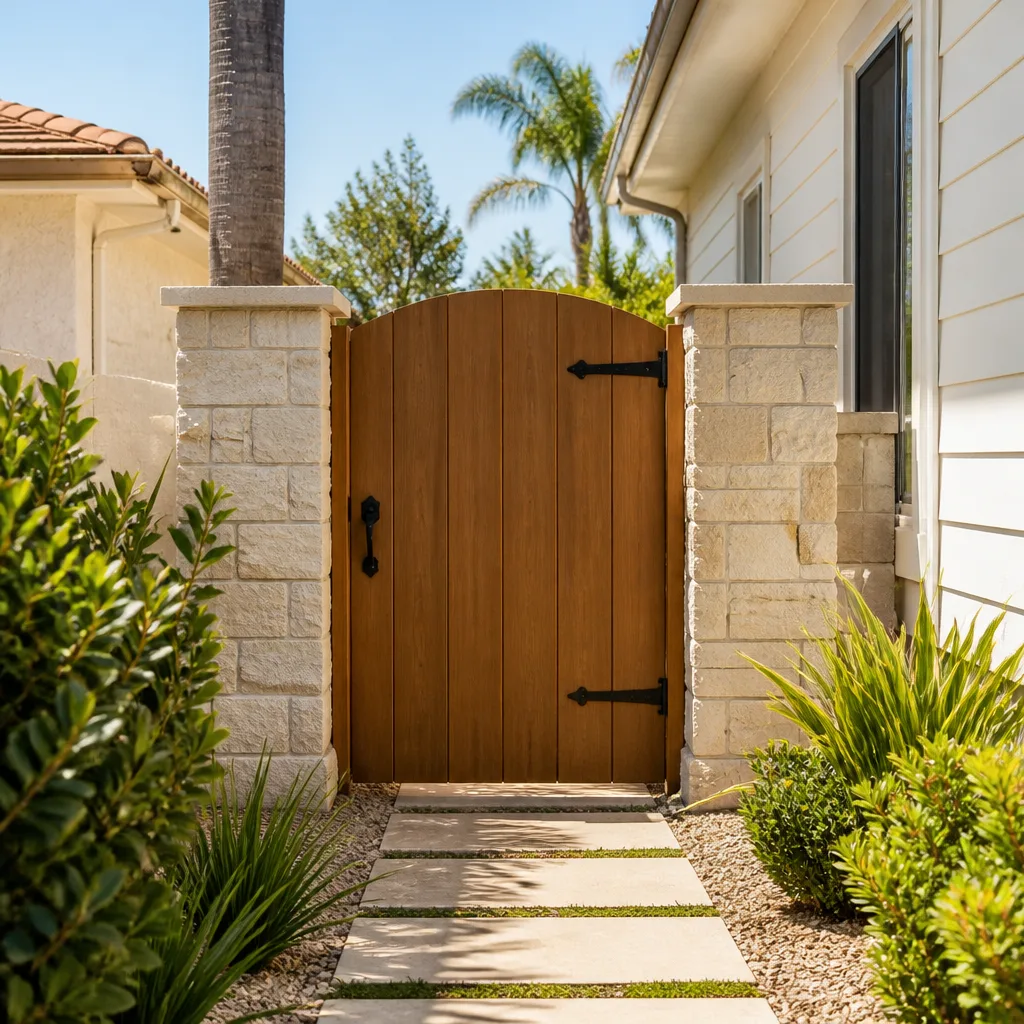
When a storm tears up a roof or an earthquake knocks a fence down, the repair timeline depends on where the brand’s parts live. A brand stocked within 20 miles of Glendale gets you replacement units in days; a ship-only brand can mean weeks.
Ask the contractor three questions: where the brand’s nearest distribution center is, what the typical lead time is for a repair-order quantity, and whether the exact model is stocked or special-order. Milgard, JELD-WEN, Andersen, Belgrad, Basalite, Quikrete, and Sakrete all have local or near-local distribution. Some specialty products don’t, and you should know that before you buy.
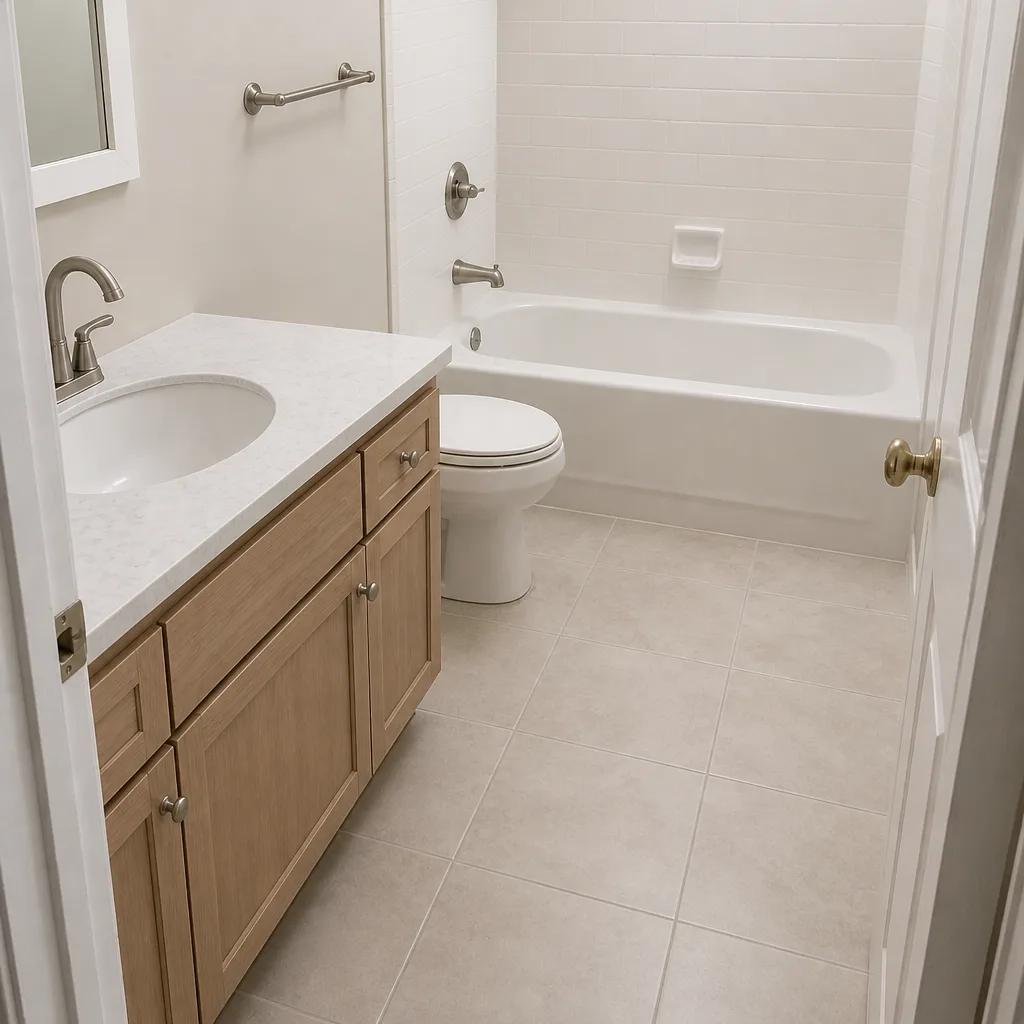
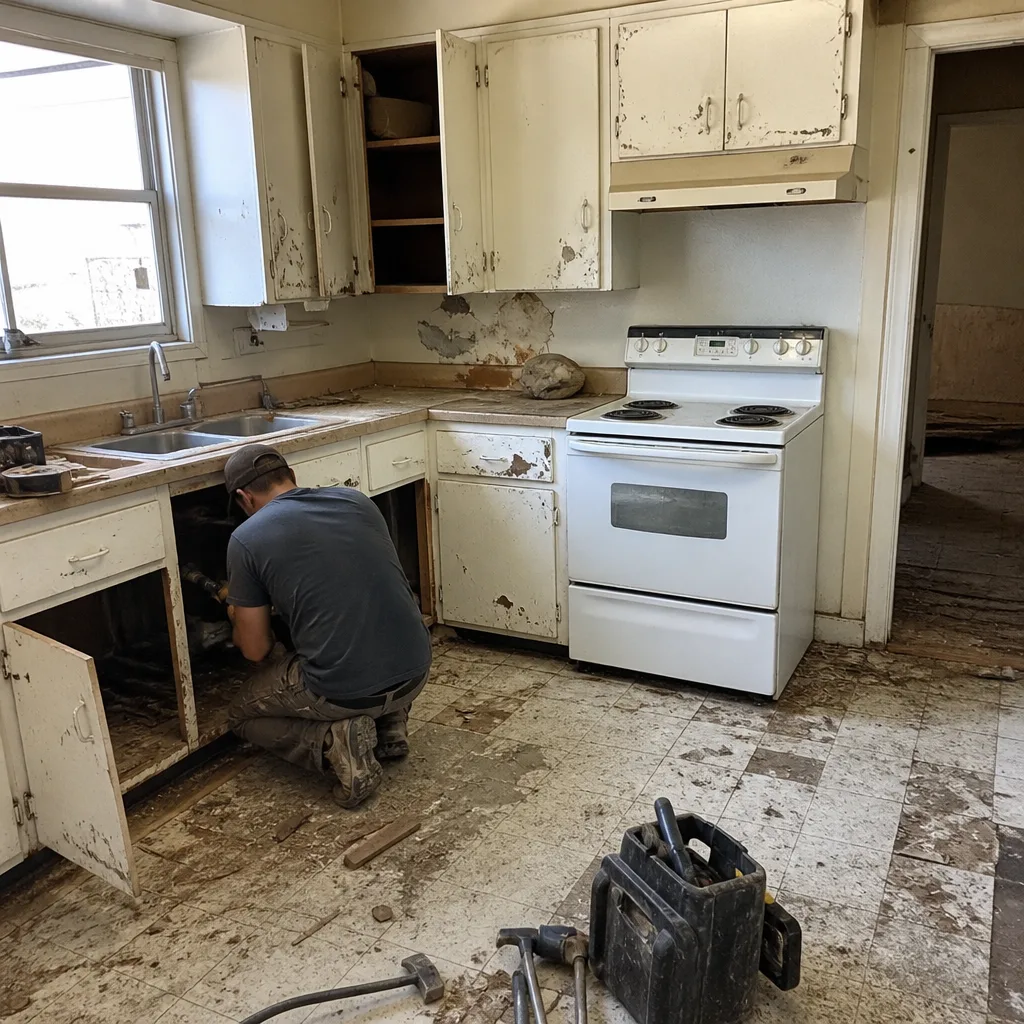
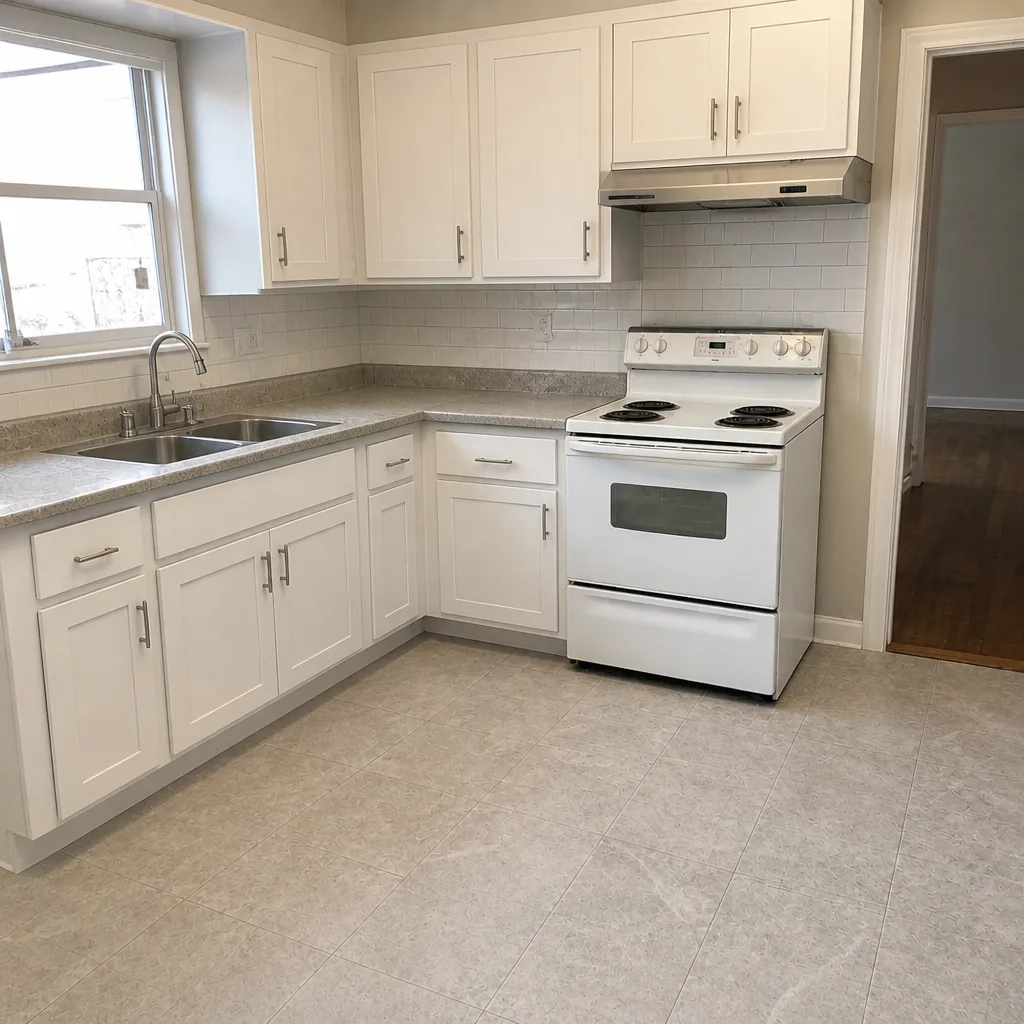
See the difference
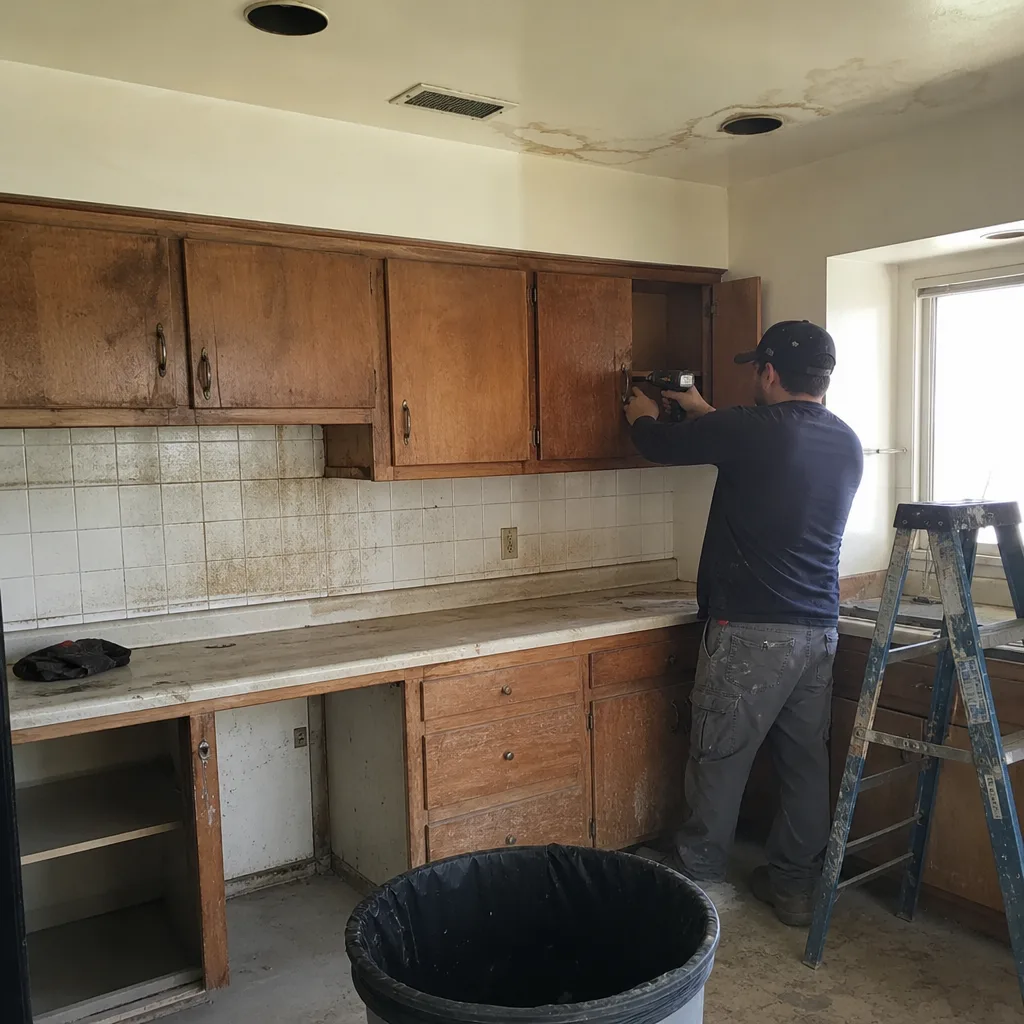 Before
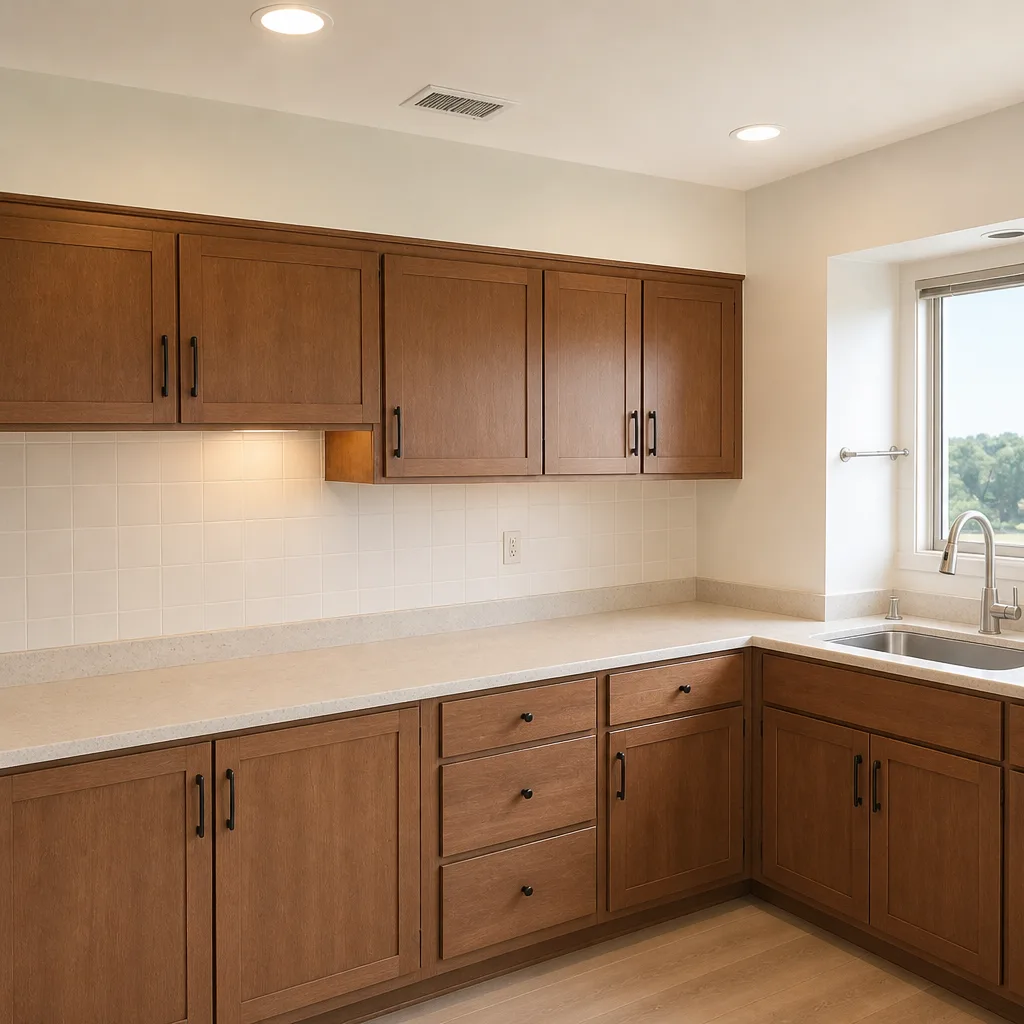 After
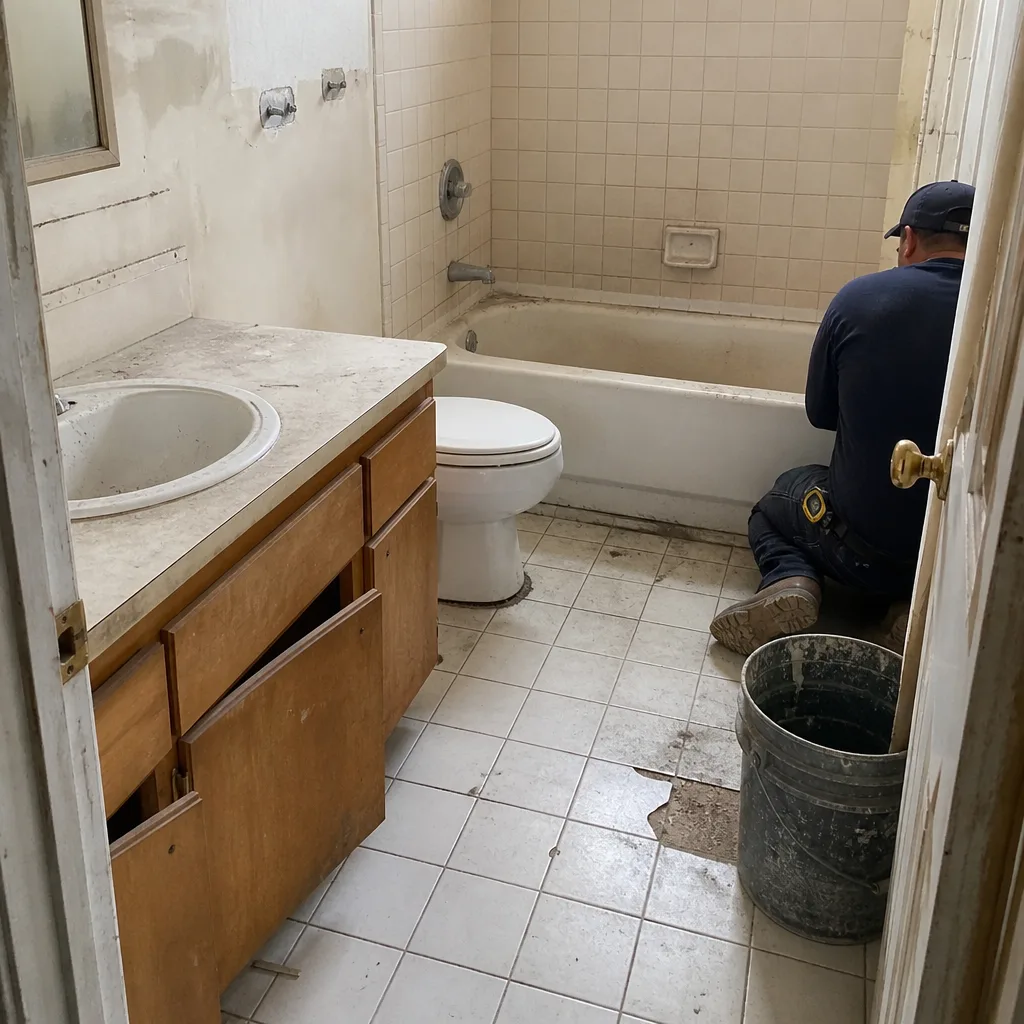 Before
 After
 Before
 After
Common Mistakes to Avoid
- Choosing by color and label. A shingle that’s Class A nationally can still fail a Glendale WUI assembly check. Read the assembly documentation, not the marketing.
- Assuming the ESR report covers your grade. Brands sell multiple grades under similar names. Confirm the specific product on the report matches your bid.
- Comparing warranty length without comparing terms. A 25-year prorated warranty can pay far less at year five than a 15-year non-prorated one.
- Accepting a bid that names no brand. “Architectural shingles” and “concrete pavers” are categories, not products. A bid without a brand and grade is a bid for the cheapest product that fits the description.
- Overlooking the underlayment and flashing. The three most common swaps in Glendale happen below the visible surface: felt grade, sheathing, and flashing gauge.
- Ignoring local parts availability. A brand with no distribution within driving distance means repair lead times measured in weeks, not days.
- Treating the warranty as one document. Manufacturer warranty, contractor workmanship warranty, and the installation method are three separate promises. Confirm all three in writing.
When to Call a Professional
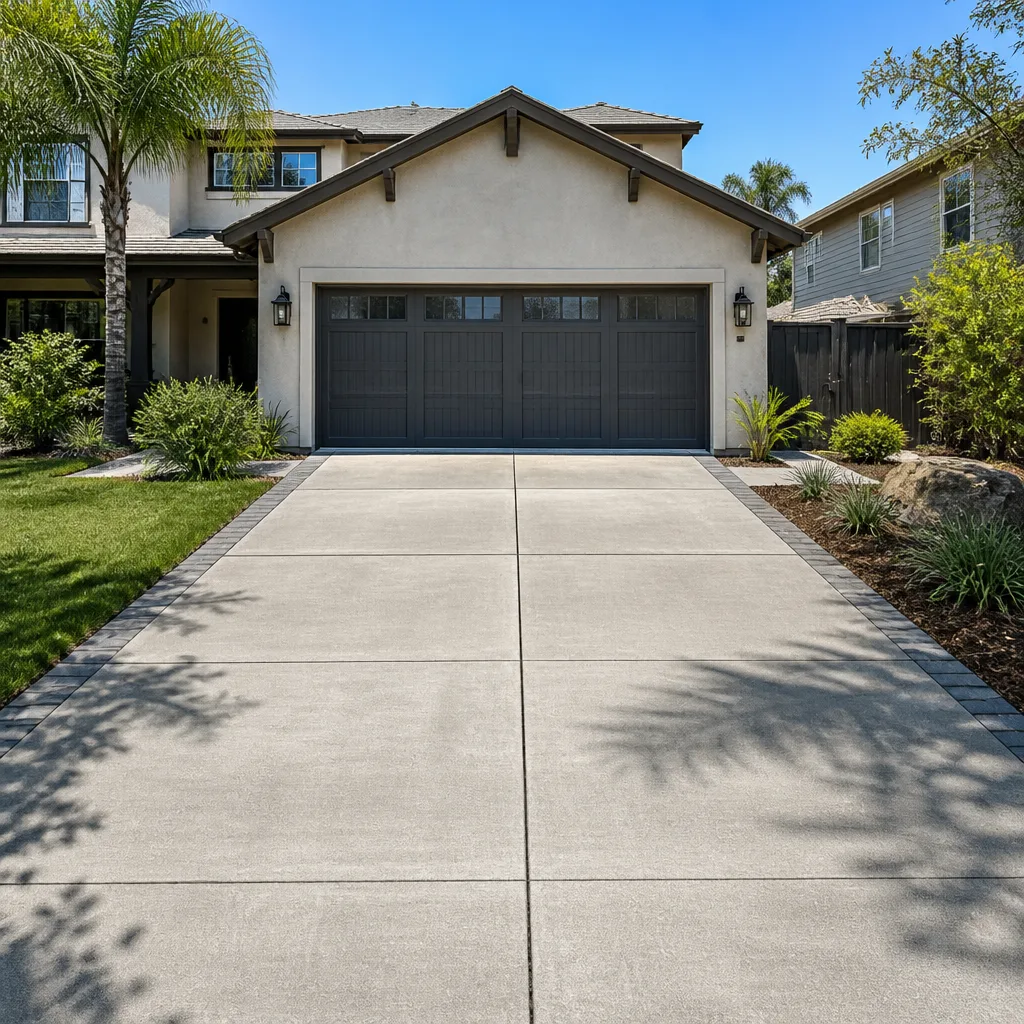
Specification work is easy to underestimate. It’s one thing to read a product label and another to match an assembly to Glendale’s code amendments, confirm WUI compliance for a hillside roof, and verify that the brand and grade written into your bid will pass inspection. Anything touching roof assemblies, window flashing, structural masonry, or seismic-rated connections belongs with a licensed contractor. And any quote that names a category but not a brand is worth a second look before you sign.
Rowan Construction Group Glendale offers free estimates in Glendale with a written price and a written scope before any work starts. Our technicians have up to 19 years of experience, and every visit includes a documented photo record as standard. Call (844) 320-5930 to schedule your free estimate.
Frequently Asked Questions
There’s no single best brand; the right choice depends on the trade and the assembly. For roofing, GAF and Owens Corning both offer WUI-compliant lines, with Boral for tile and stone-coated metal. For windows in Glendale’s climate zone, Milgard, JELD-WEN, and Andersen all perform, with the difference usually coming down to installation and warranty terms. For pavers, Belgard and Basalite are stocked locally and hold up under high UV. The brand matters less than whether it’s specified by grade and approved for the assembly. Call (844) 320-5930 for a line-by-line review of any written estimate, free of charge.
Start with the ICC Evaluation Service (ESR) report and check the “Conditions of Use” and “Basis of Compliance” fields against the CBC edition Glendale enforces. If the product touches fire or seismic performance, ask for the assembly-level documentation, not just the material rating. A current ESR report is necessary but not sufficient; the assembly method is what local code actually tests. Call (844) 320-5930 if you want a second opinion on a specific product, free of charge.
Many do, especially in roofing and windows. Licensed-contractor-only warranties typically require professional installation to stay valid, and the coverage is often stronger as a result. Owner-builder-friendly warranties exist but usually carry shorter, more restrictive terms. Read the installation clause before you compare warranty lengths. Call (844) 320-5930 for a free second opinion on any written estimate.
A prorated warranty pays less each year. On a roof where the material costs $2,000 per square and the warranty prorates 10% per year, a failure at year five covers about half the replacement cost, leaving you to pay the rest. A non-prorated warranty covers the full amount for the warranty period. This is why comparing warranty length alone can mislead. Call (844) 320-5930 and we’ll review the terms with you at no charge.
Check three points: felt underlayment grade, sheathing species and grade, and flashing gauge. Ask for a documented photo record of materials on delivery, and confirm a signed change order exists for any switch. Under Clause 1 of the Haven Standard, the written price and written scope come before any work starts, and no change proceeds without a signature. Call (844) 320-5930 to schedule a free estimate.
Repair lead time depends largely on local distribution. Brands stocked within 20 miles of Glendale, including Milgard, Belgard, Basalite, Quikrete, and Sakrete, typically deliver replacement units in days rather than weeks. Specialty or ship-only products can take longer. Confirm lead times before you commit to a brand. Call (844) 320-5930 for a free estimate with a written price.
The Bottom Line
Brand selection in construction is a specification decision, not a loyalty test. Read the ESR report to confirm code approval for Glendale’s amended CBC, verify WUI assembly documentation on hillside roofs, compare warranties by portability and prorated terms rather than length, and favor brands with local distribution so repairs stay measured in days. Then put it all in writing: brand, grade, and ESR number in the contract, a documented photo record on every visit, and a signed change order before any substitution. Our technicians have up to 19 years of experience, and every project starts with a written price and a written scope before a tool comes off the truck.
Call (844) 320-5930 to schedule your free estimate and get your project into a written, brand-verified specification.
Written by the team at Rowan Construction Group Glendale.