Free written scope consultation - allowances, timeline, and change-order rules on paper before a single trade is scheduled
Styles & brands we work with
- Kitchen remodeling
- Bathroom remodeling
- Home additions & ADU
- Roofing
- Windows & doors
- Driveway & pavers
- Fence
See the difference
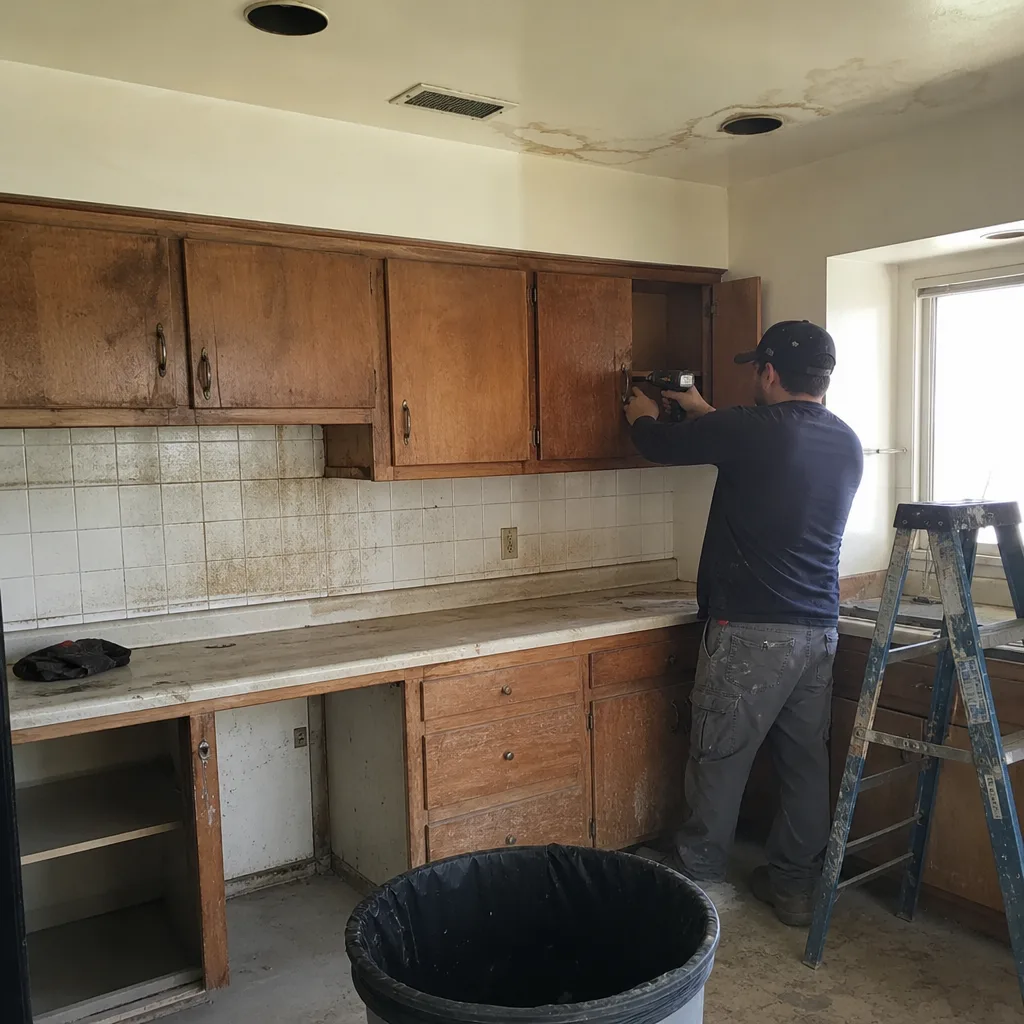 Before
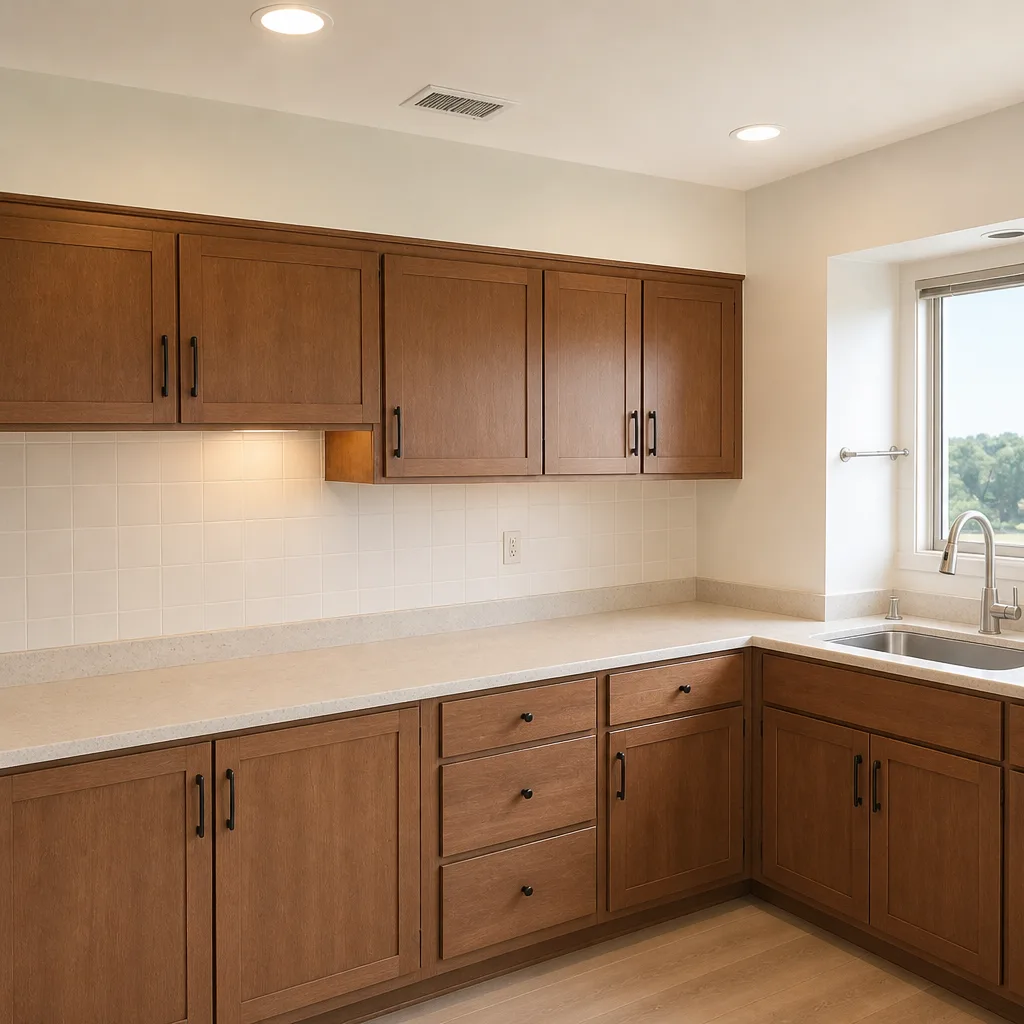 After
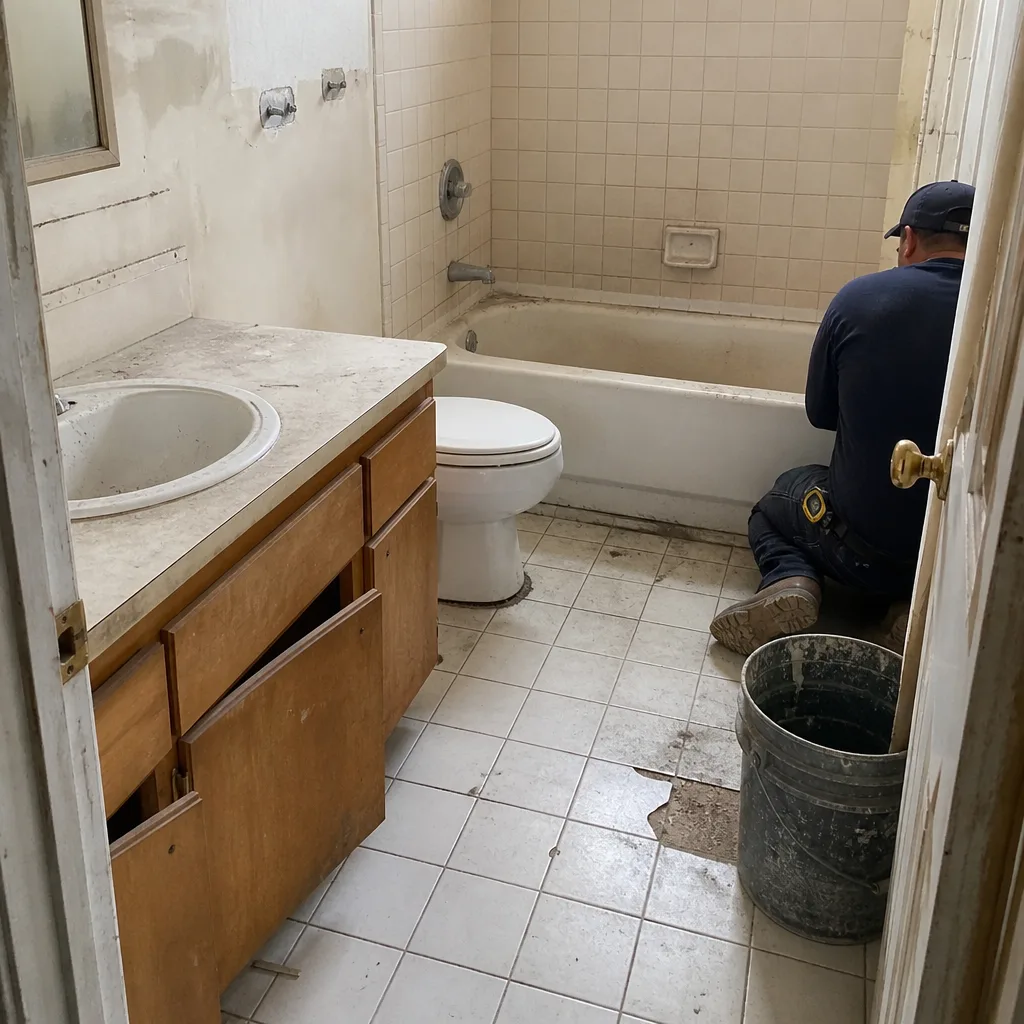 Before
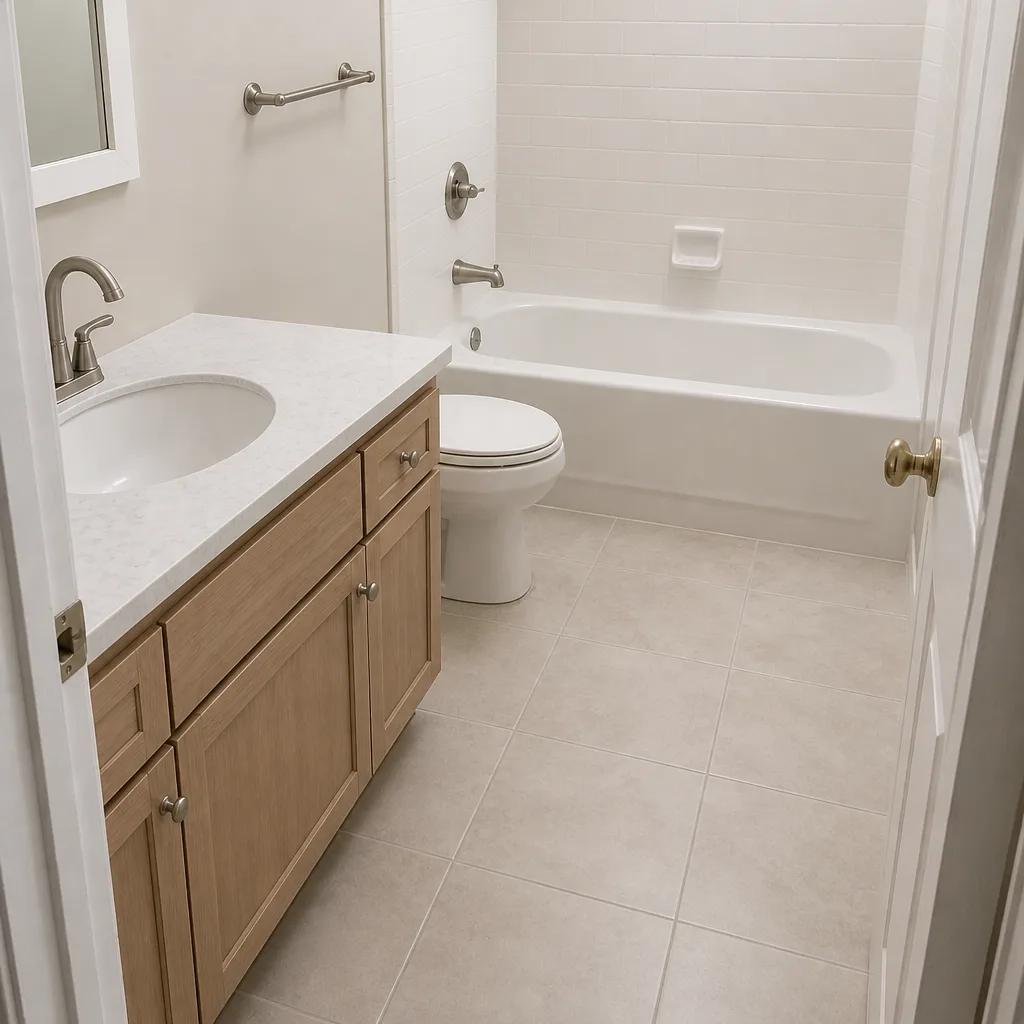 After
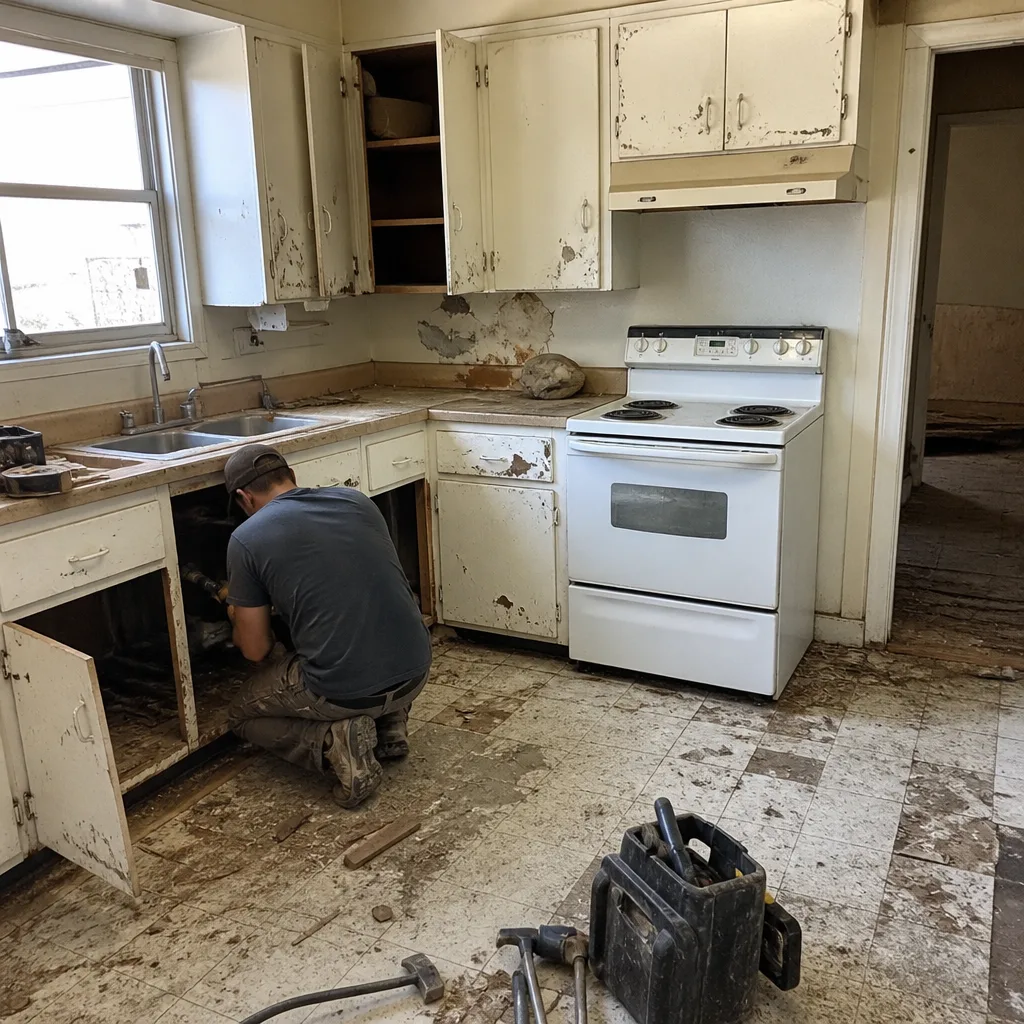 Before
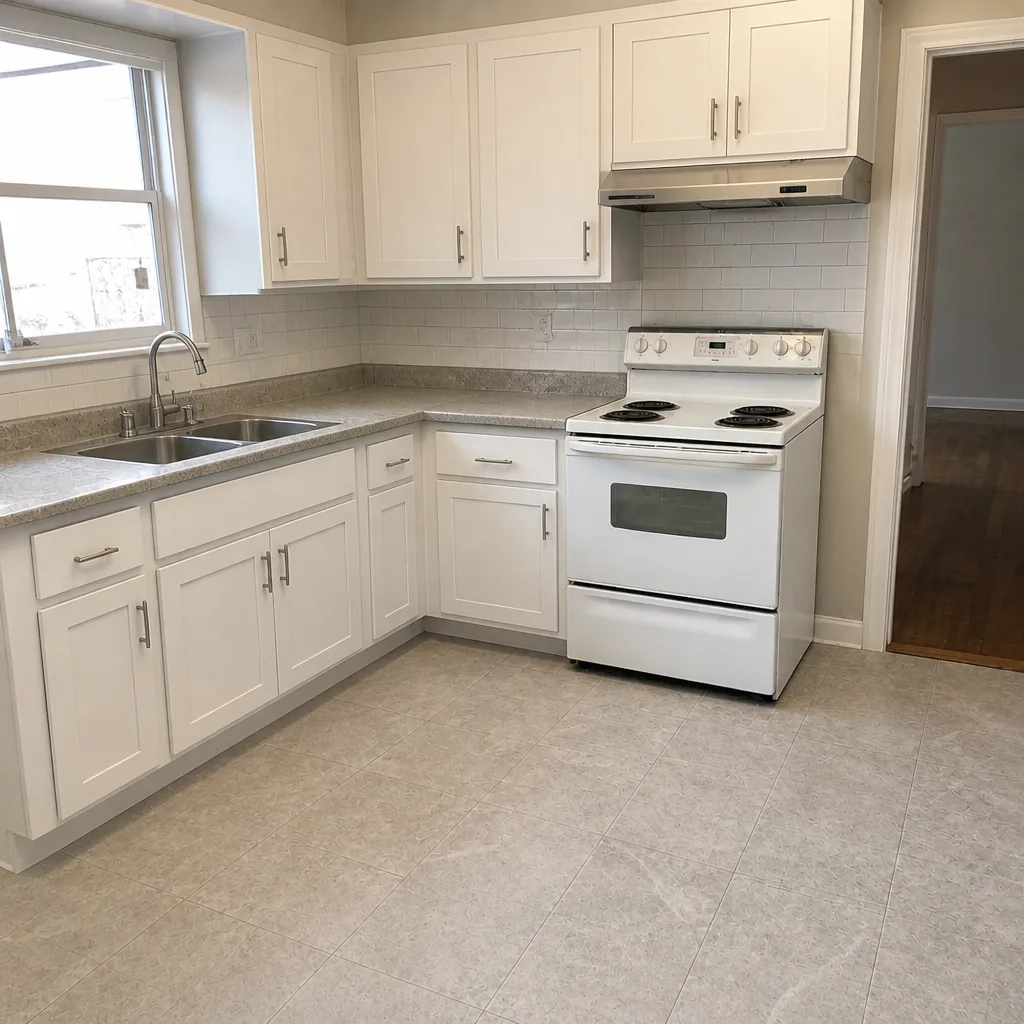 After
Do You Need a Permit for a Home Addition in Glendale, CA?
Yes. Any home addition in Glendale requires a building permit, and the same 200-square-foot room that gets through the plan check in roughly 6-8 weeks on a flat lot can take 10-14 weeks longer on an Adams Hill or Chevy Chase slope once a soils report, grading permit, and seismic retrofit review stack up. The short answer is always yes. The real question is how many separate approvals your specific lot and foundation will trigger. That’s what this page maps out, so you know before you hire anyone.
Why Glendale’s Permit Process Isn’t the Same as Burbank’s or Pasadena’s
Glendale runs its own hillside grading ordinance, and it’s enforced separately from LA County review. A contractor who pulls additions in Burbank or Pasadena every month is not automatically fluent in Glendale’s triggers, and that gap costs homeowners time. We watch it happen on second opinions constantly: a quote written for Pasadena scope, then surprise review requirements in Glendale that nobody priced. The Verdugo Mountains and San Rafael Hills make the local terrain steep enough that the city wrote rules most neighboring departments don’t share.
The housing stock matters just as much. Glendale’s 1920s-1940s Spanish Colonial and Craftsman homes in Adams Hill and Chevy Chase, plus the mid-century ranches scattered through the foothills, were framed long before the post-Northridge retrofit ordinances took effect. Many still have unreinforced masonry foundations or cripple walls that were never bolted and braced. That condition sits quietly until someone files an addition permit over it.
Which Permits Your Addition Will Trigger: A Lot-by-Lot Comparison
Here’s the part most homeowners want before they call anyone. The permit count isn’t set by the size of the addition; it’s set by the grade of the lot and the type of foundation under the existing house.
- Building permit only: flat lot, slab-on-grade foundation, addition under 500 square feet. The simplest path in Glendale, usually 6-8 weeks through plan check.
- Building plus grading permit: any lot over 15% grade. The Hillside Grading Ordinance applies here, and drainage and slope stabilization plans come with it.
- Building, grading, plus a soils report: required when the design calls for caissons or a retaining wall. This is the standard outcome on steeper Verdugo foothill parcels, where a caisson (a concrete pier drilled down to stable soil) is often the only foundation that holds.
- Separate fire department “defensible space” clearance: Verdugo foothill parcels get an additional review tied to wildfire risk, and fire-resistant construction details are part of the package.
- Mandatory seismic retrofit review: any addition that disturbs a pre-1970 masonry or cripple-wall foundation typically triggers this review under the city’s retrofit rules. It’s the catch that surprises most homeowners mid-project.
When the answer is a full addition rather than just a permit question, the scope conversation moves to our Home Additions & ADU work. Same city rules, bigger footprint.
How Much Does a Home Addition Cost in Glendale, With Permits?
Home additions in Glendale run $45,000-$130,000 depending on size, foundation type, and hillside requirements. Permit fees belong in that number as a named line item, not buried in a contingency allowance. Under Clause 1 of the Haven Standard, the price is written before anyone starts, so a real fee number goes on the quote, calculated from the city’s published fee schedule. A hillside lot that needs grading and a soils report sits at the higher end of that range before a single stud goes up.
| Scope | Glendale Price Range |
|---|---|
| Home addition (flat lot, slab foundation) | $45,000-$130,000 |
| ADU construction | $90,000-$220,000 |
| Garage conversion | $30,000-$80,000 |
| Roof replacement (often bundled with additions) | $8,000-$20,000 |
| Impact window installation (fire-zone parcels) | $8,000-$25,000 |
Rowan Construction Group Glendale quotes every addition with a flat written price and written scope before work begins. If the permit inspection uncovers an unreinforced masonry condition, no remediation work proceeds until a change order is signed with a new dollar figure attached. That discipline is why our jobs land within a few percent of the agreed cost across 4,000-plus projects: the number changes in writing, or it doesn’t change at all. For a patio or hardscape element that doesn’t require its own permit, we source Belgard and Unilock pavers, and driveways run $7,000-$18,000 in pavers or $4,500-$12,000 in concrete.
What to Look For in a Glendale Addition Contractor
Compare contractors the way you’d compare a quote on paper, line by line, because that’s where the permit problem hides. Five things to check before you sign:
- Permit fees named, not estimated. A quote that says “permits TBD” is a quote that isn’t finished. Ask for the number.
- Grading and seismic language in the scope. If your lot is over 15% grade and the quote never mentions a soils report or caisson, the contractor hasn’t looked at your slope.
- Change order discipline in writing. Ask what happens when an inspection finds something. The answer should be: work stops, a new number gets signed.
- Photo documentation on every visit. You should receive a documented record of what was found and what was done.
- A guarantee with terms behind it. The 365-Day Done Right Promise is printed on every page and backed by a written terms page, not an asterisk.
We’ll also review any competitor’s written estimate line by line at no charge through our Free Second Opinion. Bring it in, and we’ll tell you what’s missing on the permit and foundation side.
FAQs
No. Every home addition in Glendale requires a building permit, and unpermitted work can force demolition or retroactive review at resale. The city’s inspection process also catches the pre-1970 foundation conditions that need retrofit review, which is exactly the work you want done right the first time. Call us at (844) 320-5930 and we’ll walk you through which permits your lot triggers.
Plan check on a flat-lot addition runs roughly 6-8 weeks. A hillside parcel in the Verdugo foothills may add 10-14 weeks once grading, soils, and seismic review are in the queue. Fees and timelines are calculable up front, so ask for both in writing before you commit. We’ll put the permit line and the timeline in the quote at no charge.
Often, yes. Any addition that disturbs a pre-1970 masonry or cripple-wall foundation typically triggers a mandatory seismic retrofit review under Glendale’s post-Northridge retrofit ordinances. That’s true even if the addition itself is small. If your crawl space has never been bolted and braced, plan for it. Call us for a free assessment of your foundation before you file.
Garage conversion is cheaper, at $30,000-$80,000 in Glendale versus $45,000-$130,000 for a full addition. A conversion reuses the existing foundation and roofline, which sidesteps much of the grading and structural review. The right choice depends on your lot and how much square footage you actually need. Call (844) 320-5930 and we’ll price both options in writing.
If you’d rather have it looked at, Rowan Construction Group Glendale offers a no-pressure assessment in Glendale - call (844) 320-5930 for a free estimate. Bring a competitor’s quote and we’ll review it line by line, permit fees included.
Written by the team at Rowan Construction Group Glendale, serving Glendale, CA.