Last updated November 16, 2026

Free written scope consultation - allowances, timeline, and change-order rules on paper before a single trade is scheduled
How Long Does Fence Installation Take? Timelines and What to Expect
A 150-linear-foot wood fence takes roughly 1 – 2 days to physically install. The full project – permit, dig ticket, material delivery, footing cure, inspection – routinely runs 3 to 6 weeks in Glendale. The installation itself is the shortest part. In this guide we break every phase down by days, not vague ranges, so you can hold a schedule accountable. We’ll cover permit queues in LA County, the 811 utility marking window, material lead times by fence type, how Glendale’s clay-heavy hillside lots change cure times, and the inspection step most homeowners don’t know exists.
Quick Answer
Fence installation in Glendale takes 3 to 6 weeks from signed contract to final inspection. The physical build is 1 to 4 crew days per 100 linear feet depending on material. Everything in between – permit application (5 – 10 business days), 811 utility marking (3 business days minimum by law), material delivery lead times, and concrete cure time for footings – accounts for most of the calendar. A simple replacement in the same footprint can move faster; a new fence line on a hillside lot won’t.
Styles & brands we work with
- Kitchen remodeling
- Bathroom remodeling
- Home additions & ADU
- Roofing
- Windows & doors
- Driveway & pavers
- Fence
Table of Contents
- The Phase-by-Phase Timeline, Broken Down by Days
- How Long Does the Permit Take in Glendale?
- The 811 Utility Marking Window
- Material Lead Times by Fence Type
- Glendale Soil, Slopes, and Post Cure Time
- Crew-Day Counts per 100 Linear Feet
- The Inspection Step Nobody Mentions
- A Milestone Checklist to Track Your Contractor
The Phase-by-Phase Timeline, Broken Down by Days
Most contractors quote a single number – “two to three weeks” – and leave the homeowner to figure out whether that’s accurate. Here’s what the number actually decomposes into. Total elapsed time for a typical Glendale project: 21 to 42 days.
- Site visit and written quote (2 – 5 business days). A proper quote means a measured property line, a check against the plat map, and a line-item price with material brands named. Rowan Construction Group delivers a written flat price before any work starts, under Clause 1 of the Haven Standard, so this step produces a document you can compare, not a verbal range.
- Permit application and issuance (5 – 10 business days). LA County and City of Glendale review times vary with the queue. Fences over 6 feet, or any fence in a required setback, trigger plan review and add days.
- 811 utility marking (3 business days minimum). This is a legal requirement, not a courtesy. You cannot skip it, and no reputable crew will dig before the marks are in.
- Material order and delivery (3 – 15 business days, varies by type). Stock cedar or pressure-treated pine can arrive within days. Imported vinyl colors, custom wrought iron, and specialty panels can take weeks.
- Footing dig, set, and cure (2 – 3 days on site). Holes go in, concrete goes in, and then nothing happens. The concrete has to cure before panels go up.
- Panel and gate installation (1 – 2 crew days per 100 feet). This is the fast part everyone pictures.
- Inspection and close-out (schedule-dependent). If your fence triggered a permit condition, this is the sign-off that closes the job.
If you’re also planning hardscape work around the fence line, coordinating timelines with Driveway & Pavers work in Glendale up front avoids tearing up fresh concrete twice.
How Long Does the Permit Take in Glendale?
A Glendale fence permit takes 5 to 10 business days for a straightforward application, and longer if the fence sits on a corner lot, exceeds 6 feet in height, or lands in a required setback. The City of Glendale issues fence permits through its building division, and Los Angeles County residents in adjacent unincorporated pockets go through the county’s process instead. The timelines are similar; the paperwork is not.
What triggers a permit vs. what doesn’t:
- No permit typically required: Repair or replacement of an existing fence in the same footprint, at the same or lower height, using the same material.
- Permit required: New fence where none existed, height increase beyond the local limit (commonly 6 feet), fence in a front or corner-side setback, fence on a retaining wall, or a fence over 7 feet of combined structure.
- Plan review adds days: Hillside lots, corner lots with sight-distance requirements, and properties near a designated historic district will get a second review pass.
The single biggest cause of delay: submitting a permit application with a sketch that doesn’t match the recorded plat map. Boundary disputes between neighbors are the other. In Glendale neighborhoods like Adams Hill and Chevy Chase Canyon, where lot lines cut across slopes and large trees, plats are often older and less reliable, so a survey before the permit saves a week.
The 811 Utility Marking Window
Before any post hole goes in, the site has to be marked for underground utilities through the 811 call-before-you-dig system. The legal minimum is 3 business days between the call and the start of digging. In practice, on Glendale’s older streets, expect 3 to 5 calendar days – utility companies have their own dispatch queues.
Why this matters more than most homeowners realize:
- Older Glendale lots are dense with unrecorded lines. Sewer laterals, irrigation mains, and old telephone conduits sometimes run through the yard at a shallower depth than current code requires.
- Mis-marked utilities mean a stop-work. If a line isn’t where the marks say, the crew stops and calls again – another 3-day window.
- Skipping 811 shifts the risk to you. If a crew digs without the ticket and hits a gas line or main water line, the cost and the liability land on the property owner.
Any contractor who tells you this step can be skipped, or who doesn’t bring it up until the morning of the dig, is showing you how the rest of the project will go. It should be on the written schedule from day one.
Material Lead Times by Fence Type
Material lead time is where the biggest gaps in a quoted schedule appear, because it varies wildly by fence type and color. The physical installation is quick; getting the right panels and posts on site is not. Here’s what we typically see quoted on fence installation projects in Glendale, by material:
- Pressure-treated pine and cedar (3 – 7 business days). Standard heights and board sizes are usually in stock locally. Custom height cedar or clear-grade stock can add a week.
- Vinyl privacy fencing (7 – 15 business days). Standard white or tan panels are commonly stocked; specialty colors, textured finishes, and matching gate kits take longer. Imported lines stretch the schedule further.
- Wrought iron and aluminum ornamental (10 – 20 business days). Fabricated to height and panel width, often powder-coated to a specified color, so every order is effectively custom. This is where quoted lead times drift most.
- Chain link (3 – 7 business days). Quickest of the lot, including gates.
- Composite and wood-alternative (10 – 20 business days). Composite lines ship from regional distribution and are the material most prone to color and profile backorders.
An honest written quote names the material brand and the *quoted* lead time, not a vague “two to three weeks.” If the delivery date slides, you should hear about it before the crew arrives, not on the morning of install.
Glendale Soil, Slopes, and Post Cure Time
Post-setting cure time is where Glendale geology directly affects your schedule. The city splits roughly into two kinds of ground, and both change how long concrete needs before it can carry load.
- Clay-heavy hillside lots in Adams Hill, Chevy Chase Canyon, and the Verdugo Woodlands foothills hold moisture and drain slowly. Concrete in clay footings cures more slowly in winter, and the crew has to verify the hole bottom before pouring. Expect the 24-hour minimum to stretch toward 48 hours in wet weather.
- Valley floor lots in south Glendale, and near the Verdugo Wash corridor, are generally faster to cure and have more stable soil. Footing cure typically holds at the 24-hour minimum.
- Sloped or terraced lots need deeper footings or post extensions, sometimes with a low retaining wall. That’s extra prep days and possibly a permit addendum.
The basic rule: concrete needs 24 hours before panels are hung, and 48 hours in clay soils or cold, wet weather. Panels hung too early crack, tilt, or fail within a season. A crew that shows up and hangs panels the same day as the pour is skipping the cure.
Crew-Day Counts per 100 Linear Feet
Here’s the part that surprises homeowners most: the installation itself is a small fraction of the calendar. Once the posts are set and cured, panels go up fast. What we see on typical Glendale jobs, per 100 linear feet:
- Wood privacy fence (6-foot, cedar or pressure-treated): 1.5 – 2 crew days, roughly 16 – 20 labor hours. Includes hanging rails and boards, setting gate hardware, and cleanup.
- Vinyl privacy fence (6-foot, standard): 1 – 1.5 crew days, 10 – 14 labor hours. Fewer fasteners, faster panels, quicker cleanup.
- Wrought iron ornamental (4-foot, on posts): 2 – 3 crew days, 18 – 26 labor hours. Heavier panels, precise alignment, and gate-hinge tolerance.
For a typical 150-foot residential lot, multiply by 1.5. That’s the real hands-on time: 2 to 4.5 crew days. The other 20 to 40 days on the calendar are permit, marking, delivery, cure, and inspection – the parts that decide when the job actually finishes.
The Inspection Step Nobody Mentions
Here’s the step that quietly closes some Glendale fence projects and isn’t on most homeowner checklists: building inspection sign-off. A fence permit that required plan review (height over 6 feet, setback encroachment, or fence-on-retaining-wall) typically requires a final inspection before the permit is closed. The fence has to be physically complete and visible for the inspection to pass.
What that means for your schedule:
- Schedule the inspection in advance. Glendale’s inspection queue adds 2 to 5 business days on its own. If your contractor waits until the fence is done to call it in, that queue becomes a visible delay.
- Passing first time requires accurate work. Height, post embedment, and setback are the three things inspectors check. If the fence is 6 inches too tall or the posts are too shallow, it has to come apart.
- Permit closure is what makes the job “done.” An open permit can complicate a future sale. Get the closure paperwork.
If you’re planning to follow the fence with a bigger site change, this is the point where we’d talk about coordinating with a Home Addition or ADU project in Glendale, since the existing fence line often needs relocating before the foundation work starts.
A Milestone Checklist to Track Your Contractor
Use this as your running checklist. If a milestone slips by more than a couple of days, ask why, in writing. A contractor who can answer the question comfortably is running on schedule. One who can’t is drifting and hoping you won’t notice. We track these same milestones on every Rowan Construction Group job through the Haven Standard’s no-hassle upfront pricing discipline, backed by a documented photo record of each visit.
- Day 0: Signed contract with a written flat price, material brands named, quoted schedule, and total in writing. No “call for a final number.”
- Day 1 – 3: Permit application submitted. You should have a copy of the receipt or application number.
- Day 1 – 3: 811 dig ticket placed. The ticket number should appear on your project file. Delay here is the most common hidden slip.
- Day 5 – 10: Permit issued. If the contractor quoted a date, this is where you can compare.
- Day 10 – 20: Material delivery confirmed with a specific delivery date. Backordered material is where “two to three weeks” turns into six.
- Day 20 – 25: Footings dug, 811 ticket active, concrete poured. Photo record of each footing is a standard deliverable, not an upgrade – ask for it.
- Day 25 – 28: Cure window observed (24 hours minimum, 48 in clay). Panels hung after cure.
- Day 28 – 35: Build complete, punch-list walked with you, gate hardware adjusted.
- Day 30 – 42: Inspection scheduled and passed, permit closed, 365-Day Done Right Promise paperwork delivered.
Common Mistakes to Avoid
- Accepting a verbal timeline. “About two weeks” is not a schedule. Ask for the phases in writing, including the permit and 811 windows, or you’ll have nothing to compare against.
- Skipping the survey on older Glendale lots. Plats in hillside neighborhoods like Adams Hill don’t always match the fence line on the ground. A survey before the permit prevents both neighbor disputes and a stop-work order.
- Letting the contractor dig before 811 marks are in. If a crew shows up the day after signing and starts digging, ask to see the ticket. A 3-day wait is cheaper than a ruptured gas line.
- Choosing the material before checking lead time. A custom wrought iron color that takes 20 business days is fine, if the schedule accounts for it. The mistake is discovering the backorder three weeks in.
- Hanging panels on green concrete. A crew that “finishes faster” by skipping the 24-hour cure is signing you up for repairs within the 365-Day Done Right Promise window – and worse, they may not honor it.
- Forgetting that the inspection closes the job. If your contractor treats “fence built” as the finish line, you may end up with an open permit that surfaces at sale.
- Comparing quotes on the total, not the scope. Two numbers are only comparable if both list material brands, post depths, panel heights, and whether the inspection is included. We’ll review any written estimate line by line at no charge, if you want a second read.
See the difference
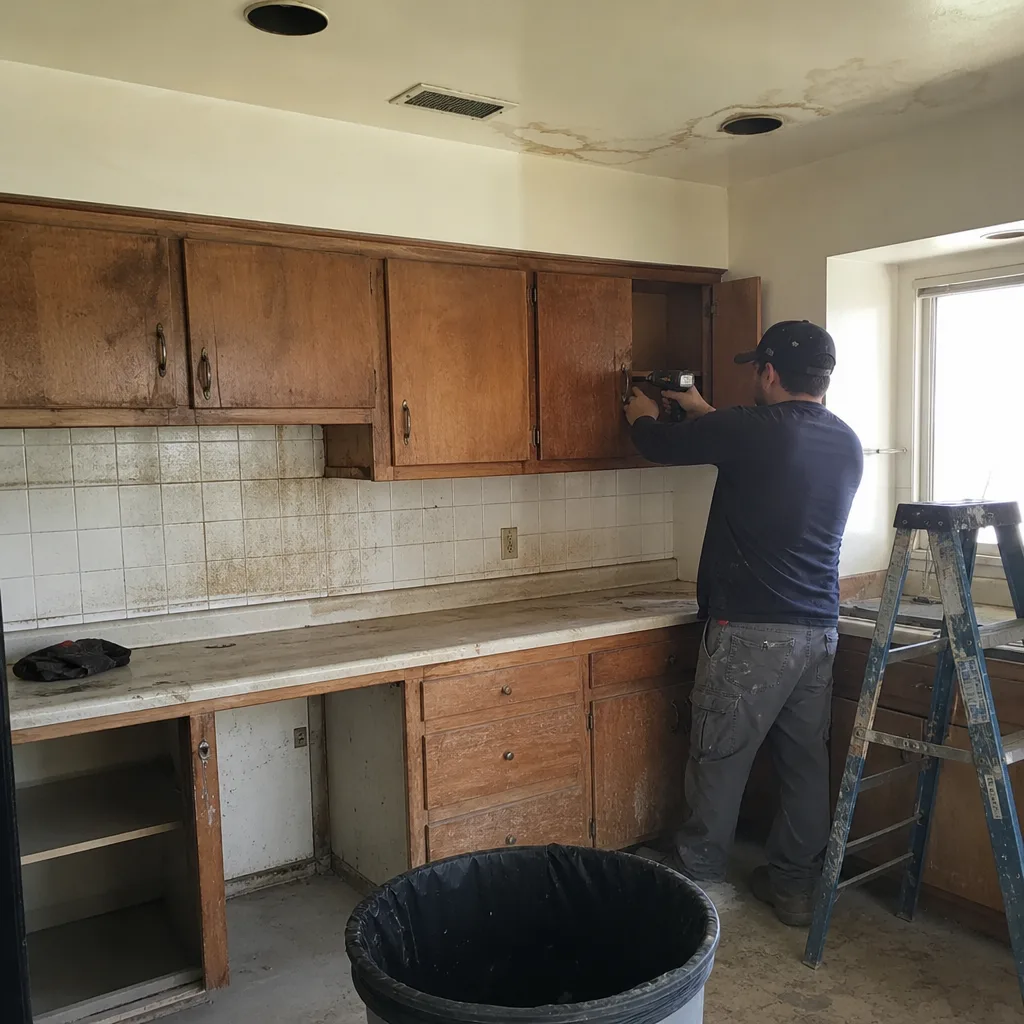 Before
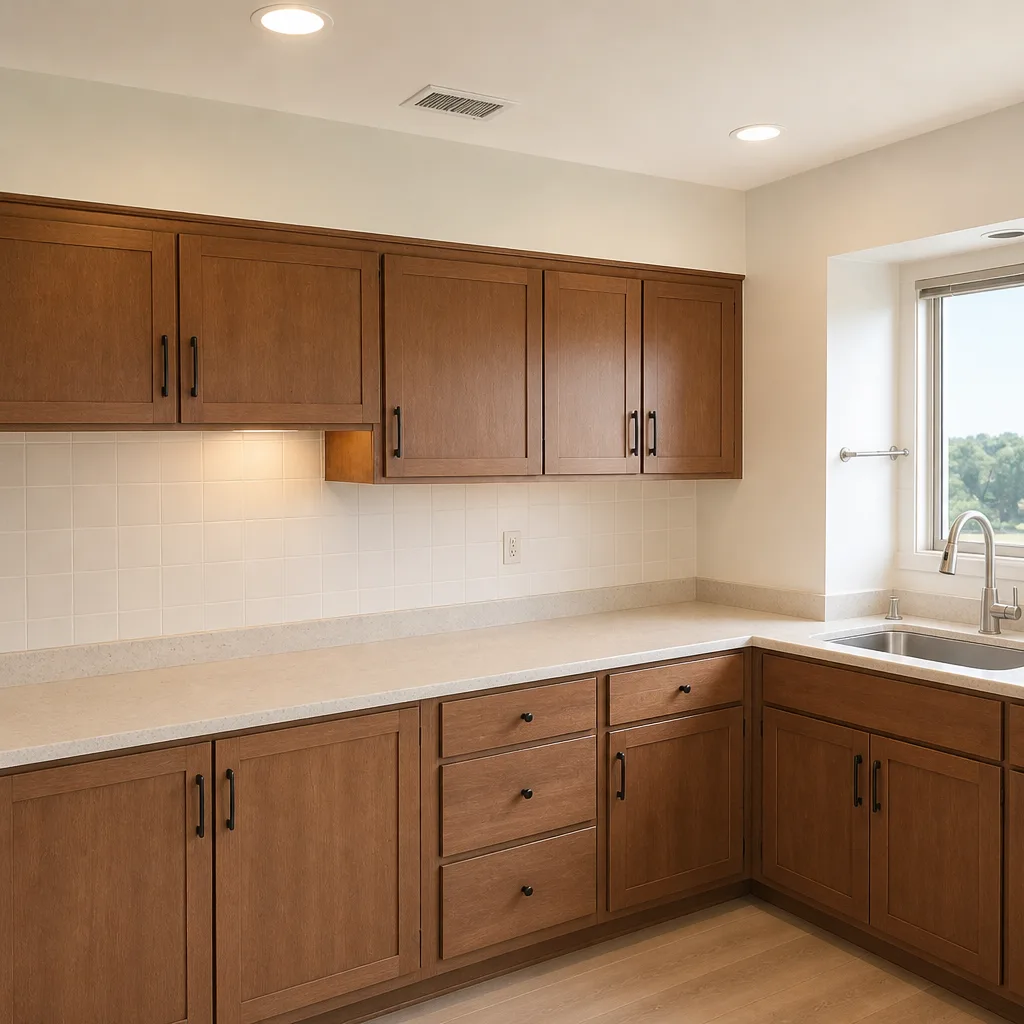 After
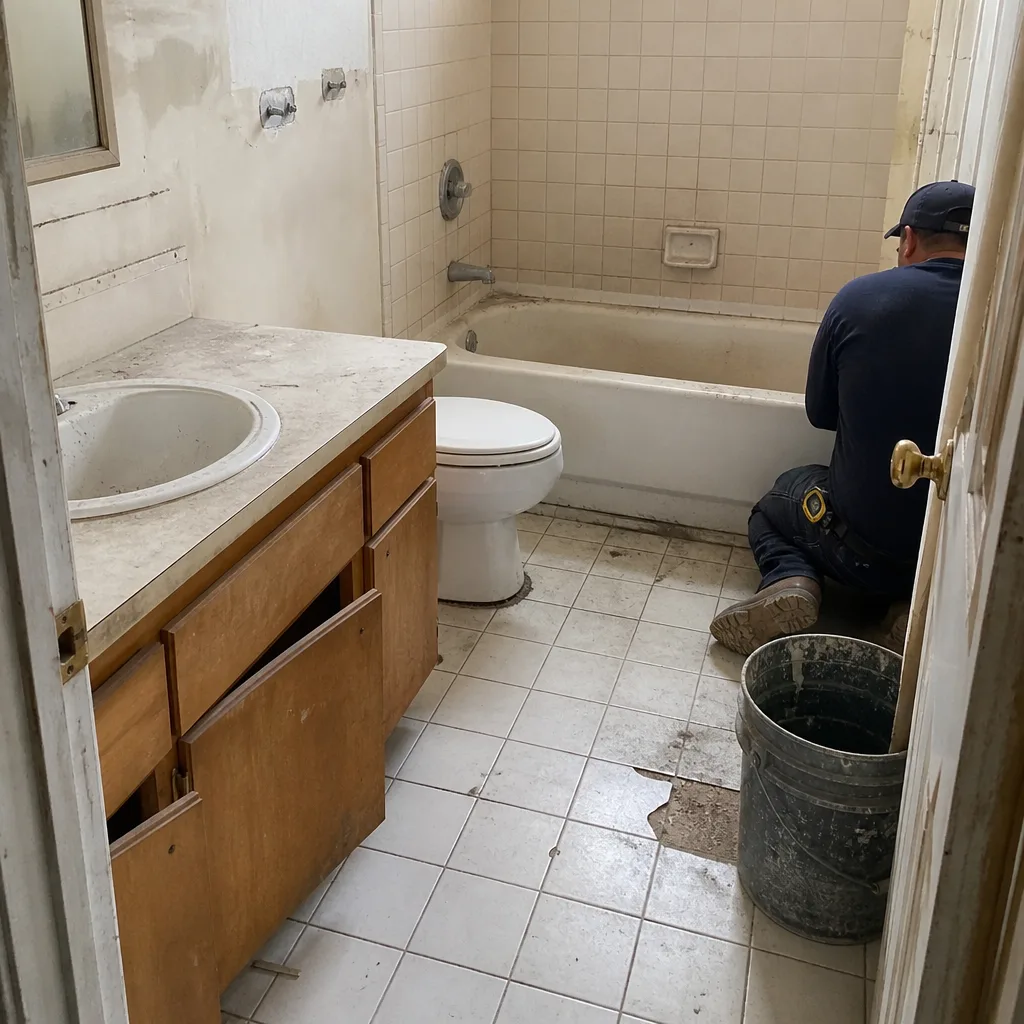 Before
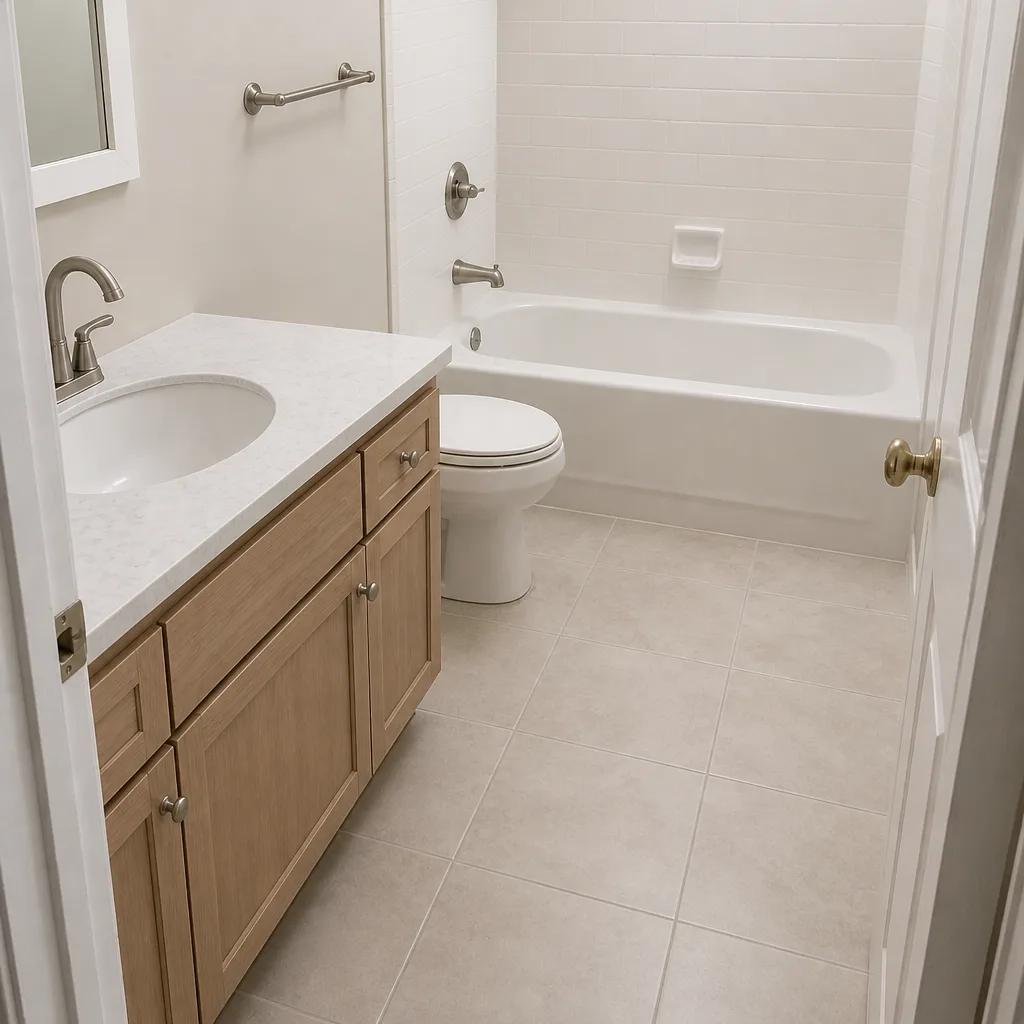 After
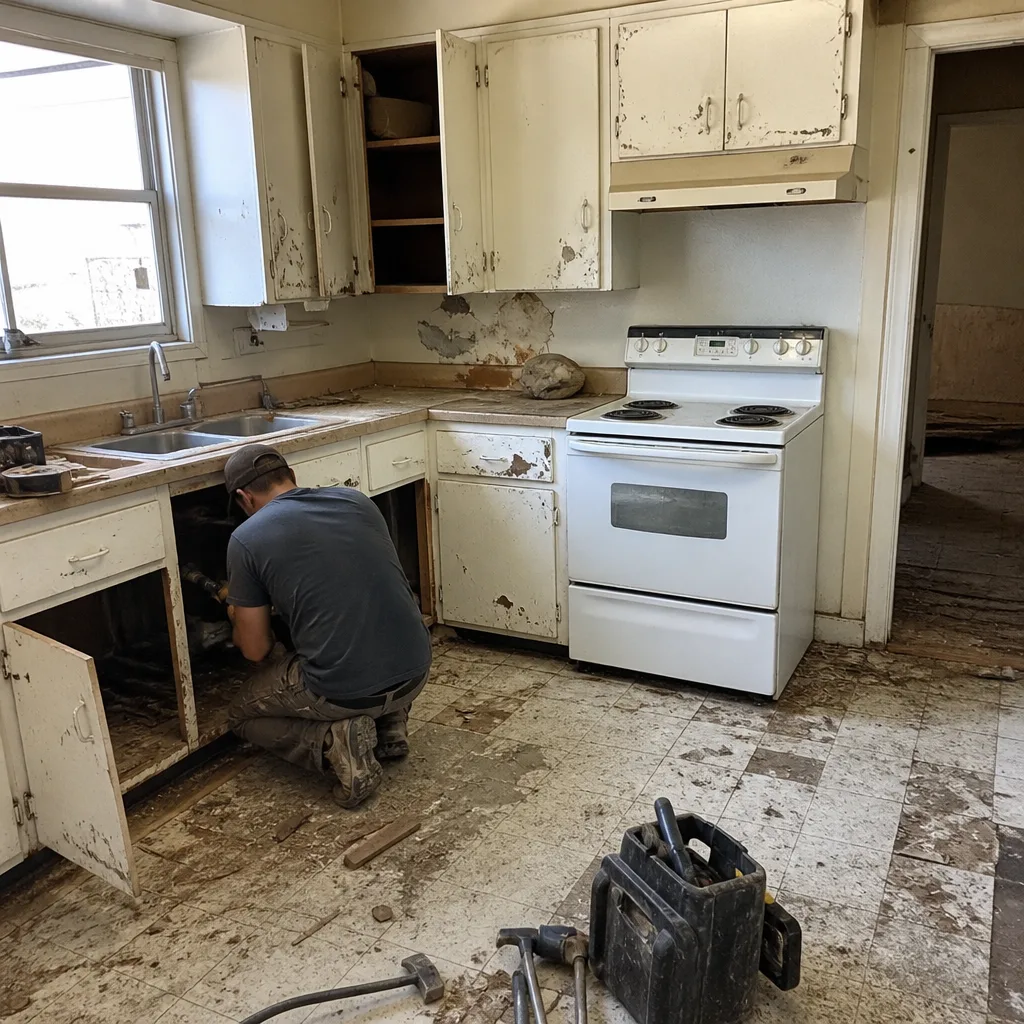 Before
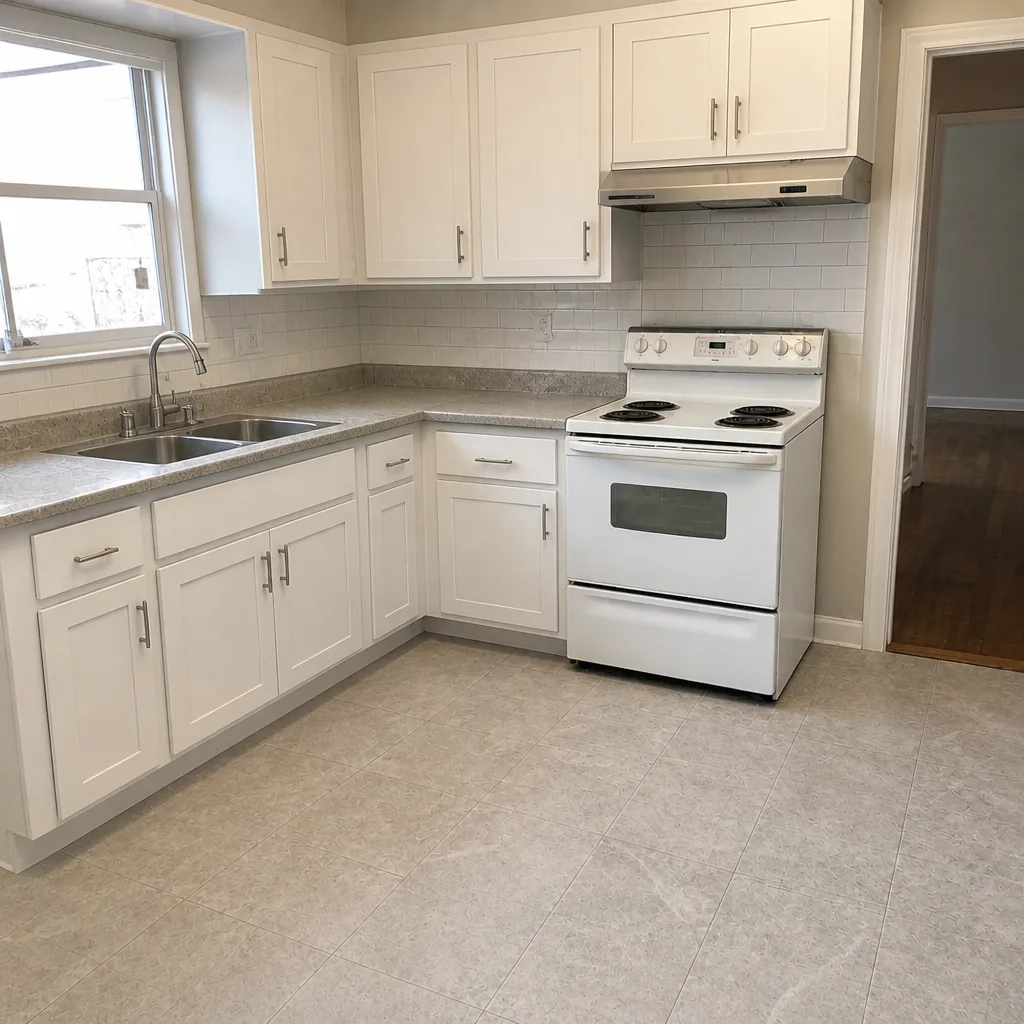 After
When to Call a Professional
Some fence work is genuinely a call-a-professional situation, not a weekend project. Call us if any of these apply: the fence is over 6 feet and requires a permit and inspection; the property line runs along a slope or retaining wall; the soil is the clay-heavy hillside type where footing depth and cure time are load-bearing decisions; the existing fence posts are shared with a neighbor or a shared property line; or the fence runs near underground utilities you’re not certain about. Miss any of these and the fix costs more than the install. Rowan Construction Group Glendale offers free estimates in Glendale – call (844) 320-5930. A written flat price, a written scope, and a scheduled timeline are standard on every job; no “call for a quote.”
Frequently Asked Questions
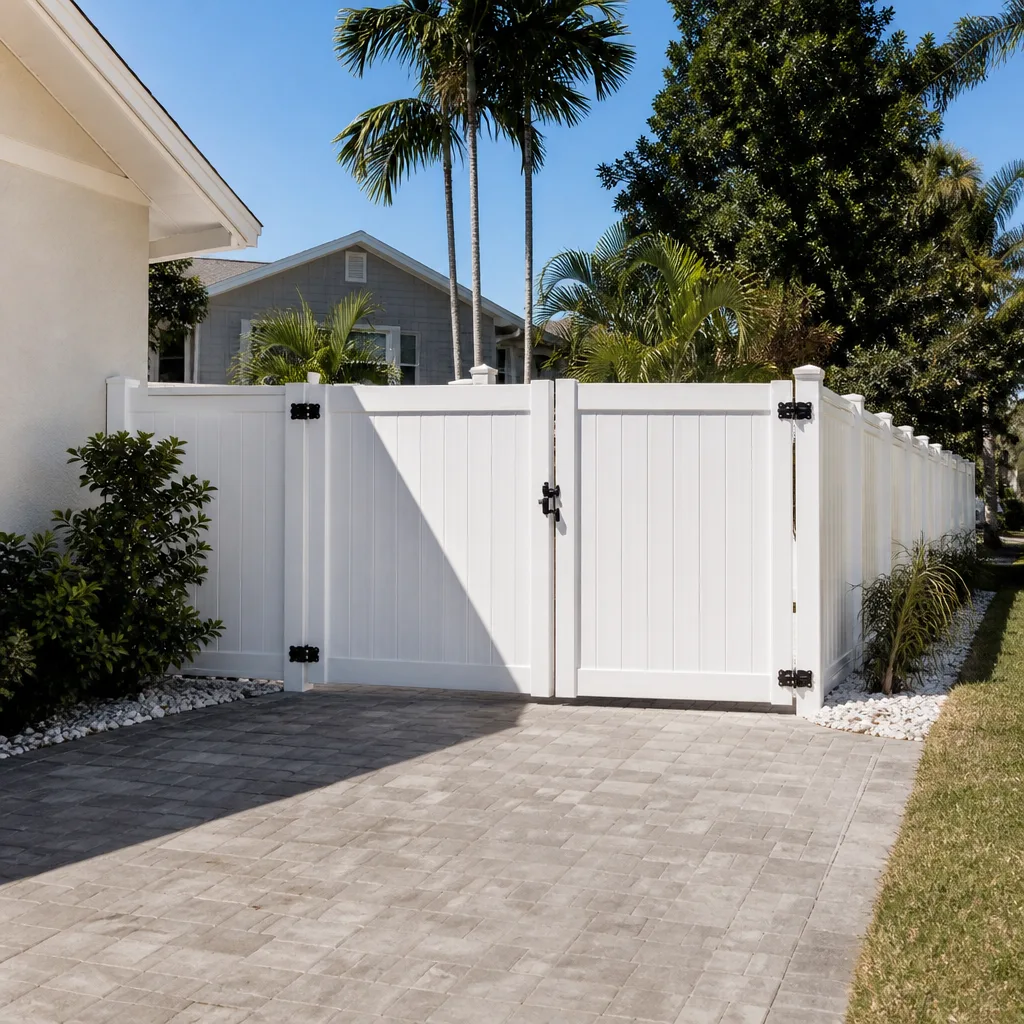
Fence installation in Glendale takes 3 to 6 weeks from signed contract to final inspection, with the physical build itself taking 1 to 4 crew days per 100 linear feet. Permit review (5 – 10 business days), 811 utility marking (3 business days minimum), material delivery, and footing cure account for most of the calendar. Call (844) 320-5930 for a written schedule on your property.
No, a complete fence installation cannot typically be done in one day in Glendale. The physical panel install is fast, but the permit, 811 dig ticket, footings, and concrete cure (24 – 48 hours) add days. A same-day fence install is a red flag; it usually means the crew skipped the cure or the dig ticket, both of which create repair or liability problems later.
You need a permit in Glendale for most new fences, any fence over 6 feet, or a fence in a required setback. Repair or replacement of an existing fence in the same footprint at the same height typically doesn’t require one. Permit review runs 5 – 10 business days. Call (844) 320-5930 and we’ll tell you which category your project falls into before you sign anything.
Fence installation in Glendale typically runs $3,500 to $9,000 for 150 linear feet, with wood privacy at the low end, vinyl in the middle, and wrought iron at the high end. Permits, 811 marking, and inspection can add $400 to $1,200 depending on scope. Call (844) 320-5930 for an exact quote – estimates are free and in writing.
Delays on fence installs almost always trace back to four causes: permit review queue, an unnoticed 811 marking window, a material backorder, or a rescheduled inspection. If your contractor can’t tell you exactly which phase your project is in, that’s the delay. Ask for the milestone by date, in writing.
Yes, your contractor should pull the fence permit, and some Glendale fences require a final building inspection before the permit is closed. Fences over 6 feet, or those in a required setback, almost always trigger inspection. Ask for the signed-off permit at the end of the job; an open permit can complicate a future sale.
The Bottom Line
Fence installation time in Glendale is set by paperwork, delivery, and cure, not by the crew’s speed. Plan on 3 to 6 weeks from signed contract to closed permit. The install itself is 1 to 4 crew days per 100 linear feet. Budget the days: permit 5 – 10 business days, 811 marking 3 business days minimum, material 3 – 20 business days by type, footing cure 24 – 48 hours. If you want the schedule in writing, with a written flat price and a documented photo record on every visit, Rowan Construction Group Glendale is ready. Call (844) 320-5930 for a free estimate. For the full slate of trades, see our Rowan Construction Group Glendale home.
Written by the team at Rowan Construction Group Glendale.