Last updated November 16, 2026
Free written scope consultation - allowances, timeline, and change-order rules on paper before a single trade is scheduled
DIY vs Professional Construction: The Glendale Homeowner’s Decision Guide
Most homeowners weigh DIY against hiring a contractor on skill alone. In California, that is the least important variable. An owner-builder permit triggers a mandatory resale disclosure obligation that runs for 10 years after the project is finished, and that single fact reshapes the math for anyone who might sell their Glendale home before the next decade is out. What follows is a decision framework built on permit eligibility, liability transfer, and resale consequences, not on whether you can run a tile saw. You will learn which trades you can legally do yourself in Glendale, how to build an honest cost comparison, and which projects almost always belong in professional hands.
Quick Answer
In Glendale, you can legally perform most minor finish work on your own home, but anything that requires a building permit, involves structural framing, or crosses specific dollar thresholds for electrical and plumbing work requires a licensed contractor. The decision is rarely about skill: it is about who pulls the permit, who carries the liability, and what you must disclose to a buyer for 10 years after an owner-builder project. For structural, fire-zone, or shared-property work, hiring a licensed contractor is economically dominant even for capable homeowners.
Styles & brands we work with
- Kitchen remodeling
- Bathroom remodeling
- Home additions & ADU
- Roofing
- Windows & doors
- Driveway & pavers
- Fence
Table of Contents
- What California’s Owner-Builder Rules Actually Allow
- The 10-Year Resale Disclosure That Changes the Math
- Trade-by-Trade DIY Viability in Glendale
- How to Build an Honest Cost Comparison
- Which Manufacturer Warranties DIY Work Voids
- Three Projects Where Professional Hire Is Economically Dominant
- Common Mistakes to Avoid
- Frequently Asked Questions
What California’s Owner-Builder Rules Actually Allow
California Business & Professions Code Section 7044 lets a homeowner act as their own “owner-builder” – meaning they can take out a permit and do work on a home they own and occupy – without holding a contractor license. That latitude is narrower than most Glendale homeowners assume. The exemption applies to residential work on property you own and intend to live in, not to rental units, not to flip properties, and not to work you sell to someone else. The moment you accept compensation to build for another party, you are contracting without a license.
A few boundaries matter in practice:
- The owner-builder exemption is for your primary residence. Renting it out or selling within a year of completion can void it.
- Permits must be pulled in your own name, and you become the “responsible party” for inspections.
- Work that two or more unrelated trades perform simultaneously often requires each trade to be separately licensed.
- Structural, gas, and high-voltage work carry their own licensing triggers regardless of who owns the home.
Glendale’s Building & Safety Division follows the California Building Code with local amendments, and inspectors are strict about documentation. If your project touches the hillside areas near Chevy Chase Canyon or the Adams Hill neighborhood, expect geotechnical review to enter the conversation. If we’re called in after an owner-builder project has stalled at inspection, we can usually salvage it, but pulling a second permit on already-built work is often more expensive than starting clean. That is why we put a written price in front of any homeowner before demolition begins.
The 10-Year Resale Disclosure That Changes the Math
Here is the fact most DIY guides skip: when you complete a permitted project as an owner-builder in California, you must disclose that fact in any resale within 10 years of completion. The obligation comes from Civil Code Section 1102.6 and the owner-builder notice language that accompanies most local permits. A buyer’s agent reading “owner-builder” on a disclosure package asks harder questions, orders more inspections, and negotiates harder. In a Glendale market where a 1920s Spanish bungalow near Brand Park can list for well over $1.5 million, a disclosure that says “owner-builder” can invite renegotiation on the order of tens of thousands of dollars.
What the disclosure covers:
- That the work was permitted and performed by the owner, not a licensed contractor.
- That the owner held the permit and is considered the responsible party.
- That the buyer has no recourse against a licensed contractor for defects.
- That the state contractor licensing board has no jurisdiction over the work.
Compare that to a project where a licensed contractor holds the permit: the disclosure simply names the contractor’s license number, and the buyer’s recourse runs against that license, the bond, and the warranty. For a homeowner who might sell within a decade, the disclosure cost of DIY often exceeds the labor savings on anything under roughly $40,000 in scope. In our experience working throughout Glendale, this is the single most overlooked number in the DIY calculation.
Trade-by-Trade DIY Viability in Glendale
Here is how each trade typically breaks down for a capable Glendale homeowner. The ranges below reflect both California licensing thresholds and the reality we see on Glendale jobsites, from the dense residential blocks near Glenoaks Boulevard to the hillside homes above Kenneth Road.
Painting and Basic Finish Work – Viable
Interior painting, trim repair, and drywall patching under roughly 100 square feet are the safest DIY categories. No permit needed, no licensing threshold, and rework cost is low if you get it wrong. The one caveat in Glendale is exterior painting on stucco homes: if you seal a weep screed, you trap moisture and set up a repair bill that dwarfs the paint cost.
Tile and Flooring – Viable With Conditions
Setting tile and laying floating floors are within reach for a careful homeowner. Three conditions apply: know the substrate (cement backer board over framing, not directly over plywood), don’t exceed deflection limits on framed floors, and don’t waterproof a shower without following the manufacturer’s system to the letter. We’ve seen more Glendale tile failures come from a skipped membrane than from any other cause.
Framing and Structural Work – Permit Required, Licensed Contractor Strongly Advisable
Any wall removal, beam installation, or addition requires a structural permit and engineering. Owner-builder permits are possible, but the inspection sequence is unforgiving: foundation, framing, rough-in, and final each require sign-off before the next stage. If you’re considering an addition, our guide to Home Additions & ADU in Glendale walks through the local realities.
Electrical and Plumbing – License Required Above Specific Thresholds
California’s contractor licensing law (Business & Professions Code Section 7042) requires a licensed specialty contractor for most electrical and plumbing work regardless of who owns the property. Minor fixture swaps – replacing a light fixture or a faucet – are generally within a homeowner’s scope. Anything involving new circuits, panel changes, gas lines, or moving a drain line crosses into licensed work. Electrical panels and gas lines are genuinely dangerous; we do not recommend homeowner work on either, no matter how many videos you watch.
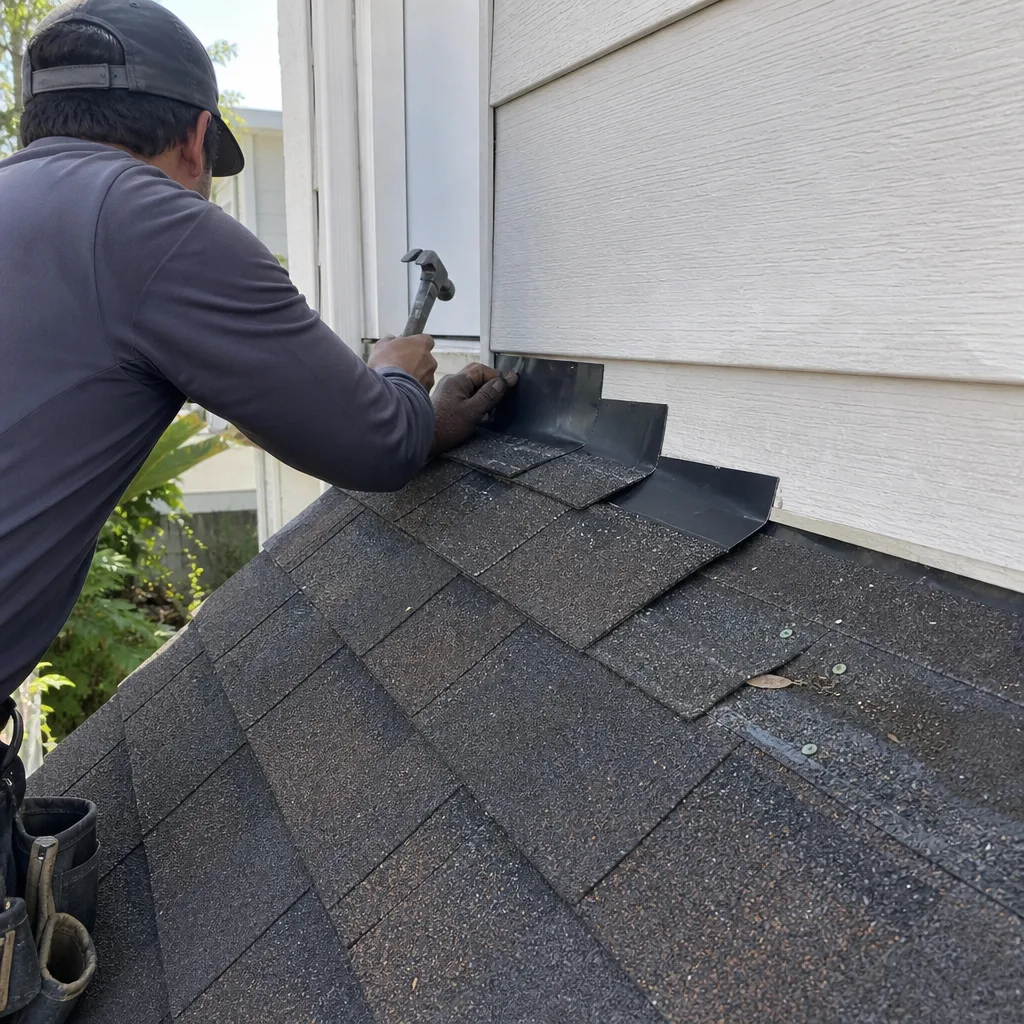
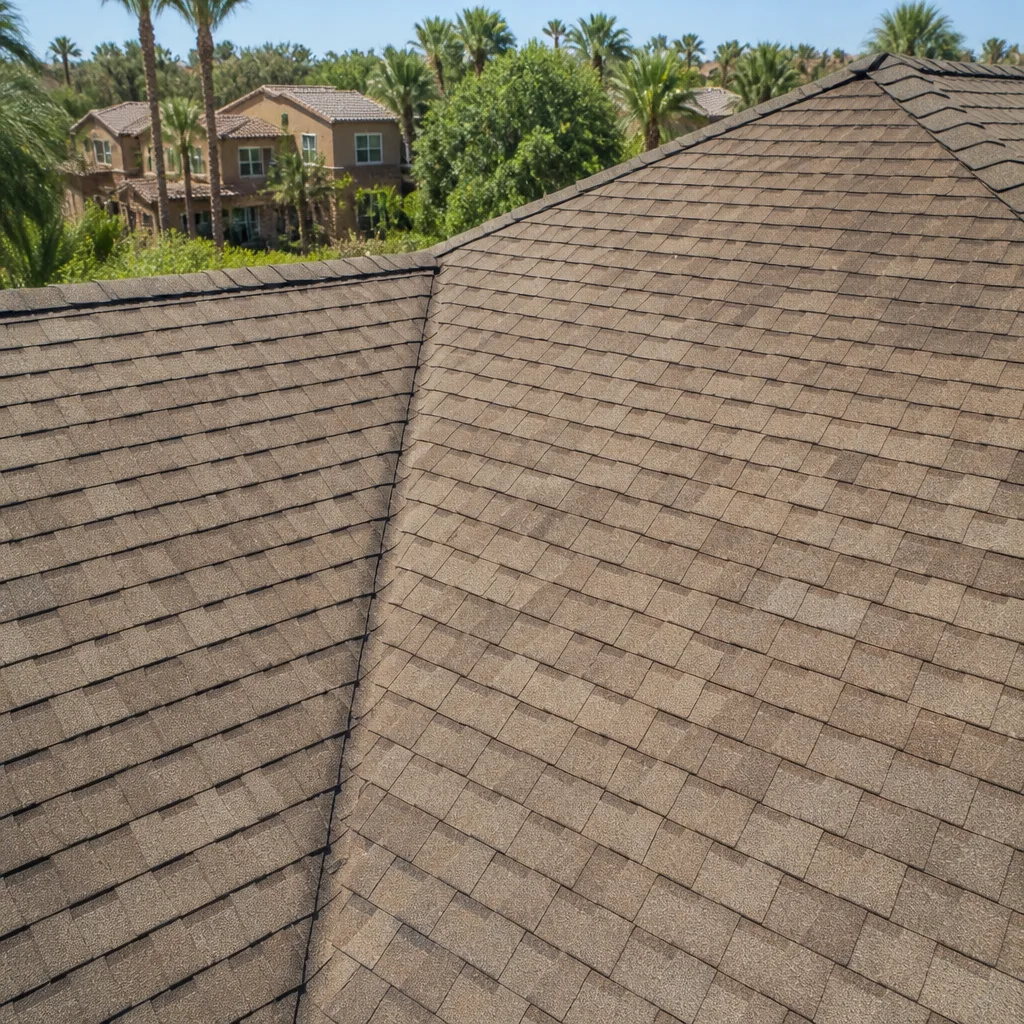
Roofing, Windows, and Fencing – Mixed
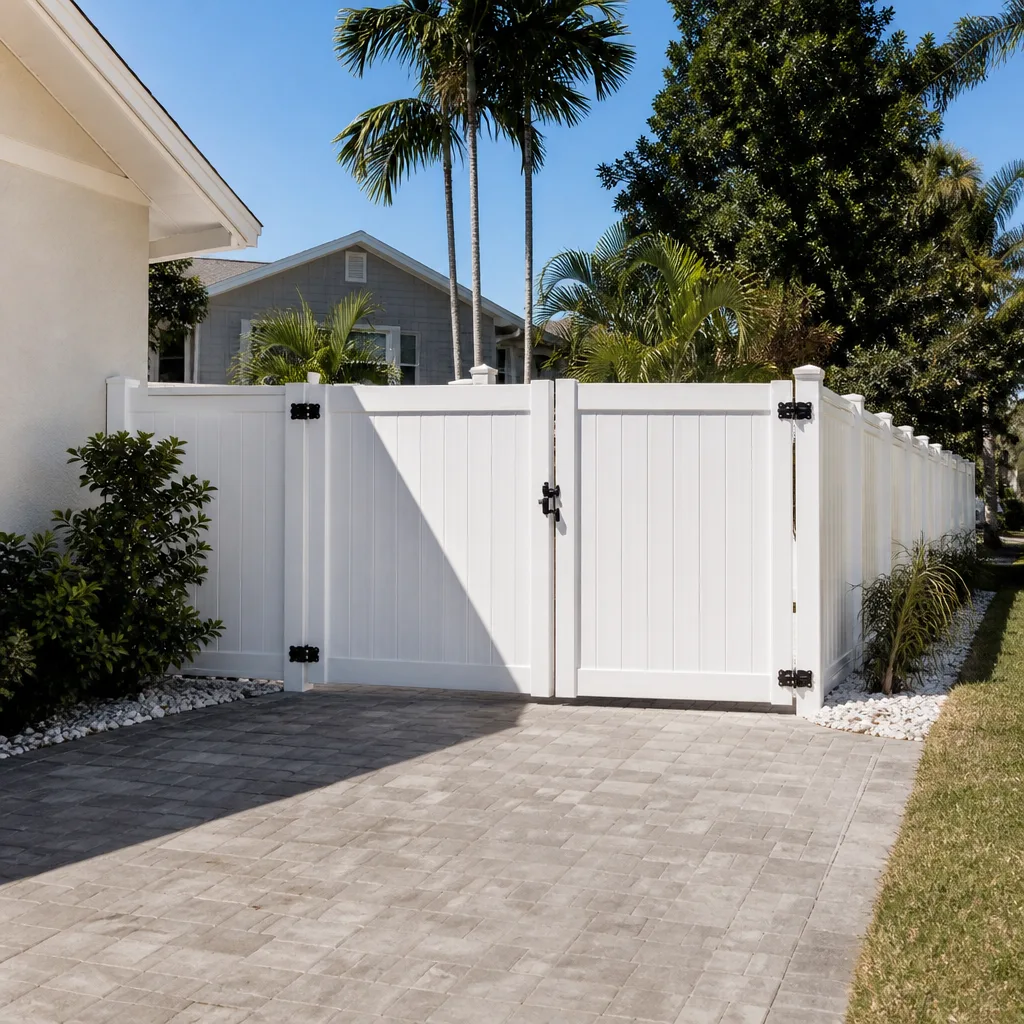
These trades live in the middle. Full re-roofs in Glendale require permits and inspection, and the fall risk is real. Fence installation on a property line often requires neighbor agreement and a survey before a single post is dug. On windows and doors, product warranties are conditional on licensed installation – a detail we cover below. For pavers and driveways, our Driveway & Pavers in Glendale page covers the base preparation that determines whether the surface lasts.
How to Build an Honest Cost Comparison
DIY cost analyses usually fail because they count only materials. A legitimate comparison follows a formula. Build it in this order:
- Materials, delivered. Include tax, delivery, and the 10-15% overage every real job requires.
- Tool rental. List every tool you don’t own and the daily rental rate, including the days you’ll wait for parts.
- Your time at a defensible hourly value. Use the rate you bill at work, or the local rate for comparable labor. Multiply by realistic hours, then add 30%.
- Permit fees and inspection scheduling. In Glendale, permit fees on a mid-size kitchen remodel typically run into the low thousands; a re-roof permit is far less. Call the Building & Safety Division for a quote before you commit.
- Rework cost. Estimate 5-10% for a careful homeowner on a first-time job. Exclude any trade where you have zero experience.
- Disclosure cost if you might sell within 10 years. Knock 2-5% off expected resale value for owner-builder disclosure on major work.
Now compare that total against a contractor bid that includes labor, permit, materials, and a written warranty. On smaller finish jobs, DIY frequently wins by a wide margin. On anything structural or permitted, the contractor bid often lands within a few thousand dollars of the DIY total once disclosure cost and rework are in – and the contractor carries the liability. Our team at Rowan Construction Group quotes a flat written price with a written scope before anyone picks up a tool; that comparison number is the one you can screenshot and check.
Which Manufacturer Warranties DIY Work Voids
Manufacturer warranties are written for licensed installers, and the language is specific. Three examples from brands Glendale contractors commonly specify:
- GAF roofing. The Golden Pledge and System Plus warranties require installation by a GAF-certified contractor. Owner-installed shingles default to a much shorter material-only warranty – no labor coverage, no tear-off allowance.
- James Hardie siding. The 30-year product warranty requires installation per the manufacturer’s published instructions and, for full warranty coverage, a licensed installer. Improper fastening or missing flashing voids coverage.
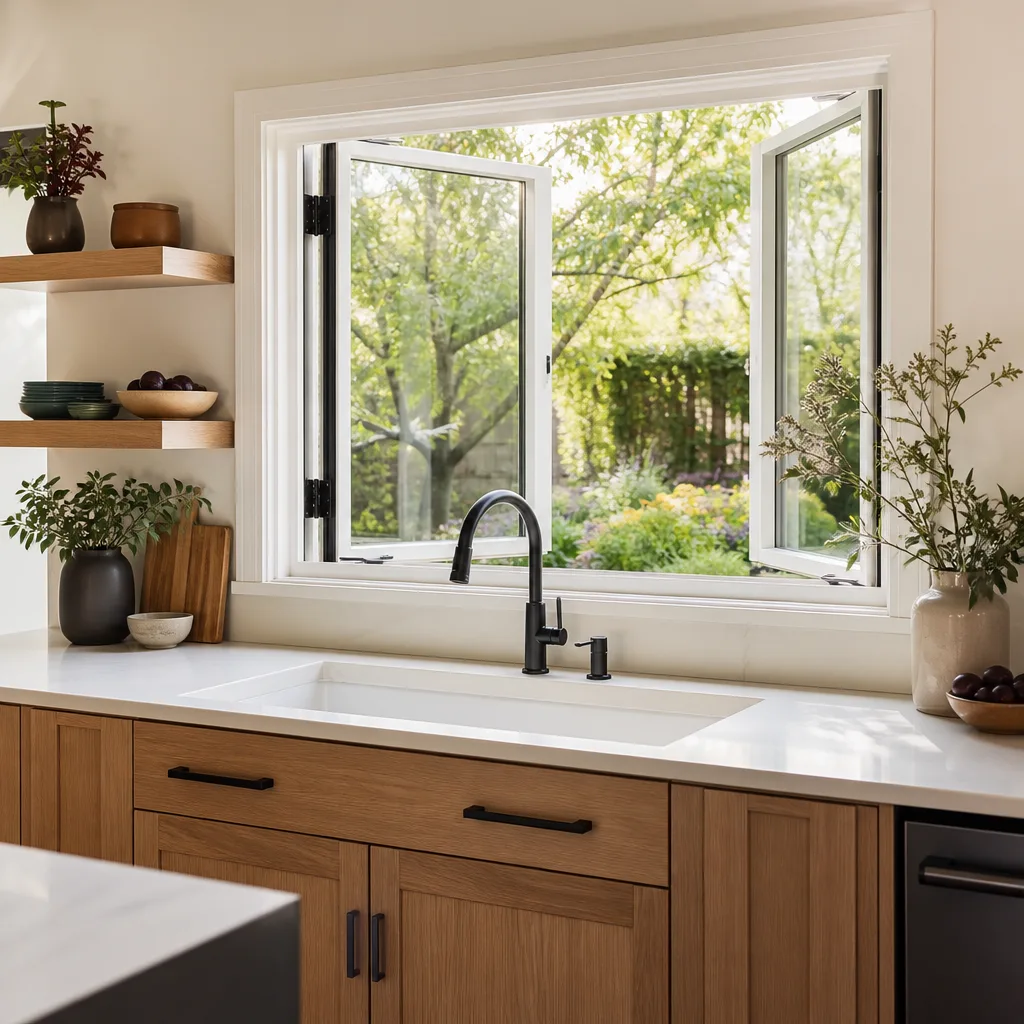
- Window and door systems from CWS and ES Windows. Both brands condition their product warranty on professional installation. A homeowner-installed window that leaks at the sill has no recourse – the manufacturer will point to the installation and the installer will point back at the manufacturer.
On windows specifically, the difference between a warranty claim and a $6,000 replacement often comes down to a single line on the installation receipt. The same dynamic applies to waterproofing membranes under tile and to the sealed perimeter of any exterior door. In our experience, this is where DIY economics turn hardest against the homeowner: the products you installed are now uninsured.
Three Projects Where Professional Hire Is Economically Dominant
For three categories, professional hire wins even when the homeowner is genuinely skilled. These are not skill problems; they are structural ones.
1. Anything Requiring a Soils Report
Glendale’s hillside zones (Chevy Chase, Adams Hill, and the properties above Kenneth Road) frequently require a geotechnical report before structural permits are issued. A soils engineer, a structural engineer, and a licensed contractor work together on the report, the foundation design, and the construction sequence. An owner-builder can hire each of these professionals individually, but coordinating the chain adds weeks and often introduces liability gaps that no warranty covers. Our Rowan Construction Group Glendale home page outlines how we handle the full sequence.
2. Anything in a Fire Zone Requiring Third-Party Inspection
Large portions of Glendale sit within Very High Fire Hazard Severity Zones. Exterior work in these areas – roofing, siding, decks, window replacements – must comply with Chapter 7A of the California Building Code, and many jurisdictions require third-party inspection of ignition-resistant materials before final sign-off. That inspection is available to owner-builders in theory but almost never in practice: the inspectors are scheduling through contractors who do this every week. Chapter 7A compliance documentation is also now disclosed in resale, which raises the stakes.
3. Work on a Shared Property Line
Much of Glendale’s residential fabric – the bungalows near Glenoaks, the duplexes off Brand, the tight lots in the dense blocks near downtown – involves shared property lines, party walls, or fence lines that both neighbors own. Any work touching a shared structure requires neighbor agreement, often a survey, and in some cases a recorded easement. For fences in particular, see our Fence Installation in Glendale page: the survey alone can run into four figures, and a bad fence install on a shared line has produced more neighbor disputes than any other residential scope we’ve seen.
If any of these three categories applies, the cost comparison framework above still applies – it just produces a clear answer in every case.
See the difference
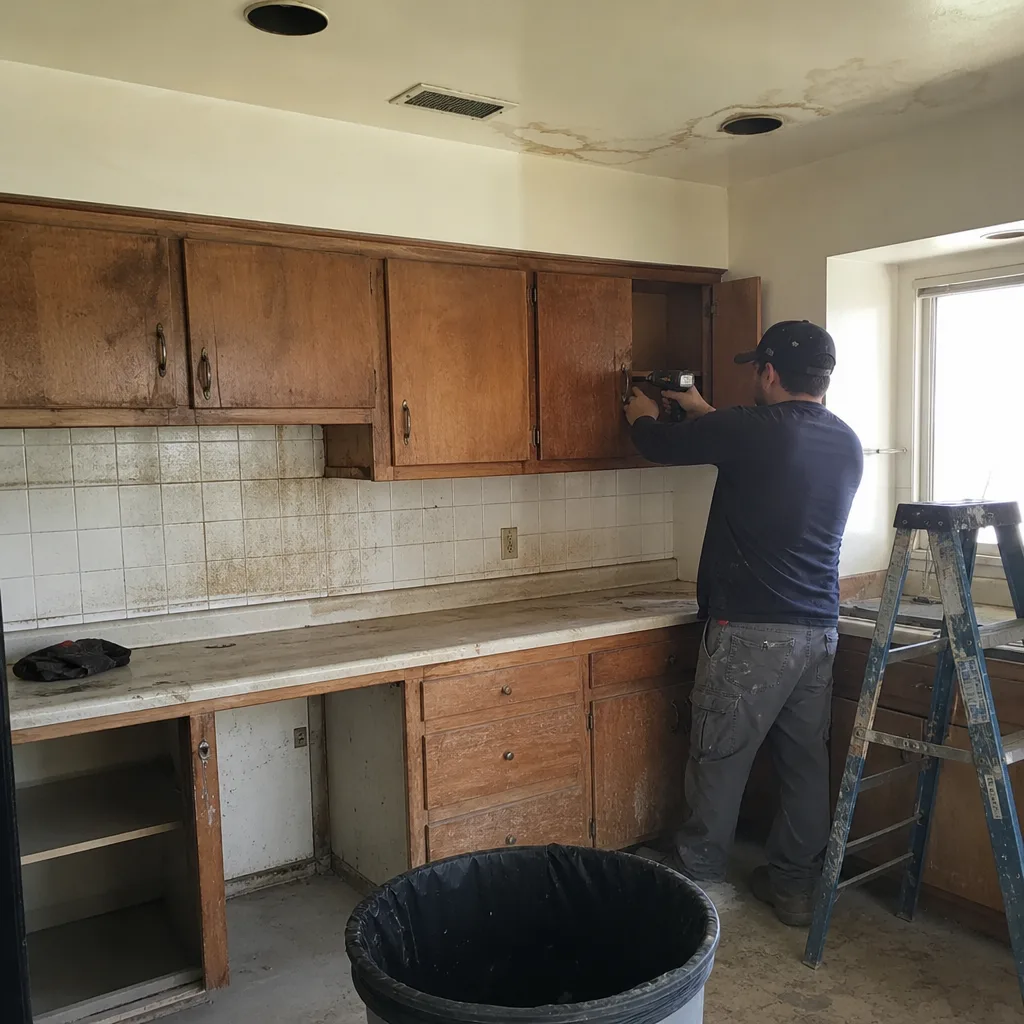 Before
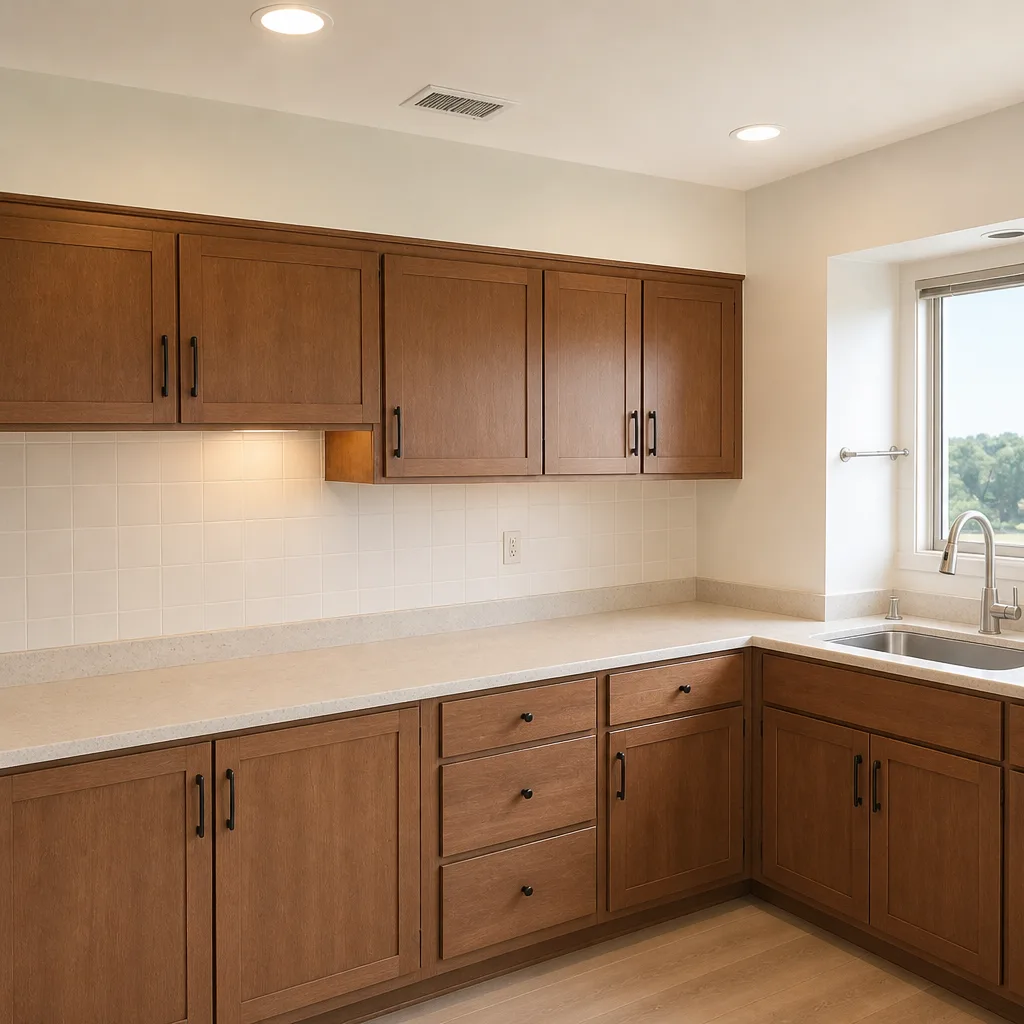 After
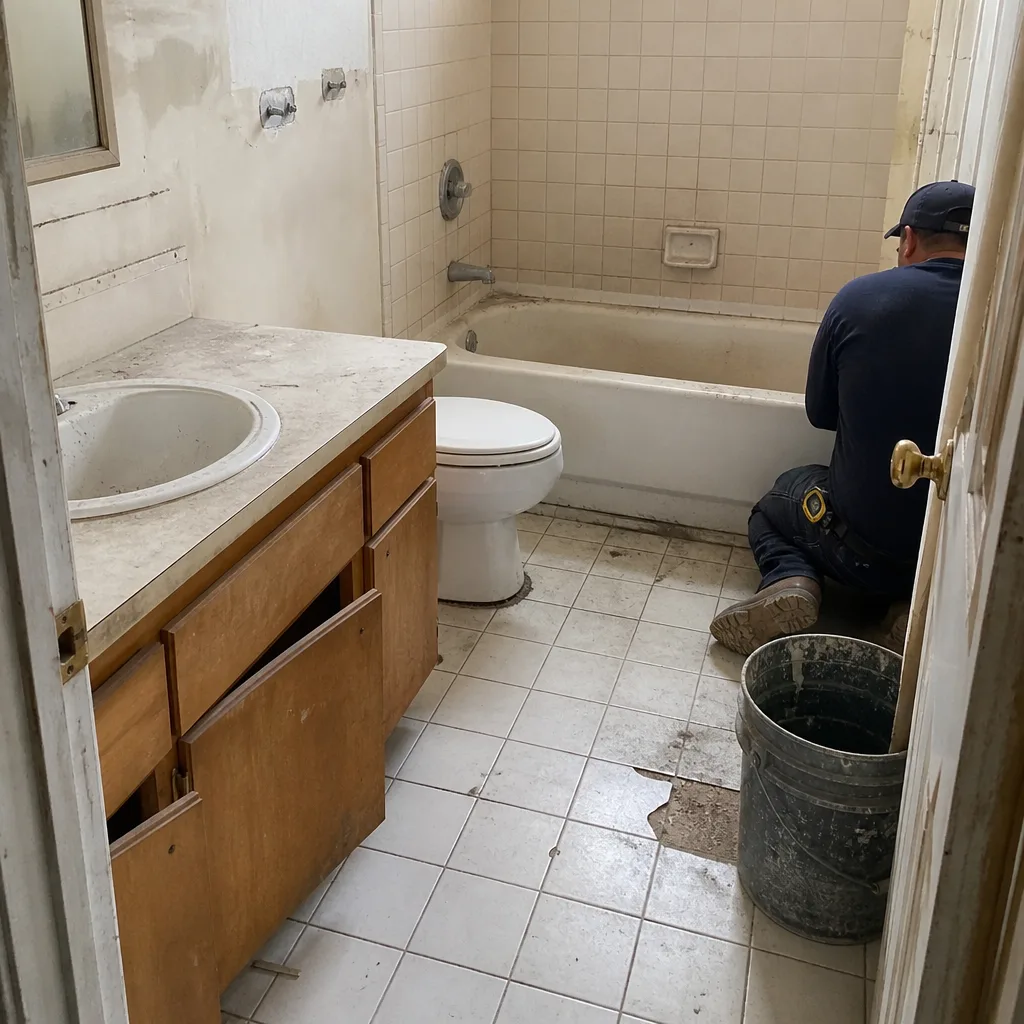 Before
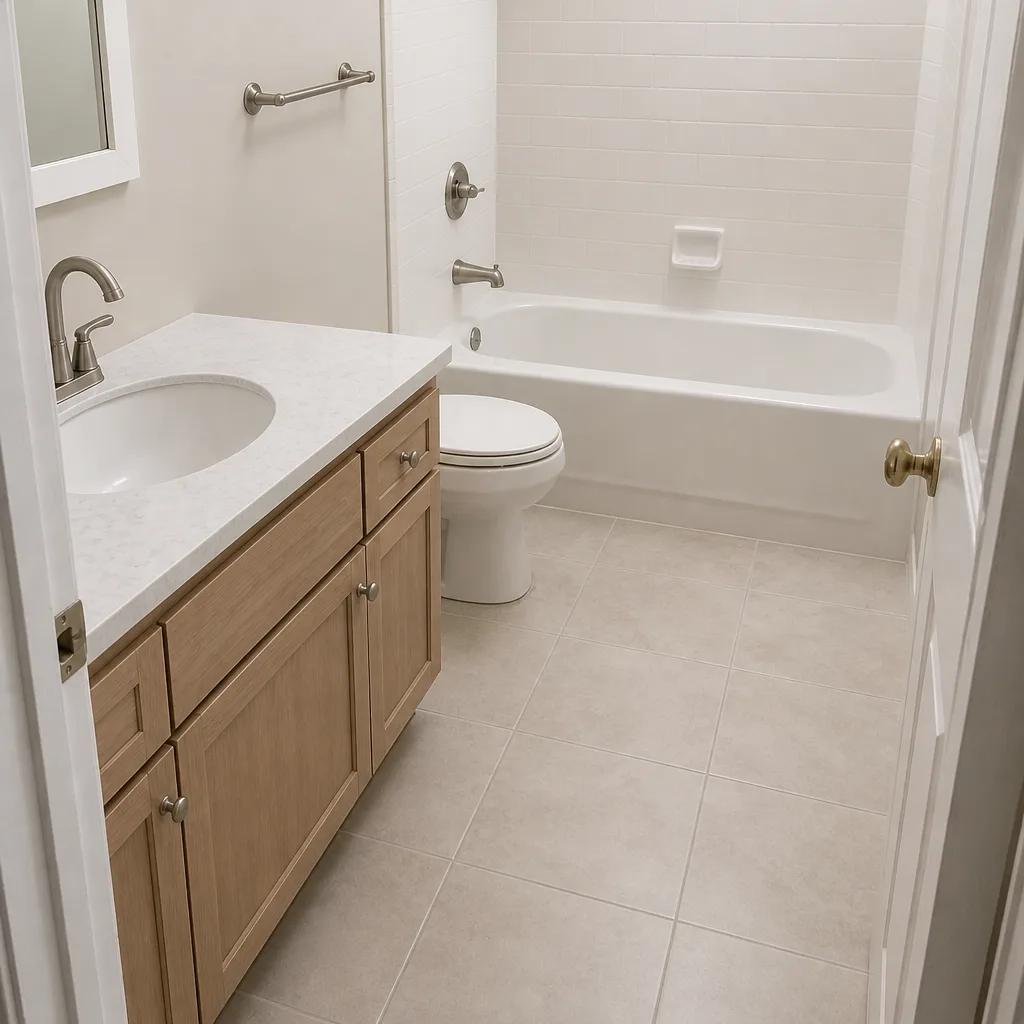 After
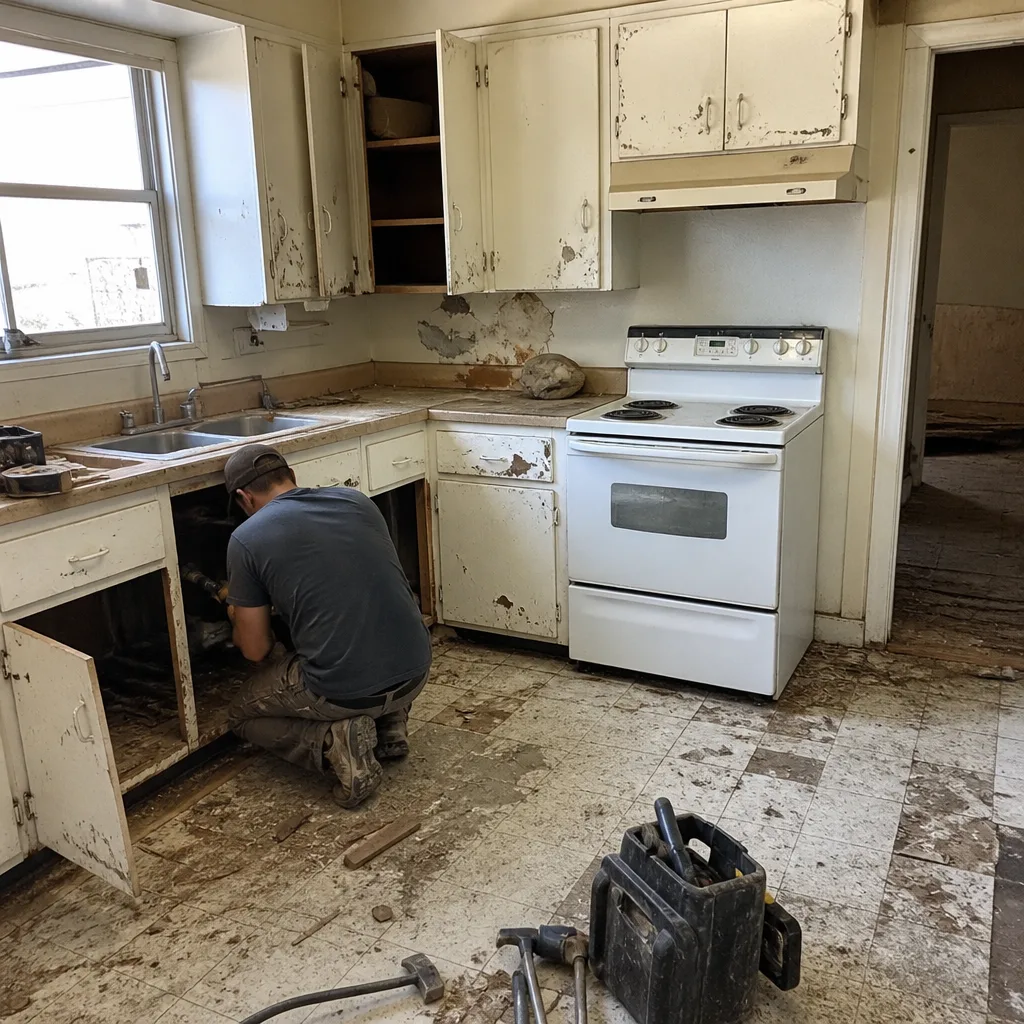 Before
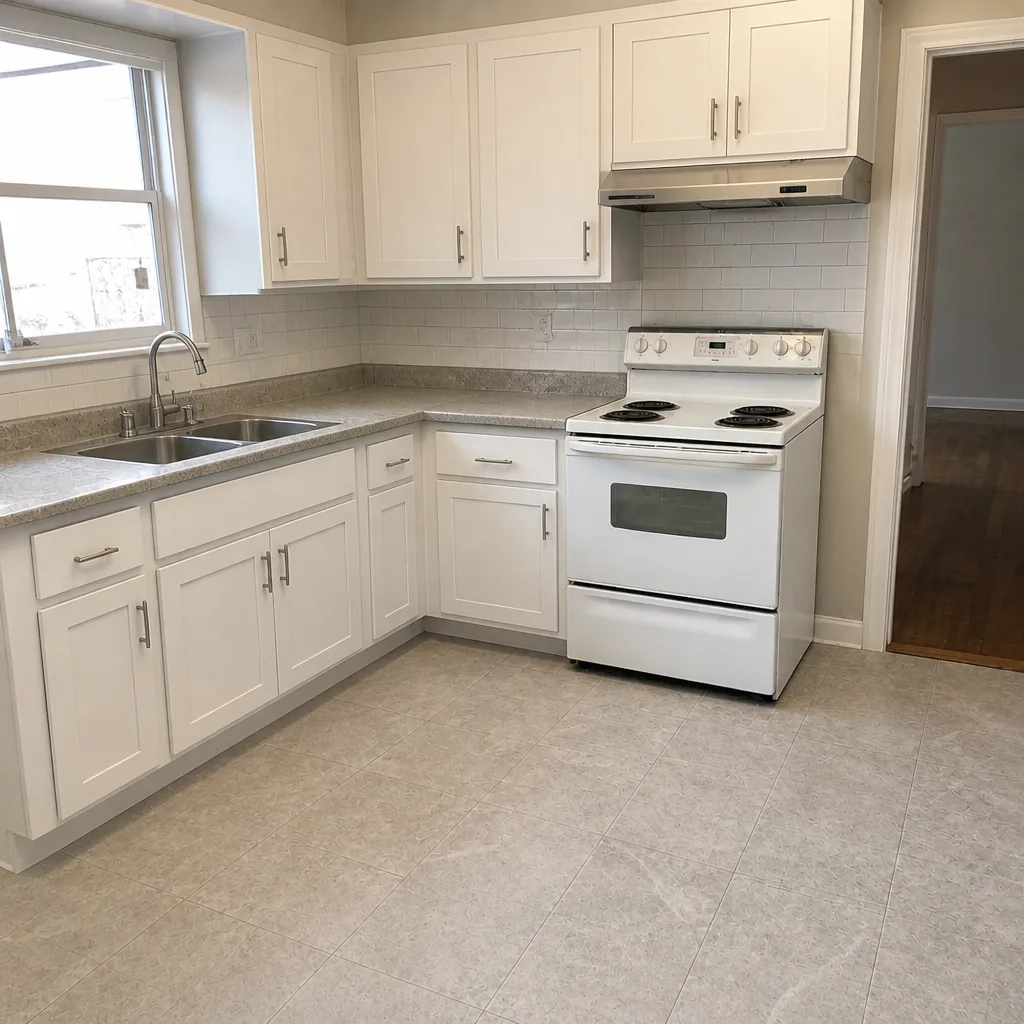 After
Common Mistakes to Avoid
- Pulling an owner-builder permit without asking whether you’ll sell within 10 years. The disclosure obligation runs a decade. If your timeline is shorter, the calculation changes.
- Assuming a licensed contractor’s bid is padded. In our experience, most Glendale contractor bids look inflated until you add the permit fee, inspection scheduling, liability insurance, and written warranty the contractor carries. Compare line items, not totals.
- Doing wiring or gas work yourself above the minor fixture threshold. This is dangerous and unlicensed. Panel work in particular is not a homeowner project, full stop.
- Installing roofing or windows without checking the warranty language. The warranty conditioned on licensed installation isn’t a formality – it decides who pays when the product fails.
- Skipping the survey on a fence. Glendale’s denser blocks make property line errors common. A $1,200 survey prevents a $15,000 fence rebuild after a neighbor challenge.
- Relying on tool rental costs estimated from memory. Rentals, overages, and delivery add up fast. Build the number on paper from actual quotes.
- Filing for permits before pricing the whole job. Permit fees are non-refundable. In Glendale, we’ve seen homeowners spend several hundred dollars on a permit before deciding the project was unaffordable.
When to Call a Professional
Call a licensed professional when any of the following applies: the work requires a permit, the work is structural, the work touches electrical or gas above the minor fixture swap threshold, the property sits in a fire hazard severity zone, the work touches a shared property line, or the manufacturer’s warranty on your product runs only through a licensed installer. Call us if you already have a written estimate from another contractor and want a second set of eyes – we offer a free second opinion on any written estimate, line by line, at no charge. Rowan Construction Group Glendale offers free estimates in Glendale, with a flat written price before work begins. Call (844) 320-5930 to schedule yours.
Frequently Asked Questions
Not always. California law allows an owner-builder to pull a permit on their primary residence without holding a contractor license. The catch is what follows: the owner becomes the responsible party, the work carries an owner-builder disclosure obligation at resale for 10 years, and no licensed contractor liability protects the buyer. For most permitted work above minor scope, a licensed contractor is the economically better choice.
Permit fees vary by scope but typically run into the low thousands for a mid-size kitchen or bathroom remodel and less for smaller scopes. The only reliable number comes from the Glendale Building & Safety Division directly. Beyond the fee, budget for inspection scheduling time and any plan-check revisions. Call (844) 320-5930 if you’d like the permit number built into a written contractor estimate.
It’s a mandated notice in any resale within 10 years of an owner-builder project, stating that the work was performed by the owner rather than a licensed contractor. In Glendale’s median price range, it commonly triggers buyer renegotiation. It doesn’t make a home unsellable – it makes it negotiate harder. On projects where the labor savings are modest, the disclosure cost exceeds the savings.
Legally you can, on an owner-occupied single-family home, if you pull the permit and pass inspection. Practically, doing so usually voids the manufacturer’s warranty on the window unit. Glendale-area contractors frequently specify CWS, ES Windows, and ECO Window Systems products, all of which condition their warranty on professional installation. Saving on labor upfront can cost you the warranty entirely.
Not automatically, but most homeowner policies require permitted work to be disclosed to the carrier and exclude losses arising from unpermitted work. A water damage claim after a DIY shower install, for example, can be denied if the work was unpermitted or noncompliant. Read your policy’s “workmanship” exclusion before starting any wet-area project. Call (844) 320-5930 for a professional estimate – it’s free.
Kitchens typically run 6-10 weeks; bathrooms 3-6 weeks; additions 4-8 months and up, depending on scope and inspection scheduling. Timeline depends heavily on plan check time in Glendale, which varies by project complexity. The more useful number is your written scope with a documented start date – we put both in writing before a crew touches your project. Call (844) 320-5930 to schedule a free estimate.
The Bottom Line
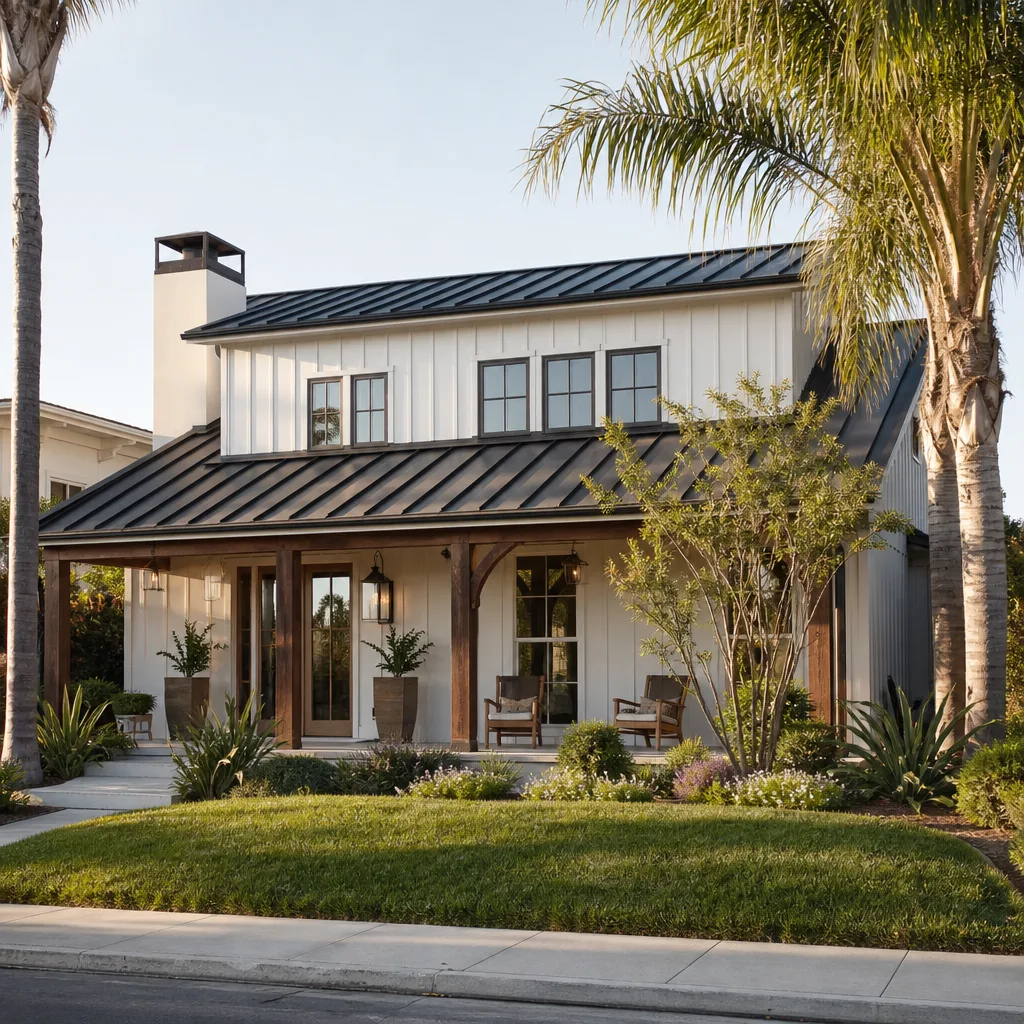
The DIY-versus-hire decision in Glendale is rarely about whether you can do the work. It’s about whether you can absorb the 10-year owner-builder disclosure, the warranty void on products you install yourself, and the liability that stays with you after the final inspection. Painting, minor finish work, and careful tile jobs remain in DIY territory. Structural, fire-zone, shared-property-line, and warrantied product installs almost always favor a licensed contractor on pure economics. Build the cost comparison honestly – with time, permit, rework, and disclosure cost in the column – and the answer usually reveals itself. Our technicians have up to 19 years of experience across seven trades, and we keep the entire process anchored to a written price under Clause 1 of the Haven Standard.
Call (844) 320-5930 today to schedule a free estimate with Rowan Construction Group Glendale. Every estimate comes with a written line-item scope and price, a documented photo record when we visit, and a written warranty – and the 365-Day Done Right Promise stands behind the work after the crew leaves. If you already have a written estimate from another contractor, bring it in for a free second opinion, line by line, at no charge.
Written by the team at Rowan Construction Group Glendale.