Last updated November 16, 2026





Free written scope consultation - allowances, timeline, and change-order rules on paper before a single trade is scheduled
Construction Warning Signs: A Glendale Homeowner’s Reference Guide
A 1/16-inch stair-step crack in a brick wall is a structural engineering referral, not a caulk job. It looks almost identical to a cosmetic shrinkage crack to anyone who hasn’t been told what direction the cracking runs relative to the mortar joint. That difference, and a dozen others like it, is what this guide covers. The warning signs that actually matter in Glendale homes show up 6 to 18 months before visible damage, and catching them early costs a fraction of the repair. What follows is organized by failure category and lead time, so you know what you’re looking at and how much time you have.
Quick Answer
The warning signs worth acting on in a Glendale home are not the obvious ones like water stains or a sagging roof. They are early indicators with a 6-to-18-month lead time: stair-step cracks running diagonally through mortar, dark bands of efflorescence on retaining walls, paint peeling in a specific direction on fascia boards, and soil settling in a line along a foundation. Each has a measurable threshold that tells you whether to watch it or call a licensed professional. Catching them at that stage typically costs far less than the repair they’re predicting.
Styles & brands we work with
- Kitchen remodeling
- Bathroom remodeling
- Home additions & ADU
- Roofing
- Windows & doors
- Driveway & pavers
- Fence
Table of Contents
- Crack Reading: What Direction and Width Actually Tell You
- Drainage Warning Signs Before Water Reaches the Foundation
- Roof Deck and Fascia: What You Can See From the Ground
- Glendale Hillside Indicators: Retaining Walls, Soil Creep, Driveway Aprons
- Stairs, Decks, and Foundation Edges
- What to Bring to a Contractor Assessment
- Common Mistakes to Avoid
- When to Call a Professional
Crack Reading: What Direction and Width Actually Tell You
Not all cracks mean the same thing. Direction relative to the mortar joint, width, and whether the crack is growing are the three variables that matter. A crack that repeats the same path across multiple courses of brick or concrete masonry is a structural signal. A crack that wanders within a single stucco panel is typically not. Here is how to read each type.
Shrinkage cracks (usually cosmetic)
Shrinkage cracks appear as thin, vertical or spider-web lines confined to the stucco field or plaster surface. They typically open during the first two summers after application and stabilize. If the crack is under 1/16 inch, runs vertically, and hasn’t widened in six months, it’s cosmetic. A patch and repaint is reasonable. In Glendale, the dry Santa Ana wind cycles accelerate stucco shrinkage in the first 24 months, so a few hairline cracks on a newer home are expected, not alarming.
Settlement cracks (monitor closely)
Settlement cracks show up as diagonal lines, most often radiating from the corners of door and window openings, and they widen at the top or bottom. If you can fit a nickel (about 3/32 inch) into the widest point and the crack has grown since you first noticed it, that warrants a professional assessment. Diagonal cracking at the corner of a masonry wall where it meets a perpendicular wall almost always points to differential settlement under the footing, which is a soil issue, not a masonry issue.
Lateral load and seismic movement (call immediately)
Horizontal cracks in a brick or CMU wall are the serious category. They run parallel to the mortar bed joint and signal lateral load – the wall is being pushed or pulled sideways. In Glendale, where the building stock includes a substantial number of pre-1970 masonry structures and the region sits on active fault systems, a horizontal crack of any width in an unreinforced wall requires a structural engineer’s evaluation before anything else happens. Do not patch it. Do not paint over it. The repair at this stage is typically reinforcement and anchoring, and the repair at the “let it go another year” stage is often wall replacement.
- Vertical, in stucco field, under 1/16 inch: cosmetic; monitor
- Diagonal, at corners, under 1/16 inch, stable: monitor every six months
- Diagonal, growing, wider than 3/32 inch: professional assessment
- Horizontal, in brick or CMU, any width: structural engineer referral
- Stair-step through mortar joints: structural engineer referral
Measuring a crack is simple physics: mark both ends with a pencil, write the date, and measure the gap with a feeler gauge or a set of drill bits used as gauges. If it grows more than 1/16 inch over a six-month period, the stability question is settled and it’s time to call.
Drainage Warning Signs Before Water Reaches the Foundation
Water damage to a foundation is almost always preceded by surface evidence that shows up 6 to 18 months earlier. The trick is knowing what surfaces to check and what to look for. In Glendale, where most of the annual rainfall (roughly 15 inches) arrives in a handful of winter storms, drainage failures aren’t gradual. They show up all at once when the ground is saturated. The surface signs are your early warning.
Soil depression lines
Walk the perimeter of your house after a heavy rain. A shallow trench or line of settled soil running parallel to the foundation is the classic sign that water is channeling along the foundation and washing out fines (the fine particles in soil). It can look like nothing more than a slightly lower strip of dirt. Left alone, it becomes a pathway for water to reach the footing. Regrading to a minimum 6-inch fall over the first 10 feet from the foundation is the standard correction, and it’s cheap if you catch it at the soil-depression stage.
Efflorescence bands on retaining walls
Efflorescence is the white, chalky staining on the face of masonry or concrete that appears when water moves through the wall and evaporates on the surface, leaving mineral salts behind. A faint patch here and there is normal. A horizontal band or a consistent vertical stripe that reappears after rainfall means water is traveling through the wall, not around it. On a retaining wall, that’s often a sign of missing or failing weep holes and a blocked drainage layer behind the wall. On a house foundation, it means the waterproofing or the grade has failed. When the band reappears after two or three storms in a season, it’s a service call.
Damp spots on flat hardscape after 48 dry hours
After it stops raining, note which paved surfaces stay dark when everything around them has dried. A persistent damp patch on a driveway or patio 48 hours after the last rain is water moving through the slab or trapped under it, usually from poor slope. Cambridge Pavers and Oldcastle both specify a slope for their pavers, and if the installer skipped it, you’ll see this within a season or two. Standing water isn’t just inconvenient – it’s a signal that the base material below is not draining, and that failure typically gets to the subgrade within a couple of years.
- Soil depression lines: water channeling along the foundation – regrade
- Efflorescence bands reappearing: water moving through masonry – check weeps
- Damp hardscape 48 hours after rain: drainage slope failure – inspect base
- Downspouts discharging within 3 feet of the foundation: extend to 6 feet minimum
Roof Deck and Fascia: What You Can See From the Ground
Most of what matters at the roof level can be detected from ground level with binoculars or a phone camera on zoom. The key is understanding the sequence – what appears first, what appears next, and what pattern the early signals form. Paint peel on fascia boards is the most underrated of these, because the direction of the peel tells you where the moisture is coming from.
Paint peel direction
Paint peels away from the source of moisture. On a fascia board running along the edge of the roof, if the paint is peeling upward and outward (with the loose edge at the top), the moisture is coming from above – the roof edge flashing or the gutter backing up. If it peels downward, moisture is coming from behind the board – the substrate is wet from a wall or soffit problem. The direction is diagnostic. On homes in Glendale built with wood fascia in the 1960s through 1980s, we’ve seen this pattern many times: the paint on one side of the board peels a full 18 months before the wood shows visible rot.
Fascia discoloration sequence
Discoloration follows a predictable order: first a slight darkening at the joints and nail heads, then a soft or spongy feel at the base of the board, then visible warping. If you can press a screwdriver handle into the fascia and it sinks in, the wood is compromised regardless of what the surface looks like. That stage is roughly 24 to 36 months into a moisture problem, which means the paint peel you noticed a year earlier was the warning. For roofing specifically, the shingle layer count matters when evaluating whether a repair or replacement is the right call; two layers of GAF or Owens Corning shingles is standard on most Glendale roofs, and a third layer is a red flag on any inspection.
Gutter pull-away gap measurement
Measure the gap between the back of the gutter and the fascia every spring. A gap of over 1/4 inch at any point is a fastening failure – the gutter hangers have pulled loose from compromised wood, or the fascia has swollen. A gap over 1/2 inch means the gutter will fail at the next significant rain. It also means water is running behind the gutter and down the fascia, which is the moisture source for the paint peel described above. Glendale’s dry season contracts the wood; the wet season expands it; repeated cycles loosen hangers steadily.
Glendale Hillside Indicators: Retaining Walls, Soil Creep, Driveway Aprons
The Verdugo Hills and the hillside neighborhoods around Chevy Chase Canyon and Glenoaks Canyon impose specific loads on homes that flat lot tracts don’t. Retaining walls, soil creep, and driveway aprons all telegraph their failure 6 to 18 months before anything dramatic happens. Here’s what to measure.
Retaining wall lean measurement
Stand a 4-foot level vertically against the face of the wall. If the gap between the level and the wall at the top is more than 1/4 inch, the wall has started to lean, usually toward the downslope. That’s a sign the soil behind it has saturated and is pressing against the back face. Also look for a bulge – the middle of the wall pushed out further than the top or bottom. A visible bulge, or a lean over 1 inch, is a call-now situation, because the drainage behind the wall has failed and the situation accelerates quickly. Glendale’s clay-heavy hillside soils hold water longer than the sandy soils, so saturation lasts farther into the dry season than most homeowners expect. If the wall was built without proper drainage aggregate and weep holes, that failure is on a timer.
Soil creep evidence at fence post bases
Soil creep is the slow, gravity-driven downhill movement of the topsoil layer. It’s most visible at fence posts. Look for posts that have tilted downhill, a gap opening on the uphill side of the post base, or a visible soil mound pushed up on the downhill side. Any of these three, in combination, means the soil is moving. A fence post can be reset. But if the creep has progressed far enough to move a post, you should also check the retaining walls and the foundation downhill of it. Fence posts act as soil movement indicators – cheap to watch, expensive to ignore. For the installation side of this, see our fence installation in Glendale service page.
Driveway apron separation from the curb
Measure the gap between the driveway apron and the curb line at the street. A separation of over 1/4 inch means the slab is settling away from the curb, usually because the base material under the driveway wasn’t compacted to spec. In Glendale, where many hillside driveways are steep and apron settlements compound, this is the first visible sign of a base failure. Left long enough, the slab cracks across the middle. Repairing the base early is a fraction of the cost of a new pour.
- Wall lean under measurement with a 4-foot level: over 1/4 inch; monitor; over 1 inch; call
- Wall bulge (middle out further than top or bottom): call now – drainage has failed behind
- Fence post tilt downhill: likely soil creep – check the retaining walls below
- Driveway apron gap at curb: over 1/4 inch; likely base settlement
Stairs, Decks, and Foundation Edges
Exterior stairs and deck structures tell you about the ground under them, and the ground tells you about the house. The warning signs live in how surfaces meet structure. What to look for, with specific measurements:
- Step-to-grade gap. Measure the gap between the bottom step and the grade. If it grows by more than an inch over a season, the soil under the step is settling while the step is held by its footing – a sign of erosion or compaction failure. If the gap closes, the soil is heaving.
- Tread-to-riser separation. A gap between the tread and riser of more than 1/8 inch means the stringer has started to rack, usually from a footing failure on one side. On concrete stairs, look for the crack at exactly the same joint every year.
- Deck ledger and rim. Check where the deck attaches to the house. Any daylight between the ledger board and the wall – even 1/8 inch – means the flashing has failed or the lag bolts are backing out. That joint is the number-one path for water into a rim joist. On Glendale homes where the deck was added in the 1980s with no proper ledger flashing, this is a common call.
- Foundation edge exposure. Check how much of the concrete foundation is visible above the soil line. A footing that was once fully buried and now shows 4 to 6 inches means soil has eroded or the site was regraded. Both need attention.
- Frost line check (rarely an issue in Glendale, but worth noting). Footing depth matters; but the more common issue in Glendale is that the original builder didn’t go deep enough on a canyon slope, and the edge of the slab bears on fill rather than native soil.
None of these signs means an emergency by themselves. Each one means the underlying condition is a year or two from causing visible damage to a more expensive element. That’s the window to act. If you’re planning a larger renovation or an addition that depends on the existing structure, our home additions and ADU service in Glendale team sees these conditions regularly during pre-construction inspections.
What to Bring to a Contractor Assessment
Sequence of appearance is diagnostic data, not background. A contractor walking a property cold sees the signs today; a homeowner with dated photos and a timeline can show the rate of change, which is often more informative. Here’s what to bring, and why each item matters.
- A dated photo set. Photograph each warning sign from the same angle at each inspection, with a reference object (a coin, a ruler, a pen) for scale. Same-angle photos let a professional see growth against the scale. A crack photographed today is one data point; the same crack photographed three times over a year tells the story.
- A written log of when each sign first appeared. Note the month each sign was first visible and the month each appeared to worsen. The order of appearance tells you which system failed first – and the first failure is almost always the cause, not the symptom.
- Any prior repair invoices. If you had a crack patched three years ago and it’s back, that’s a stability failure, not a patching failure. If a previous contractor repaired a retaining wall’s face without touching the drainage behind it, that’s a diagnostic trap. Bring the invoice, list what was done, and let the contractor see what was actually corrected.
- The property’s prior inspection reports, if you have them. A home inspector’s report from when you bought is a baseline. If the same defects appear in that report now, they’ve been slowly progressing for longer than your timeline shows.
- A simple sketch of the site, with north indicated. Sounds minor; isn’t. Water movement, sun exposure, and planting all depend on orientation, and a one-minute hand sketch saves twenty minutes of walking the property twice.
When we assess a property under our Rowan Construction Group Glendale home pricing discipline, the customer gets a written flat price with a written scope before any work begins. That written price is what we compare the assessment against; no changes without a signed change order. It’s the discipline that keeps projects honest, and it’s a big part of why our work has finished within a few percent of the agreed cost across thousands of jobs. For asphalt or paver installations, you’ll often see the drainage warning signs first on the drive. Our driveway and pavers service in Glendale page covers how base prep and slope affect long-term performance.
Common Mistakes to Avoid
- Treating a stair-step crack as a cosmetic problem. It’s the one crack pattern that almost always means structural movement. Patching it hides the evidence, delays the referral, and the underlying settling doesn’t stop.
- Painting over efflorescence. A fresh coat of masonry paint will hide the white staining for a season, but the water is still moving through the wall. It will find another exit point, and you’ve now made it harder for the next inspector to see the pattern.
- Measuring a crack once and calling it done. A single measurement is a data point; two measurements six months apart are the actual test. If you’re not measuring, the crack is not being monitored.
- Ignoring the uphill side of a retaining wall in Glendale. The wall face is the failure that becomes visible; the drainage and soil behind the wall is the cause. Rebuilding the face without addressing the drainage on the uphill side is a guaranteed second repair.
- Waiting for a “problem” before calling a contractor. The whole point of a warning-sign checklist is that it lets you call a professional while the fix is still small. Waiting for visible damage eliminates the entire cost advantage.
- Skipping the free second opinion on a previous estimate. If a prior contractor proposed a repair, bring their written estimate. Line-by-line review, at no charge, is exactly how you tell the difference between a repair and a replacement.
- Confusing weather-staining on a fascia with paint failure. Efflorescence and dirt look like paint problems and get diagnosed as failures of the paint, leading to a paint-only quote when the moisture source behind the board is the actual issue.
When to Call a Professional
Here’s where the line is. Call a licensed professional if any of the following are true: a crack is wider than 3/32 inch and growing; a crack is horizontal in brick or concrete block, of any width; a retaining wall has begun to lean more than 1/4 inch over a 4-foot level, or shows a visible bulge; a fascia board gives way under a screwdriver handle; a deck attachment shows any daylight at the ledger; or a single system has three or more of the warning signs described above. In Glendale, we’ve seen these signs on everything from 1920s bungalows to 1990s hillside builds – the pattern holds across every era, and early assessment is the cheapest step in the sequence. Rowan Construction Group Glendale offers free estimates in Glendale – call (844) 320-5930 to schedule one.
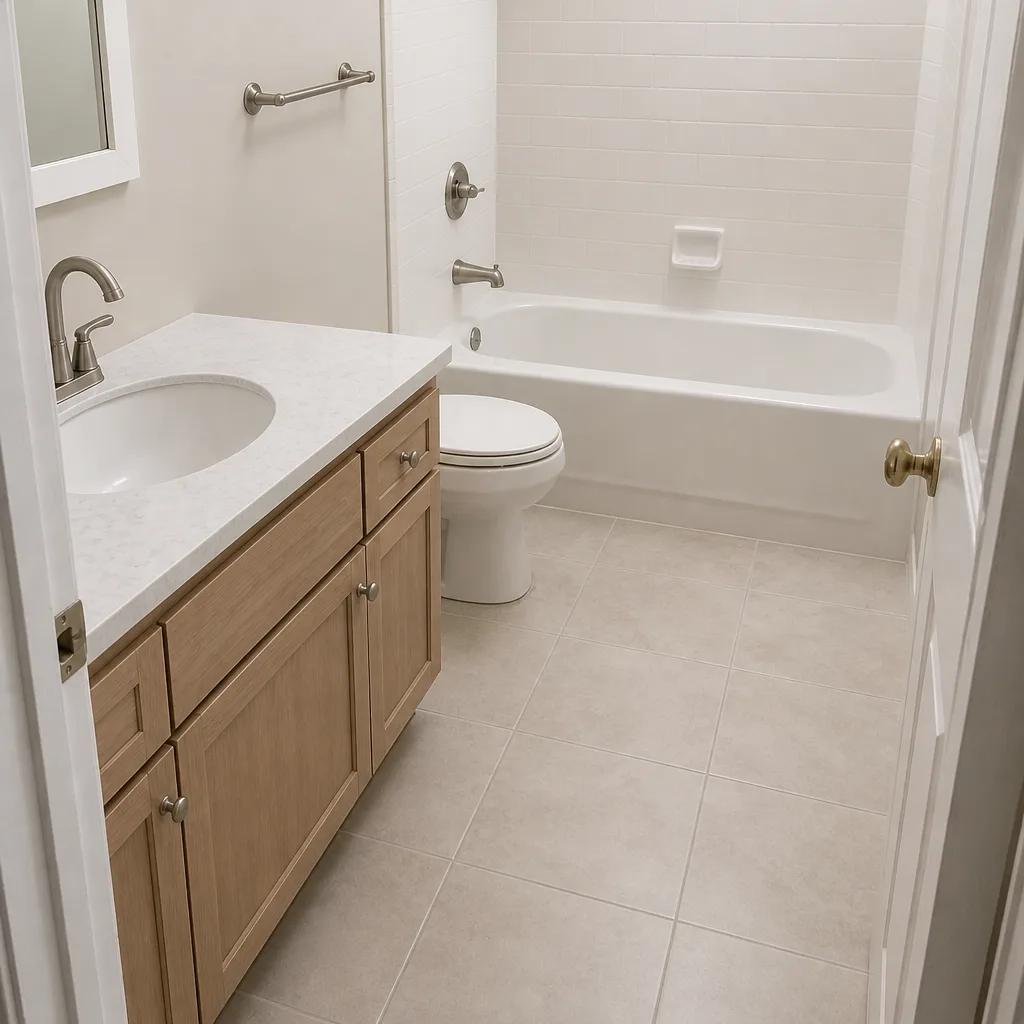
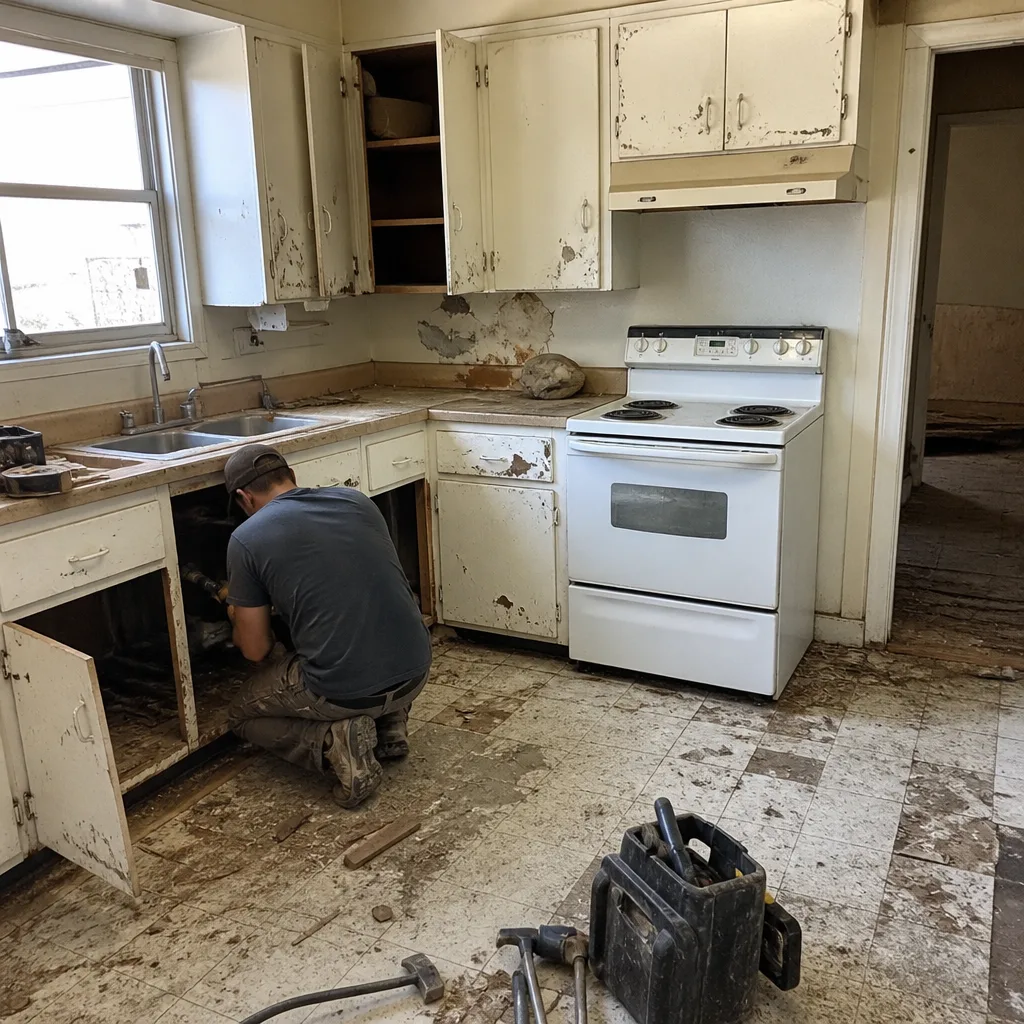
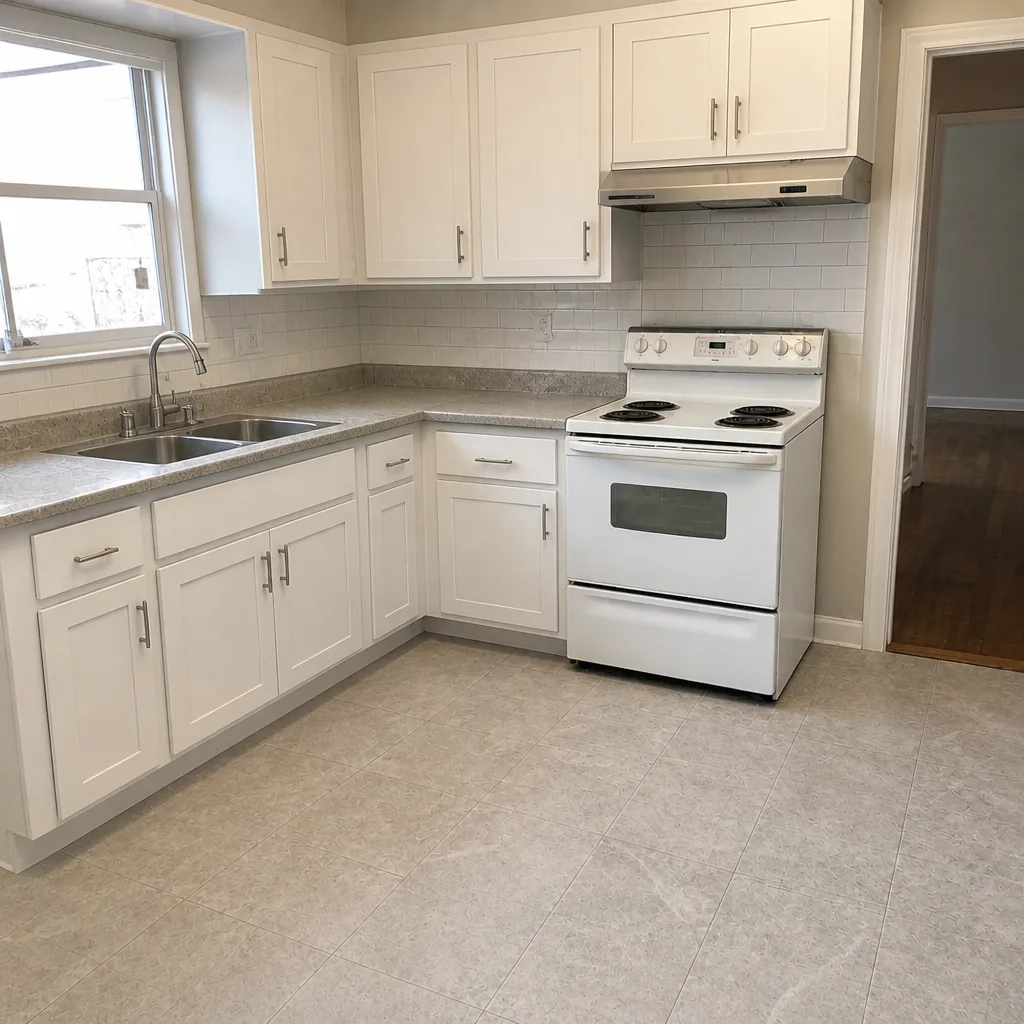
See the difference
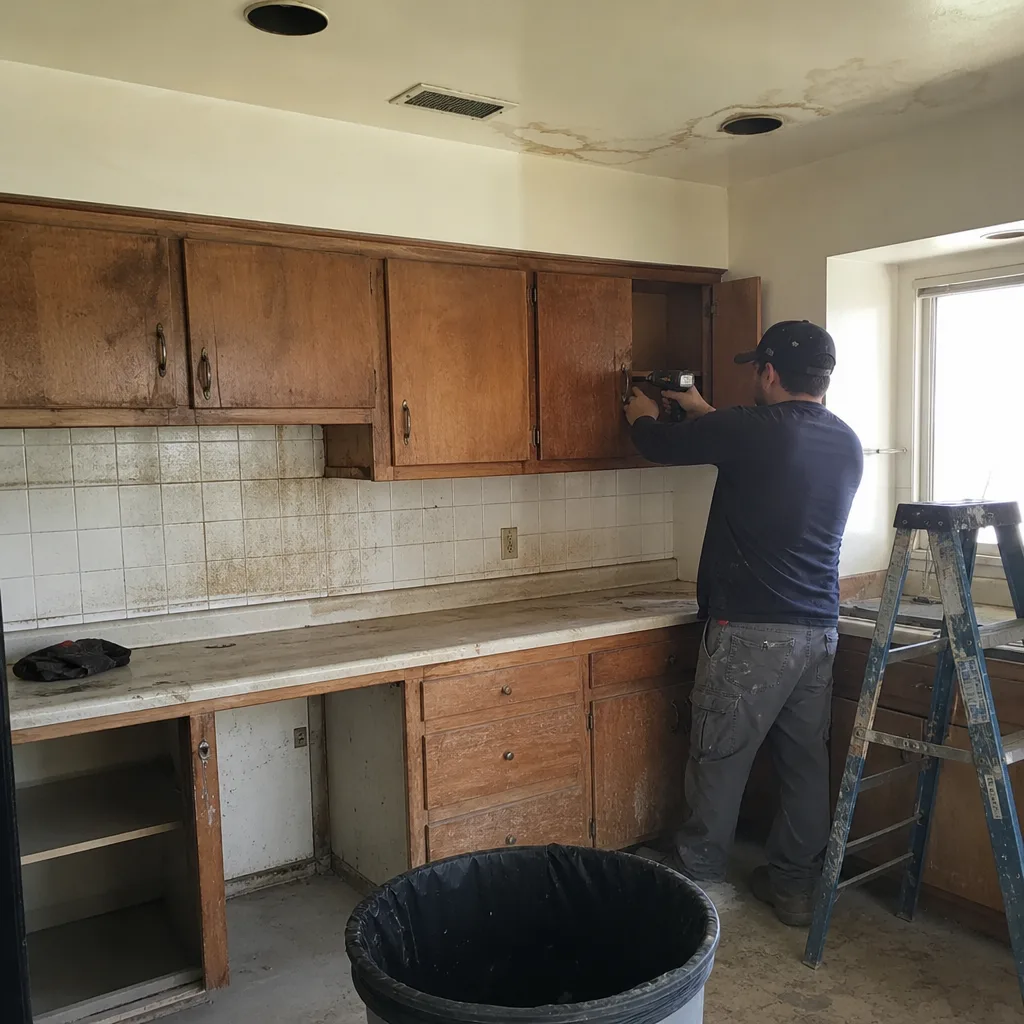 Before
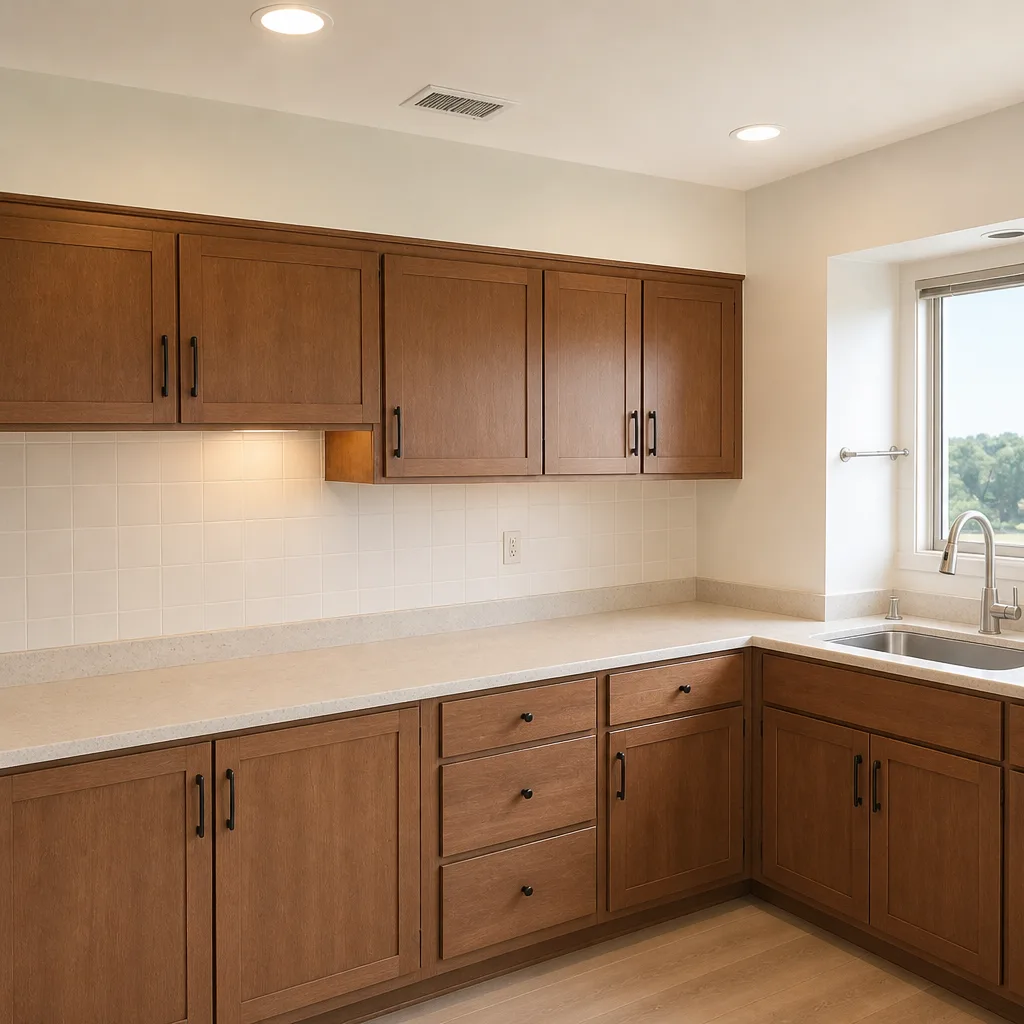 After
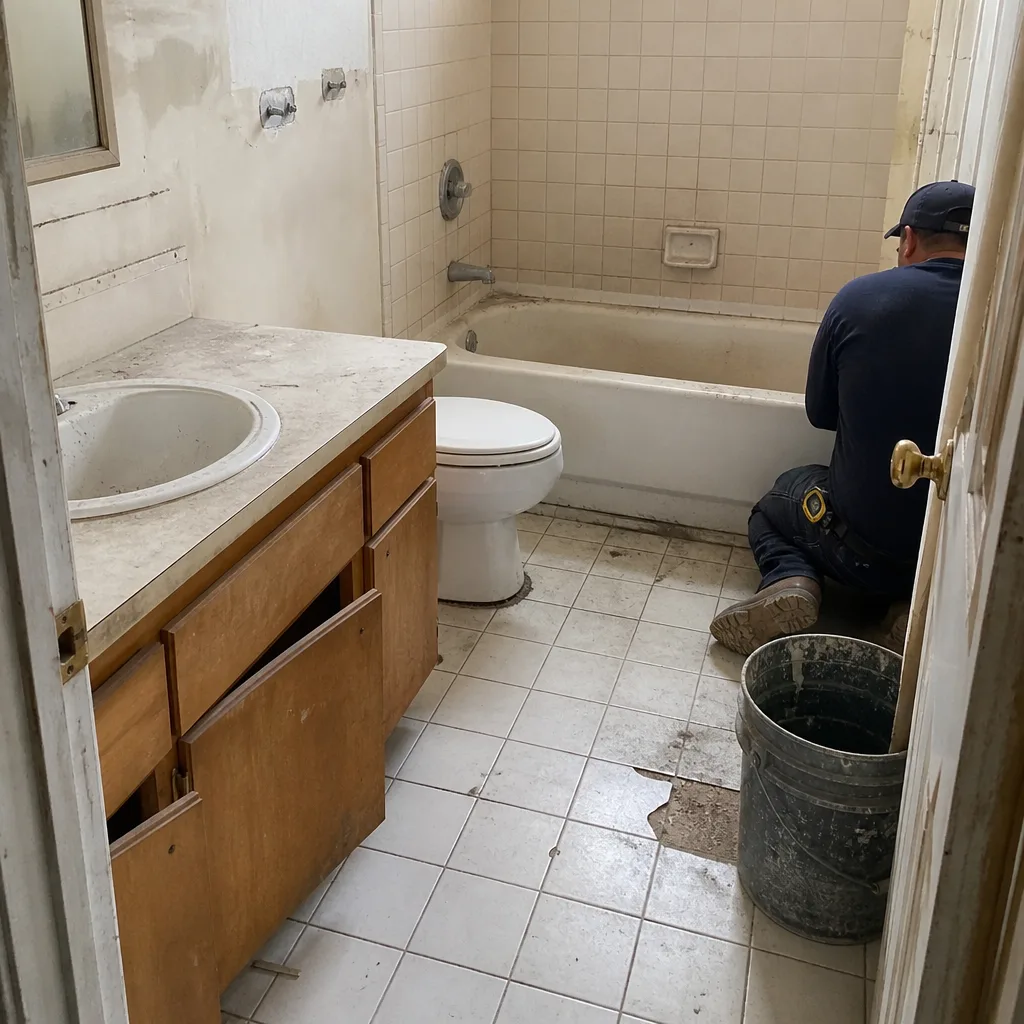 Before
 After
 Before
 After
Frequently Asked Questions
Cost depends entirely on the cause, which is why assessment comes before pricing. Cosmetic stucco patching runs a few hundred dollars. A structural repair for differential settlement can run into the thousands or higher depending on access and depth. Call (844) 320-5930 for the free estimate – we’ll name the price in dollars, in writing, before anyone picks up a tool.
No, but diagonal cracks at the corners of door and window openings are more likely structural than vertical cracks in the open field of stucco. The test is width and growth: under 1/16 inch and stable is usually cosmetic. Over 3/32 inch and growing is a professional assessment. When in doubt, measure and log it for six months.
It means water is moving through the wall and evaporating on the face, leaving mineral salts behind. Intermittent patches are normal; consistent horizontal bands or reappearing vertical stripes mean the drainage behind the wall is blocked. The good news is that drainage correction is inexpensive compared to wall replacement. Call (844) 320-5930 to have it inspected before the next rainy season in Glendale.
Twice a year at minimum: once in late spring after the rainy season, and once in mid-fall before it starts again. The spring inspection catches what winter water did; the fall inspection catches what summer drying did. Hillside properties around Chevy Chase Canyon and Glenoaks Canyon have the most to gain from a regular inspection calendar.
No. A horizontal crack in brick or CMU is a lateral load signal and requires a structural engineer’s evaluation. Patching hides the evidence and does not address the load. Please don’t attempt it – the repair is a professional tier of work, and the safety implications are serious.
Bring the other estimate. Under the Haven Standard, we review any competitor’s written estimate line by line at no charge – the Free Second Opinion is a standard offer, not a sales step. Call (844) 320-5930 to schedule the review. Estimates and second opinions are free.
The Bottom Line
The warning signs that matter most in a Glendale home appear 6 to 18 months before visible damage, and they can be caught with a phone camera, a pencil, a 4-foot level, and a six-month calendar reminder. Read cracks by direction and growth. Watch drainage surfaces for soil lines, efflorescence, and damp hardscape after 48 dry hours. Check fascia paint-peel direction, gutter-to-fascia gaps, and fascia substrate softness. On hillsides, measure wall lean and watch the fence bases. Bring a dated photo set and a written log to any contractor assessment – sequence of appearance is the data that tells the difference between a repair and a replacement. None of that requires dramatic action. It requires early attention, an honest written price, and a professional eye at the right moment. Call Rowan Construction Group Glendale at (844) 320-5930 to schedule your free estimate.
Written by the team at Rowan Construction Group Glendale.