Last updated November 16, 2026


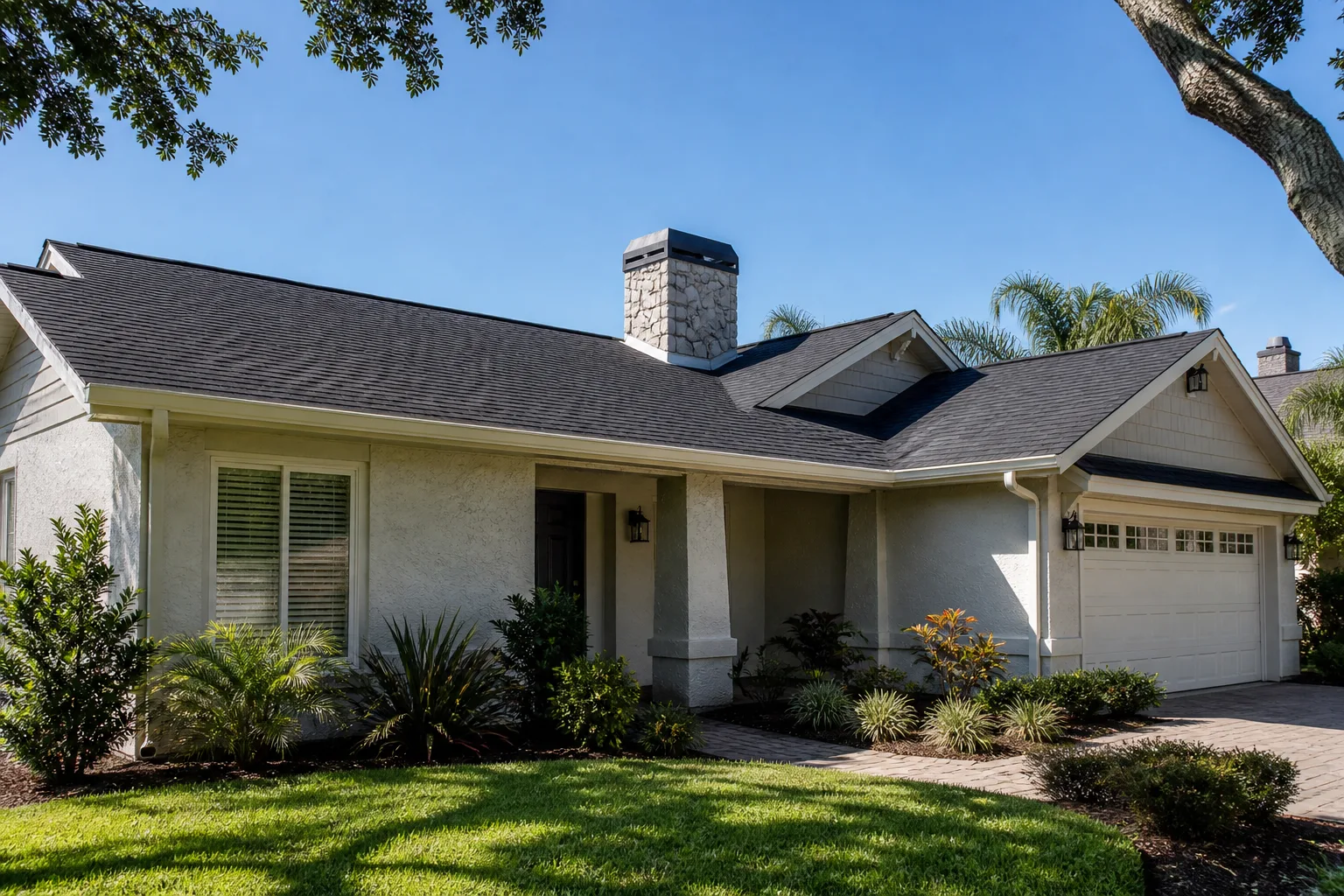
Free written scope consultation - allowances, timeline, and change-order rules on paper before a single trade is scheduled
How to Hire a Construction Contractor in Glendale: A Step-by-Step Guide
California’s CSLB database will tell you whether a contractor’s license is active. It will not tell you whether that contractor carries active workers’ compensation coverage on the day a crew shows up at your house. That gap matters. When a homeowner hires an uninsured contractor based on license status alone, the homeowner can end up personally responsible for medical costs if a worker is injured on the property. The license number is the start of the paperwork trail, not the end of it. This guide walks through the documents that actually separate a contractor with a record from one with a polished website, using real Glendale permit, code, and market conditions.
Quick Answer
To hire a construction contractor in Glendale, verify the CSLB license class, expiration date, bond amount ($15,000 minimum), and current workers’ comp status before you sign anything. Then require a written bid packet with line-itemized labor and material costs, named material brands and grades, and a payment schedule tied to inspection milestones. Read the change-order clause line by line, because the difference between “written authorization required” and “owner shall be notified” controls your final bill.
Styles & brands we work with
- Kitchen remodeling
- Bathroom remodeling
- Home additions & ADU
- Roofing
- Windows & doors
- Driveway & pavers
- Fence
Table of Contents
- The Four CSLB Checks Most Homeowners Skip
- What a Legitimate Glendale Bid Packet Must Contain
- How to Read a Change-Order Clause
- Interview Questions That Surface Permit History
- Red Flags Specific to the Glendale Market
- Fire-Zone Material Compliance and Why It Changes Your Bid
- Neighborhood Factors That Affect Scheduling in Glendale
- Common Mistakes to Avoid
The Four CSLB Checks Most Homeowners Skip
Most hiring guides say “check the license.” That advice is roughly ten percent of the work. The Contractors State License Board publishes four separate fields on every lookup, and each one answers a different question about your risk.
- License class. A Class B (General Building) license covers structural work and most remodels. A Class C-39 is roofing only. A Class C-36 handles sheet metal. If you’re hiring a general contractor for a kitchen that involves moving a wall, you want Class B, not a specialty class stretched beyond its scope. A C-39 roofer who quotes your addition is working outside their license class, and the CSLB can suspend the project.
- Expiration date. The expiration field matters more than the “active” status. A license that expires in three weeks means renewal paperwork is in motion, and if it lapses mid-project, work legally stops until it’s reinstated. Screenshot the page on the day you sign. If the date passes before completion, check again.
- Bond amount. California requires a $15,000 contractor bond for licensed contractors. The lookup shows the bond amount and the surety company. A bond below $15,000 means the license is out of compliance. The bond is not insurance for you in the ordinary sense, but it is a fund a homeowner can claim against if a contractor breaches the contract.
- Workers’ comp: exemption vs. active policy. This is the field most homeowners misread. If the contractor has employees, they’re legally required to carry workers’ comp. The CSLB shows either an active policy with the insurance carrier named, or a filed exemption. An exemption is legal only for a contractor with no employees, including subcontractors. A contractor who shows an exemption and then sends a three-person crew to your Glendale property is out of compliance, and you may be exposed if someone is hurt.
How we approach it: Under Clause 1 of The Haven Standard, the price is written before anyone starts. That principle extends to verification. Our crews are background-checked and uniformed, and every crew member is verified before they arrive at your property. We also don’t run an exemption. When we send a crew to a Glendale home, the coverage question is already answered.
What a Legitimate Glendale Bid Packet Must Contain
A single lump-sum number on a piece of letterhead is not a bid. It’s an offer to negotiate later. Here’s what a real Glendale bid packet looks like when it arrives in your inbox or on paper.
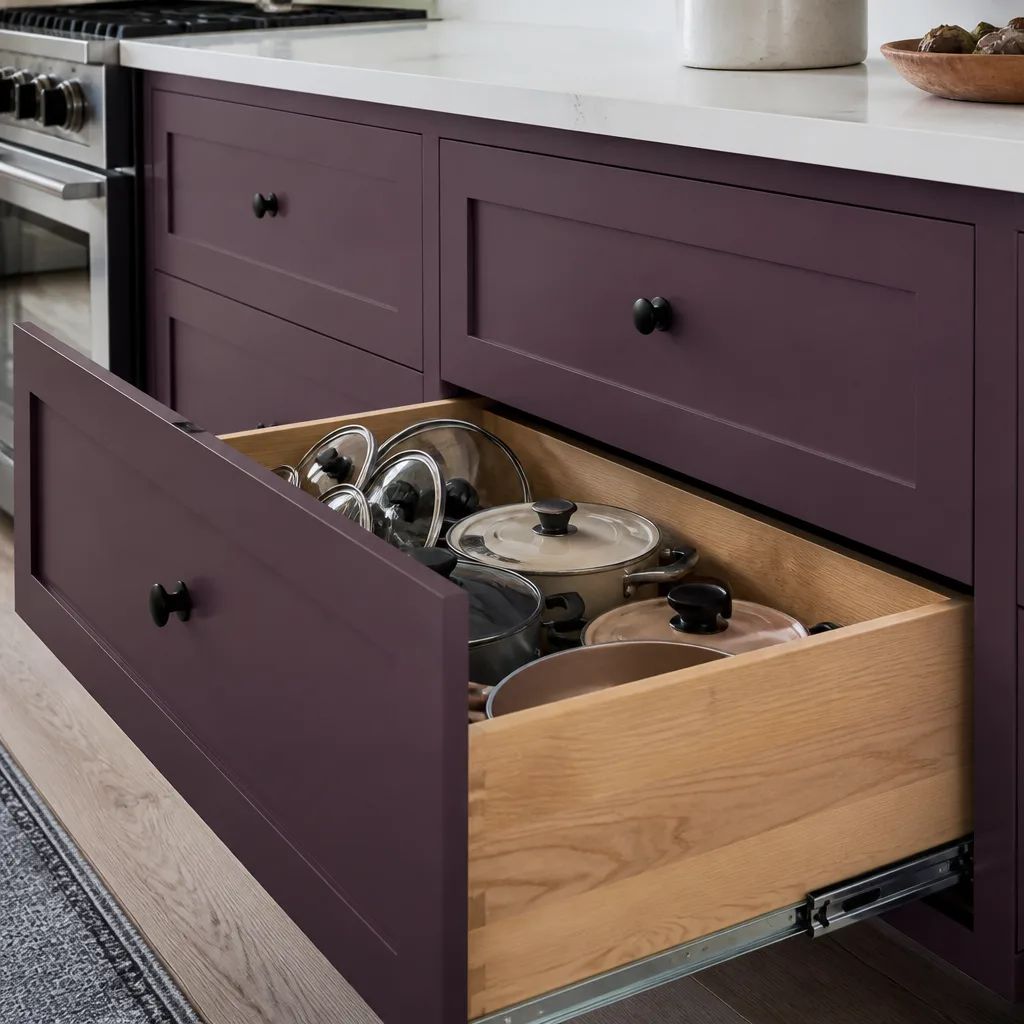
- Line-itemized labor and material costs. Not “kitchen remodel: $68,000” but “cabinet installation labor: $4,200; KraftMaid maple shaker cabinets, 14 linear feet: $N; Cambria quartz countertop, 42 sq ft: $N.” Line items let you compare bids apples-to-apples, and they expose padding when one number is wildly out of line with the others.
- Named material brands and grades. A bid that says “quartz countertops” without naming the brand has left itself room to install the cheapest slab available. Cambria and Caesarstone are not interchangeable in price. GAF and Owens Corning shingles are not the same product line as their premium tiers. The brand and grade should be written into the scope, not left to interpretation.
- Payment schedule tied to inspection milestones, not calendar dates. A legitimate schedule reads “deposit at signing; second payment on framing inspection approval; third payment on rough-in electrical and plumbing sign-off; final payment at substantial completion.” A red flag reads “deposit at signing; second payment on March 15; final at completion.” If the second payment lands before the work is inspected, you’ve paid for something you can’t verify.
- Written scope with inclusions and exclusions. The exclusion list is often more useful than the inclusion list. “Hardwood floor refinishing not included; debris removal not included; permit fees not included” should all be named before you sign.
- Written warranty language. A warranty should state what’s covered, for how long, and what voids it. If it’s a sentence and a handshake, it’s not a warranty.
We deliver a flat written price with a written scope and a written warranty before any work starts, on every trade from our Glendale construction services through full additions. If a competitor has already given you a bid, we’ll review it line by line at no charge through our Free Second Opinion on any written estimate. That’s the point of the offer. A second set of eyes on the line items catches the missing line item before you sign.
How to Read a Change-Order Clause
This is the single most expensive clause in a construction contract, and most homeowners skim it. Two common formulations mean very different things for your final bill.
“Written authorization required before any change proceeds.” This language means the contractor cannot bill you for a change until you’ve signed a change order documenting the work, the cost, and the extension to the timeline if any. The number on the change order is the number you owe. Nothing happens until your signature is on the page.
“Owner shall be notified of any change.” This language means the contractor will tell you when a change is needed. It does not require your signature to proceed. A crew member discovers rot under a subfloor, the contractor informs you, the work proceeds, and the charge appears on your final invoice. If the discovery was real and necessary, you’re still bound to pay it. If the discovery was a job-site judgment call made to avoid a delay, you’re paying for a decision you didn’t authorize.
The distinction controls your final bill. Read that clause before you sign, and ask the contractor to walk through a specific example: “If you find termite damage behind the drywall on day four, what happens?” Listen for the answer to include the word “signed” and “before.”
Every change order at Rowan is a signed document before the change proceeds. That’s Clause 1 of the Haven Standard applied to change management. It’s the discipline that has kept projects within a few percent of the agreed cost across more than 4,000 jobs since 2007. When we quote a kitchen remodel in Glendale or a home addition or ADU in Glendale, the number in the quote is the number the customer expects to pay, and a signed change order is the only way that number moves.
Interview Questions That Surface Permit History
Glendale Building & Safety keeps every permit on record. Whether the permit was pulled by the contractor or by you, as an owner-builder, changes who’s accountable for the inspection. A contractor who routinely asks homeowners to pull their own permits has found a way to take on work without taking on the inspection liability. Here are the questions to ask.
- “When did you last pull a permit in Glendale?” A specific date and a project address (you can ask for the approximate street, not the house number) is a good answer. A vague “all the time” is not. Glendale’s permit portal is public. After the interview, you can check that a permit exists for the address they described.
- “Do you pull the permit as the contractor of record, or does the homeowner pull it?” The correct answer is that the contractor pulls it. If the homeowner pulls it as owner-builder, the contractor is a hired laborer from the city’s perspective, and the inspection record stops reflecting the contractor’s work.
- “Walk me through your last Glendale inspection.” A contractor who does regular Glendale work remembers a specific inspector’s correction or sign-off. The answer should sound like a memory, not a policy.
- “Who pulls the fire-zone compliance documentation?” In Glendale hillside neighborhoods like Chevy Chase Canyon and the area north of Mountain Street, the Fire Department reviews plans for building material compliance in high fire severity zones. That’s a separate review from Building & Safety, and a contractor unfamiliar with it will quote you for standard Class C roofing and then discover mid-project that the material spec doesn’t pass the fire zone requirements.
- “Has any project had a stop-work order in Glendale?” The CSLB shows citations and disciplinary actions on the license record. Cross-reference their answers against the CSLB page. If a stop-work order appears on the record and the contractor didn’t mention it, you’ve learned something worth knowing.
Couple these questions with a request for a written record of the crew’s check-in on previous jobs. We provide a documented photo record on every visit as standard, showing what was found and what was done. When you’re interviewing other contractors, ask whether a photo record is included or an add-on. If it’s an add-on, it usually isn’t done.
Red Flags Specific to the Glendale Market
Glendale has a contractor market big enough to support good work and a few practices that don’t hold up under inspection. These are the patterns we’ve watched homeowners get hurt by.
- Quoting without visiting the site. A bid delivered by email after a phone call is a guess, not a price. Glendale’s 1920s and 1930s housing stock has been remodeled so many times that a contractor who hasn’t been inside doesn’t know whether the electrical panel is a 100-amp upgrade candidate or already been brought up to 200 amp, or whether the subfloor had previous water damage. The number they quote is the number they can adjust upward after they walk in.
- Bids that don’t mention fire-zone material compliance. A roofing or siding bid for any property in a designated high fire severity zone should reference Class A roofing, non-combustible siding, or the specific fire-rated material grade. If the bid is silent on this, the contractor either doesn’t know about the requirement or is planning to address it as a change order later.
- Verbal “city approval” assurances without a permit number. “We’ve got approval, it’s in process” is a sentence with no document behind it. A permit number is a specific format in the city portal, and it’s verifiable. If a contractor won’t give you the number, the process isn’t as far along as described.
- Payment schedules with a deposit over ten percent. A large deposit before materials are delivered leaves the homeowner with almost no leverage. California Business and Professions Code limits some deposits, but the honest signal is a contractor who asks for ten percent or less up front and ties the rest to milestones.
- No written scope for the change management process. A contractor with no clause in their contract about how changes get authorized is a contractor who intends to handle it conversationally.
Fire-Zone Material Compliance and Why It Changes Your Bid
A meaningful share of Glendale residential properties sit in or near a designated high fire severity zone, particularly the hillside neighborhoods and the corridors that abut Angeles National Forest. When a project falls inside that zone, the material specs change. Roofing has to meet a Class A fire rating. Siding has to meet ignition-resistant standards. Decking materials are specified. Ventilation is often required to be ember-resistant.
All of these specs affect the material line in your bid. A contractor familiar with Glendale fire-zone requirements builds that cost into the quote. A contractor unfamiliar with them builds a lower quote and then finds the requirement during plan review. That discovery is a change order, and the change order is at your expense because the homeowner is the one who has to meet code.
Ask directly: “Is the property in a designated fire severity zone, and does the bid spec the fire-rated material grade?” A contractor who can answer with a specific material name, like a GAF or Owens Corning Class A shingle during a roofing project, or the fire rating of a Therma-Tru door assembly during a door replacement, has done the work. On a recent door replacement in a hillside property, we spec’d a Therma-Tru fiberglass entry door because the assembly meets ignition-resistant requirements that a wood door doesn’t. That’s the kind of specific sentence a bid packet should contain.
Neighborhood Factors That Affect Scheduling in Glendale
Glendale runs from the flats of Adams Hill to the hillside streets above Verdugo, and the geography changes the way a project schedules. Some of what we’ve learned working here:
- Hillside access and staging. Properties in Chevy Chase Canyon and the hillside streets north of Mountain frequently have no driveway large enough for a material delivery truck. Deliveries have to be staged at the bottom and walked up or scheduled with a half-day crew mobilization. That affects the labor line, not the material line, and a bid that doesn’t account for it will add it later.
- Foundation conditions on older flats. Prewar properties in the area near Brand Boulevard often have original pier-and-beam foundations that need inspection before a remodel can proceed. The inspection step is either in the bid schedule or it becomes a surprise delay.
- Tree protection and driveway work. Before any driveway and pavers project in Glendale, the existing tree canopy and any protected trees on the property have to be considered. A paver driveway that requires removing a mature tree triggers a different permitting process.
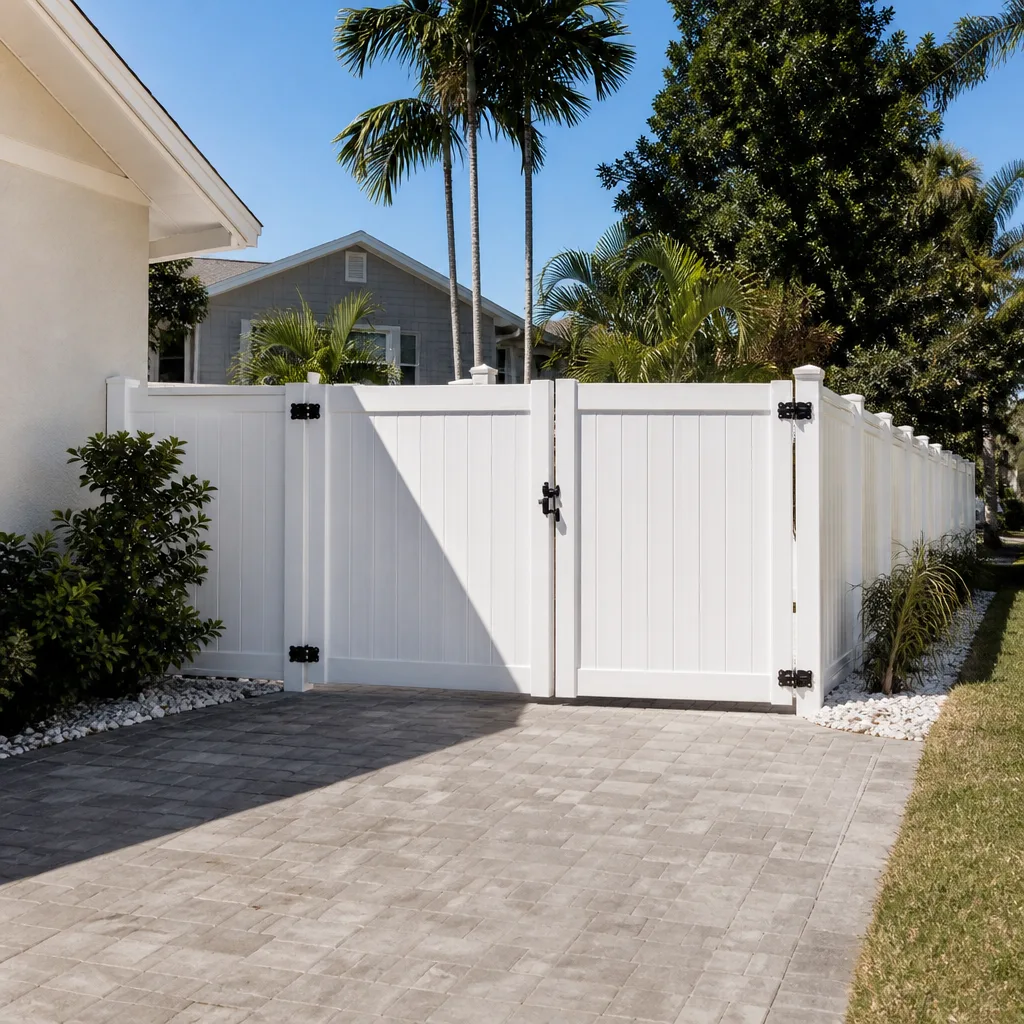
- Fence work and property line accuracy. A fence installation in Glendale almost always sits on a property line that hasn’t been surveyed since the last fence went in. Barrette or other coded fence systems make the install cleaner, but the boundary has to be verified before the post holes go in.
None of these are reasons to avoid the project. They’re the details that a Glendale contractor with real local history already knows to plan for, and a contractor from outside the market doesn’t. Our technicians have up to 19 years of experience, and the projects we’ve delivered in Glendale have surfaced every one of these conditions more than once.
Common Mistakes to Avoid
- Hiring based on license status alone. An active CSLB license confirms the license is current. It does not confirm that the workers’ comp policy is in force today. Screenshot the workers’ comp field on the day you sign, and verify it again before the crew arrives.
- Accepting a verbal change authorization. A phone call from a crew member explaining a discovery isn’t a change order. If the contract requires a signed document and you haven’t signed one, the charge shouldn’t appear on the invoice. If the contract doesn’t require a signed document, you’ve already lost the argument.
- Treating the deposit as proof of commitment. A large deposit given before materials are ordered or permits are pulled shifts all the risk to you. Ten percent up front, tied to a written scope and a milestone payment schedule, is the pattern to look for.
- Comparing bids without matching scopes. A $58,000 bid and a $71,000 bid for the same remodel are not equivalent if the cheaper one excludes permit fees, debris removal, and tile membrane installation. Put both scopes side by side and compare line items rather than final numbers.
- Missing the fire-zone question on hillside properties. A roofing or siding bid for a Glendale hillside home that doesn’t mention fire-rated materials is a bid that hasn’t accounted for a code requirement. That gets discovered during plan review, and the cost lands in a change order.
- Letting the contractor ask you to pull the permit as owner-builder. It sounds convenient. It also means the inspection record reflects you, not the contractor’s work, and the CSLB complaint process becomes harder to use if something goes wrong.
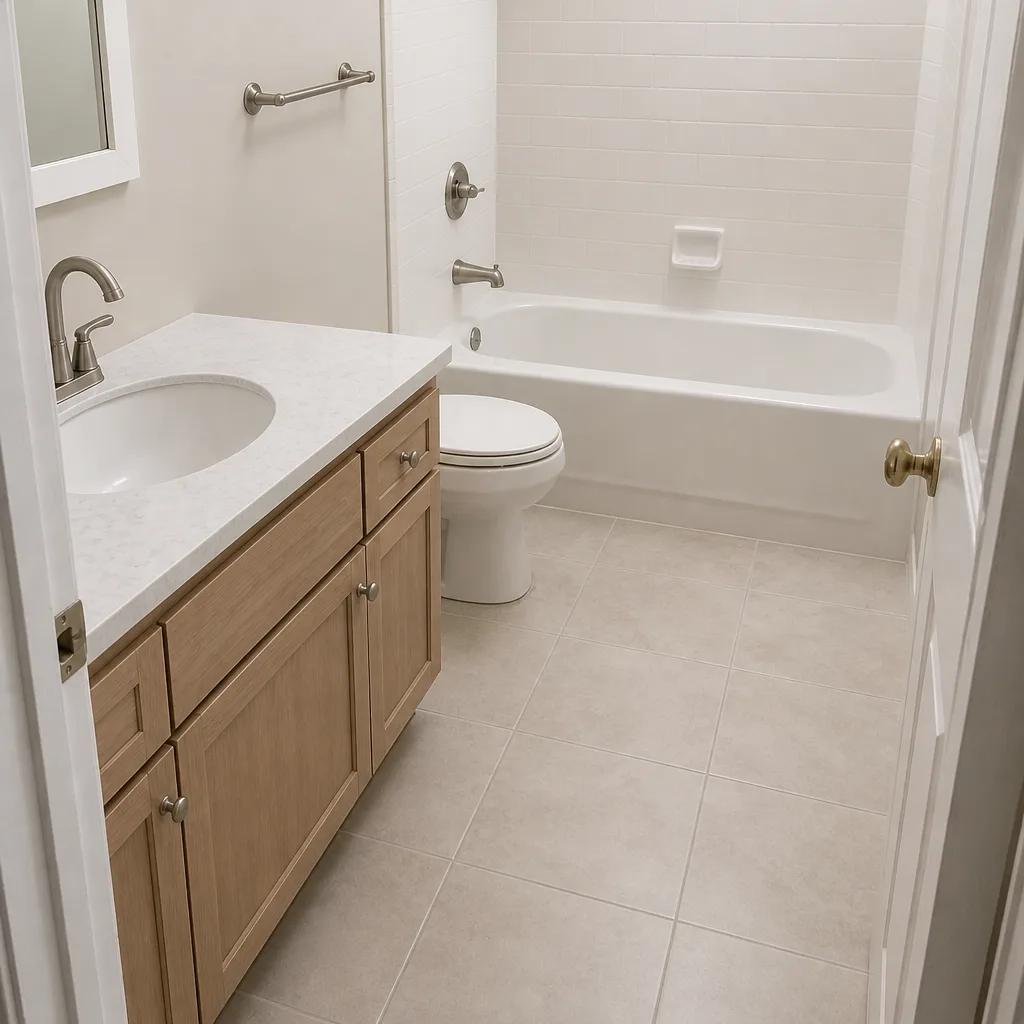
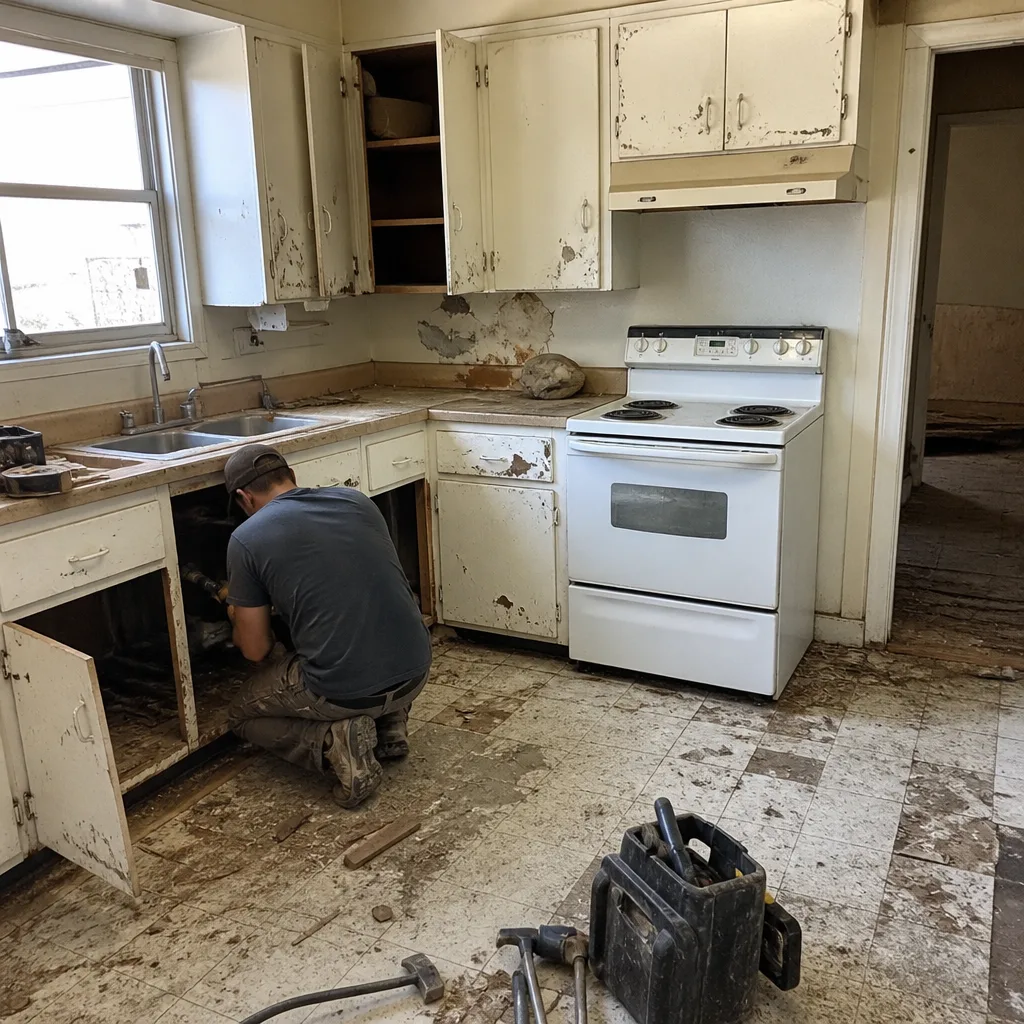
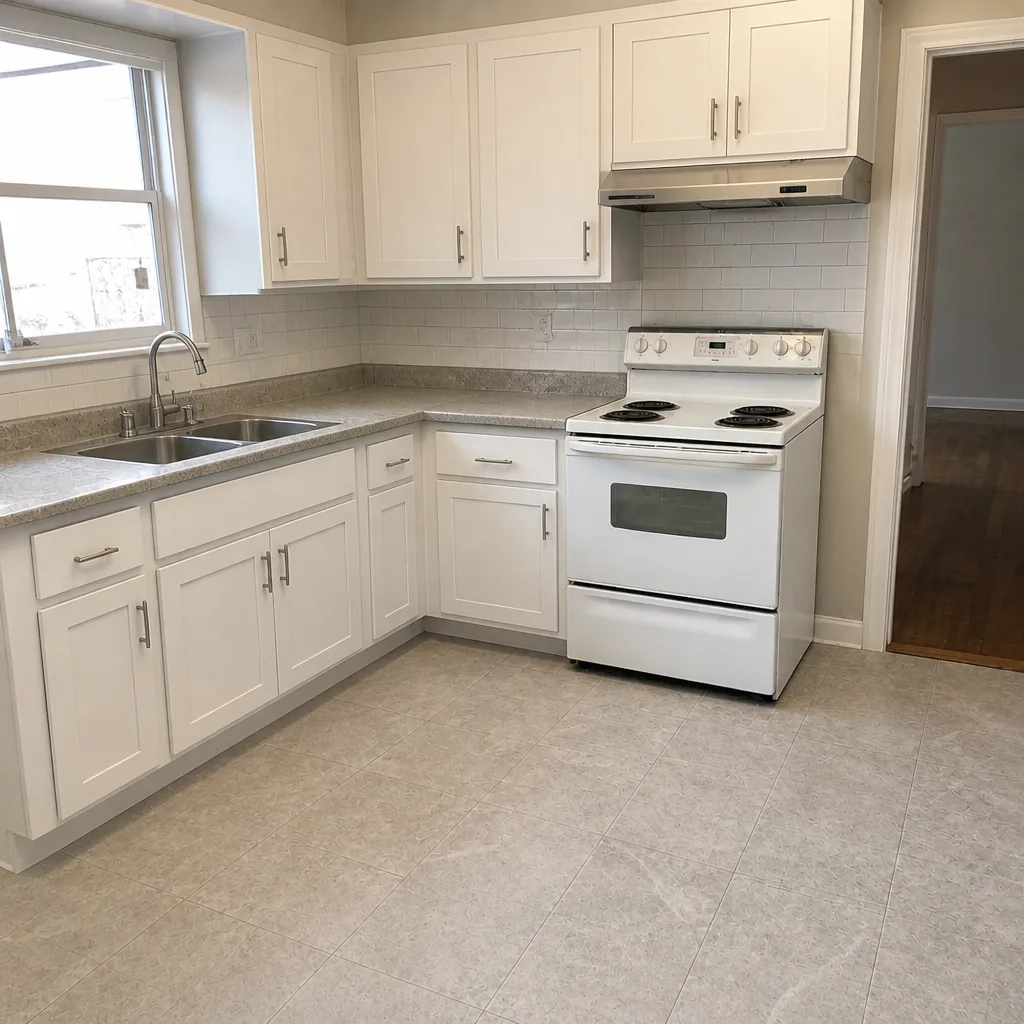
See the difference
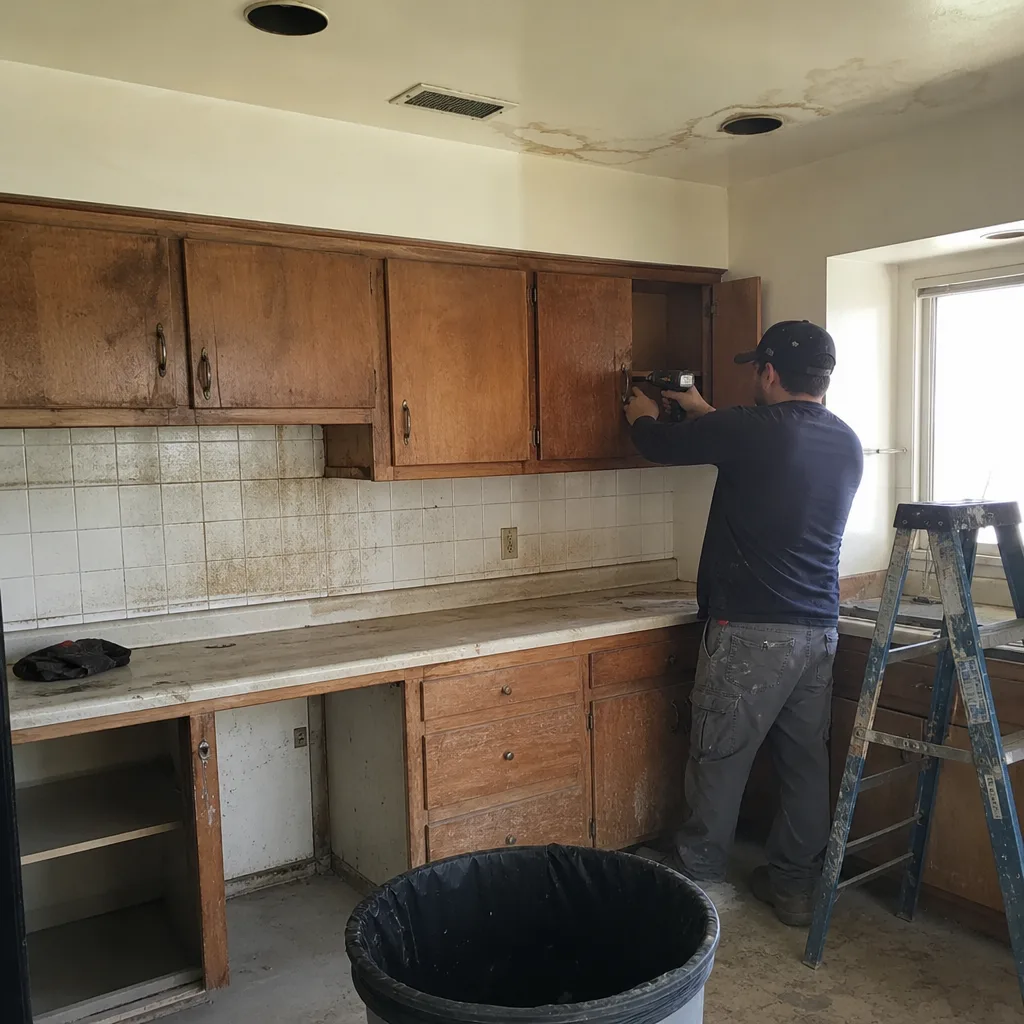 Before
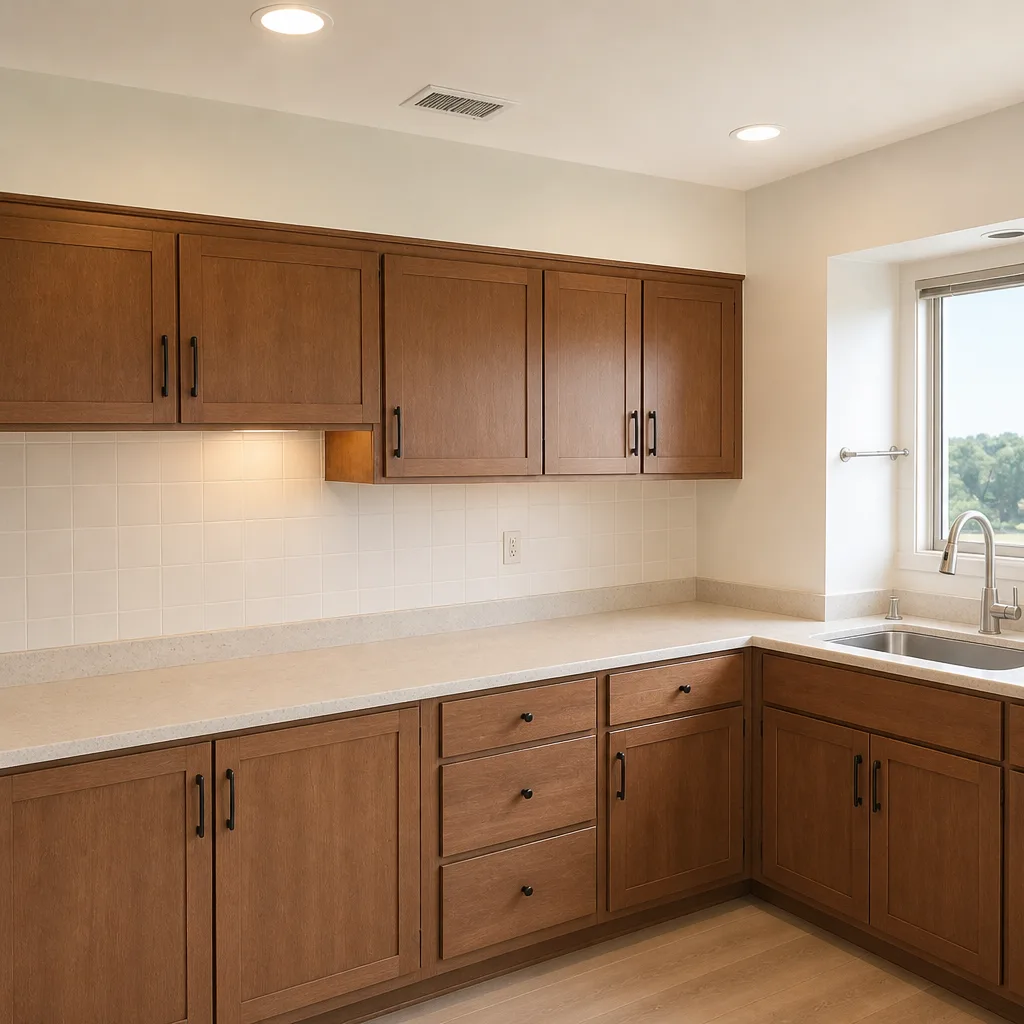 After
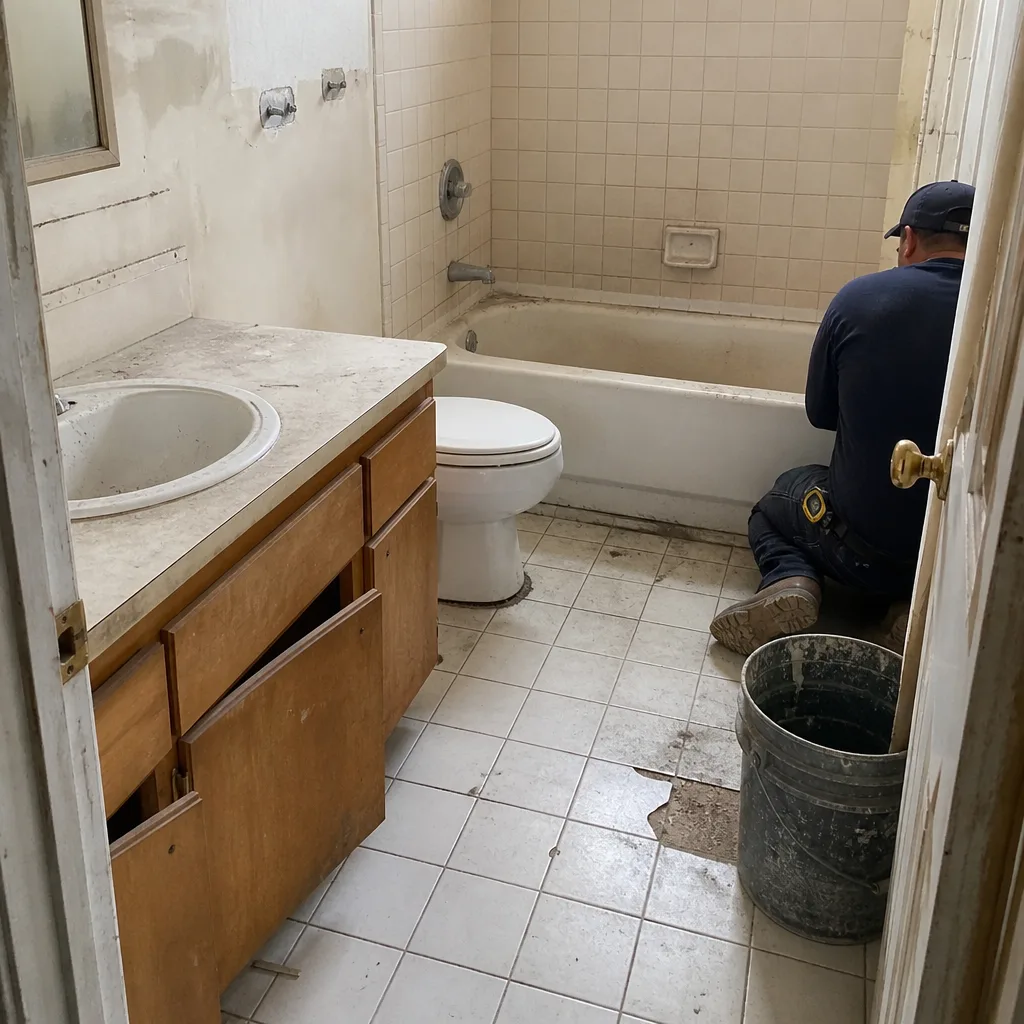 Before
 After
 Before
 After
When to Call a Professional
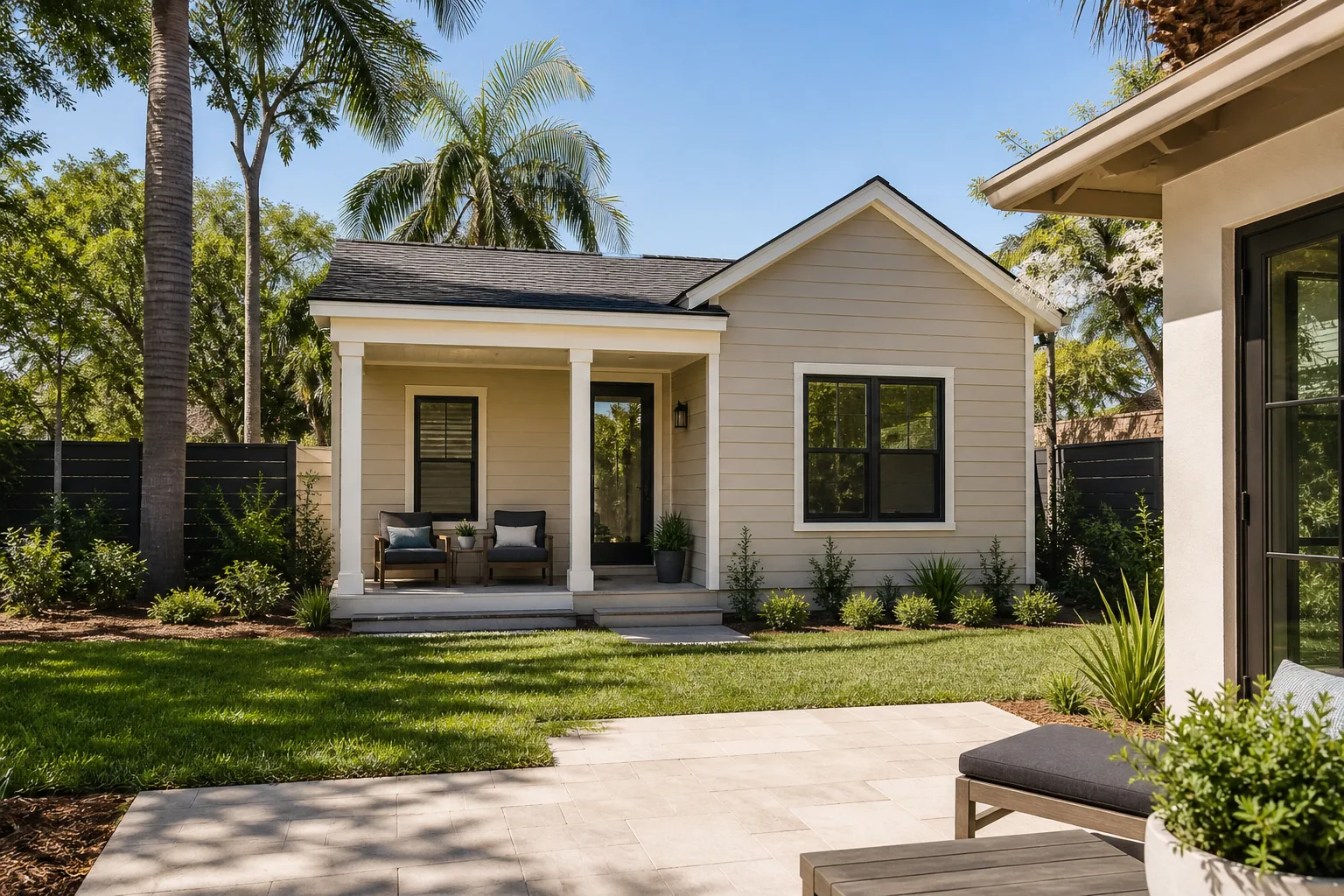
Some work is homeowner-appropriate: paint, minor landscaping, replacing a faucet. Other work isn’t. If the project involves moving a wall, changing the electrical panel, extending plumbing, or modifying the structural envelope of a Glendale home, it requires a licensed contractor, a pulled permit, and an inspection. Roofing on a two-story Glendale house requires height work and fall protection. Adding an ADU or a home addition requires a general contractor with the permit history in Glendale Building & Safety to take the project through foundation, framing, rough-in, and final inspection without stop-work interruptions. If a contractor is quoting you for that work without a site visit, without a written scope, and with no permit number to show, they’re not ready to do the work.
Rowan Construction Group Glendale offers free estimates in Glendale. Call (844) 320-5930 to schedule yours, and if you have a competitor’s bid in hand, we’ll review it line by line at no charge through our Free Second Opinion offer.
Frequently Asked Questions
Go to the CSLB license lookup at cslb.ca.gov and enter the license number. Check four fields: license class (Class B for general building work), expiration date, bond amount ($15,000 minimum), and workers’ compensation status. Screenshot the page on the day you sign the contract. If the workers’ comp field shows an exemption but the contractor sends a crew of employees, that’s out of compliance. Call (844) 320-5930 if you’d like a second opinion on which license class covers your specific project.
A proper bid should include line-itemized labor and material costs, named brand names and grades for each material, a payment schedule tied to inspection milestones rather than calendar dates, a written scope with a clear exclusion list, and written warranty language. A single lump-sum number without line items is not a comparable bid. Every quote we deliver is a flat written price with a written scope and written warranty before any work starts. Call to schedule a free estimate and see the format.
It means the contractor cannot proceed with or bill you for a change until you’ve signed a change order documenting the work and the cost. The alternative phrase, “owner shall be notified,” only requires the contractor to tell you what’s happening before proceeding; it does not require your signature. Read the clause before you sign the contract, because the second version lets a contractor charge for discretionary decisions made in the field. Change orders at Rowan require a signed document before the work proceeds.
No, and you generally shouldn’t. When the homeowner pulls the permit as owner-builder, the contractor is working under your permit, and the inspection record reflects you rather than the contractor. If something later goes wrong, the CSLB complaint process and the city’s recourse are both weaker. A legitimate contractor pulls the permit as the contractor of record. If a contractor asks you to pull the permit, ask why before you agree. Call for a free estimate if you want to compare against a contractor who pulls their own permits.
Properties in designated high fire severity zones, including parts of the hillside neighborhoods and areas near Angeles National Forest, require fire-rated materials. Roofing must meet a Class A fire rating. Siding and decking may need ignition-resistant specifications. A bid for that work should name the specific material grade, not just the brand. If it doesn’t mention fire rating at all, the requirement will likely be discovered during plan review and billed as a change order. Call (844) 320-5930 for a free estimate that accounts for the fire-zone requirements up front.
Yes. We offer a Free Second Opinion on any written estimate, and we’ll review the line items, scope, and change-order language at no charge. Bring a competitor’s quote to the review and we’ll walk through it with you line by line. It’s a legitimate way to compare bids on comparable scopes rather than final numbers, and it often catches an exclusion that would have turned into a change order later. Call (844) 320-5930 to schedule.
The Bottom Line
Hiring a construction contractor in Glendale comes down to documents, not intuition. Verify the CSLB license class, expiration, bond, and current workers’ comp status on the day you sign. Require a bid packet with line-itemized labor, named material brands, a payment schedule tied to inspection milestones, and written warranty language. Read the change-order clause line by line, and refuse any language that doesn’t require your signature before the work proceeds. Ask about permit history in Glendale Building & Safety and fire-zone material compliance for hillside properties. The paperwork catches the differences in this market that reviews and websites won’t.
Under Clause 1 of The Haven Standard, the price is written before anyone starts. That’s the standard we hold on every trade, from kitchen remodeling through home additions and ADUs, and it comes with the 365-Day Done Right Promise: if it’s not done right, we make it right. Call (844) 320-5930 for a free estimate in Glendale. If you have a competitor’s bid, bring it. We’ll review it line by line at no charge.
Written by the team at Rowan Construction Group Glendale.