Free written scope consultation - allowances, timeline, and change-order rules on paper before a single trade is scheduled
Styles & brands we work with
- Kitchen remodeling
- Bathroom remodeling
- Home additions & ADU
- Roofing
- Windows & doors
- Driveway & pavers
- Fence
See the difference
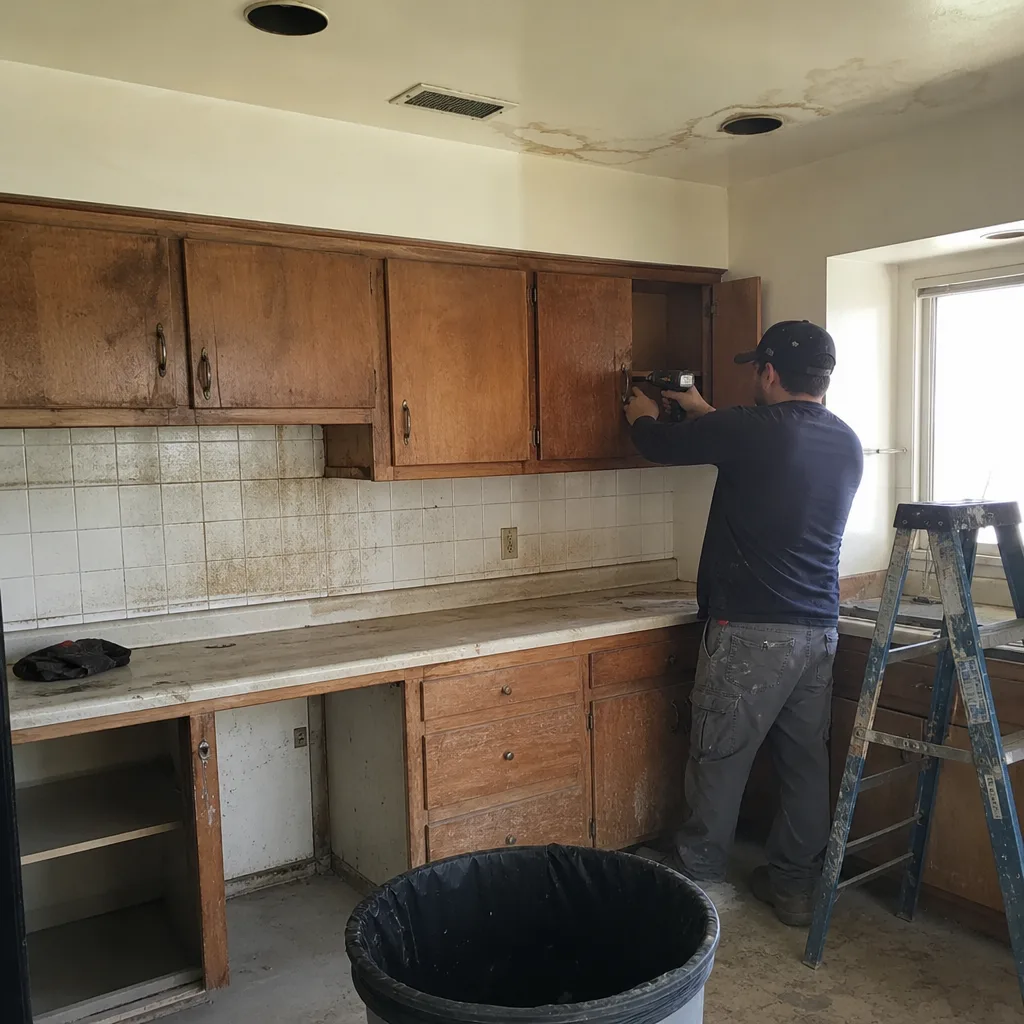 Before
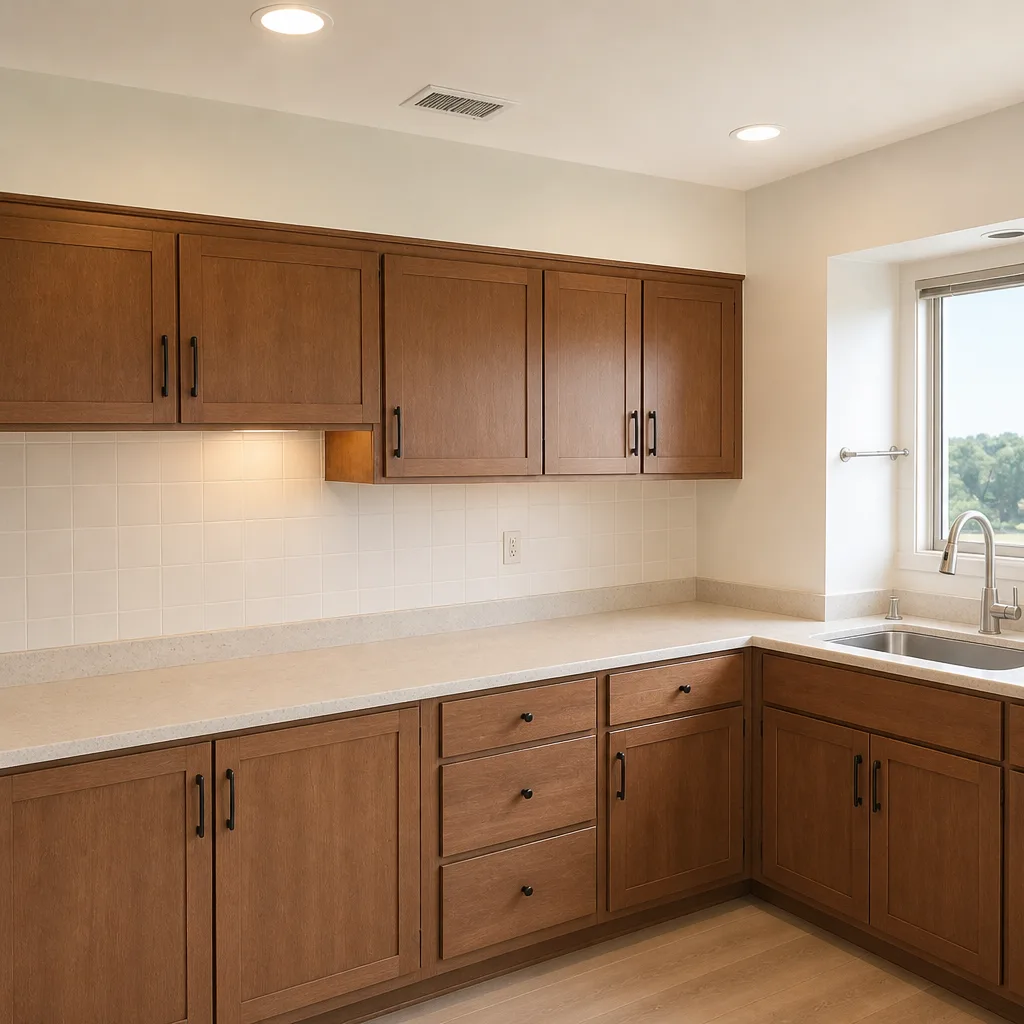 After
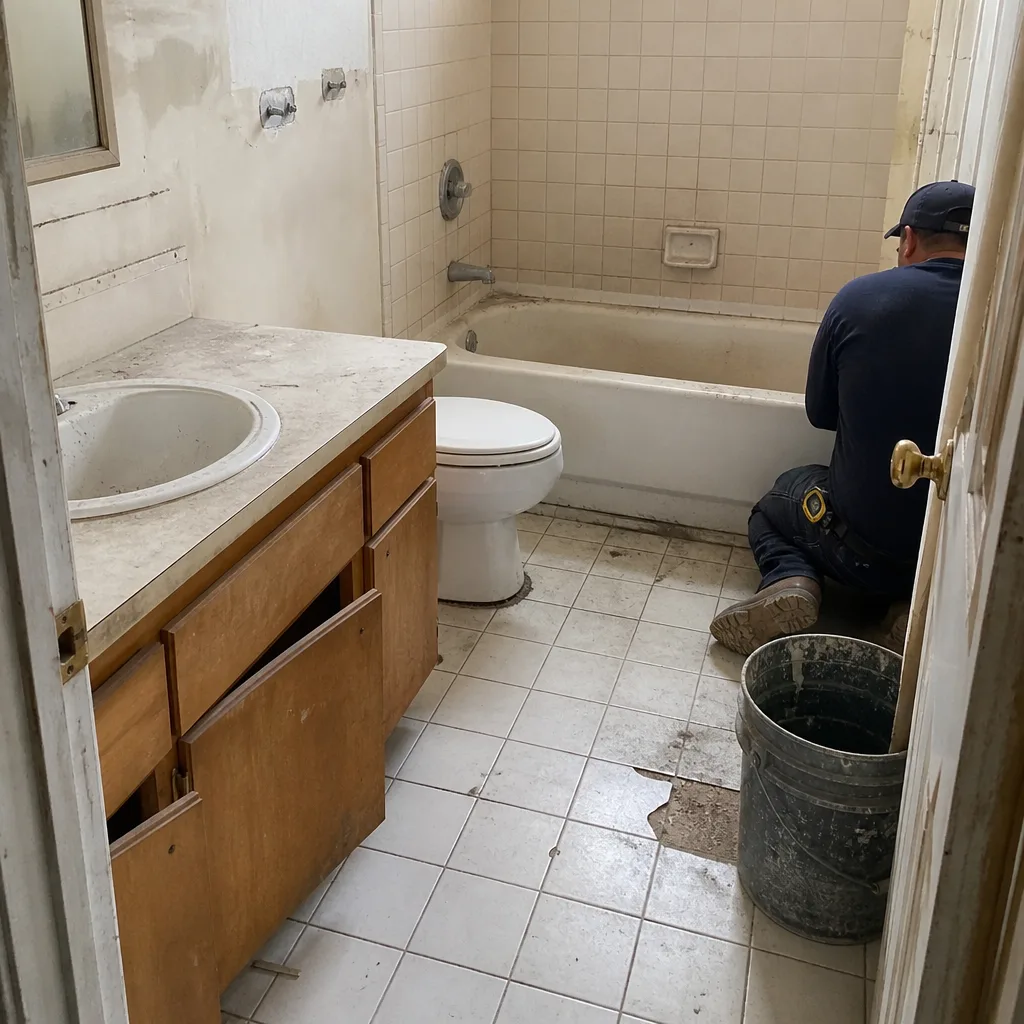 Before
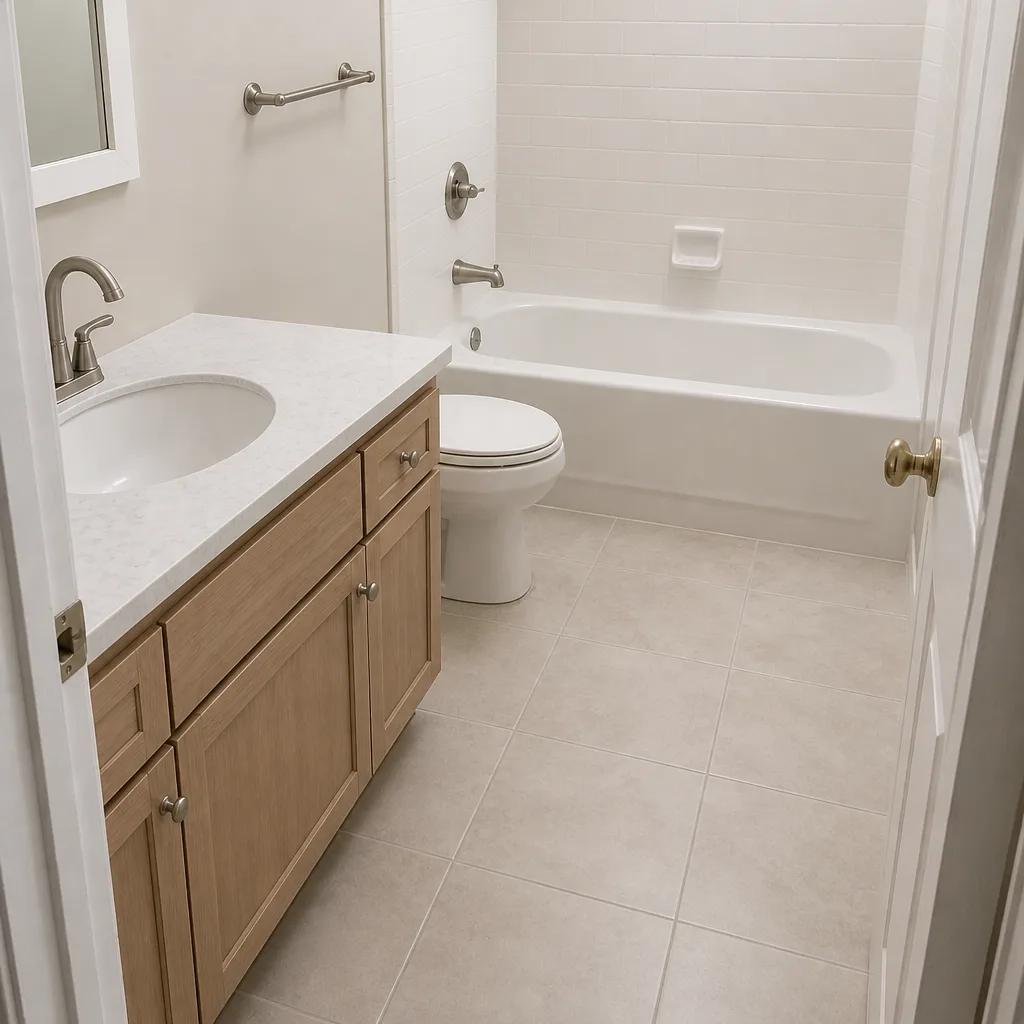 After
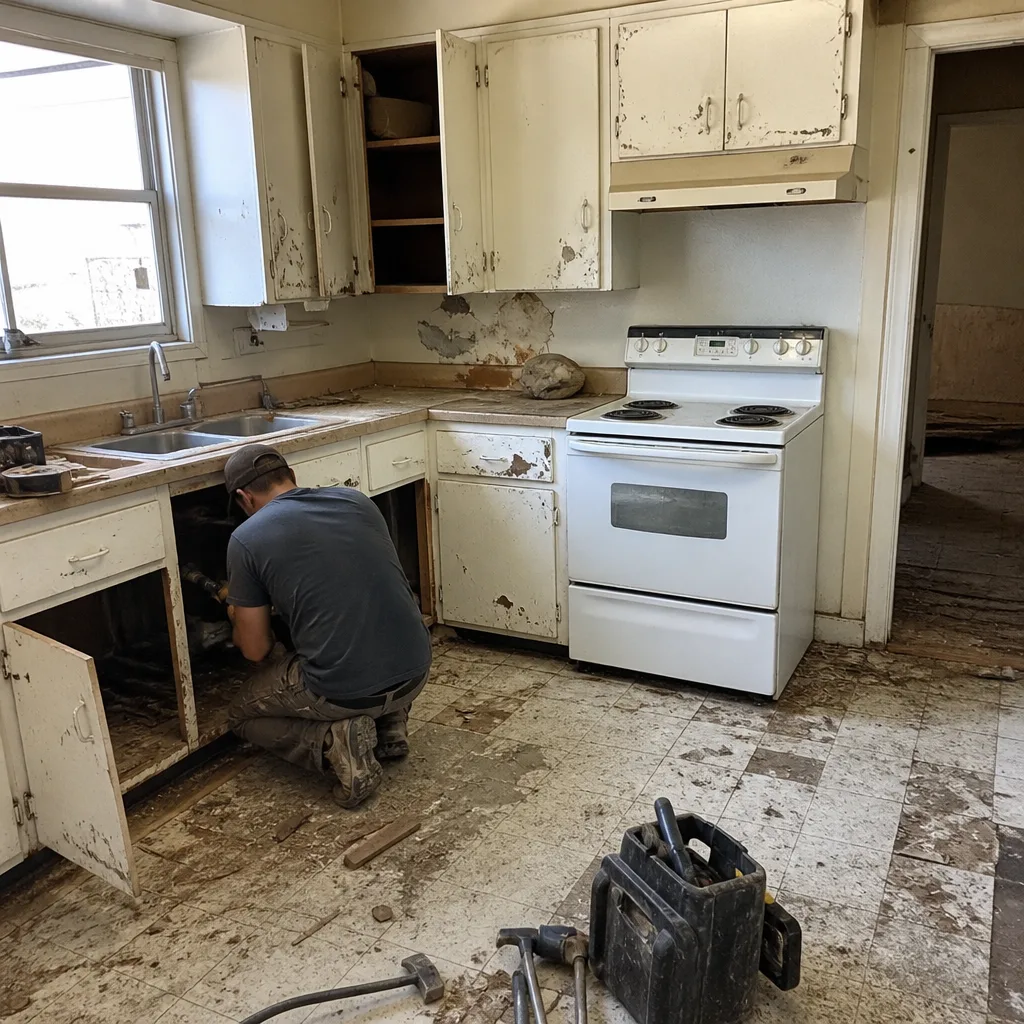 Before
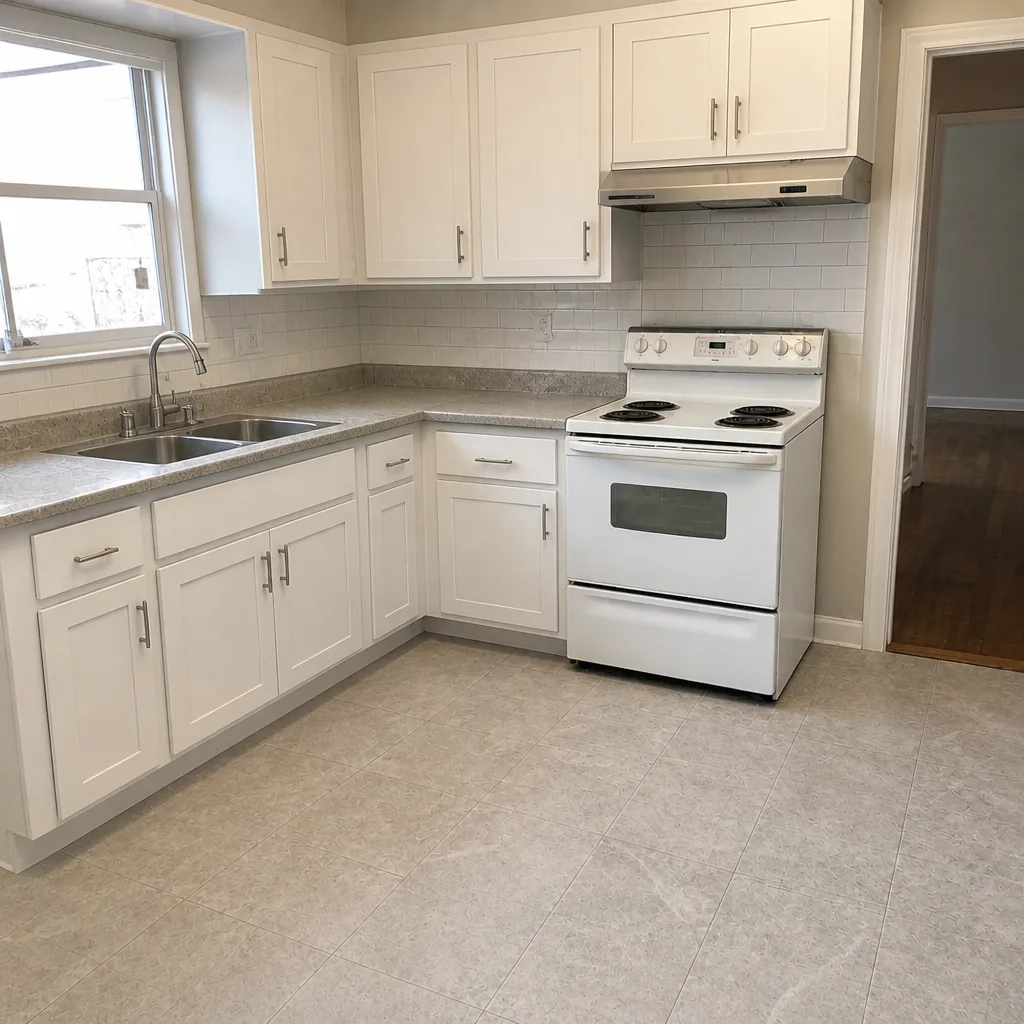 After
General Contractor vs Handyman in Glendale, CA: The $500 Line That Decides It
Choose a licensed general contractor over a handyman for any single job in Glendale where combined labor and materials run past $500, because California Business and Professions Code section 7048 draws the handyman ceiling there, and the penalty for crossing it without a B or C license lands on both of you. Below $500, on a task that needs no permit, a handyman is a reasonable call. Above it, you want a contractor of record who pulls the permit, carries liability coverage, and puts warranty terms in writing. Call (844) 320-5930 for a written price on either side of that line.
Key Takeaways
- California caps unlicensed handyman work at $500 combined labor and materials per job. Past that, it’s a misdemeanor for them and an uninsured exposure for you.
- Glendale’s building department requires a licensed contractor of record on any permit-pulled work, which covers re-roofs, retaining walls over 3 feet, electrical panels, and plumbing tied to city supply.
- The cost gap between a handyman bid and a licensed written quote on small-scope work usually runs $300-$800. That gap is what buys permit coverage and a real warranty.
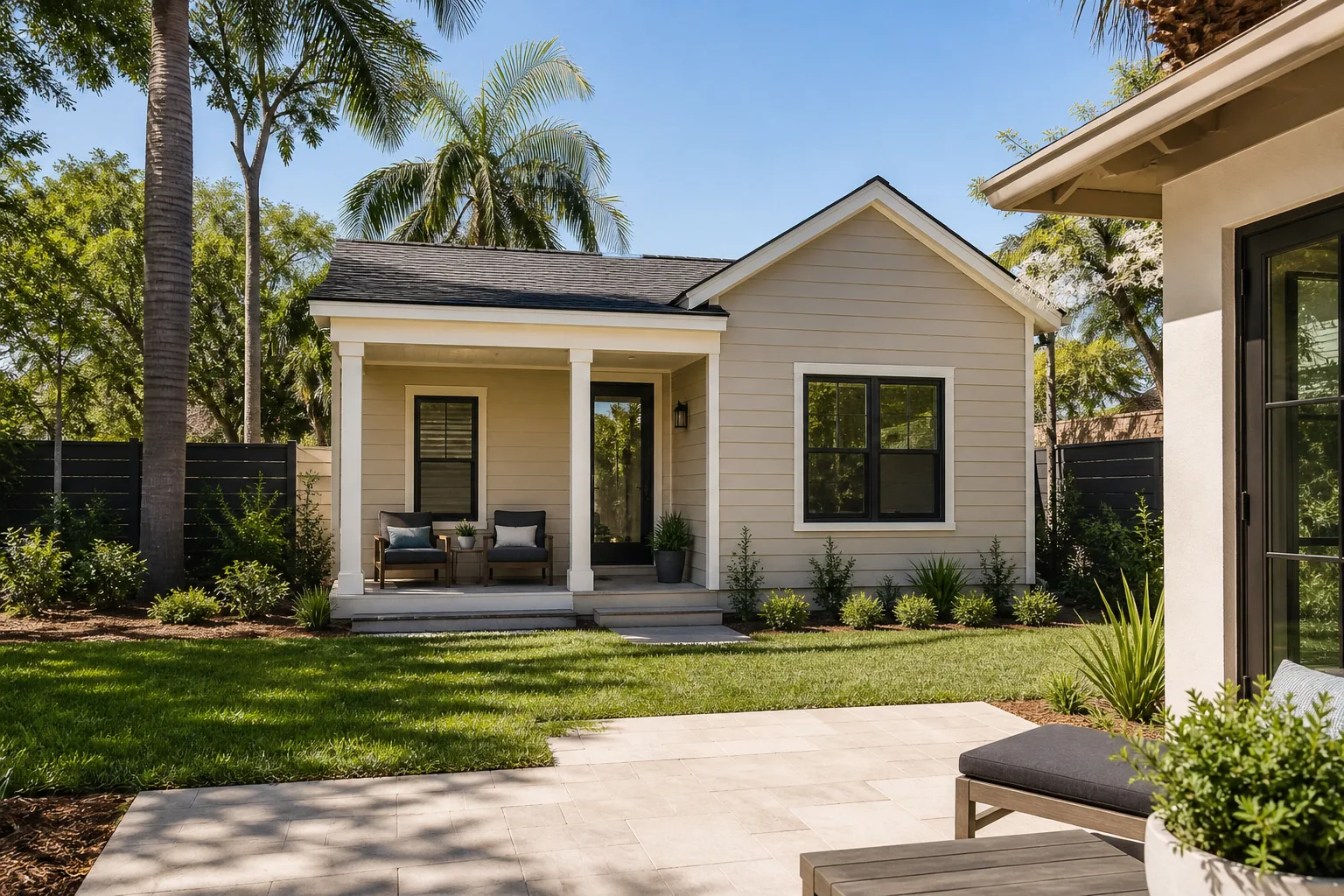
Why a $600 stucco patch in Adams Hill can cost you far more than $600
Picture a cracked exterior wall on a 1938 Spanish Colonial in Adams Hill. A handyman quotes $600 to re-stucco it and skip the permit. The patch looks clean for a season. Then the next atmospheric river rolls through, water finds the same seam, and a buyer’s inspector opens up what the fresh stucco was hiding: a cripple-wall foundation with no bolting, no bracing, and no record of who did the work or when.
That’s the problem most contractor-vs-handyman articles never mention. The unpermitted repair becomes an undisclosed defect at resale, and it gives most homeowner’s insurance carriers a documented reason to deny a later structural claim. In Glendale’s 1920s through 1940s housing stock, where plaster and original framing sit behind nearly every wall, the paperwork matters as much as the finish. This is a legal question before it’s a craftsmanship one.
What California law actually says about the handyman ceiling
The threshold is a single number and it gets misquoted constantly. Business and Professions Code 7048 sets the combined value of labor and materials at $500 for unlicensed work. Stack a job: $350 in materials and $400 in labor clears the line, and now an unlicensed handyman is committing a misdemeanor. The homeowner doesn’t get a free pass either. You’re the one holding the liability when an uninsured worker damages the house or gets hurt on your property.
Glendale’s building department adds a second layer. Any work that requires a permit needs a licensed contractor of record on that permit. A handyman can’t pull one and shouldn’t represent that they can.
Here’s how the two compare in plain terms:
| Factor | Handyman | Licensed general contractor |
|---|---|---|
| Legal job ceiling | $500 combined labor and materials (B&P 7048) | No cap; larger scopes are standard |
| Permits | Cannot pull a permit | Pulls the permit and appears as contractor of record |
| Liability coverage | Often none; you absorb the risk | Insured and bonded |
| Written scope and price | Verbal estimate, usually | Flat written price and written scope before work starts |
| Warranty | Handshake, if anything | 365-Day Done Right Promise in writing |
| Documentation | Rarely any | Photo record on every visit, signed change orders |
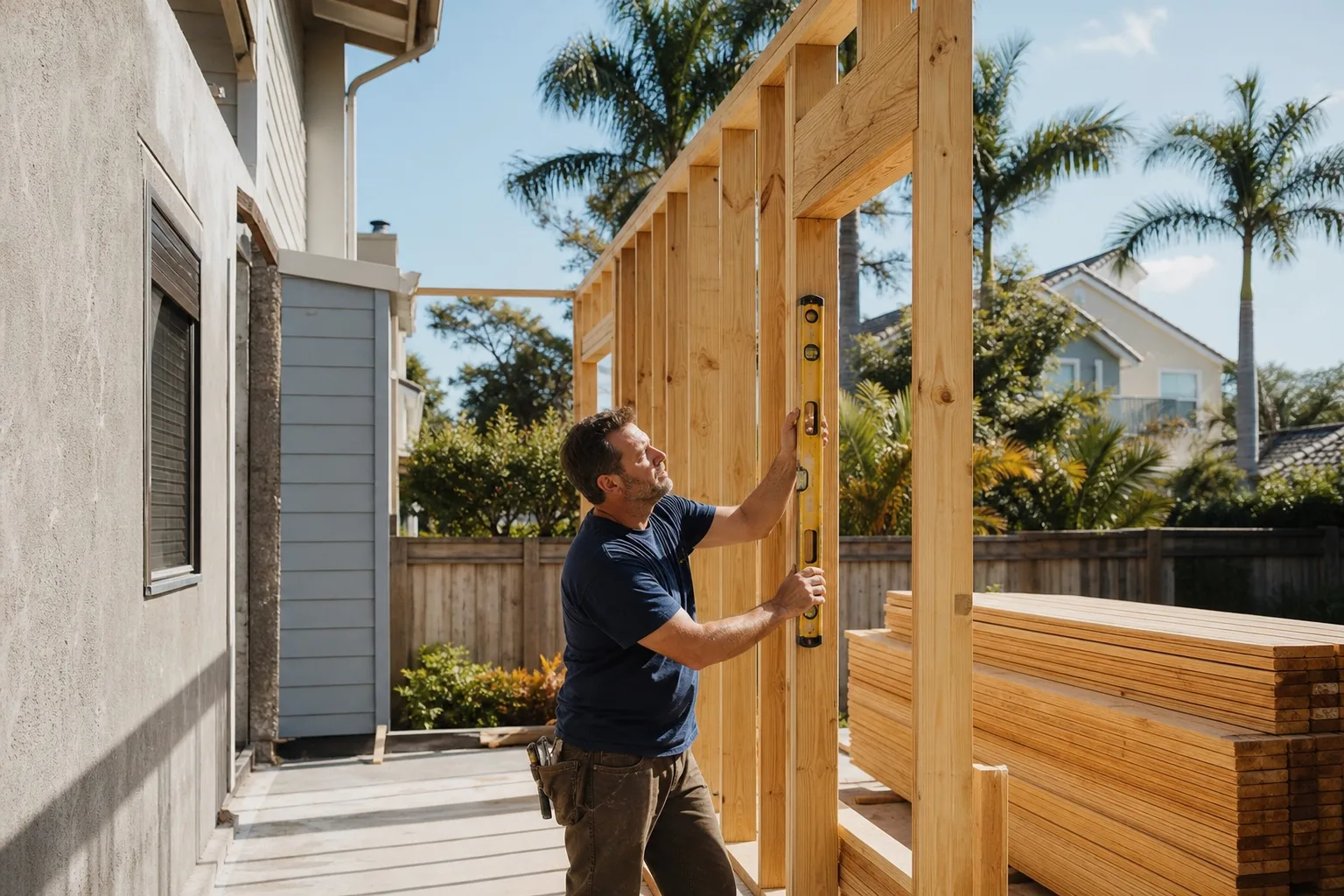
Which Glendale projects fall outside handyman scope entirely
Some work is categorically a contractor’s job in Glendale no matter how small the visible repair looks. If a handyman offers to handle any of these, that’s your signal to stop:
- Any foundation work on a pre-1970 home. Glendale led on seismic retrofit ordinances after the 1994 Northridge earthquake, and plenty of hillside homes built before 1970 still have unreinforced masonry foundations that need bolting and bracing. Uncovering that during a remodel is common.
- Retaining walls over 3 feet. The Verdugo Mountains and San Rafael Hills mean steep slopes, and Glendale enforces some of the strictest hillside grading ordinances in LA County. A wall that holds back soil needs engineering and a permit, not a patch.
- Re-roofing. A full roof replacement requires a C-39 roofing license. A handyman nailing down shingles isn’t a re-roof.
- Electrical panel work. Replacing or upgrading a panel is permitted, inspected work, every time.
- Plumbing that connects to city supply. Any tie-in to the municipal line needs a licensed plumber and a permit.
Roofing is a good example of where the license shows up in the materials too. A properly permitted re-roof involves a documented tear-off and layer count, ice-and-water or underlayment specs, and products like IKO or Owens Corning shingles matched to the pitch and exposure. None of that happens in an unpermitted patch job.
Where the hillside climate makes the distinction matter
Glendale’s hot, dry summers and heavy winter rain cycles push soil expansion and erosion on hillside lots. The 2023 and 2024 atmospheric river events moved slopes on parcels where retaining walls had been patched without a permit, and homeowners whose carriers found evidence of unlicensed repairs saw claims denied. That’s the mechanical reason the permitting rule exists: a wall that looks fine in July can be failing by February, and without an inspection record nobody can prove what’s underneath.
For a homeowner weighing a handyman against a contractor, the practical read is this: if the repair touches soil, structure, or anything tied to a permit, get the licensed contractor. If it’s a cabinet door, a paint touch-up, or a $400 faucet swap, a handyman is fine.
How a documented contractor differs from a verbal estimate
Rowan Construction Group Glendale works under The Haven Standard, and Clause 1 is the one that matters here: the price gets written before anyone picks up a tool. That’s a flat written price with a written scope and a written warranty, not a “call for a quote” phone number. No work proceeds on a change until the change order is signed, which is how projects finish within a few percent of the number you agreed to.
What you actually get on a small-scope project:
- Background-checked, uniformed technicians, with up to 19 years of experience on the crew
- A documented photo record on every visit as a standard deliverable, not an upgrade
- A live person answering calls around the clock
- The 365-Day Done Right Promise, printed on the page with a terms page behind it, not an asterisk
- A free second opinion on any written estimate: bring a competitor’s quote and we’ll review it line by line at no charge
The written quotes on smaller jobs are priced to compare directly against a handyman bid. A single-room tile replacement, a door and window swap, or exterior paint prep lands in a range a Glendale homeowner can put side by side with the handyman’s number. The difference is usually $300-$800, and that gap covers permit coverage, liability insurance, and the guarantee. For context on full scopes, a kitchen remodel in Glendale runs $14,000-$45,000 and a bathroom remodel $9,000-$28,000, all quoted the same way. If a job grows into a home addition or an ADU build, it’s well past any handyman question.
Take the small-scope comparison in dollars:
- Countertop swap: $2,000-$6,500 through a licensed contractor, with templating and a Cambria or Caesarstone slab spec on the quote
- Shower replacement: $3,000-$8,500, including the waterproofing membrane documented in the photo record
- Roof repair: $400-$1,800, permitted and inspected where the scope calls for it
- Driveway sealing: $250-$700, the kind of routine maintenance a handyman can often handle legitimately
FAQs
Not illegal for you to hire, but illegal for an unlicensed handyman to take a job where combined labor and materials exceed $500 under California B&P Code 7048, and you carry the liability when something goes wrong. If the job also needs a permit, Glendale’s building department requires a licensed contractor of record, which a handyman can’t be. Call (844) 320-5930 for a written price before you decide.
It becomes an undisclosed defect that can reduce resale value and complicate a buyer’s financing, and most homeowner’s insurance carriers will use evidence of unlicensed repairs to deny a later claim for structural damage. The fix usually means opening the work back up for inspection, which costs more than doing it permitted the first time. Get a licensed review before you list; call us for a free second opinion on any existing estimate.
Sometimes a cosmetic stucco patch doesn’t need a permit, but if the wall is hiding foundation or framing damage, an unpermitted repair crosses into structural work that does. In Glendale’s 1920s-1940s housing stock, that’s common enough that we open a small section to check the substrate before quoting. Call for a documented assessment and a written price.
On small-scope projects the gap typically runs $300-$800, and that difference pays for permit coverage, liability insurance, and a written warranty instead of a verbal promise. Larger work diverges fast: a roof replacement in Glendale runs $8,000-$20,000, and a driveway installation $4,500-$18,000, neither of which a handyman can legally take on. Call (844) 320-5930 for an exact quote, estimates are free.
Get the price in writing before anyone starts
If you’d rather have it looked at, Rowan Construction Group Glendale offers a no-pressure assessment in Glendale. Whether you’re sorting out whether a cracked wall in Chevy Chase is cosmetic or something deeper, we’ll document what we find and put the number in writing. Call (844) 320-5930 for a free estimate.
Written by the team at Rowan Construction Group Glendale, serving Glendale, CA.