
Free written scope consultation - allowances, timeline, and change-order rules on paper before a single trade is scheduled
Unilock Fence Installation: The Glendale Owner’s Guide
Unilock fence installation in Glendale typically runs $3,500 – $9,000 for a full residential run, and most jobs are scheduled within one to two weeks of a signed written quote. We install Unilock-compatible fencing systems for homeowners across Glendale, and we’re an independent contractor, not affiliated with Unilock itself. Most owners find us the same way: a wall block pops loose after a rain, a post foot starts heaving out of the clay, or a cap stone shifts and the gate suddenly won’t latch square. By the time the gate drags, the problem has usually been working under the surface for a season or two.
Every quote we give in Glendale is a flat written price with a written scope before work starts. Under Clause 1 of the Haven Standard, you see the number and the plan before anyone touches your wall.
Key Takeaways
- Full Unilock fence installation in Glendale: $3,500 – $9,000, priced in writing first.
- Most failures trace to the footing and base prep, not the block itself.
- Unilock systems are proprietary: not every wall block is interchangeable across product lines.
- Frost heave and clay soil movement in Glendale do more damage than anything the manufacturer gets blamed for.
Which Unilock Models This Applies To
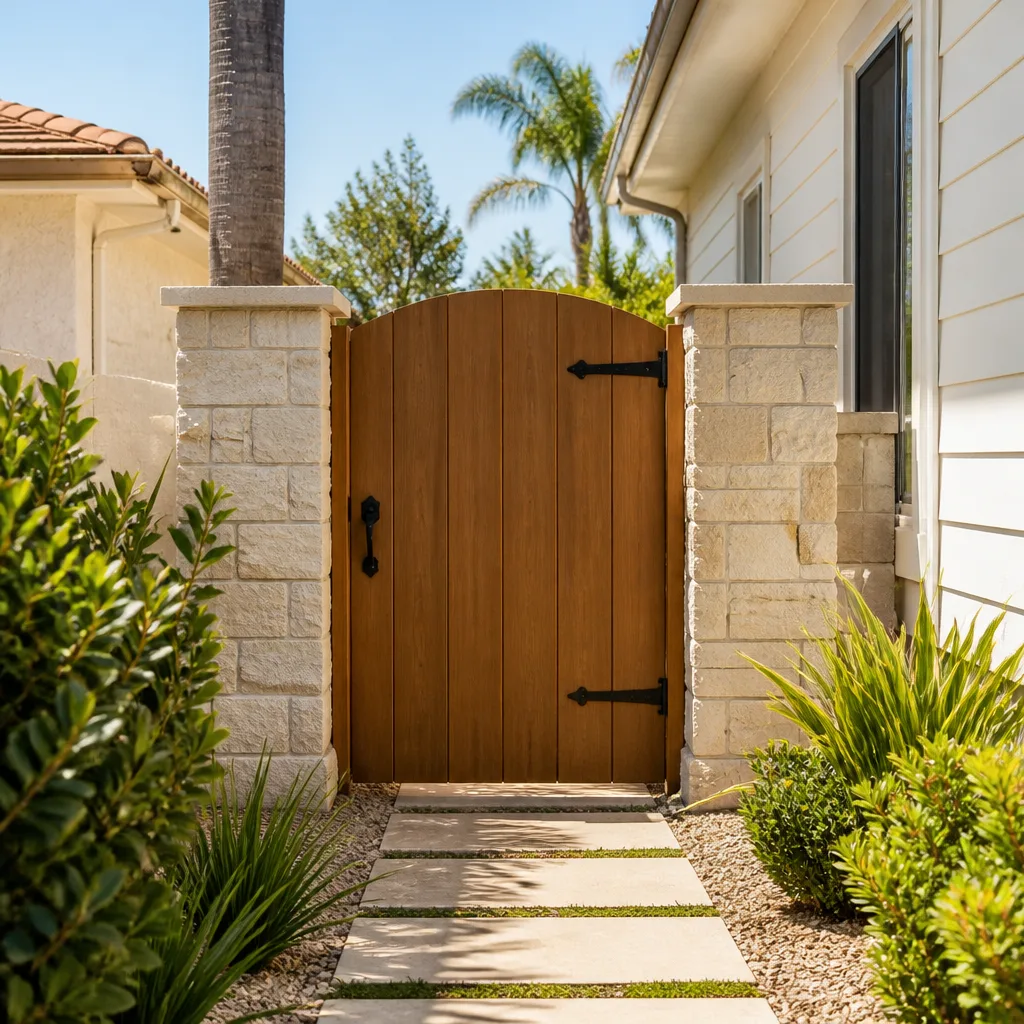
Unilock makes several retaining-wall and freestanding wall systems, and they don’t share parts freely. The Brussels line and its cousins in the dimensional block family use different cap units than the tumbled, more rustic-looking series, and the pinning or anchoring hardware changes line to line. If you’re matching a replacement block or a cap, the reliable move is to measure an actual unit: length, height, and depth in inches, plus the color code stamped on the pallet tag if you still have it. A photo of the front face beside a tape measure beats a model name every time, because Glendale yards carry multiple Unilock lines that look similar from ten feet away.
On the OEM-versus-aftermarket question: for structural units and caps, stay with the Unilock system the wall was built on. Mixing a generic big-box wall block into a Unilock run changes the interlock geometry and the setbacks that hold the wall together. Where aftermarket equivalents make sense is in the hidden components: drainage aggregate, filter fabric, geogrid, and the anchor adhesive. Those are commodity items, and a quality equivalent is fine. What’s not fine is guessing at compatibility on the visible block. We verify before we order, and that verification is part of the free written quote.
Styles & brands we work with
- Kitchen remodeling
- Bathroom remodeling
- Home additions & ADU
- Roofing
- Windows & doors
- Driveway & pavers
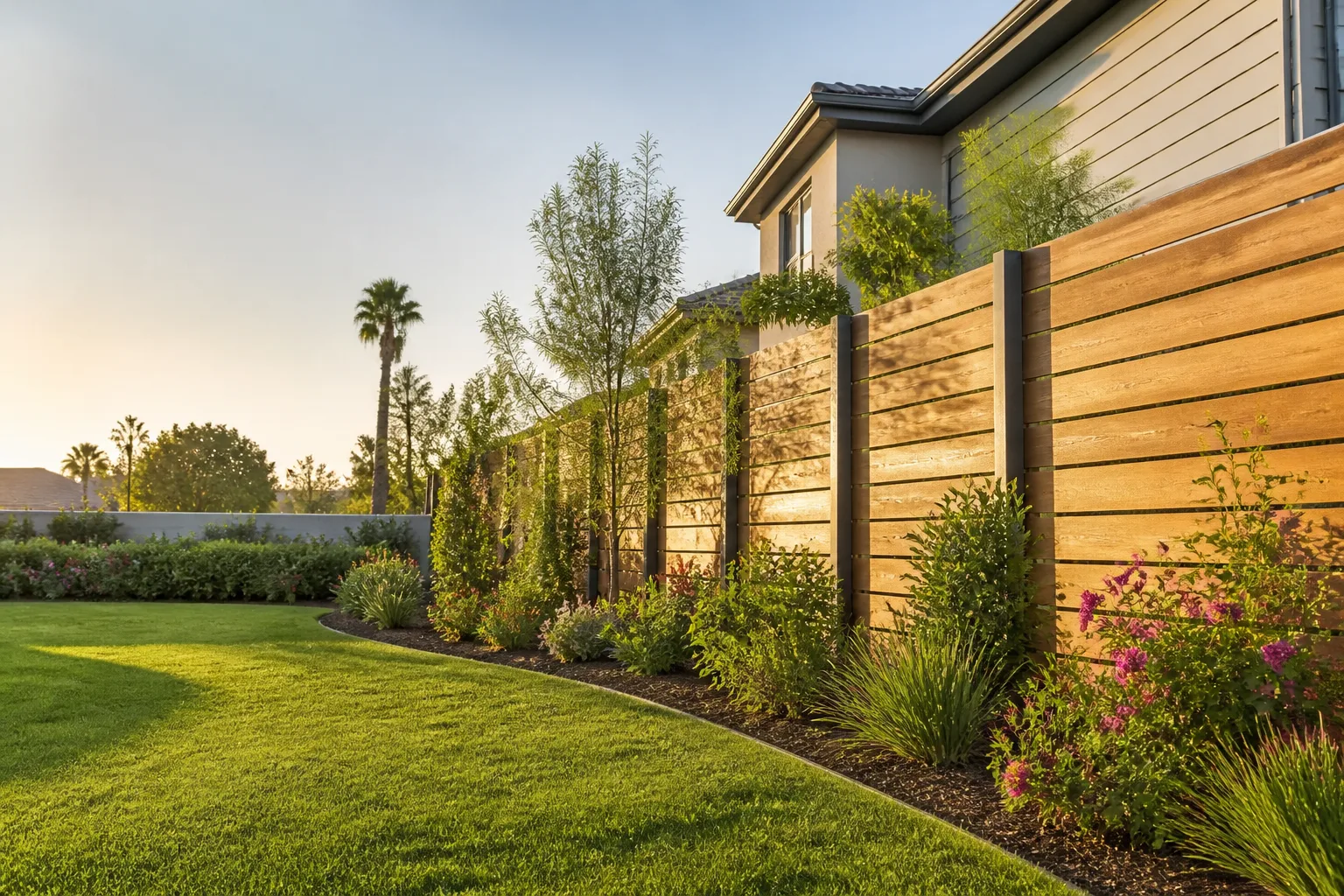
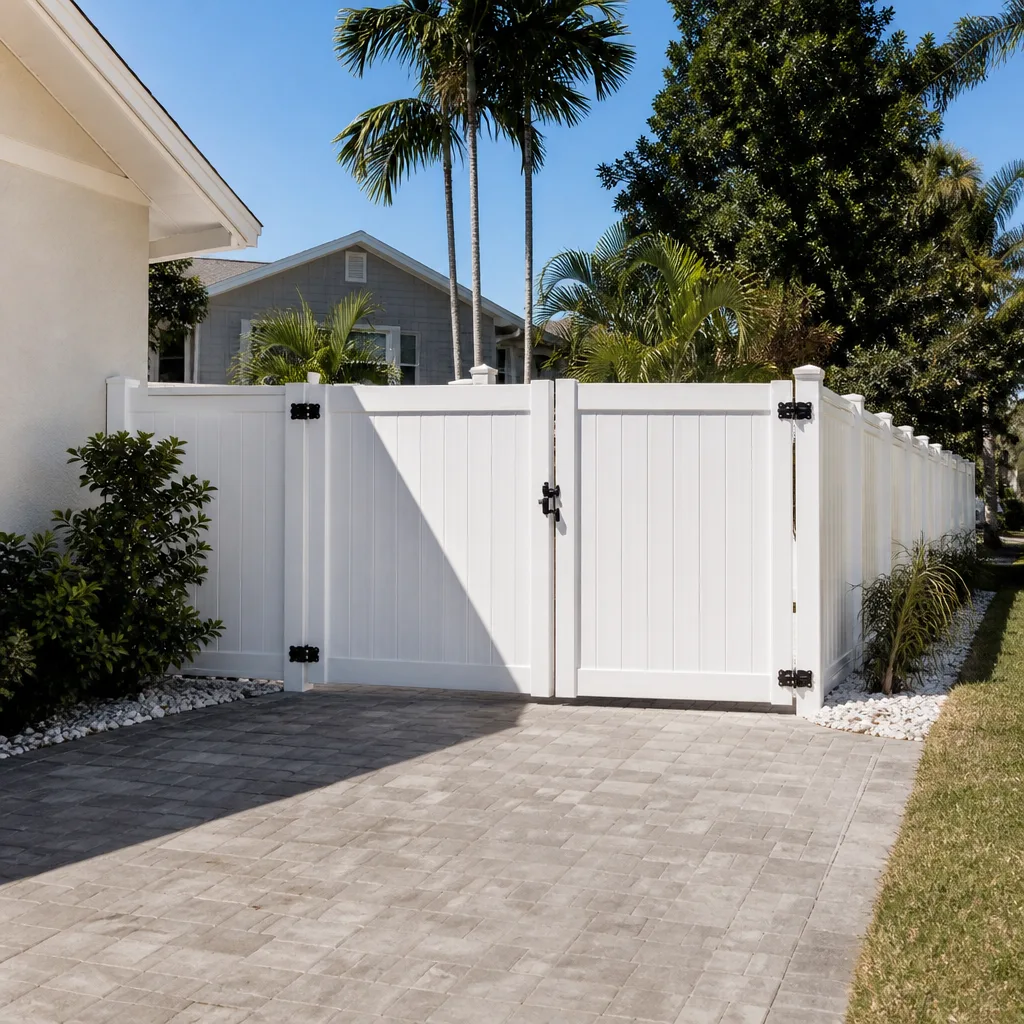
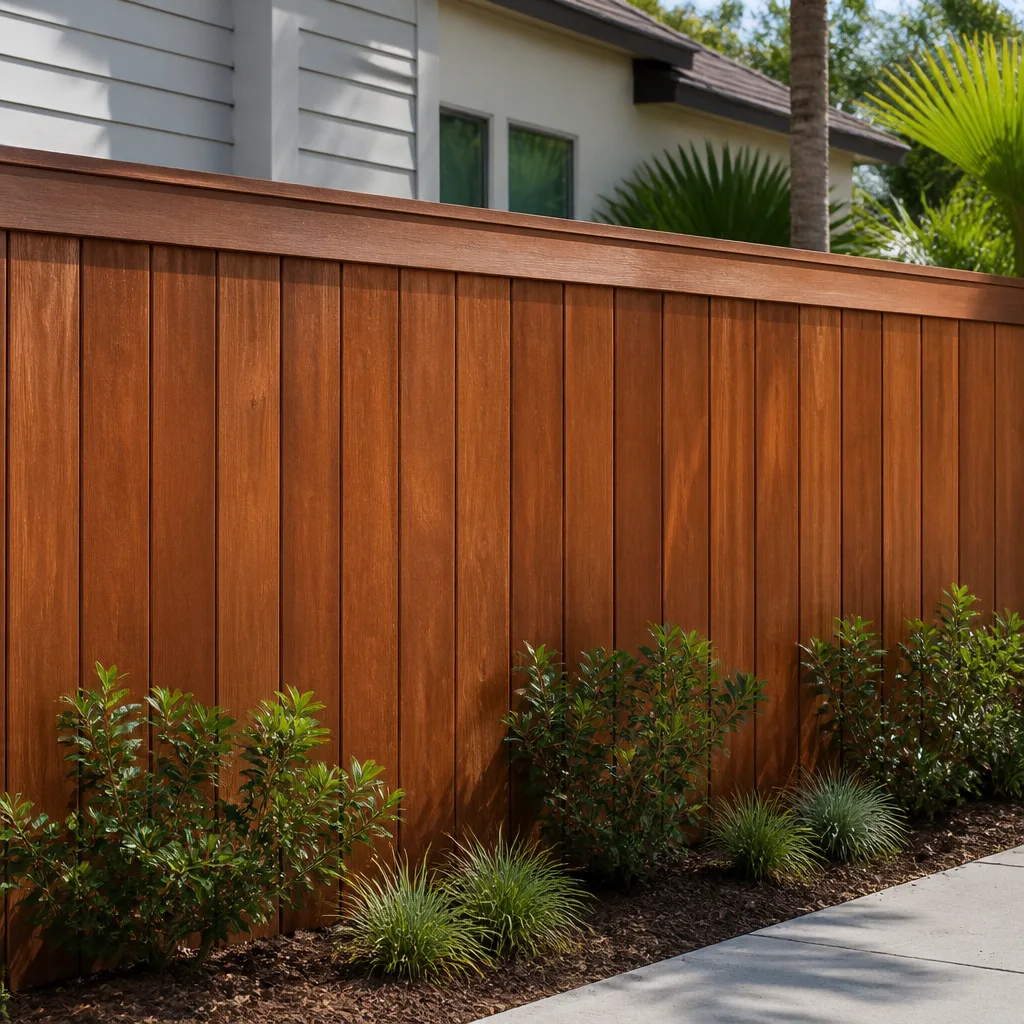
- Fence
Signs Your Unilock Fence Installation Is Failing
Fence and wall systems don’t fail overnight. They telegraph it first. Here’s what we see most in Glendale, and what each symptom usually means underneath.
- Posts leaning out of plumb. The footing has lost bearing, often because the base was set on expansive clay without enough depth or drainage. A post that moves a half-inch in a season will keep moving.
- Loose or shifting cap stones. Adhesive failure or trapped moisture under the cap. Once water freezes and thaws in that joint, the cap walks. California’s dry-wet swings do this faster than steady climates.
- Widening joints between blocks. The interlock has loosened, either from a settling base or a missing geogrid layer. Small gaps turn into a wavy wall face within two rainy seasons.
- Ruts or pooling at the base. Water is sitting against the wall instead of draining away. That’s a grading and drainage problem, and it will undermine the footing if you only patch the block.
- A gate that won’t latch or drags. Usually the last symptom to show and the clearest sign the posts have moved relative to each other. The gate is fine; the structure it hangs from isn’t.
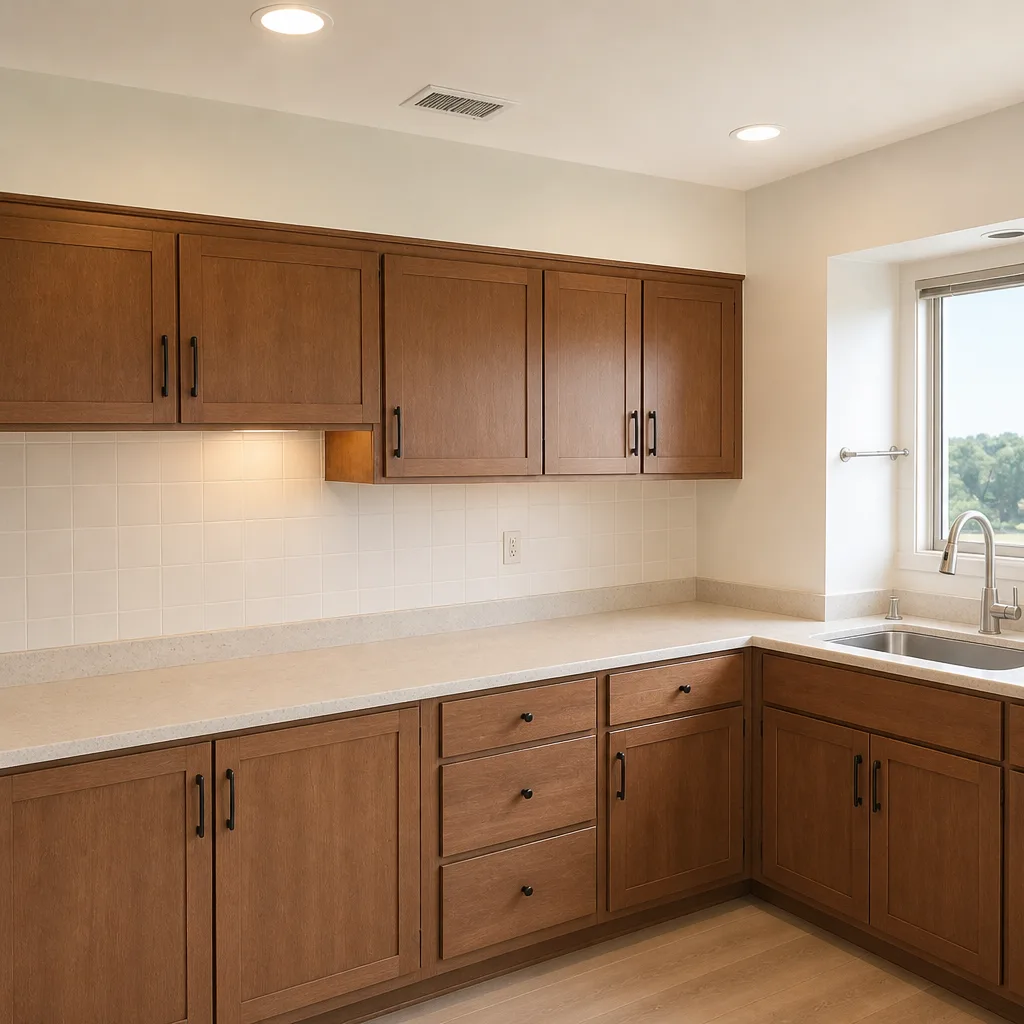
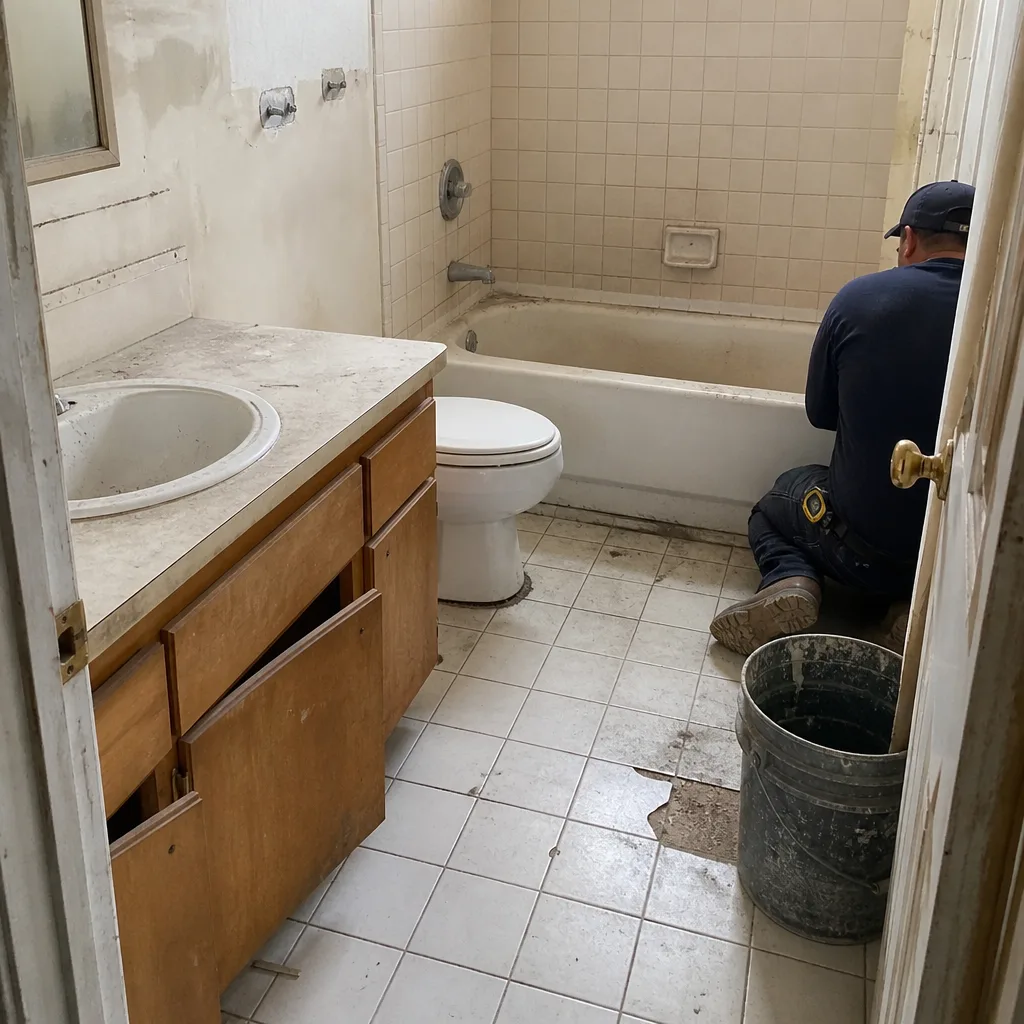
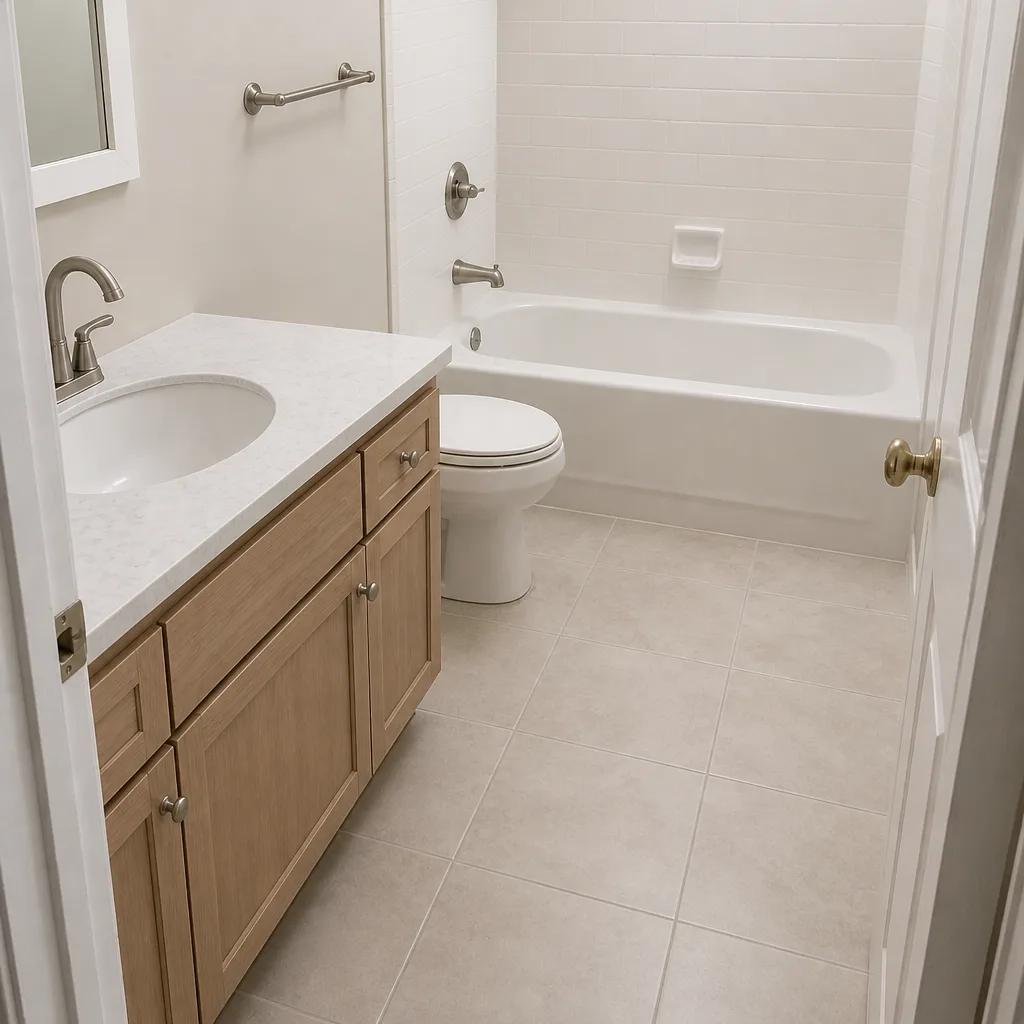
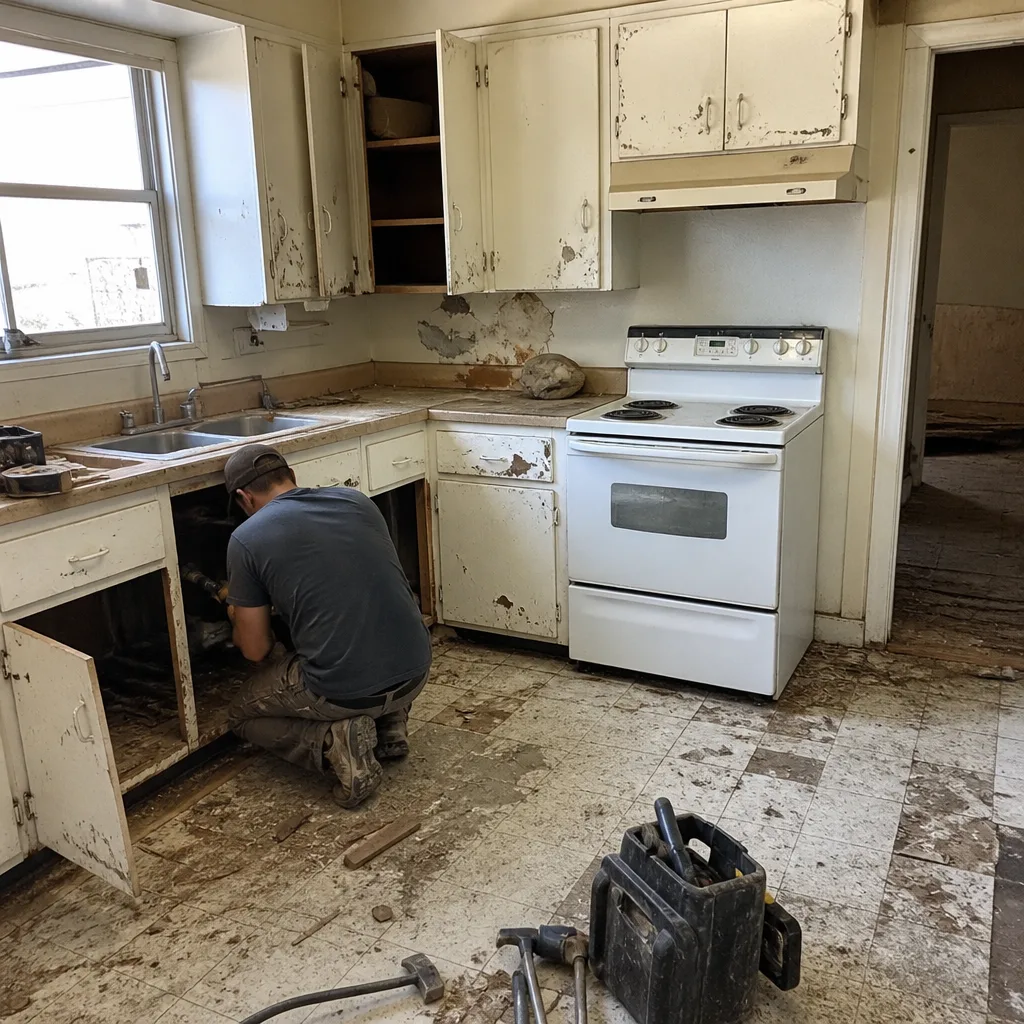
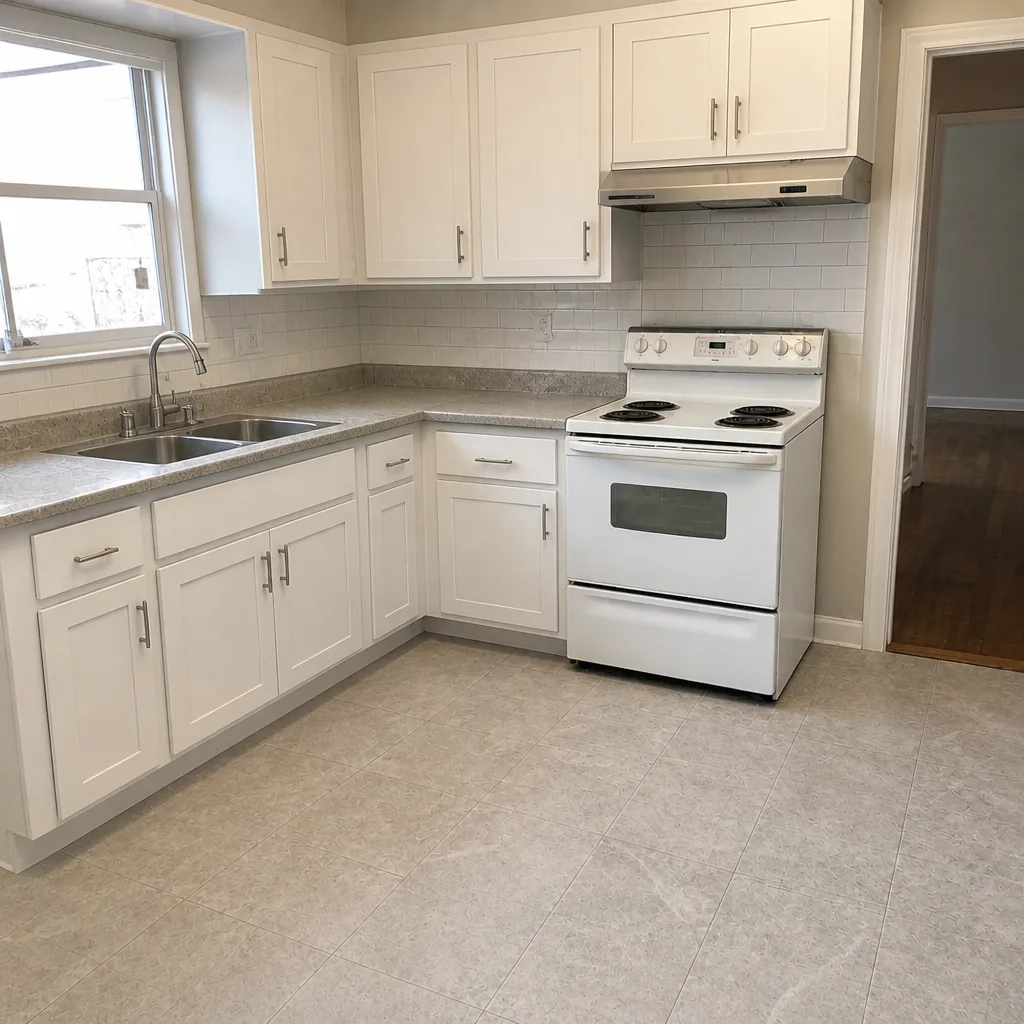
See the difference
 Before
 After
 Before
 After
 Before
 After
Replacement Cost & What’s Included
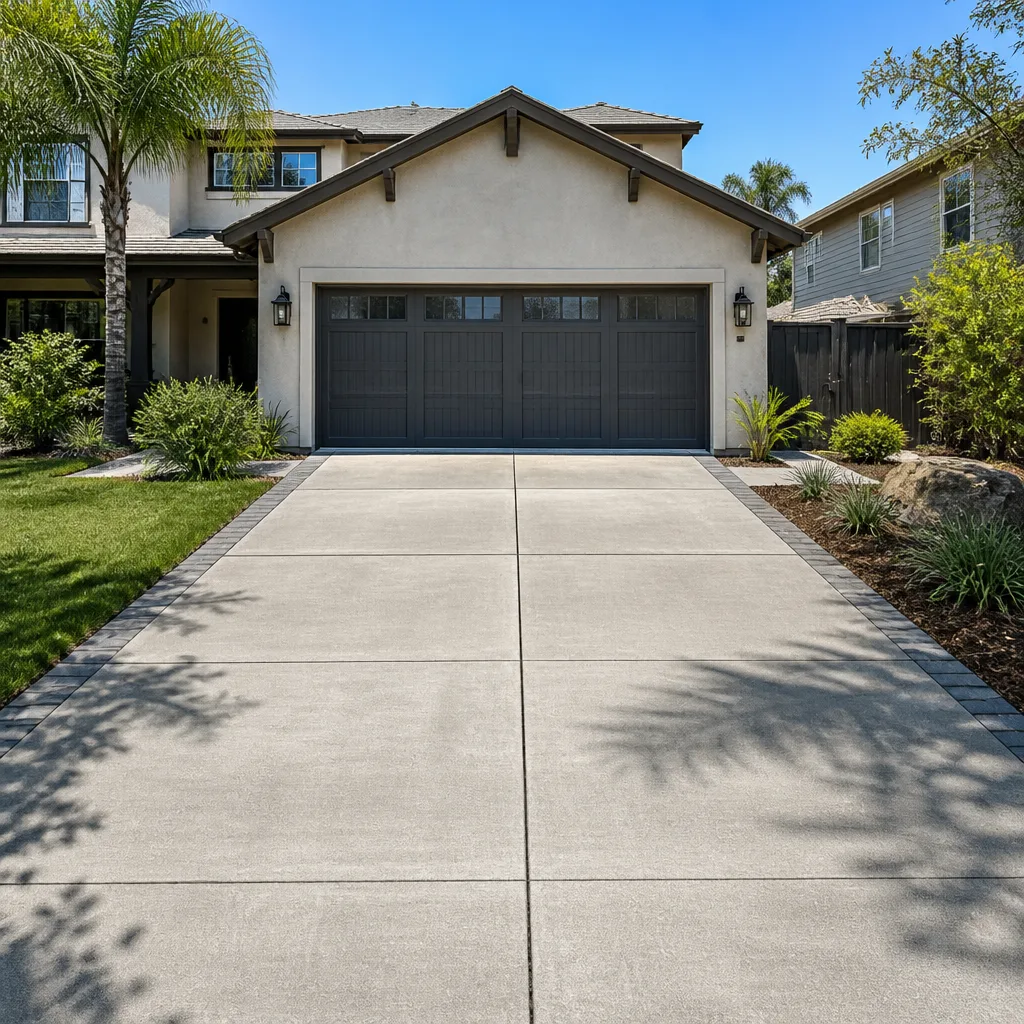
In Glendale, a Unilock fence installation replacement or rebuild falls in the $3,500 – $9,000 range. That’s a written flat price covering removal of the failed run, base and footing correction, drainage, the Unilock units and caps, and cleanup. What drives the number up or down: linear footage, how much foundation has to be rebuilt versus reused, whether geogrid reinforcement is needed for a taller wall, and gate hardware. A short run on solid ground sits near the bottom of that range; a long run on bad clay with drainage work sits near the top.
We show parts and labor as separate line items so you can see exactly where the money goes. The work carries the 365-Day Done Right Promise: if it isn’t done right, we make it right. You also get a documented photo record of the base, the footings, and the finished wall, included on every visit.
DIY or Call Us?
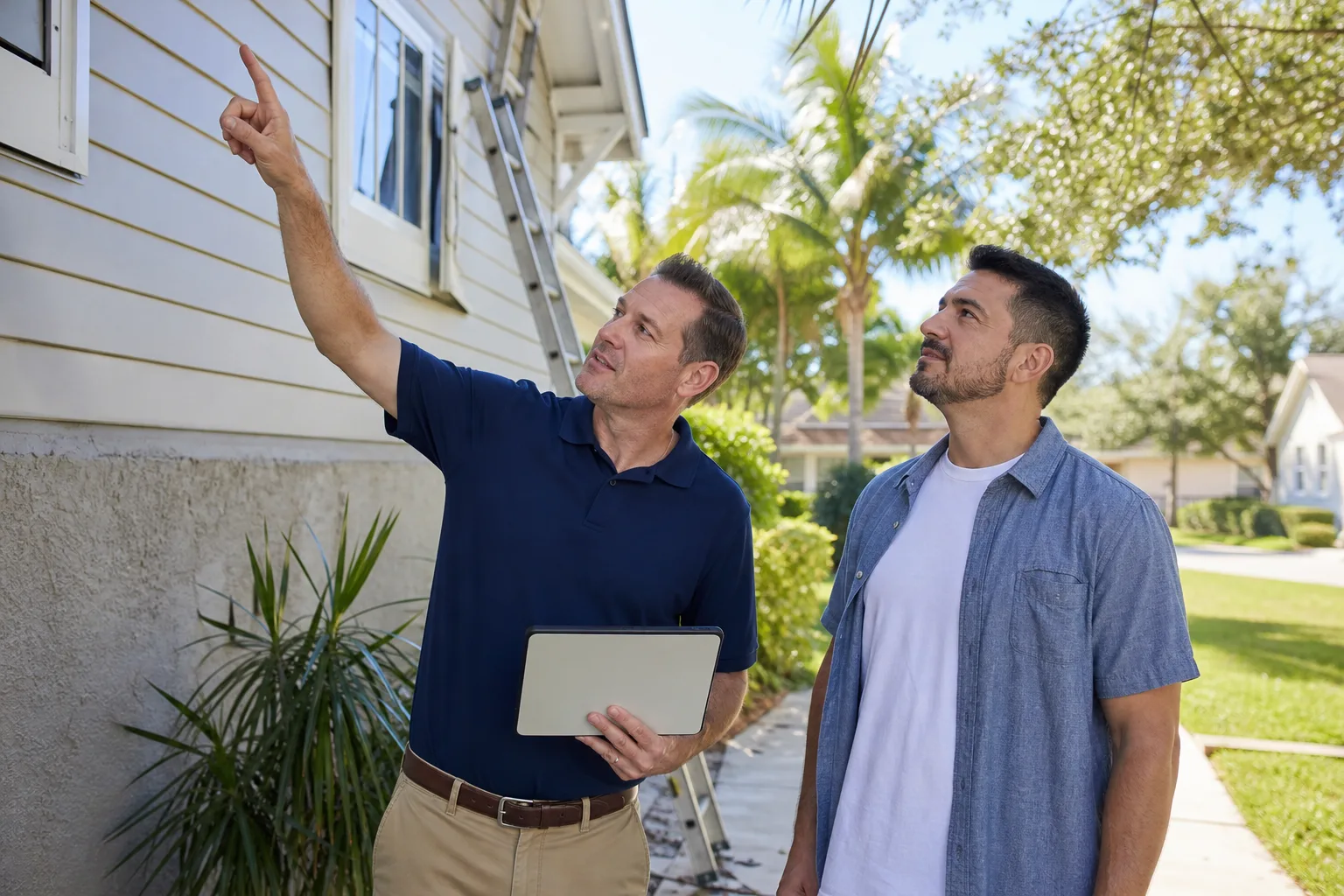
You can safely check some things yourself. Walk the run and look for leaning posts, probe the base for soft or pooling ground, and confirm the joints haven’t opened. That much tells you whether you have a cosmetic issue or a structural one.
Where DIY goes wrong is rebuilding the footing and base. A Unilock wall holds because the buried structure is right: depth, compaction, drainage, and geogrid placement. Setting a new block on a bad base looks fixed and fails again within a season, and you’ve spent the material cost twice. Tall runs and anything carrying a gate load add a genuine tip-over risk, so that’s work for a trained crew. If your wall has moved, the honest answer is to have it looked at. Call (844) 320-5930 for a free estimate; a written price comes before any work.
FAQs
A properly built Unilock wall run lasts 25 to 50 years, and the block itself often outlasts the base under it. The weak point is the footing and drainage, especially on Glendale’s expansive clay, where seasonal movement does more damage than the material. Get the base right and the wall follows.
Sometimes, yes. If the movement is limited to a few units or a single post and the base is still sound, a targeted repair is the right call and costs far less. If multiple posts have moved or the base is failing, a repair just resets the clock on the next failure. We’ll tell you honestly which one you’re looking at.
A typical residential run in Glendale takes two to four days once we start, depending on footage and how much foundation needs rebuilding. Because we schedule against a signed written quote rather than a verbal promise, you know the date before the crew arrives.
We measure the actual units and confirm the product family against Unilock’s current line before ordering, rather than trusting a model name. Where a system-specific block or cap is required, we match it; where drainage aggregate or fabric is the commodity, a quality equivalent is fine. That sourcing check is part of the free estimate.
Call (844) 320-5930 for a free estimate. We’ll look at the wall, confirm the part, and hand you a written flat price before any work begins. Rowan Construction Group Glendale also works with KraftMaid, Cambria, and Silestone on the interior side of the same home.
Written by the team at Rowan Construction Group Glendale, serving Glendale and nearby areas.