
Free written scope consultation - allowances, timeline, and change-order rules on paper before a single trade is scheduled
Plant Prefab Kitchen Remodeling: The Glendale Owner’s Guide
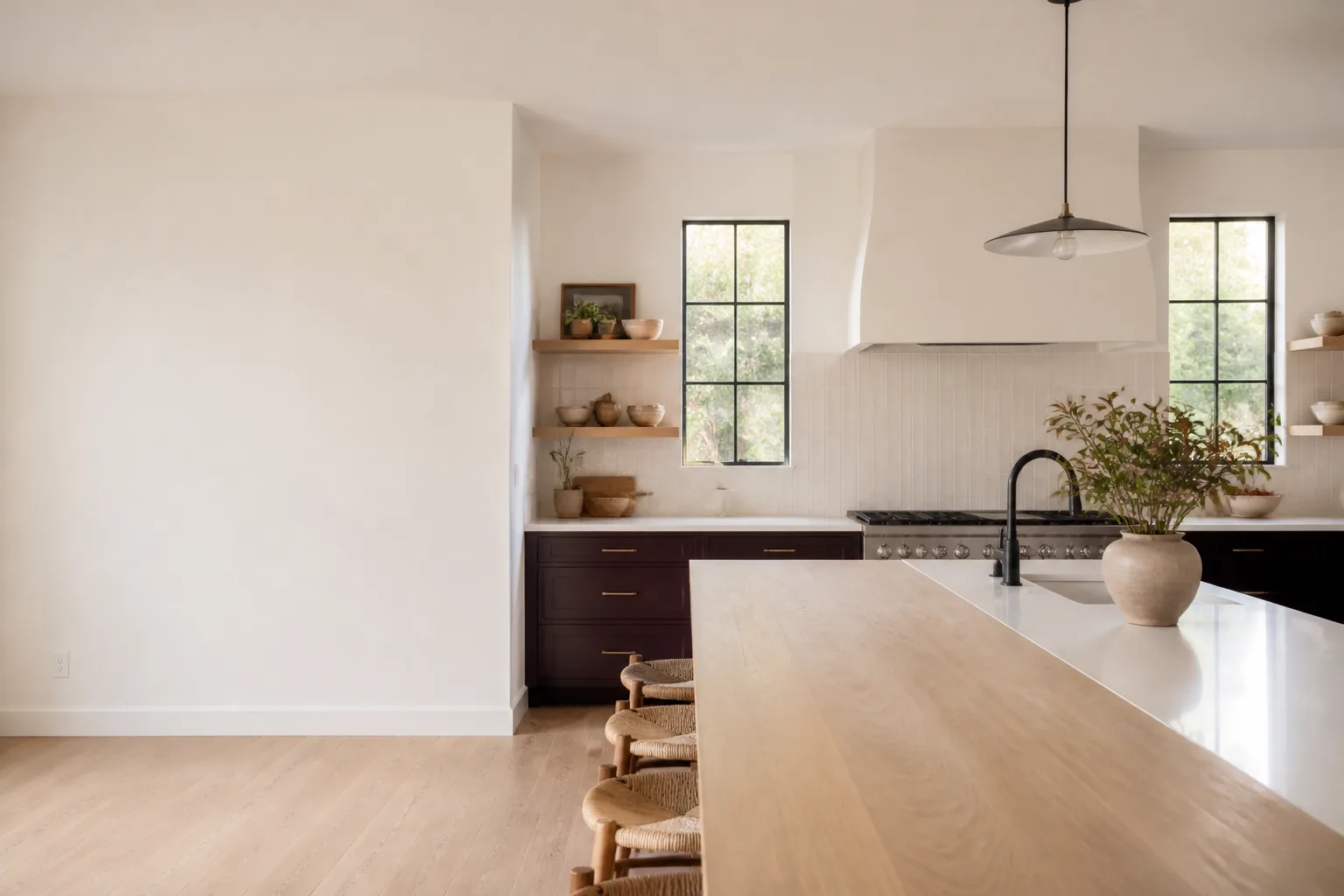
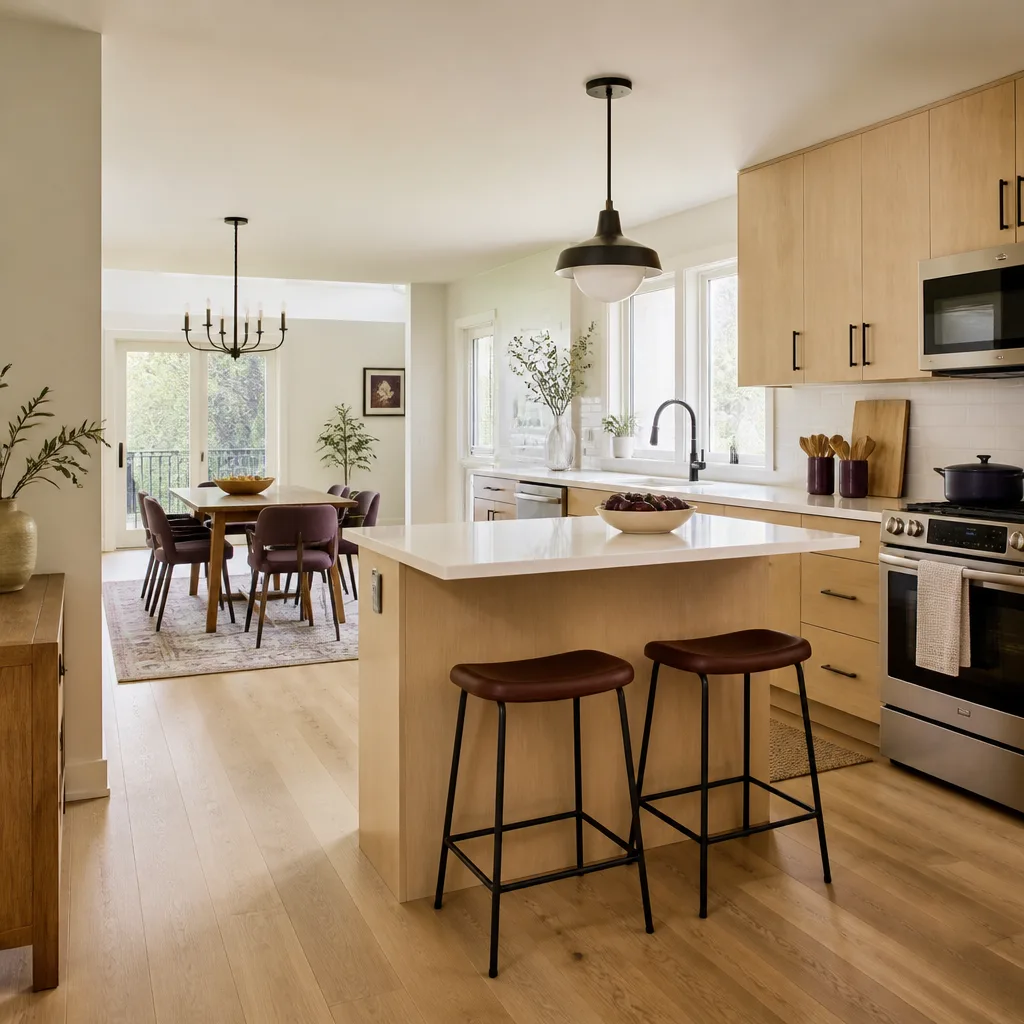
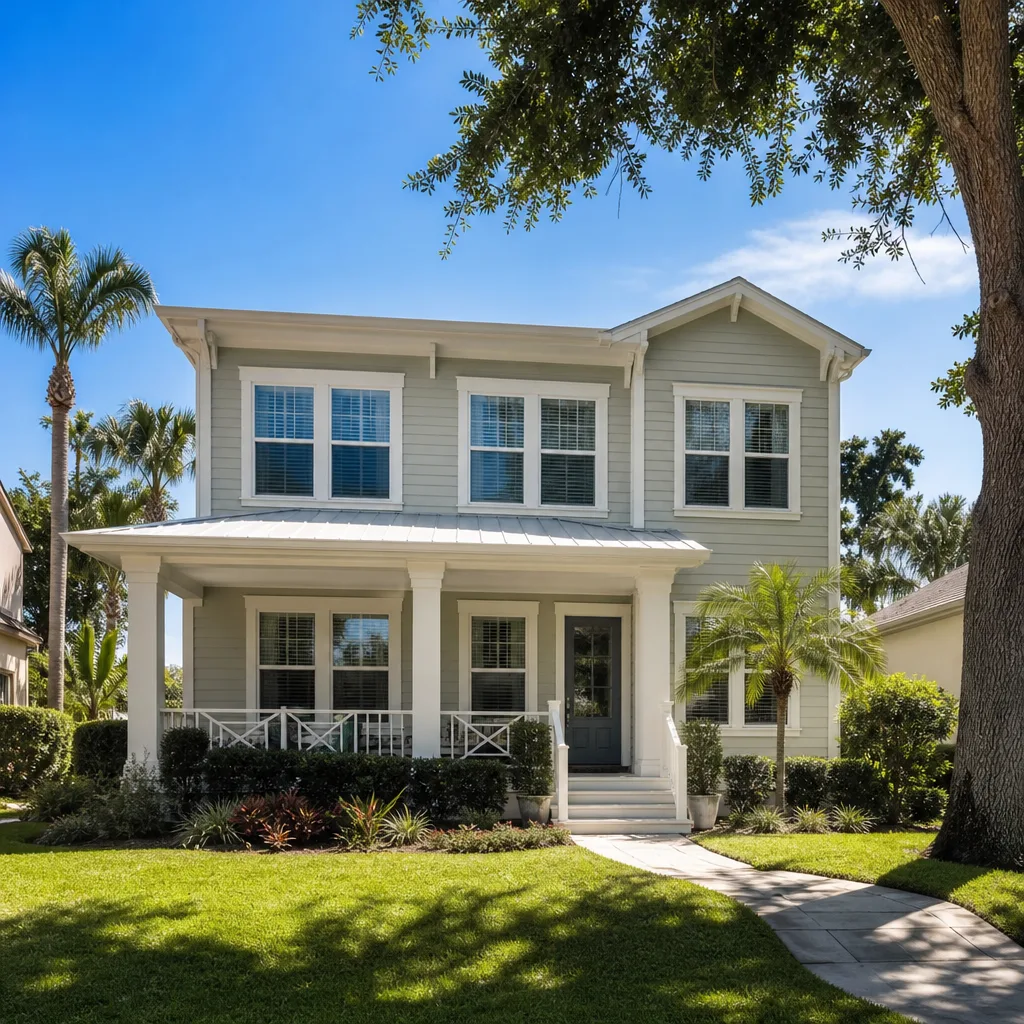
Kitchen remodeling for a Plant Prefab home in Glendale typically runs $14,000 – $45,000 installed, depending on whether you’re replacing cabinets and countertops alone or reworking the island, backsplash and layout at the same time. Plant Prefab builds to known module dimensions, which means the parts that fail – cabinet boxes, drawer glides, door hinges, countertop seams and backsplash panels – can be specified and replaced without guesswork. A Glendale kitchen of this type is usually a one- to three-week job once materials are on site, not a same-day swap. We’re an independent contractor and not affiliated with Plant Prefab, and every job starts with a written price and a documented photo record before work begins.
Owners usually discover the problem slowly. A drawer that won’t close flush. A cabinet door that hangs a few degrees off. A countertop seam that’s started to show a hairline crack near the sink. Sometimes it’s the backsplash panel pulling away from the wall because the adhesive behind it dried out in a hot Glendale summer. None of these are emergencies, but they get worse and they get more expensive the longer they wait.
Key Takeaways
- Installed kitchen remodeling in Glendale: $14,000 – $45,000, quoted as a written flat price before any work begins.
- Plant Prefab module dimensions are consistent, so cabinet and countertop replacements are predictable to spec.
- Cabinet hardware, hinges and drawer glides fail first; countertop and backsplash problems come later but cost more.
- We’re an independent contractor, not affiliated with Plant Prefab, and we don’t stock parts on a truck.
- Free second opinion on any written estimate you’ve already received from another contractor.
Which Plant Prefab Models This Applies To
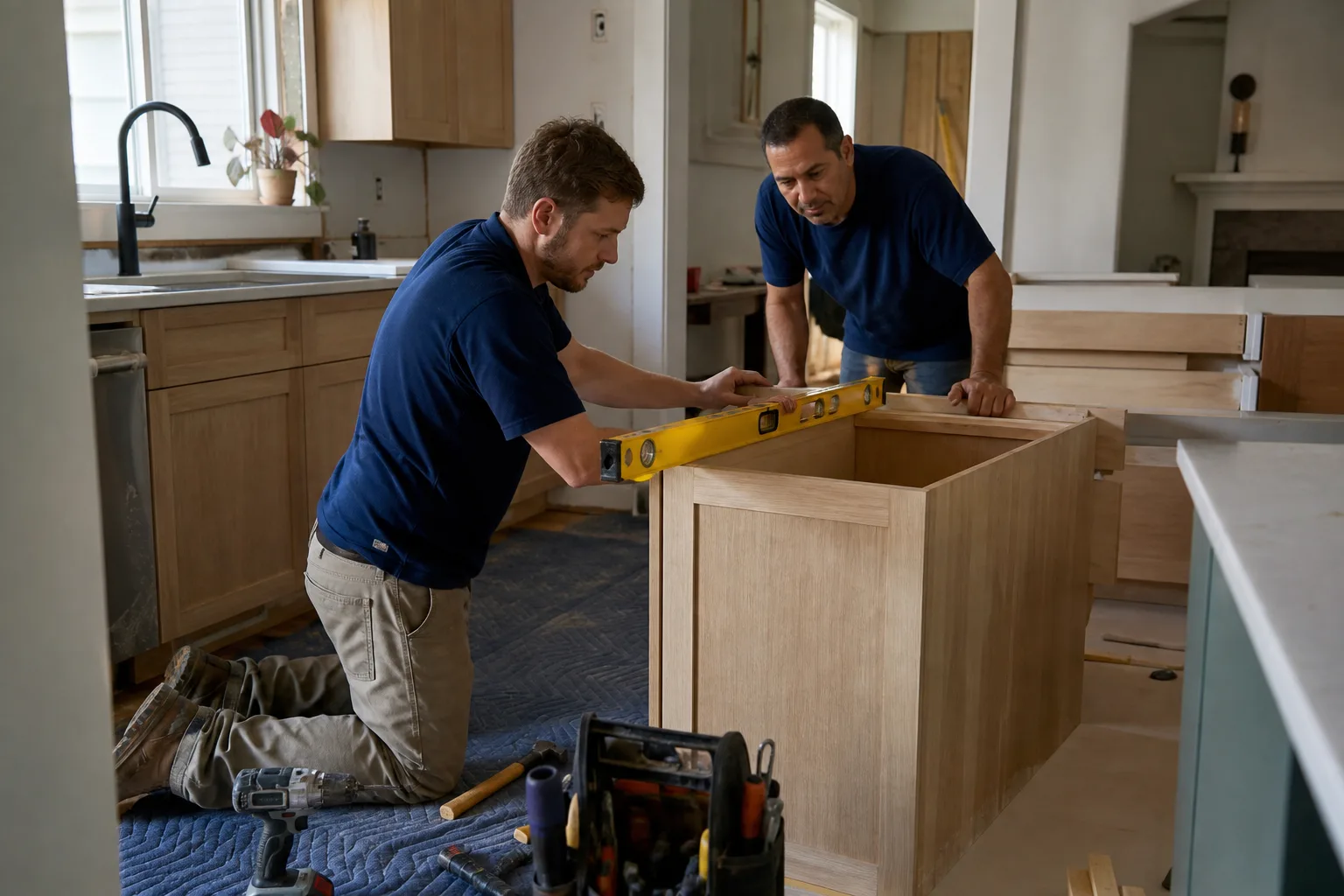
Plant Prefab builds several product lines – the most familiar being modular and panelized homes assembled from factory-built modules. Kitchen components in those modules follow the same logic: cabinets are built into a defined footprint, counters are pre-measured, and backsplash panels are cut to the module’s wall dimensions. That consistency is a good thing when something needs replacing, because a contractor who knows what to look for can match the part to the module without cutting into the wall.
To identify which kitchen parts you’re dealing with, look for the module label inside the cabinet base or under the sink. It will usually show the module designation and a build date. If the label is missing, measure the cabinet opening width, the countertop depth and the backsplash panel height. Those three numbers will tell us which replacement options fit.
The OEM-versus-aftermarket decision matters more on a Plant Prefab kitchen than on a stick-built one. OEM parts match the module’s exact tolerances, so a replacement door or drawer front lines up with the existing reveal (the gap between doors). Aftermarket parts from brands like KraftMaid or Wellborn can save real money, but the hinges and glides need to be spec-matched to the module so the door doesn’t bind. We usually recommend OEM for visible doors and drawer fronts, and quality aftermarket for the glides and hinges behind them – which is where more of the cost usually sits anyway.
Styles & brands we work with
- Kitchen remodeling
- Bathroom remodeling
- Home additions & ADU
- Roofing
- Windows & doors
- Driveway & pavers
- Fence
Signs Your Plant Prefab Kitchen Remodeling Is Failing
A kitchen doesn’t fail all at once. It fails piece by piece, and the order it fails in tells you what’s actually going on underneath. Here’s what we see most often in Glendale kitchens.
- Doors that won’t stay closed or sit flush. Usually a hinge that’s lost its tension or a cabinet box that’s shifted out of square. The hinge is the cheap fix; the shifted box means the cabinet itself needs re-anchoring.
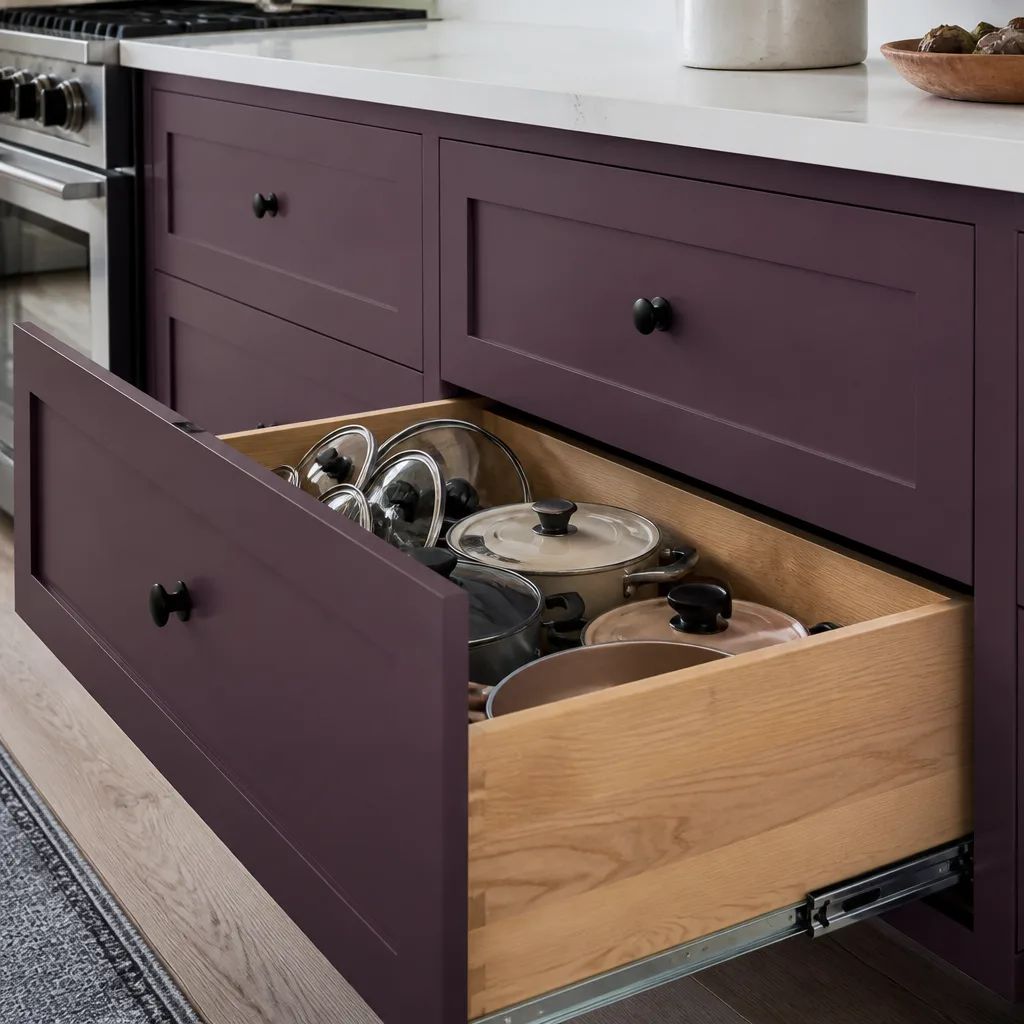
- Drawer glides that stick or pull out crooked. Under-loaded drawers and years of use wear the glide track. On Plant Prefab cabinetry, the glide is usually the first component to go, and replacing it is a 20-minute job once the right part is on site.
- Countertop seams showing hairline cracks. Often the seam adhesive has started to fail, usually near the sink or an inside corner where the counter was joined. Left alone, water gets in and the crack widens.
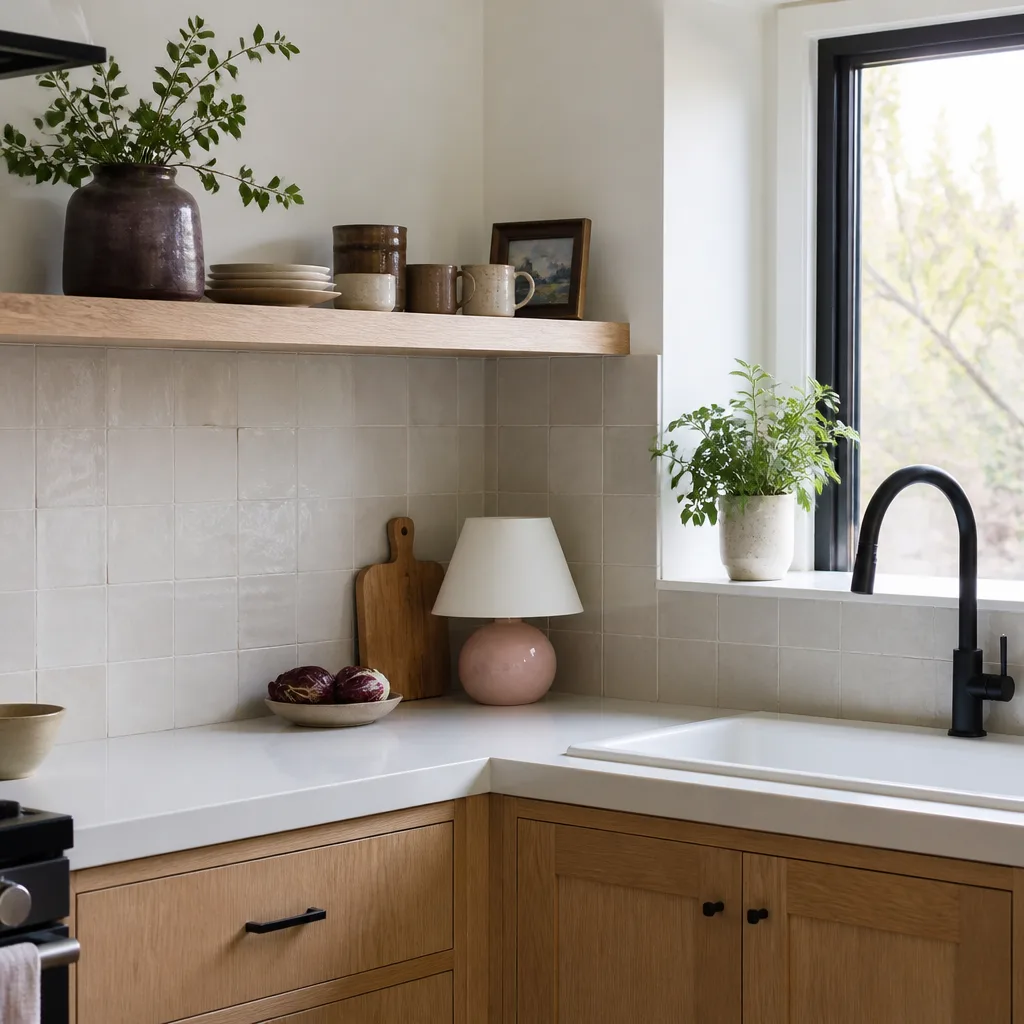
- Backsplash panels lifting or separating from the wall. Heat and humidity cycles in Glendale dry out the adhesive behind the panel over time. A panel that’s pulling away will eventually crack if it’s not re-seated.
- Cabinet boxes swollen or soft near the sink. That’s a moisture problem, not a cabinet problem – it points to a slow leak you’ll want to find before you replace anything.
One more note: some of these symptoms mean the kitchen needs replacing, and some mean a single component needs replacing. The right call depends on the age of the cabinetry, the condition of the counter, and what’s actually behind the wall. That’s what the site visit is for.
See the difference
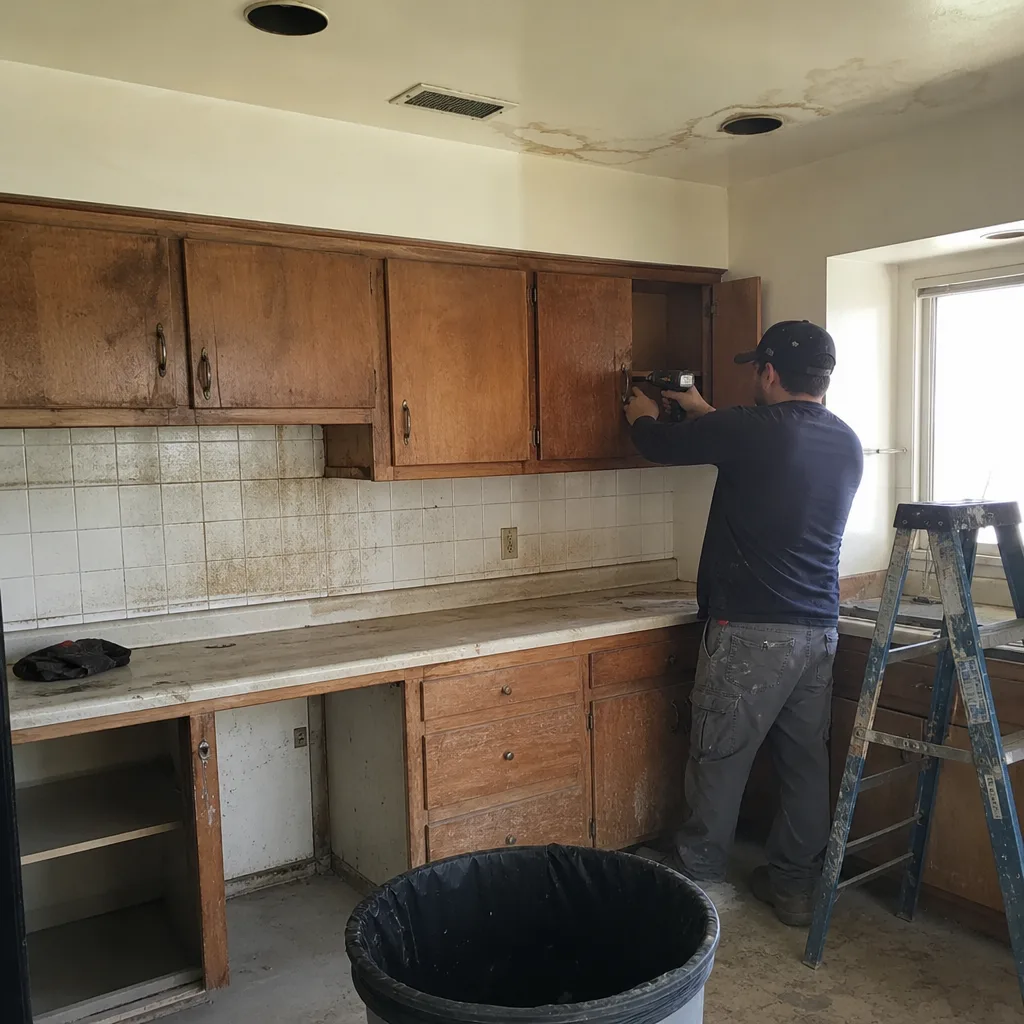 Before
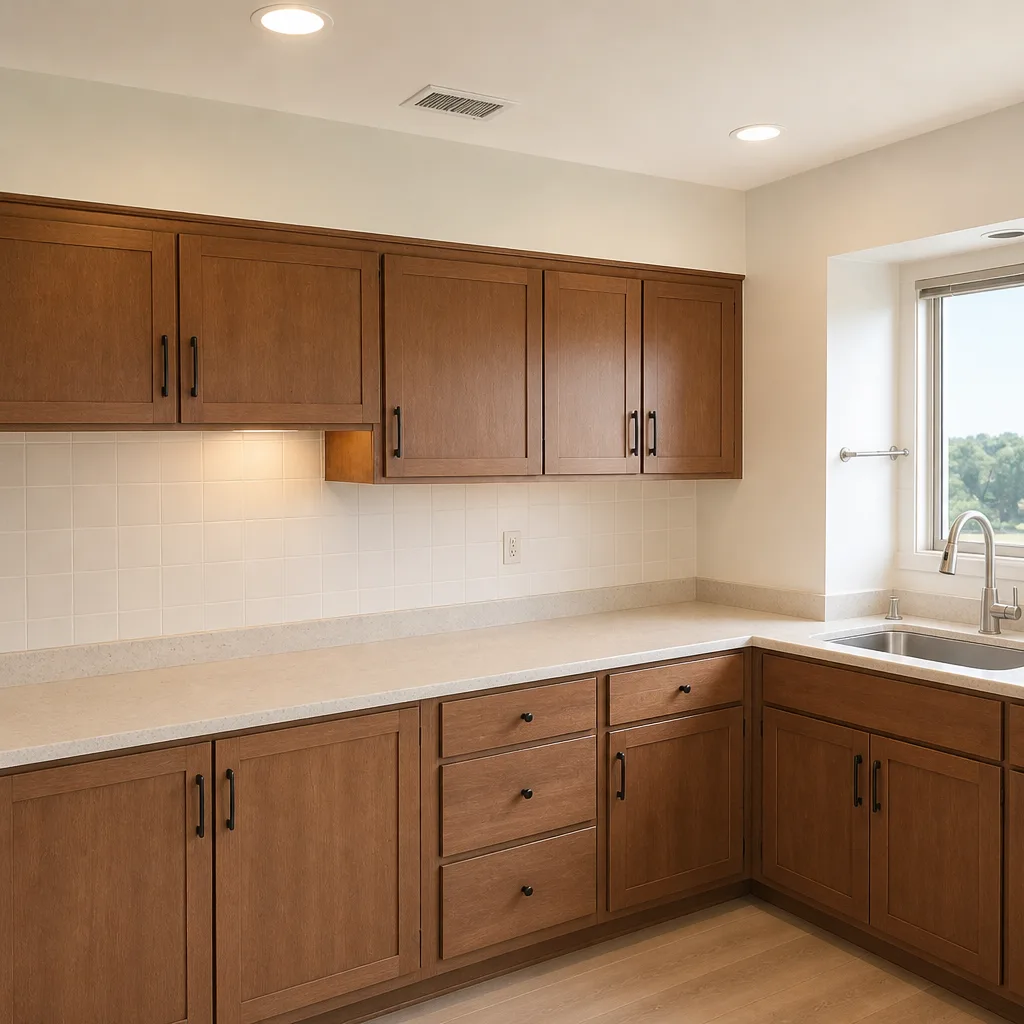 After
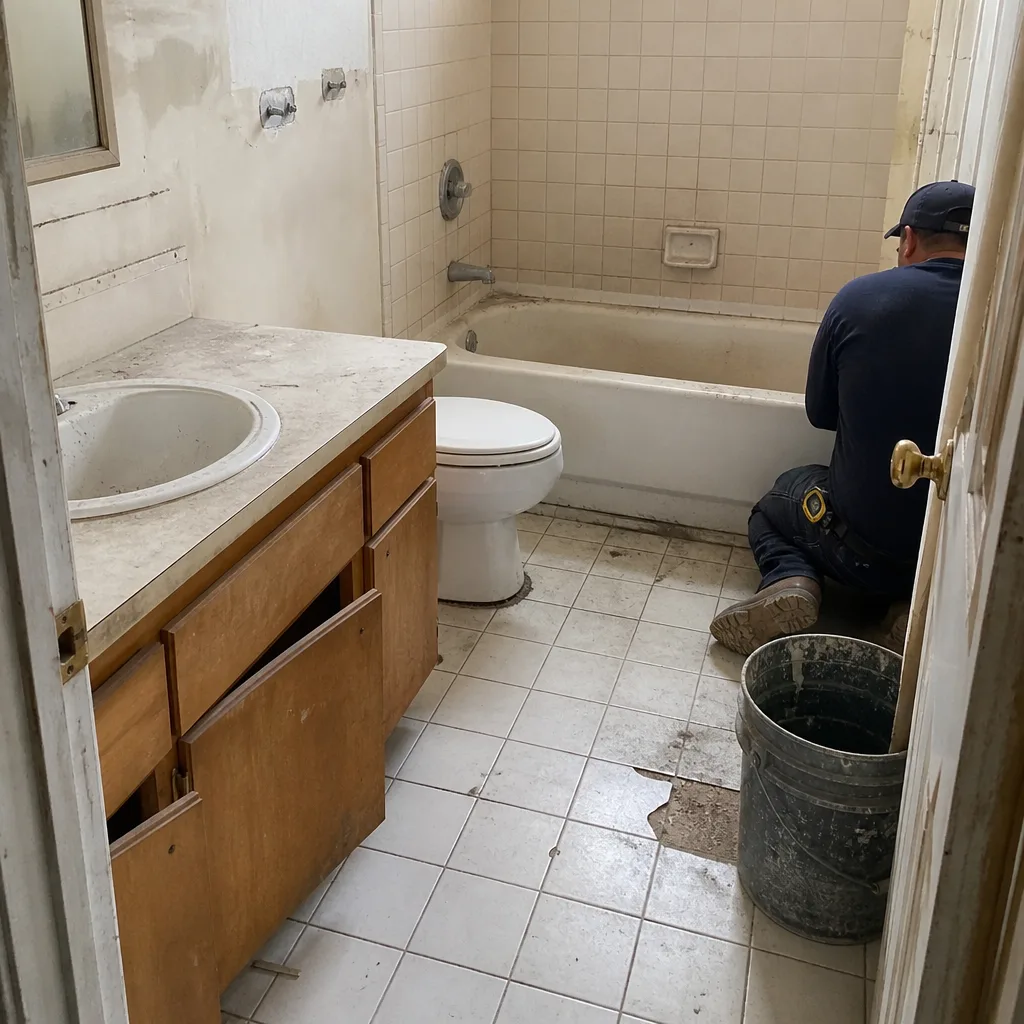 Before
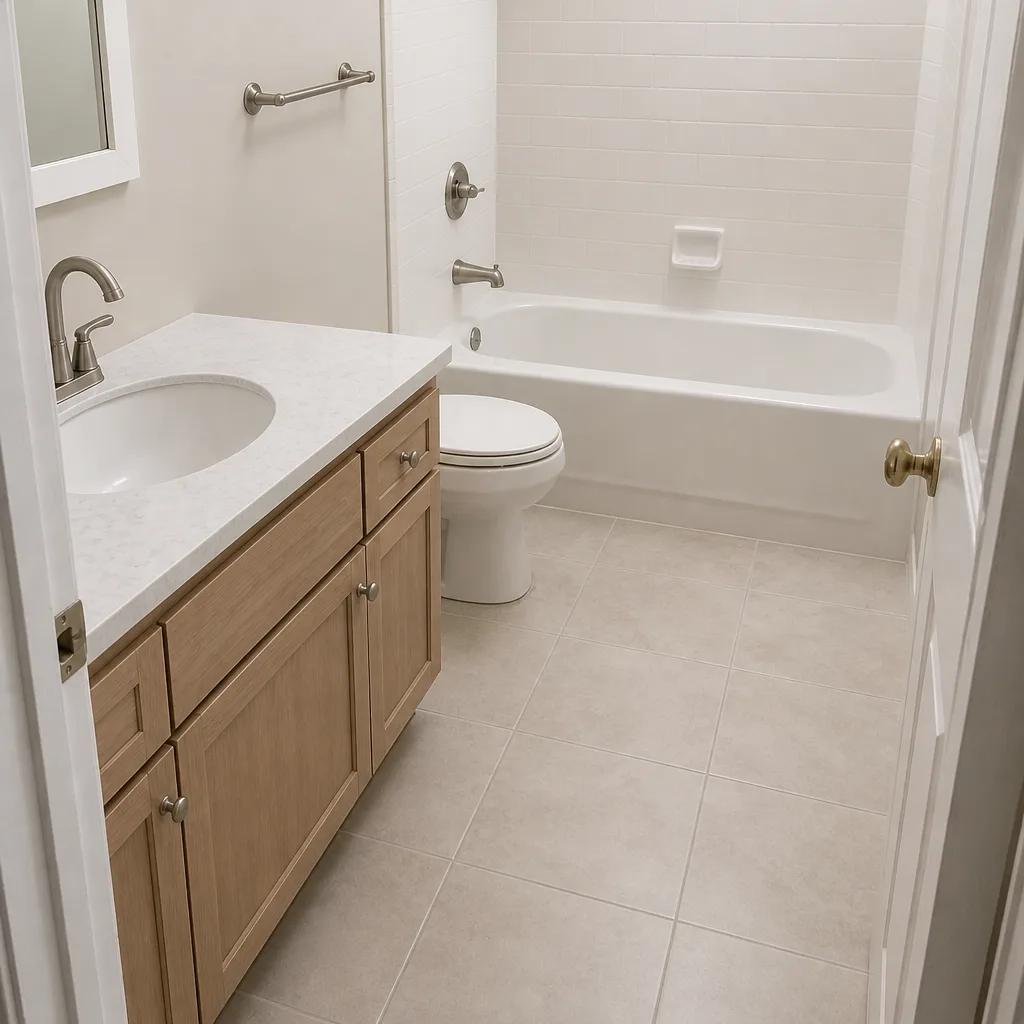 After
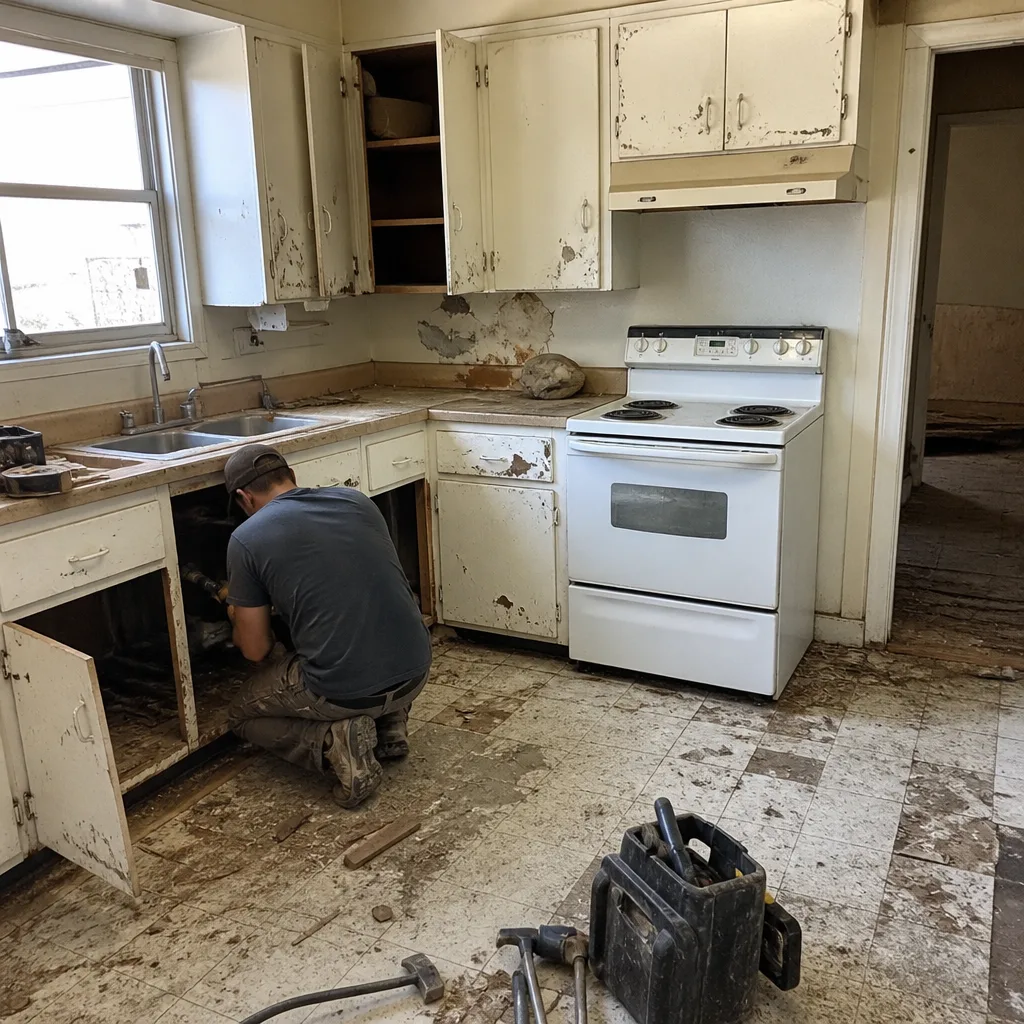 Before
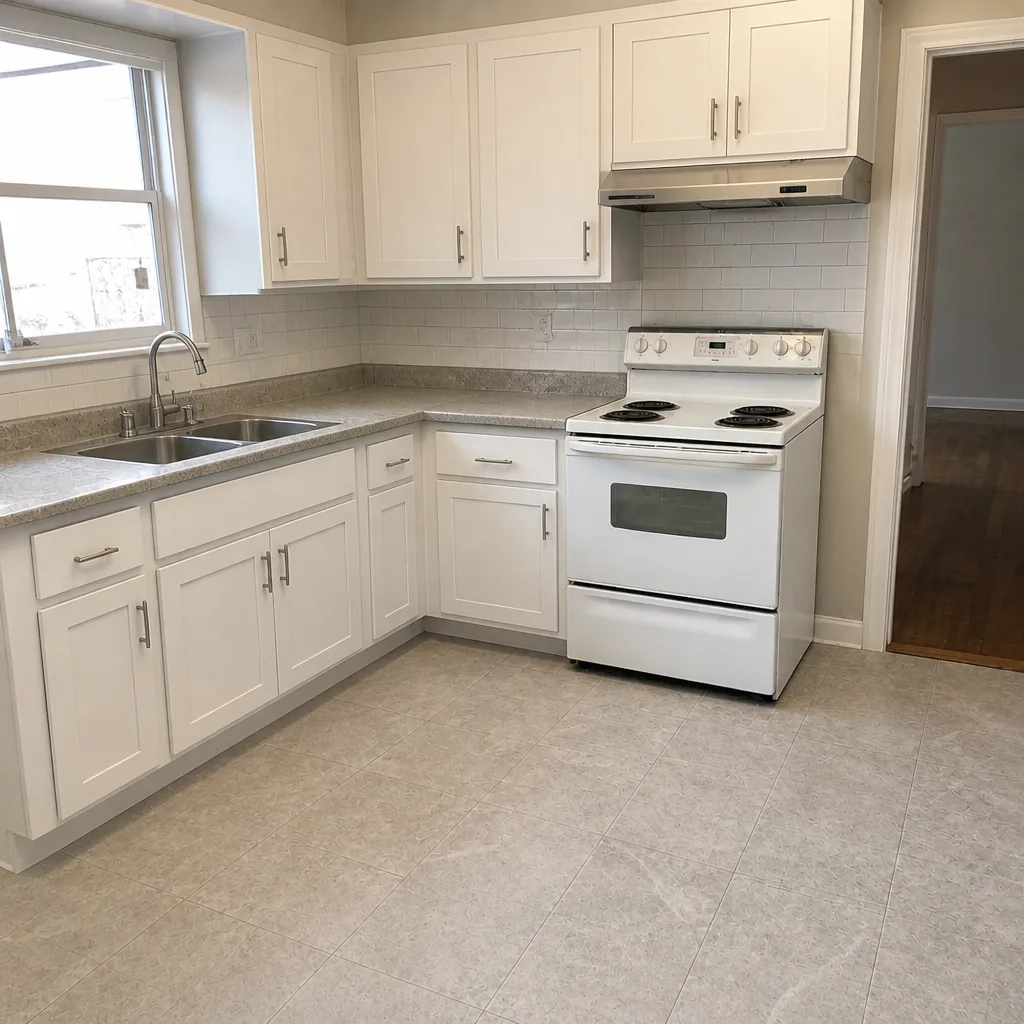 After
Replacement Cost & What’s Included
Here’s what kitchen remodeling for a Plant Prefab home in Glendale actually costs, quoted as a flat written price before any work starts:
| Scope | Installed Price Range (Glendale) |
|---|---|
| Full kitchen remodel | $14,000 – $45,000 |
| Small kitchen remodel | $9,000 – $20,000 |
| Cabinet installation | $4,000 – $13,000 |
| Countertop installation | $2,000 – $6,500 |
| Backsplash installation | $800 – $2,500 |
| Kitchen island installation | $3,000 – $10,000 |
What drives the range: cabinet box count, countertop material (quartz from Cambria or Caesarstone runs higher than laminate), whether the island is being added or replaced, and how much plumbing or electrical has to move. The written quote breaks out parts and labor as separate line items, so you can see exactly what the part costs and what the labor costs. No work proceeds on a change until a change order is signed, which is why our projects finish within a few percent of the agreed price. Every job carries the 365-Day Done Right Promise – if it’s not done right, we make it right – and a written warranty on the work.
DIY or Call Us?
Some of this you can check safely yourself. Swapping a drawer glide, tightening a hinge, re-seating a backsplash panel that’s already loose – those are within reach for most owners if you have the right part. If you’re comfortable with a screwdriver and you already know which glide you need, go ahead.
Where DIY goes wrong is on the parts that need to be spec-matched to the cabinet box, and on anything involving the countertop. Cutting into a countertop to fix a seam, drilling a new hole for a sink, or prying a stuck countertop loose to replace the cabinet underneath are the jobs that turn a $400 repair into a $6,500 replacement. Cabinet boxes that have shifted out of square also need to be re-anchored to the wall properly – if that’s not done right, the new doors will hang crooked within a month. And if you’re replacing countertops, the plumbing connection underneath has to be re-done correctly or you’ll have a slow leak you won’t find until the cabinet base swells. For those, it’s worth the call. Call (844) 320-5930 and we’ll tell you honestly whether the fix is a part or a remodel.
FAQs
Factory-built Plant Prefab cabinetry usually holds up well for 15 – 20 years, with the hinges and drawer glides failing first, typically around year 8 – 12. Cabinet boxes and countertops often outlast the hardware. Call (844) 320-5930 for a free estimate on replacement parts or a full remodel.
Often, yes – hinges, glides and a backplash that’s only lifting can usually be re-seated or swapped without touching the cabinet body. A countertop seam or a swollen cabinet base usually can’t be repaired reliably and needs replacing. We’ll tell you which one you’re looking at on the site visit, and the estimate is free either way.
A single hinge or glide is a short visit, often under an hour. A cabinet run replacement takes about a day, and a full kitchen remodel with countertop and backsplash runs one to three weeks depending on scope and material lead time. Call (844) 320-5930 and we’ll confirm timing before you commit.
We identify the module from the label inside the cabinet or the under-sink area, or from measurements when the label is gone, and match the replacement to that spec. We source from vetted brands including KraftMaid, Cambria and Silestone when an OEM match isn’t the best value, and we tell you which is which in the written quote. Call (844) 320-5930 to start the process – the second opinion on any competitor’s estimate is free.
If your Plant Prefab kitchen in Glendale is showing its age – a door that won’t close, a counter seam that’s cracked, a backsplash panel pulling away – the honest answer is that you need either a part or a plan, and we can tell you which in one visit. Call (844) 320-5930 for a free estimate. You’ll get a written flat price before anyone picks up a tool, a documented photo record of what we found, and a 365-Day Done Right Promise on the work. Rowan Construction Group Glendale serves Glendale and the surrounding area, and we’re an independent contractor, not affiliated with Plant Prefab.
Written by the team at Rowan Construction Group Glendale, serving Glendale and nearby areas.