
Free written scope consultation - allowances, timeline, and change-order rules on paper before a single trade is scheduled
James Hardie Home Additions & ADU: The Glendale Owner’s Guide
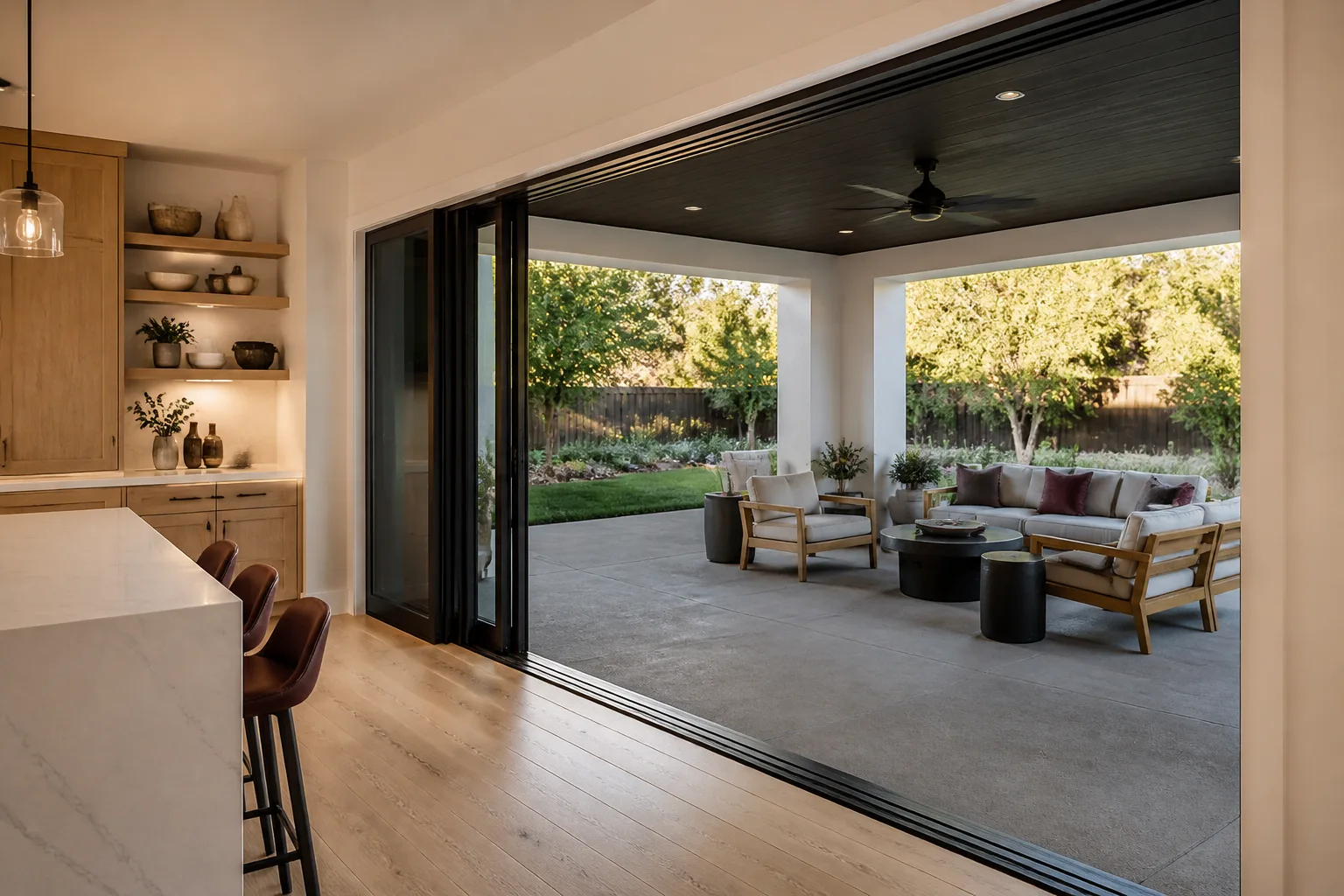
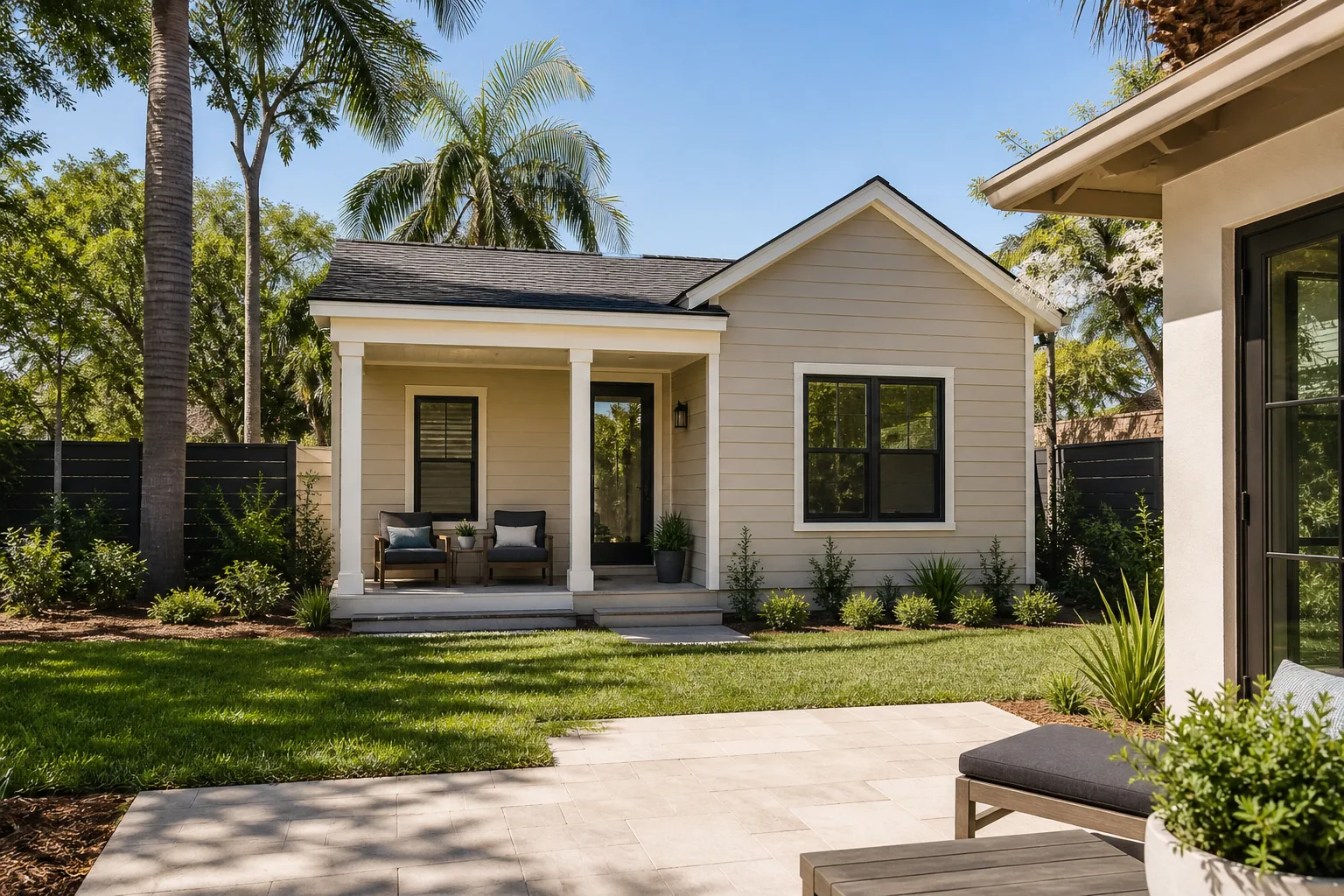
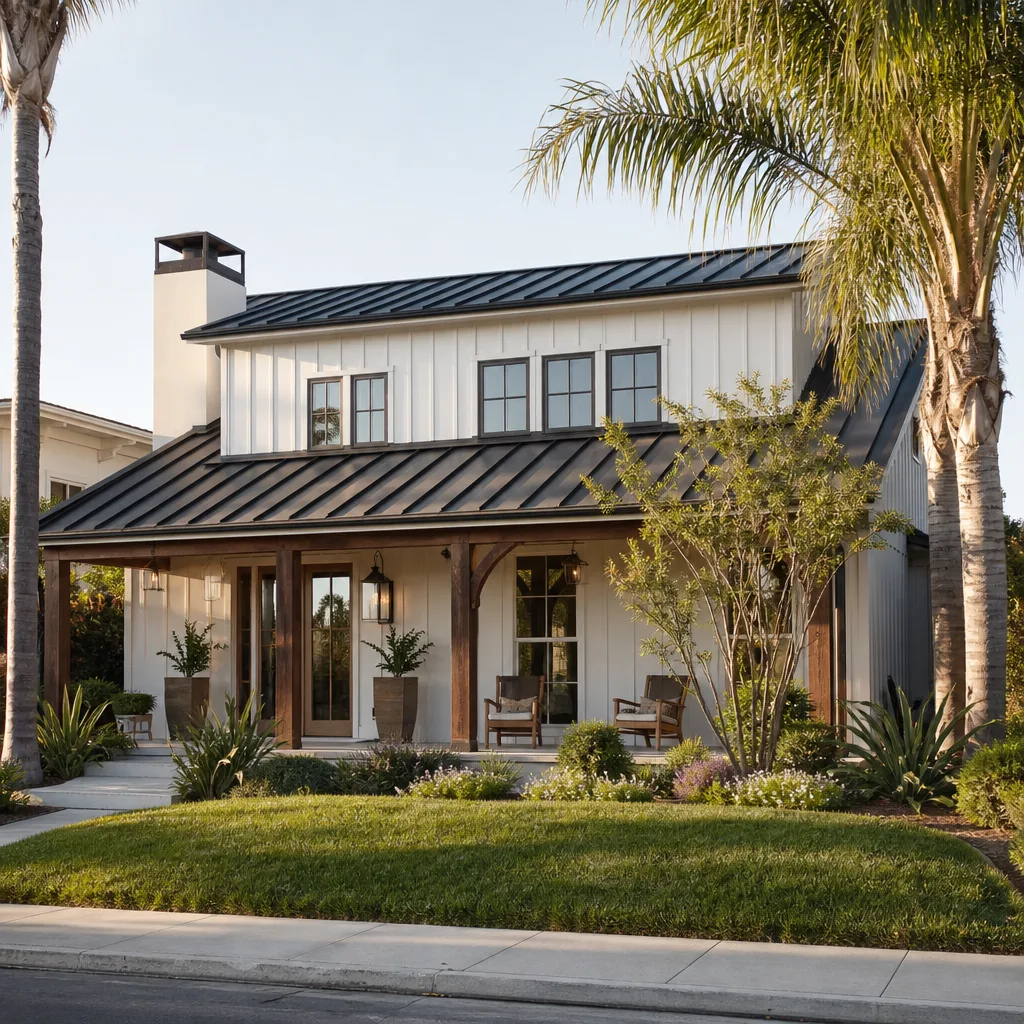
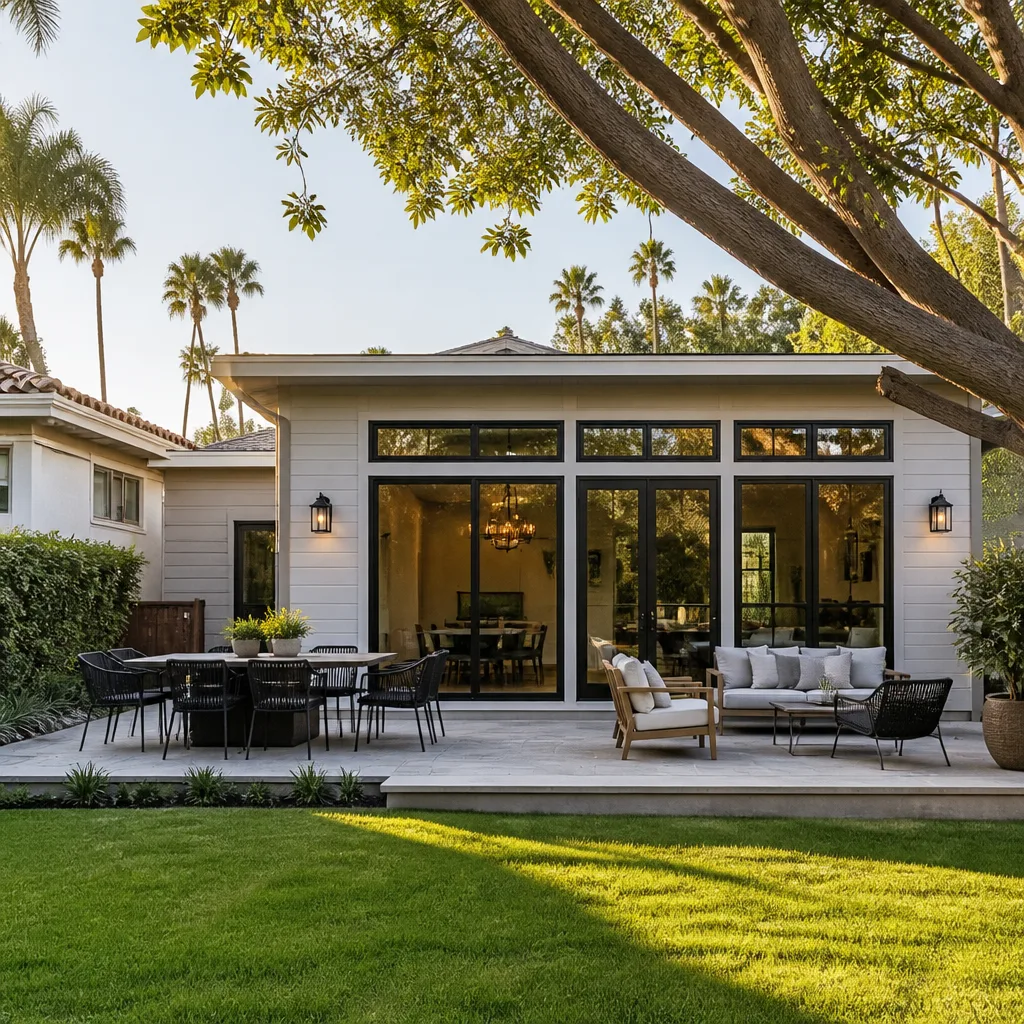
We build and finish James Hardie-clad home additions and ADUs in Glendale, and a typical installed project runs $45,000 – $130,000 for an addition and $90,000 – $220,000 for a detached ADU. James Hardie isn’t a part you replace on these structures; it’s the fiber cement siding, trim, and soffit system that wraps them, and it’s the piece that usually tells you something else has gone wrong. Owners in Glendale tend to discover the problem one of two ways: a hairline crack opens along a butt joint after a hot week, or paint starts peeling in sheets from the bottom edge of a panel, which points to moisture sitting behind the board rather than the paint itself.
Key Takeaways
- James Hardie on an addition or ADU is a cladding system, not a single component, so “replacement” means panels, trim, and the flashing and WRB behind them.
- Installed addition pricing in Glendale lands at $45,000 – $130,000; ADUs at $90,000 – $220,000.
- Most failures we open up trace to installation detail (clearances, caulk joints, weep drainage), not the board.
- Every quote we write is a flat written price with a written scope before work starts.
Which James Hardie Models This Applies To
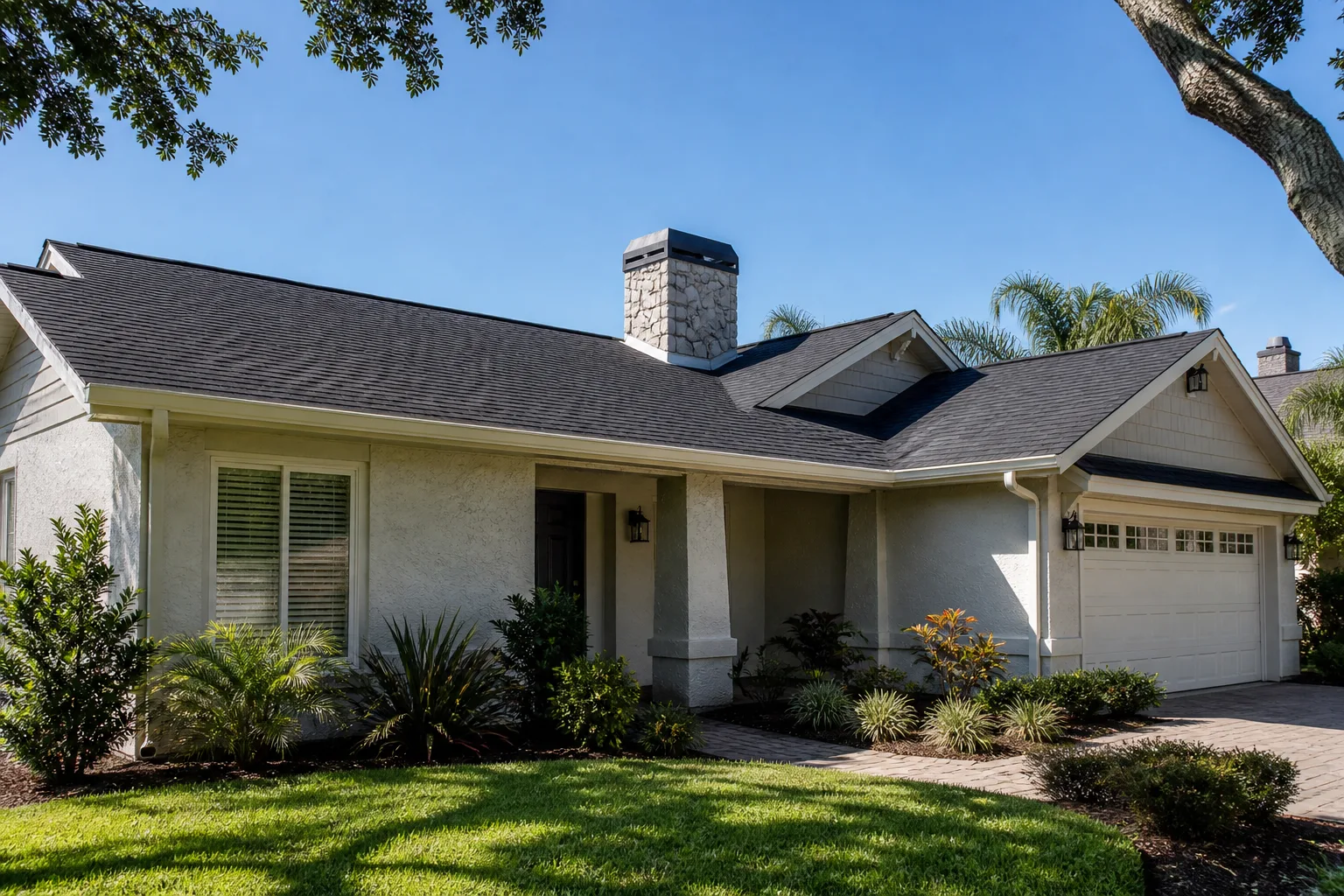
James Hardie fiber cement for additions and ADUs comes in a few product lines, and matching the right one matters more than homeowners expect. The common profiles are HardiePlank lap siding, HardiePanel vertical siding, and HardieShingle in staggered and straight-edge styles. Trim is a separate family: HardieTrim boards (the FC and RS lines) and the prefinished Aspyre trim, which is a different product with different fastening rules. If you’re matching an existing wall, the fastest way to identify what you have is to look for the printed back-stamp on a loose offcut or on the back face of a panel at an exposed edge, then measure the reveal and thickness with a tape. Lap siding commonly runs in 5/16-inch and 7/16-inch thicknesses, and the profile width and exposure have to match or the new run won’t line up with the old.
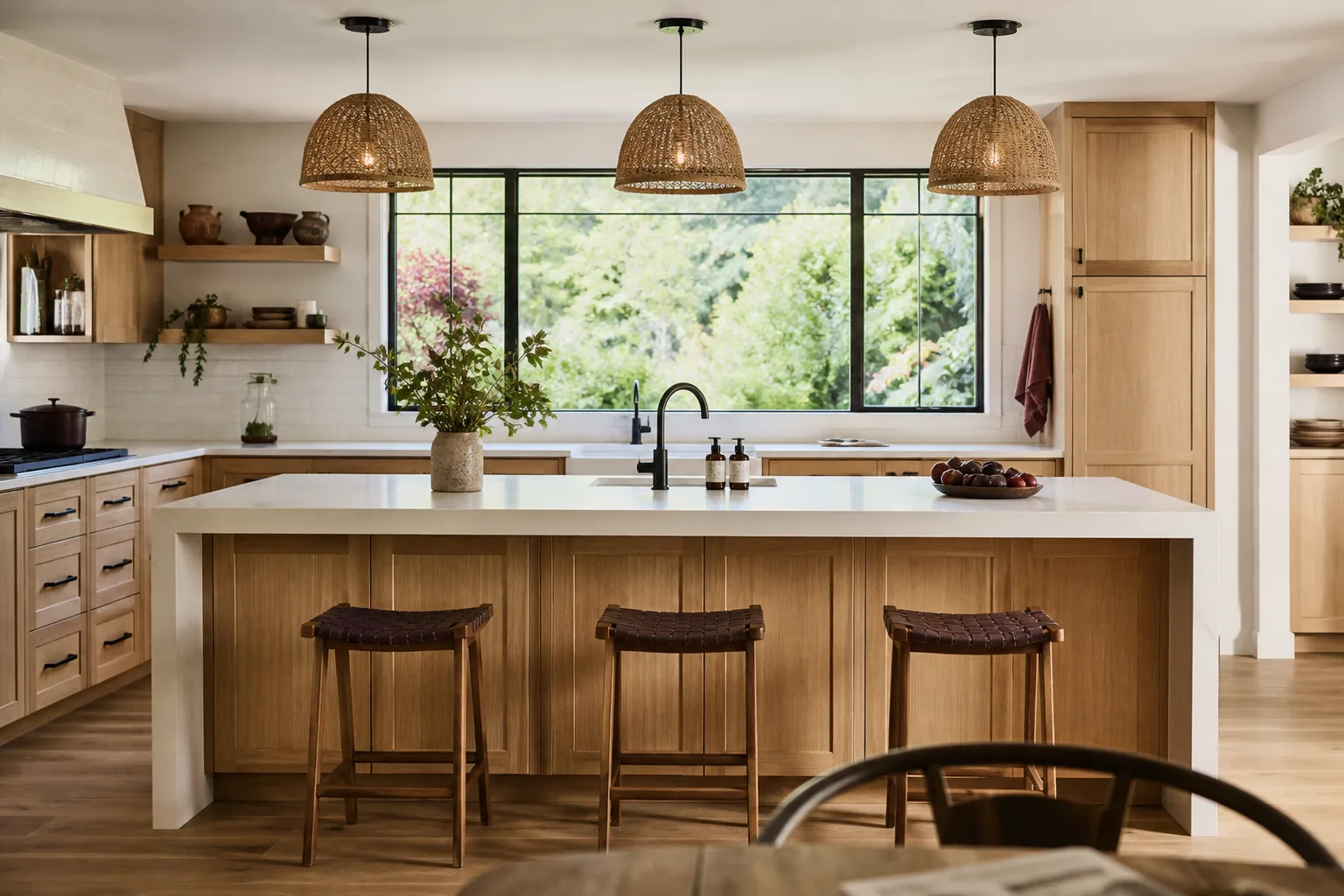
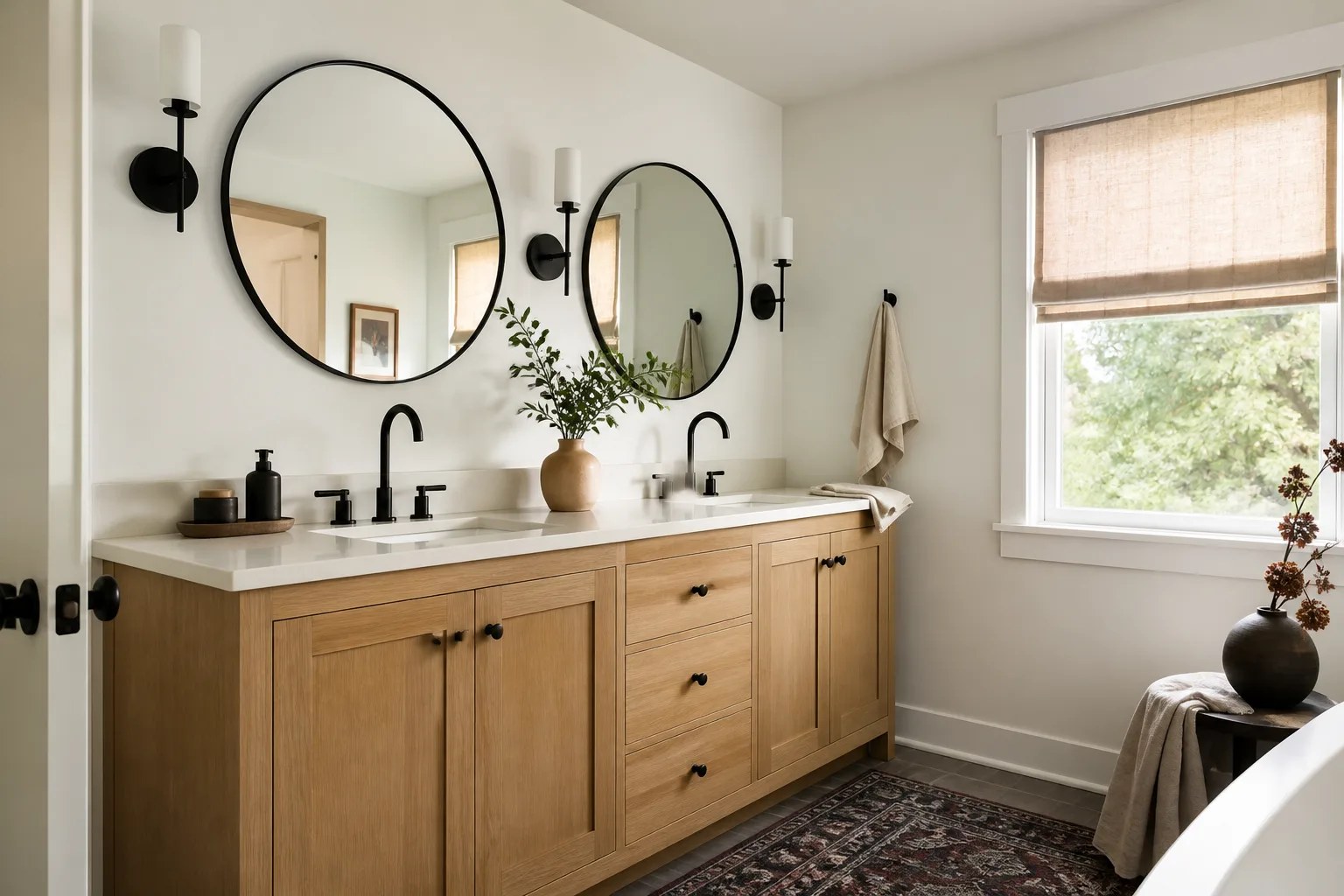
The OEM-versus-aftermarket question is real here. Genuine James Hardie boards carry a published warranty and known dimensional tolerances; some aftermarket fiber cement boards are lighter and absorb water differently. If you’re patching a wall or extending one, we match the existing product family and thickness rather than mixing brands on the same elevation. We install James Hardie-compatible systems and are an independent contractor, not affiliated with James Hardie. We also work alongside KraftMaid, Cambria, and Silestone on the interiors of the additions we build.
Styles & brands we work with
- Kitchen remodeling
- Bathroom remodeling
- Home additions & ADU
- Roofing
- Windows & doors
- Driveway & pavers
- Fence
Signs Your James Hardie Home Additions & ADU Is Failing
Fiber cement is durable, but it fails in predictable ways, and in Glendale’s climate the pattern is specific. Here’s what we actually find when we open a wall:
- Paint peeling from the bottom edge up. This usually means moisture is wicking behind the panel and has nowhere to drain. The cause is typically a missing or blocked weep detail at the base, not the paint.
- Hairline cracks at butt joints and corners. Expansion and contraction over hot, dry summers stress the caulk at joints. Once the sealant fails, water gets in and the joint opens further.
- Soft or swollen board near the ground or roofline. Fiber cement can take on water if the cut edge was never sealed and it sits too close to grade. The board swells and the paint blisters.
- Trim pulling away from the siding. Fasteners back out or the trim was installed without the correct clearance. This is a fastening and flashing problem, not a material defect.
- Staining or efflorescence below a window or addition wall. Water is tracking behind the cladding at a flashing point and finding its way out lower down. It’s the most common thing we trace back to the original install.
If you’re seeing two or more of these on the same wall, the fix is rarely a single board. It’s the assembly behind it.
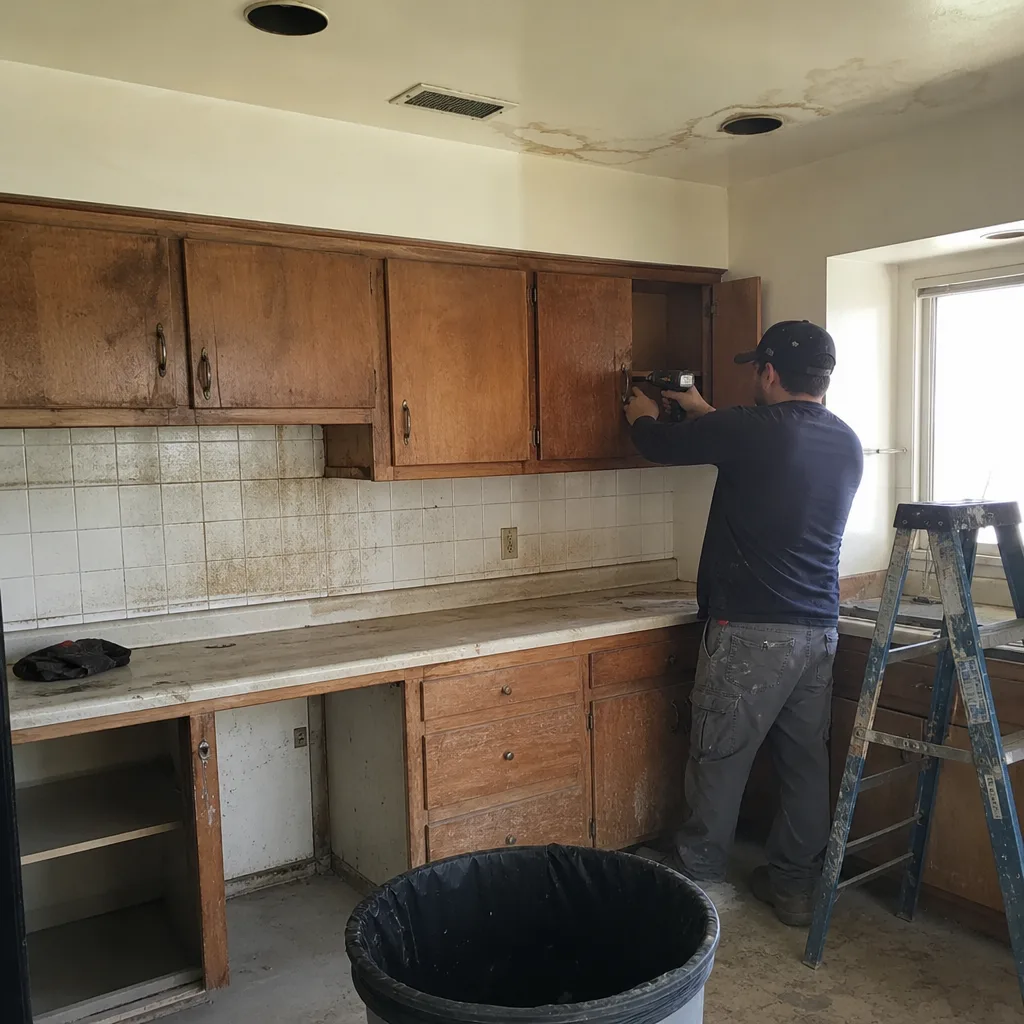
See the difference
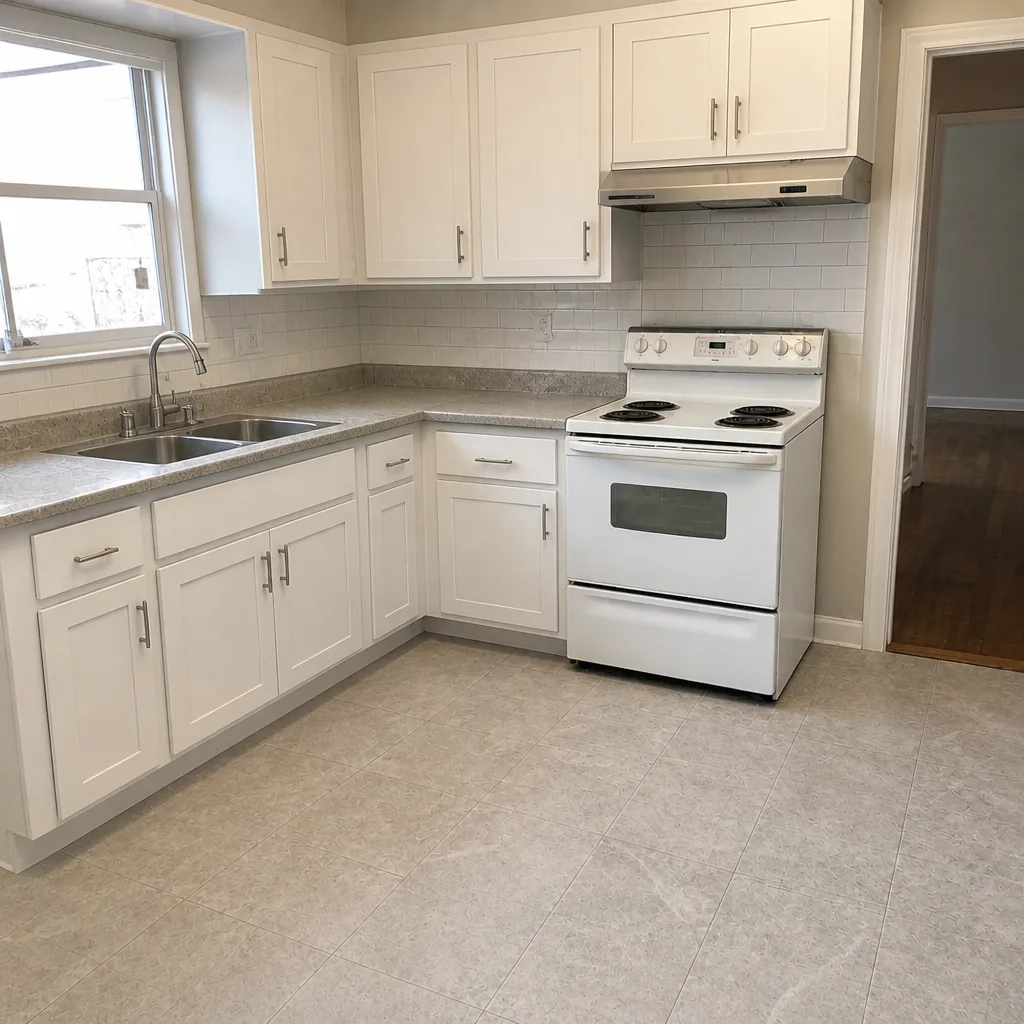
 Before
 After
 Before
 After
 Before
 After
Replacement Cost & What’s Included
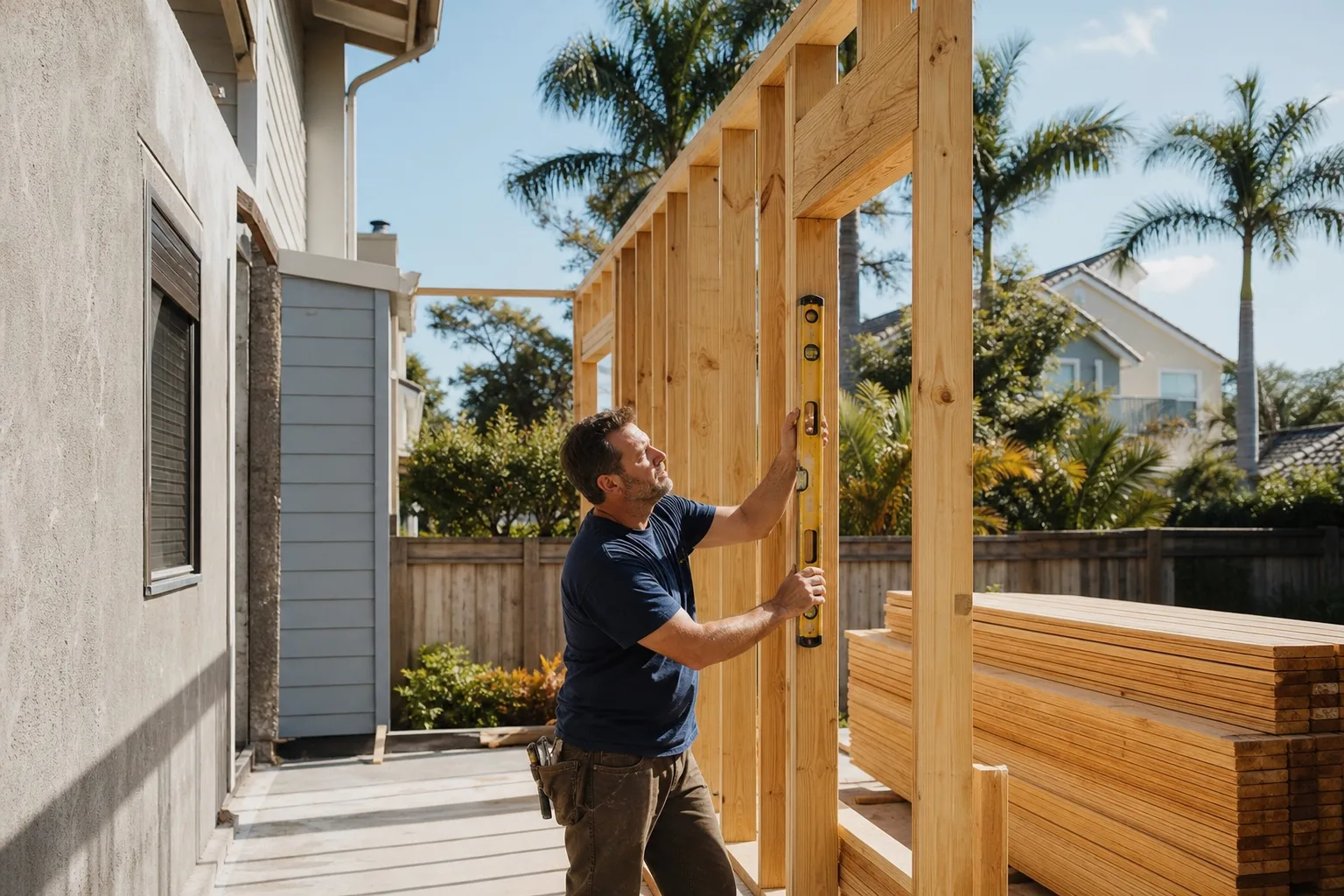
For a Glendale addition, the installed range is $45,000 – $130,000; a detached ADU runs $90,000 – $220,000. Those numbers cover the full build, not just the cladding, because the cladding is one system inside a larger project. When we’re re-cladding or repairing James Hardie on an existing addition, the price depends on how much wall we’re opening, whether the weather barrier and flashing need to be replaced behind it, and the product family and finish you choose. Prefinished Aspyre trim costs more than field-painted HardieTrim, and it lasts longer between repaints.
What you get in writing, before anyone picks up a tool: a flat price, a written scope naming the product and finish, and a written warranty. The price is a number you can screenshot and compare, not a range that moves once work starts. Under Clause 1 of the Haven Standard, the price is written before work begins. If a change is needed mid-project, no work proceeds until the change order is signed.
DIY or Call Us?
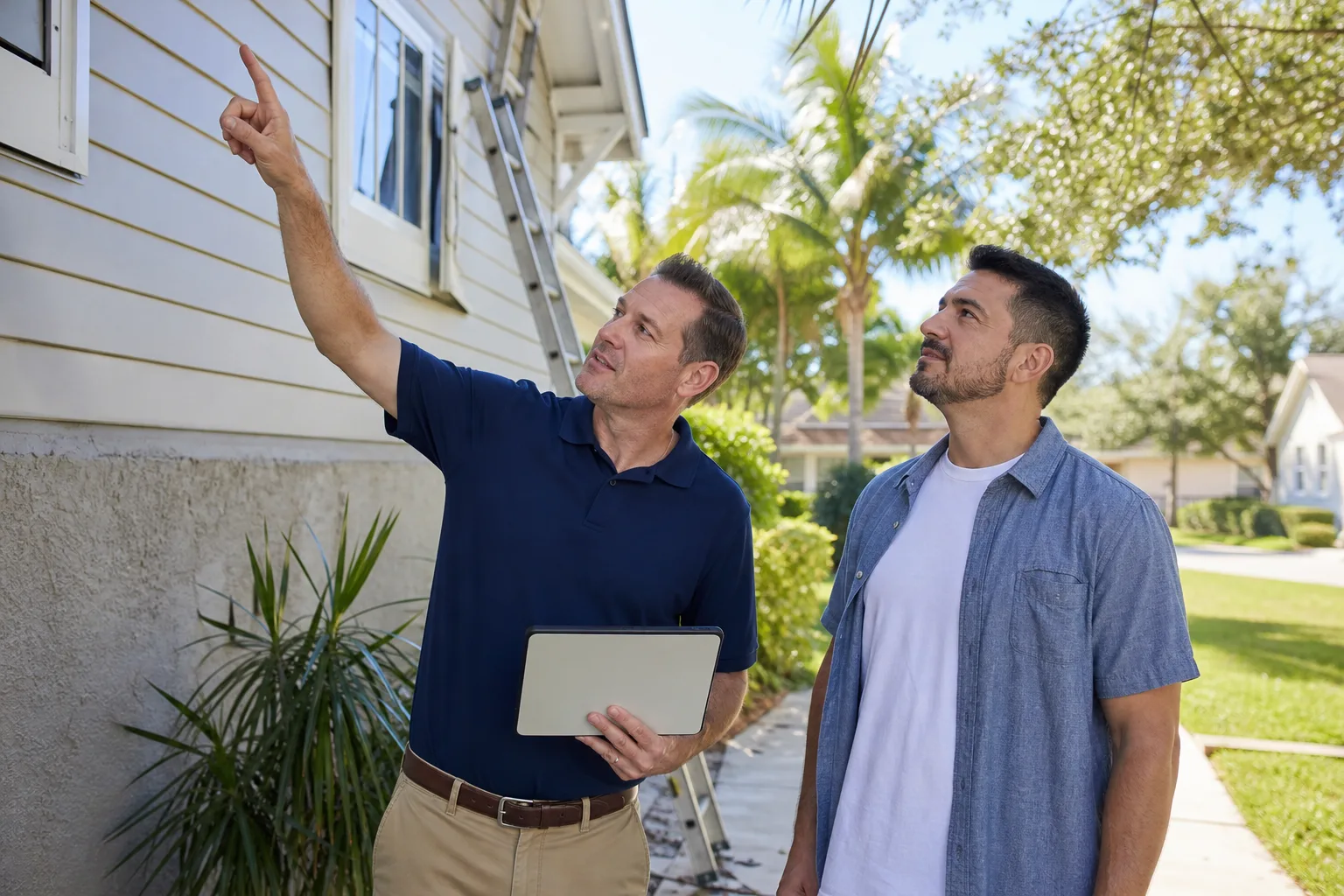
Some things you can safely check yourself. Walk the wall and look for peeling paint, cracked joints, or staining under windows. Press on the board near grade and near the roofline and feel for softness. Look at the base of the wall for a weep gap. Take photos and note the location of each issue. That’s the right level of inspection for an owner.
Where DIY goes wrong on fiber cement: cutting and fastening panels requires the correct blade, dust control, and fastener pattern, and the flashing details behind the board are where most of the real work lives. Fiber cement dust contains crystalline silica, so cutting it without proper respiratory protection is a genuine health hazard, not a nuisance. And once you’re opening a wall to fix what’s behind a failed panel, you’re into weather barrier and flashing work that has to be done right or you’ll be back inside the same wall next season. Call (844) 320-5930 if you want us to look at what you found.
FAQs
James Hardie publishes a long service life for its fiber cement products, and in Glendale’s hot, dry summers with occasional rain, the board itself typically outlasts the paint and the caulk joints by a wide margin. The realistic weak points are the sealant at joints (plan on re-caulking every several years) and any cut edge that wasn’t sealed at install. Call (844) 320-5930 for an exact quote on repair or re-cladding; estimates are free.
Often yes. A single cracked panel or a section of failing trim can usually be replaced without touching the rest of the wall, provided we can match the product family and thickness. What can’t be patched around is water damage behind the board, which shows up as soft sheathing or a failed weather barrier. We’ll tell you which situation you’re in after we look. Call (844) 320-5930 to schedule a free estimate.
A targeted repair on a small section is usually a short job measured in days, while a full re-clad of an addition wall takes longer and depends on how much opening and flashing work is involved. We give you the timeline in writing alongside the price, so you know what to expect before the crew arrives. Call (844) 320-5930 for a written scope and schedule.
We match your existing product line, thickness, and profile, then source it through our vetted supplier network and confirm the spec in the written quote before ordering. If your wall needs a product family that’s no longer made, we’ll tell you and lay out the closest match with its finish and warranty implications. Call (844) 320-5930 and we’ll review the options on your free estimate.
Whether you’re adding on to your Glendale home or finishing a detached ADU, the number comes in writing before anyone starts. Call (844) 320-5930 for a free estimate, and bring a competitor’s quote if you have one; we’ll review it line by line at no charge. Every visit includes a documented photo record, and our technicians have up to 19 years of experience.
Written by the team at Rowan Construction Group Glendale, serving Glendale and nearby areas.