
Free written scope consultation - allowances, timeline, and change-order rules on paper before a single trade is scheduled
Cambridge Pavers Driveway & Pavers: The Glendale Owner’s Guide
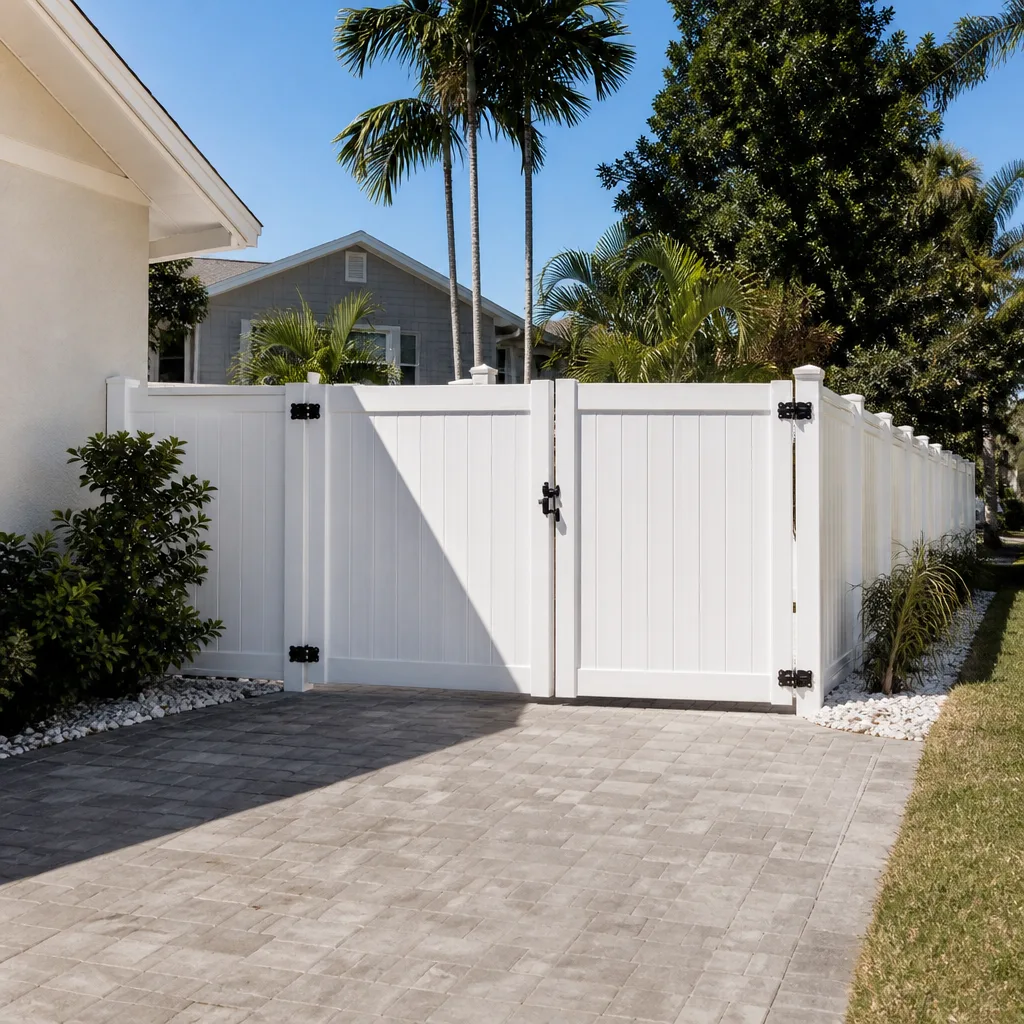
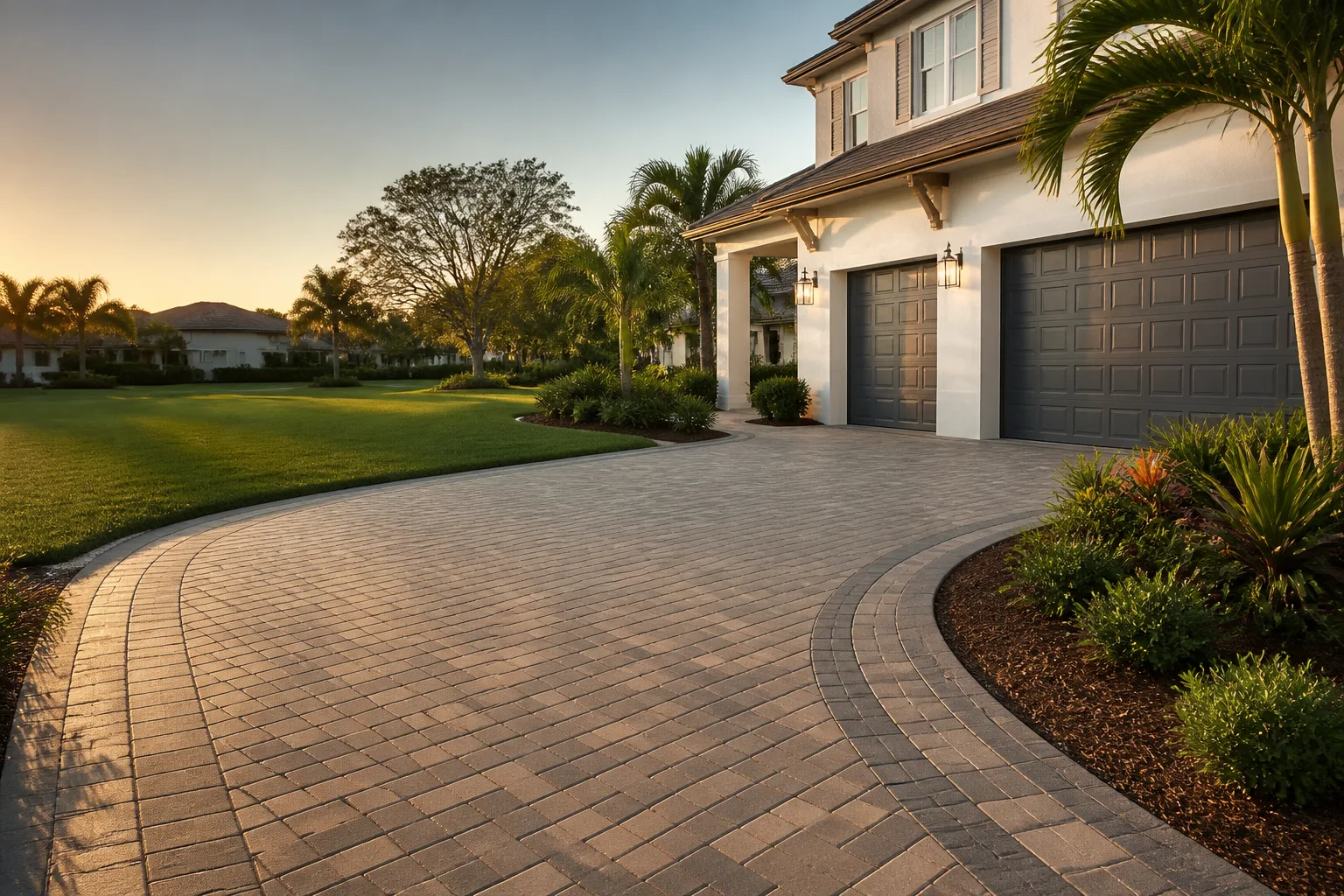
We install Cambridge Pavers driveway and paver systems across Glendale, and a full driveway typically runs $7,000 to $18,000 installed, while a paver patio lands between $3,500 and $11,000. Cambridge Pavers makes interlocking concrete pavers in named profiles and color blends, so the “part” that fails is rarely the paver itself – it’s the bedding layer, the polymeric joint sand, the edge restraint, or the base underneath. Glendale owners usually find out when a stretch of driveway near the street starts to rock underfoot, sand washes out of the joints after a rain, or a border course heaves against the garage apron.
We’re an independent contractor and not affiliated with Cambridge Pavers. What we do is match the right profile and blend to your existing field so a repair blends in rather than looking patched.
Key takeaways
- Failure is almost always base, bedding, joint sand, or edge restraint – not the paver face.
- Cambridge profiles and blends have to be matched by name, not eyeballed at a yard.
- Glendale’s clay soils and summer heat drive most of the movement we see.
- Every quote is a flat written price with a written scope before work starts.
Which Cambridge Pavers Models This Applies To
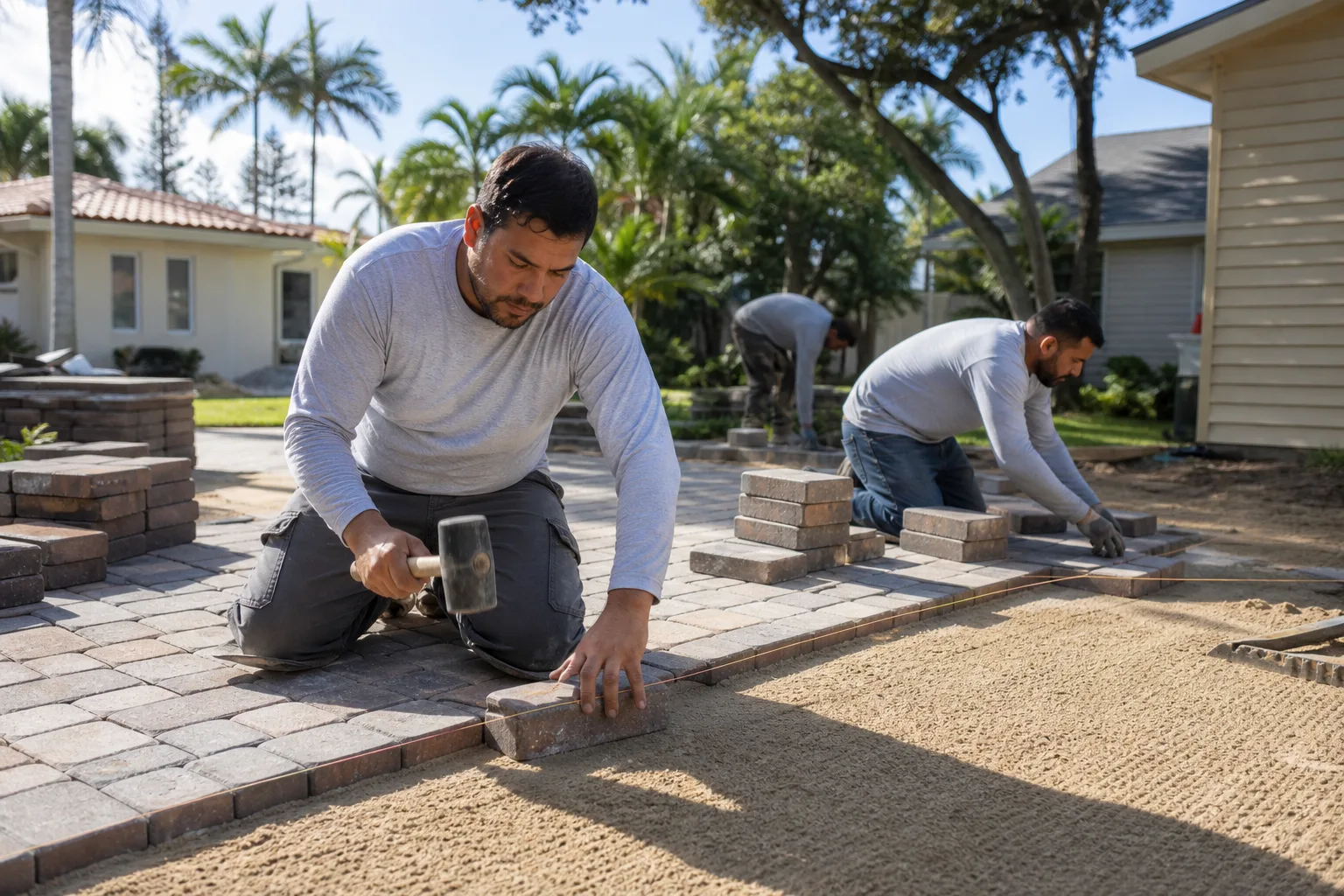
Cambridge Pavers sells pavers by profile name within collections – the Ledgestone, MaytRx, and Bristol Valley families are common on Glendale residential driveways, and each profile comes in set thicknesses (a standard 2 3/8-inch paver for driveways, thinner 1 5/8-inch units for patios and walkways). The profile matters because joint spacing and edge-restraint geometry differ between them: a Ledgestone field set against a MaytRx border uses different restraint clips and a different sand grade. Before we quote a repair, we identify what you actually have.
You can help by measuring a single paver face and photographing the border course where it meets the driveway apron, plus any stamp or wrapper left from the original install. Cambridge prints the profile and color blend on the packaging and often on a spec sheet the installer leaves behind. If the paperwork is gone, we match by profile geometry, face texture, and color lot.
On the OEM-versus-aftermarket question: Cambridge pavers are proprietary profiles, so a generic 6×9 concrete paver won’t seat cleanly against a Cambridge field – the chamfer and the interlock lugs don’t line up, and within a season the joint opens. We source Cambridge-compatible units by profile and blend rather than substituting a lookalike, and we’re honest when a blend is discontinued and a close-match lot is the realistic path. That sourcing depth is the same reason we can quote honest numbers on KraftMaid cabinets, Cambria and Silestone counters, and Belgard or Techo-Bloc hardscape when a job calls for it.
Styles & brands we work with
- Kitchen remodeling
- Bathroom remodeling
- Home additions & ADU
- Roofing
- Windows & doors
- Driveway & pavers
- Fence
Signs Your Cambridge Pavers Driveway & Pavers Is Failing
Glendale sits on expansive clay and gets long dry summers followed by concentrated winter rain, and that cycle is what breaks paver systems. Here’s what owners describe, and what’s usually underneath it.
- Pavers rocking or shifting underfoot. The bedding sand has migrated or the base wasn’t compacted to depth. Once a paver moves, the joint opens and water gets in faster.
- Sand washing out of the joints after rain. The polymeric joint sand has degraded or was never installed to full depth. In Glendale’s heat, cheap joint sand dries and crumbles within a few seasons.
- Heaving or a lip at the driveway apron. Water is pooling at the transition to the street and the base is swelling. This is a drainage problem, not a paver problem.
- Edge course spreading outward. The edge restraint has failed or was set without proper spikes and concrete. Without restraint, the field walks apart at the perimeter.
- Efflorescence, or a white haze that won’t rinse off. Mineral salts rising through the paver from moisture trapped in the base. Cosmetic at first, but it signals a moisture issue worth checking.
See the difference
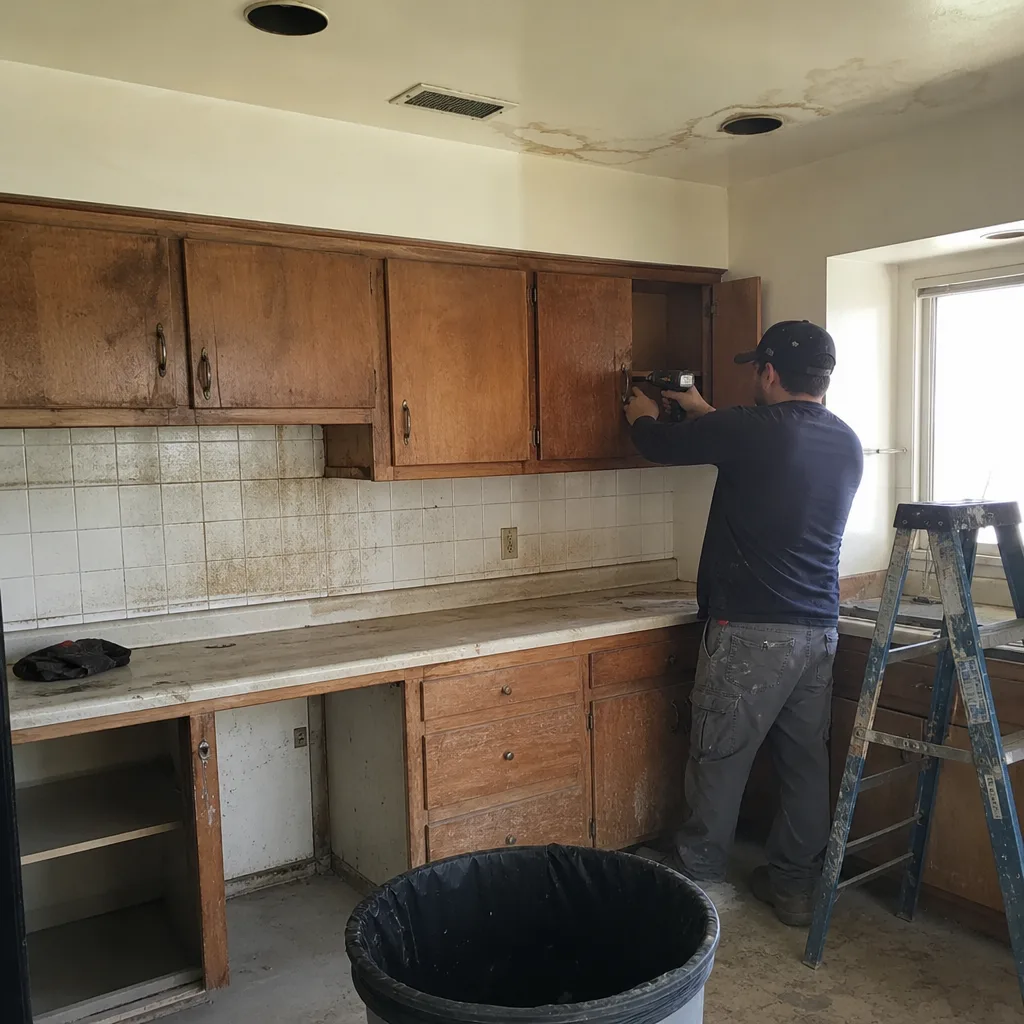 Before
 After
 Before
 After
 Before
 After
Replacement Cost & What’s Included
A Cambridge Pavers repair or partial replacement in Glendale runs $7,000 to $18,000 for a full driveway, $3,500 to $11,000 for a patio, and $5,000 to $14,000 for a driveway replacement where the base has to come out. A targeted repair – lifting a settled section, re-bedding, re-sanding, and resetting edge restraint – prices lower and we quote it as its own line. Sealing, if you want it after the work cures, is $250 to $700.
The range is driven by square footage, how deep the base has to be rebuilt, whether the existing Cambridge profile is still available, and drainage corrections at the apron. Every quote is a flat written price with a written scope before work starts – the number you agree to is the number you pay, and no change proceeds without a signed change order. That discipline is why our projects finish within a few percent of the agreed cost. The work carries our 365-Day Done Right Promise: if it isn’t done right, we make it right.
DIY or Call Us?
An owner can safely check a few things: photograph where water pools, measure a paver face, test whether a joint is hollow by tapping, and confirm the edge restraint is intact. What goes wrong with DIY on pavers is almost always the part you can’t see – reinstalling over a soft base, skipping compaction, or top-dressing with play sand that washes out in one Glendale storm. Lifting a settled section without fixing the drainage underneath just moves the failure a few feet.
If a paver section has moved, the honest move is to have the base evaluated before anything gets reset. Call (844) 320-5930 and we’ll schedule a free estimate – and if you already have a competitor’s written quote, we’ll review it line by line at no charge.
FAQs
The paver units themselves last decades, but the system around them – joint sand, bedding, and edge restraint – is what dictates real lifespan in Glendale. Expect to re-sand joints and check restraint every few years in our climate; a properly built base under a Cambridge field can hold for 20-plus years, while a shallow base over clay shows movement within a handful of seasons.
Often yes. If the failure is localized to a settled section, failed joint sand, or a spread edge course, we lift and reset that area, re-bed it, restore the joint sand, and fix the drainage that caused it – at a fraction of full-replacement cost. If the base has failed across the whole driveway, a patch won’t hold and we’ll tell you that plainly.
A targeted repair is usually a one-to-two day job; a full driveway replacement runs several days depending on square footage, base depth, and drainage corrections, and the new surface needs to cure before you drive on it. We give you the timeline in writing with the quote so you can plan around it.
We match by profile name, thickness, and color blend, sourcing Cambridge-compatible units rather than a generic substitute. If your blend has been discontinued, we tell you up front and show you the closest lot so you can decide – not after the materials are on site. Call (844) 320-5930 for a free estimate and we’ll confirm the match before quoting.
Written by the team at Rowan Construction Group Glendale, serving Glendale and nearby areas.