Free written scope consultation - allowances, timeline, and change-order rules on paper before a single trade is scheduled
Boral Home Additions & ADU: The Glendale Owner’s Guide
We install and repair Boral-spec home additions and ADU assemblies in Glendale, and a typical permitted addition runs $45,000 – $130,000 depending on square footage, foundation type and finish level. This is planned construction, not emergency work, so scheduling follows permit timelines rather than dispatch windows. Owners usually land here after a symptom shows up in an existing structure: a hairline crack tracking across a Boral cultured-stone veneer panel, efflorescence blooming white on a north-facing wall, or a grout line that has started to read as a dark seam under the patio cover. Each of those is a signal about moisture, movement, or both.
Key takeaways
- Boral makes veneer, trim and cultured-stone products used as exterior cladding and detailing on additions and ADUs. It does not make the structural frame, sheathing or foundation beneath them.
- Most “Boral failures” in Glendale are installation or drainage failures that show up on Boral material.
- Written flat price before any work starts. Change orders signed before anything changes. Photo record on every visit.
Which Boral Models This Applies To
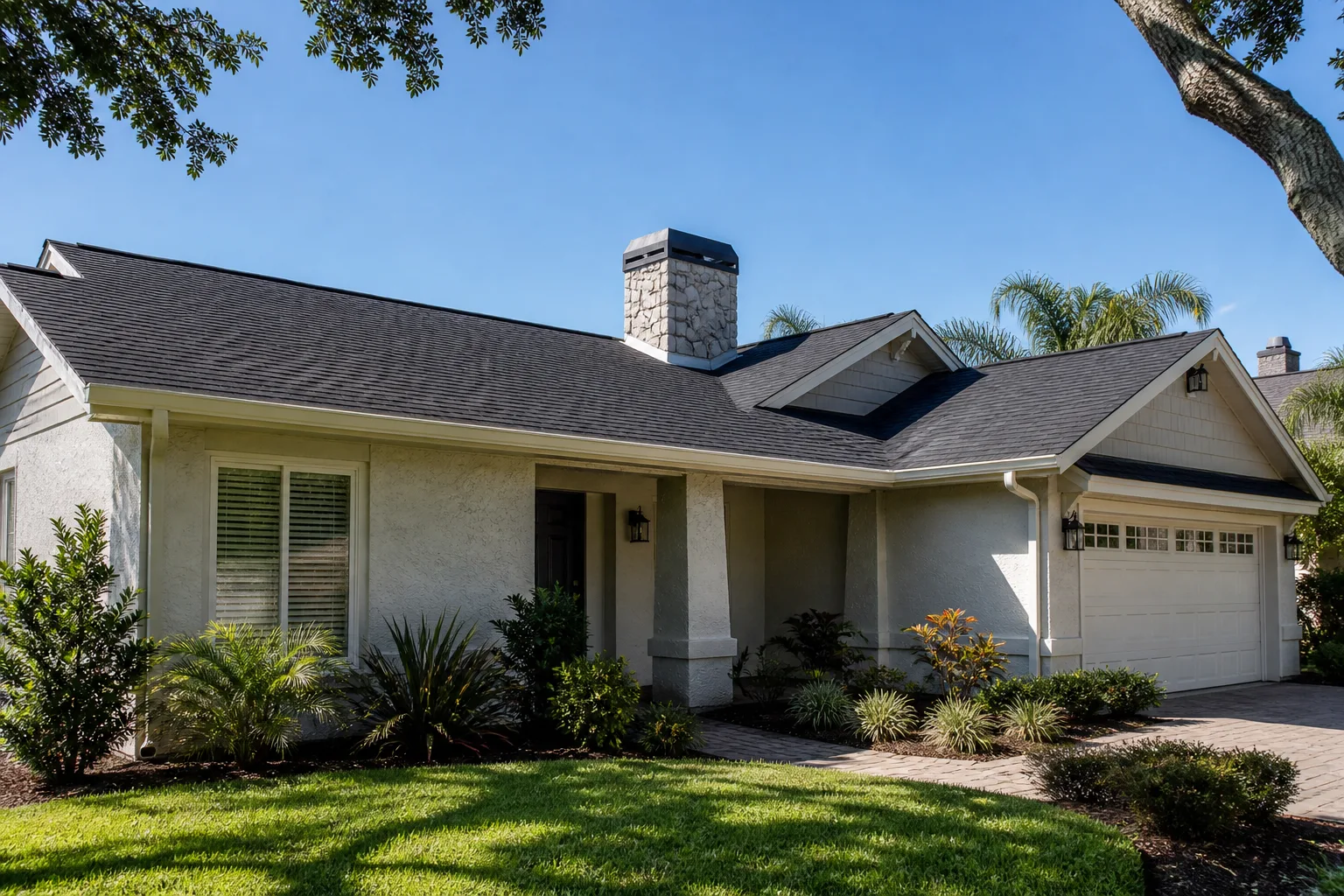
Boral’s residential exterior line covers cultured stone veneer, cast stone trim, and manufactured siding profiles. On a typical Glendale addition or ADU, you’ll see these as wall veneer, banding around windows, or a wainscot at the base of a stem wall. To identify what you have, look at three places: the original permit set (the finish schedule names the product and color), the back of any loose piece you can safely reach (screed lines and a mold number are often impressed), and the veneer texture itself. Boral cultured stone is cast from molds, so the surface repeats in a pattern; natural stone does not.
Where owners get this wrong is matching by eye. Two Boral profiles can look nearly identical in a photograph but differ in thickness and corner-return dimensions, and a mismatched unit won’t sit flush against a weep screed. If your piece carries a mold number, that number is the match. If it doesn’t, a measured field sample (thickness, face width, corner depth) is the next best proof. On the OEM-versus-aftermarket question: for Boral veneer and trim, matching the original profile matters more than brand loyalty, because the visual continuity is the whole point. We source against the spec, not just the name.
Rowan Construction Group Glendale is an independent contractor. We’re not affiliated with Boral, and we don’t speak for them.
Styles & brands we work with
- Kitchen remodeling
- Bathroom remodeling
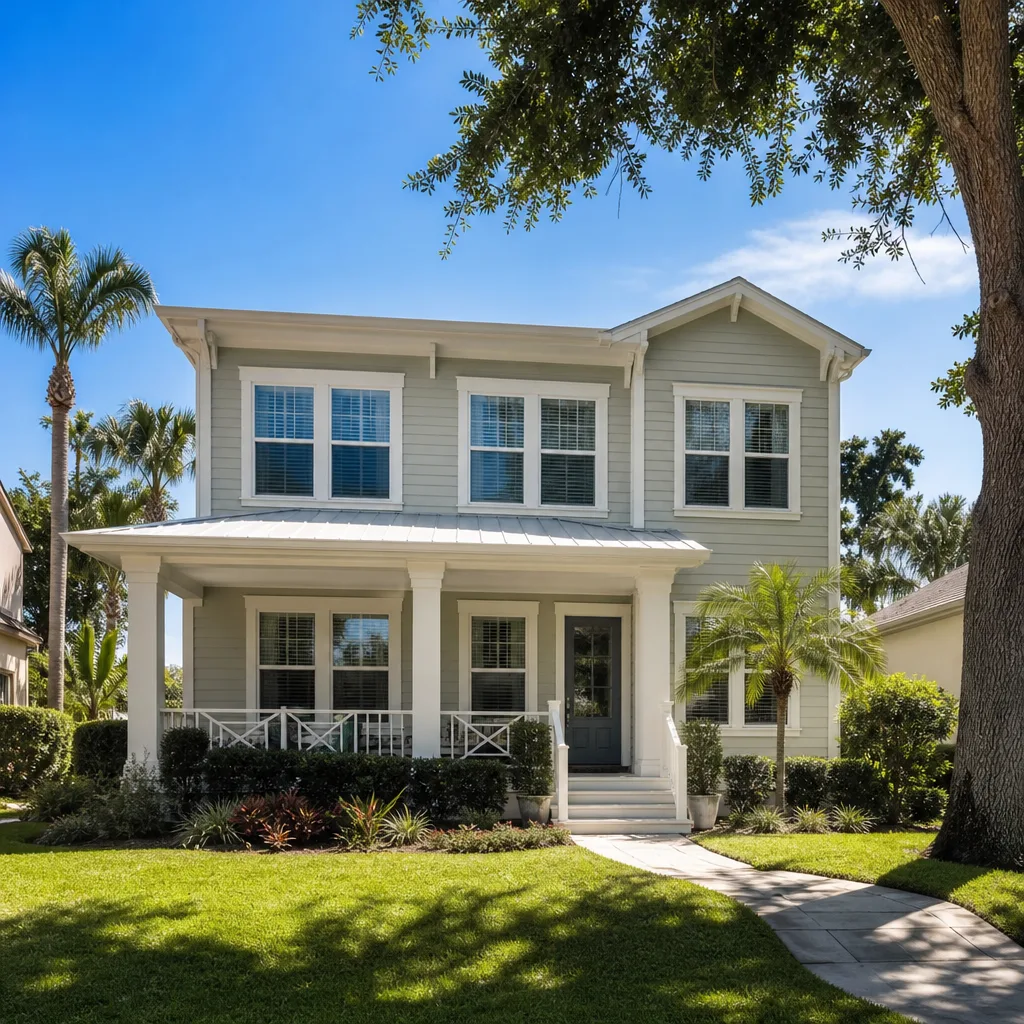
- Home additions & ADU
- Roofing
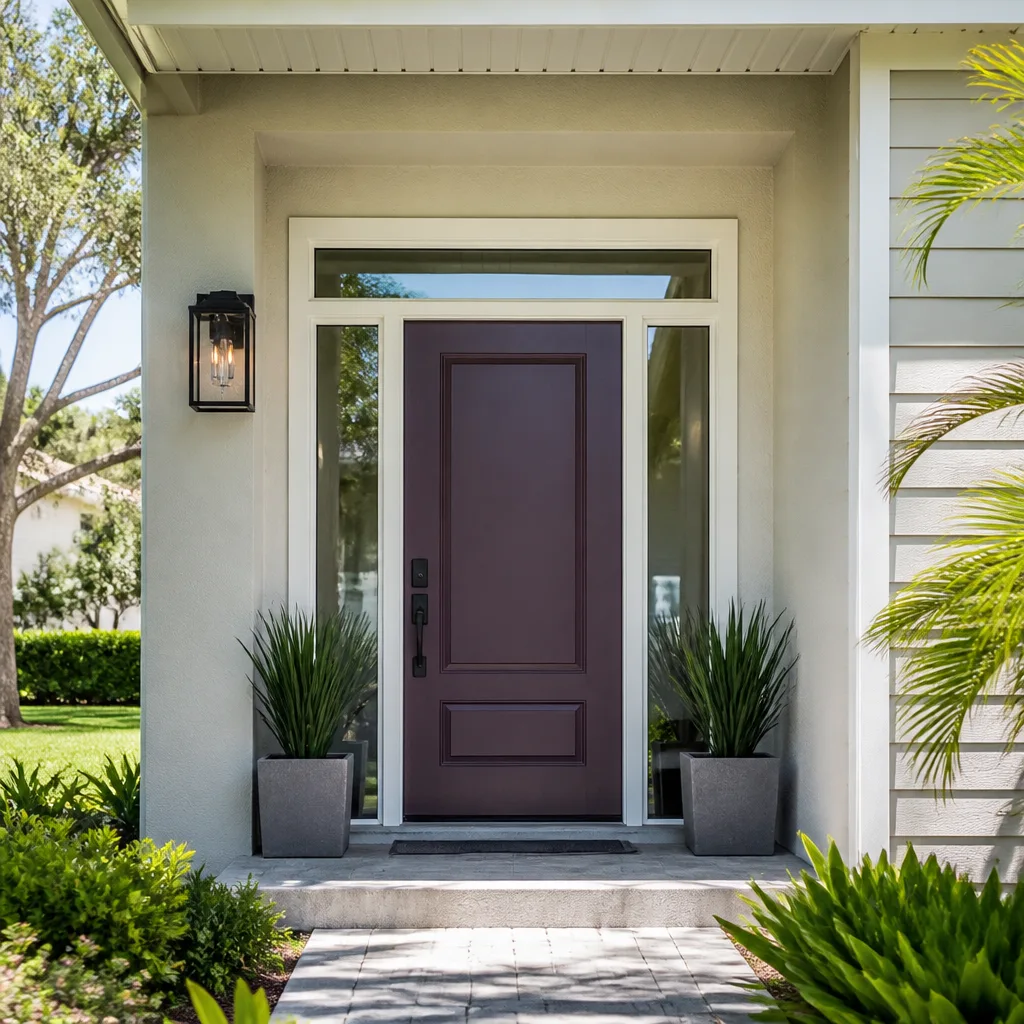
- Windows & doors
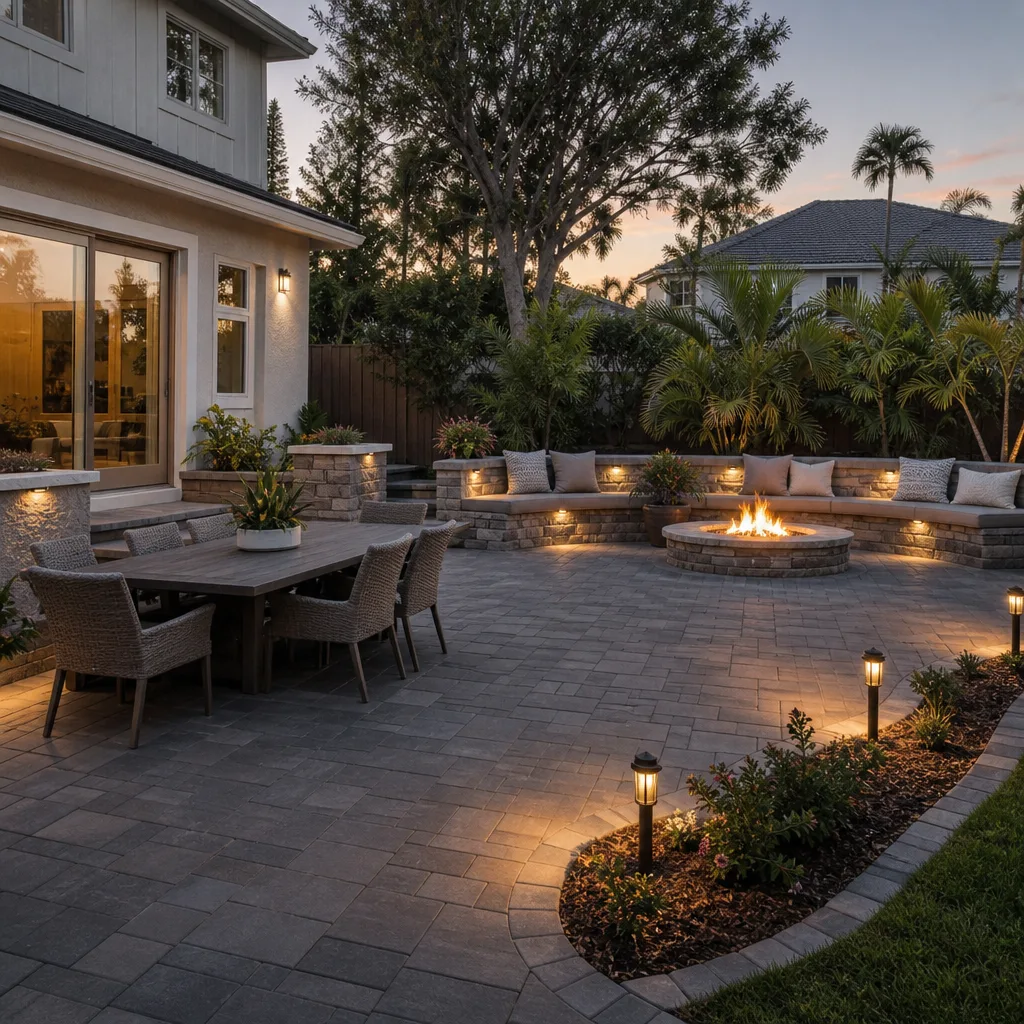
- Driveway & pavers
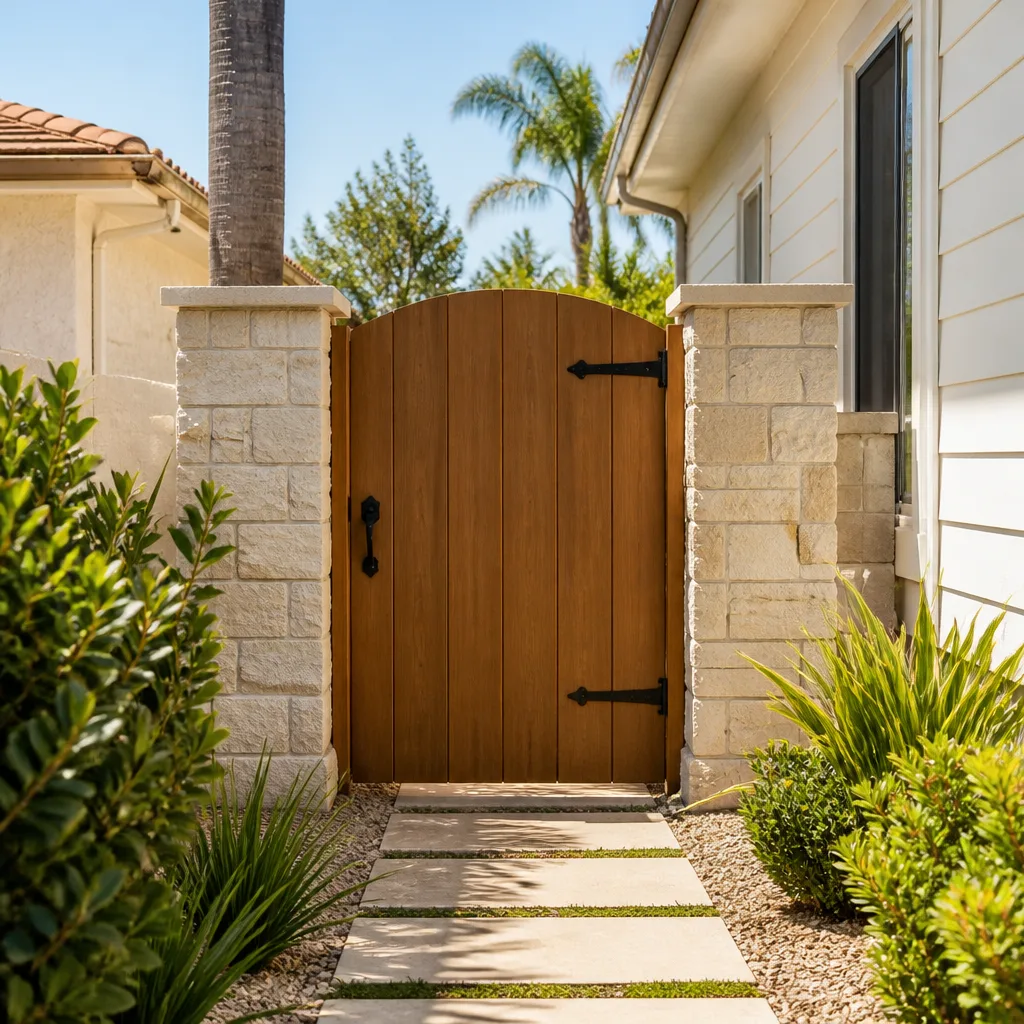
- Fence
Signs Your Boral Home Additions & ADU Is Failing
What you’re seeing is almost always the building telling you something about water, movement or substrate. Here’s what each symptom usually means.
- Efflorescence (white powdery bloom on the face). Water is moving through the veneer and evaporating at the surface, carrying salts with it. It’s not a defect in the stone; it’s a drainage or flashing problem above or behind it.
- Hairline cracks that follow a pattern. Cracks tracking along mortar joints or repeating at the same vertical line point to substrate movement or missing control joints, not to the Boral unit itself.
- Dark staining at the base or under windows. Persistent damp bands mean water is trapped against the veneer with no path out. In Glendale, this often shows up on walls that face the marine layer to the south and stay shaded most of the day.
- Spalling or face loss on individual units. A single piece shedding its surface, while neighbors are intact, points to a unit that was set with the wrong mortar or saturated before installation.
- Separation at corners or around openings. A visible gap between a veneer corner return and the adjacent wall means the ties or the substrate have moved. That’s a structural question, not a cosmetic one.
One reality worth naming: our dry summers and wet winters are hard on exterior veneer assemblies that were flashed poorly. A wall that looks fine in August can read very differently after three weeks of rain in January. The material doesn’t fail on its own schedule; the detail behind it does.
See the difference
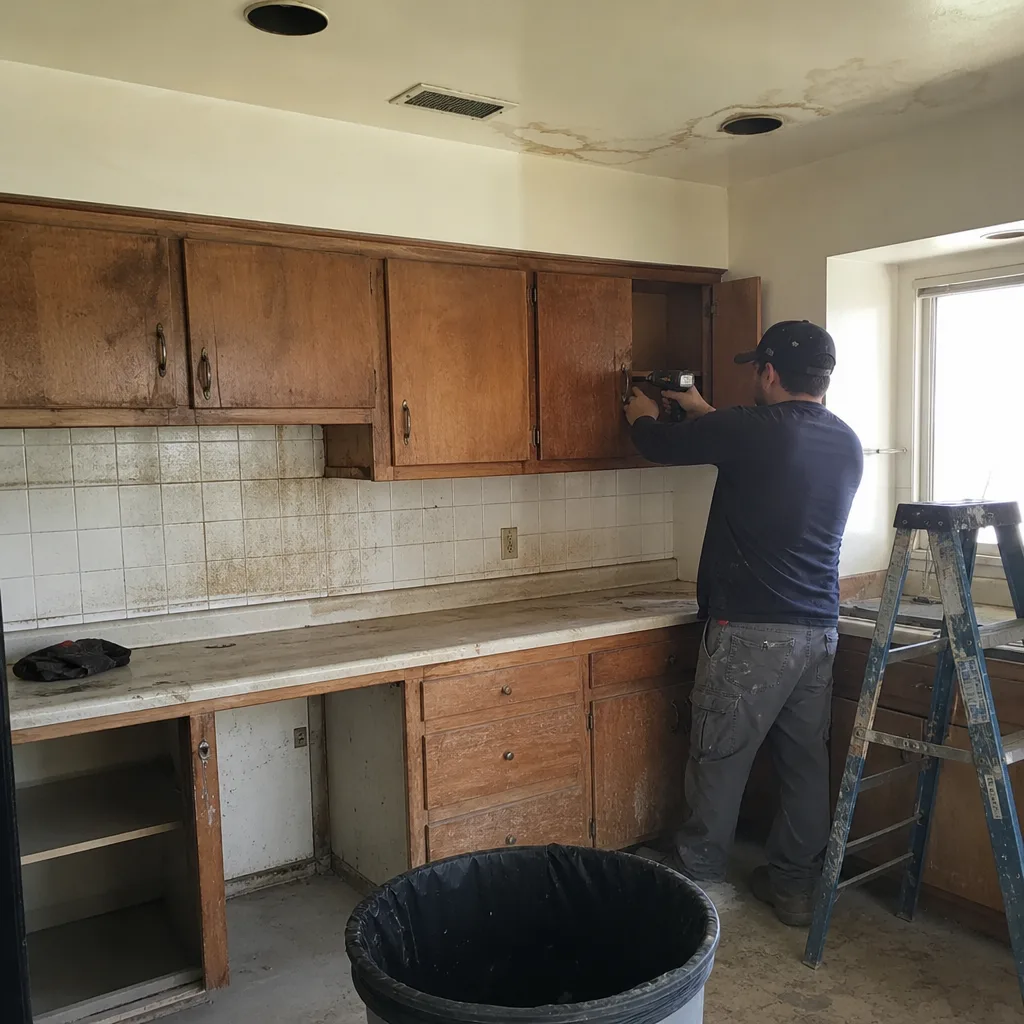 Before
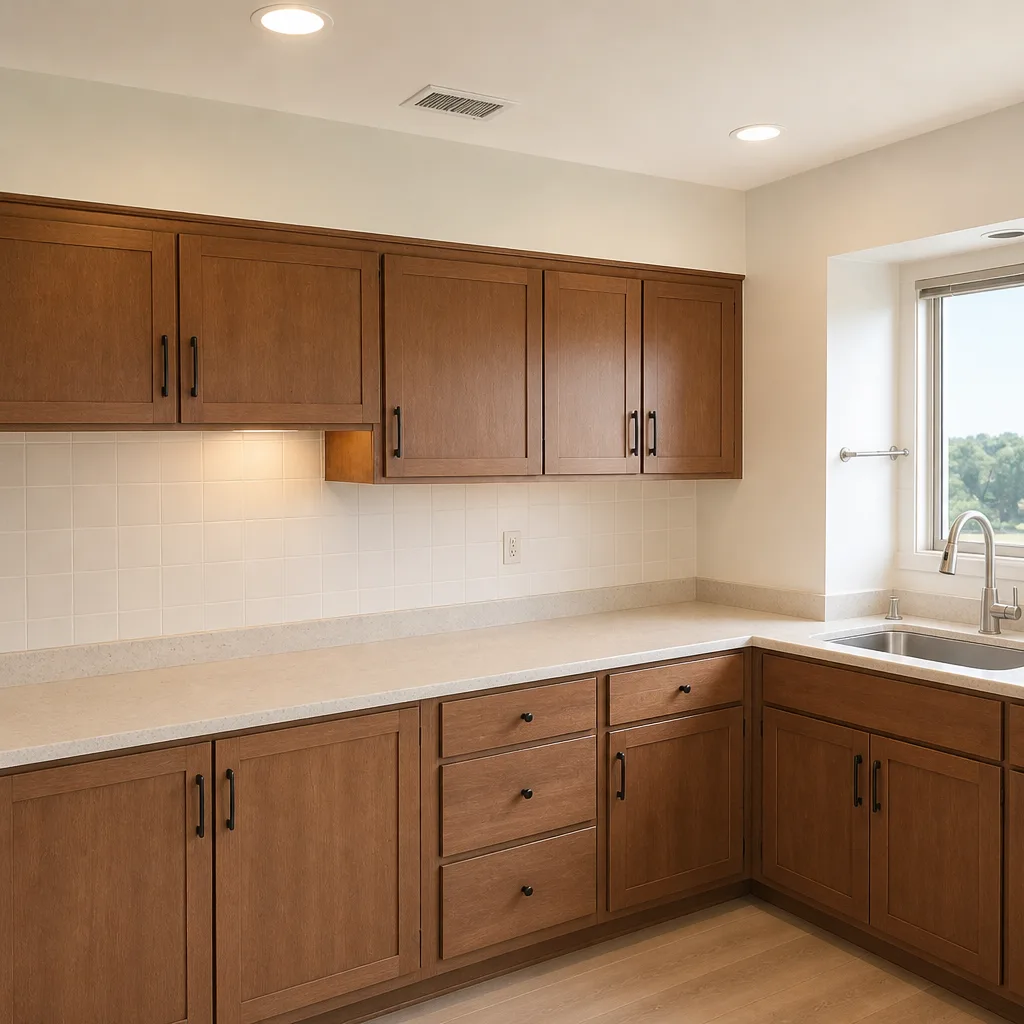 After
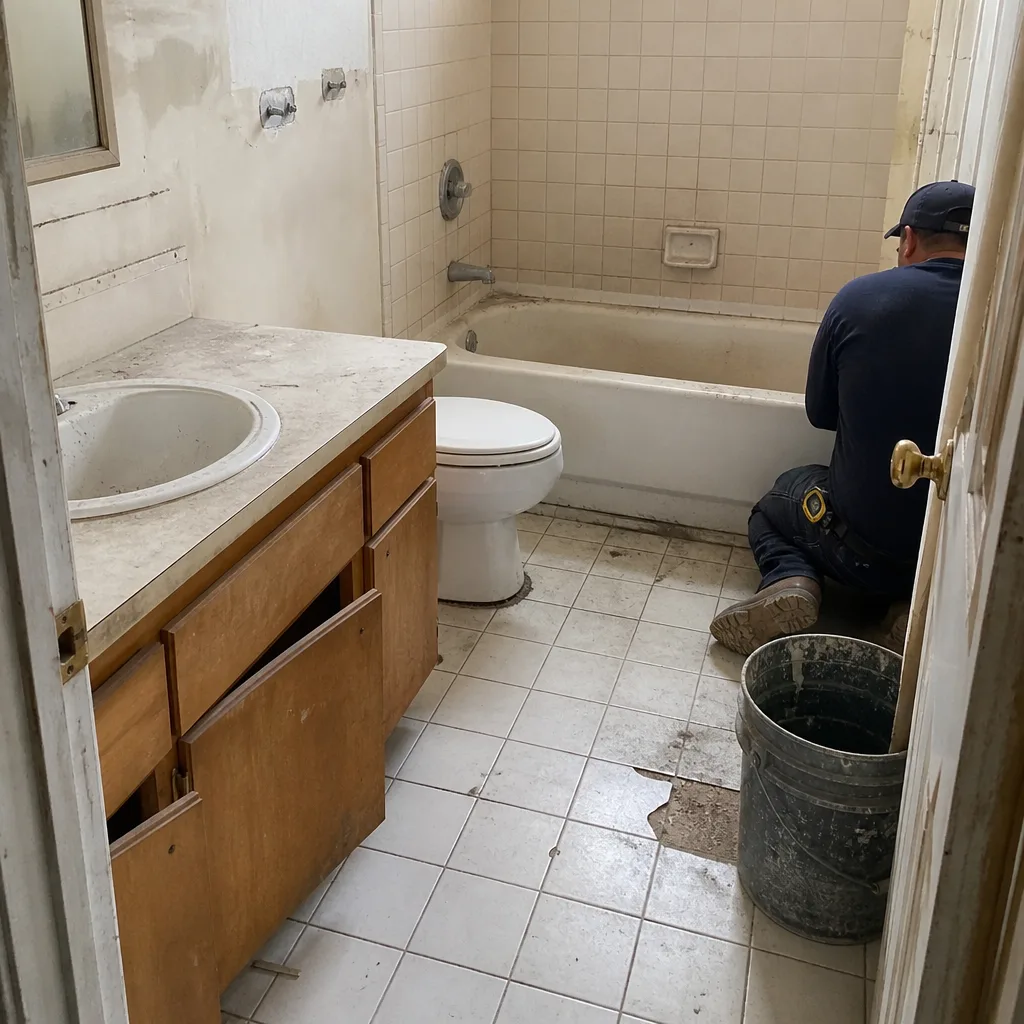 Before
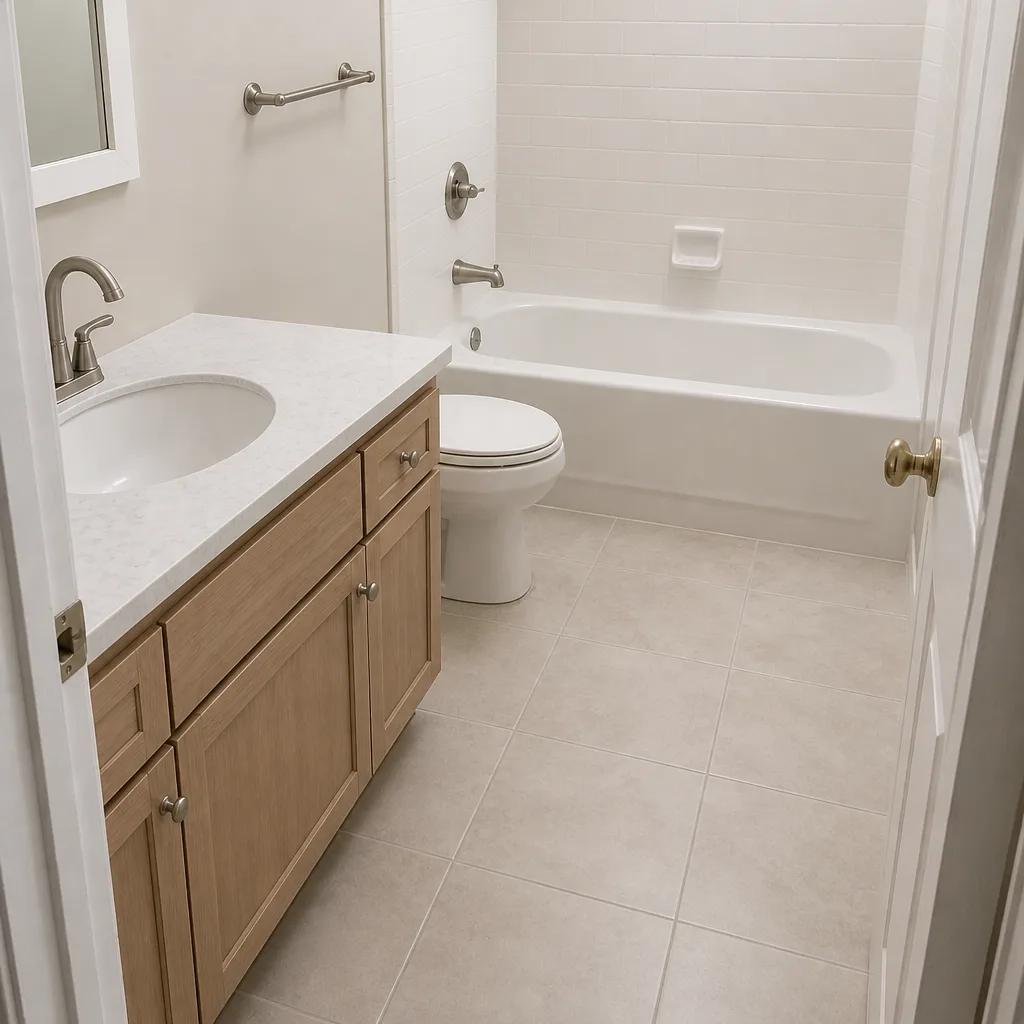 After
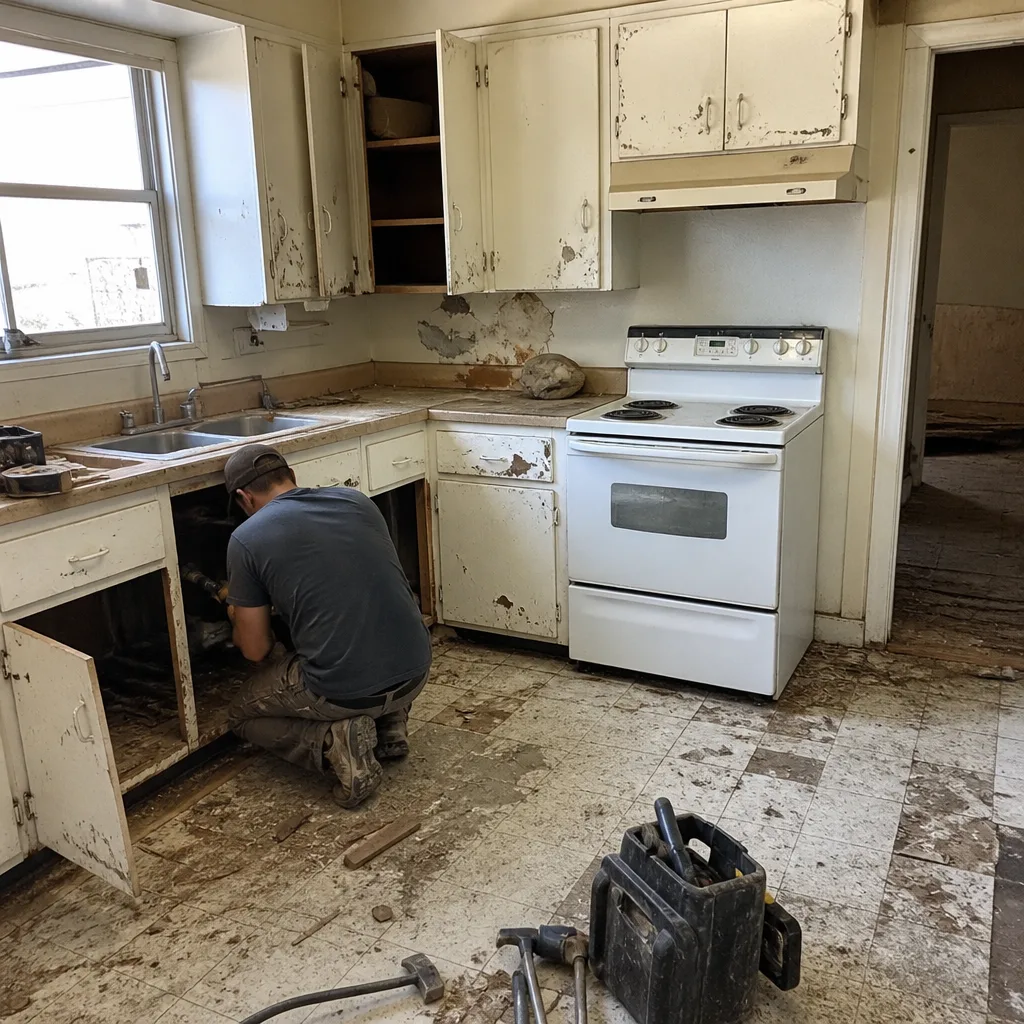 Before
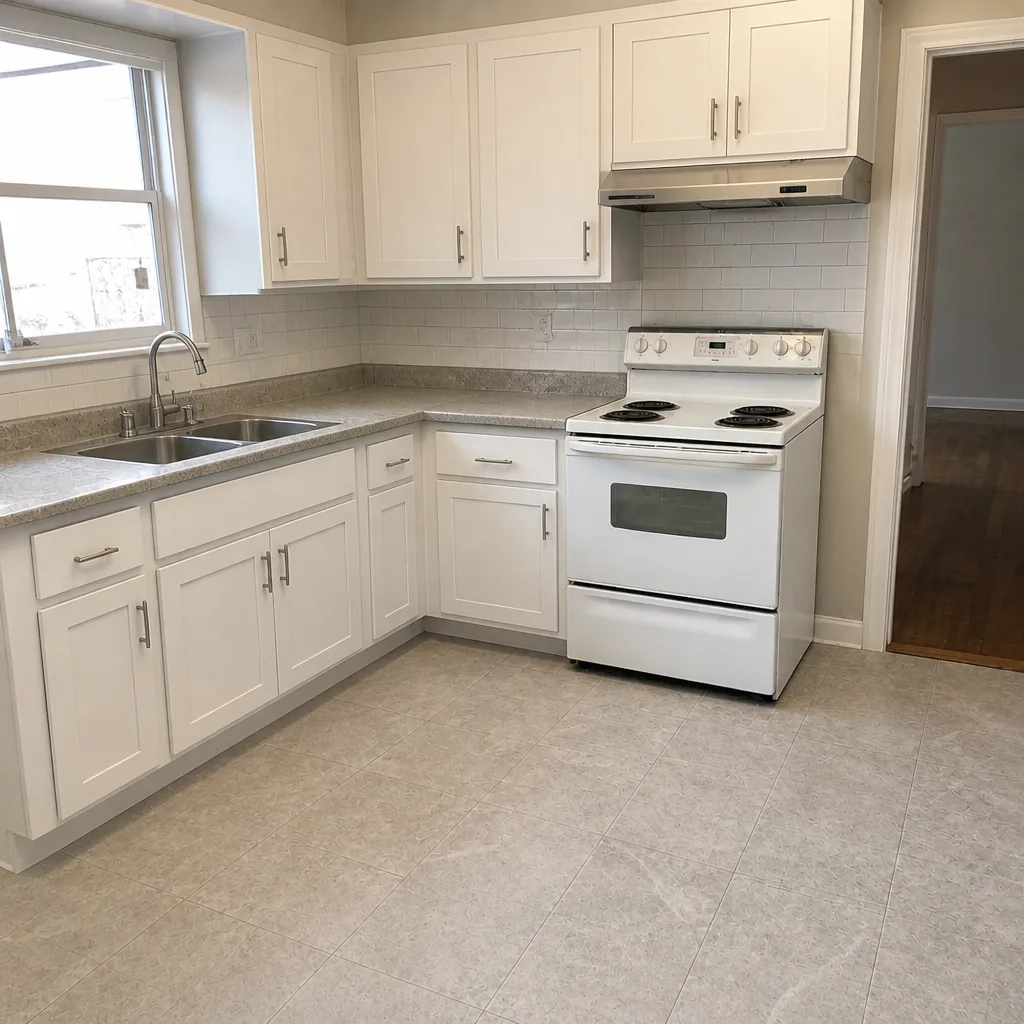 After
Replacement Cost & What’s Included
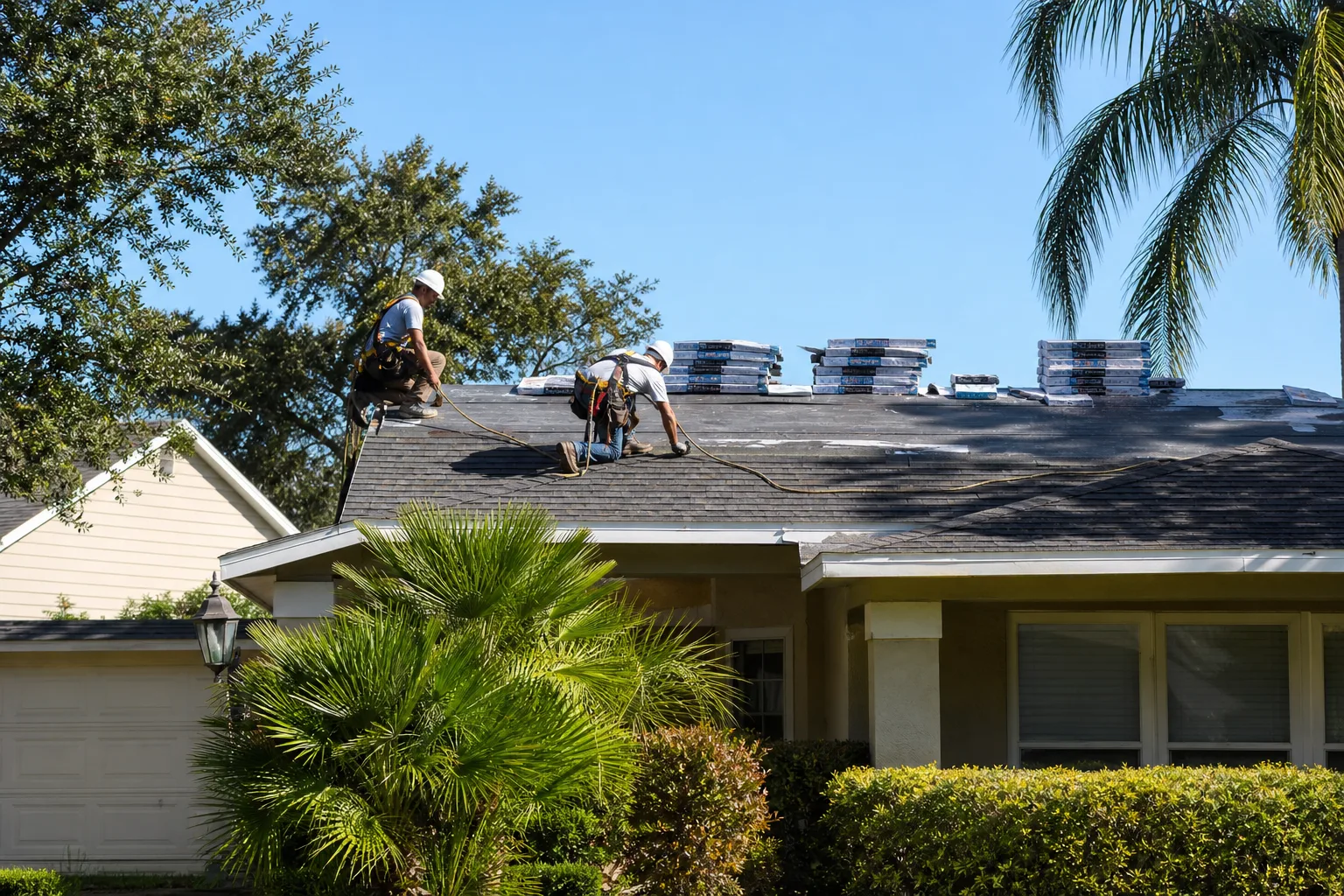
An addition or ADU project in Glendale runs $45,000 – $130,000, and the Boral veneer and trim portion is a line item inside that number, not the whole job. A full ADU build runs $90,000 – $220,000; a garage conversion runs $30,000 – $80,000.
What moves the range: square footage, whether the foundation is slab or raised, whether the existing wall has to be opened to fix the flashing behind the veneer, and how much material has to be matched to keep the face continuous. A small repair to a failed run of veneer is a different scope from a full new exterior. We quote them the same way: a flat written price with a written scope before anyone picks up a tool.
- Written flat price with line items, not a range that widens later.
- Signed change orders only. Nothing changes on the job until the change is priced and signed.
- Documented photo record of what we found behind the veneer and what we did about it.
- Workmanship warranty in writing, backed by The 365-Day Done Right Promise: if it isn’t done right, we make it right.
- Free second opinion on any written estimate you’ve already received, reviewed line by line.
If you’re weighing Boral against other exterior finishes, we also work with KraftMaid, Cambria and Silestone on interior scopes that often run alongside an addition.
DIY or Call Us?
Some of this you can check safely. Walk the wall and note where the efflorescence, staining or cracking starts and stops. Photograph the pattern. Look at the ground line for soil piled above the weep screed, and check whether downspouts discharge against that wall. Those observations are useful and they cost nothing.
What we’d stop short of is removing veneer units, cutting into the wall to inspect flashing, or resetting stone on a two-story face. Behind that thin veneer is a drainage plane and a structural substrate, and a wall opened carelessly lets water in where it didn’t used to. On an ADU or addition, the exterior is also part of your permitted envelope, and unpermitted modifications create a problem when you sell.
Call (844) 320-5930 and we’ll look at it. The estimate is free, the price is written before any work starts, and you get a photo record of what we found.
FAQs
The veneer itself is a durable material and can hold up for decades when the flashing and drainage behind it are correct; the realistic failure point is the assembly, not the stone. Most of the calls we get in Glendale trace back to a moisture path that developed years after install, not to the veneer deteriorating. Call (844) 320-5930 if you’re seeing staining or bloom and want a straight read on whether it’s the stone or the wall.
Often yes. Efflorescence and localized staining can frequently be addressed by fixing the water source and cleaning the face, without replacing any units. Units that have spalled or lost their face generally have to be swapped, and the surrounding pattern re-matched. We’ll tell you which one you’re dealing with before quoting anything.
A small veneer repair is usually one to three days on site, depending on how much material has to be matched and whether the flashing needs correcting. A full exterior on a new addition or ADU follows the permit and construction schedule, which we lay out in writing before work starts. Call (844) 320-5930 for a realistic timeline on your specific wall.
We match against the specification, not against a photograph. That means the mold number or profile dimensions from your existing piece, the original permit set’s finish schedule, and the thickness and corner-return measurements that actually govern fit. We don’t claim to carry Boral parts or stock them anywhere; we source to your spec and tell you in writing what we’re ordering and what it costs.
Written by the team at Rowan Construction Group Glendale, serving Glendale and nearby areas.