
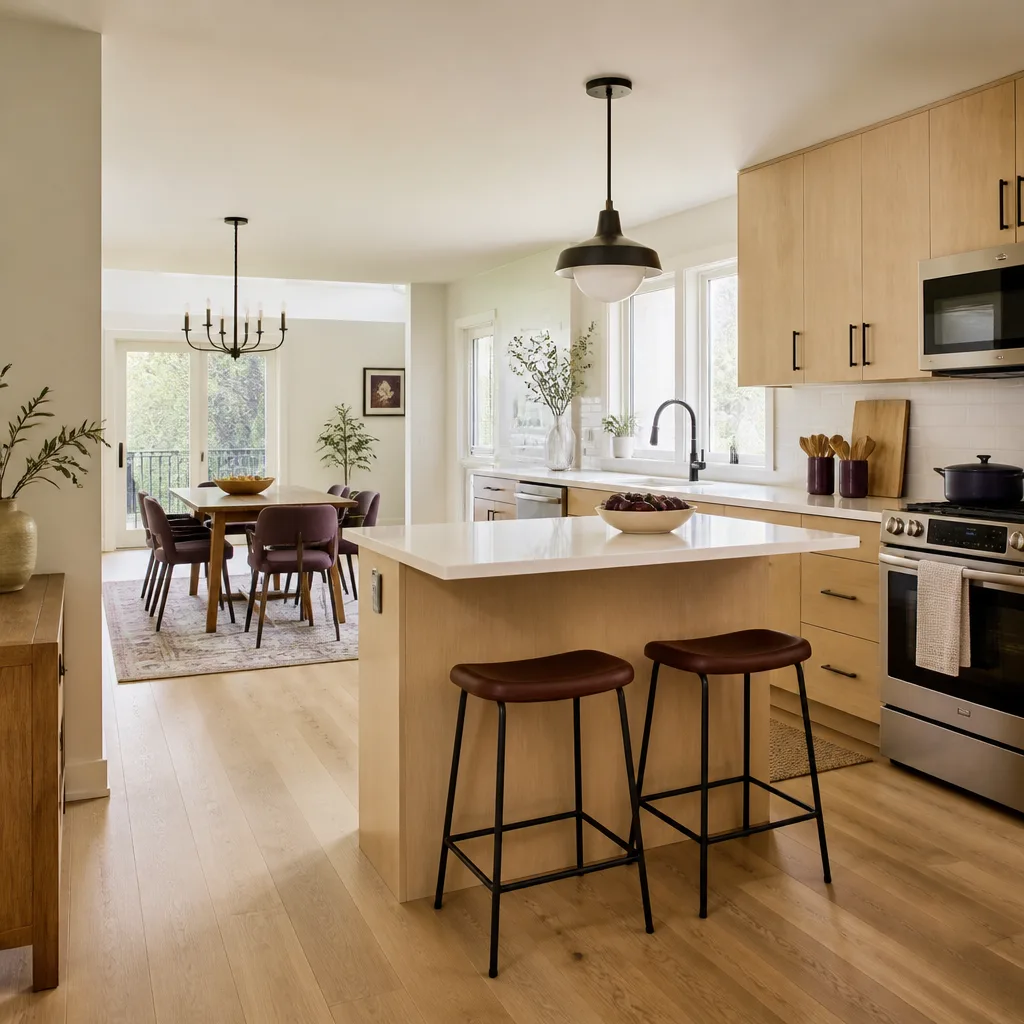
Free written scope consultation - allowances, timeline, and change-order rules on paper before a single trade is scheduled
Styles & brands we work with
- Kitchen remodeling
- Bathroom remodeling
- Home additions & ADU
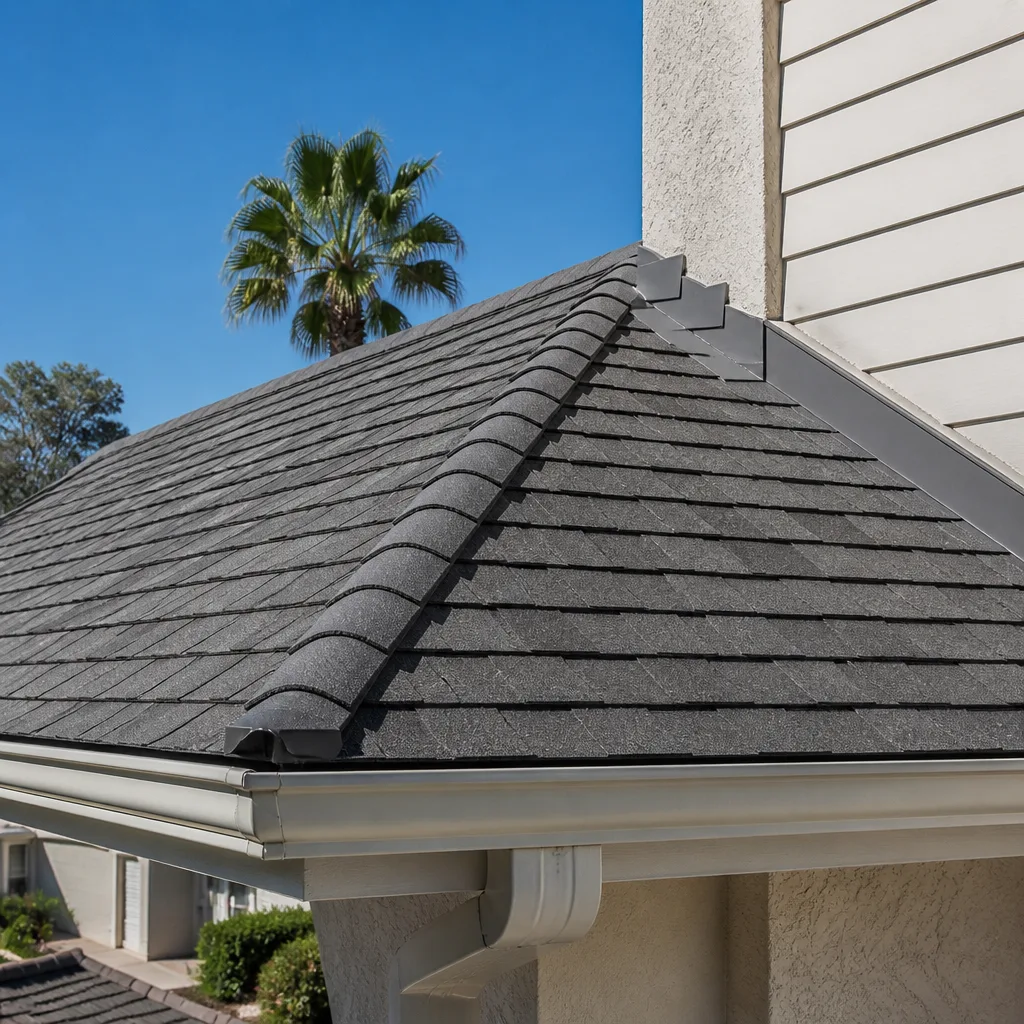
- Roofing
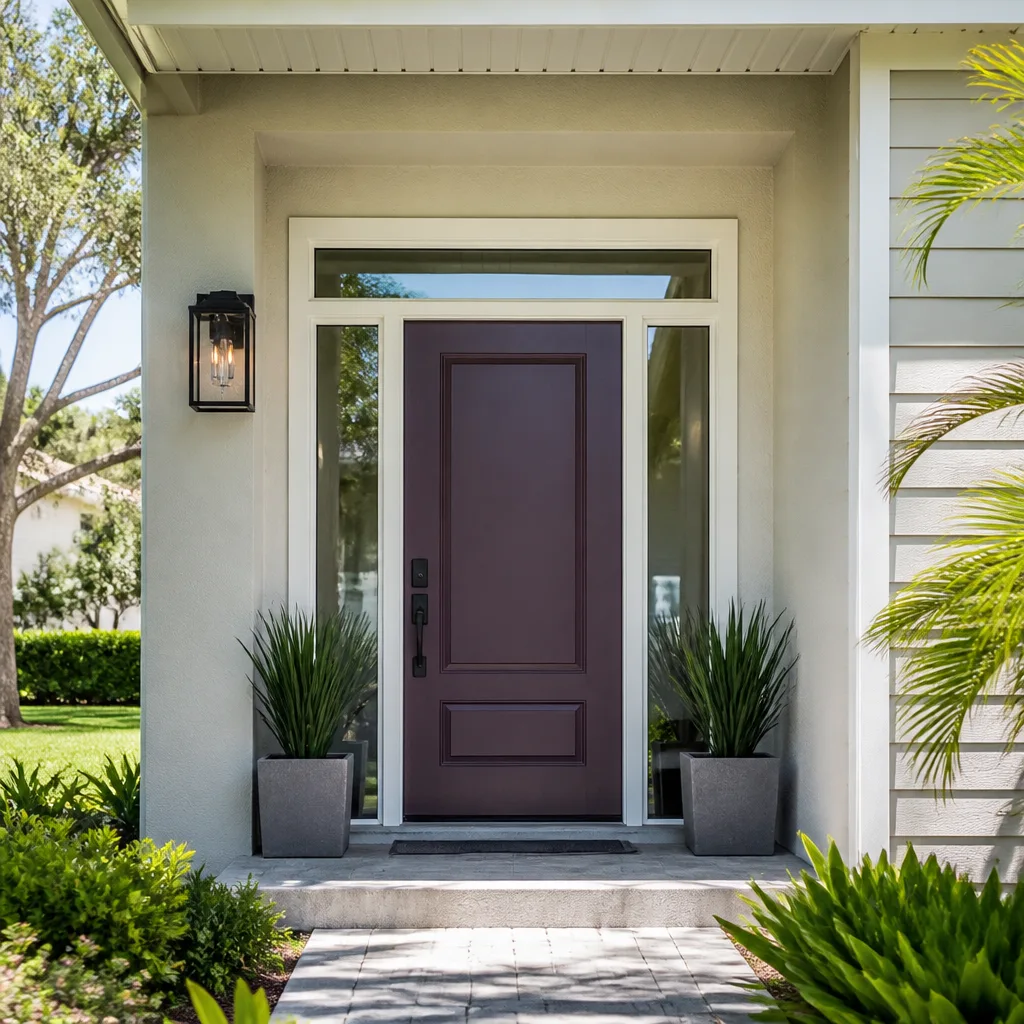
- Windows & doors
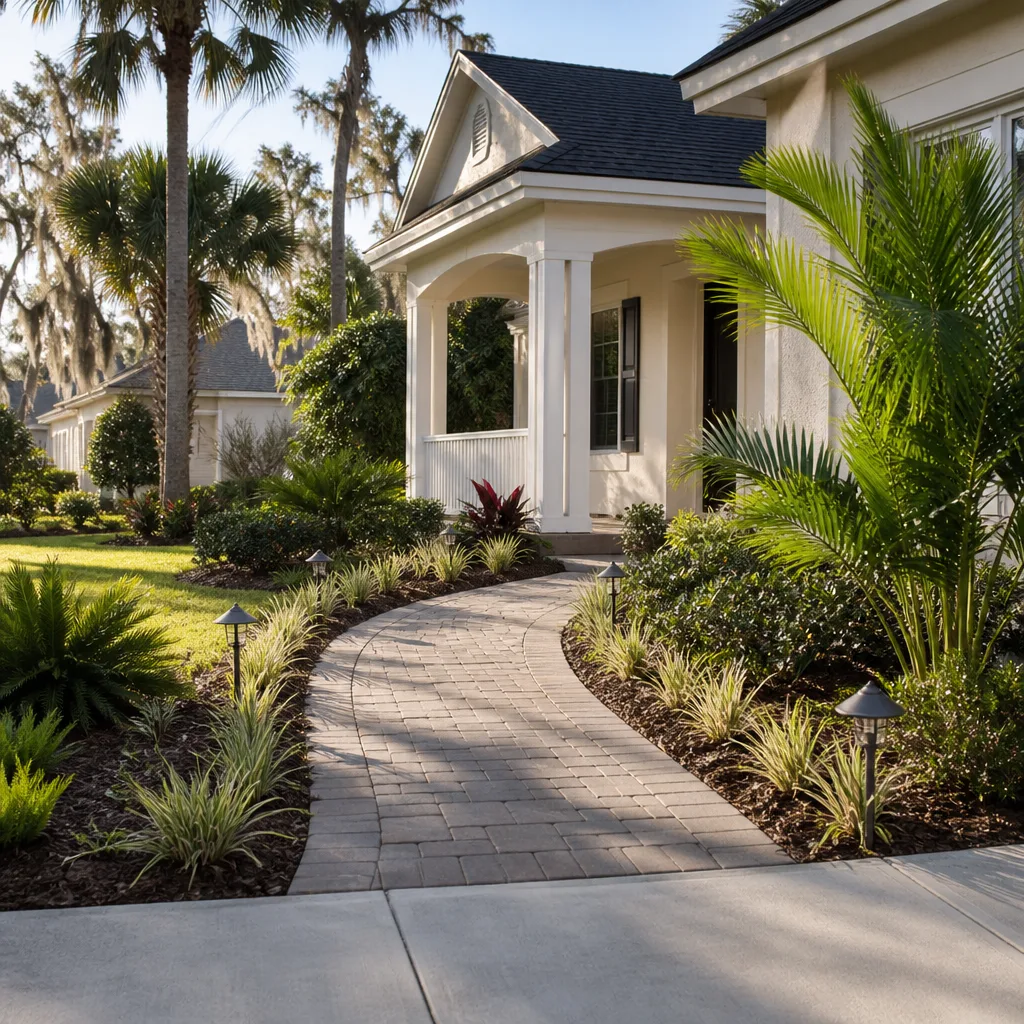
- Driveway & pavers
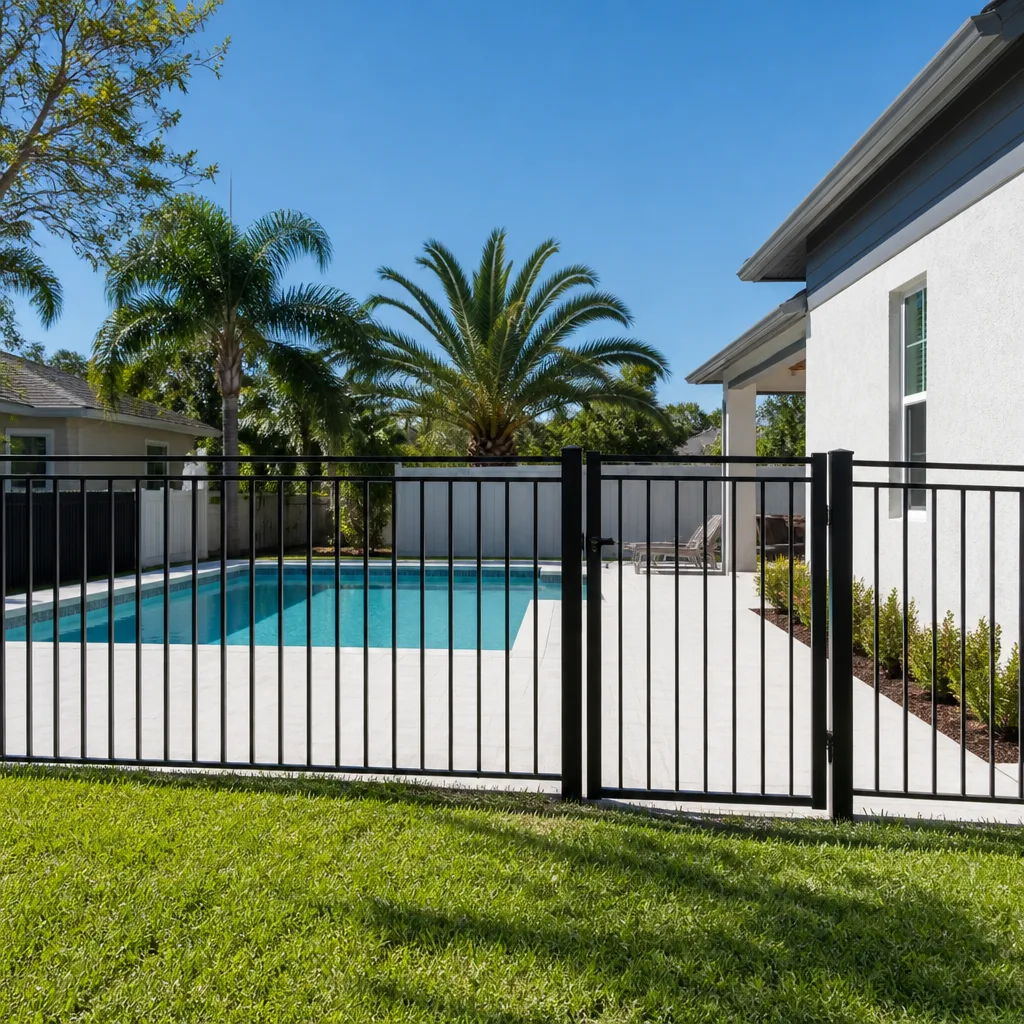
- Fence
See the difference
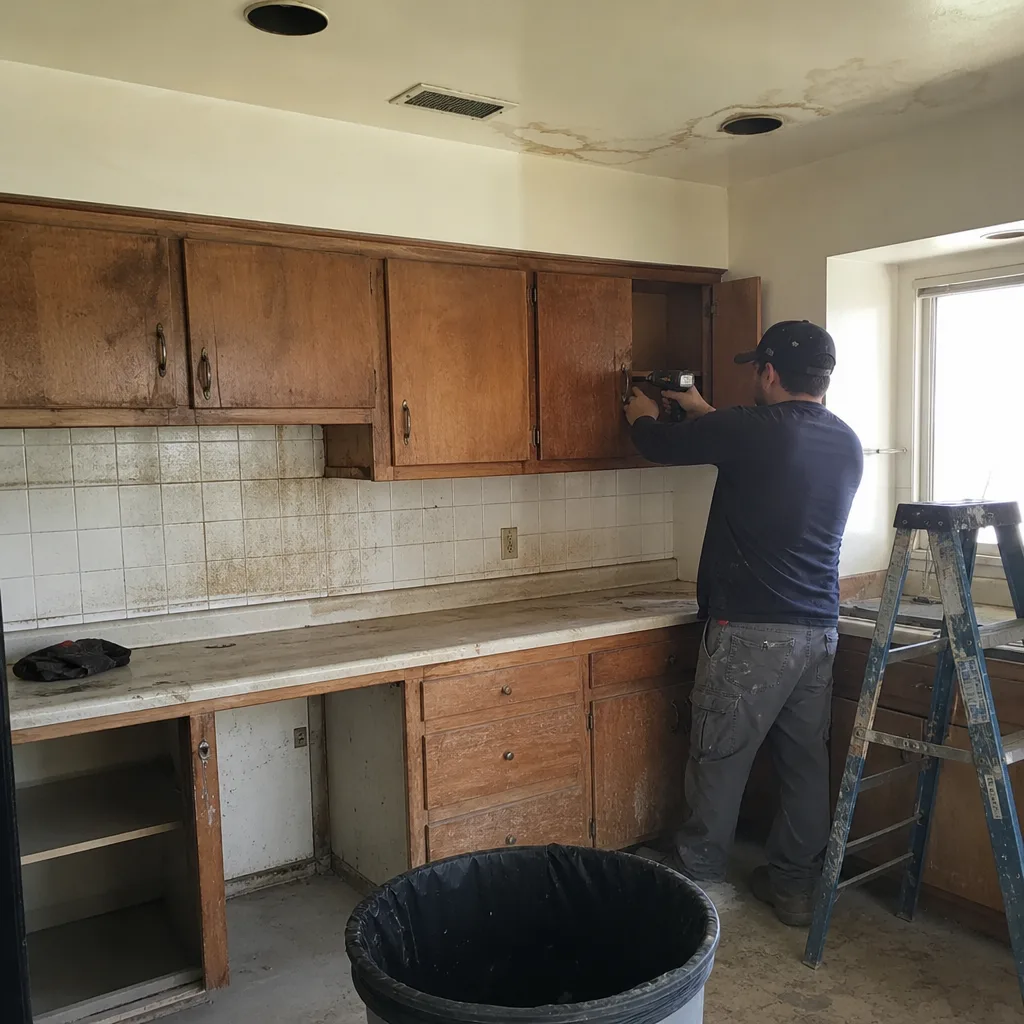 Before
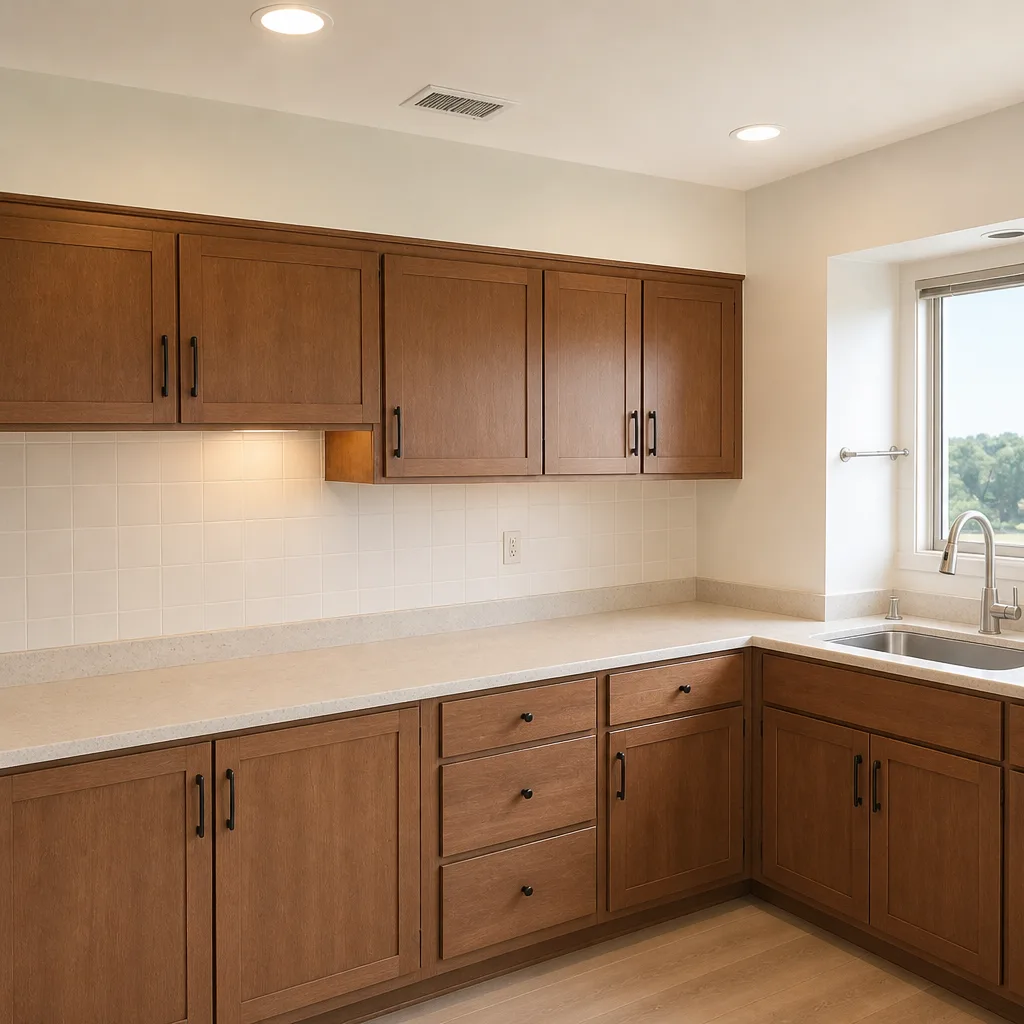 After
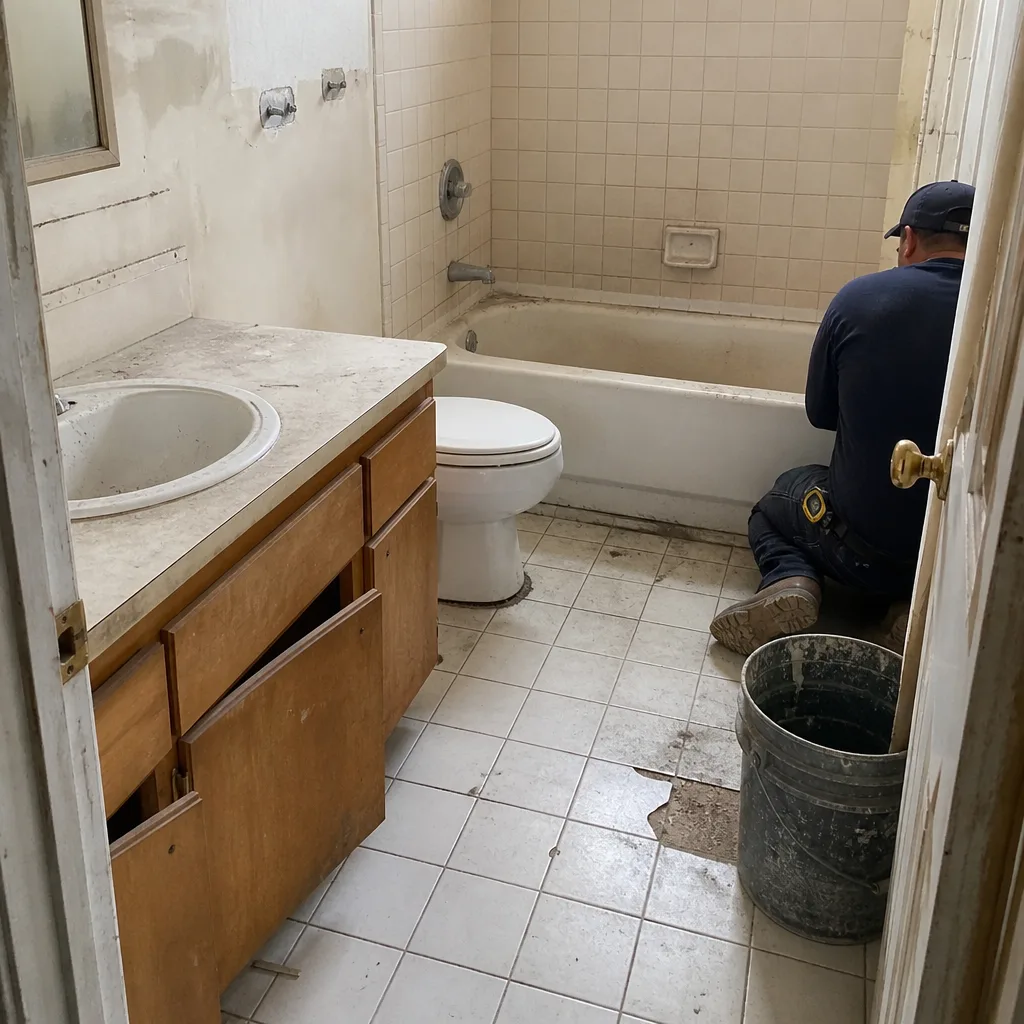 Before
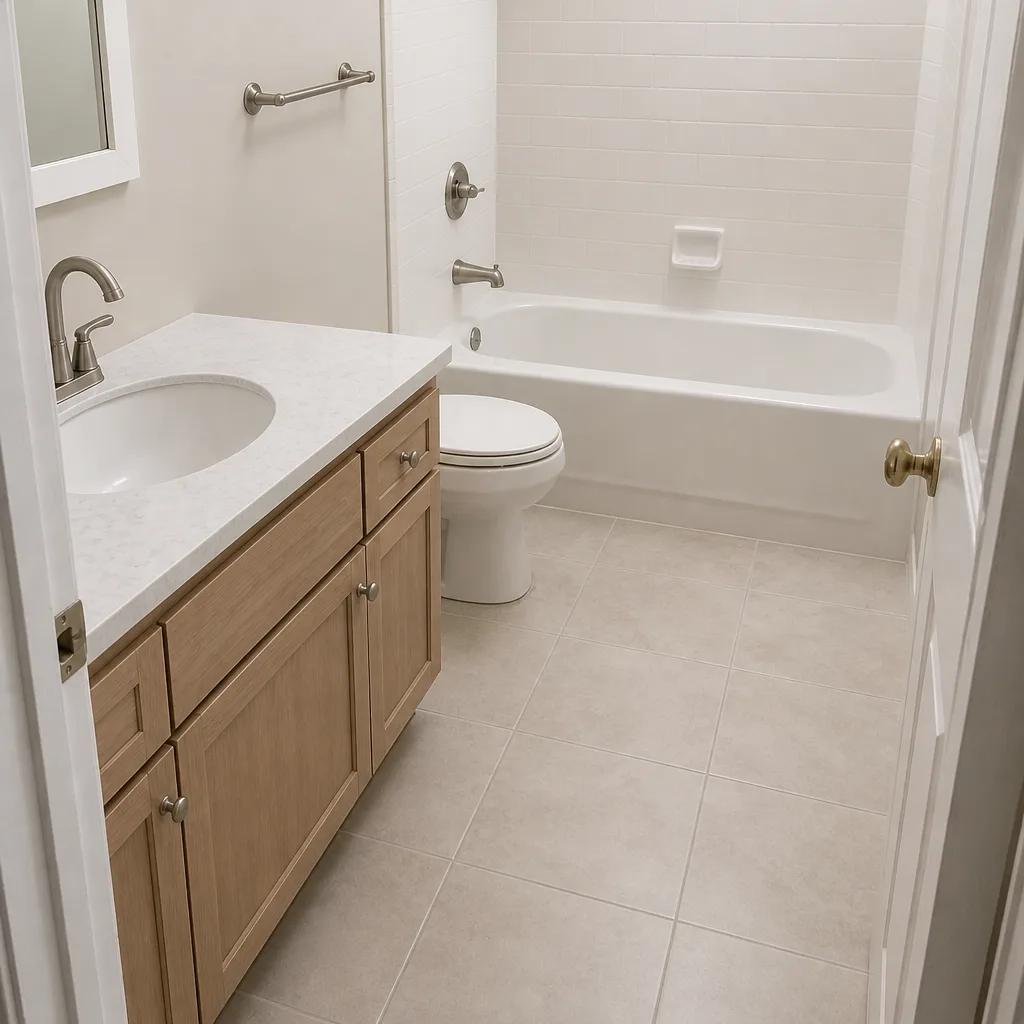 After
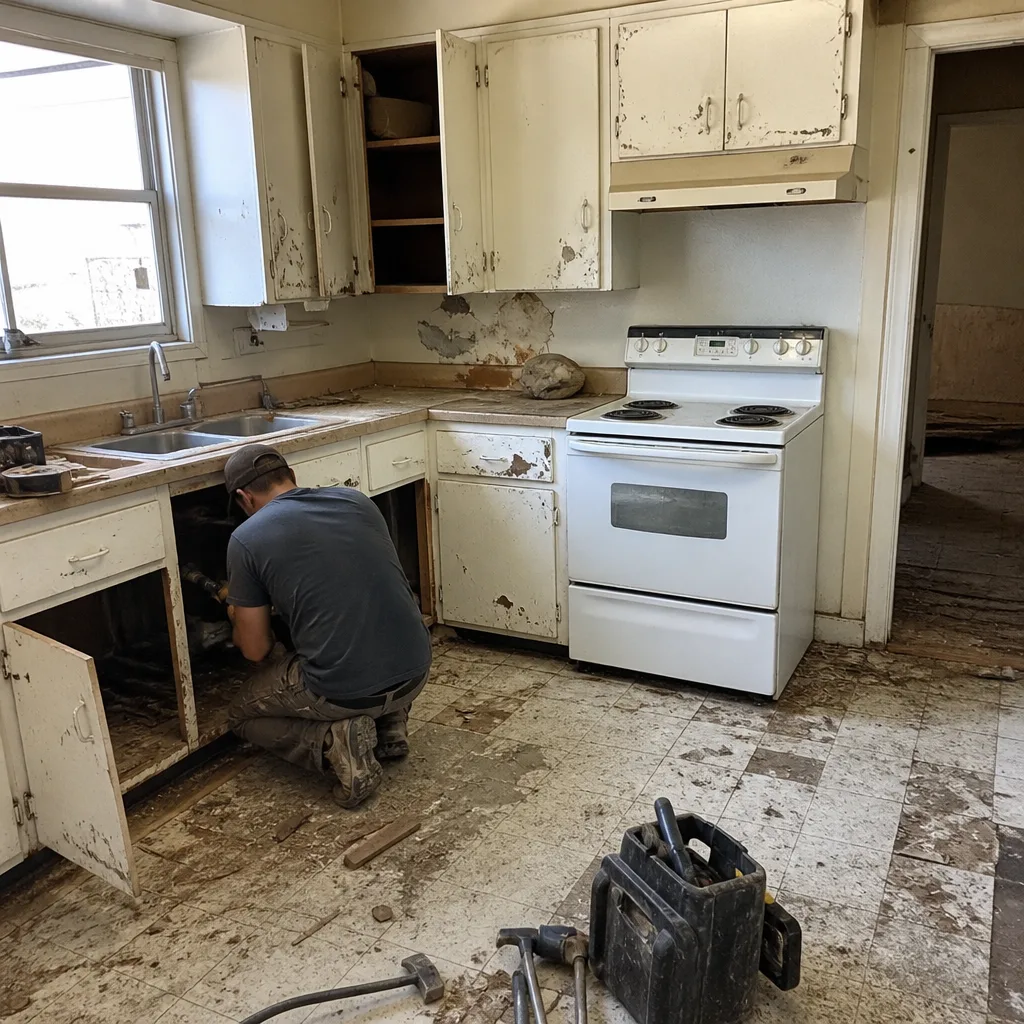 Before
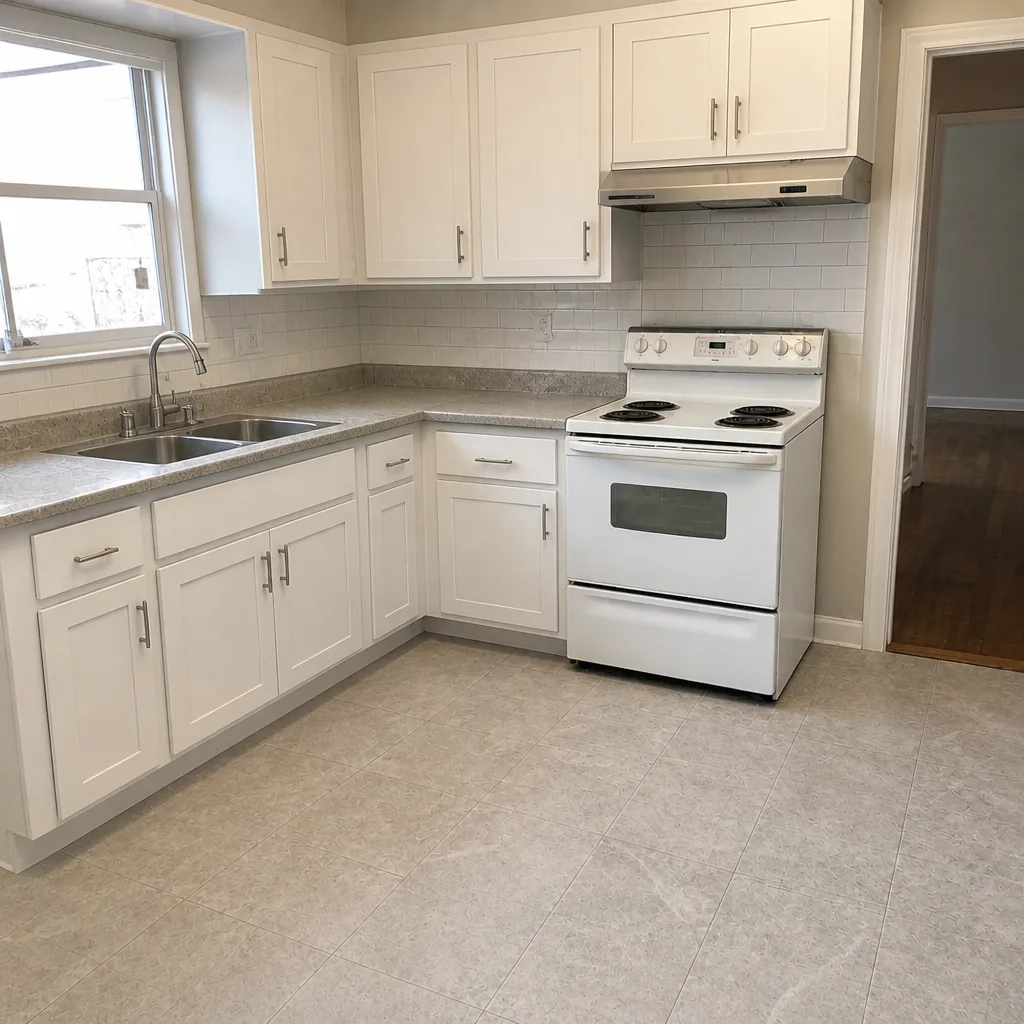 After
What a General Contractor Actually Does in Glendale, CA
A general contractor is the party legally responsible for building the project, which means it hires and schedules the trades, pulls the permits, holds the budget and the schedule, and answers to the inspector when something is out of compliance. In Glendale, CA, the role adds a layer most how-to articles skip: sequence management. On a hillside addition or a remodel of a 1920s Spanish Colonial, the order in which soils reports, engineering reviews, and Glendale Building & Safety approvals happen decides whether the project finishes on time or restarts. Call (844) 320-5930 and we’ll walk you through where your project sits in that sequence.
Key Takeaways
- A GC owns the schedule, the permits, the budget, and code compliance, not just the hammering.
- On Glendale hillside work, sequence errors (engineering before soils, grading plan before seismic scope) cost months.
- Pre-1970 Glendale homes often carry a seismic retrofit obligation that should be scoped into the original plan.
- “Written price before any work starts” is the single clearest test of whether a GC is really doing the administrative half of the job.
The Job Description Glendale Makes Longer
The generic version fits on a page: coordinate subs, pull permits, keep the schedule. A Glendale project on a Verdugo Mountains or San Rafael Hills lot needs more. Between signing a contract and breaking ground sits a chain that runs roughly like this: site visit and feasibility read, a soils report from a geotechnical engineer, structural engineering based on those soil findings, a grading plan drawn from the structural design, submission to Glendale Building & Safety for plan check, corrections and resubmittal, then permit issuance, then subcontractor mobilization, then inspection milestones at foundation, rough framing, rough trades, and final.
Every link depends on the one before it. Hire the structural engineer before the geotechnical report exists and you may be paying for a design that the actual soil conditions contradict. Submit a grading plan before the structural loads are set and plan check sends it back. Each restart is measured in weeks, sometimes a season. That’s the function homeowners don’t know exists until it fails, and it’s the part of the job we treat as engineering rather than project management.
Local Scenarios Where the Sequence Is the Whole Job
These repeat often enough that we plan them into estimates rather than treat them as surprises.
- Adams Hill Craftsman with a rear addition. The slope behind the house usually needs caissons and a retaining wall, which means soils first, then structural, then grading. Cut a corner there and the city asks for the geotech report at plan check anyway, only now it’s four weeks behind.
- Chevy Chase ranch with a kitchen remodel. Straightforward work, until the crew opens a wall and finds the original 1950s framing. That’s a structural evaluation, not a finish decision, and the GC owns the sequencing of that evaluation before the cabinets arrive.
- Pre-1970 home with an unreinforced masonry foundation. Very common in Glendale’s older stock. A remodel or addition can trigger a bolting-and-bracing review on the foundation. The GC’s job is to identify that at scope time, price it in, and sequence it before rough framing, not to discover it after the walls are closed.
- Soft-story apartment conversion. Glendale has been ahead of most of LA County on soft-story and unreinforced masonry ordinances since the Northridge earthquake. If your project touches that building type, the retrofit scope belongs in the original plan, not a change order later.
Glendale’s building department enforces some of the strictest hillside grading and seismic retrofit rules in the county, which is a compliment to the city and a scheduling reality for anyone building on a slope. Add the climate: hot, dry summers followed by atmospheric river winters expand and erode the soil on hillsides, so drainage and slope stabilization are structural decisions, not landscaping afterthoughts. Verdugo foothill lots also carry wildfire exposure, which folds fire-resistant assemblies and defensible space into the plan set.
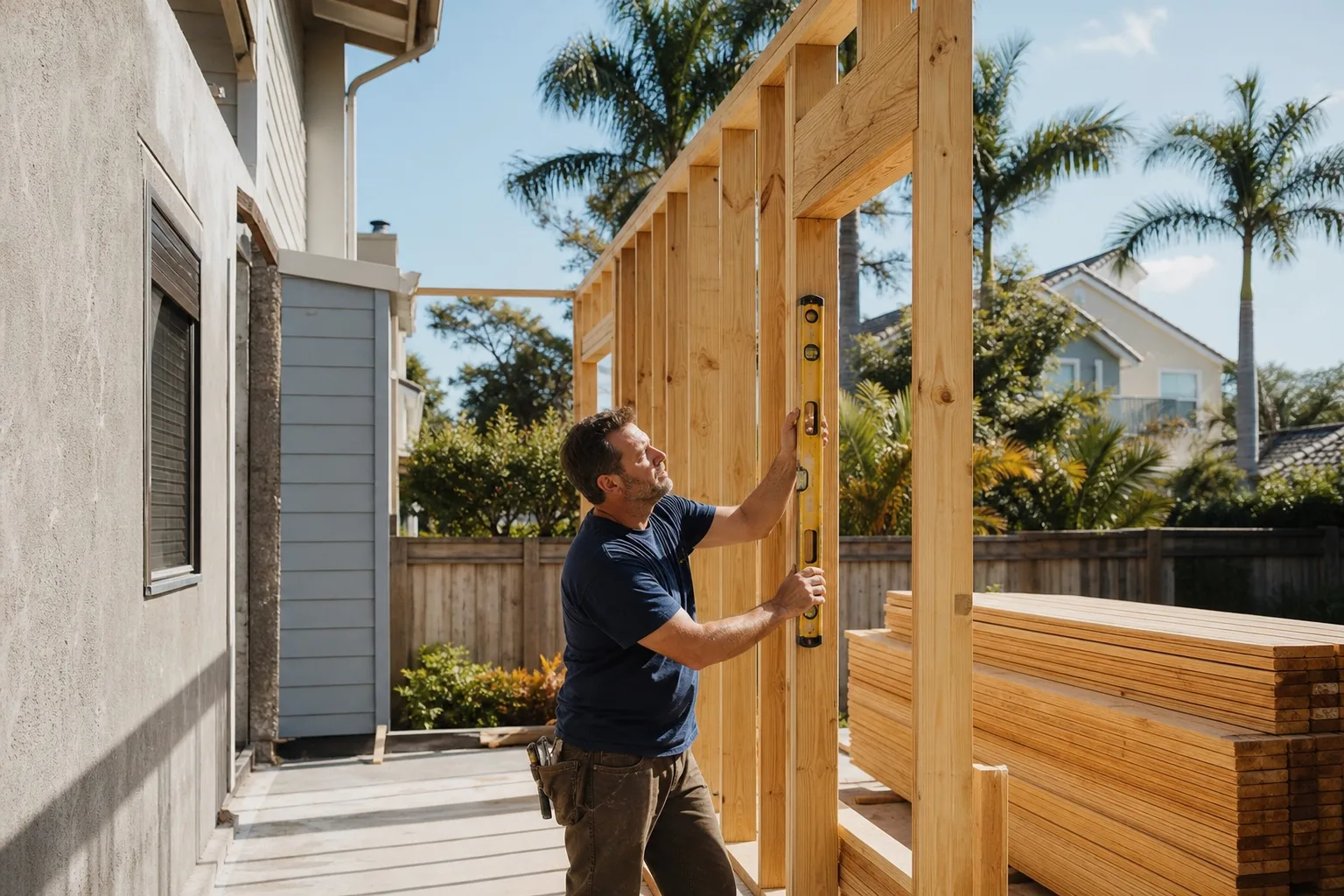
What the GC Owns at Each Step
Here’s the handoff map we work from. The homeowner is responsible for decisions and approvals. Everything else in this list is the contractor’s to manage.
| Stage | What the GC Owns |
|---|---|
| Feasibility and site visit | Reading the slope, the existing foundation, and the zoning envelope; recommending which consultants are actually needed |
| Soils and geotechnical | Engaging the geotechnical engineer, reviewing the report with the structural engineer, translating findings into foundation type |
| Structural and grading plans | Sequencing engineering so the grading plan reflects real loads; coordinating both sets for submittal |
| Plan check and permits | Submitting to Glendale Building & Safety, responding to corrections, tracking issuance |
| Subcontractor mobilization | Hiring licensed subs, verifying insurance, sequencing trades by inspection dependency, not by whoever’s free |
| Inspections | Foundation, rough framing, rough electrical/plumbing/mechanical, insulation, final; scheduling and correcting |
| Occupancy | Final inspection coordination and sign-off |
Multi-trade coordination is the other half of this. A GC working across framing, electrical, plumbing, HVAC, roofing, finishes, and hardscape is really managing conflicts: the electrician and the HVAC rough-in both wanting the same wall cavity, the roofer needing the framing inspection signed off before sheathing goes on, the hardscape crew waiting for final grading. Those conflicts are the GC’s problem to solve before they become your delay. Not every GC runs all seven trades in-house; some manage them as subs. Either way, the accountability sits with one party, and that party should be the one on your contract.
The Administrative Half Nobody Sees
Permit documentation, subcontractor insurance verification, lien waiver collection, change-order administration. Boring, and the difference between a project that closes clean and one that doesn’t.
Signed change orders are the clearest example. A GC who lets work proceed on a verbal “just go ahead” is not performing the administrative function, no matter how well the subs are managed. Every change becomes a negotiation at the end, and the number you agreed to at the start drifts. Under the Haven Standard, no change proceeds until the change order is signed. That’s the discipline that has kept our projects within a few percent of the agreed cost, and it’s why Clause 1, a written price before anyone picks up a tool, is the whole point of the system rather than a slogan.
The other half is documentation. A written scope, a flat price, and a written warranty before work starts. A photo record on every visit, showing what the crew found and what they did, included as standard. Background-checked, uniformed technicians, and a live person answering the phone around the clock. None of that is glamorous; all of it is what lets a homeowner verify the GC did the job. If you want to compare quotes, our home page explains how we work; we’ll also review a competitor’s written estimate line by line at no charge as a free second opinion.
What Calls Usually Cost in Glendale
General contractors don’t price “a GC,” they price scopes. Here are the ranges we quote in Glendale, with the written price delivered before any work begins.
- Kitchen remodel: $14,000-$45,000
- Bathroom remodel: $9,000-$28,000
- Home addition: $45,000-$130,000
- ADU construction: $90,000-$220,000
- Garage conversion: $30,000-$80,000
- Roof replacement: $8,000-$20,000
- Paver driveway: $7,000-$18,000
- Window replacement: $4,500-$15,000
Fixtures drive a lot of the swing inside those numbers. A Kohler or Moen package sits differently in the budget than builder-grade, and the same is true of Delta. Name the brands you want up front and the written quote reflects them, rather than getting revised later.
FAQs
A general contractor holds the contract with you, coordinates every trade, pulls the permits, and carries the legal responsibility for code compliance, while a subcontractor performs one trade and reports to the GC. On a Glendale hillside addition, that means the GC is the one who sequenced the soils report before the structural engineering and answered to Glendale Building & Safety when the plan check came back.
Yes, and the reason is sequence. A hillside addition typically requires a geotechnical report, structural engineering, a grading plan, and city plan check in a specific order, and getting that order wrong restarts the clock. A licensed general contractor manages that chain. If you’re not sure whether your lot triggers hillside grading requirements, call (844) 320-5930 and we’ll tell you what consultants your scope actually needs.
On pre-1970 Glendale homes, a remodel or addition can trigger a bolting-and-bracing review on an unreinforced masonry foundation, and the GC is responsible for identifying that at scope time so it’s priced into the original plan. Discovering it at rough framing turns a planned scope into a change order. If your home predates 1970, ask about this before signing anything.
The proof is administrative: a written price and written scope before any work starts, signed change orders on every change, verified subcontractor insurance, lien waivers, and a photo record of each visit. A GC who runs the schedule but skips those isn’t doing the full job. Call (844) 320-5930 for an exact quote on your scope, and estimates are free.
Talk to Us About Your Glendale Project
If you’d rather have it looked at, Rowan Construction Group Glendale offers a no-pressure assessment in Glendale. We’ll walk the site, tell you which consultants the scope requires, and put a written price in front of you before anyone picks up a tool. Call (844) 320-5930 for a free estimate.
Written by the team at Rowan Construction Group Glendale, serving Glendale, CA.