
Free written scope consultation - allowances, timeline, and change-order rules on paper before a single trade is scheduled
Plant Prefab Fence Installation: The Glendale Owner’s Guide
We install Plant Prefab-compatible fence installation for Glendale homeowners, and most complete fence runs land between $3,500 and $9,000 installed, depending on linear footage, material, and site conditions. Same-day availability is limited to repair and hardware calls; full installations are scheduled. (We’re an independent service provider and not affiliated with Plant Prefab.)
The story usually starts the same way. An owner in Adams Hill or Verdugo Woodlands notices a gate that won’t latch without a lift, a post that rocks when the wind picks up, or a run that’s started to lean after a wet winter. Plant Prefab homes are built to tight tolerances, and the fence is often the first exterior element to show stress. By the time the sag is visible, the hardware and footings have usually been working against gravity for a season or two.
Key Takeaways
- Most Glendale fence installations run $3,500 – $9,000 installed, materials and labor together.
- Plant Prefab homes use consistent post spacing and hardware standards, so the part match matters more than brand loyalty.
- We quote a flat written price before any work starts, and no change proceeds without a signed change order.
- Every visit includes a documented photo record of what we found and what we did.
Which Plant Prefab Models This Applies To
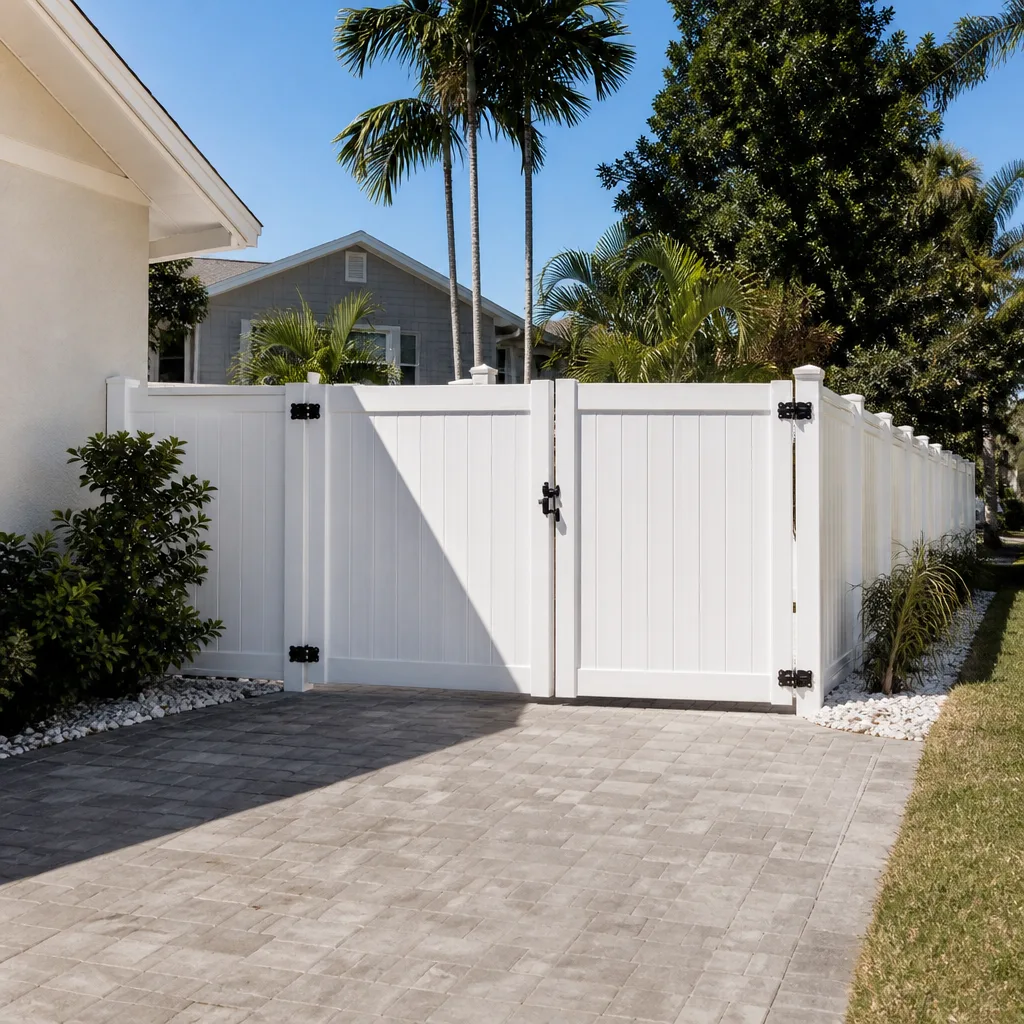
Plant Prefab builds across several product lines, and the fence and exterior hardware details vary by model and by build year. The common confusion is assuming a part that fits one Plant Prefab model fits another. It usually doesn’t, and the mismatch shows up as a gate that binds or a post bracket that’s a quarter-inch off.
The reliable way to identify the right part is by label and measurement, not by memory. Check three things before you call anyone:
- The data plate. Plant Prefab homes carry a model and serial identifier, often on a panel inside the garage, utility closet, or near the electrical panel. Photograph it.
- Post spacing and nominal size. Measure center-to-center between posts and the actual post dimension. Plant Prefab specs are consistent within a model line but differ between lines.
- Hardware stamping. Hinges, latches, and brackets carry manufacturer stamps. A photo of the stamp saves a return trip.
On the OEM-versus-aftermarket question: for structural hardware (post bases, gate hinges, latch assemblies), we generally favor OEM-spec or a documented equivalent, because the load ratings and finishes are known. For non-structural items, a quality aftermarket part is often a better value and lasts just as long. We don’t claim to stock parts or carry them on a truck. What we do is source against the label and measurement you provide, and we put the part number on the written quote so you can see exactly what you’re paying for.
Styles & brands we work with
- Kitchen remodeling
- Bathroom remodeling
- Home additions & ADU
- Roofing
- Windows & doors
- Driveway & pavers
- Fence
Signs Your Plant Prefab Fence Installation Is Failing
Fence failure in Glendale rarely happens all at once. It happens in a sequence, and each stage points to a different underlying cause:
- A gate that drags or won’t latch. Usually a hinge that’s lost tension or a post that’s shifted at the base. The gate itself is rarely the problem.
- A post that rocks when pushed. The footing has loosened, often after soil movement from winter rain followed by dry summer shrinkage. Common on slopes in Glendale’s hillside neighborhoods.
- Rust bleeding from hardware or fasteners. Interior-grade fasteners used in an exterior application, or a finish that’s worn through. Coastal-adjacent humidity accelerates this.
- A run that leans in one direction. Either a failed post or a stringer that’s rotted where it meets the post. A leaning run is a structural signal, not a cosmetic one.
- Loose or lifted panels after wind. Fastener pull-out or a stringer that’s checked and split. Glendale’s Santa Ana wind events test every fence on exposed lots.
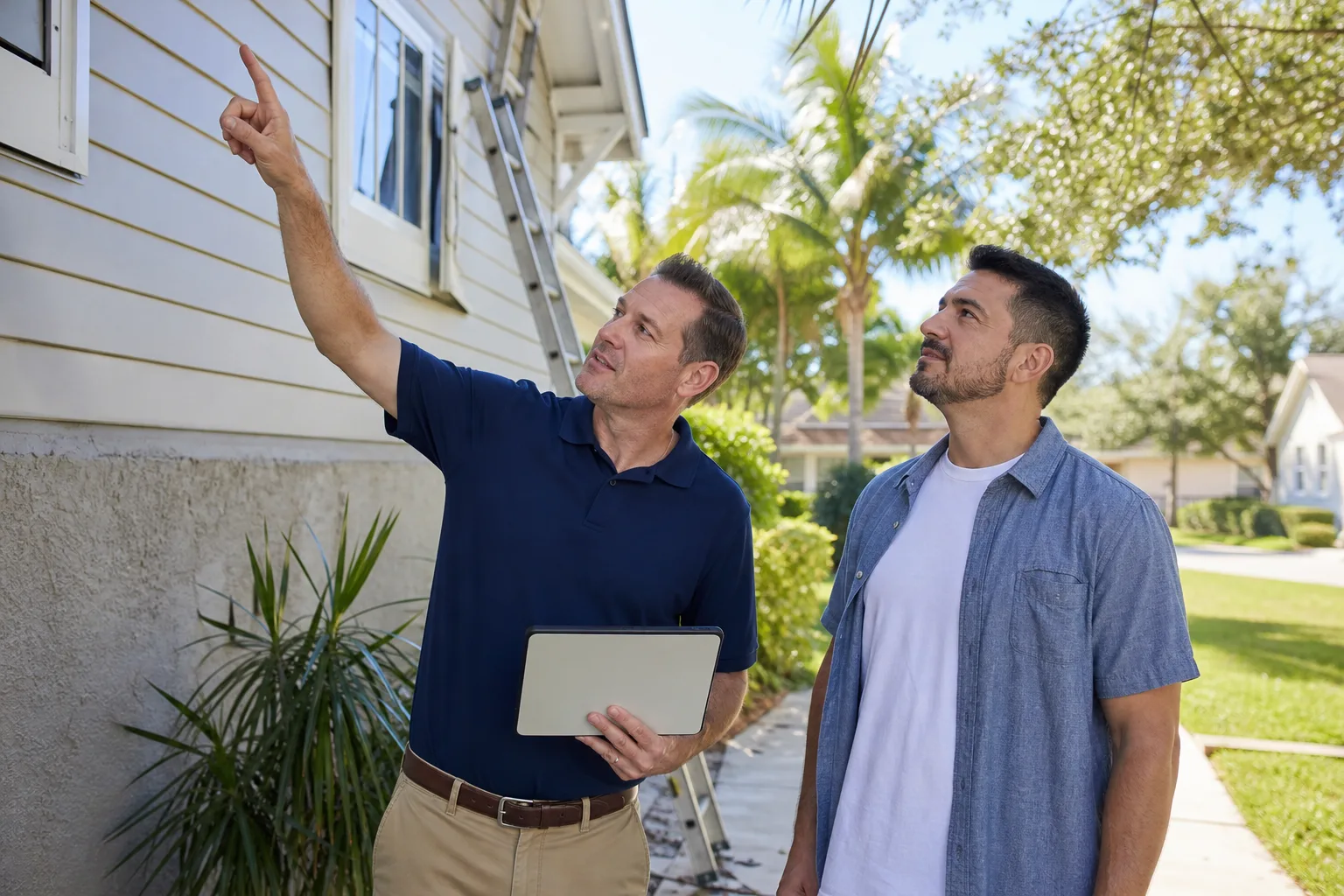
Each symptom points to a different fix, and replacing the wrong part wastes money. That’s why we start with a documented inspection rather than a guess.
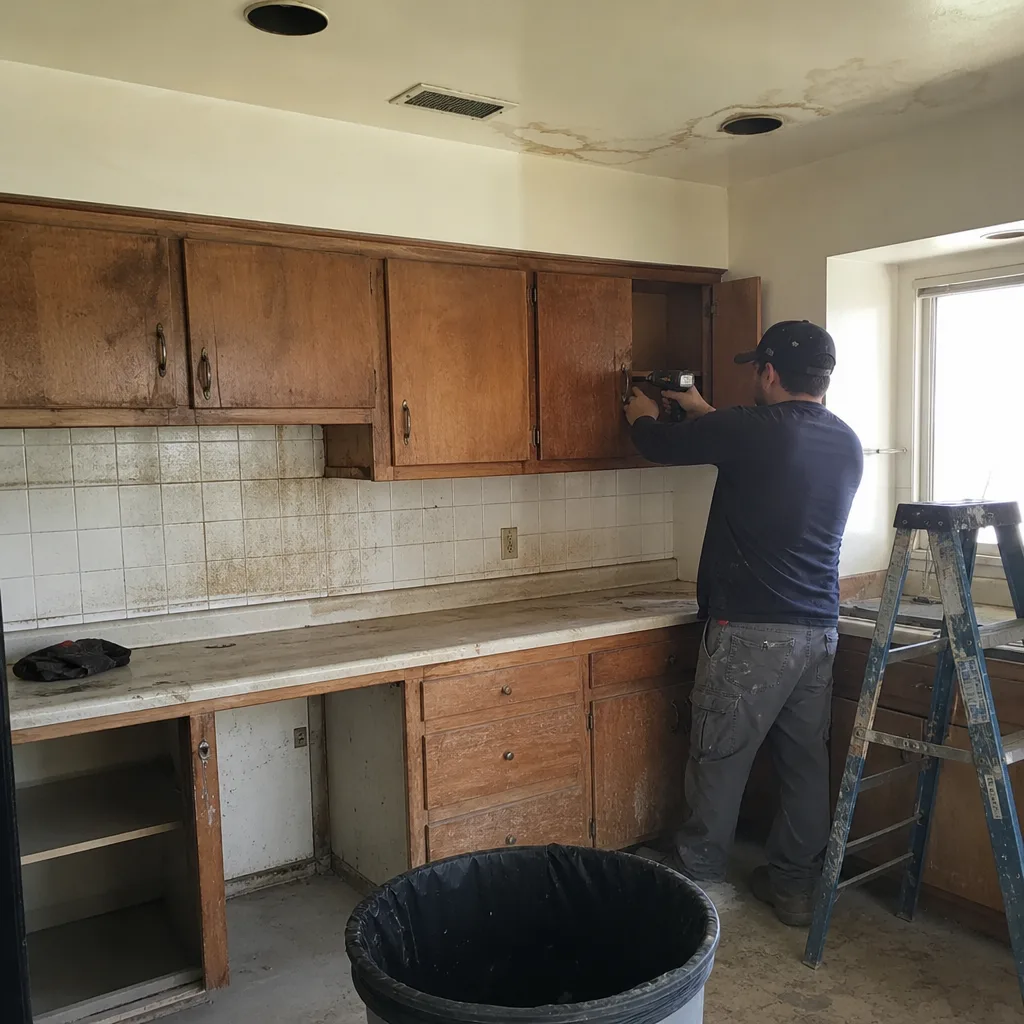
See the difference
 Before
 After
 Before
 After
 Before
 After
Replacement Cost & What’s Included
For Glendale, a complete Plant Prefab-compatible fence installation typically runs $3,500 to $9,000 installed. Repair and hardware calls sit well below that range. The variables that move the number:
- Linear footage. The single biggest driver. A short side-yard run prices very differently from a full perimeter.
- Material. Vinyl, aluminum, and composite each price differently, and hardware compatibility varies by material.
- Site conditions. Hillside lots, tight access, and old footings that need removal add labor.
- Gates and hardware. Latches, hinges, and automation add cost but also add lifespan.
Every quote is a flat written price with a written scope and a written warranty. Parts and labor are itemized so you can see what the number is made of. Under Clause 1 of the Haven Standard, the price is written before anyone starts, and no change proceeds without a signed change order. The 365-Day Done Right Promise backs the work: if it’s not done right, we make it right. We also offer a Free Second Opinion on any written estimate, reviewed line by line at no charge.
DIY or Call Us?
Some checks are safe and useful. You can photograph the data plate, measure post spacing, note the hardware stamping, and test a gate by hand. A visual walk of the run for rust, rot, and lean costs nothing and helps whoever does the work.
Where DIY goes wrong is at the footing and the structural hardware. Digging out and resetting a post on a hillside lot, or replacing a hinge assembly without knowing the load rating, is where people either injure themselves or create a bigger problem than they started with. A gate that swings is a heavy, moving object; a post that fails under load can take a section of fence with it.
If the hardware or footing is the issue, call us at (844) 320-5930. Estimates are free, the price is in writing before any work starts, and crews are background-checked and uniformed. A live person answers the phone, and every visit comes with a documented photo record.
FAQs
Plant Prefab fence installations typically last 15 to 25 years in Glendale’s climate if the footings stay dry and the hardware is exterior-rated, though hillside lots and wind-exposed runs shorten that. Call (844) 320-5930 for an exact quote on a replacement; estimates are free.
Often yes. A single failing post, hinge, or latch is a repair, not a full replacement, and we’ll tell you which it is after we look. A repair typically costs well under the $3,500 – $9,000 installation range. Call (844) 320-5930 to schedule a free assessment.
A hardware or single-post repair is typically a same-day call; a full fence installation over a Glendale property usually runs two to four days depending on linear footage and access. Call (844) 320-5930 for a written schedule and price.
We source against the model label, post spacing, and hardware stamping you provide, not against a guess, and the part number goes on the written quote. We don’t claim to stock parts or carry them on a truck; we source and install. Call (844) 320-5930 for a free estimate.
Whether you’re in Glendale or a neighboring community, we handle fence installation, repair, and hardware replacement with a written price, a signed change order on any change, and the 365-Day Done Right Promise behind the work. We also work with KraftMaid, Cambria, and Silestone on interior projects if a larger renovation is on your list.
Call (844) 320-5930 to schedule your free estimate. Bring a competitor’s quote if you have one; we’ll review it line by line at no charge.
Written by the team at Rowan Construction Group Glendale, serving Glendale and nearby areas.