
Free written scope consultation - allowances, timeline, and change-order rules on paper before a single trade is scheduled
Plant Prefab Roofing: The Glendale Owner’s Guide
We install Plant Prefab-compatible roofing in Glendale, and a full tear-off and replacement typically runs $8,000 to $20,000 depending on square footage, pitch, and material. Individual roof repairs usually land between $400 and $1,800, while a tile roof repair runs $600 to $2,500. Rowan Construction Group Glendale is an independent service provider and is not affiliated with Plant Prefab; we work on the homes, and we match the roofing spec to the building.
Owners rarely discover a roofing problem all at once. It usually starts with a brown ring on a ceiling near a valley, or grit in the gutter after a Santa Ana wind event, or a flap of underlayment visible from the street where a panel edge lifted. Plant Prefab homes are built to tight tolerances, so when the roof assembly goes, you tend to see it at the seams and penetrations first, not in the middle of a field of shingles.
Key Takeaways
- Full replacement in Glendale: $8,000 to $20,000. Repairs: $400 to $1,800.
- Most failures show at panel seams, penetrations, and flashings, not mid-field.
- We quote a flat written price with a written scope before any work starts.
- 365-Day Done Right Promise backs every roofing job we complete.
- We are independent of Plant Prefab and match by spec, not by brand loyalty.
Which Plant Prefab Models This Applies To
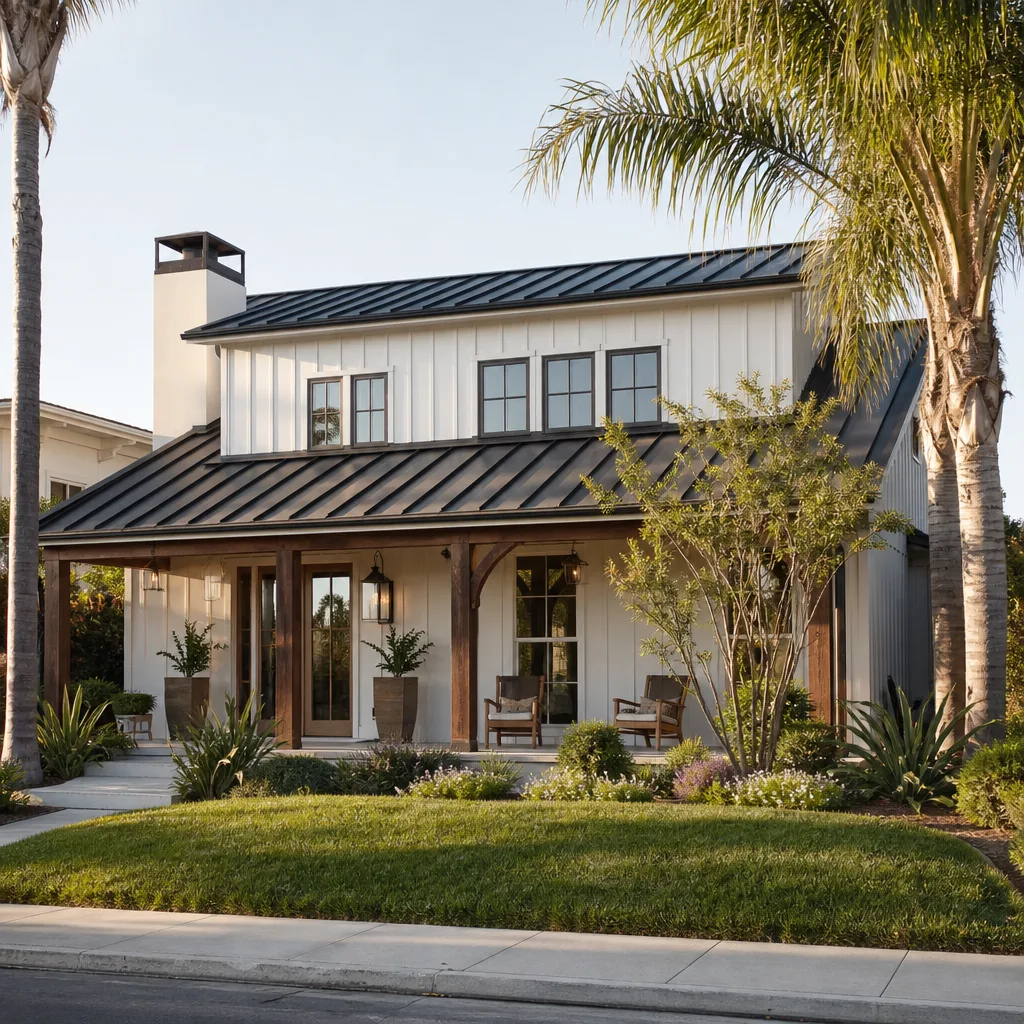
Plant Prefab builds across several product lines, and the roofing assembly differs by line and by the year the module was fabricated. The plant-built panel construction means the roof deck, sheathing, and often the underlayment arrive as part of a manufactured assembly rather than a site-framed roof. To identify what you have, start with the data plate and the as-built drawings that shipped with the home. Look for the roof assembly callout: it will name the underlayment type, the sheathing thickness, and the specified covering.
Measure the panel seams and the eave overhang before you order anything. Plant Prefab modules are built to a consistent tolerance in the factory, but site-set tolerances can vary by a fraction of an inch, and that fraction matters when you are matching flashing profiles. The original plans are the fastest path; a licensed contractor can also read the assembly from the attic side by checking sheathing stamps and underlayment markings.
On the OEM-versus-aftermarket question: Plant Prefab is a manufacturer of the structure, not a roofing-material brand. The specified covering is usually a standard product from a national manufacturer, so what you actually match is the roofing system, not a proprietary Plant Prefab part. That is good news for availability. We source roofing materials through our network of vetted brands, including GAF and Owens Corning, alongside KraftMaid, Cambria, and Silestone where a project touches more than the roof. The decision comes down to matching the specified system so the assembly performs as designed, not to brand loyalty.
Styles & brands we work with
- Kitchen remodeling
- Bathroom remodeling
- Home additions & ADU
- Roofing
- Windows & doors
- Driveway & pavers
- Fence
Signs Your Plant Prefab Roofing Is Failing
Roof failures in Glendale tend to announce themselves at the edges of the assembly. Here are the five symptoms we see most often on Plant Prefab homes, and what is usually behind each one.
- Water staining on ceilings near panel seams. This points to a failed underlayment lap or a lifted flashing at the seam, not a hole in the field shingles. The moisture tracks along the seam before it shows inside.
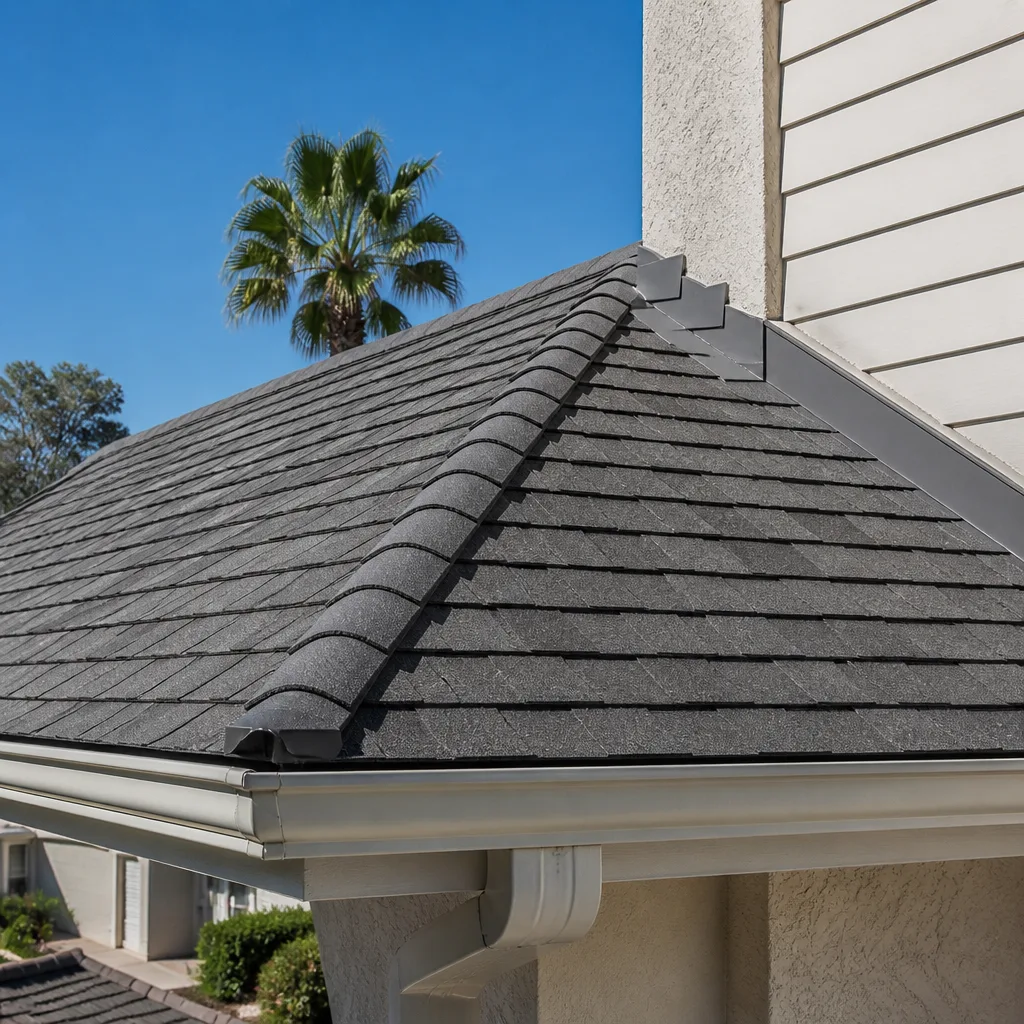
- Granule loss in the gutters after wind. Glendale’s Santa Ana winds scour a roof surface, and if granules are shedding heavily, the shingle mat is aging faster than the calendar suggests. Check for bare spots where the granules have gone.
- Visible underlayment or lifted edges at the eave. A lifted edge at the eave or a visible flash of underlayment usually means the edge metal or drip edge has come loose. That is a small repair if caught early and a sheathing replacement if it is not.
- Daylight in the attic at a penetration. Vent boots, plumbing stacks, and skylight curbs are where sealant fails first. Daylight through a penetration means the flashing seal has broken, and water is following.
- Soft spots or spongy deck when you walk the roof. A soft spot means the sheathing has taken on moisture, usually from a slow leak at a seam. This is the one symptom you should not defer, because the deck is structural.
On a manufactured-panel roof, one more symptom deserves its own line: a gap or step at a panel joint that was not there before. Panel joints are set in the factory and should not move. If one has opened, it means the assembly has shifted, and that needs a structural look, not a caulk gun.
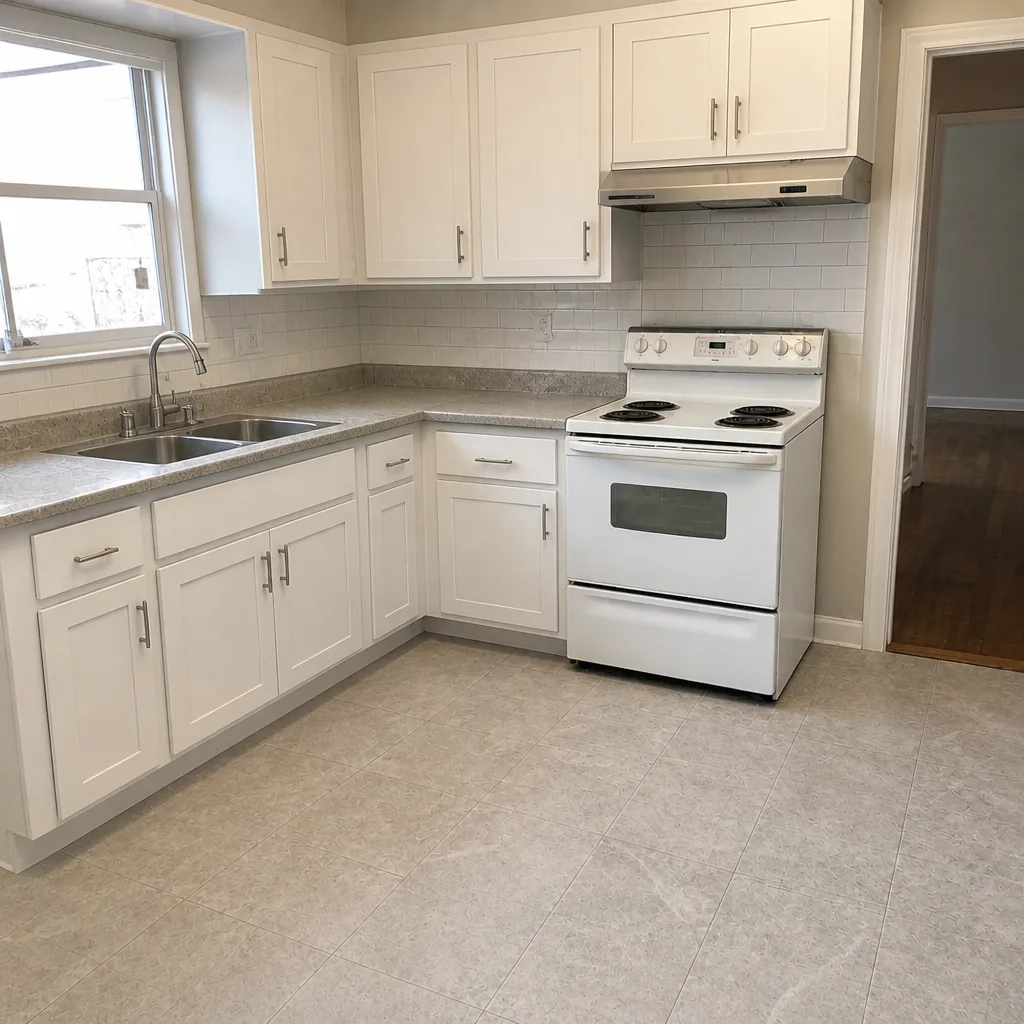
See the difference
 Before
 After
 Before
 After
 Before
 After
Replacement Cost & What’s Included
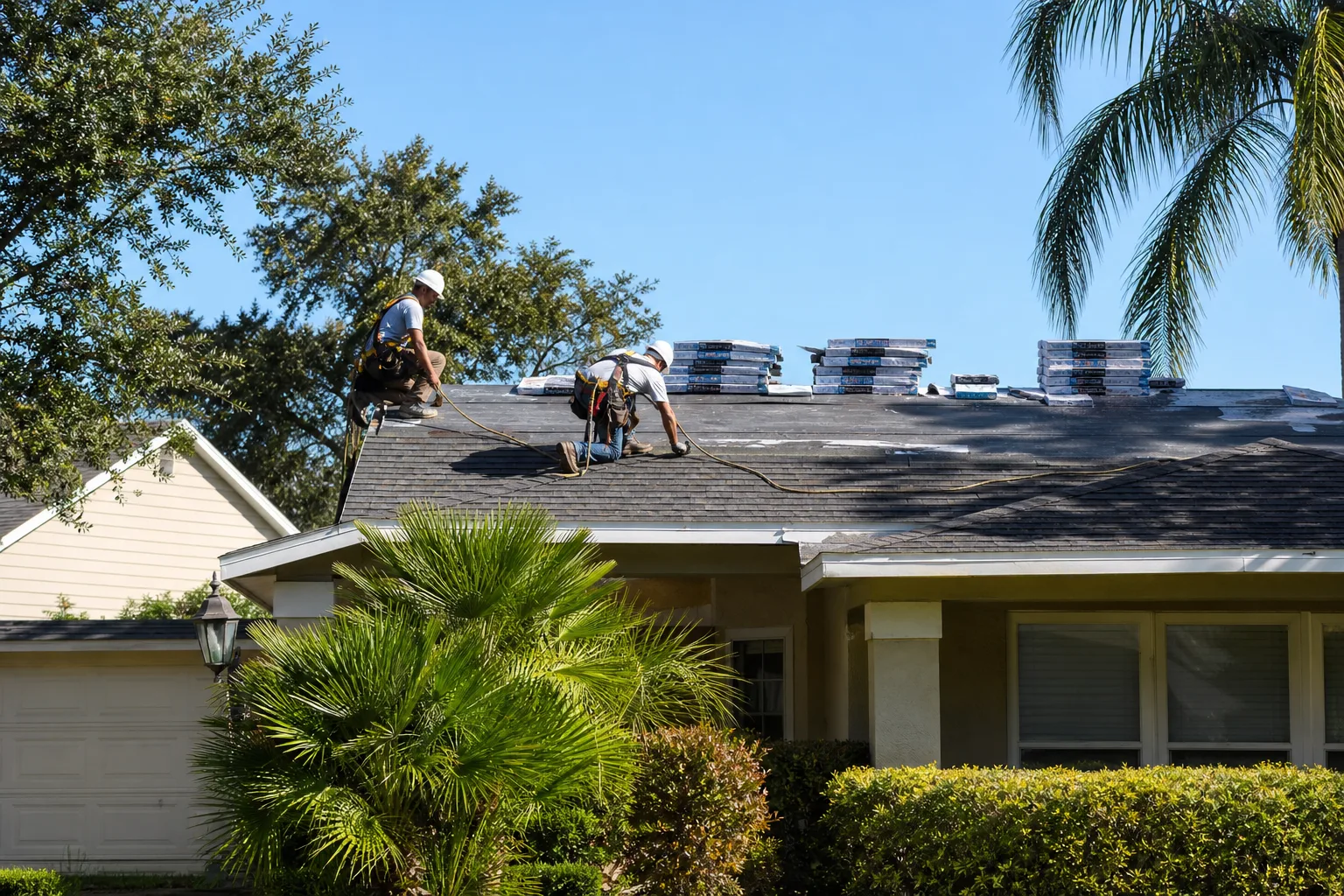
Here are installed price ranges for Glendale, calibrated to what we actually quote. These are installed prices, meaning materials plus labor plus disposal, not a materials-only number.
| Scope | Installed Price Range (Glendale) |
|---|---|
| Roof repair (localized) | $400 – $1,800 |
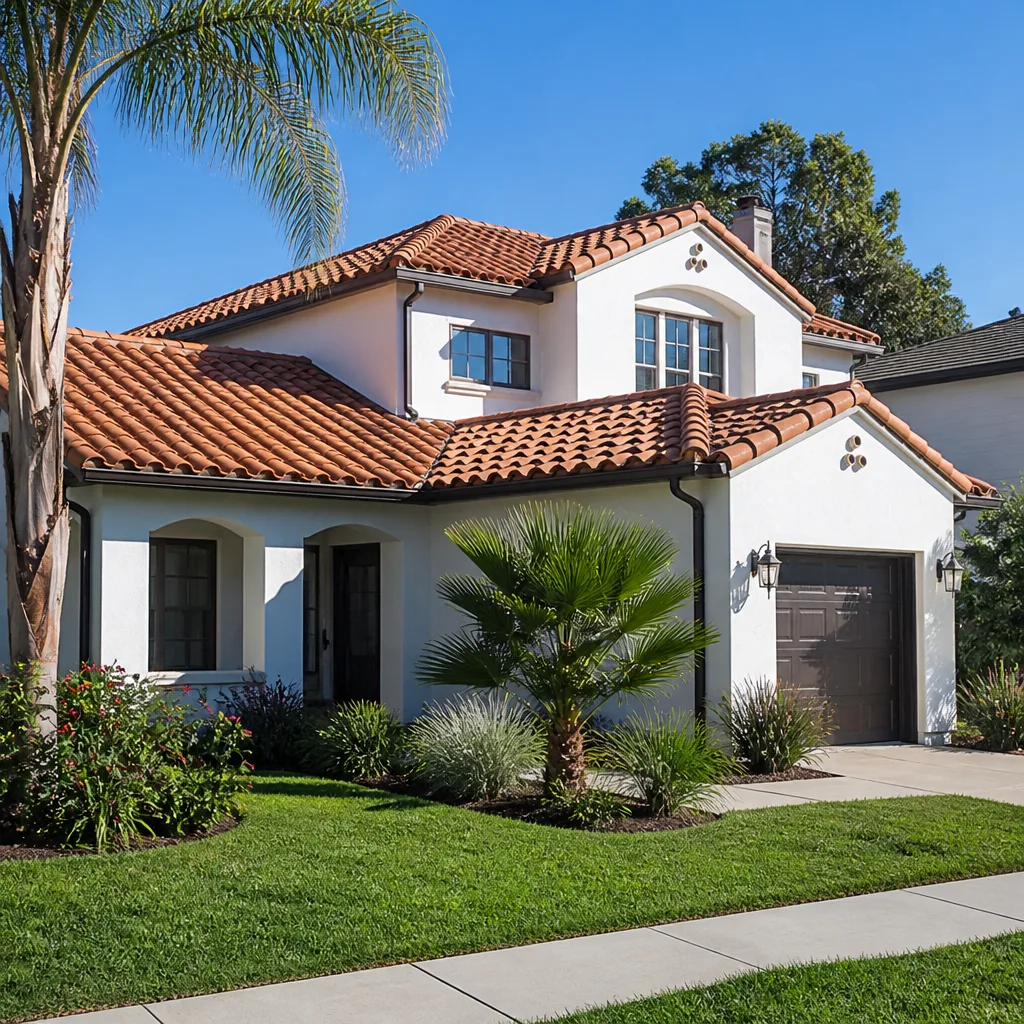
| Tile roof repair | $600 – $2,500 |
| Roof replacement (full tear-off) | $8,000 – $20,000 |
| Metal roof installation | $15,000 – $40,000 |
What drives the range: square footage, roof pitch, the number of penetrations and valleys, whether the existing assembly is one layer or two, and whether the sheathing underneath is sound. On a Plant Prefab home, panel seams add a small amount of labor to detail correctly, and we price that in. You get a flat written price and a written scope before anyone picks up a tool. If the scope changes once we open the roof, no work proceeds on the change until you sign a change order. That is the discipline behind the 365-Day Done Right Promise, and it is why our projects finish within a few percent of the agreed number.
DIY or Call Us?
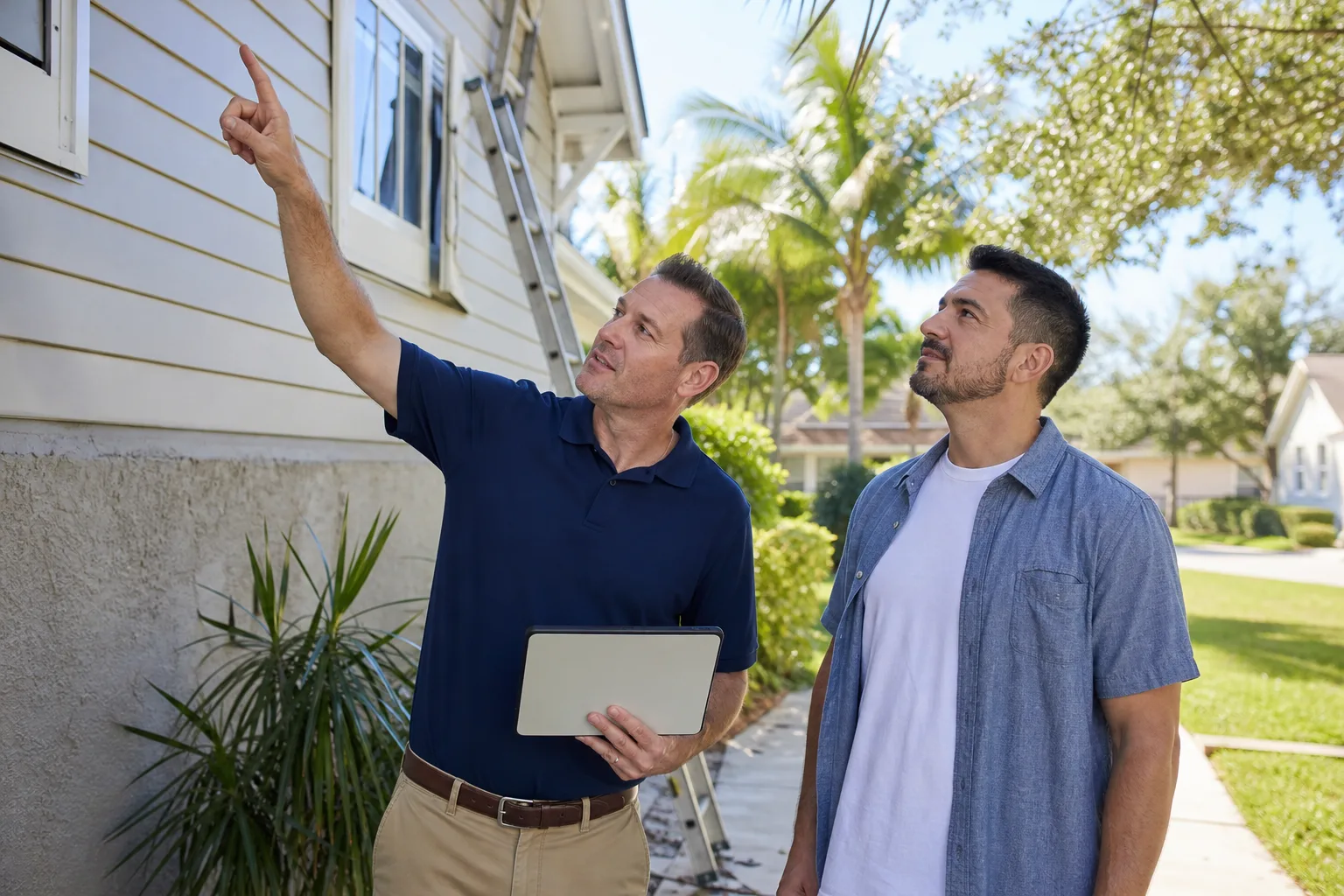
If the roof is a low-slope or you can see the problem from the ground with binoculars, checking is safe. You can inspect the gutters for granule loss, look at the ceiling for stains, and photograph the flashings at penetrations from a ladder on level ground. What you should not do is walk a pitched roof, pull shingles to look underneath, or get on a roof in wind or after rain.
Roofing is height work, and a fall from a single-story eave is a serious injury. Beyond the fall risk, DIY on a manufactured-panel roof goes wrong in a specific way: a homeowner seals a seam that should have been allowed to move, and the next thermal cycle cracks the seal and opens a wider gap. We have seen that repair cost more than the original fix would have. Our technicians have up to 19 years of experience, and every visit comes with a documented photo record, so you see what we found before we touch it. Call (844) 320-5930 for a free estimate.
FAQs
A properly installed asphalt shingle system on a Plant Prefab home typically gives 20 to 25 years in Glendale’s climate, with tile systems running longer. The heat and the Santa Ana winds are the two stressors here; the valley heat ages the shingle mat from below, and the wind scours granules from above. A roof that is shedding granules heavily at 12 to 15 years is telling you the assembly was under-specified or under-ventilated. Call (844) 320-5930 for an inspection and a written price.
Yes, if the damage is localized to a seam, a penetration, or a flashing, a repair at $400 to $1,800 is usually the right call. Repairs stop making sense when the deck is soft, when the failure is spread across more than about a quarter of the roof, or when the existing covering is near the end of its service life. A tile roof repair runs $600 to $2,500 and often postpones a full replacement for years. We will tell you which one you actually need, with photos to back it up. Call (844) 320-5930 for a free estimate.
A localized repair is typically a one-day job; a full tear-off and replacement on a typical Glendale home usually runs several days to a couple of weeks depending on square footage, weather, and how many layers come off. We schedule the work in writing so you know the window before the crew arrives. Plant Prefab panel seams add detail work, which we build into the schedule up front, not as a surprise later. Call (844) 320-5930 for a free estimate and a written timeline.
We match the specified roofing system from your as-built drawings and data plate, then source the covering through our network of vetted brands, including GAF and Owens Corning. Plant Prefab specifies standard national roofing products rather than proprietary ones, so matching the system is straightforward once we read the assembly. Where the specified product is no longer made, we identify a quality equivalent with the same performance spec and put the substitution in writing. Call (844) 320-5930 for a free estimate.
Written by the team at Rowan Construction Group Glendale, serving Glendale and nearby areas.